2025-04-22 07:41
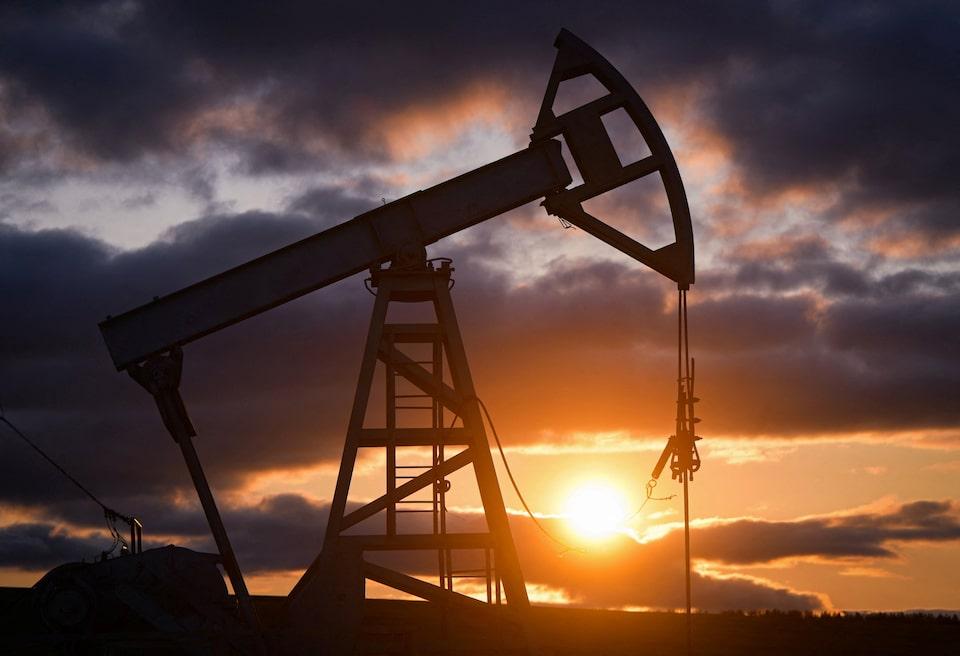
NEW DELHI, April 22 (Reuters) - The share of OPEC oil in India's imports fell to a record low in fiscal year 2024-25 as refiners continued to gorge on cheaper oil from Russia, the top oil supplier to New Delhi for the third straight year, data obtained from trade and industry sources showed. India, the world's third biggest oil importer and consumer, has been tapping Russian oil sold at a discount after Western nations imposed sanctions on Moscow over the Ukraine war. Sign up here. The South Asian nation imported an average of 4.88 million barrels per day (bpd) of oil in the fiscal year to March 2025, a growth of 5% over the previous year. Import of Russian oil rose 7.3% to 1.76 million bpd, raising its share marginally to 36% while OPEC's share slipped slightly to 48.5%, the data showed. Russia is an ally of the Organization of Petroleum Exporting Countries but has eaten into the market of key OPEC producers from the Middle East. Altered trade flows due to geopolitical tensions and costlier shipments from some traditional suppliers have pushed India to diversify sources of crude and tap cheaper supplies from even far-flung areas such as Russia. Iraq and Saudi Arabia were the second and third biggest sources of crude for India. India's oil imports from Saudi Arabia in 2024-25 plunged to the least in 14 years while those from Iraq declined to a four-year low, data compiled by Reuters showed. Indian refiners restricted purchase of Saudi oil due to higher official selling prices set by state-owned Saudi Aramco for most of the year, industry sources said. Lower imports from Iraq and Saudi Arabia dragged down the share of Middle East supplies in India's crude imports. In March, India's imports of Russian oil rose about 11% from February to 1.7 million bpd, the highest in 5 months, the data showed. India imported 5.3 million bpd oil in March, up 1.3% from the previous month, the data showed. The U.S. was the fourth largest oil supplier to India during the month. https://www.reuters.com/business/energy/russian-oil-drives-opec-share-indias-imports-record-low-data-shows-2025-04-22/
2025-04-22 07:17
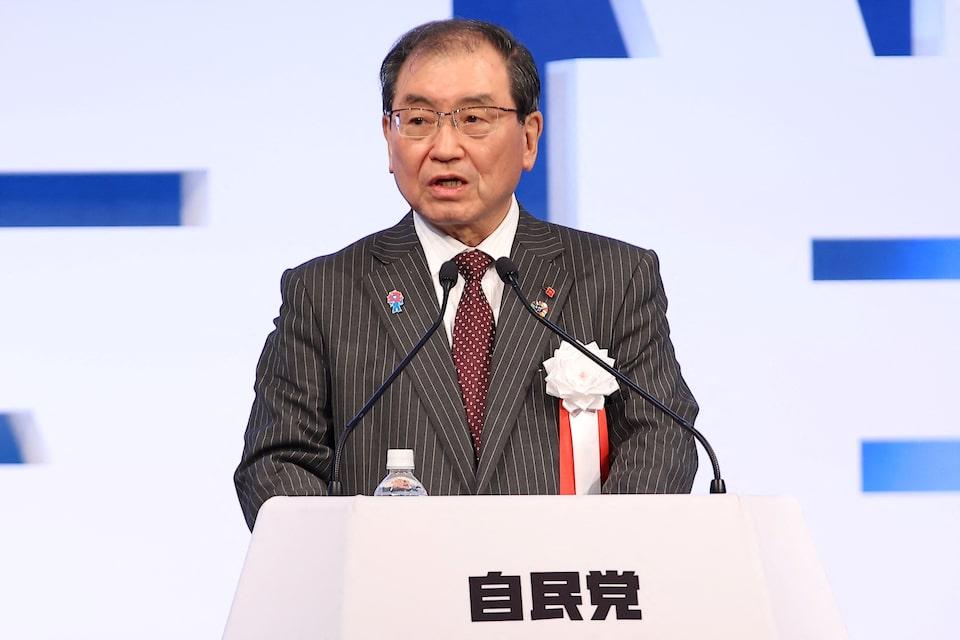
TOKYO, April 22 (Reuters) - The head of Japanese business lobby Keidanren, Masakazu Tokura, on Tuesday said rapid foreign exchange fluctuation is undesirable and that currencies must stabilise as much as possible to reflect economic fundamentals. Tokura was speaking after the U.S. dollar fell below 140 yen. Sign up here. He also welcomed Japan and the United States engaging in tariff talks earlier this month. https://www.reuters.com/markets/currencies/japan-business-lobby-chief-says-rapid-forex-fluctuation-undesirable-2025-04-22/
2025-04-22 06:55
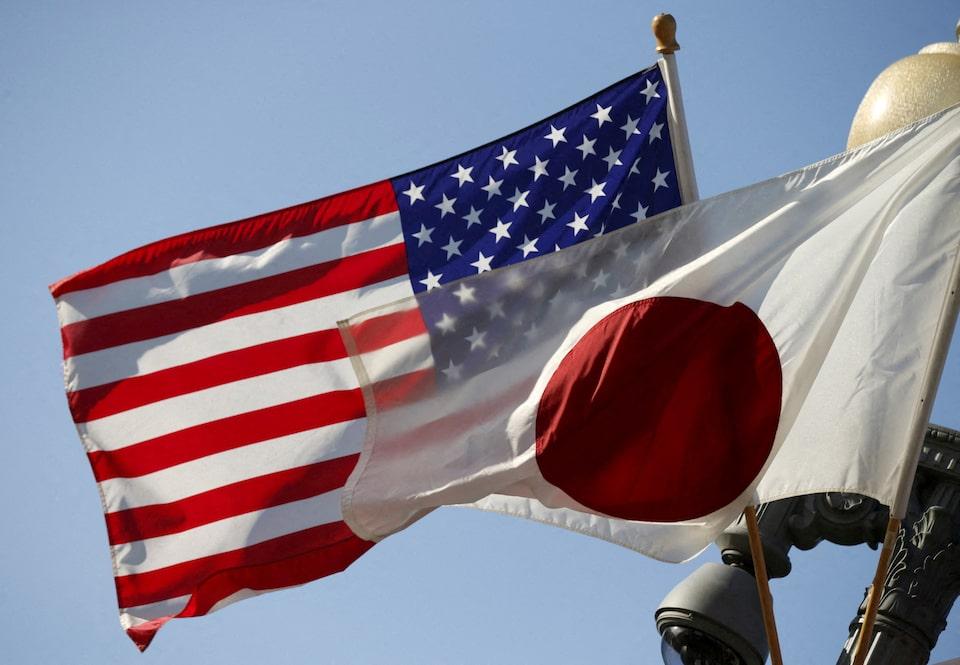
Japan, U.S. finance heads to meet this week in Washington Kato, Bessent likely to discuss currency rates Japan's focus would be to sound out U.S. wish-list, sources say Japan sees little scope for yen intervention, BOJ rate hike TOKYO, April 22 (Reuters) - When Japanese Finance Minister Katsunobu Kato meets his U.S. counterpart Scott Bessent in Washington this week, the yen is shaping up to be a major topic of discussion, though sources say Tokyo will push back against any request to boost its currency. While some analysts bet Washington will pressure Tokyo to help prop up the yen, Japan sees little scope for direct action such as currency intervention or an immediate interest rate hike by the central bank, according to three sources with knowledge of the negotiations. Sign up here. Rather, Japanese policymakers hope to better understand what the U.S. has in mind on exchange-rate matters, and how they fit into a package of steps the two countries will negotiate in clinching a trade deal, the sources said. That means the meeting between Kato and Bessent, which will be the first face-to-face talks between the two, will likely underwhelm expectations of some market players for a major, coordinated arrangement to boost the yen. "Much will be about sounding out Washington's intentions," one of the sources said on Japan's strategy on the expected meeting between Kato and Bessent, which will take place on the sidelines of the spring meeting of the International Monetary Fund in Washington. The two countries are still arranging a date for the meeting, Kato told reporters on Tuesday. Japanese policymakers say they have yet to receive any specific requests from the U.S. on currency policy. The last major occasion when the U.S. pressured Japan into strengthening the yen was in 1985, when Washington led the G7 in a coordinated depreciation of the dollar under the Plaza Accord. LACKING FEASIBLE TOOLS U.S. President Donald Trump's focus on addressing a huge trade deficit, and his past remarks criticising Japan for intentionally maintaining a weak yen, have led to market expectations that Tokyo will face pressure to strengthen the yen's value against the dollar and give U.S. manufacturers a competitive advantage. These expectations have fuelled the yen's recent rise to seven-month highs against the dollar. Bessent has also said he was looking forward to discussions with Japan on tariff, non-tariff barriers and exchange rates. Sources have previously told Reuters the slow pace at which the Bank of Japan is raising borrowing costs from ultra-low levels could also come under fire in bilateral trade talks. But there is little Japan can do to influence exchange rates in ways beneficial for both countries. Japan's latest foray into the exchange-rate market was in 2024, when it bought yen to prop up the currency from a nearly three-decade low of 161.99 to the dollar hit in early July. With broad-based dollar declines already having pushed up the yen to around 140, Japanese officials are wary of taking steps to further strengthen the currency for fear of narrowing exporters' margin at a time of tariff strains. If Japan were to conduct yen-buying intervention, it would need to sell U.S. Treasury holdings - something Washington may not prefer given the recent U.S. bond market rout. The hurdle is even higher to use Japan's monetary policy as a means to prop up the yen. The BOJ is in no mood to rush into hiking rates at a time Trump's tariffs threaten to derail Japan's fragile economic recovery. Hiking rates in response to U.S. demands would also erode the BOJ's independence in setting monetary policy and put the central bank's credibility on the line, analysts say. "Even if Japan and the U.S. were to discuss currency rates, there's really not much the two sides can do. It doesn't make sense to conduct currency intervention. Rate hikes are also out of the question," said Hiroyuki Machida, director of Japan FX and commodities sales at ANZ. In the end, the two countries may seek middle ground in the language they use in describing currency moves. "Both the euro and the yen have risen quite a bit recently, so the U.S. may not want the dollar to fall further," said Katsuhiro Oshima, chief economist at Mitsubishi UFJ Morgan Stanley Securities. "The two countries might end up just agreeing that stable exchange-rate moves are desirable, and that Japan should avoid intentionally weakening the yen," he said. https://www.reuters.com/business/finance/japan-sees-little-scope-grand-deal-yen-talks-with-us-2025-04-22/
2025-04-22 06:35
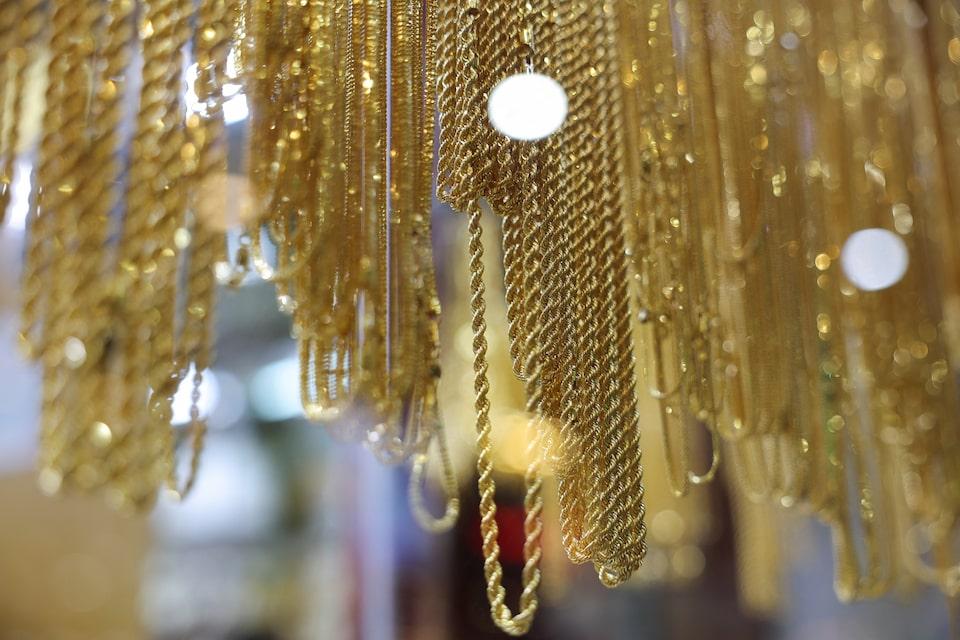
Bullion hits record high of $3,500.05/oz U.S. dollar up 0.7% U.S. Treasury Secretary says tariff standoff with China unsustainable April 22 (Reuters) - Gold fell more than 1% on Tuesday after briefly touching a record high of $3,500 earlier in the session, as comments by U.S. Treasury Secretary Scott Bessent hinting at a thaw in U.S.-China trade tensions fueled optimism in equities and strengthened the dollar. Spot gold fell 1.5% to $3,372.68 an ounce by 3:46 p.m. EDT (1946 GMT), after rising as much as 2.2% to $3,500.05 earlier in the session. Meanwhile, U.S. gold futures settled 0.2% lower at $3,419.40. Sign up here. "Comments (of the U.S. Treasury Secretary) this afternoon that hinted towards a possible thaw in the trade war with China, was really when (gold) started to sell off," said Bob Haberkorn, senior market strategist at RJO Futures. Bessent said Tuesday that he believes there will be a de-escalation in U.S.-China trade tensions, though he described the future negotiations with Beijing as a "slog" that has yet to begin. U.S. stocks jumped more than 2%, and the dollar rebounded, buoyed by Bessent's comments, after he called the tariff standoff unsustainable. The dollar index (.DXY) , opens new tab rose 0.7% against its rivals, making bullion more expensive for holders of other currencies. "Rallies in the stock market and the U.S. dollar index today are negative for the gold market," said Jim Wyckoff, senior analyst at Kitco Metals. Meanwhile, spot gold, up 29% so far this year, notched its 28th record high on Tuesday as it surged to the $3,500-per-ounce mark for the first time. JPMorgan expects the rally to continue, projecting that gold will surpass $4,000 an ounce next year amid rising recession risks, higher U.S. tariffs, and persistent U.S.-China trade tensions, the bank said in a note on Tuesday. Traders will also be watching speeches by several Federal Reserve officials later this week, hoping for insights into future monetary policy amid concerns about the central bank's independence. Non-yielding gold acts as a hedge against global uncertainty and inflation and tends to thrive in a low-interest-rate environment. Gold's relative strength index (RSI) stands at 74, indicating that the metal is overbought. Spot silver fell 0.7% to $32.47 an ounce, platinum was down 0.8% at $953.64, and palladium jumped 0.6% to $932.75. https://www.reuters.com/markets/commodities/gold-maintains-record-rally-following-trumps-criticism-fed-chief-2025-04-22/
2025-04-22 06:32
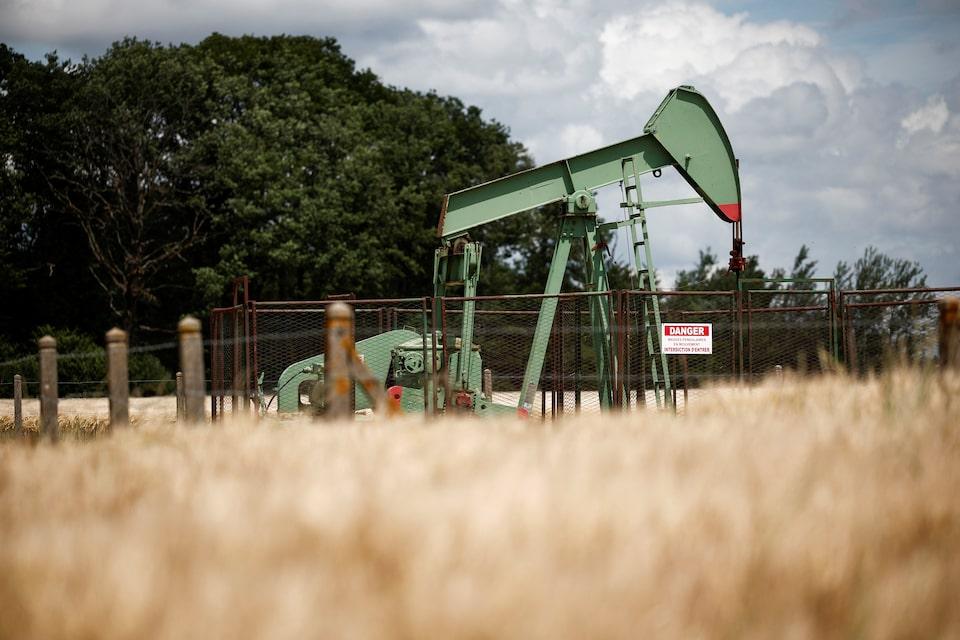
Brent, WTI crude futures settle more than $1 per barrel higher Fresh US sanctions against Iran keep traders cautious Equity markets recover on hopes of easing US-China trade tensions Economic concerns persist on US tariffs and monetary policy NEW YORK, April 22 (Reuters) - Oil prices settled more than $1 per barrel higher on Tuesday as new U.S. sanctions against Iran and rising equity markets helped spark a recovery rally from the prior session's steep selloff. Brent crude futures rose $1.18, or 1.8%, to settle at $67.44 per barrel. The U.S. West Texas Intermediate crude contract for May , which expired on Tuesday's settlement, gained $1.23, or 2%, to close at $64.32. Sign up here. The more actively traded WTI June contract also gained 2% to settle at $63.47. Brent and WTI fell more than 2% on Monday as the United States and Iran signalled progress in talks over the latter's nuclear program, and as stock markets sold off sharply on U.S. President Donald Trump's criticism of Federal Reserve Chair Jerome Powell. On Tuesday, the U.S. issued fresh sanctions targeting an Iranian liquefied petroleum gas and crude oil shipping magnate and his corporate network. Despite progress in its talks with the U.S., failure to reach a deal could weigh heavily on Iran's oil exports amid tightening U.S. sanctions, said John Kilduff, partner at New York-based Again Capital. "Either some nuclear deal is agreed or the U.S. tries to drive Iran's oil flows to zero, and it's increasingly looking like a zero-flow scenario," Kilduff said. Meanwhile, equity markets also rebounded on Tuesday on signs of a potential de-escalation in U.S.-China trade tensions. U.S. Treasury Secretary Scott Bessent on Tuesday said that he believes trade tensions between the U.S. and China will de-escalate, although he cautioned talks with Beijing have not started and will be a "slog". Washington's standoff with Beijing, and tariffs on virtually all U.S. trading partners, have weighed heavily on oil prices in recent weeks as investors expressed concerns of a potential global economic slowdown that would severely erode oil demand. The International Monetary Fund on Tuesday slashed its economic outlook for this year, while global finance chiefs swarmed Washington seeking deals with Trump's team to lower tariffs. "(U.S. tariffs) risk slowing global trade, disrupting supply chains, and increasing costs across major energy-consuming industries - all of which could significantly dampen oil demand," said Marcus McGregor, head of commodities research for asset management firm Conning. On the supply front, U.S. crude oil inventories fell by nearly 4.6 million barrels last week, market sources said on Tuesday citing American Petroleum Institute data. U.S. government data on stockpiles is due at 10:30 a.m. ET (1430 GMT) on Wednesday. Analysts polled by Reuters expect, on average, an 800,000 barrel decline in U.S. crude oil stocks for last week. https://www.reuters.com/markets/commodities/oil-prices-climb-short-covering-tariff-concerns-linger-2025-04-22/
2025-04-22 06:15
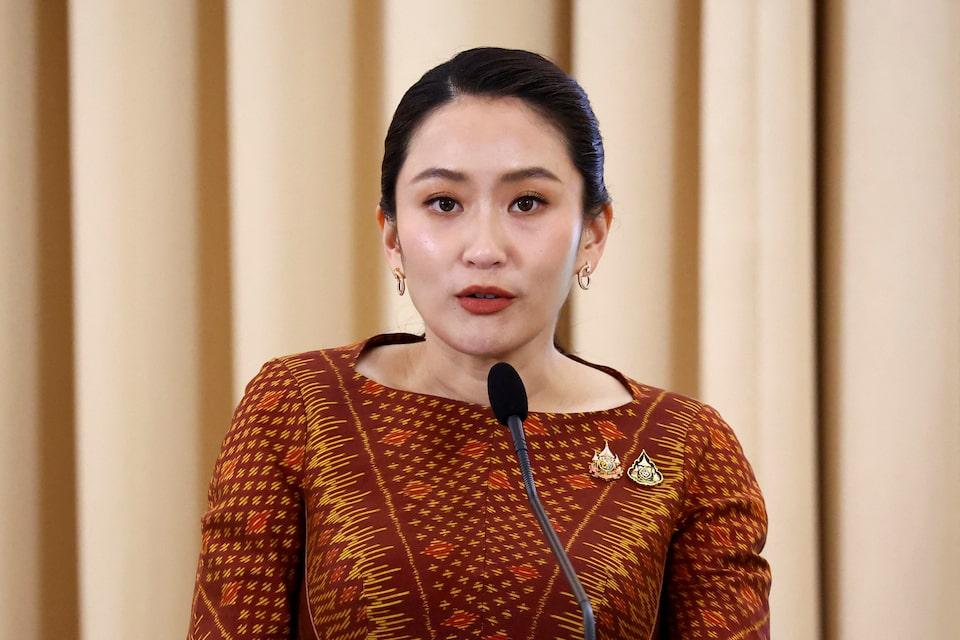
BANGKOK, April 22 (Reuters) - Thailand's negotiations with Washington on steep trade tariffs were postponed because the United States has asked Bangkok to review important issues, Prime Minister Paetongtarn Shinawatra said on Tuesday. A new meeting date was being scheduled, she said. The previous date for talks was April 23. Sign up here. Thailand is among the Southeast Asian nations hardest hit by U.S. President Donald Trump's measures, facing a 36% tariff if a reduction cannot be negotiated before a global moratorium expires in July. "We're not too slow and we are reviewing issues, including our tariffs that may be adjusted appropriately," Paetongtarn said, adding that Thai agriculture exports and additional imports were being examined. The United States was Thailand's largest export market last year, accounting for 18.3% of total shipments, or $54.96 billion. Washington has put its deficit with Thailand at $45.6 billion. "We are consulting academics and all parties and doing our best in this situation," she added. "We are protecting the agricultural interests as much as possible," she said, adding negotiations should be mutually beneficial. Thai rice exports fell 30% in the first quarter , opens new tab and could come below full-year forecasts of 7.5 million metric tons over the tariffs, according to rice the export association Last year, Thailand shipped 9.94 million tons of rice worth 225.65 billion baht, with the U.S. being its third-largest market by volume. Thailand's Finance Minister Pichai Chunhavajira, who had been due to join the talks in Washington, said that despite the postponement of U.S. negotiations, talks were still ongoing on the working level. He said he had no plans to travel to the United States soon. https://www.reuters.com/world/asia-pacific/thai-pm-says-us-tariff-negotiations-postponed-review-issues-2025-04-22/