2025-04-17 20:45
KYIV/WASHINGTON, April 17 (Reuters) - Ukraine said on Thursday Kyiv and Washington had signed a memorandum as an initial step towards clinching an agreement on developing mineral resources in Ukraine, a deal promoted by U.S. President Donald Trump. Although both had been poised in February to sign a deal for cooperation on natural resources, it was delayed after an Oval Office meeting between Trump and Ukrainian leader Volodymyr Zelenskiy turned into a shouting match. Sign up here. "We are happy to announce the signing with our American partners," Yulia Svyrydenko, Ukraine's first deputy prime minister and economy minister, said on social media after the signing. Thursday's memorandum of intent paves the way for an economic partnership deal and the setting-up of an investment fund for the reconstruction of Ukraine, she added. The signing comes after officials in Kyiv worked to repair ties following the Oval Office episode, recognising that Ukraine needs U.S. support in its war with Russia, which mounted a full-scale invasion of Ukraine in 2022. The minerals deal is part of that effort, officials in Ukraine have said. Trump said the accord itself could be signed next week, though the Ukrainian side gave no indication of when it expected to conclude the full deal. A Ukrainian delegation traveled to Washington at the end of last week for talks after the United States offered a new, more expansive deal. An initial framework pact was agreed, but has never been signed. "We have a minerals deal, which I guess is going to be signed on Thursday," Trump told reporters at the White House earlier. He has pushed for a compact that gives the United States privileged access to Ukraine's natural resources and critical minerals in what he casts as repayment for military aid provided under former President Joe Biden. "We're still working on the details," said Treasury Secretary Scott Bessent, seated beside Trump in the Oval Office, adding that the signing could come by next Friday. "It's substantially what we'd agreed on previously," he said. "When the president was here, we had a memorandum of understanding. We went straight to the big deal, and I think it's an 80-page agreement and that's what we'll be signing." The White House did not respond to a request for further details on the timing and contents of the agreement. Zelenskiy had said both sides could sign the memorandum online. "This is a memorandum of intent. And we have positive, constructive intentions," he told reporters in Kyiv, adding that the U.S. side had made the offer to sign the memorandum before the comprehensive deal, which would require ratification by Ukraine's parliament. Earlier, Svyrydenko said the memorandum was the first stage to record the significant progress made by Kyiv and Washington in discussing the agreement. https://www.reuters.com/world/europe/memorandum-ukraine-us-minerals-deal-could-be-signed-thursday-zelenskiy-says-2025-04-17/

2025-04-17 20:39
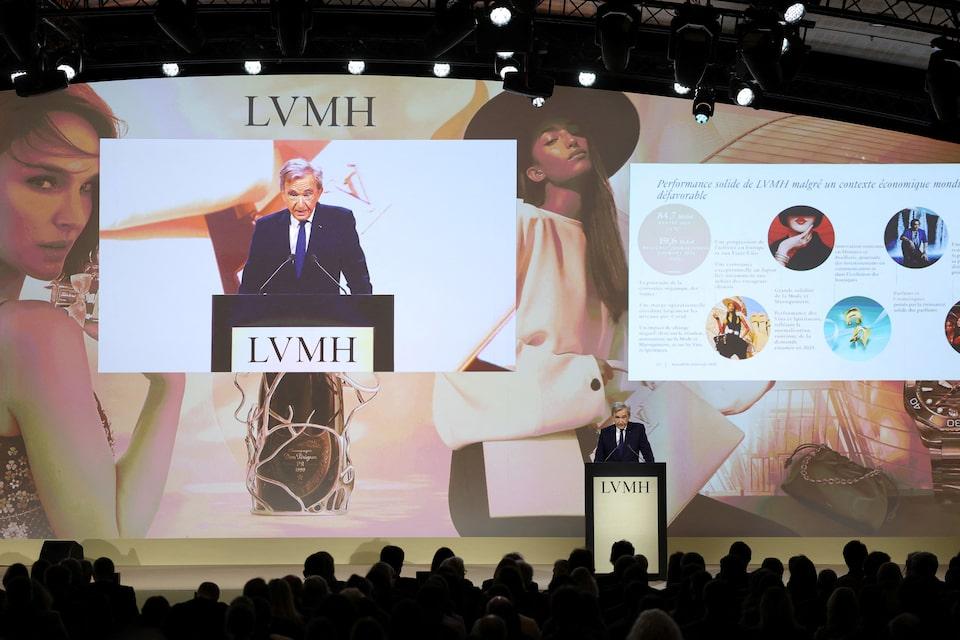
Arnault warns of consequences of tensions on business LVMH makes a quarter of its revenue in the US LVMH shares have fallen 36% since January PARIS, April 17 (Reuters) - European governments urgently need to ease tensions with the United States over President Donald Trump's tariffs, LVMH CEO Bernard Arnault said on Thursday, adding it would be "Brussels' fault" if no solution is found. "European countries should try to manage these negotiations, and not leave them to bureaucrats," he told the group's annual shareholder meeting. Sign up here. Without mentioning Trump, Arnault linked current market turmoil to global trade tensions and said LVMH's business would suffer. U.S. tariffs could include a 20% charge on European fashion and leather goods and 31% for Swiss-produced watches if fully applied. Last week, Trump paused his reciprocal tariffs on most countries for 90 days, but maintained a general 10% levy. In January, Arnault - who is France's richest man - praised Trump for boosting economic growth and entrepreneurship and referred to a "wind of optimism" after attending his inauguration. Since then, investor concerns over the possible economic damage of Trump's trade policies have dragged LVMH's shares 36% lower, reducing the group's market capitalisation by more than 100 billion euros ($114 billion). Sector rival Hermes overtook LVMH as France's most valuable company this week, though LVMH had regained the top position by Thursday's market close. Around half of the LVMH's shares are owned by the Arnault family. MADE IN THE USA? To try to lessen the impact of U.S. tariffs, Arnault repeated on Thursday that he would consider moving more production to the United States, where the group makes 25% of its annual sales. He said Brussels would be to blame if no deal is negotiated and Europe loses some of its production, and that other companies were also considering increasing U.S. manufacturing. "I've already heard of several companies who are thinking about shifting more production to the United States, but you couldn't say this is the fault of the companies. This would be Brussels' fault," he said. The European Commission, the EU executive, has said that the United States has yet to set out its negotiating position, while U.S. officials have not commented on talks with the EU. Analysts have said any production shifts would likely be limited and would do little to mitigate tariff risks. Apart from three Louis Vuitton workshops and some Tiffany jewellery-making sites, LVMH has little production capacity in the United States. Much of its business comes from selling "made in France" luxury leather goods, champagne and spirits. Production problems at its high-profile Texas facility have meant the site has been consistently ranked among the worst-performing for Louis Vuitton globally, Reuters has reported. LVMH shareholders on Thursday voted to allow Arnault, 76, to remain at in charge until he is 85. The company also confirmed Jonathan Anderson's long-awaited move to Dior, where he will design his first men's collection to be shown in June. Anderson, 40, whose departure from LVMH's smaller label Loewe was announced on March 17, is one of of high-profile designers taking over some of the world's biggest fashion labels as part of an industry overhaul. ($1 = 0.8801 euros) https://www.reuters.com/business/retail-consumer/lvmhs-arnault-blames-brussels-if-us-eu-do-not-find-fix-tariffs-2025-04-17/
2025-04-17 20:34
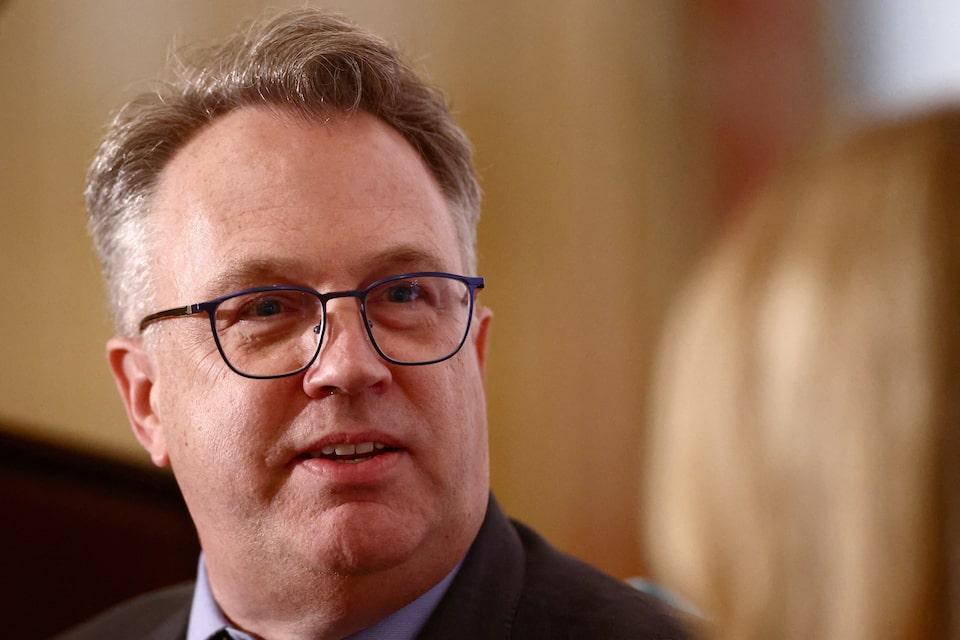
NEW YORK, April 17 (Reuters) - Federal Reserve Bank of New York President John Williams said Thursday he sees no imminent need for a change in central bank interest rate policy as Trump administration tariffs are likely to drive up inflation, weaken growth and push up unemployment. “I think monetary policy is well positioned,” Williams said in an interview with Edward Lawrence on television channel Fox Business. “I don't see any need to change the setting of the fed funds rate anytime soon.” Sign up here. Williams, who also serves as vice chairman of the rate-setting Federal Open Market Committee, noted in his interview there was considerable uncertainty around the outlook. He reiterated his view that growth is likely to slide under 1% this year amid a rise in the unemployment rate from the current 4.2% to between 4.5% and 5%, as President Donald Trump's import tax surge pushes up price pressures at least for now. "That's not a recession, that's just a slower outlook, slower growth than you've seen in the past couple years," Williams said. The Fed official did not say how much he expects Trump's import tax increases to drive up inflation but said "we will definitely get effects on prices and inflation this year from tariffs." Williams said it was critical for the Fed to make sure any of those inflation rises do not prove enduring. "We need to make sure that any one-time changes in prices don't pass through into more persistent higher inflation," he said, adding "we need to get inflation back to 2%...and do that on a sustained basis." He added keeping inflation expectations in check remains important. Williams' interview came a day after Fed Chair Jerome Powell spoke, with the central bank leader also warning of higher price pressures due to tariffs. Powell said that now was a time for the central bank to watch the economy for fresh data before changing rates. Those comments earned Powell a fresh rebuke from the president, who wants the Fed to cut rates despite inflation that is above target. The president also appeared to threaten Powell's job, saying termination "cannot come fast enough." If Trump were to try to fire Powell, it remains unclear the law would support such a move and it would almost certainly spark a major market crisis amid already unsettled financial conditions. Powell's current term as Fed chair extends to next year. https://www.reuters.com/markets/rates-bonds/feds-williams-sees-no-looming-need-change-monetary-policy-fox-business-2025-04-17/
2025-04-17 20:33
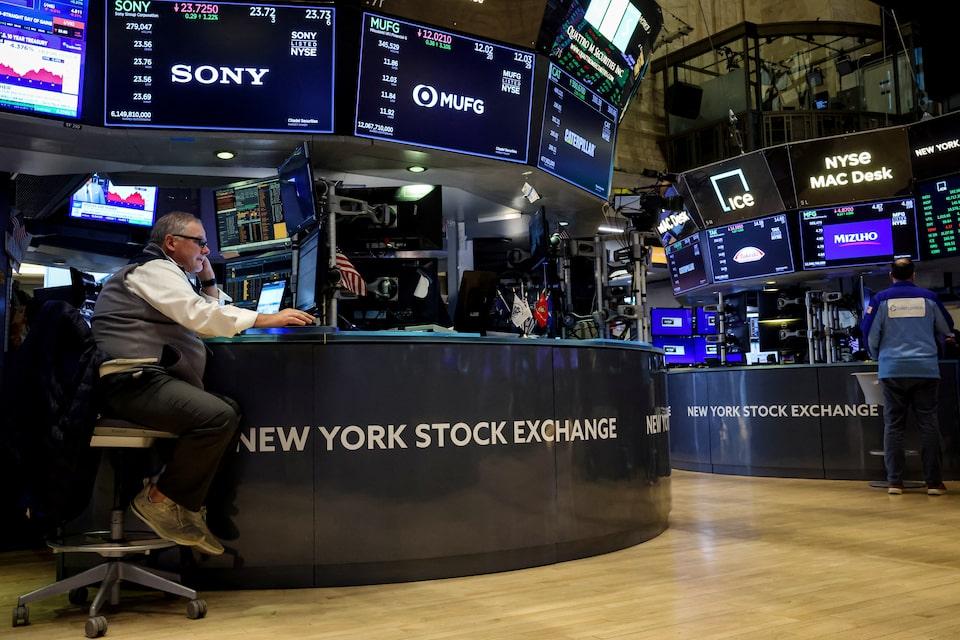
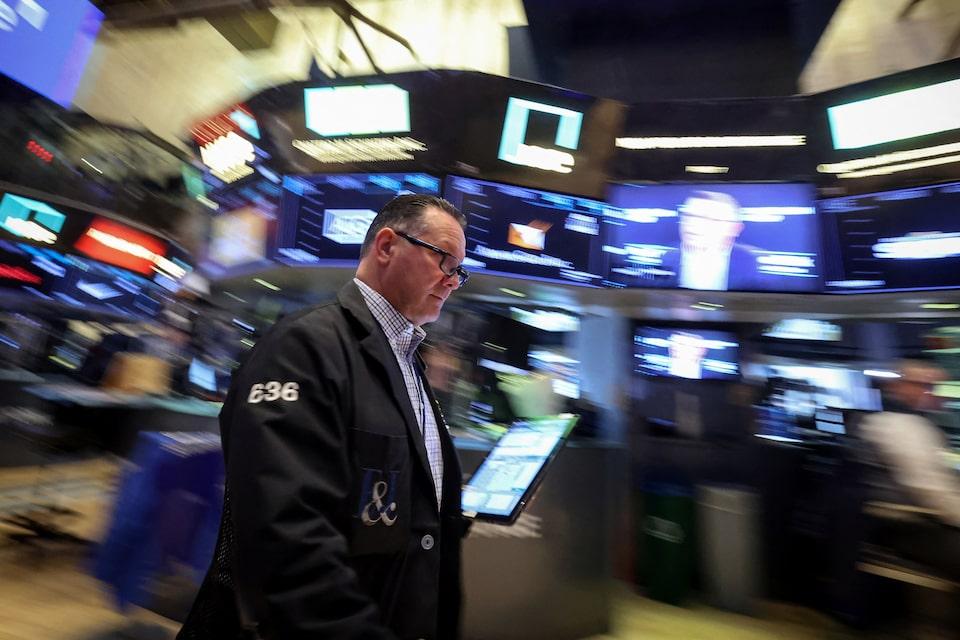
US-Japan tariff talks on radar Alphabet falls after ruling Insurers slump after UnitedHealth results S&P 500 +0.13%, Nasdaq -0.13%, Dow -1.33% April 17 (Reuters) - Wall Street stocks ended mixed on Thursday, lifted by Eli Lilly and Apple, as investors weighed progress in U.S. trade negotiations with Japan against concerns about the interest rate outlook. Traders leaned toward optimism following U.S. President Donald Trump's comments about "big progress" in the bilateral talks after Wednesday's steep selloff. Sign up here. Trump also told reporters he expects to make a trade deal with China, although he offered no indication of how talks would get underway with the two superpowers at an . The S&P 500 pared gains in the session's final minutes and the Nasdaq turned negative, suggesting traders were wary of owning U.S. stocks over a three-day weekend, with the market closed for the Good Friday holiday. Eli Lilly (LLY.N) , opens new tab surged 14% after the drugmaker said its experimental pill worked as well as blockbuster drug Ozempic to lower weight and blood sugar in a trial of diabetes patients. Apple (AAPL.O) , opens new tab climbed 1.4%, with the iPhone recovering from some of its recent deep losses. UnitedHealth (UNH.N) , opens new tab plunged 22% and kept the blue-chip Dow (.DJI) , opens new tab in negative territory after the insurer lowered its annual profit forecast on expectations of high medical costs for the rest of the year. Other health insurers slumped, with CVS Health (CVS.N) , opens new tab down almost 2% and Humana (HUM.N) , opens new tab falling 7.4%. The S&P 500 climbed 0.13% to end the session at 5,282.70 points. The Nasdaq declined 0.13% to 16,286.45 points, while the Dow Jones Industrial Average declined 1.33% to 39,142.23 points. Volume on U.S. exchanges was relatively light compared to unusually high volumes in recent sessions, with 14.6 billion shares traded, compared to an average of 19.2 billion shares over the previous 20 trading days. Of the 11 S&P 500 sector indexes, eight rose, led by energy (.SPNY) , opens new tab, up 2.3%, followed by a 2.2% gain in consumer staples (.SPLRCS) , opens new tab. U.S. stocks have been whiplashed in recent weeks by Trump's on-again off-again tariffs and his trade war with China. In extended trading, Netflix rose 2.5% after the video streamer exceeded Wall Street expectations for quarterly results and offered a bullish revenue outlook. For the shortened trading week, the S&P 500 fell 1.5%, the Nasdaq lost 2.6% and the Dow declined 2.7%. The S&P 500 remains down about 7% since April 2, when Trump announced sweeping global tariffs that he later put on pause. Investors are now laser-focused on talks with dozens of countries over the coming weeks for more clarity on the size and scope of tariffs on individual nations and sectors. "The market wants Trump to announce trade deals," said Jake Dollarhide, chief executive officer of Longbow Asset Management in Tulsa. "The market wants tangible results, and that's something the market is not getting." Trump said on Thursday in a social media post that Federal Reserve Chair Jerome Powell's termination "cannot come fast enough," and he called for the U.S. central bank to cut interest rates. Wall Street stocks fell on Wednesday after Powell warned that Trump's trade policies risked fueling inflation while weakening economic growth. "It's been known that Trump hasn't been happy with Powell. The question is, does he attempt to do anything about it?" said Tom Bruce, macro investment strategist at Tanglewood Total Wealth Management, noting that removing Powell would damage confidence in U.S. markets. Traders have scaled back the probability of a May rate cut to about 6%, according to CME's FedWatch, while a Reuters poll showed economists see a higher probability of a U.S. recession in the next 12 months. Data on Thursday showed the number of Americans filing new applications for unemployment benefits fell last week, suggesting labor market conditions remained stable in April, although uncertainty around tariffs is making businesses hesitant to boost hiring. With the U.S. stock market closed on Friday, all three major Wall Street indexes logged their third weekly decline in four. Alphabet's (GOOGL.O) , opens new tab shares dropped 1.4% after a federal judge ruled Google illegally dominated two markets for online advertising technology. Advancing issues outnumbered falling ones within the S&P 500 (.AD.SPX) , opens new tab by a 3.3-to-one ratio. The S&P 500 posted two new highs and two new lows. The Nasdaq recorded 29 new highs and 133 new lows. https://www.reuters.com/markets/us/us-stock-futures-bounce-back-after-selloff-with-japan-trade-talks-focus-2025-04-17/
2025-04-17 20:32
ORLANDO, Florida, April 17 (Reuters) - TRADING DAY Making sense of the forces driving global markets Sign up here. By Jamie McGeever, Markets Columnist Trump is Fed up If Federal Reserve Chair Jerome Powell was cautious and mildly hawkish in his outlook for U.S. monetary policy on Wednesday, European Central Bank President Christine Lagarde was bold and dovish on Thursday, as the ECB cut interest rates for a seventh time in a year and left the door open to more easing. Back in Washington, U.S. President Donald Trump escalated his long-running feud with Powell, accusing him of "playing politics" and saying his "termination" can't come quickly enough. More on that and more below, but first, a round-up of the day's main market moves. I'll be off tomorrow as the U.S. stock market will be closed for the Good Friday holiday, but Trading Day will be back on Monday. I'd love to hear from you, so please reach out to me with comments at [email protected] , opens new tab. You can also follow me at @ReutersJamie , opens new tab and @reutersjamie.bsky.social , opens new tab. If you have more time to read today, here are a few articles I recommend to help you make sense of what happened in markets. Today's Key Market Moves ECB acts, Trump attacks In 'normal' times, the ECB cutting rates and signaling it is ready to potentially cut them much further might be expected to be the driving force in world markets that day. The International Monetary Fund's warning of a "notable markdown" in global growth might also have come across investors' radar. But with the Trump administration triggering a global trade war and seemingly bent on upending the global economic order of the past 80 years, these are not normal times. What is next, Trump firing Powell or forcing him out? Nobody knows. But one thing is certain - Trump raised the stakes on Thursday to a whole new level, first in a social media post on his Truth Social platform and later speaking to reporters at the White House. Powell and his colleagues face an unenviable dilemma, one which is a direct consequence of Trump's tariffs - the slowing economy calls for rates to be cut, but rising inflationary pressures might require them to be raised. Trump clearly wants lower rates, but Powell said on Wednesday the Fed will continue its 'wait and see' approach before acting one way or the other. The immediate market impact of Trump's latest attack on Powell - and by extension, attack on the Fed's independence - was to erase the dollar's and Wall Street's gains, and keep long-term Treasury yields at their highs for the day. Looking ahead if this crisis deepens, investors are likely to view it as the latest in a lengthening list of reasons not to hold U.S. assets. That points to a weaker Wall Street, a lower dollar, and higher Treasury yields. Long-dated yields are already marching higher and the 'term premium' is at its highest in a decade. Faith in the dollar and Treasuries, confidence in U.S. economic policy, and trust in U.S. institutions and governance have rarely been lower. Fed independence and the prospect, remote or otherwise, of a new Trump-appointed Fed chair before Powell's term ends in just over a year's time will give investors plenty of food for thought over the long weekend and Easter holiday. Risk of Powell firing is too big to price Just like a global trade war, the dismissal of the chair of the Federal Reserve by the U.S. President is an event investors know will be unequivocally bad for markets. But it is also a risk that is too far-reaching to properly quantify, meaning the market might be forewarned, but it won't be forearmed. U.S. President Donald Trump on Thursday escalated his feud with Fed Chair Jerome Powell - who Trump himself nominated in 2017 – writing on social media that "Powell's termination cannot come fast enough" and later telling reporters that the Fed chair is "playing politics". Trump's social media broadsides against Powell for not cutting interest rates are so numerous that jaded investors could be forgiven for dismissing them. But they shouldn't. Trump's salvo on Thursday comes only days after the Supreme Court cleared the way for him to fire Democrats from two federal labor boards before their terms expired, a move that some lawyers and analysts argue could leave Fed officials like Powell vulnerable. Powell said on Wednesday he didn't think this applied to the Fed, but he wasn't sure. This latest tirade comes at an extremely dangerous moment for U.S. and world markets. Faith in the dollar and Treasuries, confidence in U.S. economic policy, and trust in U.S. institutions and governance have rarely been lower. This is putting upward pressure on the 'term premium' in the U.S. bond market. That's the somewhat amorphous level of compensation investors demand for taking the risk of lending to the U.S. government over the long term rather than rolling over shorter-term loans. The term premium is at its highest in a decade. It's not difficult to see why investors might be getting twitchy. Faith in central bank independence is foundational in the modern financial system. That's because politically influenced monetary policy may be popular and stimulative in the short term but damaging in the long term. As former Fed Chair Ben Bernanke said in 2010: "Political interference in monetary policy can generate undesirable boom-bust cycles that ultimately lead to both a less stable economy and higher inflation." KNOWN UNKNOWN What makes the situation especially dicey is that even though investors are highly aware of this risk, they can't truly price it in. The term premium has risen, but not anywhere close to where it would likely soar to if the Fed's independence were truly called into question. The risk is too monumental, and the range of potential outcomes is too broad. That's essentially what happened with the trade war. Tariffs were Trump's number one economic policy on the campaign trail, and he was elected on that platform. It's not for nothing that Trump referred to himself as "Tariff Man." Yet U.S. markets kept rising after his election, not necessarily because investors didn't believe Trump, but more likely because they simply had no clear way to price in the risk of an all-out global trade war. So even though investors knew "Liberation Day" was coming, markets still gyrated wildly after it arrived. The S&P 500 plunged 15%, wiping $6 trillion off the value of U.S. stocks in just three days. The long end of the U.S. bond market cratered too, triggering the 30-year yield's biggest weekly rise since 1982, and the dollar sank 3%. The slump in Treasuries and the dollar was particularly alarming, as they usually rise in times of financial, economic or political crisis. Gold and the Swiss franc had one of their best weeks in decades, but the U.S. "safe havens" tanked. This is a cautionary tale for markets as tensions rise between the White House and the Fed, especially U.S. markets. If Trump does remove Powell before his term ends in May next year, investors can't say they weren't warned. But it likely won't matter because the consequences are simply too big to price. What could move markets tomorrow? Opinions expressed are those of the author. They do not reflect the views of Reuters News, which, under the Trust Principles , opens new tab, is committed to integrity, independence, and freedom from bias. Trading Day is also sent by email every weekday morning. Think your friend or colleague should know about us? Forward this newsletter to them. They can also sign up here. https://www.reuters.com/markets/global-markets-trading-day-graphics-2025-04-17/
2025-04-17 19:57
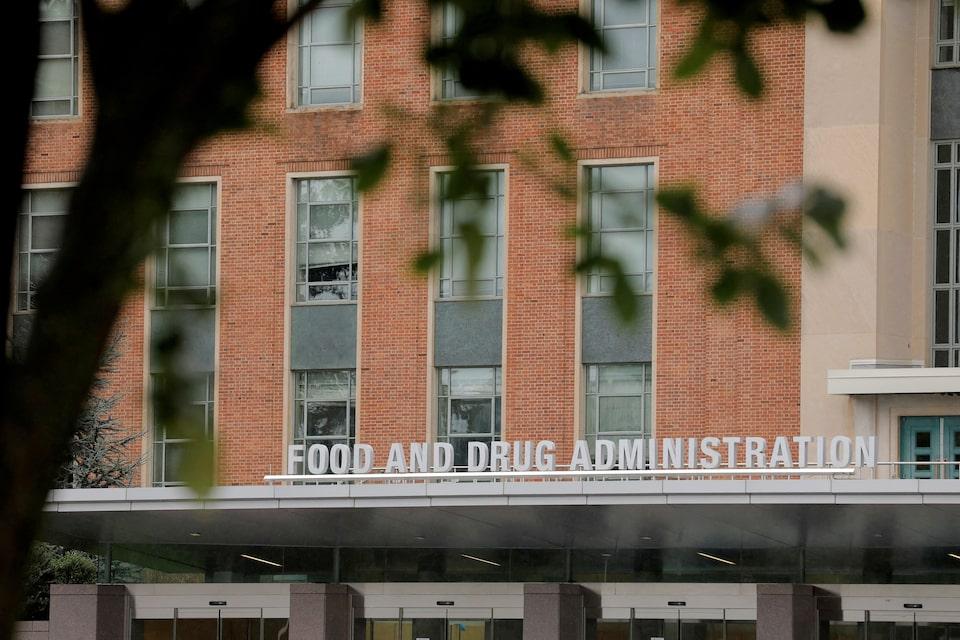
Cuts of as many as 20,000 HHS staff upend public health research FDA's program to improve bird flu testing in food also suspended Suspension affects tests for Cyclospora in spinach, glyphosate in barley Trump aims to cut $40 billion from HHS budget WASHINGTON, April 17 (Reuters) - The Food and Drug Administration is suspending a quality control program for its food testing laboratories as a result of staff cuts at the Department of Health and Human Services, according to an internal email seen by Reuters. The proficiency testing program of the FDA's Food Emergency Response Network is designed to ensure consistency and accuracy across the agency's network of about 170 labs that test food for pathogens and contaminants to prevent food-borne illness. Sign up here. The firing and departure of as many as 20,000 HHS employees have upended public health research and disrupted the agency's work on areas like bird flu and drug reviews. President Donald Trump hopes to slash as much as $40 billion from HHS. "Unfortunately, significant reductions in force, including a key quality assurance officer, an analytical chemist, and two microbiologists at FDA's Human Food Program Moffett Center have an immediate and significant impact on the Food Emergency Response Network (FERN) Proficiency Testing (PT) Program," says the email sent on Tuesday from FERN's National Program Office and seen by Reuters. The program will be suspended at least through September 30 and means the agency will be unable to do planned quality control work around lab testing for the parasite Cyclospora in spinach or the pesticide glyphosate in barley, among other tests, the email says. "These PTs and Exercises are critical to demonstrating the competency and readiness of our laboratory network to detect and respond to food safety and food defense events," the email says. HHS did not immediately respond to a request for comment. Food safety laboratories rely on these types of tests to meet standards for accreditation, said a source familiar with the situation, who was not aware of other ready alternatives to the FDA to provide such testing. The FDA in early April suspended an effort to improve its testing for bird flu in milk, cheese and pet food, as a result of staff cuts. https://www.reuters.com/world/us/us-fda-suspends-food-safety-quality-checks-after-staff-cuts-2025-04-17/