2025-04-17 15:27
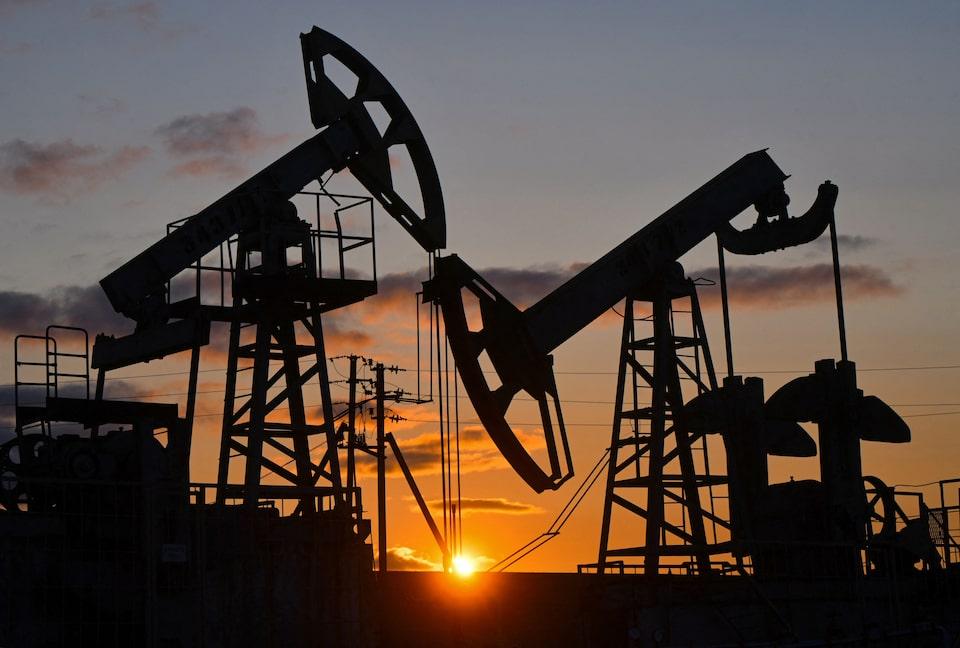
NEW YORK, April 17 (Reuters) - U.S. bond giant PIMCO said protectionism in U.S. trade policy strengthened the case for dialing down exposure to the U.S. dollar and long-dated Treasury bonds, while greater reliance on foreign bond markets had become more attractive. U.S. President Donald Trump's tariffs have rocked financial markets and triggered a violent selloff last week in Treasuries and the dollar that cast fresh doubt on the long-held belief in the safe-haven status of U.S. assets. Sign up here. "With its protectionist policy pivots, the U.S. is giving investors worldwide an occasion to rethink long-held assumptions about the U.S. investment landscape," Marc Seidner, chief investment officer for non-traditional strategies, and Pramol Dhawan, head of emerging market portfolio management at PIMCO, said in a note on Thursday. "The U.S. has long enjoyed a privileged position, with the dollar serving as the global reserve currency and Treasuries as the go-to reserve asset. However, this status is not guaranteed," they said. "If global capital flows into U.S. assets dwindle, it could point toward a more multipolar world with a diminished reliance on a singular reserve currency." California-based PIMCO, which manages about $2 trillion in assets, said the recent selloff, which saw parallel drops in U.S. equities, the dollar, and Treasuries, mirrored dynamics typically associated with emerging market economies. The change in global trade dynamics spurred by Trump's policies could dampen capital flows into the country, bolstering the case to be underweight, or hold a bearish stance, on the U.S. dollar, Seidner and Dhawan said in the note. At the same time, they said, long-dated foreign government bonds in Europe, the UK, Japan, or emerging markets, appeared attractive alternatives to U.S. Treasuries. "Rapid U.S. policy changes pose challenges for investors accustomed to a global financial system anchored in U.S. markets and assets," said Seidner and Dhawan. "The breakdown of longstanding global correlations could be painful for a global investor, who may be left wondering how many U.S. assets to own," they added. https://www.reuters.com/markets/rates-bonds/pimco-bearish-dollar-treasuries-us-safe-haven-status-wavers-2025-04-17/
2025-04-17 13:32
ECB cuts rates for a 7th time in a year Canada holds rates, says tariffs could mean recession Trade war complicates rate outlook LONDON, April 17 (Reuters) - U.S. President Donald Trump's tariffs have darkened the global economic backdrop, forcing big central banks to reassess their next steps. Policymakers outside the United States now look more likely to cut interest rates than they would have done otherwise - or in Japan's case raise them less. Sign up here. The U.S. Federal Reserve is in a tricky position. Here's a look at where 10 developed-market central banks stand. 1/ SWITZERLAND The Swiss National Bank does not meet until June, but it will be an interesting one, as markets expect it to cut rates to zero from 0.25%. The SNB says it would rather not go further and return to negative rates, but a surging Swiss franc is hurting an export-heavy economy and could push Switzerland into deflation. The franc is the best performing developed market currency since Trump's April 2 tariff announcement. The SNB's other oft-used policy tool, intervening to weaken the franc, could provoke the Trump administration, which says currency manipulation was one of the motivations for its tariffs. 2/ CANADA The Bank of Canada held rates at 2.75% on Wednesday - its first pause after seven consecutive cuts - saying it wanted more information on the impact of tariffs. Governor Tiff Macklem said uncertainty made it difficult to make economic predictions, noting: "Forecasts for economic growth are of little use as a guide to anything." Still, traders bet on possibly two more cuts by year-end. 3/ NEW ZEALAND The Reserve Bank of New Zealand cut its key rate by 25 basis points to 3.5% last week, with a total of 200 bps of easing since August. New Zealand is exposed to China, leaving it at risk of damage from a sustained China-U.S. trade war. Markets expect roughly three more cuts this year, even though data Thursday showed higher-than-expected inflation. 4/ SWEDEN Sweden left rates at 2.25% in March and expects to keep them at this level for now. Its Riksbank had been in the dovish camp, easing rates from 4% to support a sluggish economy, but markets agree with policymakers that further cuts are unlikely. 5/ EURO ZONE The European Central Bank cut interest rates for the seventh time in a year on Thursday and hinted more easing could follow. It said the growth outlook had deteriorated due to rising trade tensions, and the volatile market response would likely cause financial conditions to tighten. The ECB's key rate now 2.25% and markets currently see two or three more 25 bps cuts this year. 6/ UNITED STATES The Fed has a dilemma since it expects tariffs to both lower economic growth and push inflation higher. That has left it in wait-and-see mode chair Jerome Powell said on Wednesday. Markets expect the Fed to hold rates steady in May before resuming cuts later on. It has been on hold all year, having cut by 100 bps in 2024. But until Trump paused some "reciprocal" tariffs last week, traders had anticipated a cut next month to shore up growth. In a further complication, Trump said Powell's termination "cannot come fast enough" on Thursday, and called for the U.S. central bank to cut rates. 7/ BRITAIN Markets see a more than 80% chance of a quarter-point rate cut by the Bank of England in May, and expect it to continue at its roughly one-cut-a-quarter pace for the rest of 2025. The BoE has cut slower than many peers, as it expects inflation to pick up. March's cooler-than-expected print should give it confidence to cut next month however. 8/ AUSTRALIA Australia only started easing in February, but markets now expect more urgency, seeing a chance of a larger 50 bps move in May and nearly 125 bps of cuts this year. Its economy is exposed to China-U.S. trade tensions. China is Australia's biggest trading partner, so markets have ramped up rate cut bets as tensions rise. 9/ NORWAY Norway's central bank kept rates on hold at a 17-year high of 4.50% last month, as an unexpected resurgence of inflation led policymakers to postpone earlier plans to cut. Still, markets expect a cut in June with more to follow. 10/ JAPAN The Bank of Japan remains the developed-market outlier. It is in hiking mode, though tariffs have complicated matters. Governor Kazuo Ueda said the BOJ may need to act if tariffs hurt the economy, signalling it could pause its cautious rate-hike cycle, which has brought rates up to 0.5%. However, that could cause recent yen appreciation to stop or even reverse, potentially angering Trump. Japanese officials already fear the slow pace of rate hikes from ultra-low levels could come under fire in trade negotiations, even if it did not come up in the first round of talks. https://www.reuters.com/markets/global-markets-central-banks-graphic-2025-04-17/
2025-04-17 12:52
LONDON, April 17 (Reuters) - The European Central Bank cut interest rates for the seventh time in a year on Thursday, looking to prop up an already struggling euro zone economy that will take a knock from U.S. tariffs. Policymakers were unanimous in approving the cut on Thursday, as even some of the more hawkish rate setters agreed that a global trade war has significantly altered the outlook, a source told Reuters. Sign up here. The euro extended falls after the decision and was last trading at $1.1339, down 0.5% on the day, having traded at $1.1367 just before . Germany's 2-year bond yield was last flat at 1.75%, having traded around 1.807% earlier .Europe's broad STOXX 600 index was down 0.3% (.STOXX) , opens new tab, holding lower on the day. COMMENTS: ANDREW KENNINGHAM, CHIEF EUROPE ECONOMIST AT CAPITAL ECONOMICS: "While the ECB’s decision to cut its deposit rate from 2.5% to 2.25% today was expected, the monetary policy statement clearly points to further policy easing to come. The statement says the outlook for growth has “deteriorated” due to “rising trade tensions”. And it notes that “increased uncertainty is likely to reduce confidence among households and firms” and the market response to the trade tensions “is likely to have a tightening impact on financing conditions”. So all else equal, the ECB believes monetary policy will need to be more accommodative than previously expected." STEVE RYDER, SENIOR PORTFOLIO MANAGER, AVIVA INVESTORS: "Little over three weeks ago the market was questioning whether the ECB would skip an April rate cut, today as now widely expected the ECB delivered a 25 bps reduction. U.S. tariffs have increased risks to global growth which has also put downward pressure on commodity prices and upward pressure on the Euro. These factors are now weighing on inflation expectations. Whilst the outlook for the EU area remains highly uncertain, we believe it's correct for the ECB to take policy rates into the neutral range band and the removal of the restrictive stance and a more data dependent approach is an acknowledgment of these increased risks. Our view has been that the balance of risks to policy rates remain to the downside, this is however now well priced by markets and so we are now neutral on European rates. In the medium term we see several supportive factors for the Euro area which we believe support steeper yield curves." DEAN TURNER, CHIEF EURO ZONE ECONOMIST AT UBS GLOBAL WEALTH MANAGEMENT, LONDON: "Policymakers are seeking to strike a balance between dovish impulses—such as concerns over growth, inflation, and ongoing trade conflicts—and more hawkish developments, particularly in relation to fiscal policy, notably from Germany. Importantly, the ECB is keeping its options open regarding the future path of interest rates. We expect another rate cut in June, with the possibility of further easing later in the year, depending on how trade negotiations progress." KIRSTINE KUNDBY-NIELSEN, FX ANALYST, DANKSE BANK: "It has a dovish tone. Focus has shifted to looking at the downside risk to the growth outlook, rather than upside risk to inflation." "It's growth that they're focusing on because of the trade policy uncertainty." MARCHEL ALEXANDROVICH, ECONOMIST, SALTMARSH ECONOMICS: "With no clarity on the scale and the impact of U.S. tariffs, the ECB blocks out the political noise and responds to the weaker-than-expected domestic inflation data. Another 25-bp rate cut pushes interest rates closer to neutral and the Governing Council drops the word “restrictive” from its policy statement. However, it still leaves the option of a rate cut in June on the table." NATASHA MAY, GLOBAL MARKET ANALYST, JPMORGAN ASSET MANAGEMENT: "The ECB chose continuity today, sticking with their tried-and-tested formula of a 25-bp rate cut accompanied by little to no guidance about the future policy path. This might appear a sensible strategy, given huge uncertainty about future global trade relations. But considering the economic backdrop, there is no need for the ECB to be so hesitant. Wherever tariff rates settle, most members of the ECB’s Governing Council seem to agree that trade tensions will weigh more on eurozone activity – and therefore medium-term inflation – than they will directly boost prices. This implies the ECB should take rates below its estimate of a 1.75 to 2.25% neutral range, especially given near-term deflationary pressures stemming from a stronger euro and lower energy costs." ZSOLT KOHALMI, GLOBAL HEAD OF REAL ESTATE AND CO-CEO, PICTET ALTERNATIVE ADVISORS: "Looking ahead, we expect the central bank to continue loosening monetary policy: the euro area’s economy is set to grow by less than 1% this year, and inflation is expected to decline below 2% in 2026. Several rate cuts will mean the headwinds of the past years for real estate can turn direction and become tail winds." YAEL SELFIN, CHIEF ECONOMIST, KPMG: "The ECB remained cautious in its statement, opting to keep its options open, amid the ongoing trade uncertainty. However, the ECB highlighted that the outlook has deteriorated, signalling that it will likely continue easing rates in upcoming meetings. With the net impact of tariffs likely to be deflationary, this could allow the ECB to cut rates below the lower range of its neutral rate estimate if needed." https://www.reuters.com/markets/europe/view-ecb-cuts-rates-again-buffer-economy-us-tariff-hit-2025-04-17/
2025-04-17 12:25
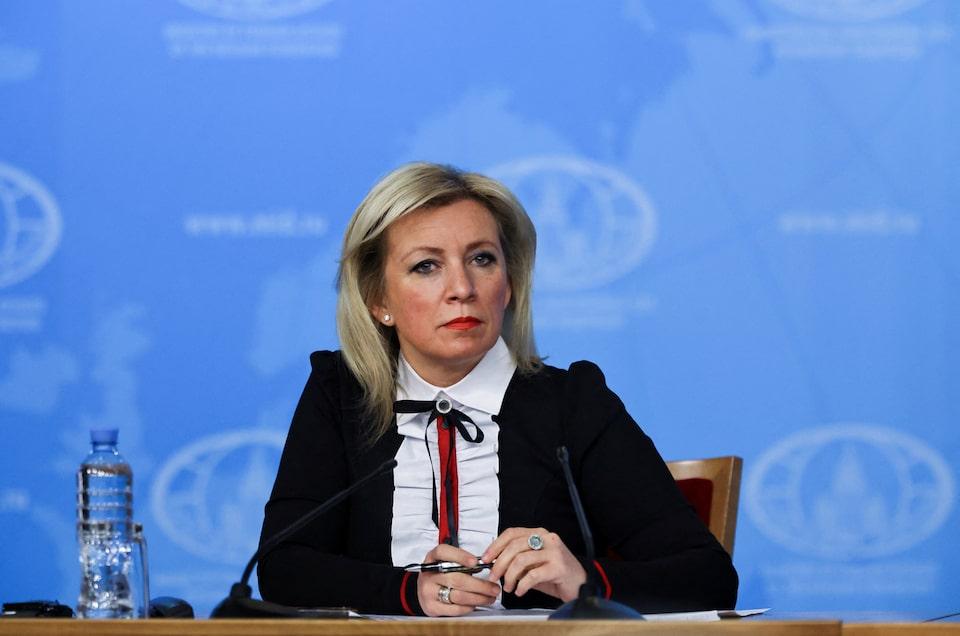
MOSCOW, April 17 (Reuters) - Russian Foreign Ministry spokeswoman Maria Zakharova said on Thursday that Estonia's adoption of legal amendments allowing the country's navy to use force against foreign vessels was a provocative action that poses risks to shipping and security in the Baltic Sea. Zakharova said that Russia would react proportionately to instances of aggression against its vessels. Sign up here. Last week Estonia seized the Kiwala, which has been under EU sanctions since February as part of Russia's so-called "shadow fleet", a term Western countries use for ships they say Moscow deploys to circumvent international sanctions. The ships are typically not regulated or insured by conventional Western providers. (This story has been corrected to say that Maria Zakharova was referring to Estonian legislation regarding foreign vessels, not the seizure of ship last week, in the headline and paragraph 1) https://www.reuters.com/world/europe/russia-says-estonias-seizure-russia-bound-oil-tanker-poses-risks-baltic-shipping-2025-04-17/
2025-04-17 12:05
MOSCOW, April 17 (Reuters) - Russia's General Prosecutor's office has submitted a claim in a Moscow court against Germany's Wintershall Dea, threatening a fine of 7.5 billion euros ($8.5 billion) in case it pursues international arbitration, news agencies reported on Thursday. The Moscow Arbitration Court's website showed a claim against the company, as well as Aurelius Cotta, a law firm specialised in international arbitration, and three international arbiters, without disclosing details. Sign up here. A spokesperson for Wintershall Dea in Germany said: "We have heard of the claim through the media. Please understand that we will not comment on the matter." Britain's Harbour Energy (HBR.L) , opens new tab last year acquired most of Wintershall Dea's exploration and production activities except some assets, most notably the group's Russian-related activities and its 15.5% stake in the defunct Nord Stream 1 pipeline. Wintershall Dea's exit from Russia, announced over Russia's invasion of Ukraine in 2022, was an uneasy process. Under Russian decrees from December 2023, Wintershall Dea's stakes in the Yuzhno-Russkoye oil and gas condensate field and in the Achimov gas projects were reverted to newly-created Russian companies and offered for sale to Gazovyye Tekhnologii, formalising the loss of control that BASF (BASFn.DE) , opens new tab and Wintershall Dea had flagged since January 2023. The company had initiated arbitration proceedings against Russia, which had repeatedly protested against such cases, saying they should have been considered only in Russian courts. ($1 = 0.8794 euros) https://www.reuters.com/business/energy/russia-threatens-germanys-wintershall-dea-with-75-bln-euro-fine-news-agencies-2025-04-17/
2025-04-17 12:05
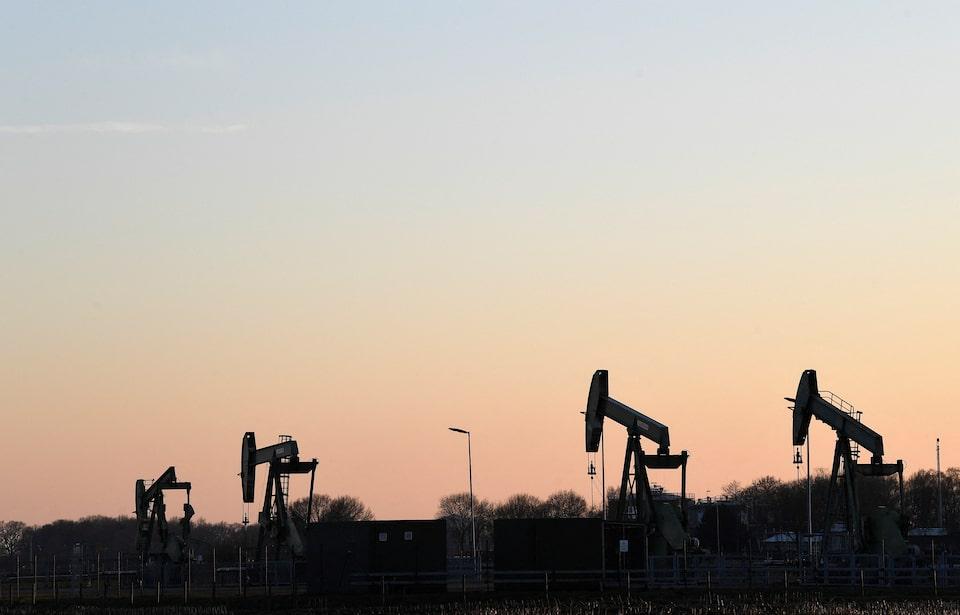
MOSCOW/SINGAPORE, April 17 (Reuters) - Russia is ramping up shipments of oil products to Indonesia as Moscow seeks to expand new markets for its exports in the wake of Western sanctions imposed over its invasion of Ukraine, market sources said and LSEG data showed on Thursday. Since a full European Union embargo on imports of Russian oil products came into effect in February 2023, Russia has redirected fuel exports to Asia, Africa and South America. Sign up here. Indonesia has historically imported most of its oil products from Saudi Arabia, Malaysia, Singapore, United Arab Emirates and Qatar. According to shipping data, around 500,000 metric tons of fuel oil were exported from the Russian Baltic port of Ust-Luga to Indonesia between January and March. Two cargoes with about 50,000 tons of naphtha were also shipped to Indonesia from the Russian Arctic port of Arkhangelsk this year, sources and LSEG data showed. By comparison, Indonesia imported around 58,200 tons of naphtha and 100,000 tons of fuel oil from Russia for the whole of 2024. Additionally, in March a vessel called the Savitri delivered a cargo of 33,000 tons of diesel from the Russian Black Sea port of Tuapse to Indonesia's Karimun port. And another tanker, the Lunar Tide, could deliver nearly 60,000 tons of diesel from Tuapse to Karimun this month, shipping data shows. The buyers of those cargoes are unknown. Karimun is typically used as a storage hub for the Southeast Asian region, with some traders storing their diesel cargoes there and blending them for subsequent deliveries into other regional destinations, trade sources said. Most of these cargoes cannot be resold back into Indonesia due to regulatory requirements, one of the sources added. So far, a total of 105,000 tons of diesel have been exported from Karimun this year, with those volumes headed to countries including East Timor, Myanmar and Singapore, shiptracking data from Kpler showed. https://www.reuters.com/markets/commodities/russia-ramps-up-oil-products-supplies-indonesia-2025-04-17/