2025-04-17 06:27
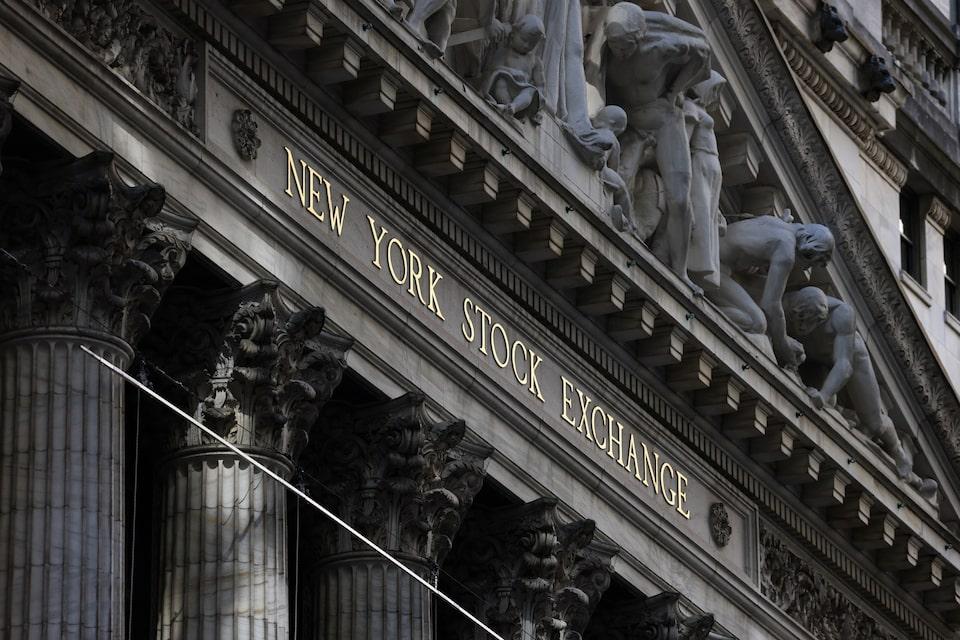
Trump's currency demands could threaten Japan's economic recovery, central bank independence Intervening to strengthen yen would require hefty selling of Treasuries Talking down the dollar is a dangerous strategy with market sentiment fragile TOKYO, April 17 (Reuters) - U.S. President Donald Trump's desire for a stronger yen against the dollar is almost certain to figure into trade negotiations with Japan underway in Washington, but analysts say any effort to shift the currencies is fraught with risks for both sides. Japan's chief negotiator, economy minister Ryosei Akazawa, got talks started on Wednesday by meeting with U.S. Treasury Secretary Scott Bessent and Trade Representative Jamieson, with Trump also making a surprise appearance. Sign up here. The White House put the exchange rate unequivocally on the agenda after Trump last month accused Tokyo of pursuing a policy to devalue the yen, giving the Japanese an unfair trade advantage. The yen didn't figure into Wednesday's negotiations, Akazawa said, but currency issues are more naturally a discussion for Finance Minister Katsunobu Kato, who will have his own round of talks with Bessent when he arrives in Washington next week for International Monetary Fund and World Bank meetings. Analysts warn that any deal on where the dollar should trade versus the yen is inherently tricky. An attempt by Tokyo to force the Bank of Japan into speeding up rate hikes could push up the yen, but risks snuffing out Japan's fledgling economic recovery and tramples on the idea of central bank independence. Japanese officials could also sell U.S. dollars for yen, but that would mean pulling out billions of dollars it has invested in U.S. debt at a time when markets are particularly fragile. Citigroup sees Japan as a prime target in the event that the Trump administration takes aim at a coordinated devaluation of the dollar to make the United States more competitive globally, a proposal dubbed the "Mar-a-Lago Accord". "At this point we do not see a 'Mar-a-Lago Accord' as a concrete risk," Citigroup currency strategist Osamu Takashima said in a research note. However, "countries such as Japan, which have sizeable foreign currency reserves and whose currency is undervalued, would tend to be the target in this case," he said. The U.S. is Japan's biggest export destination and automobile shipments account for roughly 28% of its exports there. Japan is reeling from Trump's 25% duty on cars. Since its announcement on March 26, the benchmark Nikkei share average (.N225) , opens new tab has slumped 6%. Akazawa offered few details of the initial discussions, but told reporters Trump said getting a deal done with Japan was a "top priority". MAR-A-LAGO ACCORD? The yen has already come off its lows against the dollar. In the middle of last year, the dollar was worth nearly 162 yen for the first time since 1986, the period after the Plaza Accord when Japan, Britain, Germany and France agreed with the U.S. at New York's Plaza Hotel to devalue the dollar. The Mar-a-Lago Accord is a reference to this and Trump's Mar-a-Lago Resort in Florida. This week though, the dollar dipped below 142 yen following a steep slide on fears that Trump's focus on tariffs could trigger U.S. recession. And speculative bets on further yen strength have built up to the highest levels since the Commodity Futures Trading Commission (CFTC) started recording the data in 1986. Trump and Bessent would probably be well advised to bear in mind the current environment before making any strong demands for help weakening the dollar. Unlike in 1985 at the time of the Plaza Accord, international investors hold nearly $15 trillion in U.S. government debt, which has held a special position as the benchmark for risk-free investment returns. The Trump-induced Treasuries rout this month has called those assumptions into question and, while some level of calm has returned to debt markets this week, sentiment is fragile. "We have to remember that the Treasury Secretary is the head salesperson for U.S. Treasuries," said Yunosuke Ikeda, Nomura's Japan head of macro research. "Trying to talk down the dollar would be a very dangerous strategy at the moment, even if Bessent believes in the merits of a weaker currency in the longer term." While the yen remains weak by historical standards and Tokyo also desires a stronger currency, authorities have said they hope to bolster the yen's value through initiatives such as better industrial competitiveness. That may not be the quick fix Trump is angling for. Nor can the Bank of Japan be called on to hurry rate hikes along. Rising borrowing costs and inflation are both pain points for voters, and crucial upper house elections loom in July. "The Japanese side is going to say the BOJ is independent, and they are not trying to manipulate the currency," said Shoki Omori, chief desk strategist at Mizuho Securities. "After all, we're in a tightening cycle." https://www.reuters.com/markets/currencies/why-yen-is-wrong-gambit-any-us-japan-trade-row-2025-04-17/
2025-04-17 06:17
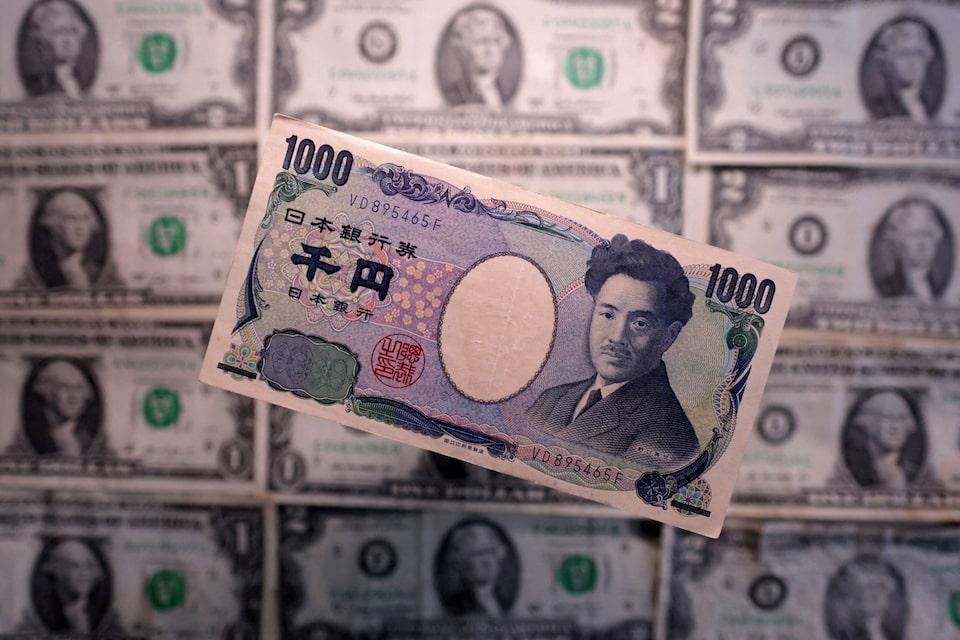
MUMBAI, April 17 (Reuters) - Indian companies with future receivables in major currencies besides the U.S. dollar should consider reducing their hedge ratio to potentially benefit from the weakness that is expected to continue plaguing the greenback, bankers and forex advisors said. With the dollar under pressure from tariff-driven outflows, downgraded U.S. growth forecasts and shifting investor outlook, forex strategists are encouraging exporters to reassess their hedging strategy in the euro, yen and pound receivables. Sign up here. These hedges are usually in the form of forward contracts, locking in a fixed rate and protecting against exchange rate fluctuations. Forex advisory firm IFA Global CEO Abhishek Goenka anticipates further upside for the euro, pound and yen against the dollar and believes a lower hedge ratio for rupee crosses combined with a stop-loss will boost profits for exporters. The dollar index , which measures the greenback against six major currencies, fell 3% last month and has slid a further 4.5% so far in April, taking it to near three-year lows. The dollar's slide has aided the rupee, though not enough to match the rally in the major currencies—sending euro/rupee and yen/rupee cross rates higher by more than 5% in April. The pound/rupee cross is at a lifetime high. Analysts expect more upside on these crosses, underpinned by sustained dollar weakness. "Our FX strategists have turned very negative on the U.S. dollar, especially against the yen, euro and Swiss franc," Goldman Sachs said in a note. The brokerage's main reasons are valuation, given the Federal Reserve's real trade-weighted dollar index is still 20% above its long-term average, and the expected hit to economic growth from President Donald Trump's tariffs. In fact, Goldman sees a 45% chance of a U.S. recession, with Barclays expecting one as soon as the second half of 2025. Therefore, fund managers are more convinced now than in any period since 2006 that the dollar will continue to depreciate, according to a recent BofA Securities survey. The balance of risks is "clearly in favour" of under-hedging for exporters invoicing in euro and pound, despite the high carry, said an FX salesperson at a bank, requesting anonymity since he is not authorised to speak to the media. https://www.reuters.com/world/india/indian-exporters-should-temper-euro-pound-hedges-given-under-siege-dollar-2025-04-17/
2025-04-17 06:06
LITTLETON, Colorado, April 17 (Reuters) - The U.S. power system is on track to hit a new energy transition milestone in April as total clean electricity supplies approach their annual peak while overall electricity demand eases during the so-called spring shoulder season. Clean power sources generated more than half of all U.S. electricity supplies for the first time in March, accounting for 51% of all utility-scale electricity output that month, according to data from energy think tank Ember. Sign up here. But this month clean power could notch up an even larger share of the U.S. electricity mix if overall power use declines in line with normal seasonal trends to allow utilities to cut output from fossil fuel plants just as renewable output rises. Lower fossil fuel supplies alongside the likely annual peak in combined wind and solar output could push clean power's share of electricity output to new highs for April, and ensure that energy transition momentum is maintained in 2025. DEMAND DIP April traditionally marks the annual low point for electricity consumption in the U.S. as it lies between the power-hungry winter and summer seasons when demand for heating and cooling systems peaks. For the past seven straight years, April marked the low point for monthly electricity consumption in the U.S., according to Ember, and that trend looks set to be extended in 2025 as mild temperatures have lowered heating demand so far this month. At the same time, the month of April tends to mark the high point for the share of electricity production from U.S. solar and wind farms, as wind output tends to peak just as annual power demand hits a lull. In April 2024, clean power sources accounted for a then-record 49% of total electricity supplies, a high point that was only exceeded last month. Combined output from solar and wind farms accounted for a 23.5% share last April, and then scaled a new high in March of this year with a 24.4% share. The share of electricity from wind farms alone was 15% in April last year, and hit a new record of 15.2% in March of 2025 as wind speeds picked up at turbine level this spring. SLOW START During the first half of April 2025, total U.S. wind power production was down by around 7% from the same period in 2024, according to LSEG. Below-normal wind speeds in key locations have muted overall wind generation so far this month, with output in the Electric Reliability Council of Texas (ERCOT) - the largest U.S. wind production hub - down around 3% from a year ago. And the latest wind output forecasts for the rest of the month call for wind output at or below long-term averages in major wind farm zones, including in ERCOT. However, with overall power use set to remain curtailed due to lower heating demand, even average levels of wind output should be sufficient to help clean power sources increase their overall share of the U.S. generation mix. At the same time, output from U.S. solar farms is set to climb to new highs across every major power market, thanks to higher installed capacity and more daylight in key solar markets such as Texas, California, Arizona and Nevada. This combination of higher solar production alongside average wind output should help push clean power's share of the U.S. generation mix above 51% for April, and ensure that the U.S. power system continues to set new milestones in 2025. The opinions expressed here are those of the author, a market analyst for Reuters. https://www.reuters.com/business/energy/us-power-system-primed-scale-new-clean-milestone-april-maguire-2025-04-17/

2025-04-17 05:56
April 18 - Due to the Easter holiday in many markets on Friday, April 18, there will be no global FX reports globally. Sign up here. https://www.reuters.com/markets/currencies/dollar-slides-towards-easter-weekend-2025-04-17/
2025-04-17 05:48
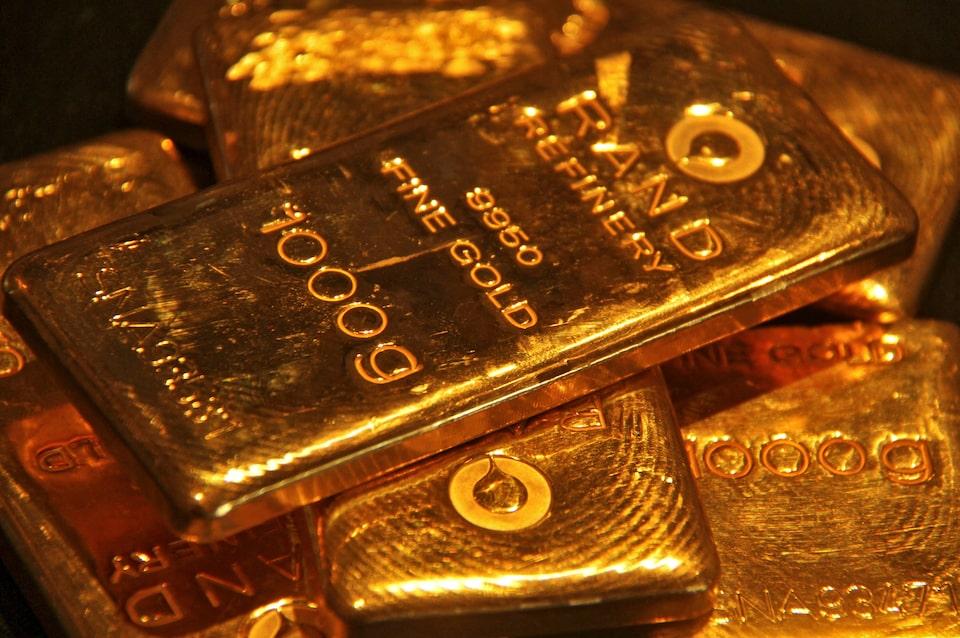
April 17 (Reuters) - There will be no precious metals report on Friday, April 18, as most markets will be closed for the Good Friday holiday. Reuters will resume coverage of the report on Monday, April 21. Sign up here. https://www.reuters.com/markets/commodities/profit-booking-pulls-gold-off-all-time-high-2025-04-17/
2025-04-17 05:33
SYDNEY, April 17 (Reuters) - Chinese tea firm Chagee has raised $411 million by setting the price of its shares at $28 each in its initial public offering in the United States, the company said in a statement on Thursday. Chagee sold about 14.7 million American depository shares at the top of the $26 to $28 per share range flagged to investors when the deal was launched. Sign up here. At that price, Chagee is valued at $5.1 billion, ahead of its Nasdaq debut, according to its regulatory filings. Reuters had earlier reported that Chagee had set the IPO price at $28 per share, citing sources. Chagee launched the deal last week as financial markets grappled with the prospect of a global trade war resulting from U.S. President Donald Trump's tariffs package. The deal comes as Chinese companies listed on U.S. stock exchanges could face the prospect of being delisted as part of the U.S. response to tensions with China. U.S. Treasury Secretary Scott Bessant last week did not rule out removing Chinese stocks from U.S. exchanges, adding that all options were on the table. Cornerstone investors subscribed for Chagee's shares worth up to $205 million sold in the IPO, filings showed. Chagee warned of some hit from the tariffs in its prospectus, but said "cross-border trade" was not its principal business. All of its products are manufactured in China. The tea brand generated 29.5 billion yuan ($4 billion) in sales last year, with over 6,000 teahouses worldwide at the end of 2024. Nearly all of its stores in China are under a franchise scheme. Chagee has expanded across Southeast Asia, entering Malaysia, Singapore and Thailand, according to its prospectus. https://www.reuters.com/business/retail-consumer/chinese-tea-firm-chagee-raises-411-million-new-york-ipo-sources-say-2025-04-17/