2025-04-15 07:03
NEW DELHI, April 15 (Reuters) - India's wholesale inflation (INWPI=ECI) , opens new tab eased to a four-month low in March as food prices rose at a slower pace, according to government data released on Tuesday. Wholesale inflation, a proxy for producer prices, fell to 2.05% year-on-year from 2.38% in February, and was lower than the 2.5% projected by economists in a Reuters poll. Sign up here. Wholesale food prices rose slowly at 4.66% in March against 5.94% in February. Vegetable prices fell 15.88%, compared to a 5.80% drop in the prior month. Food prices in the wholesale markets have eased in recent months as vegetable output improved. Last week, the Reserve Bank of India (RBI) cut its key repo rate for a second consecutive time this year, while also lowering India's growth forecast for the current year to 6.5%. The RBI, however, warned that lingering global market uncertainties and the recurrence of adverse weather-related supply disruptions pose upside risks to the inflation trajectory. India's weather office is set to forecast this year's monsoon later on Tuesday, followed by March retail inflation data at 1600 IST. Cereal prices in the wholesale markets rose 5.49% in March, against a 6.77% rise a month earlier, the data showed. Prices of manufactured products, which account for about 64% of the wholesale price index, increased 3.07% after rising 2.86% rise in February. Meanwhile, fuel and power prices rose 0.20% year-on-year, compared with a 0.71% drop in the previous month. https://www.reuters.com/world/india/indias-march-wholesale-inflation-205-yy-2025-04-15/

2025-04-15 07:01
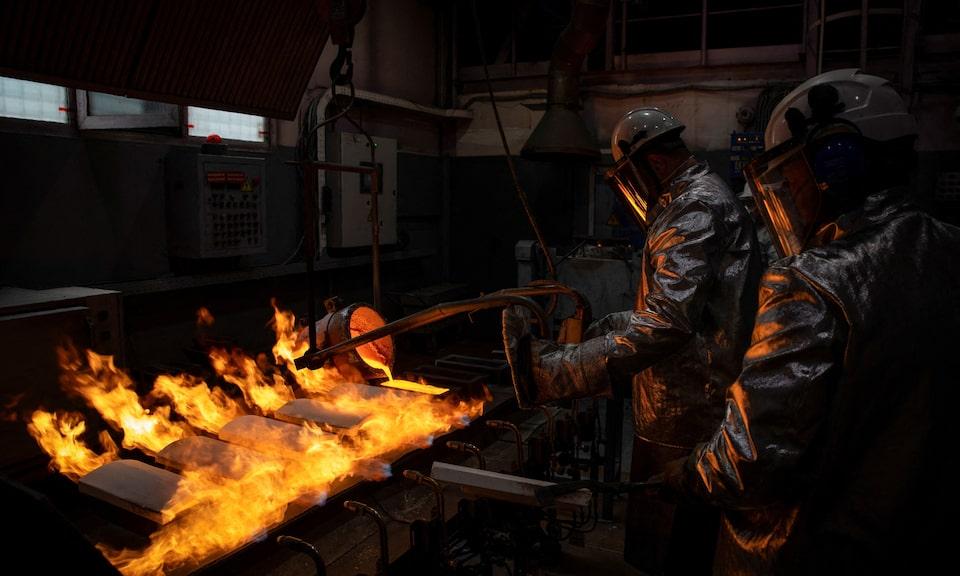
Gold hit record high of $3,245.42 on Monday Fed's Bostic calls for U.S. central bank to hold off until tariff clarity Economic slowdown, political uncertainties likely to fuel gold demand, analyst says April 15 (Reuters) - Gold prices rose on Tuesday as investors continued to flock to the safe-haven asset amid uncertainty surrounding U.S. President Donald Trump's tariff plans, which could escalate an ongoing trade war and slow global economic growth. Spot gold was up 0.3% at $3,219.99 an ounce at 1135 GMT. Bullion hit a record high of $3,245.42 on Monday. Sign up here. U.S. gold futures rose 0.3% to $3,235.50. "The environment remains supportive for higher gold prices, but the journey towards higher prices will not be a straight line, there will likely be some temporary setbacks," said UBS analyst Giovanni Staunovo. Federal Register filings on Monday showed that the U.S. administration is advancing investigations into pharmaceutical and semiconductor imports in a bid to impose tariffs. Trump on Sunday said he would announce the tariff rate on imported semiconductors over the next week. Bullion, a hedge against global instability, has maintained its upward trajectory from last year, rising over 23% so far in 2025 and clinching multiple record highs. The U.S. economy is in a "big pause" due to uncertainties surrounding the tariffs and other policies, Atlanta Federal Reserve Bank President, Raphael Bostic said on Monday, suggesting the central bank should retain its current wait-and-see approach until there is more clarity. Traders are currently expecting 83 basis points of rate cuts from the Fed this year. Non-yielding bullion tends to thrive in a low interest rate environment. Meanwhile, investments in Chinese physically-backed gold exchange-traded funds so far this month have exceeded those for all of the first quarter and overtaken inflows registered by U.S.-listed funds, World Gold Council data showed. "Higher inflation, lower economic growth and political uncertainty are likely to keep supporting gold demand from investors and central banks. New gold import quotas in China should also be supportive," Staunovo said. Spot silver fell 0.2% to $32.27 an ounce and platinum rose 0.9% to $960.20, while palladium was up 0.6% at $961.68. https://www.reuters.com/markets/commodities/gold-firms-markets-grapple-with-us-tariff-uncertainty-2025-04-15/
2025-04-15 06:57
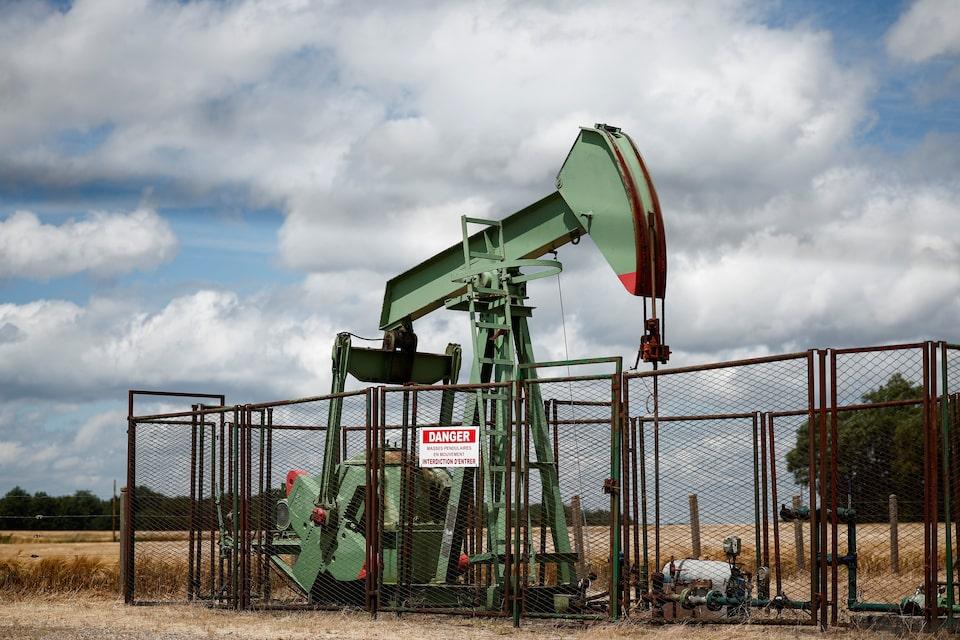
DUBAI, April 15 (Reuters) - Kuwait has begun taking executive steps to merge two of its state-owned oil firms, news agency Kuna reported on Tuesday, as the OPEC producer seeks to restructure its energy industry. Kuwait National Petroleum Company (KNPC) plans to acquire Kuwait Integrated Petroleum Industries Company (KIPIC), Kuna reported citing KNPC Chief Executive Wadha Al-Khateeb. Sign up here. KNPC is in charge of Kuwait's refining industry while KIPIC is responsible for facilities at the Al Zour refinery. The rapidly evolving global oil and gas industries place a great responsibility on the country's energy sector to adapt to the changing dynamics, Kuna cited Al-Khateeb as saying. Concern about the impact of U.S. trade tariffs have created uncertainty for global oil markets, pushing Brent crude prices down by more than 20% within a week to a four-year low. Prices have since recovered some ground to about $66 a barrel from below $60. Kuwait's Emir Sheikh Meshal al-Ahmad al-Sabah dissolved parliament in May last year and suspended some constitutional articles for up to four years, enabling the government to pass new laws. The legislature in Kuwait wields more influence than similar bodies in other Gulf monarchies, and political deadlock has for decades led to cabinet reshuffles and dissolutions of parliament. In March, Kuwait approved its public debt law, paving the way for the Gulf state to sell international debt for the first time in eight years. "The deal (to merge KNPC and KIPIC) is not a direct outcome of the new Emir's suspension of parliament, although that may have facilitated moving forward," Robin Mills, chief executive of consultancy Qamar Energy told Reuters. "It's more about rationalising and improving efficiency, given the completion of KIPIC's Al Zour refinery," Mills said, adding that there have been plans for further consolidation in the sector in Kuwait. The Gulf country's production capacity is over 3 million barrels per day, Kuwait Petroleum Corporation (KPC) CEO told reporters in January. Kuwait's merger of KNPC follows a slew of consolidation moves in the sector across the Gulf, beginning with Qatar in 2018 when it merged QatarGas and RasGas to create QatarEnergy. In March, Abu Dhabi's ADNOC agreed with Austria's OMV (OMVV.VI) , opens new tab to merge their polyolefin businesses to create a chemicals powerhouse. https://www.reuters.com/markets/deals/kuwaits-state-owned-kpc-kipic-start-steps-merge-2025-04-15/

2025-04-15 06:52
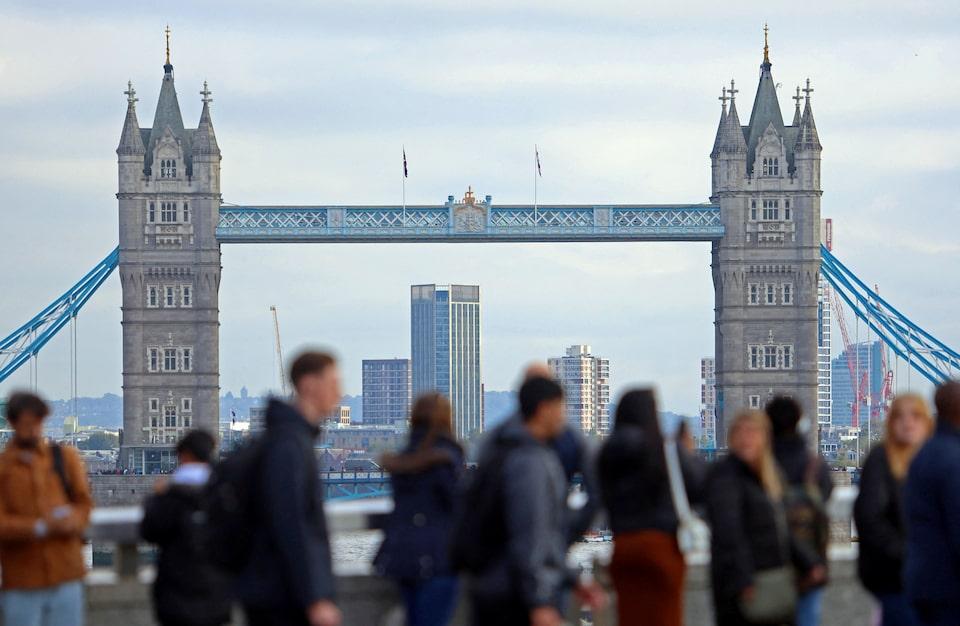
Vacancies below pre-pandemic levels for first time since 2021 Tax data showed fall in staff levels in March Economists see signs of weakening in jobs market Employers facing higher tax bill from April Trump tariffs expected to hit UK economy LONDON, April 15 (Reuters) - Britain's labour market weakened before this month's tax hike on employers, data showed on Tuesday, but wage growth remained strong, complicating the job for the Bank of England which is also expecting an economic hit from U.S. trade tariffs. Vacancies fell below their pre-COVID pandemic level for the first time in almost four years in the first three months of 2025, the Office for National Statistics said. Sign up here. Provisional data given by employers to the tax authorities showed the number of employees fell by 78,000 in March. That was the biggest drop since early in the pandemic in 2020 although the numbers are often revised. February's figure was updated to show a drop of 8,000 compared with a previous estimate of a 21,000 gain. Sanjay Raja, Deutsche Bank's chief UK economist, said the softening in the jobs market would outweigh Britain's still-fast pace of pay growth for the BoE's Monetary Policy Committee. "Big picture, the MPC has the green light to cut Bank Rate in May," Raja said. "Trade uncertainty remains rife. And slack in the labour market is emerging." Investors were pricing a more than 90% probability on the BoE cutting rates by a quarter of a percentage point on May 8, after its next scheduled meeting. U.S. President Donald Trump's tariff onslaught is expected to slow the world economy, hurting Britain alongside the direct impact of new U.S. duties applied to its exports. WAGES INCH UP Yael Selfin, chief economist at KPMG UK, said the rise in labour costs in April - when finance minister Rachel Reeves' increase in social security contributions came into effect - was likely to slow pay growth soon. Britain's minimum wage also went up by almost 7% this month, which could weigh on hiring plans. The BoE is trying to gauge whether inflation pressures in the labour market are easing sufficiently for it to continue cutting interest rates. Official figures due on Wednesday are expected to show consumer price inflation of 2.7% in the 12 months to March. That would be a slowdown from 2.8% in February but it would be above the BoE's 2% target and the central bank has said it expects inflation to hit almost 4% later this year. The ONS said average weekly earnings, excluding bonuses, rose by 5.9% in the three months to February compared with the same period a year earlier, faster than a revised 5.8% increase in the three months to January. Private-sector pay excluding bonuses - a gauge of domestic inflation pressure watched closely by the BoE - rose by 5.9%, compared with the same period a year earlier, unchanged from the pace in the three months to January. A Reuters poll of economists had pointed to slightly stronger growth of 6.0% in both measures of basic pay. The ONS said Britain's unemployment rate, which is based on a survey that the agency is overhauling and is no longer considered an accurate gauge of the jobs market, held at 4.4%. Gabriella Dickens, G7 economist at AXA investment managers, said the jobless rate might actually be closer to 4.8% or 4.9%. https://www.reuters.com/world/uk/uk-wages-increase-by-59-three-months-february-ons-says-2025-04-15/
2025-04-15 06:46
April 15 (Reuters) - French oil major TotalEnergies (TTEF.PA) , opens new tab expects hydrocarbon production to come at the higher end of its guidance range for the first quarter, it said in a trading update on Tuesday. Hydrocarbon production in the first quarter of 2025 is expected to come between 2.5 million and 2.55 million barrels of oil equivalent per day (Mboe/d), up 4% year-on-year, it said. Sign up here. "Exploration-Production results should reflect this growth in production and the slightly more favourable price environment than in the fourth quarter of 2024," Total added. Total's European refining margin marker stood at $29.4 per tonne, slightly up from $25.9 per tonne in the previous quarter. Last week, British peer BP (BP.L) , opens new tab said it expected stronger refining margins to contribute between $100 million and $300 million to its first-quarter earnings, echoing earlier comments from U.S. firms Occidental (OXY.N) , opens new tab and Exxon Mobil (XOM.N) , opens new tab. When it reported fourth-quarter results in February, Total said it expected higher gas prices, upstream production and power sales in early 2025. In the liquefied natural gas business, Integrated LNG results should reflect higher LNG prices year-on-year, but with a slight decrease compared to the previous quarter, Total said on Tuesday. The company is due to report first-quarter results on April 30. https://www.reuters.com/business/energy/totalenergies-sees-hydrocarbon-production-top-end-guidance-range-q1-2025-04-15/
2025-04-15 06:38
IEA slashes oil demand forecast for this year and next Trade tariff uncertainty causes banks to cut oil price forecasts China's exports rose sharply in March ahead of US tariffs NEW YORK, April 15 (Reuters) - Oil prices were little changed on Tuesday as investors digested the latest headlines on U.S. President Donald Trump's on-again, off-again tariffs and tried to figure how much the U.S.-China trade war could reduce global economic growth and oil demand. Brent crude futures fell 21 cents, or 0.3%, to settle at $64.67 per barrel, while U.S. West Texas Intermediate (WTI) crude fell 20 cents, or 0.3%, to settle at $61.33. Sign up here. Vacillating U.S. trade policies have created uncertainty for global oil markets and prompted the Organization of the Petroleum Exporting Countries to lower its demand outlook on Monday. The International Energy Agency followed on Tuesday with its projection that global oil demand in 2025 will grow at its slowest rate for five years due to worries about economic growth from Trump’s trade tariffs. That tariff uncertainty caused several banks, including UBS, BNP Paribas and HSBC, to cut their crude price forecasts. "Should the trade war further escalate, our downside risk scenario case — i.e., a deeper U.S. recession and a hard landing in China — could see Brent trading at $40-60 (per barrel) over the coming months," said UBS analyst Giovanni Staunovo. Worries about Trump's tariffs, along with a supply hike by OPEC+, a group comprising OPEC and its producing allies such as Russia, have already caused oil prices to plunge by roughly 13% so far this month. Oil prices gained some support after Trump said on Monday he was considering a modification to the 25% tariffs imposed on foreign auto imports from Mexico and other places. "The U.S. administration has announced multiple conflicting tariff policy changes, from ... exempting electronics, to then revealing that this exemption would be temporary and also announcing a modification to the 25% tariff imposed on auto and auto parts," analysts at energy consulting firm Gelber and Associates said in a note. In the U.S., bank executives warned consumer spending faces huge risks if the upheaval sparked by Trump's trade policy persists. U.S. import prices unexpectedly fell in March, pulled down by decreasing costs for energy products, the latest indication that inflation was subsiding before Trump's sweeping tariffs came into effect. Some analysts, however, worry that Trump's tariff policies could boost inflation, making it difficult for the U.S. Federal Reserve to reduce interest rates. The Fed and other central banks use higher interest rates to combat rising inflation, which boosts consumer costs and can reduce economic growth and demand for energy. Despite Trump's pro-oil drilling policies, the U.S. Energy Information Administration projected U.S. oil production will peak at 14 million barrels per day in 2027 and maintain that level through the end of the decade, before rapidly declining. U.S. oil inventory data from the American Petroleum Institute trade group is due later on Tuesday and from the EIA on Wednesday. , Analysts forecast energy firms pulled about 1.0 million barrels of oil from U.S. stockpiles during the week ended April 11. That compares with a build of 2.7 million barrels during the same week last year and an average build of 4.2 million barrels over the past five years (2020-2024). CHINA AND EUROPE In China, the world's second-biggest economy behind the U.S., exports rose sharply in March after factories rushed out shipments before the latest U.S. tariffs took effect, but an escalating Sino-U.S. trade war has darkened the outlook for factories and economic growth. China's Premier Li Qiang called on the country's exporters to diversify their markets to cope with "profound" external changes, and vowed to support more domestic consumption. In Europe, the European Central Bank said some banks curbed access to credit last quarter and expect to keep tightening credit standards due to increasing concerns about the economic outlook due to Trump's tariffs. In Germany, the biggest economy in Europe, investor morale in April posted its strongest decline since Russia invaded Ukraine in 2022, again due to uncertainty unleashed by U.S. tariffs. https://www.reuters.com/business/energy/oil-prices-rise-potential-us-tariff-exemptions-cars-pick-up-china-crude-imports-2025-04-15/