2025-04-02 04:52
April 2 (Reuters) - Chile's state-owned Codelco, the world's largest copper producer, said on Wednesday it would supply copper concentrates to India's Adani Group's $1.2 billion smelter, the world's biggest single-location plant of its type. The supply will begin this year, said Codelco, whose chairman, Maximo Pacheco, met Adani Group chairman Gautam Adani at the conglomerate's headquarters in Ahmedabad in the western state of Gujarat. Sign up here. Kutch Copper, as the smelter is formally known, is also located in Gujarat and its executives had told Reuters it would source concentrates from Chile and other countries. The smelter began operations a year ago and last month entered into a joint venture to make wires and cables. India's copper imports have surged since the 2018 closure of Vedanta's (VDAN.NS) , opens new tab Sterlite Copper smelter, which produced about 400,000 metric tons of the metal. Currently, only Hindalco Industries (HALC.NS) , opens new tab, part of India's Aditya Birla group, and state-run miner Hindustan Copper (HCPR.NS) , opens new tab produce copper in the country. Codelco also separately signed a preliminary agreement with Hindustan Copper to cooperate on exploring and processing minerals. https://www.reuters.com/markets/commodities/chiles-codelco-supply-copper-concentrate-indias-adani-group-owned-smelter-2025-04-02/
2025-04-02 04:34
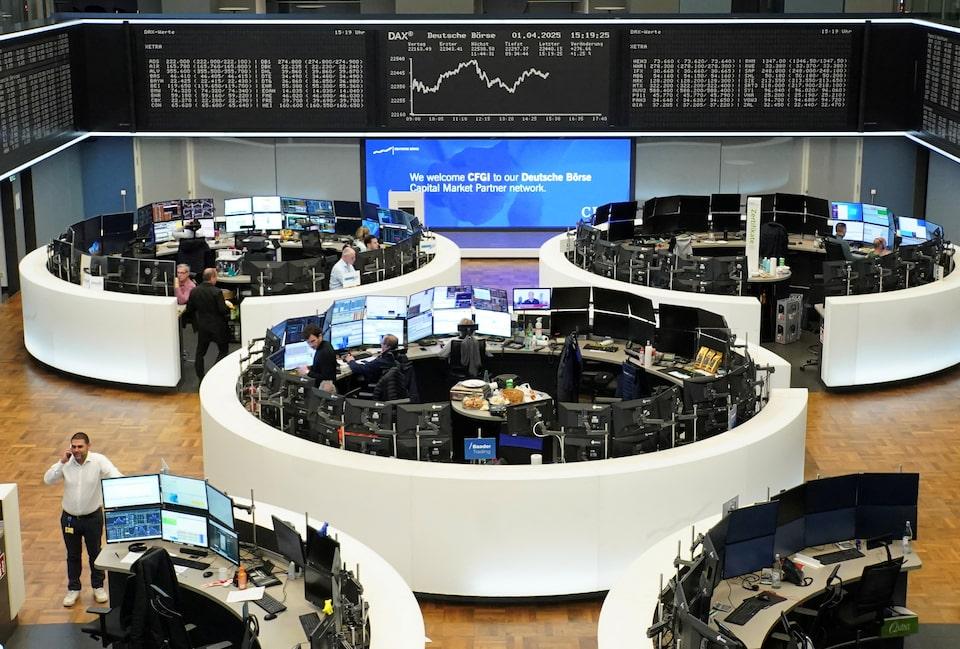
A look at the day ahead in European and global markets from Ankur Banerjee With less than 24 hours left until U.S. President Donald Trump unveils his reciprocal tariff plans to a nervous world, market moves have slowed to a crawl as investors hunker down and minimise their risk ahead of a likely volatile reaction. Sign up here. In the meantime, only gold prices are showing signs of life. Asian stocks were choppy but holding to narrow ranges, after Wall Street managed a firmer end to a similarly choppy session. Futures point to a subdued open in Europe. For weeks now, investors have been focused on what Trump has deemed "Liberation Day", which is expected to bring dramatic new duties against allies and foes alike. A White House Rose Garden announcement is scheduled for 2000 GMT on Wednesday. The threat of retaliation from other countries suggests that the period of uncertainty is far from over. And whatever form Trump's trade plan ultimately takes, tariffs don't all act the same. The duties are set to take effect immediately, suggesting little room for negotiation and the possibility of wide-ranging responses from affected countries. In short, expect potentially sharp moves in the markets. The devil will be in the details of the trade plan after a media report suggested duties could be raised by about 20% on imports from nearly every country, rather than targeting certain countries or products. Trump has already imposed tariffs on aluminium, steel and autos, while increasing duties on all goods from China. That has rattled markets as fears mount that a full-blown trade war could trigger a sharp slowdown in the global economy. In these uncertain times, gold prices have been on a tear, perched at a record high above $3,000 per ounce. The yellow metal is up 19% this year and that's after climbing 27% in 2024, its strongest annual performance in more than a decade. Key developments that could influence markets on Wednesday: - Trump's reciprocal tariff announcement at 2000 GMT Trying to keep up with the latest tariff news? Our new daily news digest offers a rundown of the top market-moving headlines impacting global trade. Sign up for Tariff Watch here. https://www.reuters.com/markets/europe/global-markets-view-europe-2025-04-02/
2025-04-02 03:01
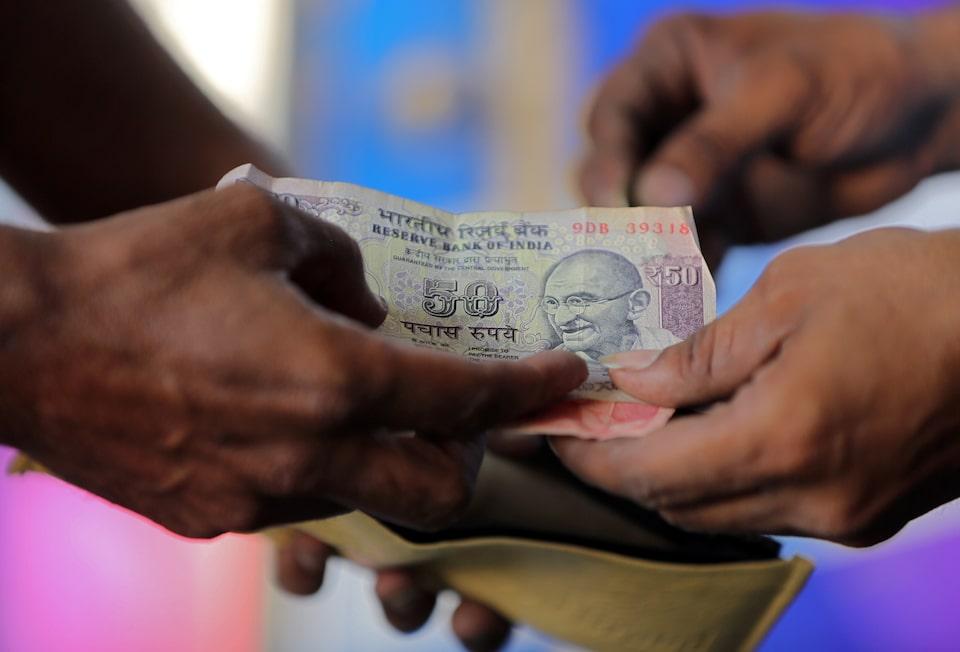
MUMBAI, April 2 (Reuters) - A rally in the Indian rupee that has lifted the currency to a three-month high is likely to pause on Wednesday in the countdown to a planned tariff announcement by the United States. The 1-month non-deliverable forward indicated that the rupee will open at 85.60-85.64 to the U.S. dollar compared with 85.47 on Friday. Sign up here. India money markets were shut on Monday and Tuesday. In March, the rupee posted its best monthly performance in more than six years, spurred by foreign portfolio and other inflows, coupled with a scaling back of bearish wagers. Foreign investors purchased nearly $4 billion of Indian equities and bonds, a significant reversal from approximately $12 billion in outflows seen in January and February. The rupee is heading into President Donald Trump's "big moment" with a lot of positive momentum, a currency trader at a Mumbai-based bank said. "Tomorrow's market direction will hinge on the overall response to Trump's announcement," he said, adding that exporters will step in if there is a significant USD/INR upward correction. ALL ABOUT TRUMP'S TARIFFS In recent weeks, the focus has squarely been on a new round of reciprocal levies, which the White House is due to announce on Wednesday at 2000 GMT and are expected to take effect immediately. The Washington Post reported that Trump's aides are considering a plan that would raise duties on products by about 20% from nearly every country. "The range of outcomes is wide and includes considerable risk of tariff increases—particularly an aggressive reciprocal tariff," Goldman Sachs said in a note. KEY INDICATORS: ** One-month non-deliverable rupee forward at 85.88; onshore one-month forward premium at 22.33 paise ** Dollar index at 104.18 ** Brent crude futures up 0.1% at $74.6 per barrel ** Ten-year U.S. note yield at 4.2% ** As per NSDL data, foreign investors bought a net $946.9 million worth of Indian shares on March 27 ** NSDL data shows foreign investors sold a net $100.9 million worth of Indian bonds on March 27 https://www.reuters.com/markets/currencies/rupees-rally-interrupted-run-up-trumps-tariffs-2025-04-02/
2025-04-02 02:30
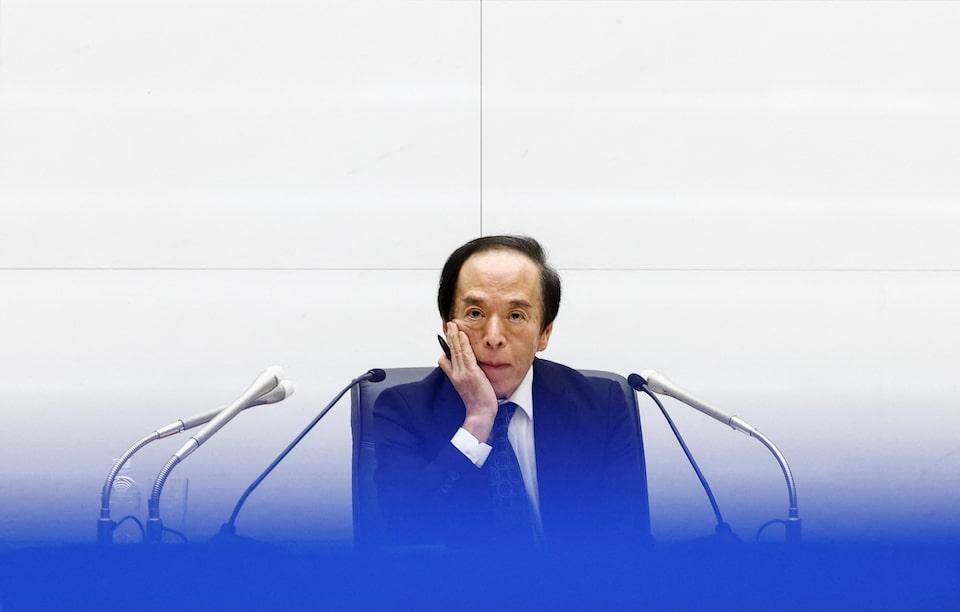
US tariffs could affect household, business mood, BOJ Ueda says Impact on U.S. long-term inflation uncertain Ueda hopes to debate global fallout at G20, IMF meets TOKYO, April 2 (Reuters) - Planned new U.S. tariffs could have a huge impact on world trade, Bank of Japan Governor Kazuo Ueda said on Wednesday, warning of a possible hit to global growth hours before President Donald Trump is set to unveil reciprocal tariffs. The expected move will come on top of U.S. tariffs on imports of aluminum and steel imports, as well as higher duties on all goods from China. Trump has also repeatedly threatened to impose other tariffs, only to cancel or postpone them. Sign up here. Ueda said he would like to share views with counterparts in the G20 on how higher U.S. tariffs could affect the global economy at a meeting of the grouping's finance leaders this month in Washington. "The impact of U.S. tariff policy on the global economy is highly uncertain," Ueda told Japan's parliament. "But depending on the range and scale of U.S. tariffs, they could have a big impact on each country's trade activity." He added, "Another big question is how the tariffs could affect the sentiment and spending of households and companies." While higher tariffs are likely to push up U.S. inflation in the short term, the longer-run effect is uncertain as the higher duties could cool U.S. growth and curb its price growth, Ueda said. The White House has said the global reciprocal tariffs Trump is expected to announce would take effect immediately, along with a tariff of 25% on auto imports on April 3. Activity slumped in March in factories around the world, from Japan to Britain and the United States, as businesses braced for the new U.S. tariffs, global surveys have shown. The fallout from the U.S. trade curbs are among the key themes likely to be discussed by finance leaders gathering for the spring IMF and G20 meetings later this month. The BOJ has not confirmed if Ueda will attend the G20 meetings, though the governor and Japan's finance minister usually attend. Analysts say the impact of U.S. tariffs on Japan's economy will be key to how soon the BOJ raises interest rates. The BOJ next holds a policy meeting from April 30 to May 1. A Reuters poll showed many analysts expect its next rate hike in the third quarter, most probably in July. https://www.reuters.com/markets/asia/boj-warns-possible-hit-global-trade-planned-new-us-tariffs-2025-04-02/
2025-04-02 00:49
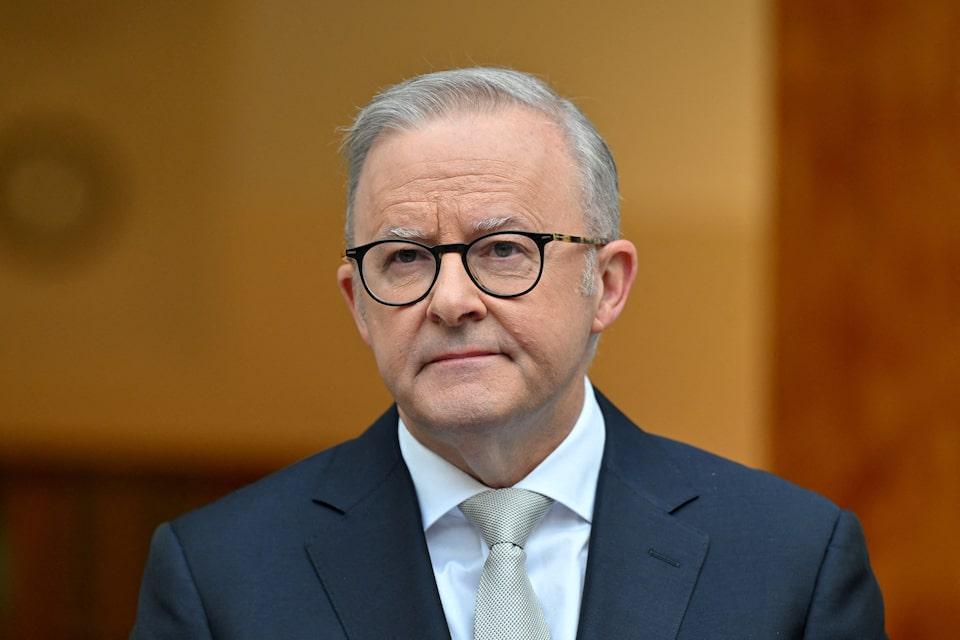
Australia recorded first trade surplus with US in January US, Australia have free trade agreement Australia has said will not retaliate SYDNEY, April 2 (Reuters) - Australian Prime Minister Anthony Albanese and his rival in a May election, Liberal Party leader Peter Dutton, said they would stand up for the country's national interests in the face of looming U.S. tariffs that could hit Australian beef. Australia recorded its first trade surplus with the United States in January as gold exports surged, after decades of trade deficits. The two countries have a free trade agreement that allows duty-free entry for U.S. exports. Albanese has said his government will not retaliate against the Trump Administration with reciprocal tariffs. Sign up here. Toughening his language in an election campaign, Albanese said on Wednesday he would "stand up for Australian interests", and would not compromise on Australian regulations that the United States is likely to target. Opposition Liberal Party leader Peter Dutton similarly told reporters: "My job is to stand up for Australians." "If I needed to have a fight with Donald Trump or any other world leader to advance our nation's interests, I'd do it in a heartbeat," Dutton said in a Sky News Australia interview. Albanese said he "won't compromise" on three areas likely to be targeted, after they were listed in a report on foreign trade barriers released a day earlier by the United States Trade Representative. "We won't compromise on our Pharmaceutical Benefits Scheme, on our biosecurity or our Media Bargaining Code," he said. The report listed Australia's ban on U.S. fresh beef products, in place since bovine spongiform encephalopathy (BSE) was detected in U.S. cattle in 2003. Albanese said Australia was not prepared to change its strict biosecurity controls on meat, because it "could do enormous damage to our meat products". Australia and the United States are among the world's largest beef exporters. A slump in U.S. beef production opened the door for Australia to export record amounts of meat last year, growing its market share in North America and Asia and channelling billions of dollars to cattle processors and farmers. Australia exported A$4 billion worth of beef to the United States last year, its biggest market. The U.S. trade barriers report also referred to Australia's 2021 law requiring U.S. tech giants, such as Google and Meta, to negotiate with media companies and compensate them for the links that lure readers and advertising revenue. In December, Albanese's government said it planned to toughen the rules, and charge big tech firms millions of dollars if they did not pay Australian media companies for news hosted on their platforms. Exports to the United States were less than 5% of Australia's total goods exports, compared to one in four export dollars coming from trade with China, Albanese said. Australia was focussed on expanding its exports to growing economies in South East Asian and India, he said. Australian beef exporters were previously barred from China after a diplomatic dispute between Canberra and Beijing, which was resolved last year. https://www.reuters.com/world/australia-stand-up-national-interests-us-tariffs-says-pm-albanese-2025-04-02/
2025-04-02 00:46
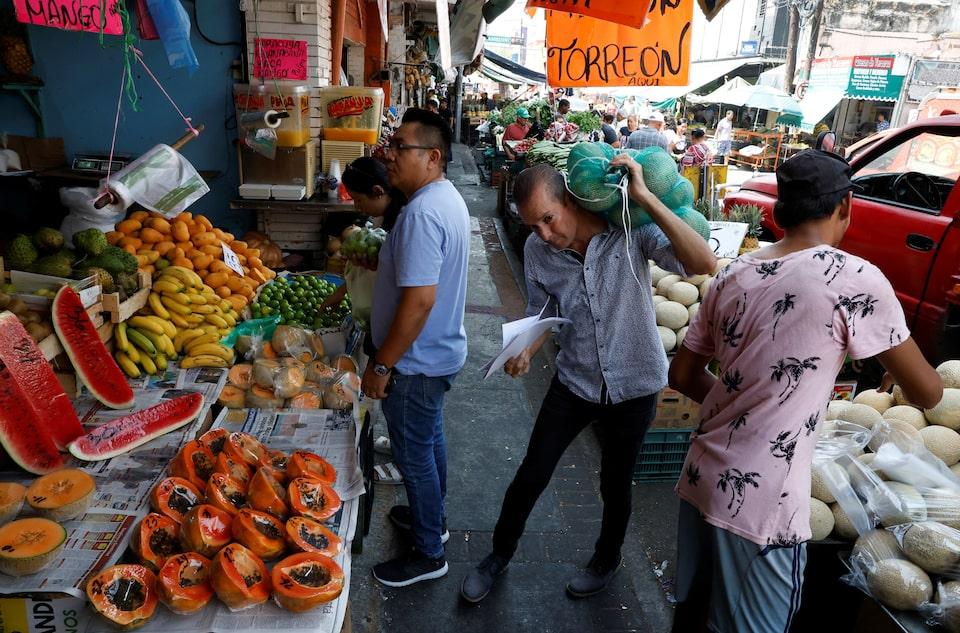
MEXICO CITY, April 1 (Reuters) - Mexico's government sees its economy growing between 1.5% and 2.3% this year, down from a prior estimate of 2.0% to 3.0%, a draft budget from the country's finance ministry showed on Tuesday. The growth forecast, which the finance ministry called conservative, is rosier than estimates by the private sector and Mexico's central bank and comes amid concerns that Mexico is on the precipice of a recession. Sign up here. The finance ministry forecast economic growth of between 1.5% and 2.5% in 2026. Latin America's no. 2 economy, shaken in recent months by cooling investor confidence, U.S. tariff threats and a prolonged drought, shrank in the fourth quarter and again in January. A first-quarter contraction would plunge Mexico into a technical recession. In a statement, Mexico's finance ministry attributed the downward revision of the 2025 growth forecast to weaker residential investment and supply shocks that have persisted since late last year. "Additionally, business caution driven by uncertainty over U.S. trade policy is also a contributing factor," the statement added. The autonomous Bank of Mexico in February forecast the economy in 2025 could shrink by as much as 0.2% or expand by as much as 1.4%. Earlier on Tuesday, private sector analysts polled by Mexico's central bank lowered their average growth forecast for the year to just 0.5%. The finance ministry said it sees domestic consumption, job creation, and investments in strategic sectors as sustaining growth this year. Mexico's economy has been a headache for President Claudia Sheinbaum, who inherited the country's highest budget deficit since the 1980s when she took office in October, but has resisted calls for deep fiscal reform. Tuesday's budget document, which is used by lawmakers to plan future spending, also sees Mexico's budget deficit between 3.9% and 4.0% this year before falling to between 3.2% and 3.5% in 2026. Annual inflation, according to the draft, is expected to end the year at 3.5%, within the central bank's target of 3%, plus or minus one percentage point, and slightly down from the annual rate of 3.77% recorded in February. For 2026, the draft budget predicts that inflation will further ease to 3.0%. The finance ministry sees Mexico's peso trading at 20.0 pesos per dollar at the end of this year, and slightly strengthening to 19.7 next year. Average crude oil production this year is forecast at 1.762 million barrels per day (bpd), rising to 1.775 million bpd in 2026. https://www.reuters.com/world/americas/mexico-govt-sees-economy-growing-least-15-2025-draft-budget-shows-2025-04-02/