2025-04-01 04:06
SYDNEY, Aug 12 (Reuters) - The Reserve Bank of Australia on Tuesday cut its main cash rate by 25 basis points to 3.60% as widely expected following a two-day policy meeting. The following is a chronology of the Reserve Bank of Australia's interest rate moves since 1990. Each move is measured in basis points (bp), which are one-hundredths of a percentage point. Sign up here. Aug 12 2025 Down 25 bp to 3.60 May 20 2025 Down 25 bp to 3.85 Feb 18 2025 Down 25 bp to 4.10 Nov 7 2023 Up 25 bp to 4.35 Jun 6 2023 Up 25 bp to 4.10 May 2 2023 Up 25 bp to 3.85 Mar 7 2023 Up 25 bp to 3.60 Feb 7 2023 Up 25 bp to 3.35 Dec 6 2022 Up 25 bp to 3.10 Nov 1 2022 Up 25 bp to 2.85 Oct 4 2022 Up 25 bp to 2.60 Sep 6 2022 Up 50 bp to 2.35 Aug 2 2022 Up 50 bp to 1.85 Jul 5 2022 Up 50 bp to 1.35 Jun 7 2022 Up 50 bp to 0.85 May 3 2022 Up 25 bp to 0.35 Nov 3 2020 Down 15 bp to 0.10 Mar 19 2020 Down 25 bp to 0.25 Mar 3 2020 Down 25 bp to 0.50 Oct 1 2019 Down 25 bp to 0.75 Jul 2 2019 Down 25 bp to 1.00 Jun 4 2019 Down 25 bp to 1.25 Aug 2 2016 Down 25 bp to 1.50 May 3 2016 Down 25 bp to 1.75 May 5 2015 Down 25 bp to 2.00 Feb 3 2015 Down 25 bp to 2.25 Aug 6 2013 Down 25 bp to 2.50 May 7 2013 Down 25 bp to 2.75 Dec 4 2012 Down 25 bp to 3.00 Oct 2 2012 Down 25 bp to 3.25 Jun 5 2012 Down 25 bp to 3.50 May 1 2012 Down 50 bp to 3.75 Dec 6 2011 Down 25 bp to 4.25 Nov 1 2011 Down 25 bp to 4.50 Nov 2 2010 Up 25 bp to 4.75 May 4 2010 Up 25 bp to 4.50 Apr 6 2010 Up 25 bp to 4.25 Mar 2 2010 Up 25 bp to 4.00 Dec 1 2009 Up 25 bp to 3.75 Nov 3 2009 Up 25 bp to 3.50 Oct 6 2009 Up 25 bp to 3.25 Apr 7 2009 Down 25 bp to 3.00 Feb 3 2009 Down 100 bp to 3.25 Dec 2 2008 Down 100 bp to 4.25 Nov 4 2008 Down 75 bp to 5.25 Oct 7 2008 Down 100 bp to 6.00 Sep 2 2008 Down 25 bp to 7.00 Mar 4 2008 Up 25 bp to 7.25 Feb 5 2008 Up 25 bp to 7.00 Nov 7 2007 Up 25 bp to 6.75 Aug 8 2007 Up 25 bp to 6.50 Nov 8 2006 Up 25 bp to 6.25 Aug 2 2006 Up 25 bp to 6.00 May 3 2006 Up 25 bp to 5.75 Mar 2 2005 Up 25 bp to 5.50 Dec 3 2003 Up 25 bp to 5.25 Nov 5 2003 Up 25 bp to 5.00 June 5 2002 Up 25 bp to 4.75 May 8 2002 Up 25 bp to 4.50 Dec 5 2001 Down 25 bp to 4.25 Oct 3 2001 Down 25 bp to 4.50 Sept 5 2001 Down 25 bp to 4.75 Apr 4 2001 Down 50 bp to 5.0 Mar 7 2001 Down 25 bp to 5.5 Feb 7 2001 Down 50 bp to 5.75 Aug 2 2000 Up 25 bp to 6.25 May 3 2000 Up 25 bp to 6.0 Apr 5 2000 Up 25 bp to 5.75 Feb 2 2000 Up 50 bp to 5.5 Nov 3 1999 Up 25 bp to 5.0 Dec 2 1998 Down 25 bp to 4.75 Jul 30 1997 Down 50 bp to 5.0 May 23 1997 Down 50 bp to 5.5 Dec 11 1996 Down 50 bp to 6.0 Nov 6 1996 Down 50 bp to 6.5 Jul 31 1996 Down 50 bp to 7.0 Dec 14 1994 Up 100 bp to 7.5 Oct 24 1994 Up 100 bp to 6.5 Aug 17 1994 Up 75 bp to 5.5 Jul 30 1993 Down 50 bp to 4.75 Mar 23 1993 Down 50 bp to 5.25 Jul 8 1992 Down 75 bp to 5.75 May 6 1992 Down 100 bp to 6.5 Jan 8 1992 Down 100 bp to 7.5 Nov 6 1991 Down 100 bp to 8.5 Sep 3 1991 Down 100 bp to 9.5 May 16 1991 Down 100 bp to 10.5 Apr 4 1991 Down 50 bp to 11.5 Dec 18 1990 Down 100 bp to 12.0 Oct 15 1990 Down 100 bp to 13.0 Aug 2 1990 Down 100 bp to 14.0 Apr 4 1990 Down 100-150bp to 15.0 to 15.5 Feb 15 1990 Down 50 bp to 16.5 to 17.0 Jan 23 1990 Down 50-100bp to 17.0 to 17.5 https://www.reuters.com/world/asia-pacific/australian-interest-rate-changes-since-1990-2025-08-12/
2025-04-01 03:46
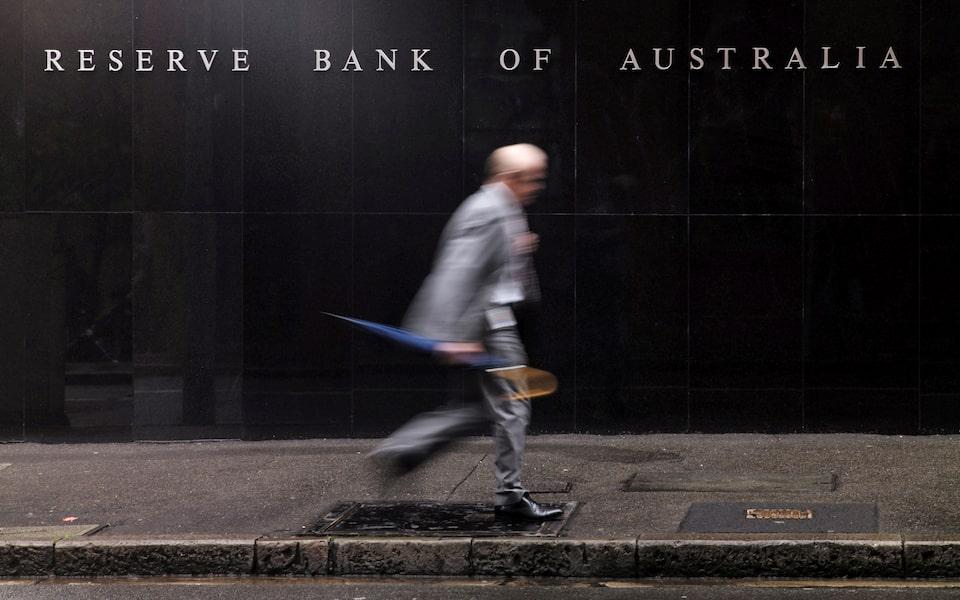
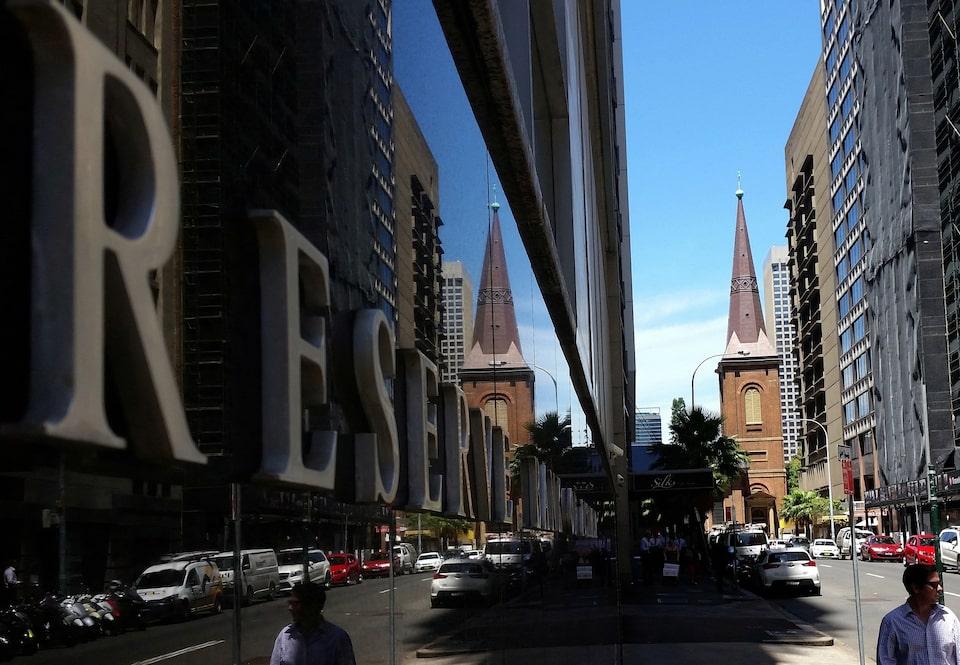
SYDNEY, April 1 (Reuters) - Australia's central bank on Tuesday left its cash rate steady as expected at 4.1% saying it was still cautious about the outlook, though it dropped an explicit reference to being cautious about cutting rates again. Wrapping up a two-day policy meeting, the Reserve Bank of Australia (RBA) said policy was well placed to respond to international developments with U.S. tariffs expected to be a drag on global growth. Sign up here. Markets had seen a scant chance of a further easing this week following a quarter-point cut in February, given policy makers had emphasised that they needed to be certain core inflation was under control before acting again. https://www.reuters.com/markets/asia/australias-central-bank-holds-rates-41-sounds-less-hawkish-2025-04-01/
2025-04-01 00:45
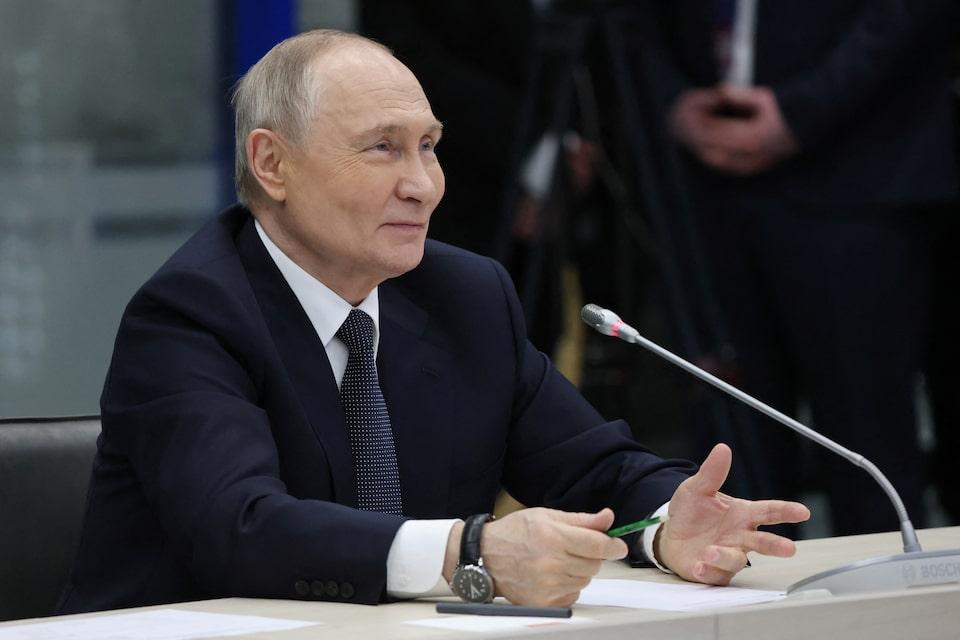
Trump threatens tariffs on Russian oil over delays in moving towards Ukraine ceasefire Russia, US discuss peace in Ukraine, bilateral ties despite tensions Kremlin says US companies interested in cooperation MOSCOW/WASHINGTON, March 31 (Reuters) - The Kremlin said on Monday that Russia and the United States were working on ideas for a possible peace settlement in Ukraine and on building bilateral ties despite U.S. President Donald Trump saying that he was "pissed off" with Vladimir Putin. Trump told NBC News he was very angry after the Russian leader criticised the credibility of Ukrainian President Volodymyr Zelenskiy, and the U.S. president suggested he could impose secondary tariffs of 25%-50% on buyers of Russian oil. Sign up here. Trump later reiterated to reporters he was disappointed with Putin but added: "I think we are making progress, step by step." Asked about Trump's comments, Kremlin spokesman Dmitry Peskov said Moscow was continuing to work with Washington and that Putin remained open to contacts with Trump. "We are continuing to work with the American side, first of all to build our bilateral relations, which were badly damaged during the previous (U.S.) administration," Peskov said. "And we are also working on the implementation of some ideas related to the Ukrainian settlement. This work is underway, but so far there are no specifics that we could or should tell you about. This is a time-consuming process, probably due to its complexity." A call between Trump and Putin, he said, could be arranged at short notice if necessary, though none was scheduled for this week. Trump, who says he wants to be remembered as a peacemaker, has repeatedly said he wants the three-year conflict in Ukraine to end and has warned of the risks of it escalating into a world war between the United States and Russia. He reiterated on Monday, when speaking to reporters at the White House, that he would impose secondary tariffs if Putin did not cooperate. "I want to see him make a deal so that we stop Russian soldiers and Ukrainian soldiers and other people from being killed," Trump said in the Oval Office. "I want to make sure that he follows through, and I think he will." Finland's President Alexander Stubb said on Sunday he had told Trump during a Florida meeting on Saturday that a deadline needs to be set for establishing a Ukraine ceasefire in order to make it happen. "I came out with an impression that obviously he's the only person who can broker a peace, a ceasefire, because he's the only one that Putin is afraid of and in that sense, respects," Stubb told Sky News in an interview on Monday. "We were talking a lot about the ceasefire, the frustrations he had that Russia was not committing to it." OIL AND RARE EARTHS Since taking office in January, Trump has shifted the U.S. to a more conciliatory stance towards Russia that has left Western allies wary as he tries to broker an end to the war. His comments about Putin on Sunday reflect his growing frustration about the lack of movement on a ceasefire. "If Russia and I are unable to make a deal on stopping the bloodshed in Ukraine, and if I think it was Russia's fault ... I am going to put secondary tariffs on oil, on all oil coming out of Russia," Trump told NBC. "That would be, that if you buy oil from Russia, you can't do business in the United States," Trump said. "There will be a 25% tariff on all oil, a 25- to 50-point tariff on all oil." Oil prices were little changed on Monday as traders tried to work out how Trump's threat of secondary tariffs against the world's second largest oil exporter might look. China and India buy about 80% of Russian crude exports. Chinese traders said they were unfazed by the threat, while Beijing said its cooperation with Russia was neither directed against, nor affected by, third parties. India declined comment. Amid efforts by Trump to end the fighting in Ukraine, minerals cooperation has been floated by both Kyiv and Moscow, though Trump said on Sunday that Zelenskiy wanted to back out of a proposed deal. Russia and the U.S. have started talks on joint rare earth metals and other projects in Russia, and some companies have already expressed an interest in them, Putin's investment envoy, Kirill Dmitriev, said on Monday. "There are no specifics here yet, but the interest is evident. The interest is mutual because we're talking about mutually beneficial projects," Peskov told reporters. https://www.reuters.com/world/europe/after-trump-sanctions-threat-kremlin-says-russia-us-working-ukraine-peace-moves-2025-03-31/
2025-04-01 00:44
SAO PAULO, March 31 (Reuters) - Brazilian miner Vale (VALE3.SA) , opens new tab said on Monday it agreed to form a joint venture with U.S.-based investment firm Global Infrastructure Partners (GIP) through its Brazilian renewable energy business Alianca Energia. In a securities filing, Vale said it would sell 70% of Alianca Energia to GIP, receiving about $1 billion in cash once the transaction is completed. Sign up here. Reuters had reported in February, citing sources, that Vale was in advanced talks to sell a majority stake in Alianca Energia and a solar plant to GIP. In the filing, Vale said that, after the deal, Alianca Energia will also consolidate Sol do Cerrado solar plant and 100% of hydro power plant Risoleta Neves, both located in the southeastern Minas Gerais state. Vale became sole owner of Alianca last year, when it paid 2.7 billion reais for the 45% stake held by power firm Cemig, with whom it launched the venture in 2013. https://www.reuters.com/markets/commodities/miner-vale-receive-1-billion-alianca-energia-jv-deal-2025-04-01/
2025-04-01 00:18
April 1 (Reuters) - Norges Bank Investment Management will vote against a resolution for mining major Rio Tinto (RIO.AX) , opens new tab to review its two listings in London and Sydney, the website for Norway's sovereign wealth fund showed. Rio Tinto shareholders are set to vote on the resolution, brought by London-based hedge fund Palliser Capital and more than 100 other shareholders, at the world's largest iron ore miner's annual general meeting on Thursday. Sign up here. Norges Bank, the world's largest sovereign wealth fund, is the seventh biggest shareholder in London-listed Rio Tinto Plc (RIO.L) , opens new tab, with a 2.51% stake, according to data compiled by LSEG. In February, Rio Tinto recommended its shareholders to vote against the resolution. "A dual-listed companies (DLC) structure unification is not required to provide the group with strategic flexibility," the company said in March, after conducting a comprehensive review of the structure. https://www.reuters.com/markets/commodities/norway-sovereign-wealth-fund-vote-against-rio-tinto-dual-listing-review-2025-04-01/
2025-04-01 00:02
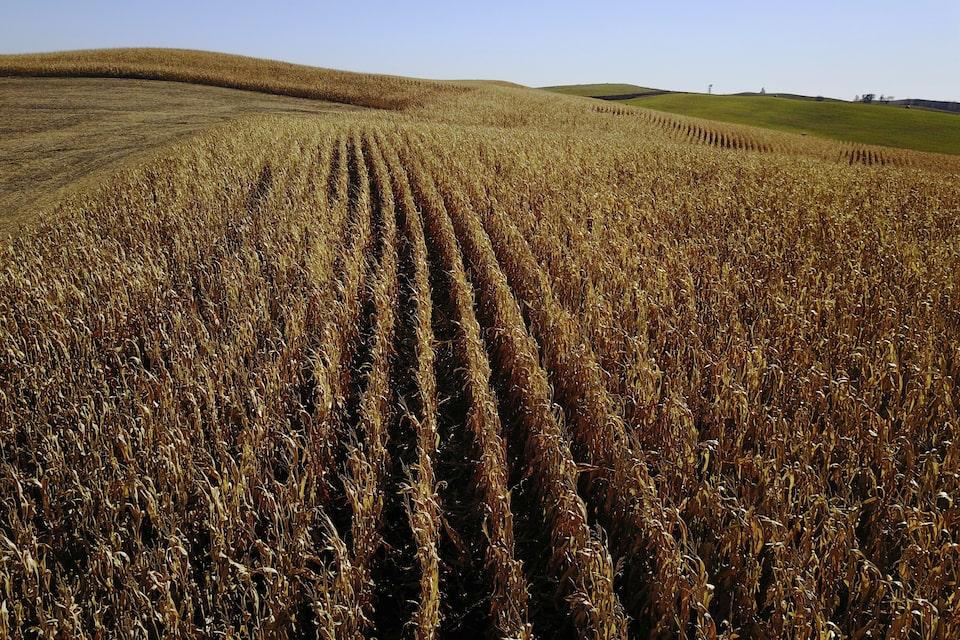
NAPERVILLE, Illinois, March 31 (Reuters) - Against typical form, the U.S. Department of Agriculture’s March acreage and stocks data on Monday offered none of the bombshells that market participants usually brace for. Corn and soybean estimates were largely well-anticipated, and this could be viewed from two angles. Sign up here. The reports provided nothing bearish, possibly preventing a further slide in prices after what has been a tumultuous few weeks for bulls. But the data did not reveal anything particularly bullish for corn and beans, which could have speculators feeling relieved after their recent selloffs. Combined, March 1 corn and soybean stocks were the least controversial in over two decades when compared with trade estimates. Plantings brought a bit more drama, and these figures warrant more attention, particularly when it comes to the upcoming implications. ACRES U.S. corn plantings could have been viewed as bearish, coming in at a 12-year high of 95.3 million acres, almost 1 million above the average trade guess and up 5.2% on the year. But secretly, the trade likely expected this number as evidenced by a mere half-cent-per-bushel drop in December CBOT corn futures during the session. USDA’s survey showed 2025 principal crop plantings at the lowest levels reported by farmers in March in at least a decade, down 0.4% from last year. The shrinking pool of available U.S. crop acres was a potential limiting factor for corn this year, in addition to the fact that corn prices are not necessarily attractive. But the alternatives are clearly much worse. Corn is set to account for 30.8% of total U.S. crop acres in 2025, breaking above the 29.6% limit that was reached three times in the last decade. As such, soybean intentions came in below the average trade guess for the 14th time in the last 17 years. Total wheat acres landed below all trade guesses. U.S. farmers are set to plant the smallest spring wheat area since 1970 and the smallest cotton area since 2015, and both of those figures barely landed within the trade estimate bounds. Traders might have been hoping for even lighter soybean plantings since global stocks are already ample. CBOT November soybeans fell nearly 1% on Monday. However, the soybean area of 83.495 million acres is the smallest reported by farmers in March since 2016. LOOKING TO JUNE Recall that March corn acres over the last two decades have never landed below the average trade guess when the new-crop Chicago soybean-corn futures ratio averaged 2.3 or below during February. This also holds for the June survey when using either the February or March ratio averages, which were 2.24 and 2.25 this year, respectively. This means that corn acres could be bearish in June, barring any unforeseen weather or economic events. Soybeans usually follow this same trend, but in the opposite manner where acres come in light when the ratio favors corn. However, in the recent six years where the March ratio was below 2.3, there was one instance (2008) where June soybean acres were bearish. In general, corn acres tend to be bearish in June, landing above the average trade guess in seven of the last 10 years. Corn acres typically rise between March and June. If removing 2019 and 2020, years with anomalous weather and economic troubles, it has been a decade since June corn acres landed below the March ones, and it was not by much. June soybean acres have come in lighter than March for the past four years, though there are only five instances in the last decade, the other being 2019. But the trade’s tendency is remarkable as June soybean acres have landed below the average trade guess for 10 consecutive years. LOOKING TO MAY Monday’s acreage estimates will make their first supply-and-demand impacts when USDA releases its initial 2025-26 balance sheets in May. USDA in February tentatively projected 2025-26 U.S. corn production at 15.585 billion bushels with yield at 181 bushels per acre and plantings at 94 million acres. Ending stocks were slated at 1.965 billion bushels, up 28% on the year. Keeping yield the same, the new corn area increases production by about 220 million bushels. A yield of 178.5 bpa, just shy of last year’s record 179.3, would negate any production gains due to the area. For soybeans, USDA’s 2025-26 crop was pegged at 4.37 billion bushels back in February with a 52.5 bpa yield on 84 million planted acres. Ending stocks were placed at 320 million bushels, down 16% on the year. Monday’s soy acres drop production by about 30 million bushels compared with February. Plugging in 2016’s record yield of 51.9 bpa cuts off about 80 million bushels. The five-year average yield of 50.7 would remove nearly 180 million bushels from the crop. This exercise demonstrates that although the market has not been concerned about soybean supplies for a while, this could be subject to change in the coming months as the relatively light soybean acreage gives minimal wiggle room for yields. Karen Braun is a market analyst for Reuters. Views expressed above are her own. https://www.reuters.com/markets/commodities/top-takeaways-usdas-planting-stocks-reports-braun-2025-04-01/