2026-01-13 19:06
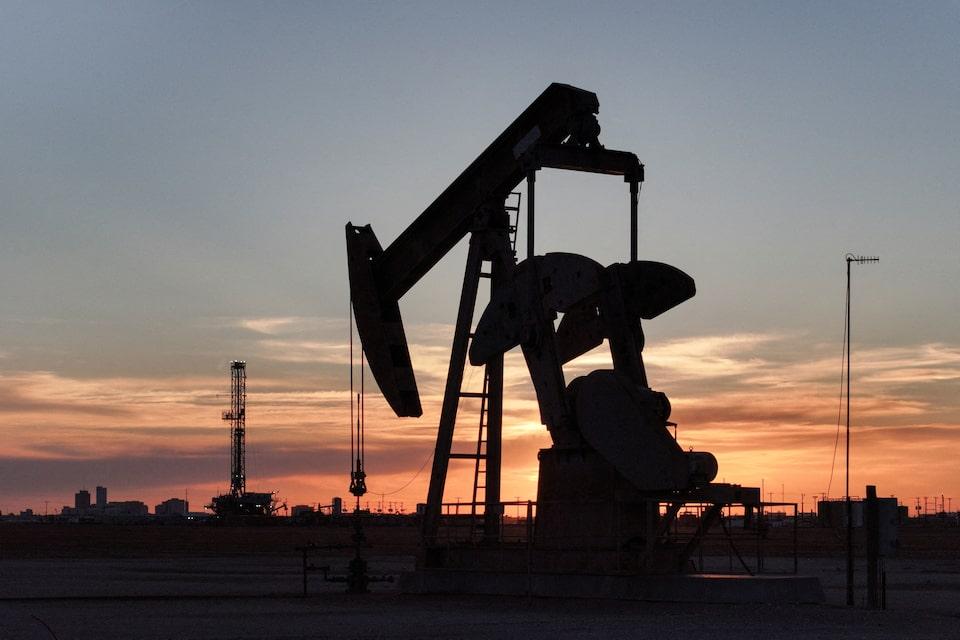
NEW YORK, Jan 13 (Reuters) - Lower oil prices are expected to cut U.S. drilling activity and reduce output by 1% this year from the top producing country, while potentially higher supply from Venezuela could add pressure, the Energy Information Administration said on Tuesday. The comments from the Department of Energy's statistical arm echo concerns expressed by some U.S. oil producers about U.S. President Donald Trump's request for domestic oil companies to enter Venezuela and help raise its output after the capture of President Nicolas Maduro. Already reeling from low oil prices, U.S. shale producers have said the push for more Venezuelan oil to hit the markets will hurt them even more. Sign up here. Brent crude oil prices are likely to average $56 a barrel this year, compared to $69 a barrel last year, as global production of liquid fuels outpaces demand and causes a buildup of inventories, the EIA said in its monthly Short Term Energy Outlook report. The EIA's latest outlook was finalized under the assumption that sanctions against Venezuela will stay in place through 2027, the agency said. If those sanctions ease, oil prices could fall more steeply than its current expectation, the EIA said. "Any change in sanctions or other U.S. government policy related to Venezuela that could result in more oil production than we assumed in this forecast would put additional downward pressure on oil prices," the EIA said. U.S. Treasury Secretary Scott Bessent told Reuters on Saturday that more U.S. sanctions on Venezuela could be lifted as soon as this week to facilitate oil sales. U.S. oil production is set to slip to an average of 13.59 million barrels per day this year, and then to 13.25 million bpd next year, before factoring in the anticipated easing of sanctions against Venezuela, the EIA said. U.S. oil output averaged a record 13.61 million bpd in 2025, the agency said. "Over the next two years, we expect sustained lower crude oil prices will result in a pullback in drilling and completion activity that is enough to outweigh ongoing increases in productivity," the EIA said. https://www.reuters.com/business/energy/us-oil-drilling-slow-prices-slump-venezuela-growth-could-amplify-pressure-eia-2026-01-13/
2026-01-13 18:59
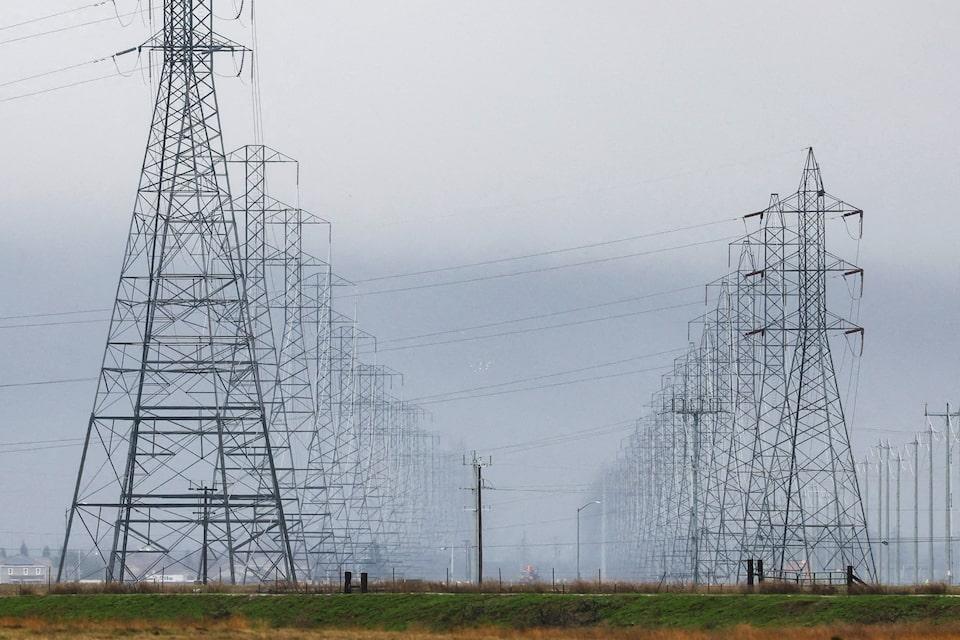
Demand driven by AI, cryptocurrency, and electrification of heat and transport Renewable energy share to increase, natural gas and coal to decrease EIA projects stable gas sales for residential, slight decrease for commercial and industrial NEW YORK, Feb 10 (Reuters) - U.S. power consumption, which hit its second straight record high in 2025, will rise further in 2026 and 2027, the Energy Information Administration said in its Short-Term Energy Outlook on Tuesday. The EIA projected power demand will rise from a record 4,195 billion kilowatt-hours in 2025 to 4,268 billion kWh in 2026 and 4,372 billion kWh in 2027. Sign up here. Demand is surging in part due to data centers dedicated to artificial intelligence and cryptocurrency, and as homes and businesses use more electricity and less fossil fuel for heat and transportation. The EIA forecast power sales in 2026 will rise to 1,541 billion kWh for residential consumers, 1,520 billion kWh for commercial customers and 1,063 billion kWh for industrial customers. The forecasts compare with all-time highs of 1,517 billion kWh for residential consumers in 2025, 1,486 billion kWh in 2025 for commercial customers and 1,064 billion kWh for industrial customers in 2000. As renewable output rises, the EIA said the share of power generation from natural gas would hold at 40% in 2025 and 2026 before sliding to 39% in 2027. Coal's share will fall from 17% in 2025 to 16% in 2026 and 15% in 2027. The percentage of renewable generation will rise from around 24% in 2025 to 25% in 2026 and 27% in 2027, while nuclear power's share will hold at 18% in 2025, 2026 and 2027, according to the outlook. The EIA projected gas sales in 2026 would hold at 13.1 billion cubic feet per day for residential consumers, ease to 9.7 bcfd for commercial customers, decrease to 23.3 bcfd for industrial customers and rise to 36.2 bcfd for power generation. Those figures compare with all-time highs of 14.3 bcfd in 1996 for residential consumers, 9.8 bcfd in 2025 for commercial customers, 23.8 bcfd in 1973 for industrial customers, and 36.8 bcfd in 2024 for power generation. https://www.reuters.com/business/energy/us-power-use-beat-record-highs-2026-2027-eia-says-2026-02-10/
2026-01-13 17:35
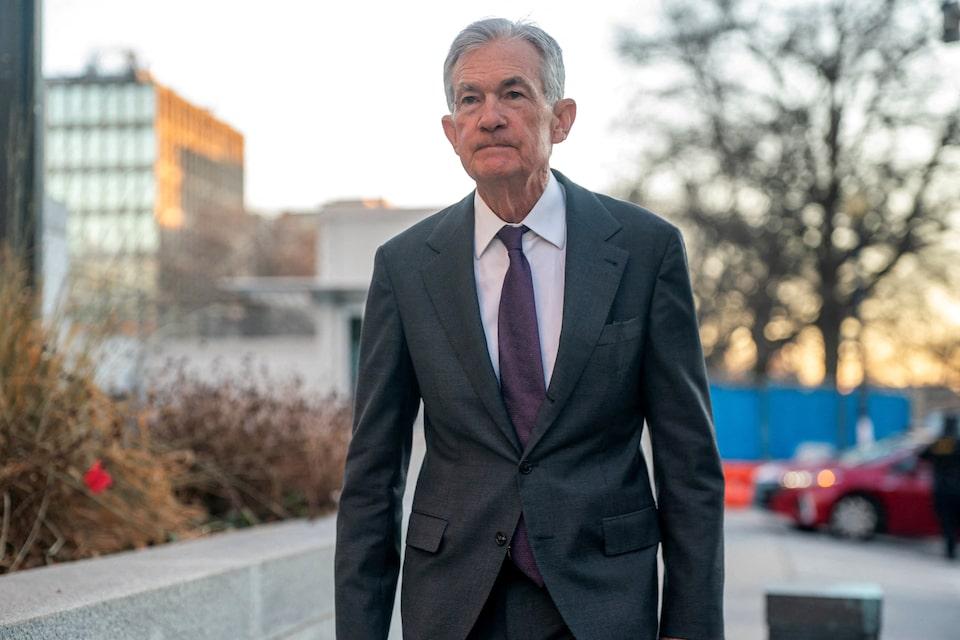
LONDON, Jan 13 (Reuters) - The Trump administration's decision to open a criminal investigation into the head of the Federal Reserve has intensified fears about the independence of the U.S. central bank, the top policymaking body for the world's biggest economy. President Donald Trump has criticised the Fed and its chair, Jerome Powell, for not lowering interest rates fast enough. Sign up here. Top officials from other central banks rallied around Powell on Tuesday, saying in a statement that "the independence of central banks is a cornerstone of price, financial and economic stability in the interest of the citizens that we serve". Following is a summary of how independence became key to the way central banks around the world run their economies. FED LED THE WAY The Federal Reserve was granted operational independence in 1951, after rising inflation exposed the limits of a monetary policy designed to depress borrowing costs during World War Two. While the Fed was a pioneer in many respects, it was not until 25 years later that it fully shook off political interference in the setting of interest rates. Pressure exerted by former president Richard Nixon to keep borrowing costs low ahead of his 1972 re-election campaign is widely seen as a contributing factor, along with a leap in oil prices, to the surge in inflation later in the decade. HIGH INFLATION - NEW SYSTEM After suffering the damage wrought by high inflation in the 1970s and early 1980s, governments around the world looked at new ways to run their economies. Many of them removed power over interest rate decisions from politicians and put it in the hands of officials who were tasked with keeping inflation low. By the end of the 20th century, 80-90% of the world's central banks had operational independence, according to the Bank of England. INDEPENDENCE - DOES IT WORK? Some credit for low inflation over much of the last 30 years lies with other factors, such as the emergence of China and other exporting nations whose low-cost goods helped keep a lid on prices. But academics have repeatedly linked the level and volatility of inflation to the degree of central bank independence across a range of countries, entrenching its position as a main tenet of policymaking in recent decades. In Britain, uncertainty about inflation fell by a factor of around four after the BoE became independent in 1997 compared with the previous 20 years, the former chief economist of the BoE Andy Haldane said in a speech in 2020. CRISIS CHALLENGES Broad support for independent central banking came under strain during the global financial crisis of 2007-09, which was linked to lapses by central banks and other regulators charged with monitoring risk in the banking system. Central banks cut interest rates to almost zero and added further stimulus in the form of trillions of dollars of bond purchases. The chair of the Fed at the time, Ben Bernanke, was likened to a traitor by Republican presidential contender Rick Perry, who accused him of printing money to play politics. More recently, Britain's central bank was accused by politicians of fuelling inflation with its own quantitative easing programme. That heat was dialled up by a surge in inflation to 11% as energy prices jumped following Russia's full-scale invasion of Ukraine in early 2022. Shortly before becoming UK prime minister later that year, Liz Truss said she would review the BoE's remit, something she did not have time to do during her brief time in Downing Street. But the BoE's standing in the eyes of the public plunged to historic lows, according to surveys by the central bank. While Britain flirted only briefly with a return to political interference, governments in other countries ranging from Turkey to India have sought to exert influence over their central banks. Japan's prime minister has also historically advocated loose monetary policy. https://www.reuters.com/business/how-independence-came-be-standard-global-central-banks-2026-01-13/
2026-01-13 16:53
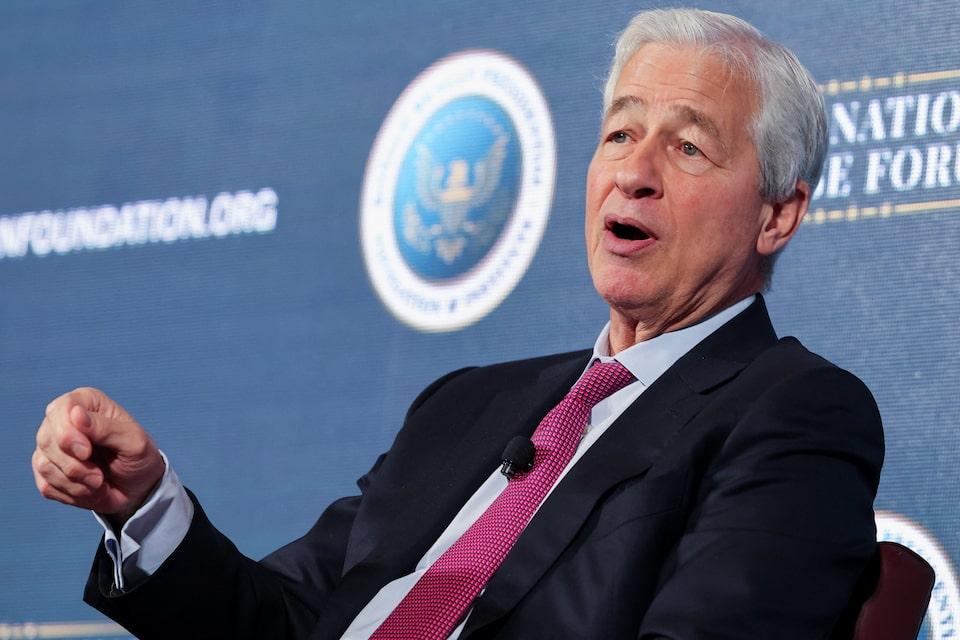
Jan 13 (Reuters) - CEOs from top Wall Street banks JPMorgan Chase (JPM.N) , opens new tab and BNY (BK.N) , opens new tab voiced support for the independence of the U.S. Federal Reserve on Tuesday, days after the Trump administration opened a criminal investigation into Fed Chair Jerome Powell. The administration's investigation into Powell drew condemnation from former Fed chiefs and criticism from key members of the Republican Party this week. Sign up here. "Everyone we know believes in Fed independence," JPMorgan CEO Jamie Dimon told reporters on a conference call. "This is probably not a great idea and in my view, it will have the reverse consequences of raising inflation expectations and probably increase rates over time." Dimon, one of the most influential figures in corporate America, said Fed independence was "absolutely critical" last year. Bank of America (BAC.N) , opens new tab CEO Brian Moynihan told CNBC that an independent Fed provides an anchor for economic success in the United States. "If you think about the U.S. economy, you think about the strength of this country, you think about us leading the world across all dimensions. One of the important parts that is to have an independent Fed who will then set interest rate policies based on what they see," he said. An "independent Fed provides an anchor in this country to a success that I think all of us believe in, and you see it as…markets reflect that," Moynihan said. BNY (BK.N) , opens new tab CEO Robin Vince also warned of negative consequences of eroding Fed independence on Tuesday. "Independent central banks with the ability to independently set monetary policy in the long term interests of the nation is a pretty well established thing that we've seen all around the world over a very long period of time," Vince told reporters on a call. "Let's not shake the foundation of the bond market and potentially do something that could cause interest rates to actually get pushed up because somehow there's lack of confidence in the Fed's independence," Vince said. Powell revealed late on Sunday the Fed had received subpoenas from the U.S. Justice Department, which he called a "pretext" to win presidential influence over interest rates. The U.S. administration's criminal probe is formally about the renovation of the Fed's headquarters. Central bankers worry that political influence over the Fed would undermine confidence in the bank's commitment to its inflation target, risk higher inflation and fuel volatility in global financial markets. "Loss of Fed independence tends to lead to steeper yield curves and other damage to ongoing economic dynamism," JPMorgan's finance chief, Jeremy Barnum, said on a call with reporters. "The larger question is damage to American economic prospects and, frankly, global economic stability." Trump has demanded the Fed slash rates since resuming office in 2025, blaming its policies for holding back the economy and publicly musing about firing Powell, despite legal protections that ostensibly shield the Fed chair from removal. While Powell's term as chair ends in May, he has the right to remain on the Fed board until January 31, 2028, denying the president another Fed appointment that would otherwise be Trump's fourth on the seven-member board until near the end of his term. https://www.reuters.com/business/finance/jpmorgan-ceo-dimon-supportive-fed-independence-2026-01-13/
2026-01-13 16:48
Markets boost powers quarterly profit beat CEO Dimon signals U.S. economy remains resilient Posts adjusted profit per share of $5.23 vs $5 estimate Shares fall 2.8% in volatile trading Jan 13 (Reuters) - JPMorgan Chase's (JPM.N) , opens new tab profit exceeded analysts' estimates in the fourth quarter as its traders cashed in on volatile markets, but its shares fell on Tuesday as investment banking revenue missed market expectations. Shares fell 2.8% in early trading, also pressured by concerns over the Trump administration's proposed move to cap credit card interest rates, which the bank said could hurt the industry and consumers. Sign up here. JPMorgan's trading business benefited from markets swinging sharply in the last three months of 2025 as concerns about a bubble in AI stocks intensified after two years of broad gains, while investors also speculated on the path of U.S. interest rates. "The U.S. economy has remained resilient," CEO Jamie Dimon said in a statement. "These conditions could persist for some time, particularly with ongoing fiscal stimulus, the benefits of deregulation and the Fed’s recent monetary policy." Markets revenue at JPMorgan climbed 17% in the fourth quarter, as equity surged 40%, driven by higher revenue across products, particularly in Prime. Fixed income climbed 7%. The prime brokerage business on Wall Street has benefited from surging valuations of companies across sectors. Bond markets also remained jittery as uncertainty persisted around when and how much the U.S. Federal Reserve would cut rates. The bank's shares were last down about 2.8% in volatile trading. The stock surged 34% in 2025, outperforming the broader equity markets. "I wouldn't expect a whole lot out of JPM stock today, as the stock is coming off a great year where the bar for perfection is set pretty high," said David Wagner, head of equities and portfolio manager at Aptus Capital Advisors, which holds shares of the bank. "Today's strong results reflect that the bar can be met, but a lot is currently priced into the stock." The largest U.S. bank earned $5.23 per share in the quarter ended Dec. 31, on an adjusted basis, beating Wall Street expectations of $5, according to estimates compiled by LSEG. JPMorgan recorded a $2.2 billion provision in the reported quarter tied to its agreement with Goldman Sachs (GS.N) , opens new tab to take over a credit card partnership with Apple (AAPL.O) , opens new tab. Executives also weighed in on recent moves by the Trump administration. Dimon voiced support for an independent Federal Reserve in a call with reporters days after the administration opened a criminal investigation into the central bank's Chair Jerome Powell. SPOTLIGHT ON DEALMAKING JPMorgan's investment banking fees fell 5% in the quarter, easing from a bumper prior year when a surge in deal activity helped lift the bank to its highest-ever annual profit. JPMorgan's investment banking fees missed Wall Street estimates by 8% and the bank's own forecast that it will grow at a single digit percentage in the fourth quarter, UBS analysts said in a note. Bankers are optimistic that a pickup in dealmaking will continue through 2026, driven by record-high equity markets and expectations of interest rate cuts. "Investment banking was a bit disappointing but expect forward commentary to be more constructive, while average loan growth accelerating bodes well for the lending side," said Stephen Biggar, an analyst at Argus Research. The U.S. IPO market reached its highest level in 2025 since the 2021 peak, in terms of both deal volume and funds raised. JPMorgan worked on several high-profile transactions during the quarter, including advising Warner Bros Discovery (WBD.O) , opens new tab on the $82.7 billion deal for its studio and streaming assets with Netflix (NFLX.O) , opens new tab and Kimberly-Clark (KMB.O) , opens new tab on its $48.7 billion acquisition of Kenvue (KVUE.N) , opens new tab. It was also a lead underwriter on medical supplies giant Medline's (MDLN.O) , opens new tab IPO, the largest listing globally in 2025. JPMorgan extended its run as the world's top investment bank, earning the highest fees for the year, according to data from Dealogic. INTEREST INCOME IN FOCUS Net interest income - the difference between what a bank earns as payments on loans and gives out on deposits - rose 7% in the fourth quarter to $25.1 billion. While lower rates can dent interest income, they can also encourage borrowing. The bank expects 2026 interest income, excluding markets, of about $95 billion. "Consumers and small businesses remain resilient," Chief Financial Officer Jeremy Barnum told reporters on a call, adding that the bank was not seeing deterioration across income groups. Large lenders, including JPMorgan Chase and Bank of America (BAC.N) , opens new tab, provide a gauge of the U.S. economy, shedding light on consumer spending, borrowing and business activity. "The consumer is stable, the labor market is a little softer than it was a year ago but there has not been a substantial rise in delinquencies for either loans or credit cards," Brian Mulberry, senior client portfolio manager at Zacks Investment Management, which holds shares in the bank. "That keeps solid growth in view over the next several quarters." Rivals are set to report results later this week, giving investors a broader view into the health of the economy. CREDIT CARD EXPANSION The bank's deal with Goldman to issue Apple's card is expected to strengthen JPMorgan's foothold in credit cards and add to a long list of strategic wins for Dimon, who has turned the bank into a leading player across retail and investment banking. The deal comes at a critical juncture for the credit card industry, which could face a sharp shift if a proposal by U.S. President Donald Trump to cap interest rates at 10% moves forward. While Trump has said he expects companies to comply by January 20, Wall Street analysts remain doubtful the measure can be implemented without congressional approval. "If it were to happen, it would be very bad for consumers, very bad for the economy," Barnum told reporters, adding that the bank would have to change the business significantly and cut back. A banking industry body warned last week that the move could tighten access to credit for consumers and small businesses and drive borrowers toward unregulated lenders. https://www.reuters.com/business/finance/jpmorgan-profit-falls-one-time-apple-card-deal-charge-2026-01-13/
2026-01-13 16:23
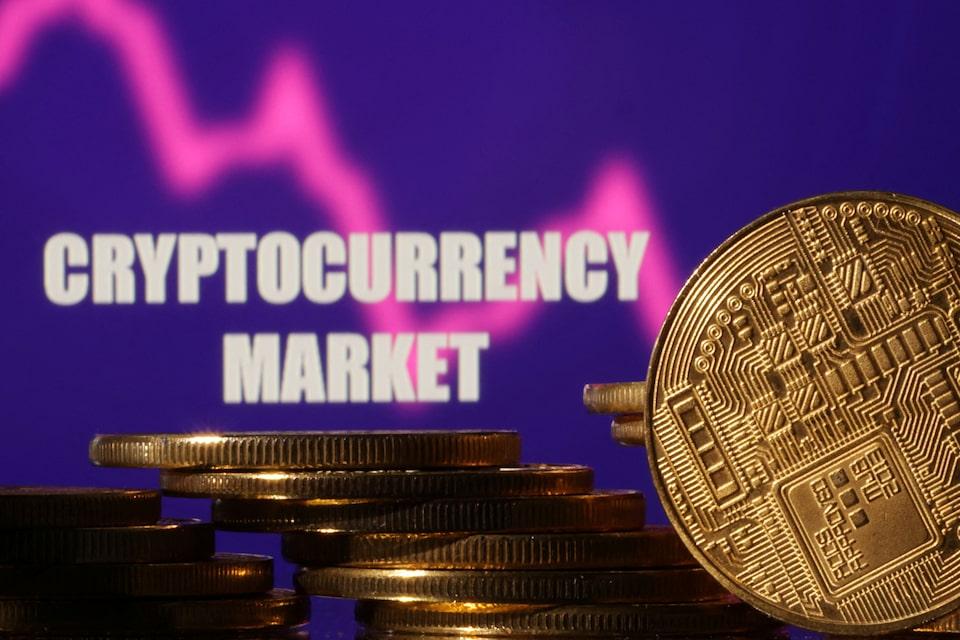
PARIS, Jan 13 (Reuters) - Nearly a third of crypto companies without an EU licence in France are still to tell the regulator whether they intend to get the licence required under new EU rules or will cease operating by July, the country's markets regulator warned on Tuesday. Under the European Union's crypto rules, MiCA, crypto companies must receive licences from national regulators in order to be able to operate across the bloc. Sign up here. Those rules, a landmark regulatory package, came into force last year to bring crypto assets under formal regulation. Stephane Pontoizeau, executive director of the market intermediaries and market infrastructures supervision directorate at the AMF, told journalists in Paris that the regulator had written to companies in November to remind them that the country's transition period ends on June 30 this year. Of about 90 registered crypto companies in France that are not MiCA-licenced, 30% have already applied for a licence and 40% were not seeking one. A remaining 30% had not told the regulator their plans nor responded to the November letter, Pontoizeau said, adding that he was concerned by this group. 'ORDERLY WIND-DOWN PLANS' The European Securities and Markets Authority said in December it expects crypto companies without MiCA authorisation to have either implemented "orderly wind-down plans" or have such plans in place by the end of the transition period, which varies for different EU countries. MiCA licences have been granted to crypto companies including U.S. exchange Coinbase, stablecoin issuer Circle, and British fintech Revolut. Last year, France threatened to challenge the "passporting" of licences granted by different member states, saying it was concerned companies were seeking out jurisdictions with more lenient licensing standards. In December, the European Commission proposed that ESMA should supervise crypto companies at a centralised EU level, a move which is opposed by some countries. Setting out the regulator's 2026 plans, AMF President Marie-Anne Barbat-Layani also reiterated France's support for boosting European capital markets, and for giving more powers to ESMA. https://www.reuters.com/sustainability/boards-policy-regulation/french-regulator-says-some-crypto-firms-unresponsive-eu-licence-deadline-2026-01-13/