2025-03-28 12:03
SAO PAULO, March 28 (Reuters) - Brazilian soybean traders are poised to ship record volumes in the first quarter, driven by strong demand from the world's largest importer, China, which is currently involved in a trade war with the U.S., three analysts said, citing shipping data. Current soy volumes being shipped do not yet reflect the effects of the new trade war, the analysts said. They believe an escalation will direct more Chinese demand to Brazil over time, as was the case in 2018. Sign up here. Brazilian traders had loaded 22.8 million tons of soybeans onto vessels through March 25, 17.7 million of that going to China, said Eduardo Vanin, an analyst with Agrinvest. He noted both figures "are records" in spite of some logistical bottlenecks and a slow start to Brazil's harvest. Brazil's first-quarter soy shipments to China reflect advanced purchases for some 33 million tons made by December 2024, when the new crop was not ready and Chinese crushing markets were healthy, Vanin said. This is 7 million tons more than in the previous season at the same time. Brazilian farmers normally sow soybeans from September and harvest the crop in the first weeks of the new year, depending on the region. Ports start getting busy from February on. Andre Pessoa, a partner at agribusiness consultancy Agroconsult, said the trade war has no influence on shipments now, though China's advance buying movement last year suggests Chinese importers were "preparing for a possible Trump victory." Brazil will reap more than 170 million tons of soy this year, the highest ever. "I think the influence of the trade war is very small for now," said Luiz Fernando Roque, an analyst at Hedgepoint Global, adding Chinese demand for Brazil's soy has been on the rise for years. Even so, Roque expects Brazil's soy shipments to China to break last year's record for the first quarter, totaling around 18 million tons in the period, some 2 million tons higher than in the previous year. He added the effects of the trade war tend to be more intense in the second half of the year, when the U.S. generally sells more soy to China. In January and February, China received 79% of Brazilian soybean exports, compared to 75% in the same period last year, grain exporters' lobby Anec said. https://www.reuters.com/markets/commodities/china-absorbs-massive-brazilian-soy-shipments-first-quarter-2025-03-28/

2025-03-28 12:03
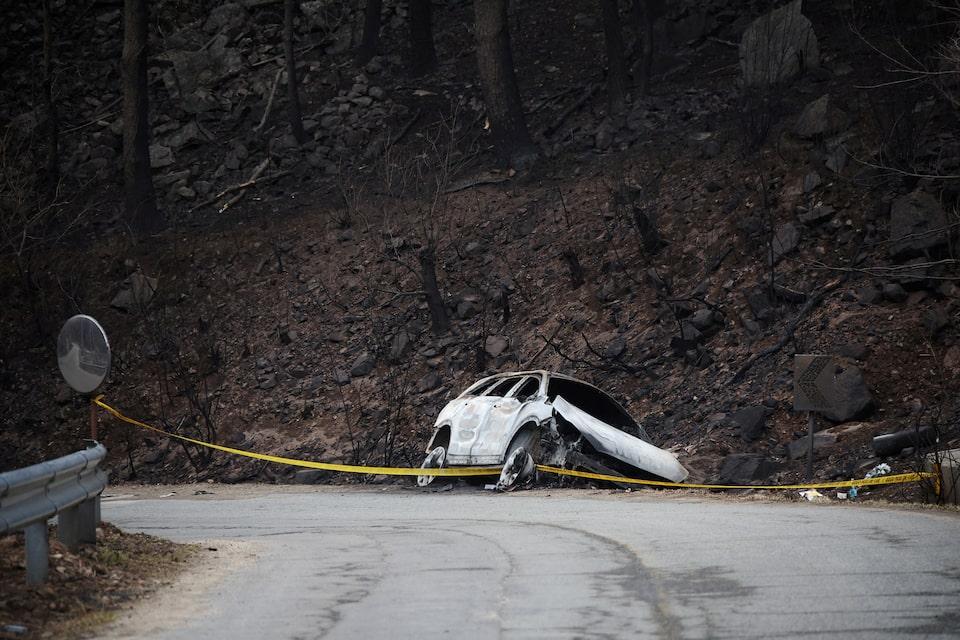
YEONGYANG, South Korea, March 28 (Reuters) - As the flames of a raging wildfire swept towards the town of Samui-ri in South Korea's mountainous southeast this week, a village leader surnamed Kwon rushed home to try to help his family and neighbours. Instead, his body and those of his wife and another family member were found hours later on Tuesday, near the burnt-out hulk of their car on the road to the village, which escaped intact South Korea's worst wildfires that killed at least 28. Sign up here. "The fire was so thick, he couldn't see his way ... he is the head of the village, he felt he should come back," said his next-door neighbour, 71-year-old Moon Han-sick. Moon wore a black suit and tie in mourning on Friday as residents gathered at a temporary memorial of white flowers in Kwon's front yard ahead of a funeral for the victims. "He did all the hard work in the village ... Elderly people have a hard time farming, they're not good with machinery, he would just go and do it for them," Moon told Reuters. Kwon would often bring him gifts such as the peppers and cabbage he grew, Moon added. Kwon, 65, was one of the six killed in Yeongyang, a county with a population of about 15,000 sprawling over 816 sq km (315 sq miles) of mountain terrain swathed in pine forests, dotted in places with towering white wind turbines to generate power. The flames travelled so fast they reached people's doorsteps within minutes after they had received the first warning, villagers said, sometimes from the fleeing residents of other villages. Rain and at one point snow fell in Yeongyang, signalling the end of the disaster on Friday, as authorities declared the fires in North Gyeongsang province were contained, after having raged for almost a week. "The victims were completely isolated," said Oh Do-chang, the county governor, who declared five days of mourning. "Some died while eating dinner because their homes caught fire so suddenly, while others died on the way to warn others of the fire." Kwon leaves behind bereaved loved ones, an empty house, and the new apple trees he planted in his field. "He was always devoted and generous," said a teary-eyed member of his family, Woo Seung-ho, 55. "I hope you are comfortable in heaven, let's meet again." https://www.reuters.com/world/asia-pacific/south-korean-village-mourns-leader-family-killed-trying-flee-wildfires-2025-03-28/
2025-03-28 11:54
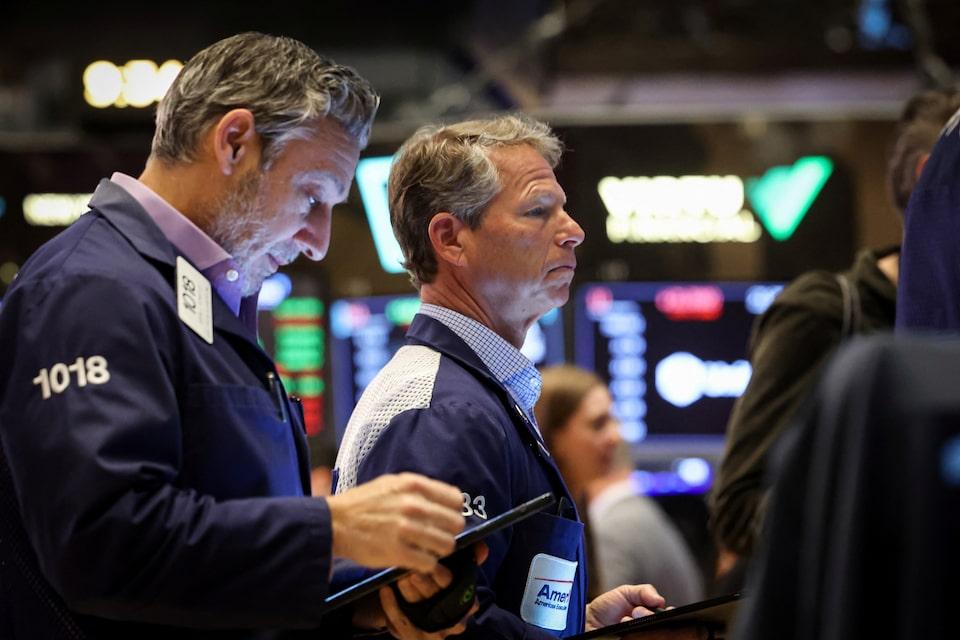
What matters in U.S. and global markets today By Mike Dolan , opens new tab, Editor-At-Large, Financial Industry and Financial Markets Sign up here. It's Friday, so today I'll provide a quick overview of what's happening in global markets and then offer you some weekend reading suggestions away from the headlines. I’d love to hear from you, so please reach out to me at [email protected] , opens new tab. Today's Market Minute * The Trump administration has proposed a new, more expansive minerals deal with Ukraine, according to three people familiar with the ongoing negotiations and a summary of a draft proposal obtained by Reuters. * CoreWeave reduced the size of its U.S. initial public offering and priced its shares below the indicated range, the company said on Thursday, dampening expectations that the listing would boost investor appetite for IPOs. * Canadian Prime Minister Mark Carney said on Thursday that he would respond with unspecified trade actions if U.S. President Donald Trump imposes new auto tariffs that have expanded a global trade war and hammered stocks. * Oil prices retreated on Friday amid tariff-related demand concerns, but headed for a third weekly gain on a tightening global supply outlook after the U.S. placed more pressure on Venezuelan and Iranian oil trade. * Core consumer inflation in Japan's capital accelerated in March on steady gains in food costs, data showed on Friday, keeping alive market expectations of a near-term interest rate hike. The market's epic swoon While the week's trade war fears have cast a pall over world stock markets, bond markets are grappling with a complex mix of subdued inflation, tariff-related future price fears and mounting public debt. U.S. President Donald Trump's auto tariff announcement this week elicited promises of retaliatory action as well as last minute negotiations to head off further sweeping tariff moves next week. Most economists' believe a widespread trade war will depress global growth and lift inflation - by how much and for how long remains a matter of debate. Wall Street clearly isn't happy with what it's seeing. The S&P 500 (.SPX) , opens new tab closed in the red again on Thursday, cowering below its 200-day moving average as the first quarter limps to a close. With stocks around the world deep in the red again on Friday, U.S. futures are down again ahead of the bell. Trade war concerns remain the dominant issue rattling markets, but rancorous geopolitics - over messy Ukraine ceasefire talks and also Trump's apparent desire to annex Greenland - aren't helping. Perhaps unsurprisingly, gold prices hit a new record on Friday, clocking a 17% gain for 2025 so far. The whole picture is even more complicated for bond markets, with 10-year and 30-year Treasury yields hitting their highest in over a month on Thursday, even as shorter-dated yields remained subdued. That expanded the 2-year and 30-year yield spread to its widest in three years. The growth and inflation calculus from the brewing trade war may explain some of this move. But in the meantime, U.S. inflation numbers remain subdued, and the high-frequency hard data show that the growth picture is holding up. Though, of course, the new trade barriers have yet to be imposed. The Federal Reserve's favoured inflation gauge from the personal consumption expenditures series is due for release on Friday and expected to show that headline inflation remained steady at 2.5% last month. That combination, along with the continued retreat of stock prices, helped push 10-year Treasury yields lower on Friday, though longer term concerns continue to rankle. With this year's budget impasse in Washington still unresolved and debt ceiling pressures due to build, U.S. debt metrics continue to ring alarms. The non-partisan Congressional Budget Office on Thursday projected significant increases in federal budget deficits and debt over the next 30 years as it sketched out rising servicing costs, sluggish economic growth and a shrinking workforce. A lot can happen over 30 days, never mind 30 years. But even with that caveat, the CBO's numbers are unnerving. It shows federal deficits accelerating to 7.3% of GDP in fiscal year 2055 from 6.2% in 2025, well above the 3.9% average over the past 30 years. This would bring the U.S. debt/GDP ratio to 156% of GDP in 2055, topping World War Two levels. Currency rates remain relatively contained, as markets wait for the details of next week's tariff moves. The dollar index (.DXY) , opens new tab was a touch firmer on Friday. But in the background, fractious geopolitics between America and its traditional allies is forcing some strategists to look again at the dollar's dominant role in the world economy and finance, with knock-on implications for global holdings of dollar reserves and Treasuries. Weekend reading suggestions Here are some articles away from the day-to-day headlines that you may find interesting. * Sino shrug. The U.S. Council on Foreign Relations' 'RealEcon' team traveled across the country asking Americans what they think of trade, aid and other international economic policies. One curious finding is that Americans are less concerned about China than those in Washington. , opens new tab * Less-strict. In this week's newsletter from Brussels-based think tank Bruegel, director Jeromin Zettelmeyer discuss the workability of Germany's dramatic fiscal reforms, which include steep defence and infrastructure spending increases. Even though he views them as sustainable debt-wise, Zettelmeyer flags a few risks from European Union budget rules. , opens new tab * Joe-flation. If your favourite coffee beans have vanished from the shelves, don't worry - they will return soon. The bad news is they will be up to 25% more expensive, write Reuters' Maytaal Angel, Marcelo Teixeira and Jessica DiNapoli. * Wiggle room. The U.S. Congressional Budget Office this month calculated how changes to variables in its economic forecasts might affect the budget deficit over time. One conclusion was that if interest rates for Treasury bills to 10-year notes were just 0.1 percentage point higher than its current assumptions on an annual basis, then, all else equal, the cumulative deficit for the 2026-35 decade would be $351 billion higher. , opens new tab * Wilderness. A multimedia report from Reuters' Nacho Doce and Charlie Devereux explains how wild horses cut the risk of wild fires in Spain. There are some wonderful photographs to illustrate. * GDP Plus. The United Nations' Trade and Development , opens new tab arm (UNCTAD) this month released its own measure of global economic progress: the so-called 'Inclusive Growth Index', which combines GDP with other data on living conditions, equality and environmental sustainability. Luxembourg, Norway and Denmark continue to lead with only two emerging economies in the top 30. , opens new tab Chart of the day The U.S.'s long-term borrowing rates are rising while short-dated Treasury yields are staying subdued, widening the so-called yield curve gap between 2-year notes and 30-year bonds to its largest in three years. This would typically signal higher economic growth ahead, but it may also signal longer-term inflation and debt supply risks. Meanwhile, the New York Fed's estimate of the 'term premium' investors demand to cover long-term uncertainties is creeping higher again, although it is still below the 10-year highs hit in January. Today's events to watch * US February personal consumption expenditures (PCE) inflation gauge; final reading of University of Michigan's March consumer surveys; Canada January gross domestic product; Mexico February jobless rate * Federal Reserve Board Governor Michael Barr and Atlanta Fed President Raphael Bostic speak; European Central Bank Vice President Luis de Guindos speaks * U.S. Vice President JD Vance visits Greenland * European Union Trade Commissioner Maros Sefcovic visits China Opinions expressed are those of the author. They do not reflect the views of Reuters News, which, under the Trust Principles , opens new tab, is committed to integrity, independence, and freedom from bias. https://www.reuters.com/markets/us/global-markets-view-usa-2025-03-28/
2025-03-28 11:52
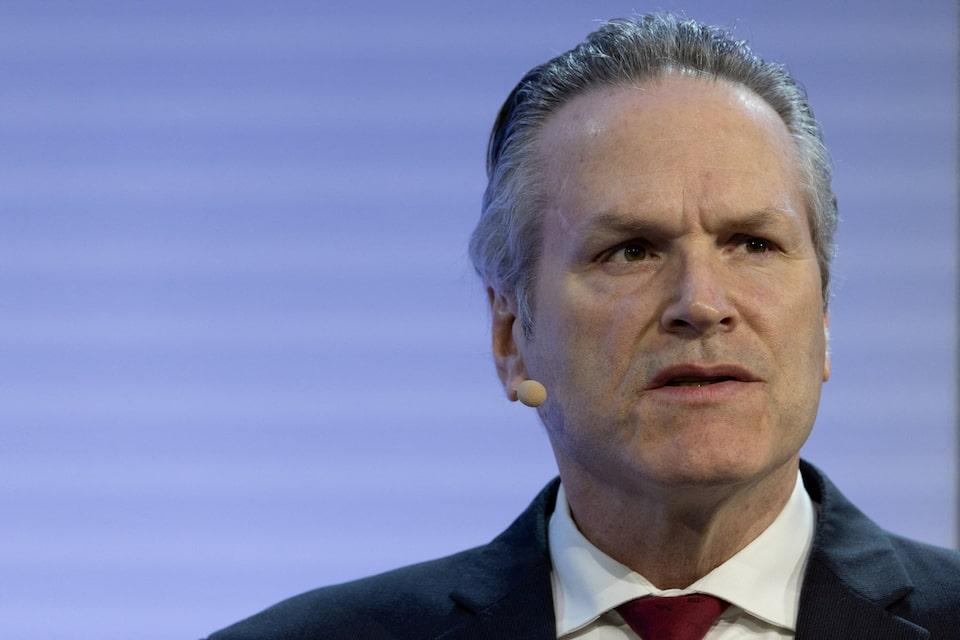
Taiwan signed letter of intent to buy 6 million tons of Alaskan LNG per annum Alaska LNG to make final investment decision at year end Gas pipeline money to come from US, Asia may invest in LNG plant TOKYO, March 28 (Reuters) - Alaska's governor said he will brief U.S. President Donald Trump's administration after returning from Japan next week on progress securing Asian backing for a natural gas project that has become part of a broader discussion on trade and tariffs. Governor Mike Dunleavy, along with the heads of the state-run Alaska Gasline Development Corporation (AGDC) and development partner Glenfarne Group, visited Taiwan, Thailand, South Korea, and Japan seeking investors and long-term buyers for a project that Trump wants Japan, South Korea, and Taiwan to join. Sign up here. "Buying gas and then investing in America helps with the discussions that are happening at the federal level and at the national level," Dunleavy told Reuters in an interview in Tokyo. The timing of the Alaska delegation’s visit coincided with renewed trade pressure from Washington. On Wednesday, Trump announced a 25% tariff on imported cars and light trucks starting April 3 — a direct threat to the key auto sectors of both Japan and South Korea. While no preliminary investment or purchase commitments have yet been secured from Japan or South Korea, Dunleavy said he would return home with a letter of intent from Taiwan to buy 6 million metric tons of liquefied natural gas (LNG) annually, following two meetings with President Lai Ching-te. "The desire to be linked to the United States for geopolitical purposes is strongest out of Taiwan by far," Brendan Duval, the founder and CEO of Glenfarne, told Reuters. Alaska plans to transport natural gas from the state's remote north along a proposed $44 billion, 1,300 km (800-mile) pipeline to the south, where it will be liquefied and shipped to East Asia. Trump, who has pushed allies to buy U.S. energy while simultaneously threatening trade tariffs, asked Japanese Prime Minister Shigeru Ishiba in February to support the Alaskan plan. In a recent address to Congress, he said Japan and South Korea wanted to partner in a project he claims could inject trillions of dollars into the U.S. economy. Japanese energy companies, including Inpex Corp (1605.T) , opens new tab, the country's largest oil and gas explorer, say they remain unconvinced about the project's viability. In Tokyo, the Alaskan delegation also met with Japan's Minister of Economy, Trade and Industry, Yoji Muto. Earlier in Seoul, they held talks with South Korean Trade Minister Ahn Duk-geun. Detailed project plans, including the front-end engineering design, are expected to be completed in the third quarter of this year, with a final investment decision for the pipeline part of the project likely by the end of 2025. That would pave the way for Asian buyers to commit to a project that, according to Glenfarne's Duval, can deliver gas at a competitive price. U.S. investors will provide most financing for the pipeline, while any equity from Japan or other Asian buyers will likely be tied to offtake from the liquefaction plant that will prepare the gas for export, Duval said. "Some leadership out of Japan clearly is going to be helpful," he said. https://www.reuters.com/business/energy/alaska-governor-brief-trump-asia-gas-push-tariffs-bite-2025-03-28/
2025-03-28 11:43
March 28 (Reuters) - Ukraine is working to ensure that a minerals deal with the U.S. reflects all its interests and is in a spirit of strategic partnership, Ukrainian Deputy Prime Minister Yulia Svyrydenko said on Friday. "Given the importance of the agreement, it is crucial for us to have a constructive dialogue with our American partners," she said on X. Sign up here. https://www.reuters.com/markets/commodities/ukraine-working-ensure-minerals-deal-with-us-reflects-its-interests-official-2025-03-28/

2025-03-28 11:32
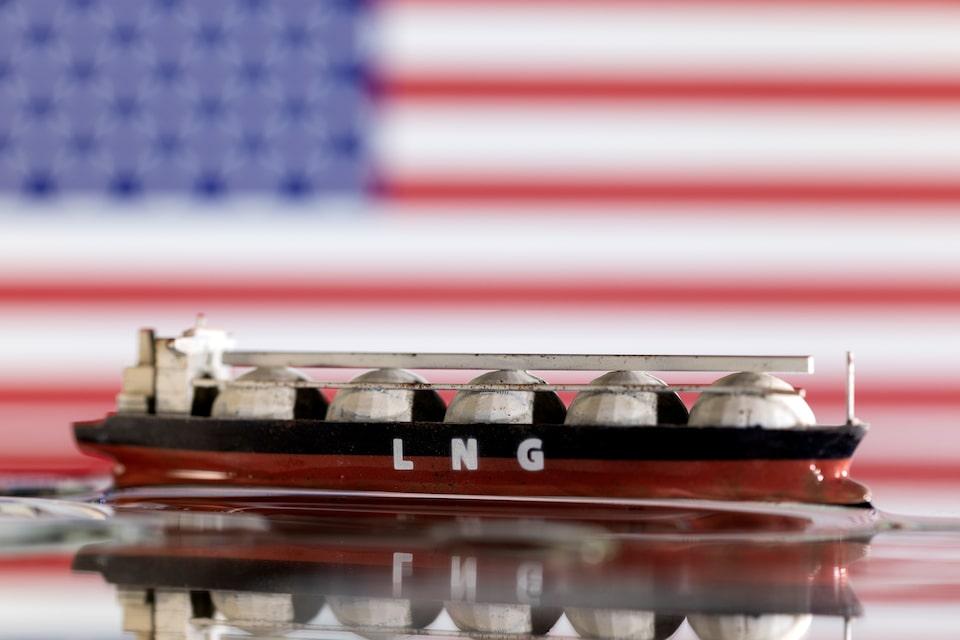
Indian companies in talks with US companies for long term LNG deals India also looks to boost import of ethane, propane, butane US second biggest LNG supplier to India NEW DELHI, March 28 (Reuters) - India is considering a proposal to scrap import tax on U.S. liquefied natural gas (LNG) to boost purchases and help cut the trade surplus with Washington, a key irritant for President Donald Trump, four government and industry sources said. The United States is India's second biggest supplier but the two sides are looking to ramp up volumes for India's energy-hungry economy, one of the fastest growing in the world. Qatar is the top LNG supplier to India. Sign up here. During Prime Minister Narendra Modi's U.S. visit last month, India pledged to increase U.S. energy purchases by $10 billion to $25 billion in the near future, while both leaders agreed to target $500 billion in bilateral trade by 2030. Scrapping the import tax would make U.S. LNG more price competitive, and help trim India's trade surplus with the U.S., another government source said. The surplus totalled $45.4 billion last year. "We are considering ending the imports tax on U.S. LNG under the bilateral trade agreement, similar to our model with the UAE," one of the sources familiar with the matter said. India currently imposes a 2.5% basic customs duty and an additional 0.25% social welfare tax on LNG, but tax is not levied on supplies from the United Arab Emirates (UAE) and Australia under bilateral agreements. The sources spoke on condition of anonymity due to the senstivity of the talks. India's oil and finance ministries did not immediately respond to emailed requests for comment. Unlike Canada and the European Union, India is actively seeking to appease the Trump administration as it ratchets up pressure on trading partners, and is open to cutting tariffs on over half of U.S. imports worth $23 billion, Reuters reported earlier this week. Also, China's 15% import tax imposed last month on LNG imports from the U.S. could divert trade of the super-chilled fuel to India, where the International Energy Agency expects a 60% jump in gas use between 2023 and 2030, with imports of LNG doubling over that period. BIG LNG BUYER India, the world's fourth-biggest LNG importer, imported 25.9 million tonnes of LNG worth about $14.2 billion in the first 11 months of the current fiscal year to March 31, government data showed. LNG imports are on track to average about 27-28 million tonnes in this fiscal year, with U.S. supplies accounting for 20%-25% of that, a third source said. India's U.S. LNG imports are driven by state-run GAIL (India) Ltd's (GAIL.NS) , opens new tab long term deals with U.S. companies to buy 5.8 million tons of LNG annually. GAIL has also said it would revive plans to buy a stake in a U.S. LNG plant or secure a long-term U.S. LNG deal after Washington lifted a ban on export permits for new projects, part of Trump's agenda to maximise U.S. energy development. Indian companies including GAIL, Indian Oil Corp (IOC.NS) , opens new tab, and Bharat Petroleum Corp (BPCL.NS) , opens new tab are talking to U.S. companies for additional LNG sourcing, Oil Secretary Pankaj Jain said last month. India's oil ministry has asked companies to raise energy imports, wherever possible, a government source said. Apart from LNG, India can also raise U.S. imports of petrochemicals, ethane, propane and butane, the source said. https://www.reuters.com/world/india/india-weighs-scrapping-import-tax-us-lng-boost-purchases-sources-say-2025-03-28/