2025-03-27 19:31
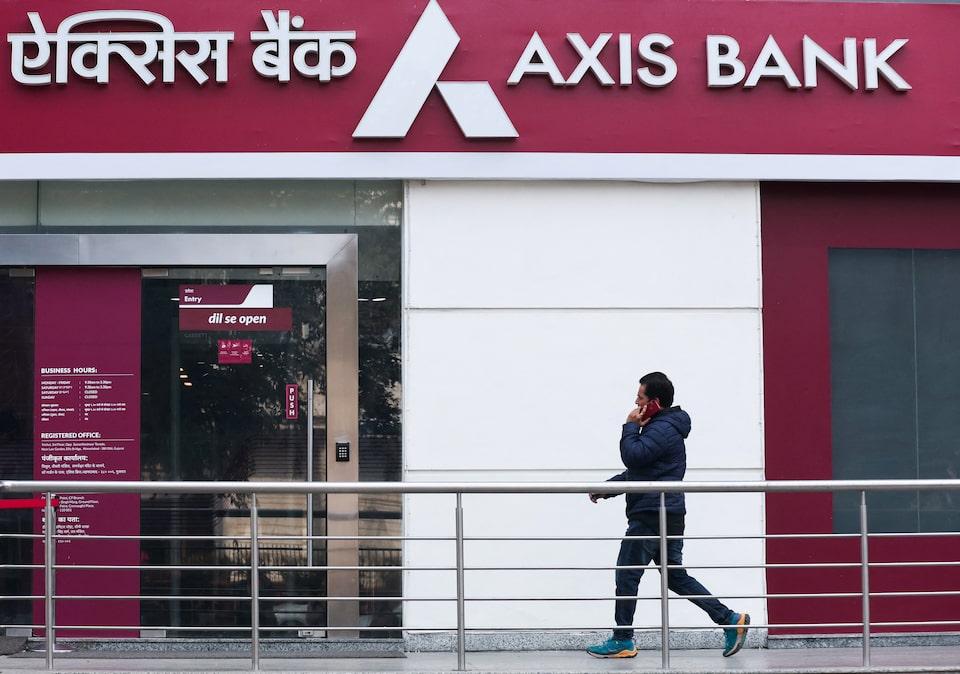
MUMBAI, March 27 (Reuters) - India's Axis Bank has partnered with J.P. Morgan to offer real-time U.S. dollar payment capabilities to commercial clients in the country, facilitated by Kinexys, the U.S-based lender's blockchain and digital assets unit. This is the first instance where an Indian company will have the flexibility to make or receive dollar payments at any time, J.P. Morgan said in a statement on Thursday. Sign up here. Axis Bank will deliver the 24/7 dollar clearing capability for clients out of Gujarat International Finance Tec-City, or GIFT city, an international financial services center. The collaboration with Kinexys will offer "significant value" to clients by streamlining payments, unlocking liquidity and adding further optionality on cross-border payments, Neeraj Gambhir, group executive & head - treasury, markets & wholesale banking products, at Axis Bank said. Currently, companies can make cross-border payments that are settled on the same day. Naveen Mallela, global co-head at Kinexys, illustrated the anytime payment capability by saying that Indian companies can now make dollar payments to Middle Eastern clients on Sundays, which are standard working days in that region. "The ability to move money 24X7 without cutoffs essentially reduces the cost of liquidity for processing of payments. Furthermore, the payment rails are designed to be completely no-deduct which will ensure full preservation of payment amount until it reaches the final beneficiary," Mallela said. https://www.reuters.com/business/finance/indias-axis-bank-jp-morgan-roll-out-anytime-dollar-payments-clients-2025-03-27/
2025-03-27 19:27
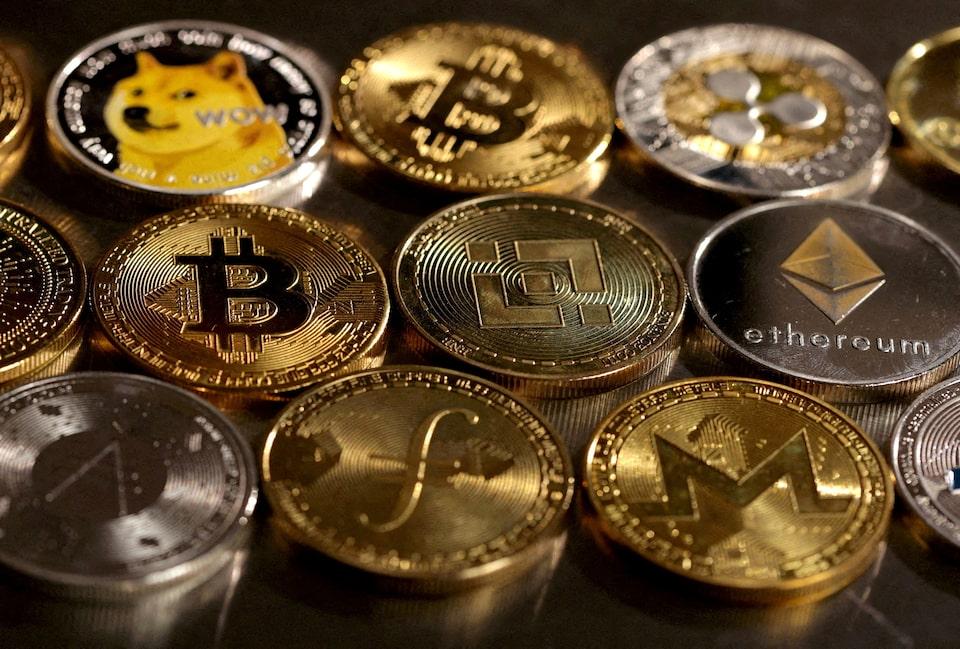
PARIS, March 27 (Reuters) - France's state-owned investment bank, Bpifrance, plans to spend up to 25 million euros ($26.95 million) on little-known cryptocurrencies in a bid to support France's crypto businesses, it said on Thursday. The bank has previously spent 150 million euros on investments in blockchain-related projects, including "limited amounts" of investments in cryptocurrencies, but this is the first time it has created a fund specifically to buy cryptocurrencies directly. Sign up here. Instead of purchasing large cryptocurrencies such as bitcoin, the fund will be targeted towards buying smaller newly-created tokens issued by French projects, before they are listed on crypto exchanges, said Arnaud Caudoux, deputy CEO of Bpifrance. "The U.S. is really accelerating its own crypto strategy so this is all the more important," Caudoux said, adding that Bpifrance's move into crypto started before the pro-crypto shift in the United States. Bpifrance could also help token projects get listed on exchanges, Caudoux added. "Bpifrance's initiative is a strong signal of our determination to make France a country of excellence for these technologies," said Clara Chappaz, France's Minister Delegate in charge of AI and Digital. There has been a revival of interest in cryptocurrencies since U.S. President Donald Trump's election win in November. Trump has expressed support for the industry, sought to overhaul policies and even launched his own crypto products. European finance ministers, however, are concerned that the U.S. embrace of cryptocurrencies could affect euro zone monetary sovereignty and financial stability. Caudoux said that U.S. policies were attracting crypto companies to move there. "We have great engineers and great companies in Europe, including in the UK obviously, and we want to keep those companies here because we strongly believe that it is very important in the future to have our own ecosystem," Caudoux said. The European Union in 2023 introduced the world's first set of comprehensive crypto regulations, requiring crypto companies to be authorised by the EU to serve customers in the bloc. Bpifrance is jointly owned by the French state and the country's public lender, CDC, and invests money to serve French public policy objectives. France's finance minister last week announced that Bpifrance would launch a 450 million euro defence-focused fund. ($1 = 0.9278 euros) https://www.reuters.com/business/finance/french-state-bank-bpifrance-builds-fund-buy-cryptocurrencies-2025-03-27/
2025-03-27 18:06
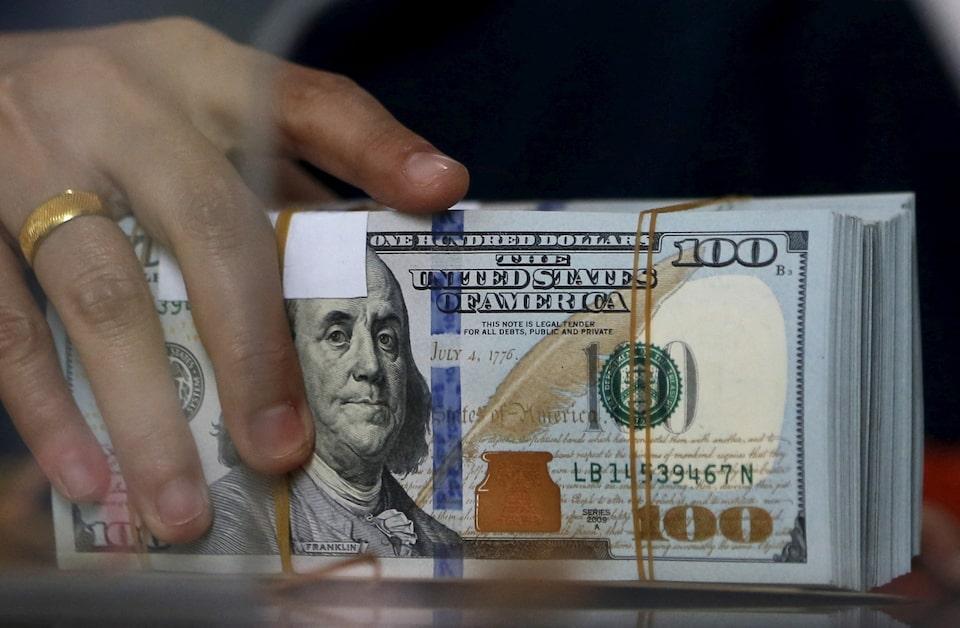
Deutsche Bank says bar "exceptionally high" for Fed to withhold liquidity Financial stress would spread to US markets, analysts say Rabobank sees "sea-change" in ties between the US and European allies LONDON, March 27 (Reuters) - If the Federal Reserve, a bedrock of global financial stability, were to withhold dollar funding to allies during times of stress, the world could greatly reduce its reliance on the currency, creating "a doubled-edged sword" for the U.S., Deutsche Bank analysts said. Reuters reported on Saturday that some European central banking and supervisory officials are questioning whether they can still rely on the U.S. central bank to provide such funding as their trust in Washington has been shaken by the Trump administration's policies. Sign up here. In times of market stress, the Fed has provided the European Central Bank and other major counterparts with access to dollar funding. The dollar is the dominant currency for economic trade and capital flows. "The bar for withdrawing support at a time of systemic financial stress would seem exceptionally high," analysts George Saravelos and Oliver Harvey said in a note to clients on Thursday, assessing possible scenarios and citing the Reuters article. Without the Fed backstops, in the short term, "the dollar liquidity scramble would drive dollar funding costs higher, leading to a sharp appreciation of the U.S. dollar." But financial stress would spread to the U.S. financial system as well, they added, and spillover effects could include "a fire sale of U.S. assets." While the Fed is independent, "the U.S. administration can have an indirect influence both via moral suasion as well as the appointment of the Fed governing board", the analysts said. "The U.S. could in theory use the availability of its swap lines in a selective manner, as a quid pro quo for other policy goals." DE-DOLLARISATION RISK For Jane Foley, Rabobank's head of forex strategy, the questioning by some European central banking and supervisory officials of the Fed's dollar support shows the "sea-change" in ties between the U.S. and European allies over the past few months and "the sphere of the disruptive influences of the U.S. President." "Trump's trade and foreign policies have forced Europe on a path towards reduced reliance on the U.S. and this is likely to imply a desire for reduced reliance on the dollar," Foley said in a note. "Trump threatened countries that tried to de-dollarise with extra tariffs. Ironically, his isolationist policies may drive the trend." Deutsche Bank analysts also said a withdrawal of the Fed's swap lines "has the capacity to create enormous financial instability at times of stress." "If such a withdrawal became a concern it would likely create pressure for the rest of the world to de-dollarize more rapidly," they added. https://www.reuters.com/markets/currencies/de-dollarisation-could-speed-up-with-us-isolationist-policies-analysts-say-2025-03-27/
2025-03-27 17:55
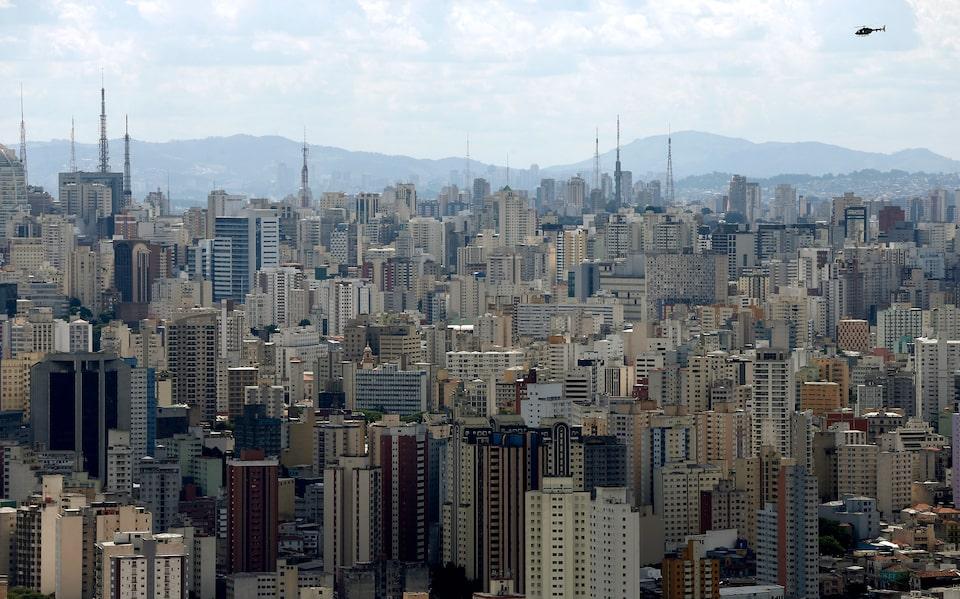
BRASILIA, March 27 (Reuters) - The Brazilian central bank's economic policy director Diogo Guillen said on Thursday that when inflation expectations are unanchored, as they are now, interest rates need to be higher for longer. Guillen and central bank chief Gabriel Galipolo both stressed that the bank's next policy steps depend on data, during a news conference discussing a new projection for consumer inflation to approach the official 3% target only in the third quarter of 2027. Sign up here. The central bank's weekly market survey shows an even more pessimistic outlook, with private economists forecasting inflation above target through 2028. "When inflation expectations are unanchored, interest rates need to be higher, as we are seeing, and for longer," said Guillen. Last week, policymakers raised interest rates 100 basis points to 14.25% and signaled a smaller hike at their next policy meeting in May amid the "continuation of the adverse scenario for inflation convergence, the heightened uncertainty and the lags inherent to the ongoing monetary tightening cycle." Galipolo said the central bank avoided more precise guidance on the size of the next rate increase to maintain flexibility in its decision-making. "There are still unanchored inflation expectations, current inflation running above target, and a series of challenges for the central bank to address. That's why we have not ended the tightening cycle," Galipolo said. "A range of indicators will determine whether the dosage of the remedy is appropriate." He noted that Brazil is moving into a level of monetary tightening "with some security," even for those who project a higher neutral interest rate. After the Brazilian real gained nearly 8% against the U.S. dollar this year - following a more than 20% plunge in 2024 - Galipolo said the country has benefited from investors seeking a carry trade in Latin America's largest economy. He also noted that there appears to be a market view that, in the event of a tariff shock, Brazil could be less affected than its emerging-market peers. The central bank has no near-term plans to alter its policy of rolling over foreign exchange swap contracts, he stressed. "We don't usually adjust two levers at the same time," he said, noting the monetary policy tightening still underway. https://www.reuters.com/markets/rates-bonds/brazils-central-bank-signals-need-higher-rates-longer-2025-03-27/
2025-03-27 17:44
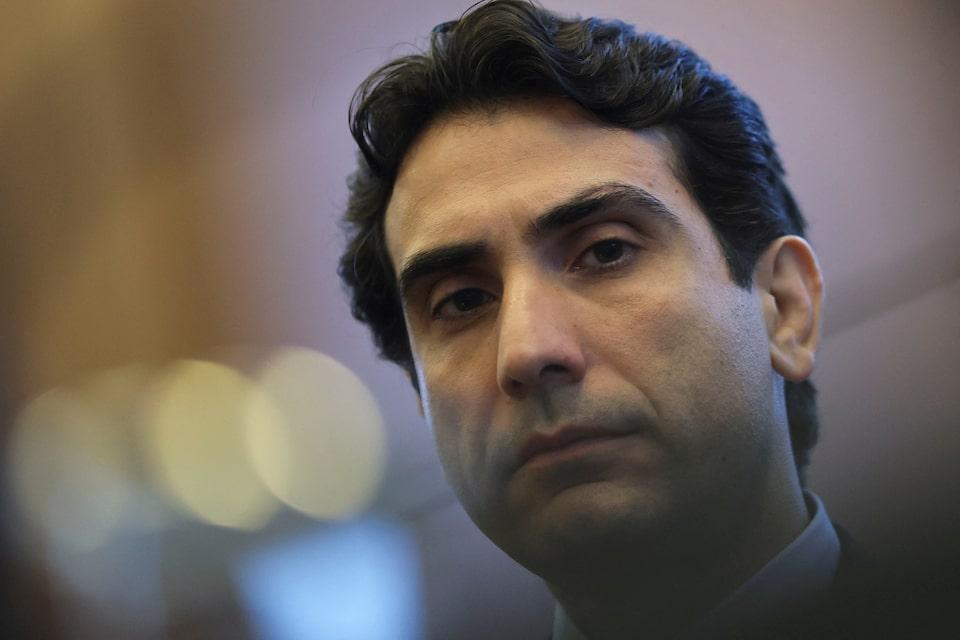
Figure puts concrete details on long-negotiated deal Funds to support central bank reserves, manage debt IMF board decision pending BUENOS AIRES, March 27 (Reuters) - Argentina is targeting a $20 billion deal with the International Monetary Fund, Economy Minister Luis Caputo said on Thursday, formally putting a figure on the long-mooted program for the first time as he looks to calm local market jitters. The South American grains-producing nation, which has been battling triple-digit inflation, depleted reserves and rising debt, has been in talks with the IMF for months, though neither side had previously put a number on the planned deal. Sign up here. A new program would be the country's 23rd with the IMF if approved, and is seen helping bolster the central bank's reserve levels, strengthening the government of libertarian Javier Milei and defusing debt repayment risks in the years ahead. "What we are looking for with this agreement is that people can rest assured that the pesos that exist are backed by the central bank," Caputo said. "That will make us have a healthier currency, with less inflation, with less poverty." He added that the "amount we agreed upon with (IMF) staff - which ultimately the board will decide if it's approved or not - is $20 billion." Argentina's markets have wobbled in the last week amid question marks over the IMF deal and fears over a potential faster devaluation of the peso currency, currently held in check by strict capital controls and a so-called "crawling peg." IMF spokesperson Julie Kozack said the fund was discussing a "sizeable" loan with Argentina, but stopped short of confirming the $20 billion figure. She said that the amount was "ultimately to be determined by our executive board." Argentina's country risk index fell 14 points to 755 basis points on Thursday, while the local S&P Merval stock index (.MERV) , opens new tab edged up 0.5% and sovereign bonds gained 0.3%, with investors seeing some of the upside already baked in. REBUILDING RESERVES? Argentina's central bank has been forced to sell record amounts of dollars to support the peso over the last fortnight, a worry with net foreign currency reserves already at least $4 billion in the red. The government says a new deal will bolster the central bank's accounts and allow the country to start undoing years-old capital controls it says stymie business and investment. Milei cut the peso's value by more than half soon after taking office in late 2023 and rolled out strict austerity measures to counteract years of overspending. On Thursday he said that the timeline for undoing currency controls would depend on how fast the country received new IMF funds, and signaled that there would likely be "no room" for a sharp devaluation in the wake of an eventually deal. Argentina is the IMF's largest borrower by far and is still paying back a $44 billion deal from 2022 that replaced a failed 2018 program. Reuters reported on Tuesday that some $8 billion of the funds would shore up the central bank's reserves, with $12 billion going toward principal and interest owed to the organization. Some local media had reported much smaller figures for the fresh funding, Caputo said, adding to market unease. The IMF board should meet in coming weeks to vote on the deal, he added. Argentina is also looking for funding from development banks such as the World Bank, the Inter-American Development Bank and the CAF – Development Bank of Latin America and the Caribbean to further boost foreign reserves. Total gross reserves currently sit around $26.25 billion, but have fallen this year. The government is looking to nearly double that, Caputo said, with the additional funding. https://www.reuters.com/world/americas/argentina-imf-talks-targeting-20-billion-loan-deal-minister-says-2025-03-27/
2025-03-27 13:20
BRASILIA, March 27 (Reuters) - Brazil's central government recorded a slightly wider-than-expected primary budget deficit in February, Treasury data showed on Thursday, although the result improved sharply from a year earlier, mainly due to lower expenditures. Latin America's largest economy posted a deficit, excluding interest payments, of 31.673 billion reais ($5.52 billion) for the month, while economists polled by Reuters had expected a 30.4 billion reais shortfall. Sign up here. In February last year, the primary deficit stood at 58.267 billion reais. The annual improvement was primarily driven by a 12.6% real drop in total expenditures, translating into savings of 25.2 billion reais. It was also supported by a 3.1% real increase in revenues, adding 4.4 billion reais to public coffers. Over the 12-month period, the central government's primary deficit stood at 13.2 billion reais, or 0.09% of gross domestic product, complying with the government's annual fiscal target of zero deficit, which allows for a tolerance margin of 0.25% of GDP in either direction. Brazil's Treasury Secretary Rogerio Ceron said the government's stance was to be as restrictive as possible in the first half of the year to support monetary policy, as the central bank aggressively raises interest rates to cool the economy and curb inflation. Speaking at a press conference, Ceron noted that spending limitations due to last year's failure to approve the 2025 budget played a role in the lower fiscal deficit recorded in the first two months of the year. Typically, the annual budget law for a given year is approved at the end of the previous year, but this time it was only passed last week. As a result, the government decided to cap its monthly expenditures at one-eighteenth of the total budgeted for the year. Year-to-date, the central government posted a primary surplus of 53.184 billion reais, far exceeding the 21.195 billion reais recorded in the same period of 2024. According to the government, the sharp decline in February spending was mainly influenced by a different schedule for federal court-ordered payments. In the same month last year, disbursements under this category were substantial, whereas this was not the case this year. ($1 = 5.7351 reais) https://www.reuters.com/world/americas/brazil-posts-slightly-wider-than-expected-february-budget-deficit-2025-03-27/