2025-03-27 11:14
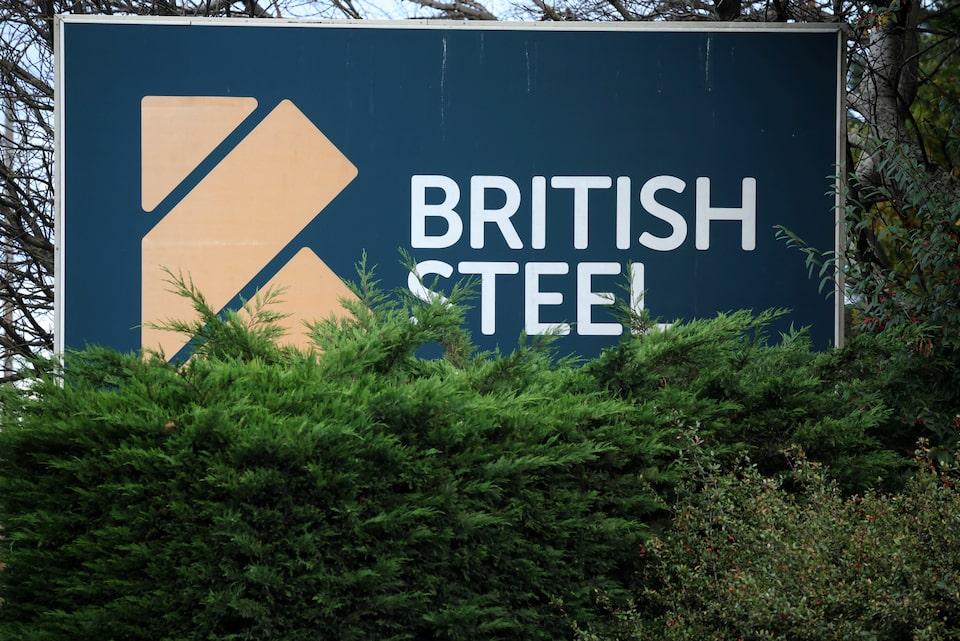
Two blast furnaces could shut Consultation considers June closure Closures could impact 2,000-2,700 jobs Government says talks with British Steel ongoing LONDON, March 27 (Reuters) - China-owned British Steel said it could close its two blast furnaces as soon as June with the potential loss of up to 2,700 jobs, as U.S. tariffs and environmental costs threaten to damage its already struggling operations. British Steel, owned by China's Jingye Group, has warned for years that steelmaking in Scunthorpe, north east England, is loss-making, and has been in talks with the government for months about securing funding to switch to a greener type of steel production. Sign up here. But the two sides have failed to reach a deal, and British Steel said on Thursday it was making the "difficult decision" to start a consultation over the closure of its blast furnaces and other related operations. The threatened closures are the culmination of decades of decline in Britain's steel industry, which has struggled to compete with low-cost imports given the high energy costs of domestic production. "The blast furnaces and steelmaking operations are no longer financially sustainable due to highly challenging market conditions, the imposition of tariffs, and higher environmental costs relating to the production of high-carbon steel," British Steel said in a statement on Thursday. U.S. President Donald Trump imposed global tariffs of 25% on all imports of steel on March 12, dealing another blow to British Steel, which said its Scunthorpe operations are losing 700,000 pounds ($905,240) daily. Britain's steel exports to the U.S. are worth more than 400 million pounds a year, according to industry body UK Steel, or about 5% of UK steel exports. British Steel said it was beginning consultations with unions, and the proposed closures could impact between 2,000 and 2,700 jobs - subject to consultations - with June the earliest possible date for closure. The site employs 3,500 in total. British Steel said it would continue working with the government to explore options for the business. Britain's business minister Jonathan Reynolds said the pair were in "continual negotiations", and he was focused on getting the right deal for taxpayers. "I need guarantees on jobs if I'm putting public money in," he told an event on Thursday. Steel was first made at Scunthorpe in 1890 and if the closures go ahead, Britain, which in the nineteenth century was the world's biggest steel producer, would no longer have any blast furnaces. The country is instead shifting to less carbon-intensive electric arc furnaces, which make new steel from recycled steel. That switch is expensive. It is investing 500 million pounds into Tata Steel in Port Talbot, Wales, to build a new electric arc furnace due to open in late 2027 or early 2028. Blast furnace closures there resulted in about 2,800 job losses. The offer British Steel rejected was a 500 million pound government investment, Sky News reported. The government has earmarked 2.5 billion pounds for the steel industry and is due to publish a strategy on its plans for the sector in Spring 2025. ($1 = 0.7733 pounds) https://www.reuters.com/world/uk/british-steel-mulls-blast-furnace-closures-over-2000-jobs-risk-2025-03-27/
2025-03-27 11:09
BRUSSELS, March 27 (Reuters) - France has revived calls for the European Union to restrict prices in its carbon market by fixing a "corridor" to limit volatile price movements, a government document seen by Reuters showed. The EU emissions trading system is the bloc's main CO2-cutting policy, which requires power generators and industrial manufacturers to buy a CO2 permit for every tonne of CO2 they emit. Sign up here. The scheme creates a financial incentive to pollute less, and raises revenues that go towards CO2-cutting projects - but it has long incurred criticism from countries including Poland, which has complained that financial speculators are driving volatile price moves in the market. France has revived concerns over the carbon price, and will propose in a closed-door meeting of EU countries' ministers on Thursday that the EU needed to step in to stabilise the price. A French government paper, seen by Reuters, called for the EU to "establish an ETS price corridor defined in coherence with the Union's emission reduction target and to review the functioning of the market stability reserve to correct its imperfections". A price corridor would set minimum and maximum price limits, restricting price movements to trade within this range. Speaking to reporters in Brussels, French climate minister Agnès Pannier-Runacher said the EU needed to give "long-term pricing signals to companies so that they can adapt and anticipate". France will seek support among other countries on Thursday, but officials told Reuters some - including the Czech Republic - are already behind the idea. A European Commission spokesperson declined to comment on the French demand. Currently, the EU is not due to review the ETS policy until 2026. Benchmark EU carbon prices were trading at around 70 euros per tonne of CO2 on Thursday, having mirrored decreases in gas prices in the last few months. ETS prices had breached 80 eur/t earlier this year, but have not returned to anywhere near the highs of more than 100 eur/t seen in 2023. Analysts however forecast prices could rise to over 100 euros a ton by the end of the decade as supply of caron permits becomes tighter. https://www.reuters.com/sustainability/climate-energy/france-demands-eu-restricts-co2-emissions-price-document-shows-2025-03-27/
2025-03-27 10:19
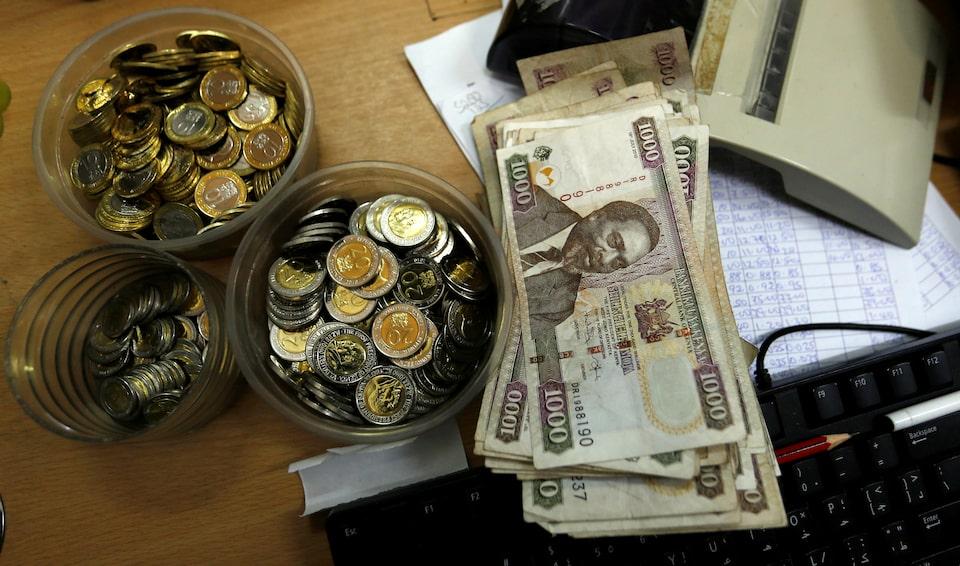
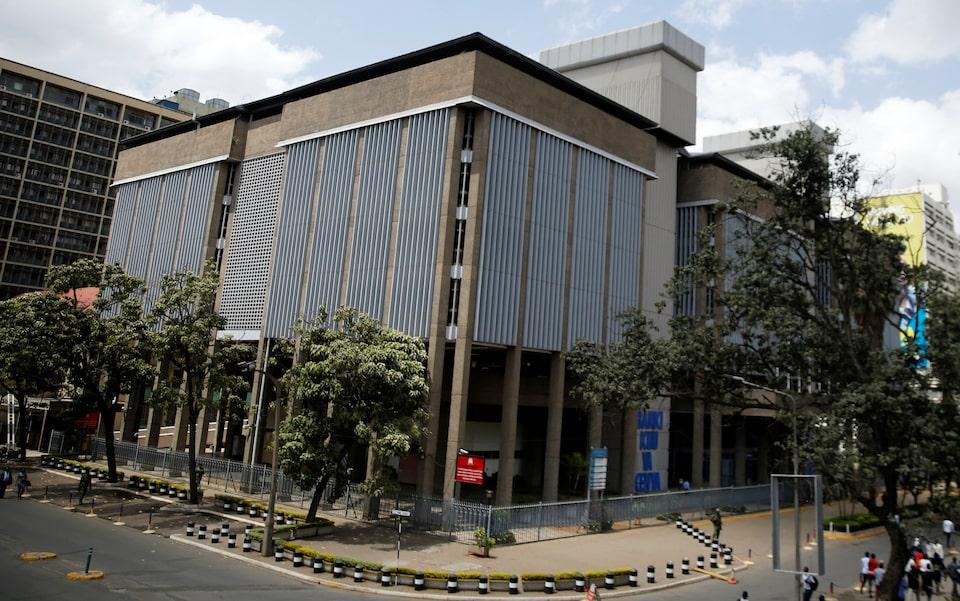
March 27 (Reuters) - The Kenyan shilling was stable against the dollar on Thursday, data from the London Stock Exchange Group (LSEG) showed. At 1013 GMT, the shilling traded at 129.15/129.65, compared with 129.10/129/60 at Wednesday's close. Sign up here. https://www.reuters.com/markets/currencies/kenyan-shilling-stable-against-greenback-lseg-data-shows-2025-03-27/
2025-03-27 10:13
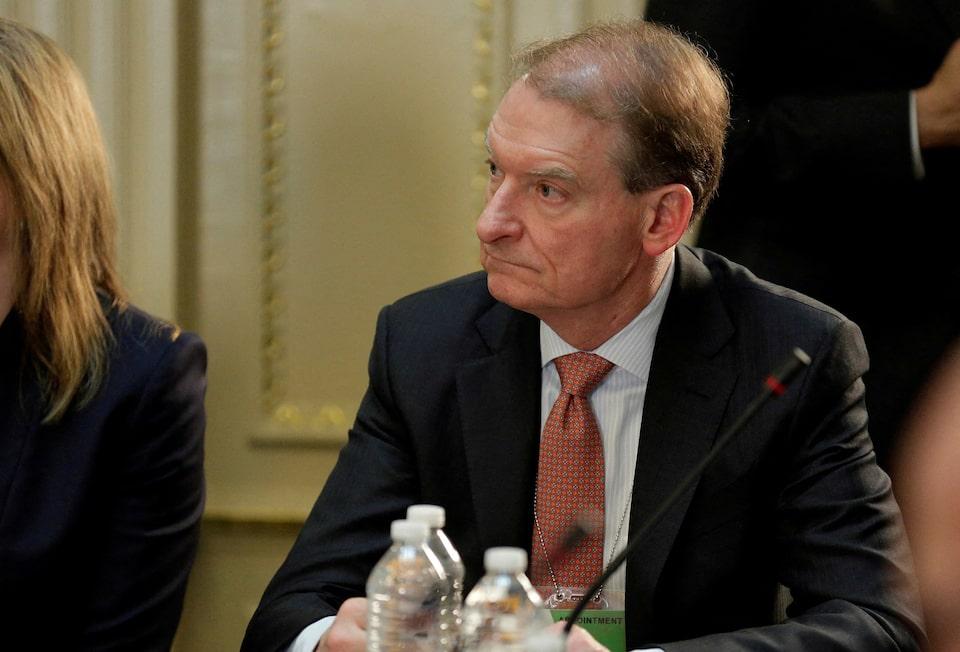
Atkins says he will 'definitely' work with DOGE, others creating 'efficiencies' Nominee appears likely to be confirmed, analysts say Senator Warren says failure to disclose buyer of consultancy amounts to 'pre-bribe' March 27 (Reuters) - Paul Atkins, President Donald Trump's nominee to lead the U.S. Securities and Exchange Commission, told lawmakers on Thursday he would work with Elon Musk's Department of Government Efficiency or others engaged in cost-cutting efforts at the Wall Street regulator. Atkins told the Senate Banking Committee that he would "definitely" work with Musk's task force and would support efforts to streamline the agency, which is already facing significant reorganization and a shrinking staff. Sign up here. "If there are people who can help with creating efficiencies in the agency or otherwise, I would definitely work with them," he said in response to a question about the DOGE task force. "We’ll be looking at things going on at the commission right now to make sure taxpayer funds are being used properly." A well-known Washington lawyer with extensive business ties, Atkins faced questions from Democrats about potential conflicts of interest and his support for deregulation. He appears unlikely to face serious obstacles to confirmation, however, according to analysts. "We will increase the morale of the agency, cure some of the dysfunction that’s there … and get back to work and get back to basics of its mission," he said. The SEC is facing an unprecedented exodus, with upwards of 600 staff due to leave the agency by early April, according to people with knowledge of the matter. The SEC is facing the potential loss of 12% or more of its workforce under voluntary buyout programs. Senator Elizabeth Warren, the top Democrat on the Senate Banking Committee considering his nomination, said it would be "very dangerous" for Atkins to lead the agency, citing his support for deregulation as an SEC Commissioner prior to the 2008 financial crisis. In his prepared testimony, Atkins told lawmakers he would prioritize a "firm regulatory foundation" for cryptocurrency, and prevent "overly politicized" regulations from stifling free enterprise. He was also pressed by Warren on his private sector work, and whether it could present a conflict of interest. In particular, she chastised him for not disclosing the buyer of his consulting firm, Patomak Global Partners. Atkins said he adhered to all federal ethics standards, but Warren said the purchase could amount to a "pre-bribe" for an incoming SEC chairman. Through his consultancy, Atkins served a roster of major clients, including some that have been the targets of SEC enforcement. In his financial disclosure, Atkins said he was prohibited from identifying several clients due to laws and regulations in Ohio, Utah and Australia, among others. He has disclosed a family fortune of more than $328 million, about 90% of which is held by his wife, Sarah Atkins, whose family helped found a building supply company. Jonathan Gould, Trump's nominee to supervise the largest U.S. banks as comptroller of the currency, also testified, along with Luke Pettit and Marcus Molinaro, Trump's picks for senior roles at the Treasury and Transportation departments, respectively. If confirmed to lead the Office of the Comptroller of the Currency, Gould would be charged with monitoring national banks, which include the eight "too big to fail" giants. He previously served as the agency's general counsel, and has expressed support for allowing banks to engage more directly with the crypto industry. "I believe that many of these activities are clearly legally permissible," he said, adding if confirmed he would prioritize "determining ways constructively in which these activities that are lawful can be done in a safe and sound fashion." https://www.reuters.com/world/us/trumps-pick-lead-markets-watchdog-faces-senate-amid-agency-tumult-2025-03-27/
2025-03-27 10:13
JOHANNESBURG, March 27 (Reuters) - The Bank of Ghana and the Central Bank of Kenya will pause cutting interest rates at their upcoming meetings and resume in May, a Reuters poll found on Thursday, as inflation challenges in the region suggest a cautionary stance for policymakers. While central banks in countries directly in the firing line of U.S. President Donald Trump's import tariffs pause or end cutting cycles, some in Africa are expected to cut between 125-400 basis points (bps) this year. Sign up here. The Bank of Ghana (BOG) has cut rates by 300 bps since last year and the survey suggested rates would be cut 100 bps to 26.00% in May with another cut of 125 bps to 24.75% in the third quarter. The key rate was seen ending the year at 23.00%. All but one of 10 analysts surveyed between March 20 and 26 expected the BOG to keep rates steady at its monetary policy meeting on Monday. "In Ghana, we believe that inflation hovering well above target and recent FX weakness will lead the BOG to hold rates at 27.00%," wrote Kevin Daly, managing director and senior economist at Goldman Sachs. "That said, given the BOG's history of premature monetary easing, the possibility of a cut cannot be completely ruled out." The case for pausing is similar in Kenya, where all but one analyst expect Kenya's central bank to keep the benchmark rate on hold at 10.75%. The meeting in Nairobi is due on April 8. Inflation in Kenya rose for a fourth month in a row in February, reaching 3.5%. A 75 bps cut to 10.00% in May is expected, followed by a 50 bps cut in the third quarter that will see rates end the year at 9.50%. The Central Bank of Kenya has cut rates by 200 bps since August. "Disinflation in coming months will motivate rate cuts in Kenya and Ghana," Rafiq Raji, non-resident senior associate with the Africa programme at the Center for Strategic and International Studies in Washington D.C.. The Central Bank of Nigeria (CBN) is expected to keep rates unchanged at its meeting due next month through to end-June before cutting 150 bps to 26.00% in the third quarter and by 100 basis points to 25.00% in November. Since the start of last year the CBN has hiked rates by 475 bps. Inflation there eased to 23.18% in February from 31.70% from a year earlier, a month after it rebased its Consumer Price Index to reflect changes in consumption patterns. (Other stories from the March Reuters global economic poll) https://www.reuters.com/world/africa/central-banks-ghana-kenya-pause-rates-coming-days-until-may-2025-03-27/
2025-03-27 10:11
MUMBAI, March 27 (Reuters) - The Indian rupee slipped on Thursday, pressured by routine dollar demand from importers, even as its Asian peers benefited from a broadly weaker dollar. The rupee closed at 85.78 against the U.S. dollar, down 0.1% on the day. Sign up here. The local unit traded sideways after a decline in early trade that baked in the impact of carry costs following a shift in the spot date from the last day of the current financial year to the first day of the next one. With India's money markets shut on March 31 and April 1 for local holidays, Thursday's spot trades will be settled on April 2, while Wednesday's spot date is March 28. Local oil companies and importer clients were bidding for dollars on Thursday, although demand was not too aggressive, while foreign banks were also intermittently on offer, a trader at a mid-sized private bank said. The rupee has been largely rangebound after logging a nine-day winning run that snapped on Tuesday. Traders reckon the next significant cue for the currency will come from the announcement of U.S. reciprocal tariffs on April 2. Analysts at Bank of America believe that the rupee could be exposed to headline risk, while Goldman Sachs expects markets to be negatively surprised on the day. U.S. President Trump has said that he may take a lenient approach to reciprocal tariffs, but traders reckon there will be little certainty till the final outcome. On Thursday, the dollar index was down about 0.2% at 104.5, while most Asian currencies rose. Markets have had a relatively muted reaction to Trump's announcement of a 25% levy on auto imports. "The weak reaction in FX to the tariff news could also suggest the market is moving on from the announcement effect to looking at how tariffs impact business and consumer confidence and, ultimately, the hard data of consumption and business investment," ING Bank said in a note. https://www.reuters.com/markets/currencies/rupee-dips-importer-dollar-bids-unaided-by-uptick-asian-peers-2025-03-27/