2025-03-27 06:49
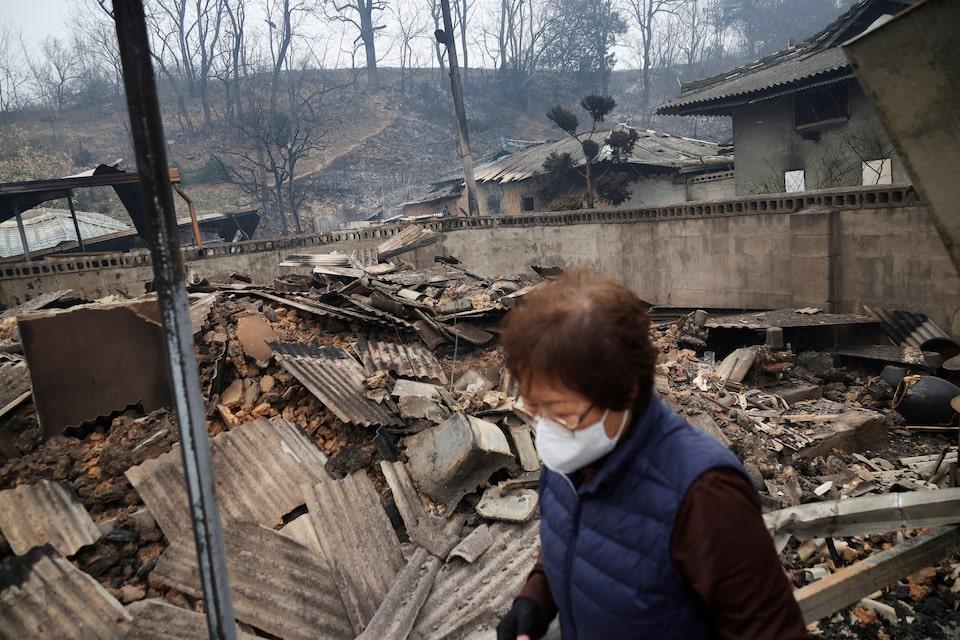
Wildfires double in size, 27 dead, historic sites destroyed Military aids firefighting with aviation fuel and helicopters Climate change blamed for rapid spread and increased wildfire frequency ANDONG, South Korea, March 27 (Reuters) - Wildfires raging in South Korea doubled in size on Thursday from a day earlier, as authorities called the blazes the country's worst natural fire disaster with at least 27 people killed and historic temples incinerated. More than 33,000 hectares (81,500 acres) have been charred or were still burning in the largest of the fires that began in the central Uiseong county, making it the biggest single forest fire in South Korea's history. The previous record was 24,000 hectares (59,000 acres) in a March 2000 fire. Sign up here. "We are nationally in a critical situation with numerous casualties because of the unprecedented rapid spread of forest fires," Acting President Han Duck-soo told a government response meeting. The military has released stocks of aviation fuel to help keep firefighting helicopters flying to douse flames across mountainous regions in the southeast of the country where fires have been burning now for nearly a week. More than 120 helicopters have been deployed in three regions battling the blazes, the safety ministry said. South Korea relies on helicopters to fight forest fires because of its mountainous terrain. A helicopter pilot died on Wednesday after crashing while trying to tackle a blaze. The wildfires that originated in Uiseong have been moving rapidly eastward, spreading almost to the coast, carried by gusty winds and with dry conditions aggravating the situation. The Uiseong fire began spreading quickly on Wednesday, reaching the coastal county of Yeongdeok 51 km (32 miles) away in just 12 hours, said Won Myung-soo, director of satellite imagery analysis for the national forestry service. While the meteorological agency has forecast some rain for the southwest, precipitation is expected to be under five millimetres for most of the affected areas, with many areas still waiting for rain as of early afternoon. "The amount of rain is going to be small so it doesn't look like it'll be big help in trying to extinguish the fire," Korea Forest Service Minister Lim Sang-seop told a briefing. Experts have said the Uiseong fire showed extremely unusual spread in terms of its scale and speed, and that climate change is expected to make wildfires more frequent and deadly globally. Higher temperatures amplified by human-caused climate change contributed to the existing seasonally dry conditions, "turning dry landscapes into dangerous fire fuel" in the region, the Climate Central group, an independent body made up of scientists and researchers, said in a report. The wildfires have carved a trail of devastation through an area equivalent to about half the area of Singapore, ravaging everything in their path including historic temples and homes in the mountainous forest regions of North Gyeongsang province. Teams of firefighters are on standby to protect the UNESCO World Heritage sites of Hahoe Village and the Byeongsan Confucian Academy in the city of Andong, if a blaze jumps the stream that flows around them. The picturesque folk village has traditional Korean houses, many with thatched roofs, while the Confucian academy dates back more than 450 years. The fires have already badly damaged other historic sites, including much of Gounsa Temple in Uiseong, which was built in 681. "The buildings and remains of what Buddhist monks have left over 1,300 years are now all gone," said Deungwoon, the head of the Gounsa Temple. https://www.reuters.com/world/asia-pacific/south-korea-battles-worst-ever-wildfires-death-toll-hits-26-2025-03-27/
2025-03-27 06:40
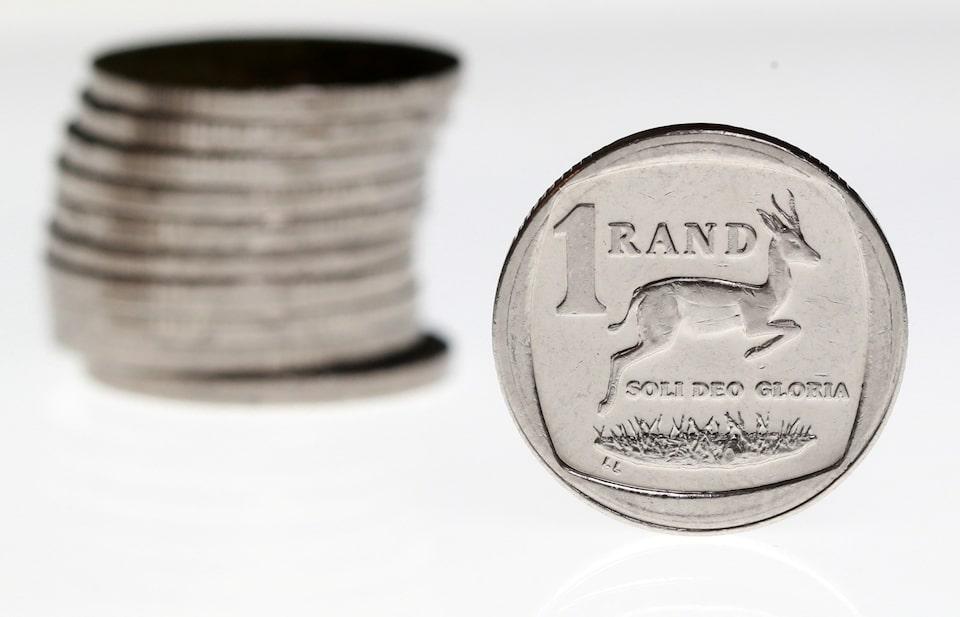
JOHANNESBURG, March 27 (Reuters) - South Africa's rand opened stronger on Thursday, ahead of the release of a quarterly bulletin by the central bank and monthly producer inflation figures. At 0603 GMT, the rand traded at 18.23 against the dollar , roughly 0.2% firmer than its previous close. Sign up here. The dollar was last down about 0.3% against a basket of currencies, reflecting apprehension over U.S. President Donald Trump's tariffs on automotive imports, set to go into effect after midnight on April 3. The South African Reserve Bank will publish its quarterly bulletin at 0800 GMT, shedding light on foreign direct investment and portfolio flows in the final three months of last year. Domestic focus will then shift to February producer inflation (ZAPPIY=ECI) , opens new tab figures at 0930 GMT that will provide insights into price pressures in Africa's most industrialised economy. Economists polled by Reuters expect producer inflation to come in at 1.3% year-on-year from 1.1% recorded in January. South Africa's benchmark 2030 government bond was little changed in early deals, with the yield down 0.5 basis points at 9.105%. https://www.reuters.com/markets/currencies/south-african-rand-edges-up-central-bank-bulletin-ppi-due-2025-03-27/
2025-03-27 06:31
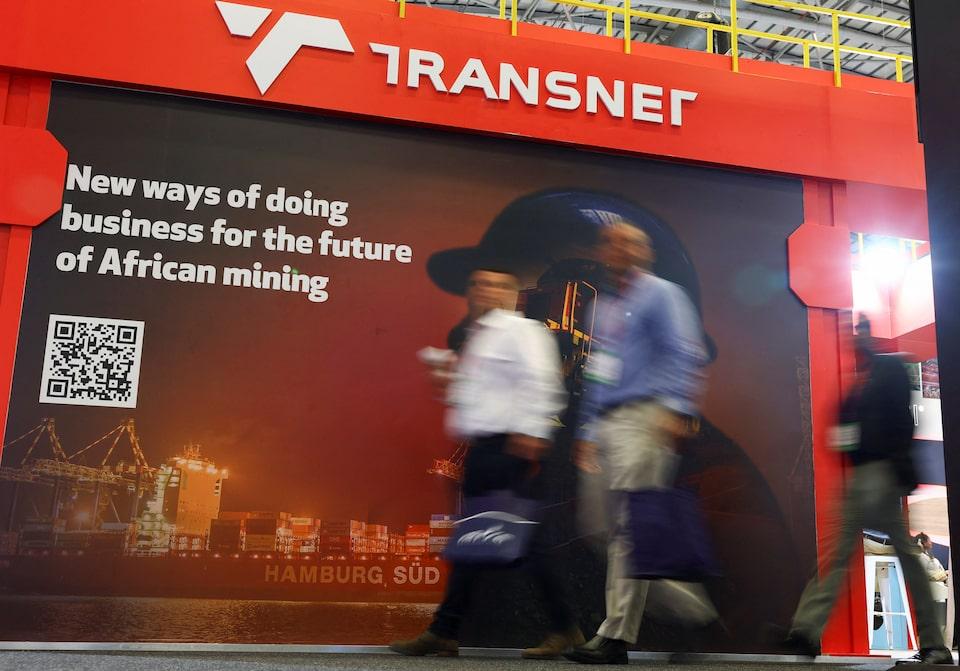
March 27 (Reuters) - South Africa's United National Transport Union (UNTU) said on Thursday it rejected a final wage offer tabled by state-owned logistics group Transnet, which was signed by a smaller union. Transnet on Thursday announced a three-year pay agreement with the South African Transport and Allied Workers' Union (SATAWU) to replace the current wage deal which expires on March 31. SATAWU confirmed the agreement in a separate statement. Sign up here. Under the deal agreed with SATAWU, Transnet will implement 6% wage increases in the first two years of the new agreement and a 5.5% raise in the third year. UNTU, which represents more than half the workforce at Transnet, declared a deadlock in the wage talks, saying it wants a 10% increase across the board and a single-year agreement, among other demands. "UNTU is fully prepared to take to the streets and mobilise our 25,000-plus members to secure a liveable, just and fair agreement," it said in a statement. Transnet said it remained "positive that this offer will be accepted by all employees". "Transnet considers the offer to be reasonable and fair given the current financial and operational challenges," the firm said. https://www.reuters.com/sustainability/society-equity/transnets-major-union-rejects-wage-deal-agreed-by-rival-2025-03-27/
2025-03-27 06:16
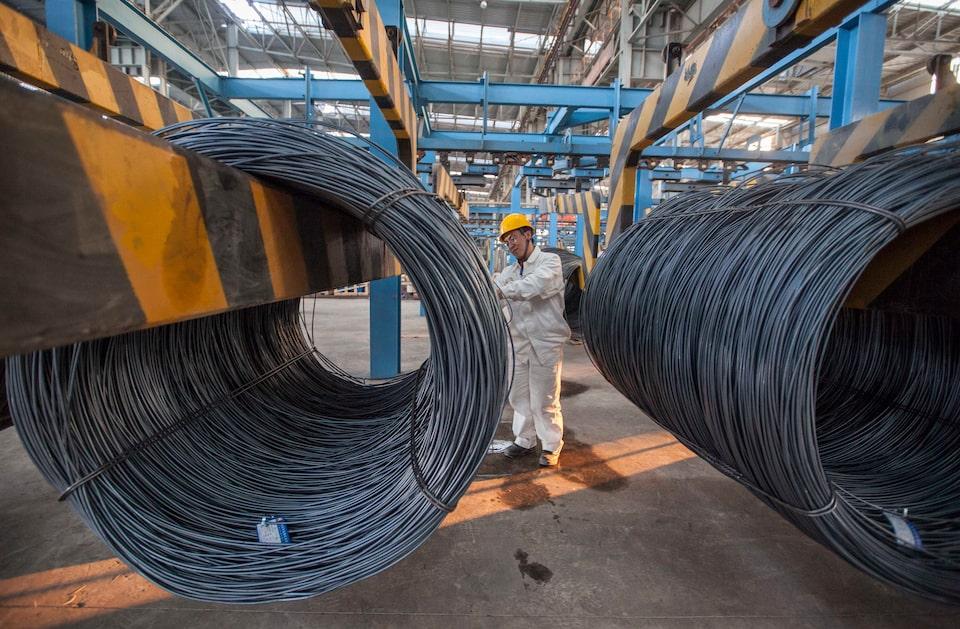
NEW DELHI, March 27 (Reuters) - The Indian alloy steel producers' association plans to soon file an anti-dumping petition with the federal trade ministry against cheap imports from China, its senior executive told Reuters on Thursday. India, the world's second-biggest producer of crude steel, has the capacity to make around 18-20 million metric tons per annum of alloy steel that is used in auto, defence and aerospace sectors. Sign up here. "There has been an increase in imports of alloy and special steel bars and rods into India continuously from China, Japan, Korea and others, while China is exporting to India these products at very low prices," Anil Dhawan, Director General, Alloy Steel Producers Association of India (ASPA), said in response to a query on the petition. "ASPA and its members are working with their legal counsel to file an anti-dumping petition with the DGTR (Directorate General of Trade Remedies) in the near future." The DGTR falls under the federal trade ministry. The ASPA's members include JSW Steel (JSTL.NS) , opens new tab, India's biggest steelmaker, as well as Jindal Steel and Power (JNSP.NS) , opens new tab, Kalyani Steels (KLSL.NS) , opens new tab, and Mukand Sumi Special Steel, among others. Earlier this month, India recommended a temporary 12% tax, known locally as safeguard duty, on some steel products for 200 days to curb imports. India shipped in record quantities of finished steel during April-January and was a net importer, Reuters had reported earlier. Its finished steel imports from China, South Korea and Japan hit a record high in the first 10 months of the current financial year. https://www.reuters.com/markets/commodities/indian-alloy-steel-producers-plan-anti-dumping-plea-against-chinese-steel-2025-03-27/
2025-03-27 06:11
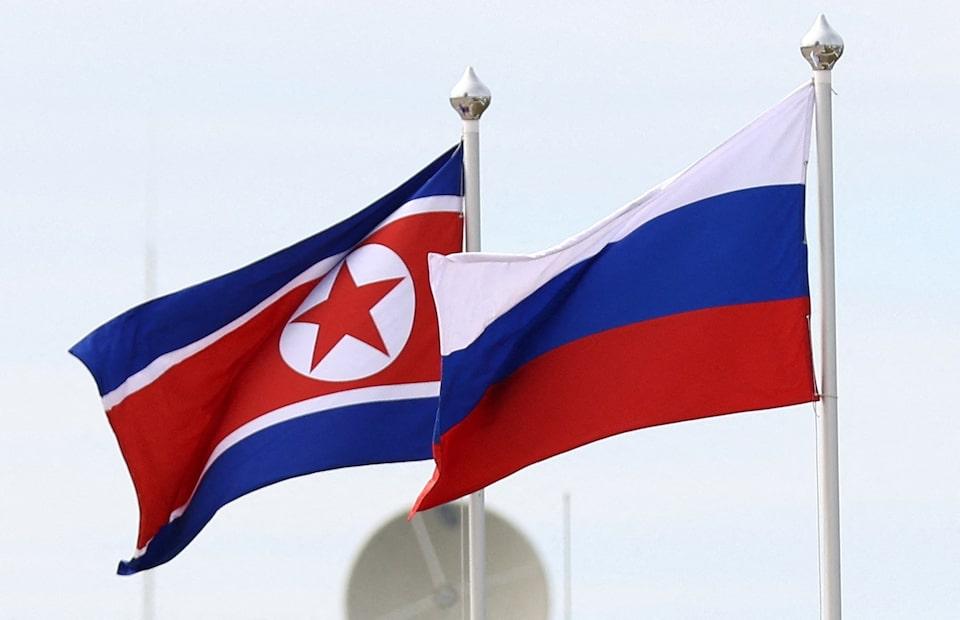
MOSCOW, March 27 (Reuters) - Russia and North Korea will soon begin construction of a road bridge over the Tumen river between the two countries, Russia's ambassador to Pyongyang was quoted as saying by state news agency RIA. The bridge was agreed during a visit by President Vladimir Putin to North Korea in 2024 when the two countries signed a comprehensive strategic partnership agreement. Sign up here. The road bridge will be built near the existing "Friendship Bridge" rail bridge which was commissioned in 1959 after the Korean war. An ancient wooden bridge used to cross the border in the early 20th century but it was destroyed, according to Russian media. "The construction of the bridge has not yet begun," Alexander Matsegora, Russia's ambassador to North Korea, told RIA. "The parties are carrying out preparatory work, finalising design documentation, forming construction crews and columns of equipment," he said. The road bridge, which has been under discussion for years, will be 850 metres (2789 ft) and link up with the Russian highway system. South Korean satellite imagery analysis firm SI Analytics said in a March 5 report that work on the bridge's foundations and road links appeared to have begun. "With the rapid construction of this bridge following the existing rail link, the only passage between North Korea and Russia, a sharp increase in economic, social, and military exchanges is anticipated," the report said. "This could potentially lead to a gradual erosion of the effectiveness of international sanctions against North Korea and Russia." https://www.reuters.com/world/russia-soon-begin-build-road-bridge-north-korea-2025-03-27/
2025-03-27 06:08
MUMBAI, March 27 (Reuters) - The Indian rupee inched lower on Thursday, adjusting for the shift in the spot date to the next fiscal year and pressured by importers' dollar bids, even as its Asian peers rose against a broadly weaker dollar. The rupee was at 85.77 against the U.S. dollar as of 11:15 a.m. IST, after touching a low of 85.91 in early trade. Sign up here. The dollar index was down 0.3% at 104.3, reversing early gains. The rupee's opening dip reflected the carry cost - of about 10-12 paisa - between the current fiscal year's last day, on March 31, and next fiscal year's first trading day, on April 2. On Wednesday, U.S. President Donald Trump announced plans for long-promised 25% tariffs on automotive imports, set to go into effect on April 2, but said reciprocal levies on all countries, also planned for the same day, will be "very lenient". Concerns about the impact of Trump's tariffs on the U.S. economy have weighed on the dollar, putting it on course for a second straight month of losses against major peers. The rupee has been able to capitalise on this, aided by inflows spurred by the repatriation of dollar-based corporate profits and a pick up in foreign inflows. The domestic currency has erased nearly all of its losses so far this year and has risen 2% in March, outpacing its regional peers. "While fiscal-year end (i.e. Mar) tailwinds might also be propping the currency, the recent rally signals increased scope for two-way move in the USD/INR, and therefore higher volatility," DBS Bank said in a note. The rupee's average 1-month implied volatility , a gauge of future expectations, has risen to 3.4% between January and March so far, higher than the 2.25% seen in the previous three-month period. Meanwhile, dollar-rupee forward premiums dipped, with the 1-month forward premium pegged back by a decline in the dollar-rupee overnight swap rate, while an uptick in near-tenor U.S. bond yields weighed on far forward premiums. https://www.reuters.com/markets/currencies/rupee-treads-water-after-opening-dip-forward-premiums-slip-2025-03-27/