2025-03-26 20:25
March 26 (Reuters) - The U.S. Department of Energy is weighing funding cuts to four of seven hydrogen hubs that were selected under a $7 billion federal program, according to a source briefed on the matter. The hubs, part of former President Joe Biden's effort to decarbonize the U.S. economy, are intended to jumpstart the production of "clean hydrogen" and the infrastructure needed to get it to industrial users like steelmakers and cement plants. Sign up here. Washington has slashed funding for clean energy projects since Trump took office in January. His administration is prioritizing fossil fuel production as part of its "energy dominance" agenda. The four hubs targeted for cuts include those in the Midwest, Pacific Northwest, California and the Mid-Atlantic, according to a list circulated by the agency. They represent about $4 billion in pledged funding. Funding would be preserved for hubs in Appalachia, the Gulf Coast and the upper Midwest. "The Department of Energy is conducting a department-wide review," a DOE spokesperson said when asked about the list, which was first reported by Politico. "The review is ongoing, and speculation by anonymous sources about the results of the review are just that – speculation." The hubs that could have their funding cut would largely serve Democratic states, while the three hubs that would be kept are located in Republican states. A California hydrogen trade group said the DOE should reconsider pulling funding from the Golden State hub, which is known as ARCHES. "The many benefits of hydrogen energy — American energy independence, cleaner air for all of us to breathe, and good paying, blue-collar jobs — are not partisan issues," Teresa Cooke, executive director of the California Hydrogen Coalition, said in a statement. "Projects like ARCHES are already benefiting the U.S. economy and removing funding will only hurt the people of our state, including more than 6 million who supported President Trump in the 2024 election." In an emailed statement, ARCHES said it was committed to establishing a hydrogen ecosystem, creating jobs and delivering economic benefits to California residents. Officials from the other hydrogen hubs did not immediately respond to requests for comment. https://www.reuters.com/business/energy/us-weighs-funding-cuts-four-seven-hydrogen-hubs-2025-03-26/

2025-03-26 20:20
WASHINGTON, March 26 (Reuters) - U.S. Treasury Secretary Scott Bessent said on Wednesday Ukraine may sign an economic deal next week and President Donald Trump will not hesitate to raise sanctions on Russia if the need arises. Bessent made the comments in an interview on the Fox News show "The Story with Martha MacCallum," after he was asked for an update on talks about a minerals agreement. Sign up here. "We have passed along a completed document for the economic partnership (that) is currently being reviewed by Ukrainians, and we hope to go to full discussions and perhaps even get signatures next week," Bessent said. Trump said on Monday he expects a U.S.-Ukraine revenue-sharing agreement on Ukrainian critical minerals to be signed soon. Ukraine and Russia accused one another on Wednesday of flouting a truce on energy strikes brokered by the United States. Ukrainian President Volodymyr Zelenskiy has called on Washington to apply further sanctions on Moscow, which he said was clearly not pursuing "real peace." On Russian sanctions, Bessent said: "It will be determined by Russian leadership's next moves, whether the sanctions go up or down, and President Trump, I think, would not hesitate to raise the sanctions if it gives him a negotiating advantage." The United States announced separate agreements with Ukraine and Russia on Tuesday to pause their strikes in the Black Sea and against each other's energy targets. Trump says he is pushing for an end to the war in Ukraine, which began when Russia launched a full-scale invasion of its neighbor more than three years ago. Russia had annexed Crimea in 2014. https://www.reuters.com/world/ukraine-may-sign-economic-deal-next-week-us-treasury-chief-tells-fox-news-2025-03-26/

2025-03-26 20:04
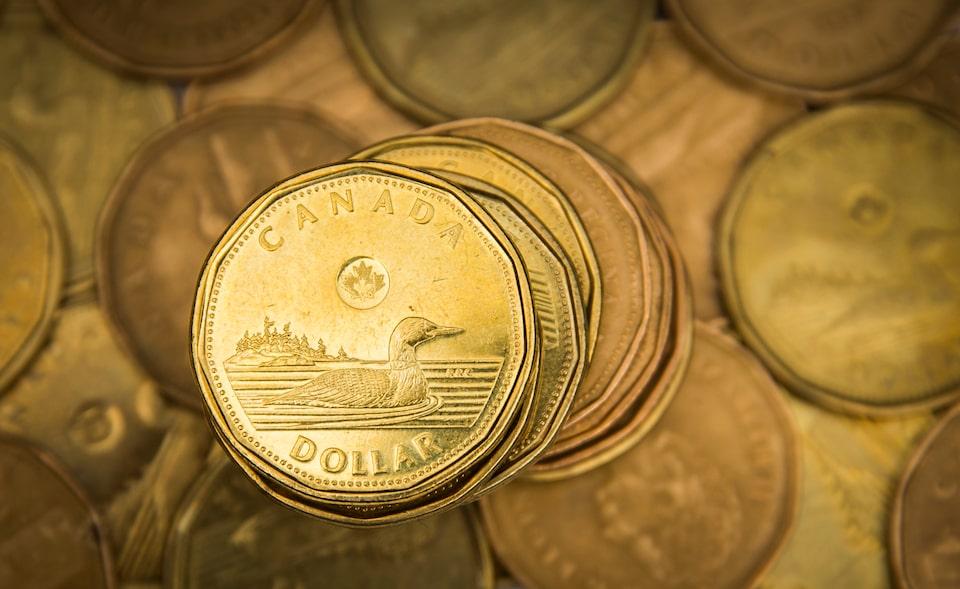
Touches strongest since February 24 at 1.4236 Price of U.S. oil settles 0.9% higher Bond yields rise across the curve TORONTO, March 26 (Reuters) - The Canadian dollar pulled back from an earlier one-month high against its U.S. counterpart on Wednesday as investors braced for expected U.S. auto tariffs and weighed minutes from the Bank of Canada's latest meeting. The loonie was trading nearly unchanged at 1.4283 per U.S. dollar, or 70.01 U.S. cents, after earlier touching its strongest level since February 24 at 1.4236. Sign up here. U.S. President Donald Trump will announce plans for long-promised tariffs on automotive imports at a press conference on Wednesday, widening the global trade war. Canada sends about 75% of its exports to the United States including oil and autos. Canadian Prime Minister Mark Carney said if the ruling Liberals won an April 28 election, his government would create a C$2 billion ($1.40 billion) fund to boost the auto sector's competitiveness. The Bank of Canada saw less evidence of downward pressure on inflation even as it decided to cut rates by 25 basis points on March 12, a summary of monetary policy deliberations showed. "Policymakers are extremely sensitive to upside inflation risks after the past few years, especially with fiscal stimulus likely playing a role in the response to the trade war," Benjamin Reitzes, Canadian rates & macro strategist at BMO Capital Markets, said in a note. "That won't keep the BoC from cutting rates if tariffs worsen, but it suggests any further easing won't be aggressive and limits how low the Governing Council is willing to go." The U.S. dollar (.DXY) , opens new tab added to recent gains against a basket of major currencies, while the price of oil settled 0.9% higher at $69.95 a barrel. Canadian bond yields moved higher across the curve, tracking moves in U.S. Treasuries. The 10-year was up 4 basis points at 3.12%, after earlier touching its highest level since February 24 at 3.142%. https://www.reuters.com/markets/currencies/canadian-dollar-touches-one-month-high-tariff-reprieve-bets-2025-03-26/
2025-03-26 19:42
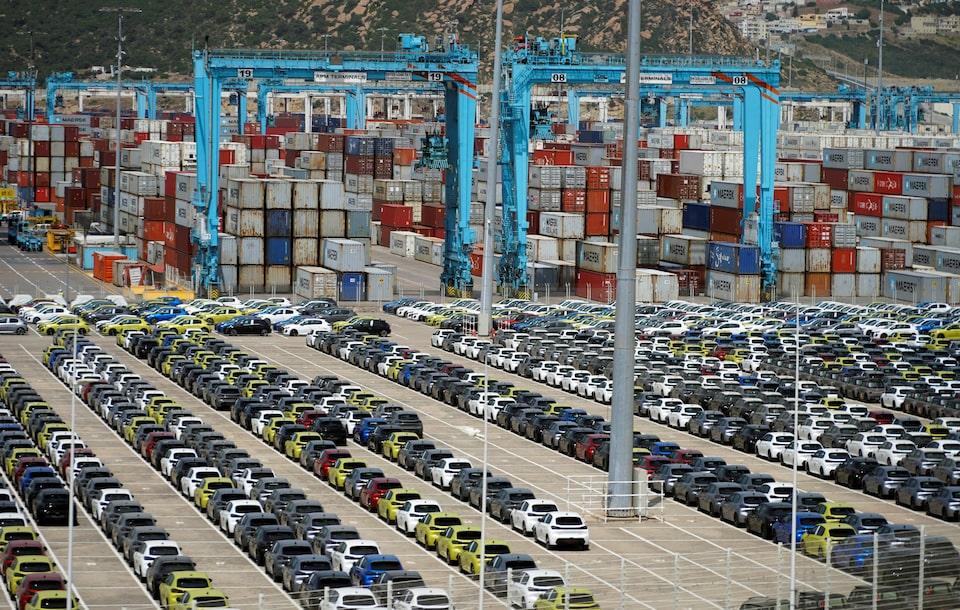
Long-promised duties on autos seen driving up prices, slowing production Auto stocks and wider market tumble on tariff worries Announcement precedes plans for April 2 reciprocal tariffs WASHINGTON, March 26 (Reuters) - U.S. President Donald Trump will announce plans for long-promised tariffs on automotive imports at a press conference on Wednesday, widening the global trade war he kicked off upon regaining the White House this year in a move auto industry experts expect will drive up prices and stymie production. The White House has given no details on the extent of the expected tariffs, including whether there would be any carve-outs for vehicles or parts produced under the umbrella of the U.S.-Canada-Mexico Agreement, the regional trade deal that Trump negotiated during his first term that provides for largely duty-free trade with the two largest U.S. trading partners. Sign up here. Trump himself has suggested tariffs could run "in the neighborhood of 25%." A senior automotive lobbyist told Reuters that the industry was bracing for a 25% tariff on imports of finished vehicles that would take effect on April 2, the same day Trump is due to announce separate reciprocal tariffs on a broad range of trading partners. The person added that there could be some room for parts exclusions and possible carve-outs for vehicles that met certain U.S. content thresholds, but offered no details. REVIVED TRADE PROBE Trade and legal experts and former U.S. officials told Reuters that to justify the tariffs, Trump was likely to revive , opens new tab a 2019 national security investigation into auto imports from his first presidential term. That Section 232 probe found that imports' rising share of the U.S. vehicle market threatened national security and recommended tariffs of 25-35% on certain vehicles, but Trump ultimately declined to impose the duties. Trump has long promised higher duties on imported cars, and the timing of the announcement suggests that they would coincide with his April 2 plans for reciprocal tariffs aimed at the countries responsible for the bulk of the U.S. trade deficit. Trump, who sees tariffs as a tool to raise revenue to offset his promised tax cuts and to revive a long-declining U.S. industrial base, has for weeks promised to announce those levies, and possibly some additional sectoral tariffs, on April 2. STOCKS FALL Shares of U.S.-listed automakers fell on news of the press conference on concerns that tariffs would send shock waves through a global auto industry that is already reeling from uncertainty caused by Trump's rapid-fire tariff threats and occasional reversals. The U.S. stock market was also lower on worries over tariffs, which have dogged investors for much of the last month. The benchmark S&P 500 Index (.SPX) , opens new tab was down more than 1% ahead of the press conference, and is down 4% so far in March for its worst monthly performance in nearly a year. Since taking office on January 20, Trump has announced and delayed tariffs on Canada and Mexico for what he alleges is their role in allowing the opioid fentanyl into the U.S.; set import taxes on goods from China for the same reason; launched hefty duties on imports of steel and aluminum; and has repeatedly touted his plans to announce global reciprocal tariffs on April 2. Tariffs could also drive costs of cars higher for consumers by thousands of dollars, hitting new vehicle sales and resulting in job losses, since the U.S. automotive industry relies heavily on imported parts, according to the Center for Automotive Research. The U.S. imported $474 billion worth of automotive products in 2024, including passenger cars worth $220 billion. Mexico, Japan, South Korea, Canada and Germany, all close U.S. allies, were the biggest suppliers. COST INCREASES Cox Automotive, an automotive services provider, on Wednesday forecast that if there are no tariff carve-outs for the auto industry on imports from Mexico and Canada, $3,000 would be added to the cost of a U.S.-made vehicle and $6,000 on a vehicle made in Canada or Mexico. If tariffs go through, by mid-April Cox expects disruption to “virtually all” North American vehicle production leading to 20,000 fewer vehicles produced per day, or about a 30% hit to production. “Over the longer term, we expect sales to fall, new and used prices to increase, and some models to be eliminated if those tariffs persist, and we've yet to hear details about tariffs on the European Union, Japan and South Korea,” Cox Chief Economist Jonathan Smoke said. “Bottom line, lower production, tighter supply, and higher prices are around the corner, reminiscent of 2021.” Incentives are already starting to decline, Cox noted. The new vehicle market is now looking at a return of inflation, Cox Senior Economist Charlie Chesbrough said on the firm’s forecast call. The average transaction price for a new vehicle is now $48,039, which is down from the peak of about $50,000 in December 2022 but up 1% from last year. “Given the impact of tariffs, prices are likely to start rising at a much faster rate,” Chesbrough said. https://www.reuters.com/world/us/trump-is-preparing-auto-tariff-announcement-soon-wednesday-bloomberg-news-2025-03-26/
2025-03-26 19:20
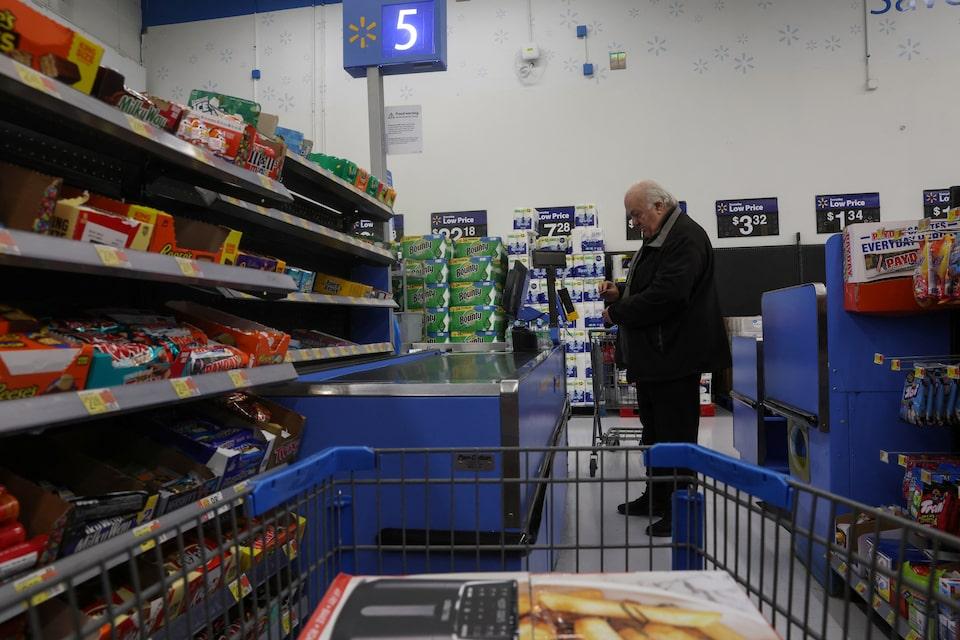
NEW YORK, March 26 (Reuters) - Walmart (WMT.N) , opens new tab is touting its Easter 2025 promotion as cheaper than in 2024 - even though its meal kit is missing a key component: eggs. The U.S. retailing giant features a yearly Easter promotional meal kit with several ingredients advertised as the ingredients needed for a holiday feast. This year's meal includes ham, russet potatoes, corn on the cob and a cream cake, serving eight people for less than $6 per person - lower than the price of 2024's meal, it said. Sign up here. Notably absent from this year's kit, however, are eggs, a key part of last year's offering, which are substantially pricier than a year ago as a result of shortages due to the bird flu outbreak that has forced a massive culling of herds. The 2024 kit , opens new tab had 15 items, including the ingredients for deviled eggs, with a promotional image displaying a box with 18 large brown eggs. That kit served up to 10 people at an average cost of less than $8 per person, the retailer said. "The items in the (2025) basket are based on some of the most popular Easter meal items. This year we did not include ingredients that are typically already found in one’s pantry like salt, pepper, butter, milk and eggs," Tricia Moriarty, a Walmart spokesperson said in an email. However, salt, pepper and dairy products have not been hit by shortages - and none are as closely associated with Easter as eggs, which are also used for decoration and Easter egg hunts, including an annual event on the White House lawn. This year, the U.S. government is considering imports of Brazilian and broiler chicken eggs to ease the burden of "egg-flation" while retailers have set limits on purchases and restaurants have bumped up the price of egg-based items on menus. What's more, Walmart reported record holiday quarter results in February, with its grocery revenue boosted by egg-price inflation. The company, now the nation's largest grocer, has not placed any broad purchase limits on eggs in stores, even though supply has been tight in places, Moriarty said. Walmart's Easter meal kit offer is valid until April 20. Among other Easter promotions, customers can also purchase two curated Easter baskets, containing Easter bunny chocolates, holiday accessories and paper grass for under $20 and under $40, it said. https://www.reuters.com/business/retail-consumer/walmarts-easter-meal-kit-leaves-out-eggs-2025-03-26/
2025-03-26 18:21
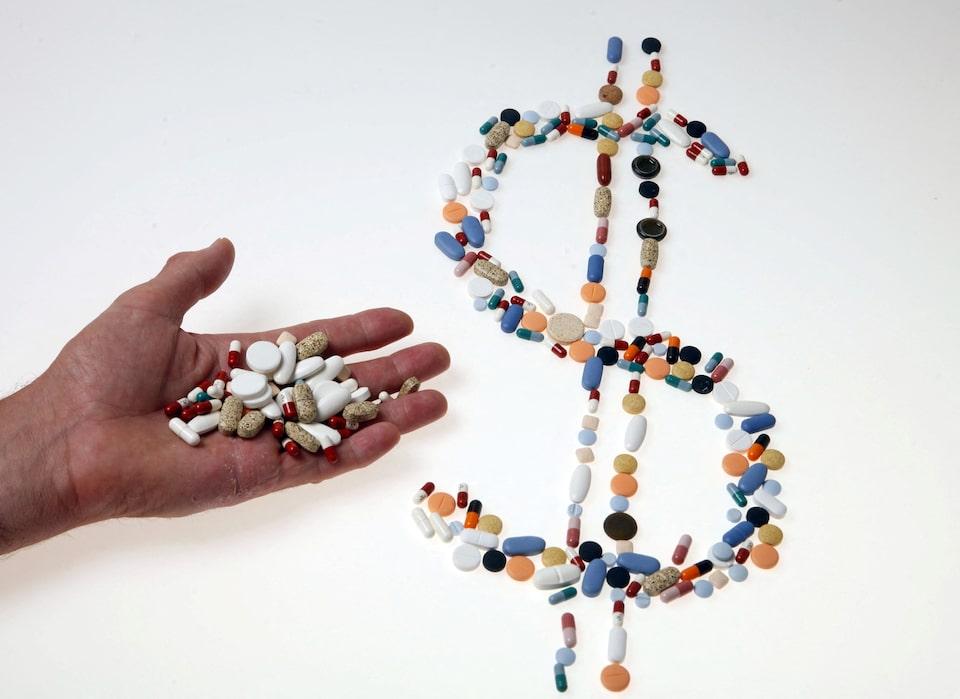
Policy changes create uncertainty for M&A deals CEOs distracted in deal talks by unrelated policy shifts Smaller deals could sustain growth in deal activity, bankers say NEW YORK, March 26 (Reuters) - Large deals involving pharmaceutical and biotech companies are stalling as executives grapple with mercurial White House economic policies that have roiled markets and set off a global trade war, according to four top healthcare investment bankers. The excitement late last year over U.S. President Donald Trump's election victory and prospects for a subsequent flurry of mergers and acquisition deals have quickly faded, they say. Sign up here. The political uncertainty is pushing some deals out by a few months or even quarters, said the four bankers, who lead healthcare deals at some of the most active U.S. M&A banks. C-suite meetings scheduled to talk about company valuations and price negotiations are now spent guiding bewildered executives through Trump's shifting policy moods, whether they directly impact their companies or not. "They say 'Gosh, I didn't see that coming.' Or, 'We're having tariffs, we're not having tariffs. We're having tariffs, we're not having tariffs,'" said one of the top healthcare dealmakers. "It's a massive distraction factor for CEOs," he said. "I try to get off the topic, because what do I have to add to it? It doesn't get us anywhere." He and the other bankers interviewed by Reuters asked not to be identified so they can freely criticize the government without fear of retribution. The White House did not respond to a request for comment. It's not tariffs and stock market volatility that have bankers most worried, they said. Trump's decision to install a vaccine skeptic as health secretary, dismiss thousands of employees of the U.S. Food and Drug Administration and other agencies, push for cuts to drug prices and slash federal research grants all have the potential to erode revenue and reduce the future pipeline for new drugs. A slowdown in healthcare deals is particularly noteworthy for Wall Street since the companies provide essential consumer goods, making them "defensive" or reliable stocks to invest in during economic downturns. Smaller healthcare deals should still drive M&A growth this year, bankers say. But fewer or smaller deals can indicate economic uncertainty, lack of capital to finance businesses, or less confidence in future growth prospects, the bankers and analysts said. "The uncertainty with the changeover in Washington has resulted in a lot of risk-off behavior from the investment community," said Dan Cocks, managing director for biotech equity capital markets business at Barclays. TARIFFS AND PATENTS U.S. tariffs, foreign retaliation, Trump's unconventional picks for top posts and geopolitical tension have pharma investors on edge, TD Cowen analyst Steve Scala said this month. For some healthcare subsectors, tariffs can have a bigger impact. Medical equipment producers such as GE Healthcare (GEHC.O) , opens new tab, Intuitive Surgical (ISRG.O) , opens new tab and iRhythm (IRTC.O) , opens new tab, which depend on imported parts from China or Mexico, said in recent earnings calls that tariffs will cost them revenue. Then there are the possibilities that Health Secretary Robert F. Kennedy Jr. could undermine the use of vaccines in the U.S., or of significant cuts to Medicaid health insurance for low-income Americans that could hurt not just public health but the drugmakers that supply those programs with medicines, Morgan Stanley analyst Monica Guerra said in a note this month. "Many people anticipated that there was a 'Trump put' in the stock market," Bernstein analyst William Pickering said of the assumption the Republican president would do whatever is necessary to keep the stock market happy. "It is clear now that there is not," he said in an interview. A 2% drop in the S&P 500 (.SPX) , opens new tab for the year is seen so far as manageable, with the selloff only affecting imminent deals when companies are trying to lock in a stock price. However, if recession whispers grow louder, the situation could change, bankers and analysts say. The hope that smaller deals will still drive M&A growth this year is fed by the need of large drugmakers to rebuild their development pipelines and product offerings through acquisitions as top-selling drugs face patent cliffs. Merck & Co (MRK.N) , opens new tab, Pfizer (PFE.N) , opens new tab, Bristol Myers Squibb (BMY.N) , opens new tab and AbbVie (ABBV.N) , opens new tab are among the companies that stand to lose billions of dollars in revenue by the end of the decade as some of their biggest drugs go off patent. The companies did not immediately reply to requests for comment. They are more likely to be on the hunt for smaller, private biotech firms that have drugs and therapies under development, instead of merging with a larger rival, bankers and analysts say. Pfizer and AbbVie are still digesting expensive acquisitions from a couple of years ago that have yet to deliver the expected revenue, analysts said. They are likely looking to buy companies at $1 billion to $2 billion with additional milestone payments tied to FDA approvals and clinical data readouts, Barclays' Cocks said, rather than spend $14 billion on a company early in its commercial launch stage. Should Trump urge the Federal Reserve to reduce interest rates, the capital-intensive biotech industry could reap lower borrowing costs, Bernstein's Pickering said. "We have all learned in the past month ... to never become overconfident about what you think someone will do." https://www.reuters.com/business/healthcare-pharmaceuticals/trump-turbulence-stalls-large-pharma-biotech-deals-bankers-say-2025-03-26/