2025-03-26 11:19
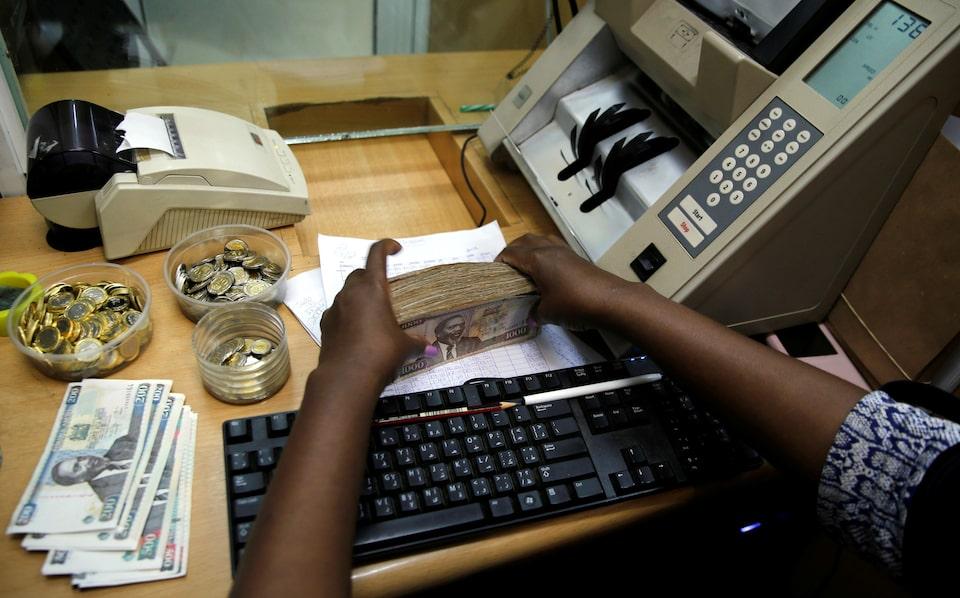
Reservoir-backed hydropower is Norway's main power source They are mostly replenished in spring when the snow melts Crucial to know how much snow to expect, and when OSLO, March 26 (Reuters) - Relatively wet and mild weather has kept Norway's hydropower reservoirs well-filled over the winter but also limits the risk of a large spring flood that could see water go to waste, the country's largest producer, Statkraft, told Reuters. Hydropower is the main electricity source for Norway, a major power exporter, and reservoirs can store huge quantities of water to produce electricity as and when needed, acting like a large battery. Sign up here. The hydrological conditions look favourable for now, Statkraft hydrologist Gaute Lappegaard told Reuters, but when and how quickly the snow melt will release new water into reservoirs will be key for the longer-term outlook. While northern Norway has seen a lot of snow this winter, the south, home to the largest reservoir capacity, has seen less precipitation, Lappegaard said. "And often, that precipitation through the winter has come as rain," he added. This means that reservoirs remain well-filled and above normal levels for the time of year, with even record levels measured in northern Norway, data from energy regulator NVE shows. For Statkraft, a key focus in the coming weeks is preparing its reservoirs to receive the water released by the snow melt, and throughout March, the company has sent teams to measure the snow at strategic points, Lappegaard said. To do so, the teams drill a cylinder into the snow and weigh its contents when pulled up. "It doesn't help to just measure the metres of snow because snow has different densities, and we need to find out how heavy the snow is. How much water will actually come out of it," the meteorologist said. This year's milder weather has resulted in less, albeit dense, snow in southern Norway, which is likely to reduce the overall volumes expected after the spring floods, he added. And with March and April looking mild, the snow should melt more gradually rather than resulting in a flood, allowing Statkraft to maintain control over the timing of its power production, Lappegaard said. https://www.reuters.com/business/environment/mild-weather-dense-snow-southern-norway-limit-risk-spring-flooding-2025-03-26/
2025-03-26 11:00
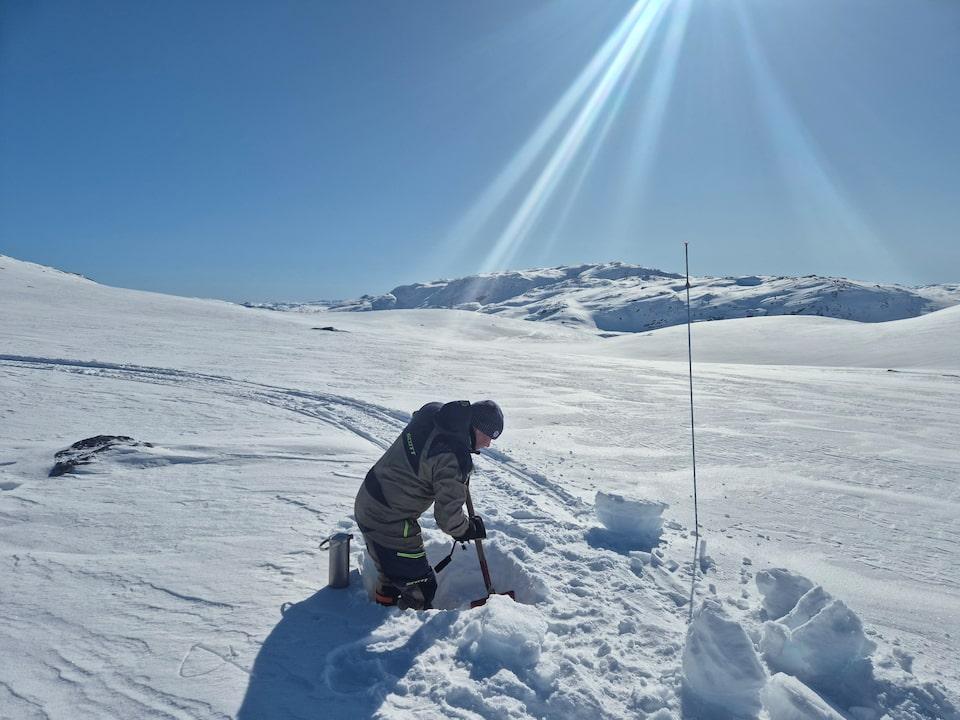
LONDON, March 26 (Reuters) - It's been a lousy start to the year for Wall Street, but any notion that a global trade war is fully priced by investors seems fanciful. Just look at currency markets. If you've lost track of what the U.S. administration's trade plan is currently, then rest assured that you're not alone. Sign up here. President Donald Trump's strategy ebbs and flows by the day amid periodic insistence that every country is going to pay, only to revert to seemingly random exclusions or added complexity via sectoral and national caveats. Slightly punch drunk, financial markets have reverted to behaving like a metronome: "risk on" with any suggestion that Trump is hesitating and "risk off" with every social media post calling for blanket U.S. trade retribution. As it stands, the latest nods and winks suggest the momentous April 2 announcement will be a messier than first billed - and the pressure on stocks and bond yields has lifted a bit to reflect that. Whether the administration's more equivocal stance is a result of the market's tantrum in recent weeks is an open question. But it's anyone's guess what measures will eventually show up and it's a pretty safe bet that whatever is announced will not be the end of it. So is the trade war risk fully priced in? How could it be? MODELLING THREATS Barclays FX strategist Themos Fiotakis and team have been brave enough to attempt to build a framework showing how currency markets might react in a full trade war scenario. And they reckon very little of the outsize risk is currently priced into foreign exchange rates, either from tariffs already announced or from those coming down the pike. The Barclays model works off the basic idea that tariffs will inflate the globally-cleared price of imports in the U.S. and that the dollar should nominally appreciate to offset the resulting real exchange rate effects. They judge the extent to which it has done so since Trump was elected for a second term last year by the size of moves since then that cannot be explained by economic considerations embedded in interest rate differentials. Needless to say, the matrix of what's already announced, what might be announced and what retaliatory measures are in place or expected gets pretty complicated. Numerous "ifs" and "buts" apply. Just one of many unknown wrinkles for the Canadian dollar and Mexican peso, for example, is the extent to which some imports will be exempt due to the USMCA agreements struck during Trump's first term. Barclays' conclusion is that of the four major currencies under the gun, the Canadian dollar is reflecting the most risk, with a 6% tariff premium already priced in. However, the strategists argue this is still less than half of the move that would be expected given the tariffs already in place, and even less based on those that might yet come. The euro's tariff-related loss since the election of some 4% is almost half of what might be expected given potential tariffs, insulating it to some degree. And if you take all of the worst-case scenarios, Barclays thinks the peso could be at risk for further depreciation of 38%, with a risk of a 21% decline for China's yuan from here, 19% for the Canadian dollar and 9% for the euro . Deutsche Bank emphasises differences in relative hits to the U.S. economy and rival markets of similar-sized tariffs, pointing out that a U.S. tariff on the euro zone would impact a greater share of the U.S. economy than that of Europe, whereas the opposite was true with the impact on Mexico. Complications aside, if you at least accept that currency markets are far from fully priced for what's coming, then it's unlikely stock or bond markets are much more prepared. To be sure, U.S. growth forecasts , opens new tab have been downgraded and full-year 2025 earnings growth forecasts for S&P 500 firms have been dragged lower. Year-end S&P 500 index (.SPX) , opens new tab targets have been cut too - even though consensus forecasts remain 15% above current levels. But if currency markets are any guide, the full blast of what's to come has yet to be absorbed. While it's still possible the Trump trade threats are mostly bluster - that's a nervy stance to cling on to as next Tuesday's "Liberation Day" approaches. The opinions expressed here are those of the author, a columnist for Reuters https://www.reuters.com/markets/currencies/fx-markets-still-suspect-trump-is-bluffing-mike-dolan-2025-03-26/
2025-03-26 10:34
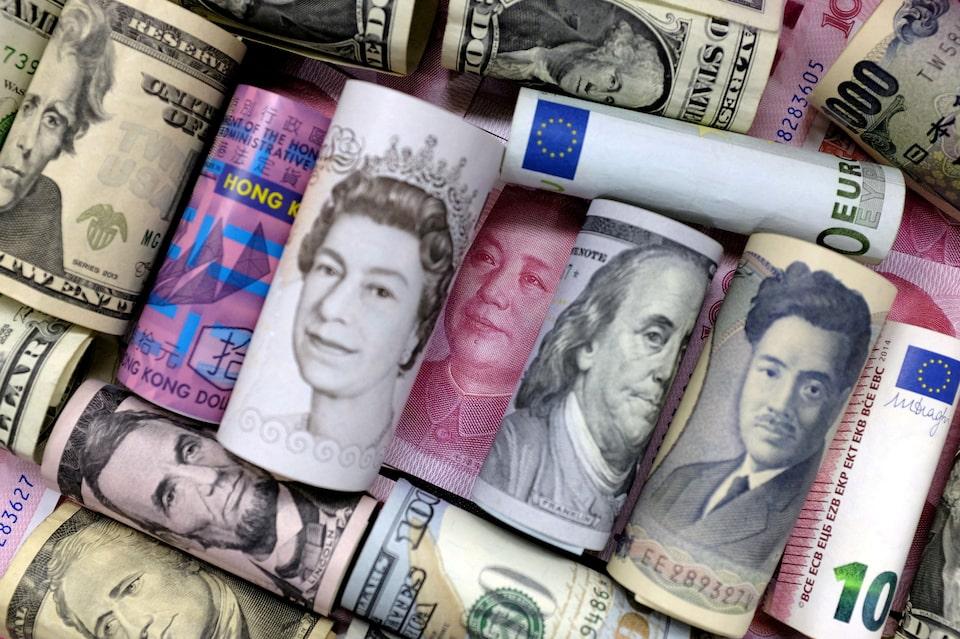
PARIS, March 26 (Reuters) - The Trump administration is unsettling the multilateral economic system, harming the U.S. economy in the process and to a lesser extent Europe as well, the head of France's central bank said on Wednesday. "Through his decisions and reversals, Mr. Trump destabilizes the multilateral system," Francois Villeroy de Galhau told lawmakers on the finance commission of the lower house of the French parliament. Sign up here. "This turnaround increases long-term risks, whether they are financial – think of crypto-assets or non-bank intermediation – or climatic," Villeroy said. The U.S. Federal Reserve's recent downgrade of its forecast was evidence that the Trump administration's policies were already harming the U.S. economy, he added. While the cost in Europe would be lower, an increase of U.S. tariffs in the second quarter would have a "limited" impact on European inflation and could reduce euro zone economic output by 0.3% in a full year, Villeroy said. https://www.reuters.com/markets/trumps-policies-harm-us-economy-french-central-banker-says-2025-03-26/
2025-03-26 10:07
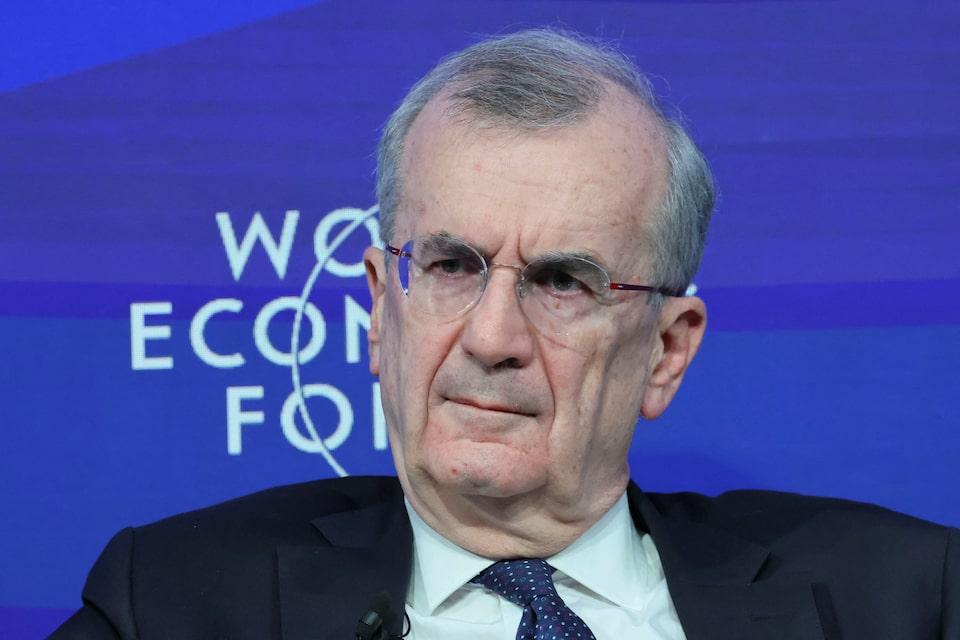
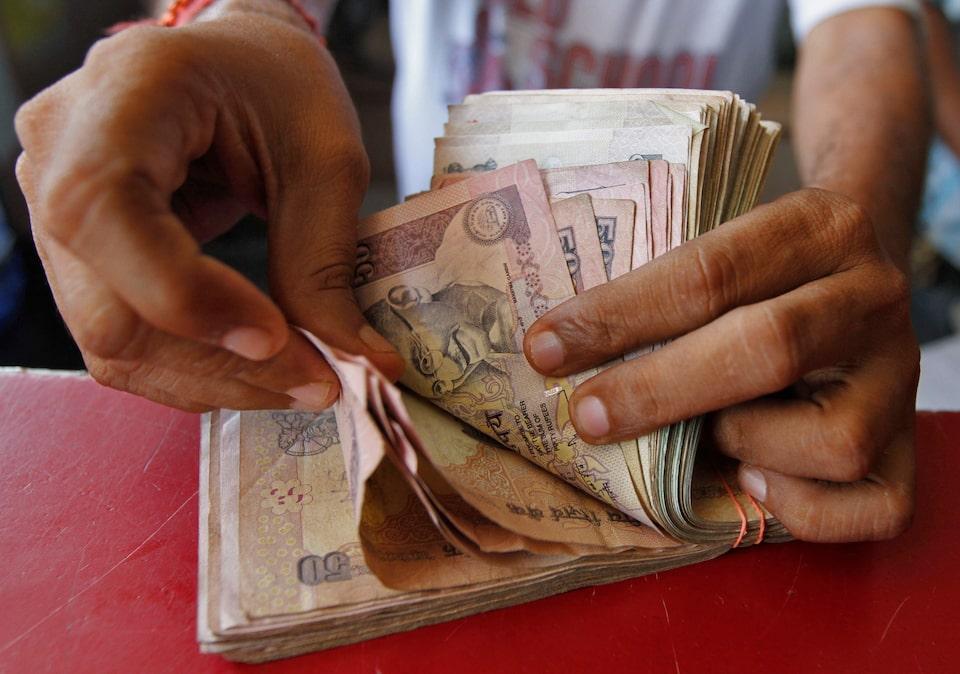
MUMBAI, March 26 (Reuters) - The Indian rupee closed marginally higher on Wednesday following a choppy trading session, influenced by maturity of positions in the non-deliverable forwards market, exporter activity, and mild dollar sales from foreign banks. The rupee ended at 85.7050 against the U.S. dollar, slightly higher from its previous close at 85.7550. The local currency hovered between 85.89 and 85.6850 through the session. Sign up here. Asian currencies were mixed while the dollar index was little changed at 104.2, with the focus turning to the upcoming announcement of reciprocal U.S. tariffs on April 2. Near-constant shifts in U.S. tariff policies have left traders unsure of how the announcement is likely to play out. However, the rupee has benefited from dollar inflows spurred by repatriation of corporate profits and a pick up in foreign portfolio investments over recent sessions. Overseas investors have bought more than $2 billion worth of Indian shares in the last four days, while month-to-date inflows into bonds stood at little over $3 billion. Two other things also helped the rupee on the day - interbank traders' interest in running overnight long positions ahead of the financial year end and high returns from carry, traders said. Following the recent string of gains, the rupee appears to be in a "consolidation period", and is unlikely to stray much from the 86.50-87.20 range ahead of the U.S. tariff announcement, a trader at a state-run bank said. Activity in the global FX options market signalled that market participants do not expect the announcement to reignite volatility. However, uncertainty over the tariffs and the prospect of large-scale government spending cuts has contributed to a sharp fall in U.S. consumer sentiment, which has declined to levels last seen in 2013, per data released on Wednesday. "Beyond an initial period of possible U.S. dollar recovery we continue to see scope for further dollar depreciation," MUFG Bank said in a note. https://www.reuters.com/markets/currencies/rupee-ends-tad-higher-likely-consolidate-ahead-us-tariff-announcement-2025-03-26/
2025-03-26 09:59
Underlying inflation heading towards BOJ's target Koeda warns of high overseas uncertainty Japan showing signs of progress in wage-price cycle Koeda becomes 2nd female in male-dominated BOJ board TOKYO, March 26 (Reuters) - New Bank of Japan board member Junko Koeda said the country's real interest rates are currently "extremely low," as inflation accelerates backed by solid growth in wages. While she declined to comment on how soon the central bank should raise interest rates, Koeda said underlying inflation was key to judging whether Japan could sustainably meet its 2% price target. Sign up here. "Looking at various indicators, we can say Japan's underlying inflation is heading towards" the central bank's 2% target, said Koeda, a former academic who joined the board on Wednesday. Japan is showing signs of progress in achieving an environment where prices and wages increase in tandem, she said. "Real interest rates are currently extremely low," she said, adding that the BOJ must scrutinise how rising prices could affect corporate behaviour and public perceptions about inflation. Koeda also said there was high uncertainty on overseas economic developments, including the potential impact of U.S. trade policy. The government in January nominated Koeda, who had warned of the cost of prolonged monetary easing, to succeed Seiji Adachi. It is the first time two women have sat on the nine-member board which until Koeda's arrival had Junko Nakagawa as its sole female member. Koeda said that after Japan's long experience of ultra-low interest rates the BOJ must closely monitor how its recent rate hikes could affect the economy as some of those effects may only appear with a lag. She has joined the board at a critical time for the BOJ, which ended a radical policy of stimulus last year and raised interest rates in January to 0.5% - still low by global standards but the highest level Japan has seen since the 2008 global financial crisis. BOJ Governor Kazuo Ueda has signalled the bank's readiness to keep raising interest rates if economic and price developments move in line with its forecasts. But he has not specified how far the BOJ could eventually raise rates, citing the difficulty of estimating the country's neutral interest rate, the level where rates neither cool nor overheat the economy. Some analysts hope that Koeda, an academic specialising in macroeconomics and finance, will bring her expertise to the BOJ's analyses focusing on where Japan's neutral rate may lie. "The neutral interest rate is an important concept in guiding monetary policy," Koeda said. "We need to look not just at the actual estimates, but the features and hypothesis of the data and models used to produce them," she said. Analysts see Koeda as hawkish on monetary policy given her past studies warning of the cost of prolonged, ultra-low interest rates. A month after the BOJ's decision in March 2024 to end negative interest rates, Koeda endorsed the move in a newspaper commentary, saying that it went in the right direction, and she called for the need to shrink the BOJ's massive balance sheet. But Koeda said on Wednesday it was hard to conclude now the pros and cons of the BOJ's prolonged history of unconventional monetary easing steps. "My analyses have been mostly about the economic impact of (the BOJ's) exit from the zero lower bound," she said. "The same model cannot be used to assess how the economy could respond to a hike in already positive interest rates," she said. https://www.reuters.com/markets/rates-bonds/new-boj-board-member-koeda-says-real-interest-rates-very-low-2025-03-26/

2025-03-26 09:28
NAIROBI, March 26 (Reuters) - The Kenyan shilling was stable on Wednesday, supported by foreign-currency inflows from the diaspora and tea exports, traders said. At 0915 GMT, commercial banks quoted the shilling at 129.10/129.60 to the U.S. dollar, the same level as at the close of Tuesday's session, LSEG data showed. Sign up here. https://www.reuters.com/markets/currencies/kenyan-shilling-flat-supported-by-fx-inflows-diaspora-tea-exports-2025-03-26/