2026-01-13 10:24
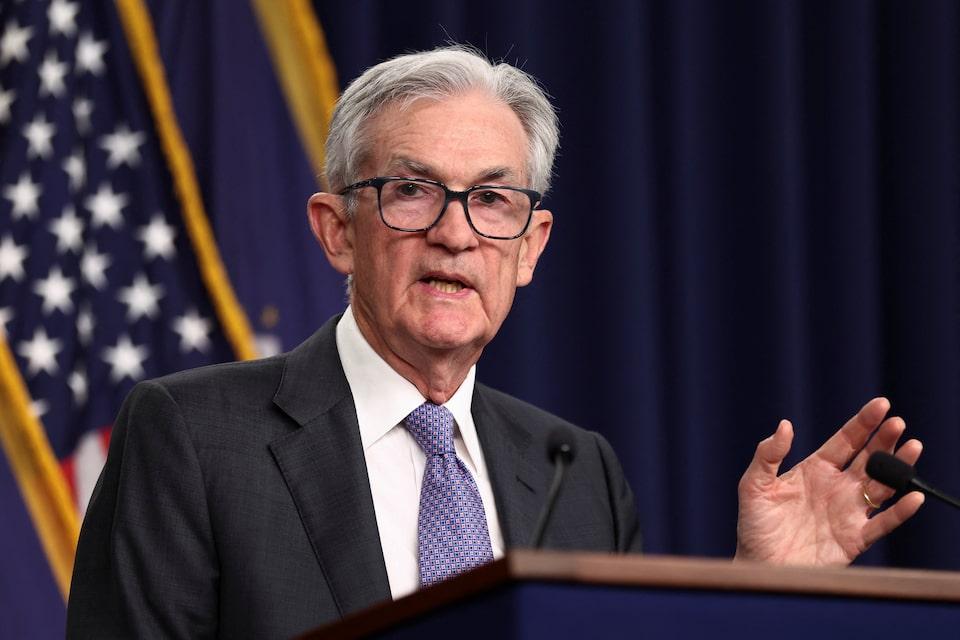
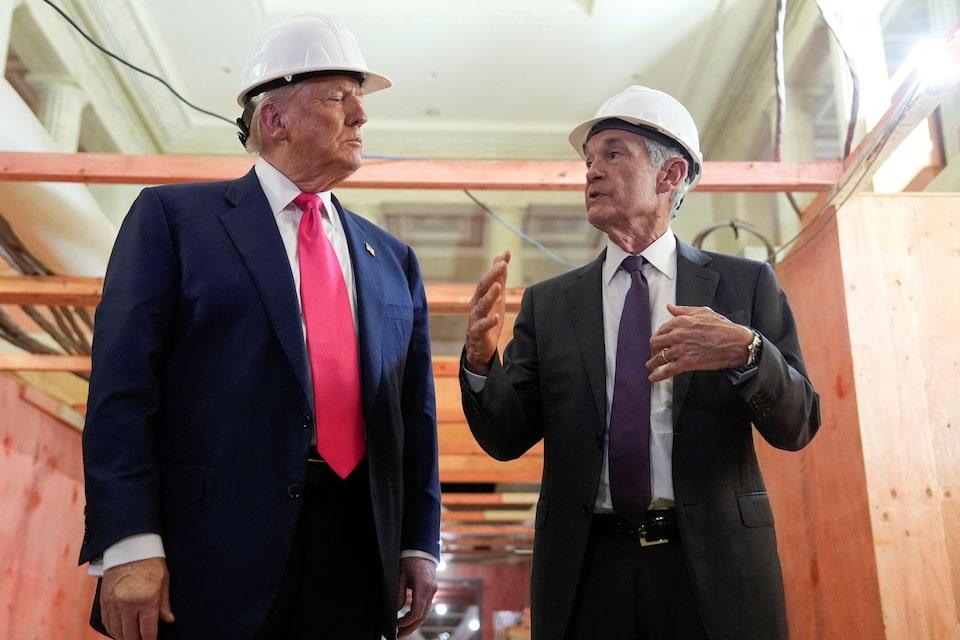
FRANKFURT, Jan 13 (Reuters) - The chiefs of many of the world's major central banks issued a joint statement in support of Federal Reserve chair Jerome Powell on Tuesday after the Trump administration threatened him with a criminal indictment. "We stand in full solidarity with the Federal Reserve System and its Chair Jerome H. Powell," the heads of the European Central Bank, the Bank of England and nine other institutions said. Sign up here. "The independence of central banks is a cornerstone of price, financial and economic stability in the interest of the citizens that we serve," they added. The U.S. administration's criminal probe is formally about the renovation of the Fed's headquarters but Powell called it a "pretext" to win presidential influence over interest rates. https://www.reuters.com/business/finance/global-central-bankers-defend-feds-powell-after-trump-threat-2026-01-13/
2026-01-13 07:42
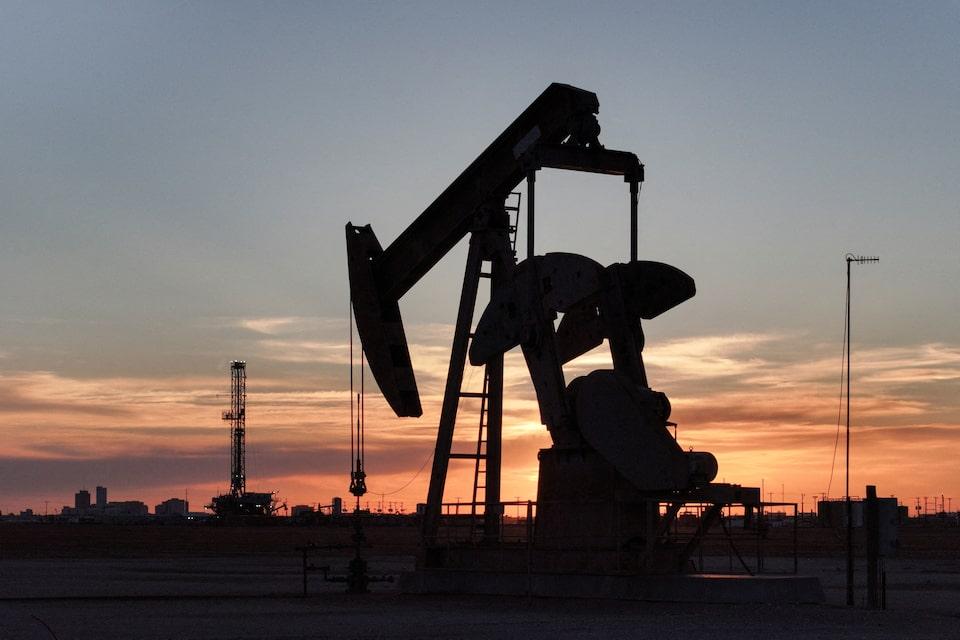
Iran faces biggest anti-government demonstrations in years Unrest in Iran adds $3 to $4 a barrel risk premium, Barclays says US tariffs on Iran could hit oil exports to China NEW YORK/LONDON, Jan 13 (Reuters) - Oil prices surged by more than 2% on Tuesday as the prospect of disruptions to Iranian crude exports overshadowed possible increased supply from Venezuela. Brent futures jumped by $1.60, or 2.5%, to settle at $65.47. U.S. West Texas Intermediate crude settled at $61.15 a barrel, climbing $1.65, or about 2.8%. Sign up here. "The oil market is building in some price protection against geopolitical drivers," said PVM Oil Associates analyst John Evans, highlighting the potential exclusion of Iran's exports, trouble in Venezuela, talks on Russia's war in Ukraine and U.S. interest in taking control of Greenland. Iran, one of the top producers in the Organization of the Petroleum Exporting Countries, is facing its biggest anti-government demonstrations in years. A government crackdown against protesters that an Iranian official says has killed about 2,000 people and led to the arrest of thousands more, drew a warning from U.S. President Donald Trump of possible military action. Trump said on Monday that any country that does business with Iran will be subjected to a tariff rate of 25% on any business conducted with the United States. China is the biggest customer for Iranian crude. "I don't think China, for example, is going to shy away from Iranian barrels but if it did, and if everybody did, that would reduce global supplies by 3.3 million barrels a day that are currently supplied to the market by Iran," said Bob Yawger of Mizuho Securities in New York. On Tuesday, Trump posted on his social media site that protesters in Iran should "take over your institutions" and that "help is on its way." Trump said he had cancelled meetings with Iranian officials until protester deaths had stopped. Prices briefly rose by more than 3% to a three-month high following the statement. Also signalling tighter supplies ahead, four Greek-managed oil tankers were struck by unidentified drones on Tuesday. The tankers were in the Black Sea on the way to load oil at the Caspian Pipeline Consortium terminal off the Russian coast, eight sources told Reuters. Worries over a supply glut have taken a backseat for now, said Rystad analyst Janiv Shah, adding that excess refinery throughput in Europe was weighing on the gasoil market. UNREST SUPPORTING BRENT'S PREMIUM Brent crude oil's premium to Middle East benchmark Dubai rose on Tuesday to its highest since July as geopolitical tensions in Iran and Venezuela supported the global price marker, LSEG data showed. "Unrest in Iran has added about $3-$4 a barrel in geopolitical risk premium in oil prices, in our view," Barclays analysts said in a note. Markets are also grappling with concern over additional crude supply hitting the market with a resumption in Venezuelan exports. After the ousting of President Nicolas Maduro, Trump said last week that Caracas is set to hand over to the U.S. as much as 50 million barrels of oil subject to Western sanctions. Global oil trading houses have emerged as early winners in the race to control Venezuelan crude flows, getting ahead of U.S. energy majors. https://www.reuters.com/business/energy/oil-prices-gain-iran-supply-disruption-concerns-2026-01-13/
2026-01-13 07:34
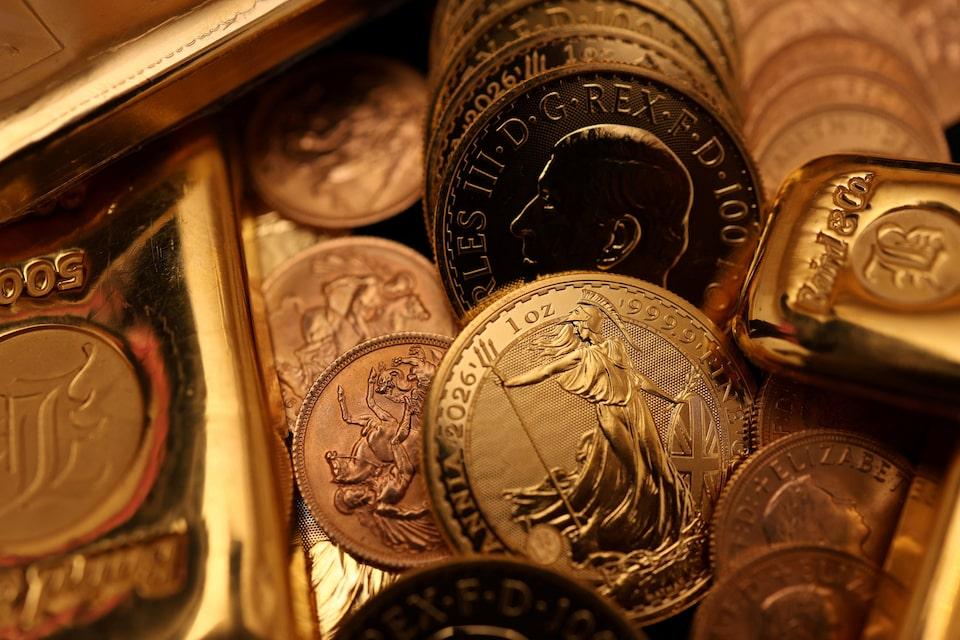
Gold hit record high of $4,629.94/oz on Monday Silver hit all-time high of $86.22/oz on Monday US Consumer Price Index data due at 1330 GMT Jan 13 (Reuters) - Gold prices were largely steady near their all-time peak on Tuesday, supported by concerns over Russia intensifying attacks on Ukraine and the situation in Iran, while investor caution ahead of key inflation data limited upside momentum. Spot gold traded 0.2% lower at $4,586.15 per ounce as of 1134 GMT, following a record high of $4,629.94 in the previous session. U.S. gold futures for February delivery slipped 0.4% to $4,595.10. Sign up here. "A modest recovery in the U.S. dollar, driven by hawkish comments from a senior Fed official, and investors’ focus on the release of U.S. CPI data later in the session acts as a headwind (for gold)," said ActivTrades analyst Ricardo Evangelista. Federal Reserve Bank of New York President John Williams said on Monday that the central bank does not face any near-term pressure to change the stance of monetary policy. Investors are currently anticipating two interest rate cuts this year, with today's Consumer Price Index data expected to provide further clues on monetary policy going forward. On the geopolitical front, Russian forces launched the year’s most intense wave of missile attacks on Ukraine early on Tuesday, killing four people and injuring several others. U.S. President Trump said on Monday any country that does business with Iran will face a 25% tariff on trade with the United States. Non-yielding assets tend to do well in a low-interest-rate environment and when geopolitical or economic risks spike. "With (gold) prices consolidating above the $4,500 level, supported by a bearish outlook for the dollar and ongoing geopolitical uncertainty, the $5,000 mark appears increasingly within reach and could be tested in the first half of the year," Evangelista added. Meanwhile, U.S. exchange operator CME Group (CME.O) , opens new tab announced on Monday that it is changing the way it sets margins for precious metals to ensure adequate collateral coverage in view of the current market volatility. Elsewhere, spot silver gained 0.9% to $85.72 per ounce after hitting an all-time high of $86.22 on Monday. Spot platinum rose 0.1% to $2,344.89 per ounce after scaling a record peak of $2,478.50 on December 29. Palladium slid 1.2% to $1,820.75 per ounce. https://www.reuters.com/world/india/gold-steadies-below-record-4600oz-investors-book-profits-2026-01-13/
2026-01-13 07:14
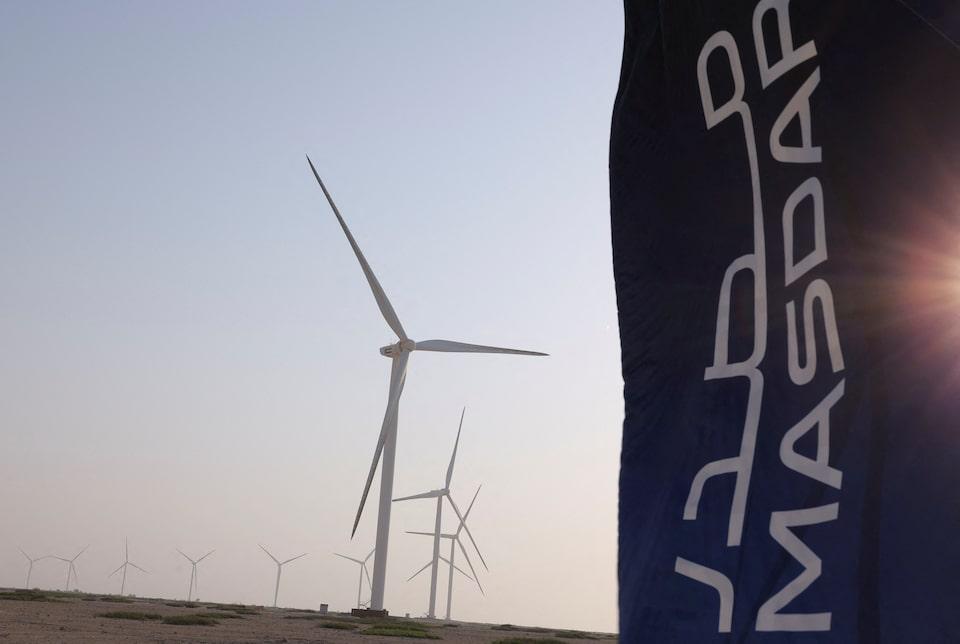
DUBAI, Jan 13 (Reuters) - United Arab Emirates' state-owned renewable energy company, Masdar, has reached a global capacity of 65 gigawatts of clean energy as it heads towards its goal of 100 GW by 2030, Chairman Sultan Al Jaber said on Tuesday in opening remarks during the Abu Dhabi Sustainability Week. Masdar, owned by Abu Dhabi's Mubadala and national oil company ADNOC, has expanded rapidly in recent years through acquisitions and investments in renewable energy projects in Europe, the United States and recently in Austria. Sign up here. The United Arab Emirates has pledged to reach net zero emissions by 2050. Al Jaber said the UAE had structured its economy to adapt to technological change, describing artificial intelligence as "no longer a tool we add at the margins" but "the operating system of our industrial strategy." https://www.reuters.com/business/energy/uaes-masdar-reaches-global-capacity-65-gw-clean-energy-2026-01-13/
2026-01-13 07:06
LONDON, Jan 13 (Reuters) - By hook or by crook, U.S. President Donald Trump seems intent on cutting the cost of credit further - potentially stoking GDP growth already north of 4% and underscoring concerns about overheating the economy. Over the past week alone, Trump's administration has launched what Federal Reserve boss Jerome Powell described as a "pretext" for dismantling Fed independence, proposed a cap on credit card rates and ordered the purchase of $200 billion of mortgage bonds to help cut housing credit costs. Sign up here. Dissatisfied with the Fed's unwillingness to cut interest rates faster and deeper, Trump's political capture of the central bank could take some time and will meet considerable opposition from within the Fed, finance grandees and even some Republicans in Congress. But time for easier credit to make a difference to voters in a midterm election year is running thin. Awaiting a more compliant Fed, the administration appears hell-bent on using a mix of regulation and Treasury cash to cut credit card bills and mortgage rates further. The efficacy of these moves is still unclear - with some fearing a credit card rate cap at 10% for a year may backfire by forcing card firms to pull credit lines from lower-rated borrowers altogether. But the direction of government credit policy - to the extent that it now has one distinct from, and in places at odds with the Fed - seems clear. Perhaps most important for Trump is the political optics of being seen to try. Few doubt that cutting borrowing costs would be popular with voters struggling to pay their bills. Repeated opinion polls on the cost of living often reflect alarm about monthly credit payments as much as the prices of goods and services per se. But popularity alone does not make for sound economic policy in the long run. EASING BY DECREE The long-term concern is that political pressure, combined with efforts to offset Fed policy, will undermine the central bank's credibility in meeting its inflation target. That, in turn, could leave its prized independence at the mercy of this or any future government, rather than its own hard-nosed judgment. Near-term, there's a reasonable worry that any further policy easing moves right now are unjustified. Financial conditions are already very loose, the economy is tracking annualized growth in excess of 4% through the end of last year, and inflation is settling above the Fed's target. Fed policy as it stands presumably includes an assumption about prevailing credit card rates and the impact of rolling mortgage bonds off its balance sheet. If the administration effectively eases both of those conditions, a new question about the appropriate Fed policy rate may well be raised internally. Even though the labor market picture remains somewhat foggy, a fresh decline in the national jobless rate to below 4.4% last month - alongside an acceleration in annual wage growth - showed little sign of significant weakening in employment. If accelerated Fed easing now sustains a "re-acceleration" of growth, there's a decent chance that running the economy "hot" sees inflation fail to return to target and pick up steam eventually too - regardless of what you think of tariff impacts. After all, the push to soften monetary conditions even further this year comes just as last summer's fiscal boost of tax cuts and spending kicks in fully through early 2026. Breaking ranks with many of its peers and market pricing for two more Fed cuts this year, JPMorgan (JPM.N) , opens new tab now thinks the next Fed rate move is actually up - sometime in 2027. By that logic, any further cuts - especially any seen to be politically influenced - may just build a case for harsher tightening, whether the Fed would be "allowed" to do that eventually or not. "Rather than pushing for rate cuts, the economic environment by the middle of this year could shift the debate such that the next Fed chair is likely to be resisting calls for higher interest rates," wrote Fed watcher Tim Duy at SGH Macro Advisors. "Failure to resist those calls, or to even cut rates further as is currently sought by Trump, would be the classic policy error of a central bank stripped of its independence." If the "hot" economy is demanding a halt to easing but credit rates are loosening anyway in one shape or form, it's not hard to see why record-high Wall Street stocks have largely lapped up the prospect. Monday's dollar (.DXY) , opens new tab retreat and gold surge speak a bit more clearly to the long-term inflation anxiety, while relative calm in Treasuries - much like last year - remains something of a head-scratcher. Speaking last week of the administration's view of the Fed stance, Treasury Secretary Scott Bessent , opens new tab rather strangely evoked an uncomfortable memory of the late 1990s. "The Fed needs to have merely an open mind. The open-mind maestro, former Fed Chairman Alan Greenspan, resisted premature rate hikes during the technology boom of the 1990s — and history proved him right." While history may have proven him right about making space for the internet to thrive, it also records how that stance allowed one of the biggest stock market bubbles and busts to unfold over the turn of the new millennium. The opinions expressed here are those of the author, a columnist for Reuters. -- Enjoying this column? Check out Reuters Open Interest (ROI), your essential new source for global financial commentary. Follow ROI on LinkedIn. Plus, sign up for my weekday newsletter, Morning Bid U.S. https://www.reuters.com/markets/us/fighting-fed-trump-tries-credit-easing-by-decree-2026-01-13/
2026-01-13 07:02
Prime Minister Lecornu announces measures, farmers demand more concessions Farmers dump potatoes outside French parliament in protest Mercosur deal approval intensifies pressure on French government French farmers criticize Mercosur deal for ignoring EU Parliament's input PARIS, Jan 13 (Reuters) - French farmers, who drove tractors into Paris on Tuesday, plan to stay overnight in the city centre to protest against an EU-Mercosur trade deal they say threatens local agriculture by creating unfair competition with cheaper South American imports. Farmers in France, the European Union's largest agricultural producer, and other member states have been protesting for months over the EU-Mercosur deal and numerous local grievances. Sign up here. The demonstration on Tuesday was organised by the FNSEA, which is one of France's largest farm unions. A separate farmers' union, the Coordination Rurale, had brought tractors below the Eiffel Tower and the Arc de Triomphe last Thursday in a surprise demonstration. To assuage the protesters, Prime Minister Sebastien Lecornu announced a series of measures that would only kick in when and if a budget is approved. He did not convince the farmers, who decided to spend the night in the city to force more concessions. "The progress made appears insufficient. They have decided to remain until new negotiations can begin with the government," Damien Greffin, vice president of the FNSEA and a farmer from the Paris region. Lecornu said on X he asked the agriculture minister to prepare an "emergency bill" targeting water, wolf attacks on herds and production issues, many of which were highlighted by the FNSEA. The government will also propose fiscal measures, including enhanced precautionary savings and support for farmers to better cope with economic shocks. The measures would only become a reality when the divided parliament eventually passes its delayed 2026 budget bill, he emphasized. The Paris police estimated around 350 tractors were at Tuesday's demonstration. Tractors had converged again by the Arc de Triomphe and continued to the French parliament building, where some farmers dumped several metric tons of potatoes. "The Mercosur agreement was approved even though the European Parliament hasn't had its say. This is going to lead to imports of foreign goods that we are perfectly able to produce in France and that don't respect standards which are imposed on French farming," said Greffin. He said that beside the protest in front of the French parliament, farmers were also planning to demonstrate at the European Parliament in Strasbourg on January 20. The Mercosur deal's approval by most EU states on Friday, despite France's rejection, has intensified pressure on the government from farmers and opposition parties, some of which have filed no-confidence motions. "Farming is going through a crisis like we've never seen and we need to make ourselves heard," said Guillaume Lefort, a crop farmer from Seine-et-Marne in the Paris region, holding an FNSEA flag in front of the lower house of parliament building. https://www.reuters.com/business/french-farmers-stage-new-paris-protest-bid-halt-mercosur-deal-2026-01-13/