2026-01-13 07:02
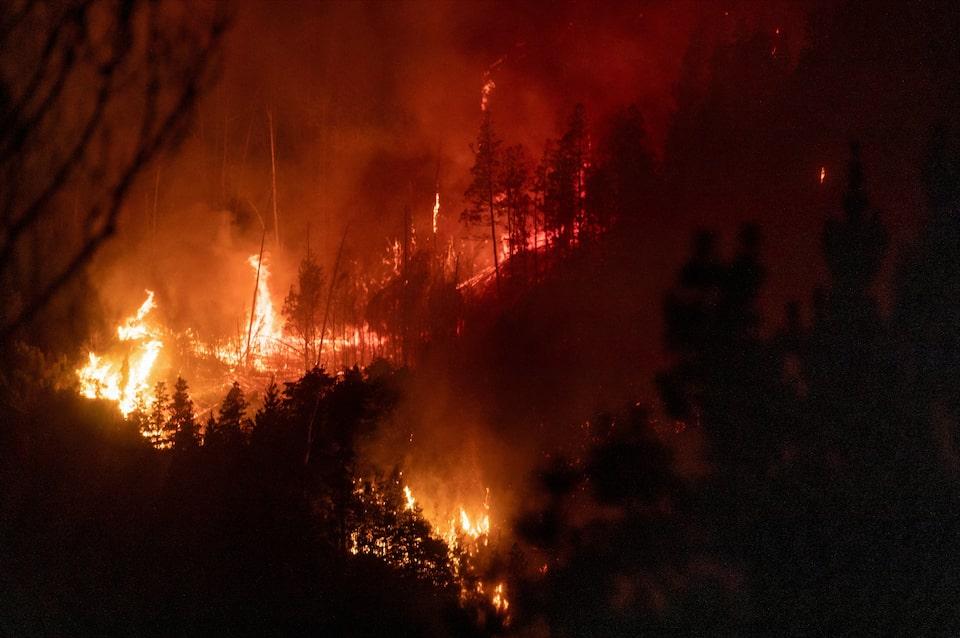
BERLIN, Jan 13 (Reuters) - Global insured losses from natural disasters fell to $108 billion last year, Munich Re said in a report on Tuesday. That compared with an inflation-adjusted $147 billion in 2024, the German reinsurer said, as the U.S. mainland avoided hurricanes for the first time in 10 years. Sign up here. Munich Re's total estimate for last year sightly exceeds Swiss Re's of $107 billion, which it published in December. Damage from floods, wildfires and severe storms was the main contributor to insured losses, accounting for $98 billion. This exceeded an inflation-adjusted average for the past 10 years of $60 billion, Munich Re added. "The year got off to a rough start, with very high losses caused by the wildfires in Los Angeles," said Thomas Blunck, a member of Munich Re's management board. "Sheer luck spared the United States from hurricane landfalls in 2025. But the country is still number one in loss statistics," Blunck added. The costliest insured disaster of 2025 was the Los Angeles wildfires, Munich Re said, followed by days-long thunderstorms in central and southern U.S. states in March. "A warming world makes extreme weather disasters more likely," said Tobias Grimm, Munich Re's chief climate scientist. The global mean temperature between 2015 and 2024 was 1.24 to 1.28°C warmer than pre-industrial levels, making it the warmest decade on record, the European Environment Agency said in a report released in June last year. Total losses from natural catastrophes, including those not covered by insurance, were lower than the 10-year average at $224 billion in 2025, and down from $368 billion in 2024. An earthquake of 7.7 magnitude in Myanmar in March, where only a small share was insured, was the second most expensive disaster by overall losses of 2025, Munich Re said. https://www.reuters.com/sustainability/climate-energy/wildfires-storms-fuel-2025-insured-losses-108-billion-munich-re-says-2026-01-13/
2026-01-13 06:51
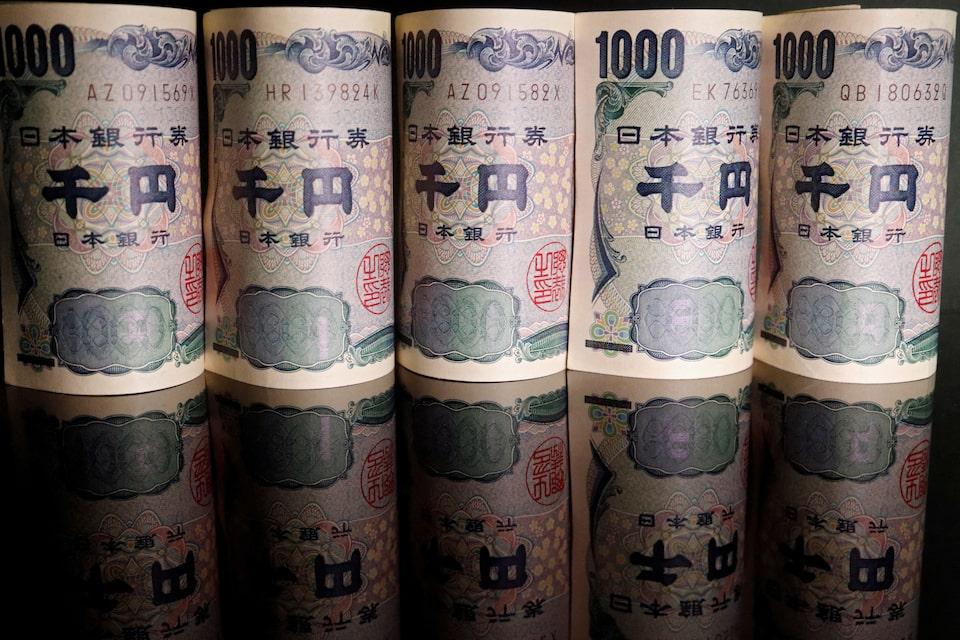
Yen tumbles on Japan's fiscal spending concerns Fed has more room to cut rates amid inflation data Traders watch for possible yen intervention by Japan NEW YORK, Jan 13 (Reuters) - The Japanese yen tumbled to its weakest level against the U.S. dollar since July 2024 on Tuesday on concerns about looser fiscal and monetary policy in the country. The dollar was broadly higher following a brief dip on data showing that consumer prices were largely as economists expected last month. Sign up here. Japanese Prime Minister Sanae Takaichi may call an early general election, the head of her party's coalition partner said on Sunday, after media reported she was considering a February vote. It would give Takaichi a chance to capitalize on the strong public approval ratings she has enjoyed since taking office in October. “The implications for the yen are quite negative because Takaichi is a dove on both the fiscal and monetary fronts, so fiscally she would be very comfortable with a looser, higher deficit policy,” said Eric Theoret, currency strategist at Scotiabank in Toronto. The Japanese yen weakened 0.6% against the greenback to 159.11 per dollar. The rapid weakening in the yen is also putting traders on watch for a possible intervention to shore up the currency. Japan's Finance Minister Satsuki Katayama said she and U.S. Treasury Secretary Scott Bessent shared concerns over what she called the yen's recent "one-sided depreciation", as Tokyo stepped up threats of intervention to stem the currency's fall. The U.S. currency briefly dipped after consumer prices were seen as potentially giving the Federal Reserve more room to cut rates as policymakers balance concerns about still sticky price pressures against a weakening labor market. "Today's data adds further support to the notion that inflation is trending down," Preston Caldwell, chief U.S. economist at Morningstar, said in a note. The Consumer Price Index rose 0.3% last month for an annual gain of 2.7%, while core CPI rose by 0.2% in December for a 2.6% year-on-year increase. Market reaction suggests that traders were positioned for a potentially larger increase in prices, said Theoret, noting risk-sensitive currencies including the Australian dollar rallied after the report. “There's a concern now that we've maybe reached the local lows in terms of inflation,” Theoret said. “Maybe people were positioned for the alternative, which would have been an upside surprise.” Fed officials are hedging about how much rising will help return inflation to the U.S. central bank's 2% target, reiterating this week they need to keep interest rates at current levels until it becomes clearer that price pressures will ease. The dollar index , which measures the greenback against a basket of currencies including the yen and the euro, was last up 0.28% at 99.15, with the euro down 0.17% at $1.1647. Sterling weakened 0.23% to $1.3428. The Australian dollar was last down 0.45% versus the greenback at $0.668, after briefly bouncing to $0.6725 on the data. The dollar was boosted on Friday after data showed solid jobs growth in December, which further boosted expectations that the U.S. central bank will keep rates on hold at its January 27-28 policy meeting. Fed funds futures traders' pricing shows that a cut is not seen as likely until June. Traders are also considering the issue of Fed independence after the U.S. Department of Justice threatened to indict Federal Reserve Chair Jerome Powell in connection with a building renovation project. Global central bank officials issued a coordinated statement of support for Powell on Tuesday. U.S. President Donald Trump is expected to announce in the coming weeks his candidate to replace Powell as chair when his term ends in May. Trump said on Tuesday that December's inflation data supported his push for Powell to cut rates. Rising geopolitical tensions also remain a focus after the United States took Venezuelan leader Nicolas Maduro into custody and as protests rock Iran and Trump expresses his desire for the U.S. to acquire Greenland. Traders are also watching for a Supreme Court decision on the legality of Trump’s tariff policies, which could come as soon as Wednesday. In cryptocurrencies, bitcoin gained 3.12% to $93,811. https://www.reuters.com/world/asia-pacific/dollar-wobbles-markets-fret-about-threat-fed-independence-2026-01-13/
2026-01-13 06:50
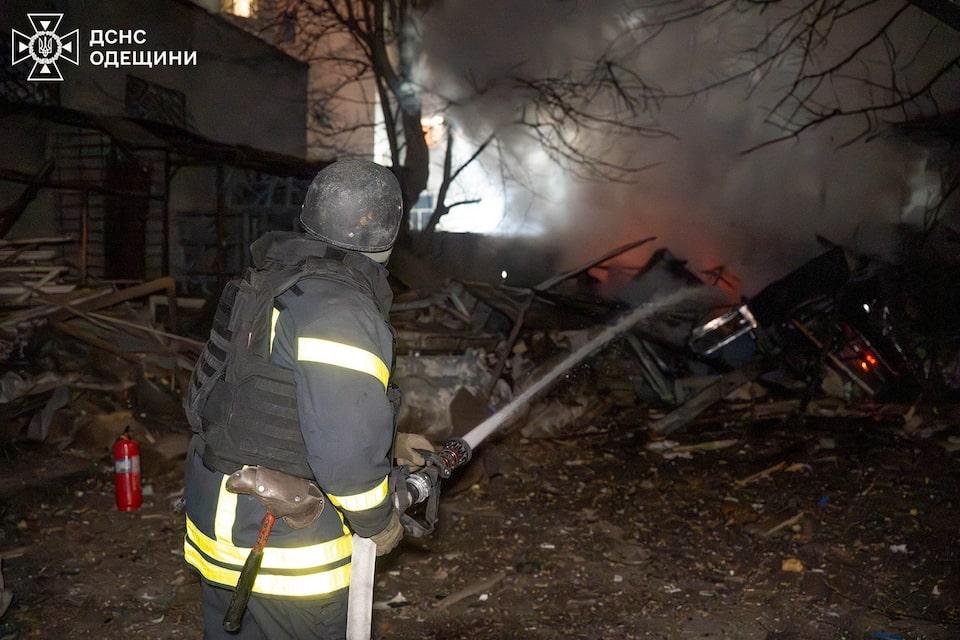
Emergency power cuts in Kyiv, regions due to Russian strikes Cold weather exacerbates strain on Ukraine's energy system, Kharkiv postal terminal hit, killing four, regional governor says KYIV, Jan 13 (Reuters) - Russia struck cities across Ukraine with missiles and drones overnight in one of its biggest attacks of the New Year so far, killing at least four people and knocking out heat and power, exposing millions to dangerous winter cold. President Volodymyr Zelenskiy said Russia had launched nearly 300 drones, 18 ballistic missiles, and seven cruise missiles during overnight attacks on eight Ukrainian regions. Sign up here. The main targets were energy-generation facilities and substations, Zelenskiy said in a post on the Telegram app. "Every such strike against life is a reminder that support for Ukraine cannot be stopped. Missiles for air defence systems are needed every day, and especially during winter." Ukrainian air defence units shot down 247 drones and seven missiles, the air force said. It also said on the Telegram app that missiles and drones caused damage at 24 sites. Emergency power cuts were introduced in the capital Kyiv and also in the Chernihiv, Odesa, Kharkiv, Dnipropetrovsk, Zaporizhzhia and Donetsk regions, the Energy Ministry said. DTEK, Ukraine's largest private energy company, said the attack heavily damaged equipment at one of its thermal plants. Zelenskiy, in his nightly video address, said emergency crews, hampered by "extraordinary challenges" and temperatures plunging to -16 Celsius (3 Fahrenheit) in Kyiv, remained engaged round-the-clock to restore heating and power. "It is important that so many of our people are working professionally, restoring supplies and striving to sustain normal life," he said. Kyiv Mayor Vitali Klitschko posted a video on Telegram of crews repairing pipes. He said that while heating was now on in most apartment buildings, it still had to be restored in nearly 500 dwellings. ELECTRICITY CUTS OFF IN FREEZING TEMPERATURES Russia has relentlessly targeted Ukraine's energy system throughout the conflict, claiming attacks on civil infrastructure are justified to impair Ukraine's war effort. Kyiv says Moscow's aim is to inflict suffering to break the national will. Ukrainian officials say the war's fourth winter is shaping up to be the coldest and darkest yet, with Russian strikes intensified, years of cumulative damage taking a toll and the weather dangerously cold even for Ukraine's climate. Kyiv residents have endured days of interrupted power and heating supplies after the last big Russian strike last week. Weeks before the fourth anniversary of Russia's full-scale invasion, diplomatic efforts to end the war have brought no tangible results and Russian troops are slowly advancing in Ukraine's eastern Donetsk region in costly battles. Russia's Defence Ministry said that its troops carried out a massive strike targeting military-industrial facilities in Ukraine. In the city of Kharkiv, 30 km (18 miles) from the border with Russia and a frequent target, four people were killed during the attacks when a postal terminal was hit by several missiles and drones, said regional governor Oleh Syniehubov. "We faced a mass Shahed and missile attack," said Syniehubov, referring to Iranian-designed drones. "More than 30 people were wounded. Four people were killed on site." In the southern port city of Odesa, at least five people were injured as a result of the overnight Russian attack, the emergency service said. It reported fires at an unused new building, a fitness centre and a vocational school. https://www.reuters.com/business/aerospace-defense/russian-missiles-strike-kyiv-one-dead-kharkiv-ukrainian-officials-say-2026-01-12/
2026-01-13 06:41
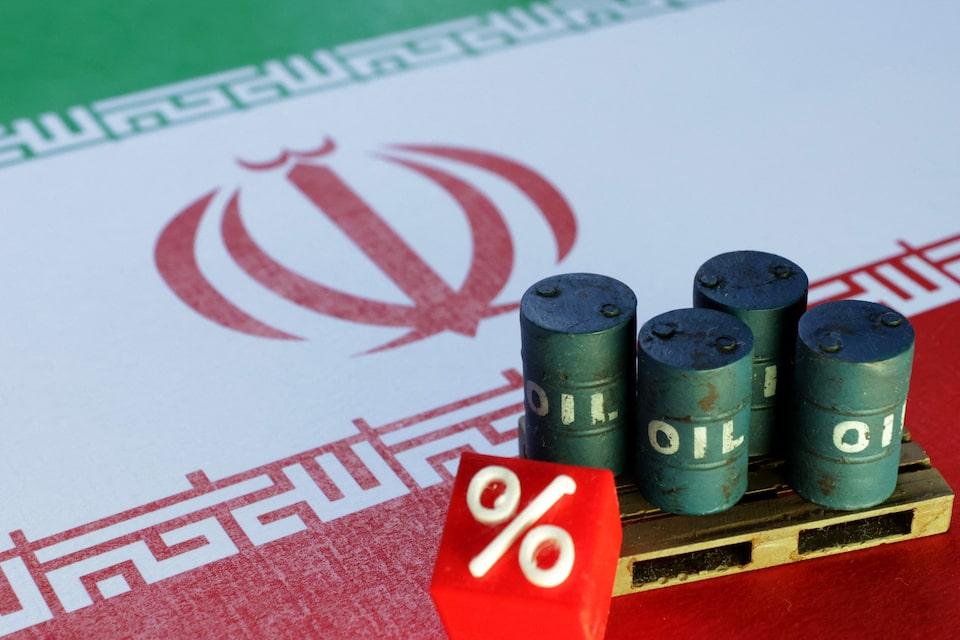
Jan 13 (Reuters) - China, the world's largest crude importer, is the main buyer of oil from OPEC producer Iran, leaving Beijing uniquely exposed to any supply disruption fromconflict in the Middle East. Beijing, which is also the biggest buyer of oil from Venezuela and a top importer of oil from Russia, has used purchases from the three countries facing various Western sanctions to save billions of dollars on its import bill in recent years. Sign up here. HOW MUCH IRANIAN OIL DOES CHINA BUY? China buys more than 80% of Iran's shipped oil, data for 2025 from analytics firm Kpler showed. Iranian oil has limited buyers due to U.S. sanctions aimed at cutting off funding to Tehran's nuclear programme. China purchased on average 1.38 million barrels per day of Iranian oil last year, according to Kpler. That represented about 13.4% of the total 10.27 million bpd of oil it imported by sea. WHO ARE THE MAIN CHINESE BUYERS OF IRANIAN CRUDE? Chinese independent refiners known as teapots, clustered mainly in Shandong province, are the main buyers of Iranian crude, drawn by its discount to non-sanctioned barrels. Teapots, which account for roughly a quarter of Chinese refinery capacity, operate on narrow and sometimes negative margins and have been squeezed recently by tepid domestic demand for refined products. China's big state oil companies have refrained from buying Iranian oil since 2018/2019, traders and experts have said. HOW MUCH CHEAPER IS IRANIAN OIL? Iranian Light crude has traded at around $8 to $10 a barrel below ICE Brent on a delivered basis to China since December, from a discount of about $6 in September, traders said. That means Chinese refiners save about $8 to $10 a barrel if they buy Iranian Light rather than non-sanctioned Oman crude, according to calculations by a trader and Reuters. Discounts have widened due to ample supply in onshore tanks and floating storage. Iran has a record amount of oil on the water, equivalent to around 50 days of output, as China has bought less because of sanctions and Tehran seeks to protect its supplies from the risk of U.S. strikes, Kpler said. ARE U.S. SANCTIONS HAVING AN IMPACT? Washington reinstated sanctions on Tehran in 2018, and U.S. President Donald Trump's administration has imposed several new rounds of sanctions on Iran's oil trade since taking office in January. Trump's sanctions have included penalties on three Chinese teapots, which has curtailed buying from several mid-sized independents worried about being designated, Reuters reported. WHAT IS BEIJING'S STANCE ON THE IRAN OIL TRADE? Beijing rejects unilateral sanctions and defends its trade with Iran as legitimate. Iranian oil imported by China is typically labelled by traders as originating from other countries, such as Malaysia, a major transshipment hub, and Indonesia. Chinese customs data has not shown any oil shipped from Iran since July 2022. https://www.reuters.com/business/energy/chinas-heavy-reliance-iranian-oil-imports-2026-01-13/
2026-01-13 06:26
Lindt sales grew 12.4% organically in 2025, beating market view Groupwide price hikes of 19% drive growth Lindt dismisses concerns over European inventory build-up, cites normal seasonality Company will report full 2025 results on March 10 Jan 13 (Reuters) - Swiss chocolate maker Lindt & Spruengli (LISN.S) , opens new tab said on Tuesday its sales grew 12.4% organically in 2025, slightly beating market expectations, as it raised selling prices by 19% to pass higher cocoa costs on to customers. The maker of chocolate bunnies and teddy bears reported sales of 5.92 billion Swiss francs ($7.43 billion), compared with 5.90 billion francs seen in an LSEG poll of analysts. Sign up here. Sales volumes declined around 6% over the year, calculations from Zuercher Kantonalbank showed, as the price increases made some shoppers cut back on premium sweets. "For 2026, there remain risks that volumes will be negative or that price development will not be in the mid-single-digit percentage range," Zuercher analysts said, although they noted Lindt had already implemented most of the price hikes. Lindt, which will report full annual results on March 10, guided for an operating profit (EBIT) margin increase at the lower end of its 20-40 basis point range for the year. The company's registered shares, which carry voting rights, opened almost 2% higher, but reversed course and were down 2% by 1019 GMT. INVENTORIES IN EUROPE Organic sales growth in Europe was 13.6% in the second half of 2025, according to calculations by Bernstein. This was ahead of scanner data, which had shown growth of around 2% until the end of November, the analysts said in a research note. This data is recorded by barcode scanners at checkout, showing what was bought, when, where and for how much. "We expect that the main question on investors' minds is likely to be: how is it possible that Lindt has reported such resilient European growth despite the weak scanner data," the analysts wrote. They raised a question of whether there was a risk of large inventory build-up in Europe and warned that de-stocking could weigh on 2026 volumes even without it. However, the company dismissed these concerns when contacted by Reuters. "We currently do not see the risk of an inventory build‑up beyond normal seasonality," a Lindt spokesperson said. ($1 = 0.7971 Swiss francs) https://www.reuters.com/business/lindts-yearly-sales-slightly-beat-expectations-2026-01-13/

2026-01-13 06:24
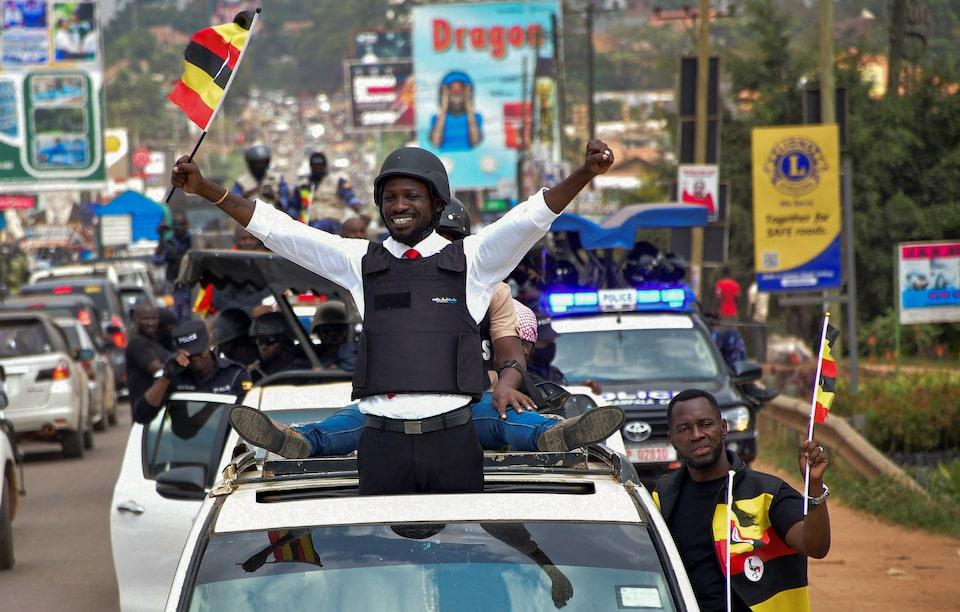
Bobi Wine faces violence on campaign trail. He calls President Museveni's rule a dictatorship Wine mobilizes millions of young Ugandans Critics question Wine's proposals, opposition not united Jan 13 (Reuters) - Ugandan pop star and opposition candidate Bobi Wine says he has been beaten, tasered and attacked with teargas and pepper spray while campaigning against long-serving President Yoweri Museveni. Now 43, and nearly a decade into his political career, violence on the campaign trail , opens new tab comes as no surprise to a man who has built his political identity on uncompromising opposition to what he calls Museveni's "dictatorship". Sign up here. Wine, whose legal name is Robert Kyagulanyi, is not widely thought to have any chance of winning Thursday's election against a president who has been in power since 1986, when Wine was just three. But by mobilizing millions of disenchanted young Ugandans in his second bid for the presidency, Wine has emerged as Museveni's most formidable challenger in years, at a time when the 81-year-old Museveni is thought to be planning his succession. "Every time we go through this treacherous atmosphere and we get to the people, it's like a breath of fresh air," Wine told Reuters this month. "The knowledge that the regime is actually doing this to 'break my back', that they're doing this to demoralize us - we choose to deliberately not stop, just to show them that we can keep going." The government has said the security forces intervened only when Wine supporters violated campaign rules by blocking traffic or holding events outside prescribed times. MISSION TO UNITE UGANDANS Museveni has often dismissed Wine as an agent of foreign interests, including those who wanted to promote homosexuality. The charge aims to erode Wine's support in the predominantly Christian and conservative country, which has some of the world's harshest anti-gay laws. Wine took on Museveni in 2021 in an election marred by the security forces killing more than 50 opposition supporters on the campaign trail and by accusations of widespread fraud. Wine was detained several times during the campaign and started wearing a bullet-proof jacket and helmet. He later withdrew a court case challenging the result, in which Museveni was credited with winning 58% of the vote, and accused the judges hearing it of bias. The U.S. government said the poll was neither free nor fair, charges rejected by Museveni's government. During this campaign, security forces have repeatedly fired live bullets and teargas at Wine's campaign events, killing at least one person, and have arrested hundreds of his supporters. With Museveni's election victory all but assured, attention has focused on the vote's implications for the president's eventual succession. Museveni is widely believed to want to hand power eventually to his son and military chief, Muhoozi Kainerugaba, and is seeking a wide margin of victory to assert his authority. He will also be keen to avoid widespread protests that might undermine his position and fuel divisions in the ruling party. Museveni has denied grooming Kainerugaba to succeed him. DIVISIONS WITHIN OPPOSITION PERSIST The 20th child in a polygamous family of 33 siblings, Wine has said his music and politics were inspired by the struggles his mother faced as she hawked street food in the capital Kampala's Kamwokya slum. His musical career took off in the early 2000s with songs decrying urban poverty and political oppression, backed by catchy, feel-good beats that made him one of East Africa's most popular artists. "When the going gets tough, the tough must get going especially when leaders become misleaders and mentors become tormentors," he sang in a 2016 song titled "Situka", which means "Rise Up" in the local Luganda language. He joined parliament in 2017 after securing a surprise landslide victory in an election for a constituency near Kampala and increased his political clout by channeling the anger of young people. Over 73% of Uganda's about 46 million people are under the age of 30, and the percentage of young people not working, studying or training is over 42%, according to a government census from 2024. Wine says that if he were elected, he would focus on restoring the rule of law, boosting employment and stamping out corruption. Some Ugandans, including government critics, have bemoaned the lack of specificity in Wine's proposals. LGBTQ rights activists have criticised him for not more vigorously opposing a 2023 law that imposed the death penalty for certain same-sex acts. Wine criticised the law as a political ploy and has pledged not to persecute LGBTQ people, but did not directly condemn its contents. He has also been unable to unite Uganda's opposition behind him, so six other candidates are also challenging Museveni. Writing on social media in 2024, Wine attributed the opposition's lack of unity to Museveni's success in co-opting it. Some people, he wrote, are "zero concerned about removing Museveni as long as they're comfortable in the opposition". https://www.reuters.com/world/africa/pop-star-bobi-wine-sets-sights-ugandan-presidency-despite-campaign-violence-2026-01-13/