2025-03-25 00:46
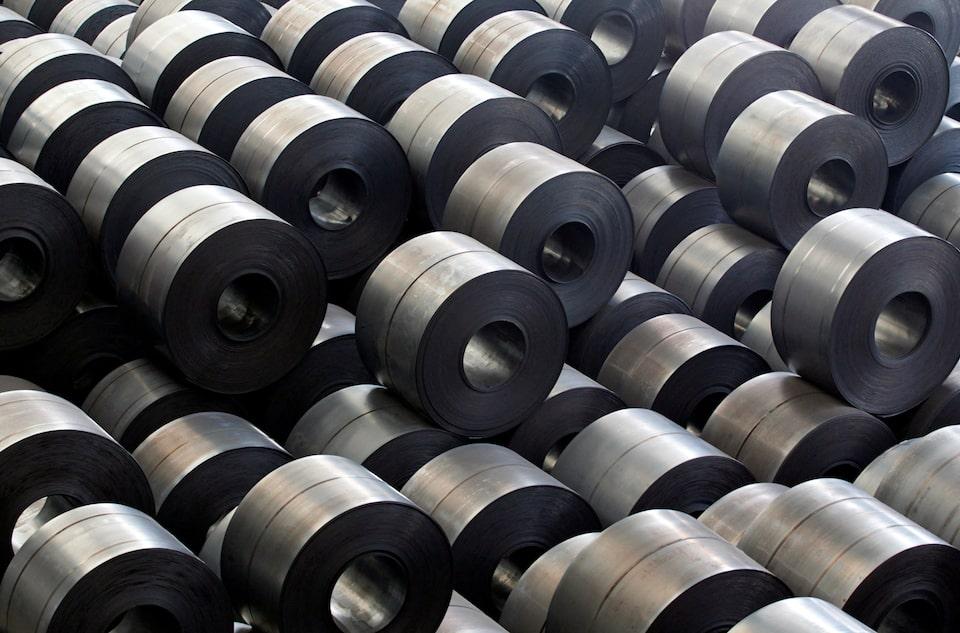
SEOUL, March 25 (Reuters) - South Korea's Hyundai Steel (004020.KS) , opens new tab will invest $5.8 billion along with Hyundai Motor Group to build a steel plant in the U.S. state of Louisiana with an annual capacity of 2.7 million tonnes, the company said in a regulatory filing on Tuesday. Hyundai Steel shares initially jumped more than 5% on the news but reversed early gains to end 7% lower as U.S. President Donald Trump praised the company's plan. Sign up here. Hyundai Steel's proposed new U.S. steel plant is part of Hyundai Motor Group's plan to invest $21 billion in the United States, which was announced by the South Korean company's chairman with Trump at the White House on Monday. The move is seen as an effort by Hyundai to shield itself from U.S. tariffs on steel and cars, but it is not clear whether this will help secure exemptions for Hyundai and South Korea. Trump has threatened to impose reciprocal tariffs on numerous countries on April 2, potentially targeting South Korea that has a large trade surplus with the United States. Shares of Hyundai Motor and affiliate Kia Corp (000270.KS) , opens new tab, which are expected to source steel from the proposed factory, rallied. Hyundai Motor shares ended up 3.3% after rising as much as 7.5% to their highest since October 2024. Kia closed up 2.1%. Analysts have, however, expressed concerns about how Hyundai Steel, which has billions of dollars in debt, would fund the construction of the factory. There are also execution risks associated with the new technology of using electric furnaces to produce automotive steel, they said. "It is not clear whether the investment will benefit Hyundai Steel in the future," said Lee Tae-hwan, an analyst at Daishin Securities. Hyundai Steel said it will cover half the costs, with the remainder invested by its parent company and other investors. The factory, which will make automotive steel, will be constructed from 2026 to 2029, the company said. Hyundai Steel is an affiliate of automakers Hyundai Motor and Kia Motors which have factories in the United States. https://www.reuters.com/markets/commodities/hyundai-steel-build-plant-louisiana-with-annual-output-27-million-tonnes-2025-03-25/
2025-03-24 23:29
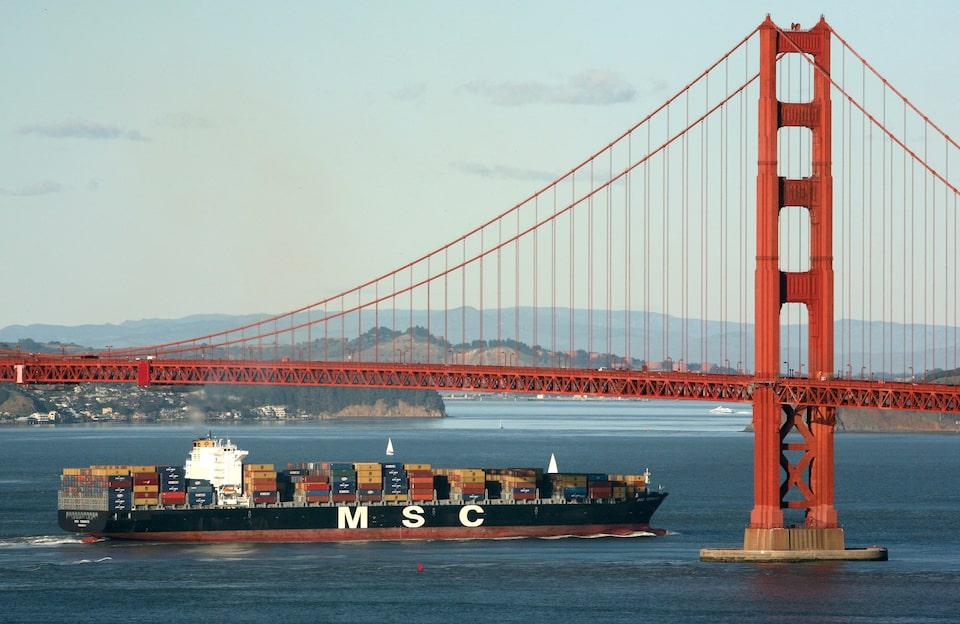
Hearing on proposed USTR port fee to continue Wednesday Proposed fee on Chinese vessels will hurt US vessel operators, dampen demand for U.S.-built ships Democratic lawmakers back port fees, call for swift action U.S. exports, seaports and jobs at risk if fees take effect LOS ANGELES/WASHINGTON, March 24 (Reuters) - President Donald Trump's plan to revitalize the U.S. shipbuilding industry is likely to backfire because it relies on proposed fees on China-linked vessels that will hurt domestic ship operators, seaports, exporters and jobs, industry executives said at U.S. Trade Representative hearings on Monday. At issue are proposed, stacking fees on China-built vessels that could top $3 million per U.S. port call. The Trump administration says the fees would curb China's growing commercial and military dominance on the high seas and promote domestically built vessels. U.S. steelworker unions, U.S. steel producers and Democratic lawmakers support the effort, saying it will boost domestic industry. Sign up here. But the idea has sent a shockwave through the domestic maritime industry because it threatens the survival of the same shipping companies and customers that would drive demand for orders from the U.S. shipyards Trump wants to rebuild. "National interest will not be served if the effort to boost American shipbuilding unintentionally destroys American-owned carriers," Edward Gonzalez, CEO of Florida-based Seaboard Marine, the largest U.S.-owned international ocean cargo carrier, testified on Monday. Like many U.S. operators, Seaboard relies on vessels made in China. It has 16 China-built ships in its fleet of 24 vessels, according to maritime data provider Alphaliner. U.S. vessel operators said the fees on Chinese-linked vessels also would push more U.S. cargo to foreign-owned ocean shipping companies that have resources to better weather the change. According to the USTR, China's share of the shipbuilding market grew from less than 5% in 1999 to more than 50% in 2023. U.S. shipyards turn out fewer than 10 ships annually while China's produce 1,000, speakers said. Meanwhile, industry executives said shipbuilders in Japan and Korea would struggle to meet demand in the years it would take U.S. shipyards to build up capacity. Replacing existing China-built vessels is not like flipping a light switch, said Kathy Metcalf, CEO of the Chamber of Shipping of America. "Penalizing China and the U.S. marine transportation system is not an acceptable result." U.S. vessel operators underpin key American industries like manufacturing, mining, and agriculture by transporting goods to and from inland waterways, across the Great Lakes and up and down the country's coasts. Agriculture exporters already are having trouble booking ships beyond May due to uncertainty around the USTR plan, and coal industry representatives have said the fees are making it harder to get their supplies onto the global market. "I do ask that any efforts that you seek to increase domestic shipbuilding do not come at the expense of market access to farmers," said Mike Koehne, an American Soybean Association board member who grows soybeans and corn in Indiana. JOB LOSSES Nate Herman, senior vice president of policy for the import-dependent American Footwear and Apparel Association, said the port fees would result in a loss of jobs for American workers, higher costs for American exports and imports as well as shortages and rising prices for American consumers. He cited a new study , opens new tab by several trade groups showing that higher costs from the fees would cause U.S. exports to fall by almost 12% and reduce GDP by 0.25% "Hard-working American families cannot afford further price increases and product shortages, and American manufacturers and farmers cannot afford to lose more export markets," Herman said. Representative Rosa DeLauro and 62 other congressional Democrats backed the proposed fees and other "swift and decisive" action in a letter sent to U.S. Trade Representative Jamieson Greer on Monday, saying China's domination of the sector imposed "unacceptable costs and risks" in terms of job losses and critical manufacturing capacity. They urged USTR to grant relief that would allow firms to circumvent fees by diverting cargo through Mexico or Canada. USTR, which will hear more comments at a hearing Wednesday before finalizing the proposal under unfair trade practices law, did not immediately respond to requests for comment. To completely avoid the fees in the current proposal, vessel operators must be based outside of China, have fleets with fewer than 25% of ships built in China, and have no Chinese shipyard orders or deliveries scheduled within the next two years. A draft executive order seen by Reuters earlier this month would narrow that further by levying port fees on all fleets with China-built vessels. Vessel owners could minimize the hit by using bigger ships and limiting calls to large U.S. ports - a feast-or-famine strategy that would starve small ports, swamp the largest and cause supply-chain stresses harkening back to the early days of COVID. Ship operators also could shift U.S.-bound cargo to ports in Canada and Mexico, and rely on trucks and trains to finish the journey, according to vessel and port operators, clogging border crossings and causing more infrastructure wear and tear. https://www.reuters.com/markets/trumps-fees-chinese-ships-will-hurt-us-companies-maritime-executives-tell-2025-03-24/
2025-03-24 22:55
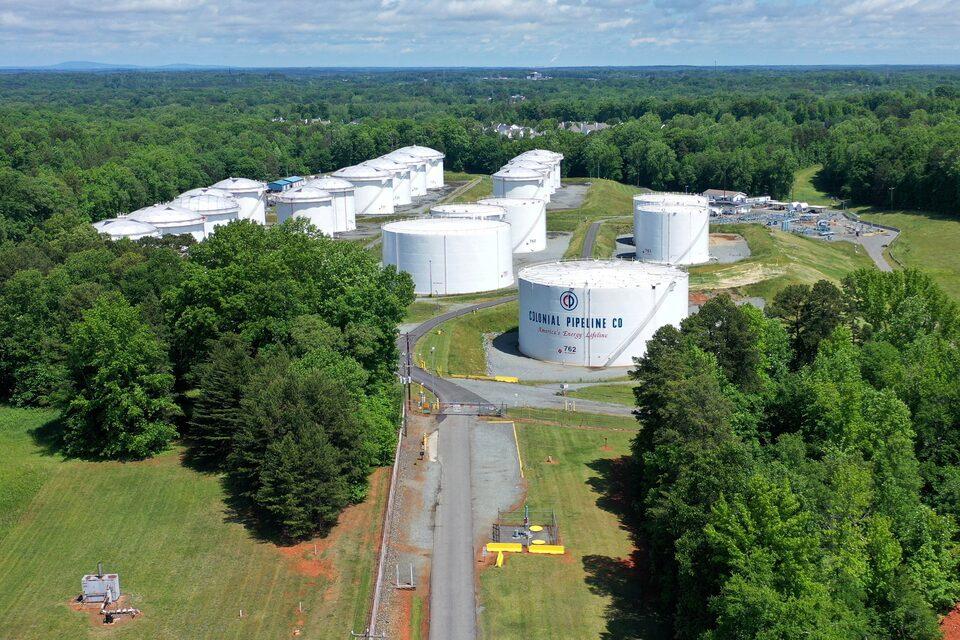
NEW YORK, March 24 (Reuters) - The Colonial Pipeline on Monday asked the U.S. Federal Energy Regulatory Commission to reject shippers' protests over proposed changes to how it moves gasoline, arguing that the modifications are in line with industry practices and within Colonial's authority. Oil majors Exxon Mobil (XOM.N) , opens new tab, Chevron Corp (CVX.N) , opens new tab and BP Plc (BP.L) , opens new tab, among others, filed protest notices with FERC last week after Colonial sought the regulator's approval to stop shipping different grades of gasoline at the same time and to reduce the total number of grades it moves on the pipeline. Sign up here. The companies, which ship gasoline from the U.S. Gulf Coast refining hub to consumer markets along the country's East Coast on the 5,500-mile (8,851 km) Colonial system, cited potential harm to shippers and consumers in order to boost Colonial profits. Colonial rejected the arguments, saying they were driven by the protesting shippers' focus on their own economics. It said the proposed changes will allow it to ship up to 10,000 barrels a day more gasoline on its main gasoline pipeline, which almost always runs full, benefiting both shippers and consumers. It also said shipping fewer grades and ending overlapping shipments will reduce slowdowns and shutdowns on its pipeline segments, reducing stress on the system and the risk of mechanical failures. "The changes that Colonial seeks to implement through the Filing, which are squarely within its legal authority to make and consistent with industry practice, will enhance pipeline integrity and reliability and create more capacity for shippers," Colonial said in its filing. The pipeline operator agreed with the shippers' argument that the changes allow it to increase its own fuel-blending operations. However, it said that FERC has made it clear that blending is not under the regulator's jurisdiction. https://www.reuters.com/business/energy/colonial-pipeline-responds-protests-over-proposed-gasoline-shipment-changes-2025-03-24/
2025-03-24 22:20
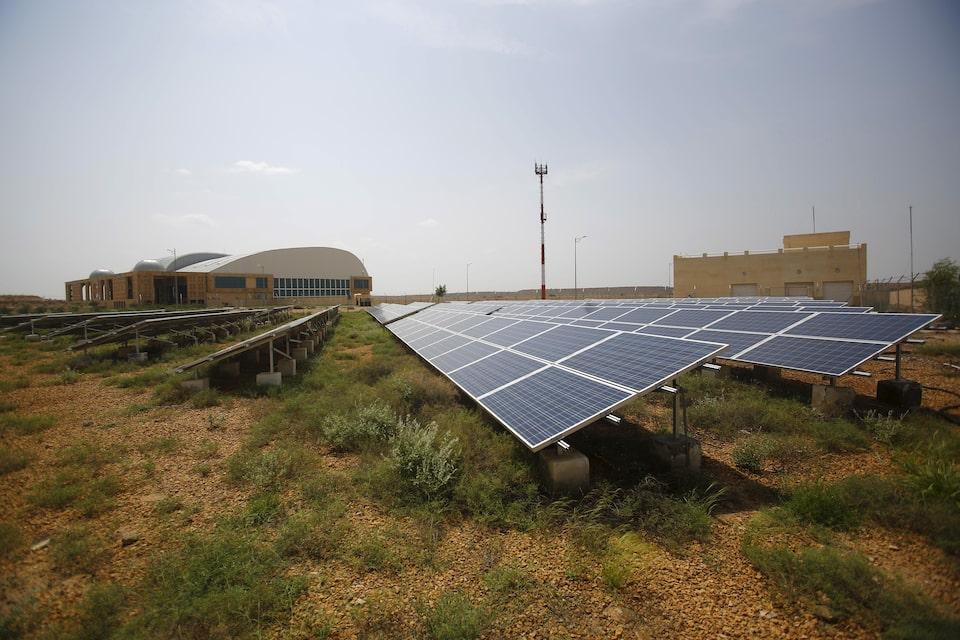
March 24 (Reuters) - Renewable energy projects in Rajasthan, India's leading solar state, are expected to become more expensive and face delays due to a recent amendment to the state's land registration laws, industry experts said. The Rajasthan government has made it compulsory for companies to pay stamp duty when signing an agreement for sale or leasing land for solar projects, as both types of agreements must now be registered. Sign up here. New renewable energy projects in Rajasthan would see at least 8%-10% increase in land expenses due to registration charges and stamp duties, said senior executives from four renewable energy companies who did not wish to be named due to the sensitivity of the issue. Land expenses account for nearly one-fifth of overall project costs. "For newer projects that are yet to be bid out and developed, companies have to additionally factor the cost," said Vikram V, vice-president and co-group head of Corporate Ratings at the credit rating agency ICRA. Rajasthan tops Indian states in installed renewable energy capacity, at about 30 gigawatts, and Indian companies have pledged billions of rupees in investments in the state. Solar projects require large tracts of land, typically ranging from at least 50 to 100 acres to build 10-20 megawatts. With abundant land and high solar radiation, the desert state of Rajasthan stands out as a top choice. India's clean energy sector has been facing obstacles including weak demand for tenders, delays in power agreements and project cancellations. Issues such as the non-availability of land in resource-rich areas, site accessibility problems and complexities in land aggregation have already posed major challenges to clean energy deployment, according to a recent report from the Council on Energy, Environment and Water. The share of land cost in the overall project expenses has more than doubled and is expected to increase further in areas with strong connectivity and clean energy potential, CEEW said. https://www.reuters.com/world/india/rule-change-drive-up-clean-energy-project-costs-indias-top-solar-state-2025-03-24/
2025-03-24 21:25
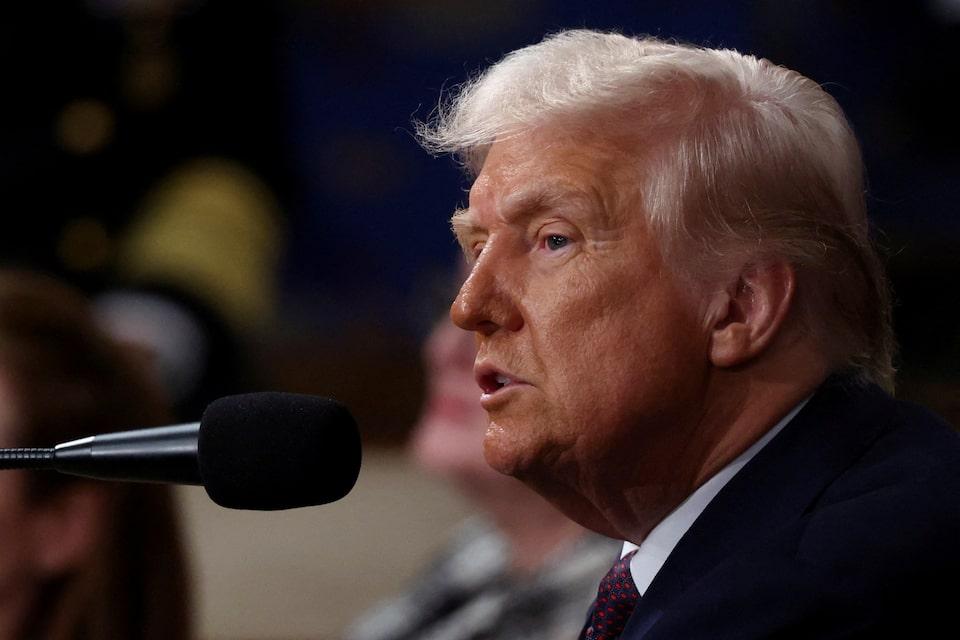
WASHINGTON, March 24 (Reuters) - U.S. President Donald Trump said on Monday he will in the very near future announce tariffs on automobiles, aluminum and pharmaceuticals. Speaking to reporters at the White House, Trump said the United States would need all those products if there were problems including wars. Sign up here. "We've been ripped off by every country," Trump said as he presided over a meeting of his Cabinet. Commerce Secretary Howard Lutnick, speaking at the same meeting, said that on April 2, which Trump has targeted to impose a slew of tariffs, the United States will launch what he called "the external revenue service." The U.S. Internal Revenue Service collects taxes from Americans. https://www.reuters.com/world/us/trump-says-he-will-soon-announce-tariffs-autos-aluminum-pharmaceuticals-2025-03-24/
2025-03-24 21:08
Hyundai's investment follows Trump's return to White House Investment includes $5 billion steel plant in Louisiana Trump's tariffs seen impacting Korean steel industry WASHINGTON/SEOUL, March 24 (Reuters) - South Korea's Hyundai Motor Group (005380.KS) , opens new tab announced a $21 billion investment in the United States with President Donald Trump at the White House on Monday. The investment includes a new $5.8 billion Hyundai Steel (004020.KS) , opens new tab plant in Louisiana that will produce over 2.7 million metric tons of steel annually, creating more than 1,400 jobs. The steel plant is expected to supply steel to auto plants in Alabama and Georgia. Sign up here. Of the total, Hyundai also plans to invest $9 billion by 2028 to boost U.S. production capacity to 1.2 million vehicles in the United States and $6 billion to expand strategic partnerships with U.S. companies in autonomous driving, robotics, artificial intelligence, and advanced air mobility, the company said. Hyundai Motor plans to hold an opening ceremony for its new $7.59 billion car and battery factory in Georgia on Wednesday. The automaker has a factory in Alabama, while its affiliate Kia (000270.KS) , opens new tab has a plant in Georgia. The two older plants can produce 700,000 vehicles a year and the new Georgia plant will have a 300,000-vehicle production capacity when fully operational. Louisiana Governor Jeff Landry had travelled to South Korea in October and met with Hyundai to discuss the investment plan. "Money is pouring in. We want to keep it that way," Trump said. The South Korean automaker also said that it would buy $3 billion of LNG produced in the United States. Numerous companies have announced planned investments following Trump's return to the White House, though some of those statements have included previously announced plans. Hyundai in 2022 said it would invest about $10 billion through 2025 in the United States. The announcement comes as Trump threatens to impose reciprocal tariffs on numerous countries on April 2, potentially targeting South Korea which has a large trade surplus with the United States. "This investment is a clear demonstration that tariffs very strongly work," Trump said on Monday, adding that more tariffs on autos are likely to be announced this week. Trump has already introduced tariffs to boost protection for U.S. steel and aluminium producers. He reimposed global tariffs of 25% on all imports of the metals and extended the duties to hundreds of downstream products made from the metals, from nuts and bolts to bulldozer blades and soda cans. Automakers have been heavily lobbying the White House to not impose massive new tariffs on imported autos and parts. GM CEO Mary Barra met with Trump earlier this month and told him the automaker wants to invest $60 billion in the United States but raised concerns about uncertainty over tariff policies. https://www.reuters.com/business/autos-transportation/south-koreas-hyundai-unveil-20-billion-investment-us-cnbc-report-says-2025-03-24/