2025-03-24 12:22
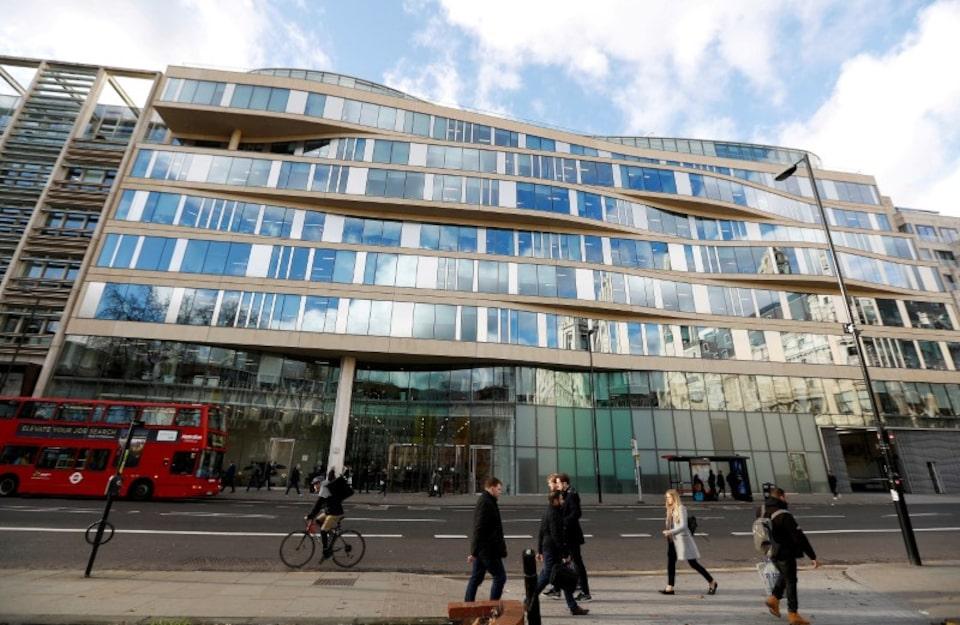
LONDON, March 24 (Reuters) - The venerable 148-year old London Metal Exchange (LME) has just made it into the history books for the wrong reasons by becoming the first British trading exchange to be fined by a regulator. The Financial Conduct Authority's (FCA) imposition of a 9.2 million pound ($11.9 million) penalty draws a line under the 2022 nickel crisis, which resulted in the eight-day suspension of the LME nickel contract and the controversial decision to cancel trades. Sign up here. It could have been much worse had the LME, owned by Hong Kong Exchanges and Clearing Ltd (0388.HK) , opens new tab, not successfully fought off claims for far higher sums in the courts. But the FCA's final report , opens new tab makes damning reading and on a scale of nought to five the regulator classified the LME's failures as a level 3 breach of rules around orderly trading. The original penalty was set at 14.7 million pounds, equivalent to 10% of exchange revenue, but reduced for mitigating factors and early acceptance of the FCA's findings. So what went so wrong? In essence, the LME disconnected one set of brakes on its runaway nickel market and seemed unaware that it had a back-up set. "IT'S DECIDED BY THE MARKET...NOT US" That's how one of the hapless Hong Kong Trading Operations team explained to the FCA the decision to suspend price bands on three-month nickel as the price rocketed on the morning of March 8, 2022. Dynamic price bands were the LME's primary defence against extreme market volatility. Or they were supposed to be. In practice, the exchange saw them as little more than a control measure against "fat-finger" trades and rogue algorithms, the FCA found. Bombarded with messages from traders complaining their nickel trades were being rejected by the LME's electronic system for being outside of the dynamic price bands, the two-man Asian-hours Operations Team decided to switch them off. To be fair, the market was moving so fast the team had exhausted its repertoire of manual adjustments to the price bands. Moreover, it would not be the first time the bands had been turned off to allow genuine trades into the system during periods of heightened volatility. It had happened in both copper and tin markets in 2021. And it had happened the day before when the much larger London team had suspended the nickel bands "a number of times", according to the FCA report. Also, no-one seems to have mentioned to the Hong Kong team that nickel was in danger of becoming a disorderly market. Nor was there any protocol as to what to do if it become so in Asian trading hours. So they made an on-the-spot call that the best thing would be to "let the market decide (where) to go next," in the words of one team member interviewed by the FCA. Freed of any exchange brakes, the market did just that, exploding from $60,000 to $101,365 per metric ton in the space of 80 minutes. Cue emergency meetings in London, the suspension of trading and the cancellation of all trades made after midnight London time. EMERGENCY BRAKES The disconnect between LME Trading Operations team and senior management was such that, according to the FCA, those dealing with the crisis only became aware that the price bands had been suspended on March 9, the day after the market was suspended. Moreover, everyone apart from the Trading Operations team seems to have forgotten that there was a second set of brakes that could be applied in the form of static price bands. These were supposed to work in tandem with dynamic bands to prevent structural volatility. They were introduced by the LME at the same time in 2017 but never made it into the manual until 2021. The LME never told anyone about them, including the FCA, or how they were set. At a ratio of 5:1 to the dynamic bands, as it happens. Except that the Hong Kong Trading Operations team had already expanded nickel's static band to $6,000 the day before, meaning the ratio had widened to 13:1. Then they turned it off altogether on March 8 because "due to technical constraints" it was impossible to suspend dynamic bands without doing the same for the static bands. The market's volatility controls were disabled at precisely the time they were most needed. Moreover, even as nickel was building upside momentum on March 7, senior management failed to question "how the price could have risen by 60%, bringing the orderliness of the market into question, if the static price bands were functioning as intended," the FCA noted. FREE MARKET OR FREE-WHEELING? The LME was swift to introduce daily price limits in the wake of the nickel crisis and now also provides a full run-down of volatility controls , opens new tab on its website. It has also begun over-the-counter position reporting to address the other major cause of the nickel debacle, namely the lack of transparency around big short positions in the market at the time. It's not the first time the LME has emerged stronger from crisis. There was the Tin Crisis of 1986, which led to the introduction of clearing, and the Copper Crisis of 1996, which generated the first major regulatory overhaul of the exchange. This is how this particular London institution evolves, in a succession of violent fits and starts. The underlying pattern is one of a trading forum that has always prided itself on its free market traditions colliding with modern financial market reality. The Hong Kong Trading Operations team's defence of its decision to switch off the price bands to allow the market to decide would have warmed the hearts of the LME's Victorian founders. But today's regulator has evidently taken the view that the LME's handling of the nickel crisis was more free-wheeling than free market. The opinions expressed here are those of the author, a columnist for Reuters https://www.reuters.com/markets/commodities/lme-fined-failing-hit-brakes-nickel-crisis-andy-home-2025-03-24/
2025-03-24 12:05
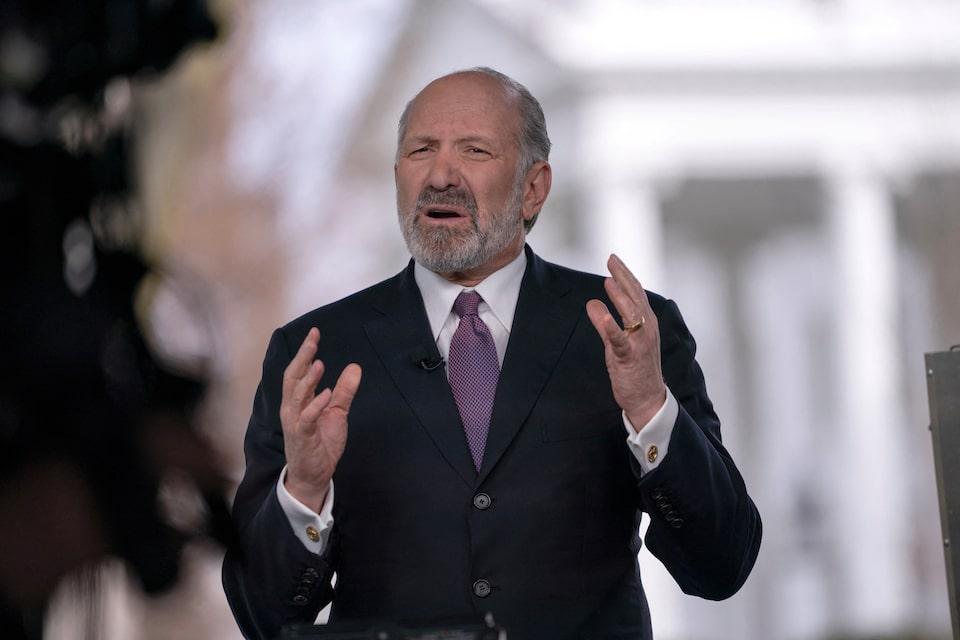
BRUSSELS, March 24 (Reuters) - The European Commissioner for trade, Maros Sefcovic, is heading to Washington to meet the U.S. Commerce Secretary Howard Lutnick on Tuesday, a Commission spokesperson said on Monday. Sefcovic will also meet with U.S. Trade Representative Jamieson Greer. The spokesperson declined to provide more details about the discussion. Sign up here. European officials have struggled to talk U.S. President Donal Trump down from a trade war as they did during Trump's first administration. Sefcovic said last week that little progress has been made in talks with Washington after Trump imposed 25% tariffs on steel and aluminium imports earlier this month. The EU will delay its first set of counter-measures to mid-April, including a 50% tariff on U.S. bourbon. In response, Trump threatened to slap a 200% tariff on all wines and other alcoholic products from the EU if the bloc went ahead with this. Trump also plans to impose "reciprocal" tariffs on April 2. https://www.reuters.com/world/europe/eu-trade-commissioner-meet-us-commerce-secretary-lutnick-tuesday-2025-03-24/
2025-03-24 12:01
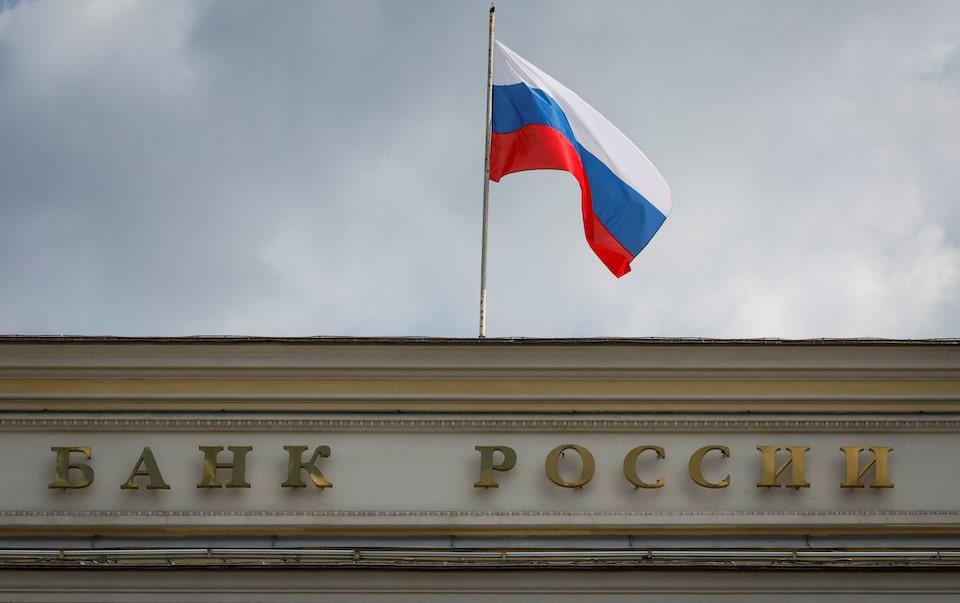
Price of Russia's oil is below budgeted level Strong rouble, weak oil prices put budget under strain MOSCOW, March 24 (Reuters) - Russia's central bank has warned the Kremlin's policy makers the United States and OPEC have the capacity to flood the oil market and cause a repeat of the prolonged price collapse of the 1980s - which contributed to the downfall of the Soviet Union. The warning came weeks before Russian and U.S. Presidents Vladimir Putin and Donald Trump began talks to end the war in Ukraine. Sign up here. Trump has warned he could impose further sanctions on Russia if there was no peace deal. He also pledged higher U.S. oil production and called on OPEC's leader Saudi Arabia to pump more oil to help the global economy. The central bank delivered the warning in a presentation prepared for a discussion chaired by Prime Minister Mikhail Mishustin in February and seen by Reuters. The central bank, which scrutinises economic risks in classified reports at least once a year, did not say under what scenario OPEC and the United States could flood the market and how likely these risks were. In its previous reports, seen by Reuters, the central bank did cite oil prices as one of the risks for the Russian economy but has never been that specific on how a prolonged low oil price cycle could arise. The economy ministry, separately, also made a presentation for the meeting, citing other risks to the economy, such as weaker investor activity, cost increases and "bad debts". There is no sign that OPEC is planning any change in supply policy that would lead to a sharp rise in output. While the United States may raise oil output further, the lion's share of increases will likely come from other non-OPEC producers such as Guyana, Brazil and Kazakhstan, where global oil majors ramp up production. "A significant risk is the oil price," one of the slides reviewed by Reuters said listing among risks "a significant increase in production in the United States and outside OPEC". It also said OPEC's spare capacity was near record high and added it was equal to the volume of Russian crude oil exports. "Historical precedent – after the period of high oil prices in 1974-1985, 18 (!!!) years of low oil prices," the presentation slide said using the three exclamation marks. SOVIET FALL WITH OIL PRICES For Russia, the world's second largest exporter, oil and gas have been its strength and weakness since the Soviets discovered one of the world's largest hydrocarbon basins in Western Siberia in the decades after World War Two. For decades, high oil prices have allowed the Kremlin to cushion the economy and spend on political campaigns abroad such as support of governments from Cuba to Angola and Vietnam. When prices fell, the economy hit the rocks with spectacular geopolitical consequences such as in 1991 when the Soviet Union crumbled. The oil price collapse of the 1980s made it impossible for the Soviet Union to keep up with the United States in the arms race. Financial problems aggravated and led to the end of the Soviet Union, an event that Russian President Vladimir Putin has repeatedly described as a tragedy. Oil prices currently trade at around $70 per barrel - a ]comfortable level for Russia and whose budget assumes price of oil of $69.7 per barrel. Igor Yushkov, a professor at the Financial University of the Russian government, said the bank is worried due to low oil prices and a strong rouble. "The budget is probably not doing well, because it is already the end of March, and we are not meeting the budget parameters that were planned for 2025," he said. Moscow has experienced several financial shocks due to low oil prices since 1991. In 1998, it defaulted on its foreign debt after prices fell to $10 per barrel. In 2008, Moscow had to deploy its fiscal and reserve buffers to stabilise the economy and contain unemployment after oil prices fell due to U.S. subprime mortgage troubles. Oil prices also fell steeply in the last 15 years including during the coronavirus pandemic but the short-term nature of decline did not seriously test the Kremlin's resilience. Putin spoke to influential Saudi Crown Prince Mohammed bin Salman earlier this month and underscored the "significance" of the OPEC+ oil deal for global oil market stability. "The commitment of Russia and Saudi Arabia to comply with the obligations assumed in "OPEC Plus" was emphasized," the Kremlin said in the readout of the telephone conversation. The International Energy Agency (IEA) estimates that OPEC's total spare capacity - idle output that can be brought online - stands at around 5.3 million bpd, close to Russian oil and fuel exports. Saudi Arabia has said it is able to increase production from the current 9 million bpd to its maximum capacity of 12 million bpd within months. https://www.reuters.com/markets/europe/russian-central-bank-sees-chance-prolonged-low-oil-price-cycle-2025-03-24/
2025-03-24 11:59
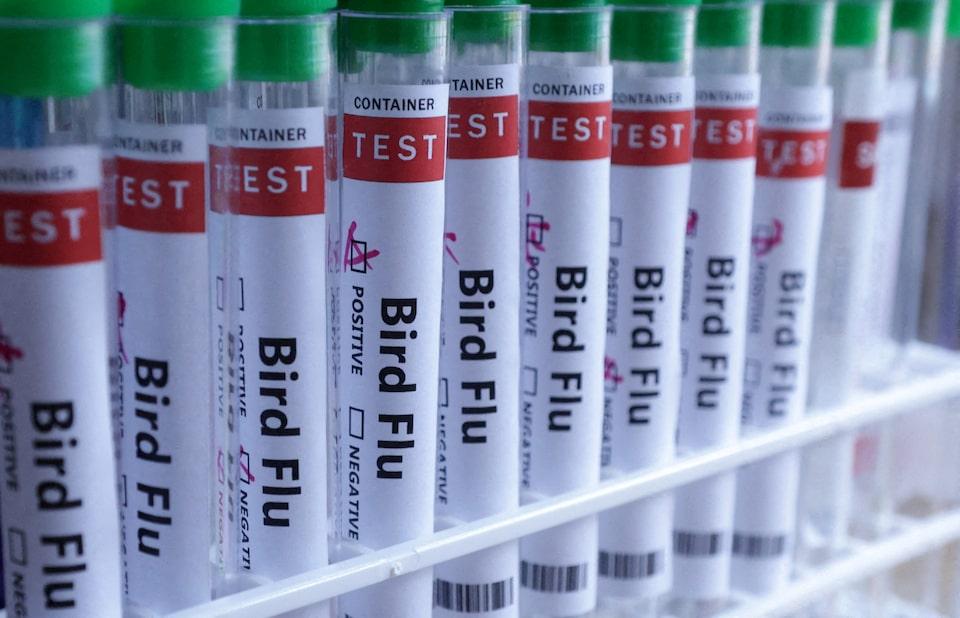
Many other mammals have died of H5N1 bird flu Ewe was culled, no infection found in rest of flock Risk to public from avian flu still seen as low LONDON, March 24 (Reuters) - Bird flu has been detected in a sheep in northern England, the first known case of its kind in the world, Britain's government said, adding to the growing list of mammals infected by the disease and fuelling fears of a pandemic. Many different mammals have died of the H5N1 bird flu virus across the globe including bears, cats, dairy cows, dogs, dolphins, seals and tigers. Sign up here. "The case was identified following routine surveillance of farmed livestock on a premises in Yorkshire where highly pathogenic avian influenza (H5N1) had been confirmed in other captive birds," Britain's government said in a statement. There have been cases among humans which have ranged in severity from no symptoms to, in rare cases, death. But there has not yet been any confirmed transmission between humans. The sheep that tested positive was a ewe with signs of mastitis, an inflammation of breast tissue, and no other clinical signs, the statement from the British government's Department for Environment, Food and Rural Affairs, and the Animal and Plant Health Agency said. Ed Hutchinson, professor of molecular and cellular virology, MRC-University of Glasgow Centre for Virus Research, said the fact that the sheep's milk also tested positive suggested parallels with the ongoing H5N1 outbreak among dairy cows in the United States. Bird flu has spread among U.S. dairy cattle since March 2024. He added, however, at the moment there was no evidence of ongoing transmission from the sheep and the case appeared to have been contained. The ewe was culled and no further infection was found in the rest of the flock. Britain's rural affairs ministry has introduced surveillance of livestock on premises where bird flu has been confirmed in captive birds following the outbreaks among dairy cows in the United States. "Globally, we continue to see that mammals can be infected with avian influenza (H5N1)," Dr Meera Chand, emerging infection lead at the UK Health Security Agency, said. "However, current evidence suggests that the avian influenza viruses we’re seeing circulating around the world do not spread easily to people – and the risk of avian flu to the general public remains very low." https://www.reuters.com/world/uk/uk-detects-bird-flu-sheep-first-time-2025-03-24/
2025-03-24 11:30
NAPERVILLE, Illinois, March 23 (Reuters) - After building super-bullish bets a few weeks ago, speculators have swiftly ducked back from the Chicago corn market with geopolitical risks still very much in focus. The United States plans to impose sweeping reciprocal tariffs on multiple trade partners on April 2. Pivotal but often-unpredictable U.S. planting survey results are set to land on March 31, and these upcoming events have investors in risk-off mode. Sign up here. In the week ended March 18, money managers reduced their net long position in CBOT corn futures and options to a 15-week low of 107,270 contracts from 146,541 a week earlier. In fact, they have dumped more than 230,000 corn contracts on the net over the latest three weeks. This is by far a record selloff for funds when starting from such a bullish position, as those are not usually discarded quickly. Exiting longs accounted for three-fourths of this move, suggesting the selloff is not necessarily a fully bearish gesture. However, new gross shorts slightly outpaced exiting longs in the latest week. Corn traders are bracing for potentially huge U.S. corn plantings this year, and brewing trade conflicts between the United States and its top agricultural trade partners have not helped. This includes Mexico, the leading U.S. corn destination. Tariffs have already been escalated between the United States and its top soybean buyer China, which has purchased relatively low volumes of the U.S. oilseed over the last year. Money managers in the week ended March 18 extended their net short position in CBOT soybean futures and options to 22,005 contracts from 15,544. The new position is similar to the same date in 2020 but far less bearish than a year ago. Soybean harvest in top exporter Brazil is moving at a strong pace after a slower start. This will be welcome for China, whose soy stocks have thinned. Top soymeal exporter Argentina's soybean harvest is looking to be more of an average one, likely a much better outcome than might have been expected a couple months ago amid a hot, dry spell. Money managers were net buyers of CBOT soybean meal futures and options for a second consecutive week through March 18, reducing their net short to 61,013 contracts from 85,344 two weeks earlier. But this remains a heavily bearish stance. Funds were net sellers of CBOT soybean oil for a fourth straight week, establishing a net short of 27,609 futures and options contracts as of March 18. That compares with a net long of 9,669 two weeks earlier. The enormous selloff in corn means that funds' bearish wheat views no longer look out of place by comparison. The managed money net short in CBOT wheat futures and options sat at 80,668 contracts as of March 18, up slightly on the week and in line with a multi-week average. Black Sea wheat and other agricultural exports will come back into focus on Monday, when Russian and U.S. officials will discuss ways to ensure the safety of transportation in the area. This is part of a larger U.S.-led effort at a peace settlement in Ukraine. Traders this week will also be watching for any possible tariff news ahead of the April 2 deadline, but the March 31 U.S. Department of Agriculture reports are next on the radar. Karen Braun is a market analyst for Reuters. Views expressed above are her own. https://www.reuters.com/markets/us/funds-extend-chicago-corn-selloff-tariff-deadline-looms-2025-03-24/

2025-03-24 11:25
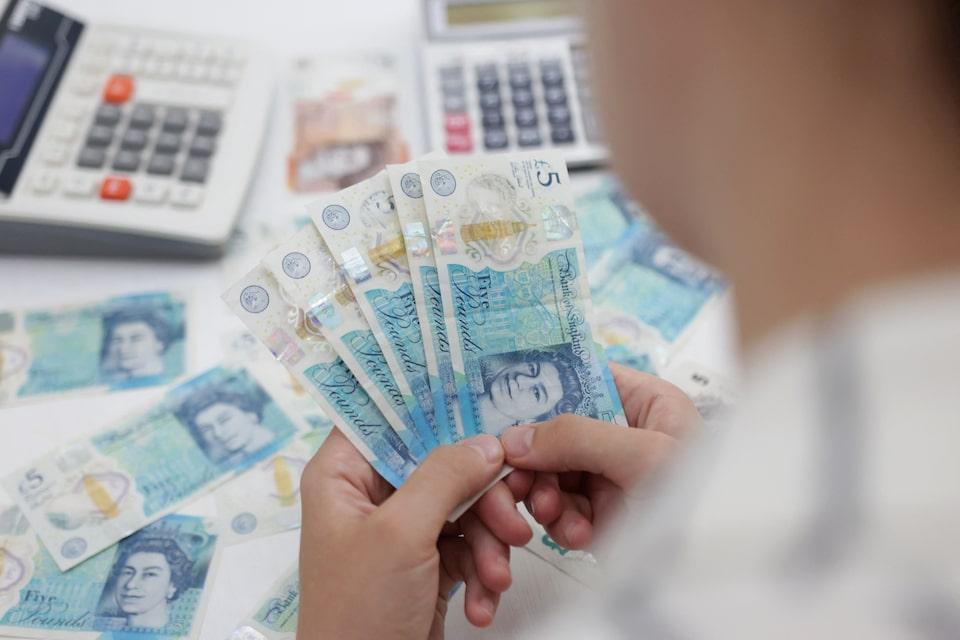
March 24 (Reuters) - Sterling climbed on Monday ahead of British finance minister Rachel Reeves' spring budget update later this week and as data earlier in the day showed that business activity in the UK's huge services sector picked up this month. The British pound rose 0.45% to $1.2973. It also gained against the euro , with the shared European currency 0.16% lower at 83.625 pence per pound. Sign up here. Businesses in Britain's huge services sector reported a pickup this month, according to a survey that offered some comfort to Reeves ahead of a challenging speech on the economy and the public finances this week. Britain's Office for Budget Responsibility is expected to announce a sharp downgrade to the UK's economic growth this year which, along with higher borrowing costs, is likely to force Reeves to cut her plans for spending increases in the coming years. Reeves said on Sunday she would stick to fiscal rules despite global turmoil, raising the prospect of thousands of public sector job cuts in this week's budget update which is likely to include further savings. "The whole point from the UK Treasury of... headlining a lot of the measures that are going to be announced on Wednesday, is engineered so that there won't be too many surprises for sterling and for UK assets at the spring statement," said Jane Foley, head of FX strategy at Rabobank. The Bank of England is watching closely for the impact of the increase in employers' social security contributions. Over the past weeks, the British currency's move has largely been driven by swings in the dollar and the euro given news on tariffs and Germany's plan for a massive spending splurge. "But the news coming out of the UK, I think, is still potentially quite significant in terms of the spring statement but it is being pushed into third place," Foley said. Markets are also awaiting clarity on U.S. President Donald Trump's reciprocal tariffs on April 2. https://www.reuters.com/markets/currencies/british-pound-firms-ahead-this-weeks-budget-update-2025-03-24/