2026-01-13 06:23
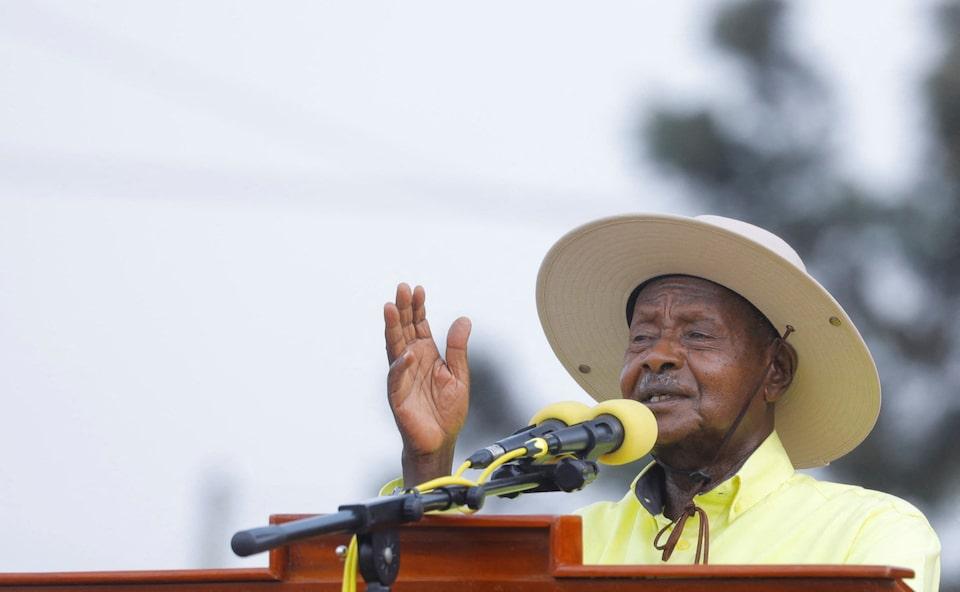
Museveni seized power in 1986, now seeking seventh term He has scrapped term limits, faced graft allegations He has courted foreign allies, tackled AIDS epidemic At 81, his frailty raises questions about succession Jan 13 (Reuters) - When Yoweri Museveni seized power in Uganda in 1986, he said "the problem of Africa in general and Uganda in particular is not the people but leaders who want to overstay in power." The 81-year-old president and former rebel is seeking a seventh term in office on Thursday after nearly four decades leading the East African nation, the vast majority of whose citizens have never known any other leader. Sign up here. Museveni came to power on a wave of optimism after leading insurgencies against autocratic governments. That goodwill was soon squandered amid allegations of graft and authoritarianism. "Corruption has been central to his rule from the beginning," Kristof Titeca, a professor at the University of Antwerp, told Reuters. Museveni has acknowledged that some government officials have engaged in corrupt practices but says all those who have been caught have been prosecuted. The canny political strategist has also cultivated foreign allies by embracing the security priorities of Western powers, deploying peacekeepers to hotspots such as Somalia and South Sudan and welcoming huge numbers of refugees to Uganda. In his own country, his record has been mixed. His government won praise for tackling the AIDS epidemic and for beating back the Lord's Resistance Army rebel group that brutalised Ugandans for nearly 20 years. But widespread corruption hollowed out state services and just one in four Ugandan children entering primary school makes it to secondary school, according to the United Nations children's agency UNICEF, while well-paid jobs remain largely out of reach for many. PATH TO POWER Born to Christian nomadic pastoralists, Museveni secured admission to an elite secondary school and went on to study political science at a university in neighbouring Tanzania. There, he founded a militant movement that eventually helped force out President Idi Amin, with Milton Obote taking over as Uganda's leader in 1980. Obote was toppled in a coup in 1985. The following year, the military wing of Museveni's National Resistance Movement overthrew Tito Okello, who had become president. "This is not a mere change of guard," Museveni said at his swearing-in. "This is a fundamental change in the politics of our government." His efforts to attract foreign investment, establish order and raise the standard of living were initially applauded by the West. But as Uganda's economy picked up, so did public anger over corruption. Under a privatisation programme, dozens of state enterprises were sold to Museveni's relatives and cronies at fire-sale prices, according to parliamentary reports which said some of the proceeds were embezzled. Kizza Besigye, Museveni's doctor during his years in the bush, fell out with him, accusing him of presiding over corruption and rights abuses. ALLEGED ELECTION FRAUD Museveni has won all six presidential elections he has contested, including four against Besigye, who was arrested in 2024 and faces treason charges. In 2005, parliament scrapped presidential term limits, a move critics said was aimed at letting him keep power for life. Museveni's election opponents rejected election results over alleged irregularities. The authorities denied the allegations and police cracked down on demonstrations by opposition supporters. Museveni dismissed criticism from Western powers, saying in 2006: "If the international community has lost confidence in us, then that is a compliment because they are habitually wrong." He also sought to cultivate ties with other countries, including China, Russia, Iran and the United Arab Emirates, to reduce Uganda's dependence on the West. The discovery of substantial oil deposits buoyed his status, leading to agreements with energy giants TotalEnergies and CNOOC to build an export pipeline. SUCCESSION CONCERNS Muzeveni's main rival in Thursday's presidential election is Bobi Wine, a 43-year-old pop star. Political analysts say that while victory for Museveni is all but certain, the road ahead is clouded by uncertainty, with the president starting to show signs of frailty . "The big question looming over the election is the question of succession," university professor Titeca said, reflecting on the rapid rise of Muhoozi Kainerugaba, Museveni's son and Uganda's military chief. Uganda's opposition has accused Museveni of fast-tracking Kainerugaba's military career to prepare him to eventually succeed him, despite the 51-year-old frequently taking to X to make inflammatory remarks, while veteran politicians who once fought alongside Museveni in the bush have sidelined. The election outcome could determine Museveni's next move, with a poor showing potentially prompting him to promote other party members and deflect criticism of an outright dynastic succession, said former newspaper editor Charles Onyango-Obbo. "This is less about the results that will be announced, and more about the mood on the ground," said Onyango-Obbo, adding that a handover could be some years away. "Museveni is more frail now, but he is a workaholic... he will not leave even if he needs to use a walking stick," he said. https://www.reuters.com/world/africa/ugandan-president-yoweri-museveni-seeks-seventh-term-after-four-decades-power-2026-01-13/
2026-01-13 06:20
HAMBURG, Jan 13 (Reuters) - Europe's largest sugar producer Suedzucker reported a third-quarter operating profit on Tuesday, as its non-sugar sector, especially fruit, helped overcome a weak EU sugar market. The German company said operating profit in the quarter ended November 2025 of its 2025/26 fiscal year totalled 53 million euros ($61.81 million), up from an operating loss of 33 million euros in the same quarter the previous year. Sign up here. The company cut third-quarter losses from its sugar sector to 47 million euros from 95 million euros last year. Warning that the EU sugar market is likely to remain depressed, Suedzucker confirmed its forecast of full-year 2025/26 operating profit of between 100 and 200 million euros, down from 350 million last year. The group has extensive non-sugar activities ranging from biofuels and starch to pizza and fresh fruit. Data showed that average EU sugar prices fell to 532 euros a metric ton in November 2025 from 600 euros in November 2024, although the EU restricted cheap Ukrainian sugar imports following farmer protests. "The challenge we are facing is that sugar production, both in the EU and worldwide, is too high and above consumption," a Suedzucker spokesperson said. "Prices remain low, and the sugar market conditions continue to be highly challenging. No significant earnings recovery in the sugar market is expected." Sugar prices did not recover in autumn 2025 due to the decline in world market prices and the larger-than-expected beet harvest in Europe, the company said. A considerable reduction in production costs was insufficient to compensate for the price falls, Suedzucker said. Sugar inventories manufactured at high costs had to be sold at lower prices. Suedzucker said it expects a sugar sector operating loss in the fourth quarter of the current fiscal year. https://www.reuters.com/sustainability/climate-energy/suedzucker-reports-improved-quarterly-earnings-despite-weak-sugar-market-2026-01-13/
2026-01-13 06:16
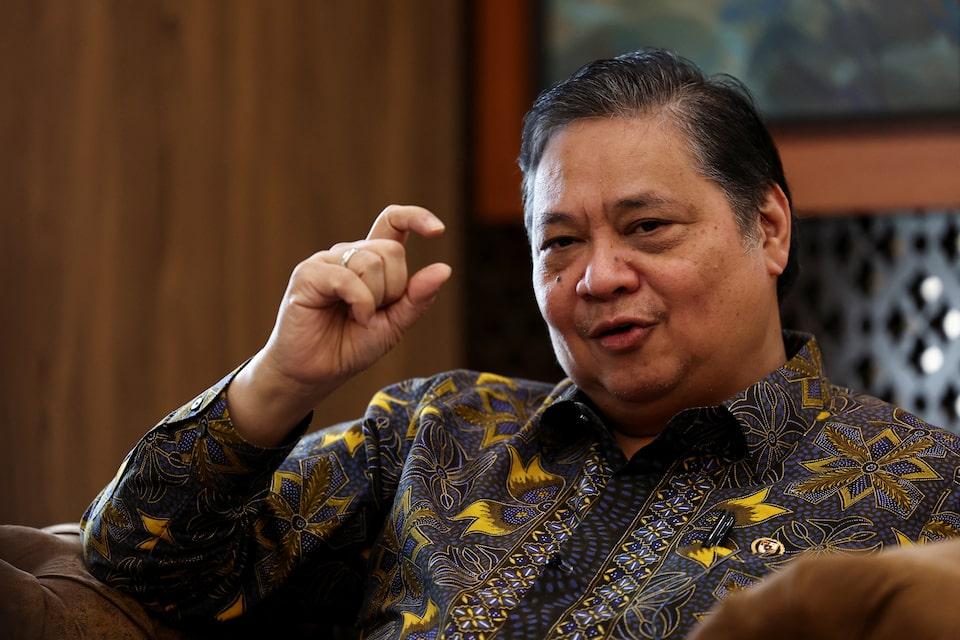
JAKARTA, Jan 13 (Reuters) - The launch of Indonesia's B50 biodiesel mandate will depend on the price gap between crude oil and crude palm oil, a senior official said on Tuesday. Indonesia, the world's largest producer of palm oil, previously said it would start its B50 mandate, which requires a 50-50 blend of palm-based fuel and diesel, in the second half of 2026. The current mandate calls for biodiesel that is 40% palm-based. Sign up here. The country subsidises its biodiesel programme using proceeds from palm oil export levies. The size of the subsidy depends on the difference between crude oil and crude palm oil prices. "This year, the guidance from the president is to maintain B40," said Airlangga Hartarto, the coordinating minister for economic affairs. "For B50, reviews are being continuously conducted and we must monitor the difference between crude oil and crude palm oil prices." "We are preparing for (implementation) in the second semester, however under current price conditions, the president's directive is (to maintain) B40, but be ready for B50," he added. On Tuesday, Malaysian crude palm oil futures for February delivery had a premium of about $370 per metric ton over ICE Brent gasoil futures for February delivery , widening from a premium of about $300 in October and November last year. Indonesia's energy ministry allocated 15.65 million kilolitres of palm-based biodiesel for this year's mandate, of which 7.45 million kilolitres will be subsidised by the country's plantation fund. Airlangga said tests are ongoing regarding the fuel's impact on automotive engines. An official with the energy ministry previously said Indonesia would likely increase its palm oil export levy. A decision on the export levy could come in a few days, Airlangga said. https://www.reuters.com/sustainability/climate-energy/indonesias-launch-b50-biodiesel-subject-prices-crude-oil-cpo-minister-says-2026-01-13/
2026-01-13 05:47
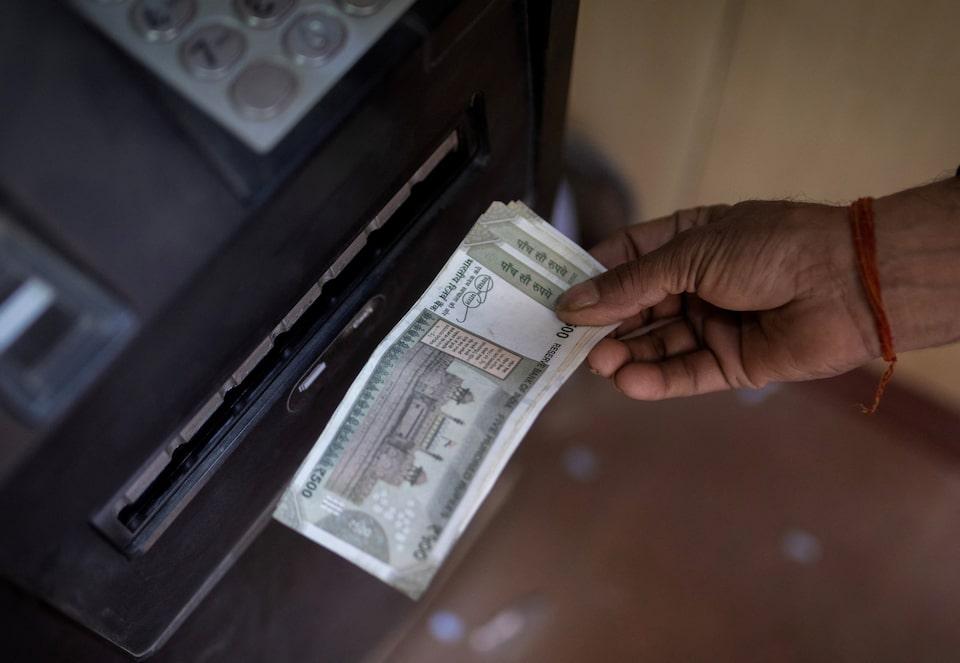
MUMBAI, Jan 13 (Reuters) - The Indian rupee closed modestly weaker on Tuesday, weighed down by a fall in local stocks and regional currencies, while likely intervention by the central bank limited the currency's decline. The rupee settled at 90.19 per dollar, marginally weaker than its close at 90.1625 in the previous session. Sign up here. Asian currencies slipped between 0.1% to 0.8% while India's benchmark equity indexes, the BSE Sensex (.BSESN) , opens new tab and Nifty 50 (.NSEI) , opens new tab declined 0.2% and 0.3% respectively, lagging most regional peers. The deferral of Indian bonds' inclusion in a flagship global index also singed the rupee, but the multi-front pressure was blunted by dollar-selling intervention by the Reserve Bank of India across the non-deliverable forward and local spot market. Despite the headwinds, some analysts say a modest recovery could be on the cards for the rupee as seasonality turns positive. Analysts at HSBC said they "tactically favour the INR in 1Q26 due to a seasonal narrowing in the trade deficit, and assuming progress in US-India trade talks." The firm expects INR to strengthen to 88 per dollar by the end of March 2026 and consequently drift lower towards 90 by the end of the year. Progress in U.S.-India trade talks remains pivotal for the currency. Washington's ambassador to New Delhi said on Monday that the two countries will hold a call on trade on Tuesday, though a fresh dose of uncertainty was injected by President Trump's announcement of a 25% trade levy on any country that does business with Iran. India's total bilateral trade with Iran stood at $1.34 billion for the first 10 months of 2025, according to India's commerce ministry. Meanwhile, market participants are also awaiting the release of key U.S. inflation data later in the day alongside keeping their eyes peeled for developments on the ongoing threats to the U.S. Federal Reserve's independence. https://www.reuters.com/world/india/indian-rupee-under-pressure-soft-asia-fx-fresh-trump-tariff-warning-2026-01-13/
2026-01-13 05:36
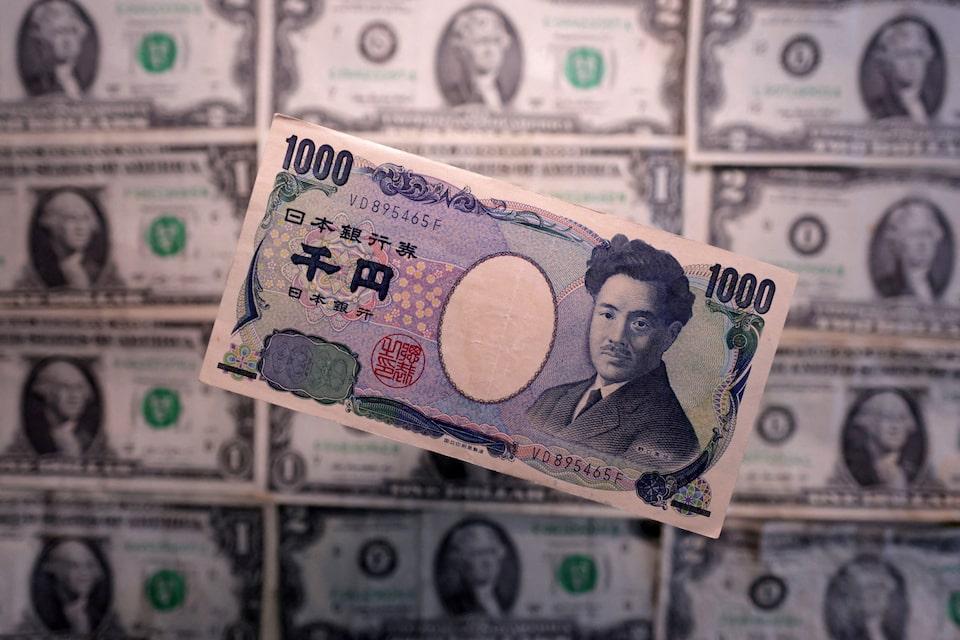
A look at the day ahead in European and global markets from Wayne Cole. Tokyo has returned from holiday with a bang, rising 3% to an all-time peak as investors welcome a weakening yen and the chance of even more aggressive fiscal stimulus. South Korea and Taiwan also hit records, while China scaled a four-year top. Sign up here. Going the other way, the yen hit record lows on the euro and Swiss franc and multi-year troughs on a range of others. The shorting of the yen helped save the dollar's blushes as it climbed to 158.65 and steadied from Monday's wobble. Tokyo officials duly stepped up their verbal protests against "one-sided" yen moves, underlining the risk of intervention in the 159.00 to 160.00 range. That just encourages speculators to short the yen against other currencies, including the AUD, MXN and BRL. For Wall Street, earnings kick off today with JPMorgan Chase (JPM.N) , opens new tab and Bank of New York Mellon (BK.N) , opens new tab. High expectations mean there's a risk of disappointment if bank management guidance is not bullish. There's an added wrinkle in Trump's sudden announcement that credit card rates will be capped at 10% from January 20, which took everyone by surprise. It's not even clear he has the legal power to do this, but it's not stopped him so far. Banks, of course, warned such a step could result in millions of American households and small businesses losing access to credit. The crunch would essentially be a tightening in monetary policy, ironic given Trump is pressing so hard for the Fed to cut rates ever deeper. The U.S. consumer price report poses a hurdle, with analysts warning of upside risks following November's unbelievably low result which was biased down by a lack of data collection. Median forecasts are for core inflation to rise an annual 2.7% in December, but both JPMorgan and Goldman see 2.8% as some of the data distortions wash out. In fact, CPI will be biased downward until April when a reset in housing costs could see a spike. The market has long given up on a January rate cut from the Fed, and even April is under 50%, but a high CPI could lessen the chance for June. As an aside, the Supreme Court has another opportunity on Wednesday to rule on Trump's emergency power tariffs, but it appears the justices don't usually make rulings this important so early in the year. April, or even June, seems more likely. Oh and next Wednesday is when SCOTUS hears oral arguments on Trump's attempt to fire Fed Governor Lisa Cook. Key developments that could influence markets on Tuesday: - US Dec CPI, new home sales, weekly average earnings https://www.reuters.com/world/china/global-markets-view-europe-2026-01-13/
2026-01-13 04:50
Financials drag stocks lower on credit card warning Gold hits fresh record on rate cut bets, safe haven demand Oil surges on Iran troubles JPMorgan starts a week of bank earnings Jan 13 (Reuters) - Financial stocks pulled Wall Street indexes lower after warnings about potential changes to lending policy on Tuesday, and gold hit fresh record highs as U.S. inflation data strengthened prospects for rate cuts this year, while unrest in Iran outweighed worries about a supply glut and lifted oil prices. U.S. President Donald Trump's proposals to cap credit card interest rates and impose a 25% tariff rate on any country that does business with Iran, along with his attacks on Federal Reserve independence, added to market uncertainty, keeping investors cautious. Sign up here. Expensive food and rent lifted the Consumer Price Index 0.3% last month for an annual gain of 2.7%. Core CPI rose 0.2% in December. The readings came in line with expectations and bolstered bets the Federal Reserve had more room to cut. "These readings reinforce the notion that inflation is moderating, and the Fed may be able to cut rates this year," said Gene Goldman, chief investment officer at Cetera Investment Management in El Segundo, California. The Dow Jones Industrial Average (.DJI) , opens new tab closed 0.80% lower at 49,191.99, the S&P 500 (.SPX) , opens new tab ended the day 0.19% lower at 6,963.74 and the Nasdaq Composite (.IXIC) , opens new tab racked up a 0.1% daily loss, to end at 23,709.87. JPMORGAN KICKS OFF U.S. BANK EARNINGS JPMorgan shares (JPM.N) , opens new tab initially rose after the largest U.S. lender reported fourth-quarter profit that beat analysts' expectations. But they then fell as much as 3% in choppy trading after executives said a proposed cap on credit card interest rates would hurt U.S. consumers and the economy. Shares in card networks Visa (V.N) , opens new tab and Mastercard (MA.N) , opens new tab fell as much as 5% during the session. The S&P 500 banking index (.SPXBK) , opens new tab fell more than 2%. Other major earnings releases loom this week, including Bank of New York Mellon (BK.N) , opens new tab, Citigroup (C.N) , opens new tab and Bank of America (BAC.N) , opens new tab. The banks have warned the rate cap plan could restrict access to credit for millions of American households and small businesses. Ahead of inflation data, currency traders appeared to have been prepared for a larger increase in prices, said Eric Theoret, currency strategist at Scotiabank in Toronto, noting risk-sensitive currencies, including the Australian dollar, rallied after the report. The dollar index , which measures the greenback against a basket of currencies including the yen and the euro, rose 0.3% to 99.17, with the euro down 0.21% at $1.1643. The dollar had risen on Friday after data showed jobs growth in December, reinforcing expectations the U.S. central bank will wait until after its January policy meeting to cut rates further. SAFE HAVEN Markets have started 2026 with a formidable lineup of geopolitical flashpoints, including Iran, Greenland and Venezuela, adding to concern about record-high equity valuations on benchmarks from New York to London, Tokyo and Frankfurt. A combination of reinforced bets on Federal Reserve rate cuts and the appeal of a safe haven from the barrage of geopolitical and economic uncertainties propelled gold to the latest in a series of record highs, while silver also hit a fresh peak. Spot gold steadied at $4,591.16 an ounce, having hit $4,634.33 earlier in the session. Trump's pursuit of Federal Reserve Chair Jerome Powell is continuing to raise alarm, with three former Fed chairs signing a statement on Monday decrying the administration's assault on the central bank's independence. They warned this is more typical in "emerging economies with weak institutions" and can have highly negative consequences for inflation. Oil prices scaled multi-week highs on worries that Iran's exports could decline, as the OPEC member, which is under sanctions, cracks down on anti-government demonstrations. Those concerns eclipsed the prospect of more supply coming from Venezuela after U.S. intervention to oust President Nicolas Maduro. Worries over a supply glut this year have taken a back seat for now, said Rystad analyst Janiv Shah. U.S. crude climbed 2.77% or $1.65 to settle at $61.15 a barrel. Brent settled at $65.47 per barrel, 2.51% or $1.60 higher on the day. https://www.reuters.com/business/finance/global-markets-global-markets-2026-01-13/