2025-03-20 22:27
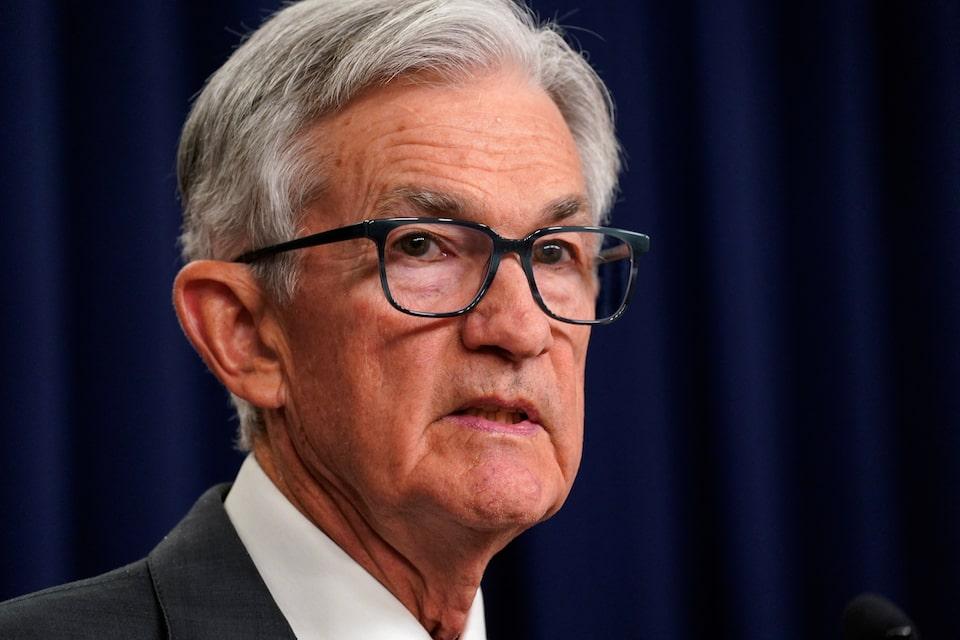
March 20 (Reuters) - Nucor Corp (NUE.N) , opens new tab on Thursday forecast first-quarter 2025 profit below estimates as a weak steel pricing environment continues to weigh on its average selling prices, sending the steelmaker's shares down 4% after the bell. On an adjusted basis, the Charlotte, North Carolina-based company expects first-quarter earnings to be in the range of 50 cents to 60 cents per share, compared with analysts' estimate of $1.09 per share, according to data compiled by LSEG. Sign up here. Nucor, with facilities in the U.S., Canada and Mexico, expects the earnings in its larger steel mills segment to be in line with the previous quarter. However, it forecasts a sequential decline in earnings in its steel products segment due to lower average selling prices. Peers U.S. Steel (X.N) , opens new tab and Steel Dynamics (STLD.O) , opens new tab also forecast lower-than-expected first-quarter earnings earlier this week, amid a prolonged decline in steel prices. However, the sector awaits improvements in the pricing environment this year, buoyed by U.S. president Donald Trump's implementation of additional tariffs on steel and aluminum imports. https://www.reuters.com/markets/commodities/nucor-forecasts-first-quarter-profit-below-estimates-lower-steel-pricing-2025-03-20/
2025-03-20 22:21
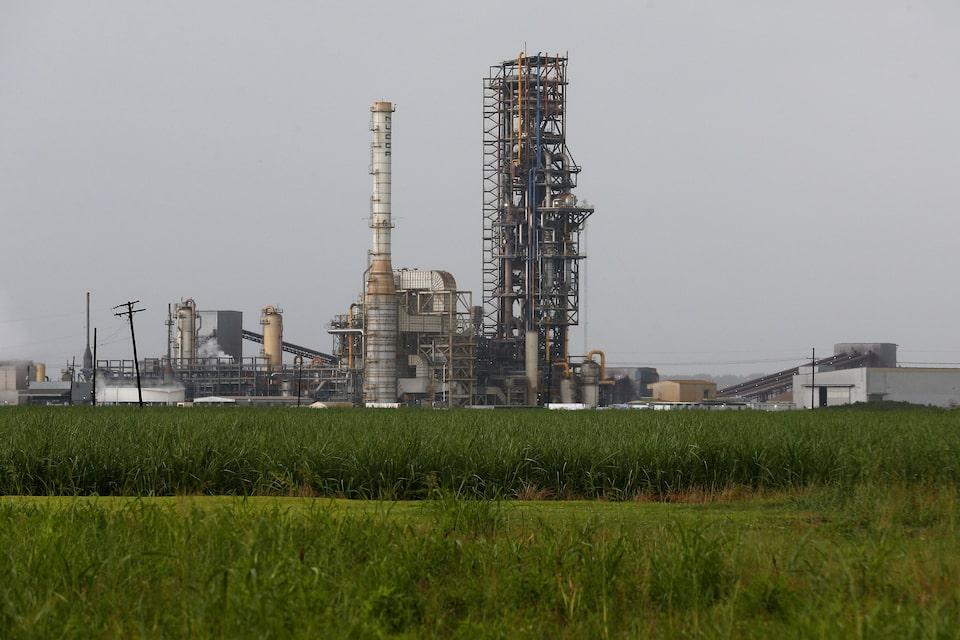
SAN SALVADOR, March 20 (Reuters) - The Inter-American Development Bank (IDB) will lend El Salvador $500 million to shore up its budget as the Central American nation carries out structural reforms stipulated under a recent deal with the International Monetary Fund (IMF), the IDB said on Thursday. The loan will give El Salvador room to make progress on reforms to increase tax revenue, reduce public debt, rebuild international reserves and improve financial governance, the IDB said in a statement. Sign up here. https://www.reuters.com/world/americas/development-bank-clears-500-million-el-salvador-after-imf-deal-2025-03-20/
2025-03-20 22:08
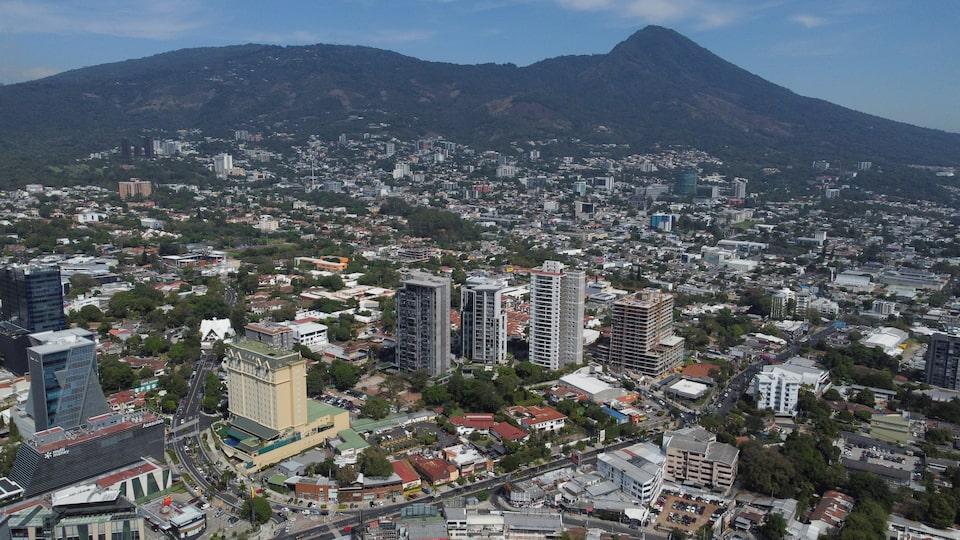
BRASILIA, March 20 (Reuters) - Brazilian Finance Minister Fernando Haddad said on Thursday his government expects lengthy tariff negotiations with the United States, and suggested they would include trade discussions involving sugar and ethanol. "As they are waging war with the entire world, they will not make an exception for Brazil. That certainly will not happen," he told GloboNews TV. "But when we sit at the negotiating table, they will bring up ethanol, and we will bring up sugar." Sign up here. When U.S. President Donald Trump unveiled his plan to raise import tariffs, details of which are expected in early April, a White House fact sheet on the move cited Brazil's ethanol tariffs as an example of unfair trade practices. That led Brazil's Energy and Mining Minister Alexandre Silveira to call a potential U.S. tariff on Brazilian ethanol unreasonable, stressing that the two countries have historically negotiated ethanol and sugar trade together. Brazil is one of the world's largest sugar producers and the vast majority of its ethanol also comes from sugarcane, compared to U.S. ethanol made largely with corn. Brazilian officials often argue that the tariff imposed by the U.S. on sugar imports outside preferential quotas is too high, exceeding Brasilia's tariff on ethanol imports. Haddad said the exchange of services with the United States, where it is a major exporter relative to Brazil, could also be a key issue in negotiations. The minister stressed Brazil's stance is not to "add fuel to the fire" of the tariff dispute, so it is waiting for the U.S. to outline its approach to bilateral trade. "Meanwhile, Brazil is reviewing its entire import and export agenda, item by item, so that when we go to the negotiating table, we can also present our demands," he said, stressing that the approach would be "reciprocity, not retaliation." https://www.reuters.com/world/americas/brazil-sees-prolonged-us-tariff-talks-minister-says-linking-ethanol-sugar-2025-03-20/
2025-03-20 21:47
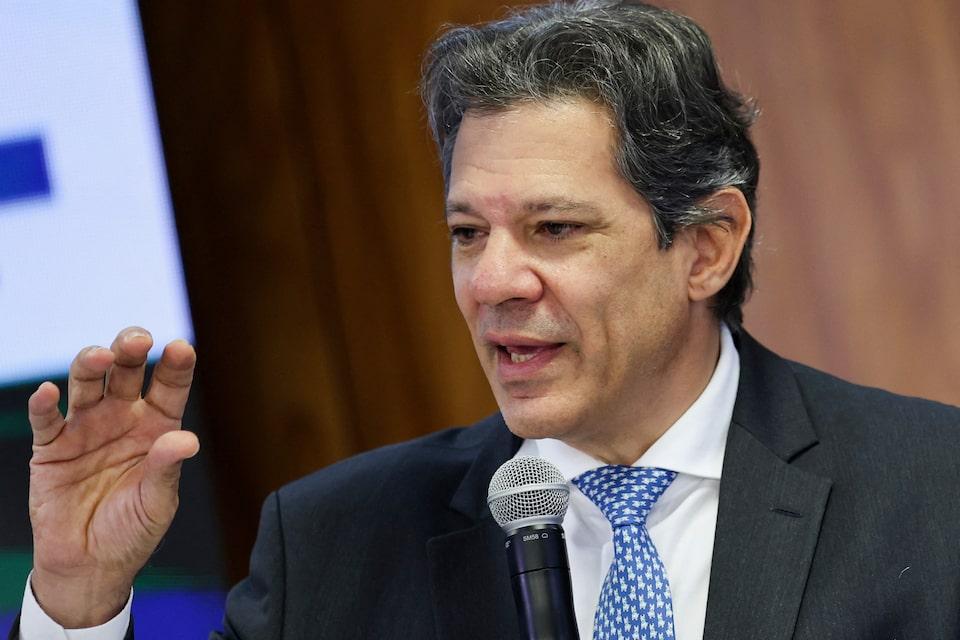
Minerva's operating performance in Q4 impresses investors Debt levels remain high after large acquisition Ramp-up of new acquired plants will require more capital SAO PAULO, March 20 (Reuters) - Shares in Minerva (BEEF3.SA) , opens new tab, South America's largest beef exporter, rose sharply on Thursday as analysts cheered strong fourth-quarter operating results that allayed concerns about surging debt amid a downturn in Brazil's cattle cycle. Goldman Sachs reiterated its "buy" rating on the stock, citing the potential for strong sales to China and steady demand in Brazil, where higher beef prices have partially compensated for scarcer cattle. Sign up here. Minerva lost a net 1.57 billion reais ($277 million) in the fourth quarter, largely due to negative currency effects. However, operating profit measured by earnings before interest, taxes, depreciation and amortization (EBITDA) rose 56% from the same period a year earlier to 944 million reais, beating the average forecast in an LSEG poll of 840.6 million reais. Minerva's shares rose more than 10% in Sao Paulo trading but later trimmed gains to close 8.7% higher before market adjustments, while those of rival JBS (JBSS3.SA) , opens new tab ended up 4.2% ahead of its earnings report next week. Minerva's management said the company will be able to generate enough cash to reduce debt this year and next after paying for new slaughterhouses across South America, which increased its nominal slaughtering capacity by more than 50%. Analysts have raised concerns for months about Minerva's rising debt, with some suggesting it had overpaid for Marfrig (MRFG3.SA) , opens new tab assets in Brazil, Chile, Argentina and Uruguay. The 7.5 billion reais ($1.33 billion) deal was struck in 2023 but only closed in October last year due to slower-than-expected regulatory approvals. Morgan Stanley analysts, which have an "equal weight" recommendation on the stock, praised Minerva's strong EBITDA, suggesting that its free cash flow would boost shares despite debt ratios that remain high because of the acquisition. Net debt rose 76% year-on-year to end 2024 at 15.6 billion reais. Currency effects added almost 2 billion reais to gross debt in the fourth quarter, analysts at Genial Investimentos said. The analysts warned Minerva could breach its debt covenants, a risk dismissed by management which said that not all of the company's debt obligations are included in the covenant calculations. Minerva's Chief Financial Officer Edison Ticle told analysts the company may be able to generate between 1 billion and 2 billion reais of free cash this year to reduce debt. He acknowledged cash expenses will reach around 2 billion reais due to the higher debt levels. Ticle also forecast an additional 200 million reais of capital spending on the 13 former Marfrig plants, which will require additional working capital of up to 500 million reais. BTG analysts, who have a "neutral" rating on the stock, said the acquired assets have performed in line with expectations, adding their margins are initially not as bad as some investors may have feared. "However, there is still a considerable journey ahead," BTG said citing low capacity utilization at the new plants, which will continuously require more capital in a scenario of reduced cattle availability. ($1 = 5.6552 reais) https://www.reuters.com/markets/commodities/brazils-minerva-vows-cut-debt-after-paying-large-acquisition-2025-03-20/

2025-03-20 21:41
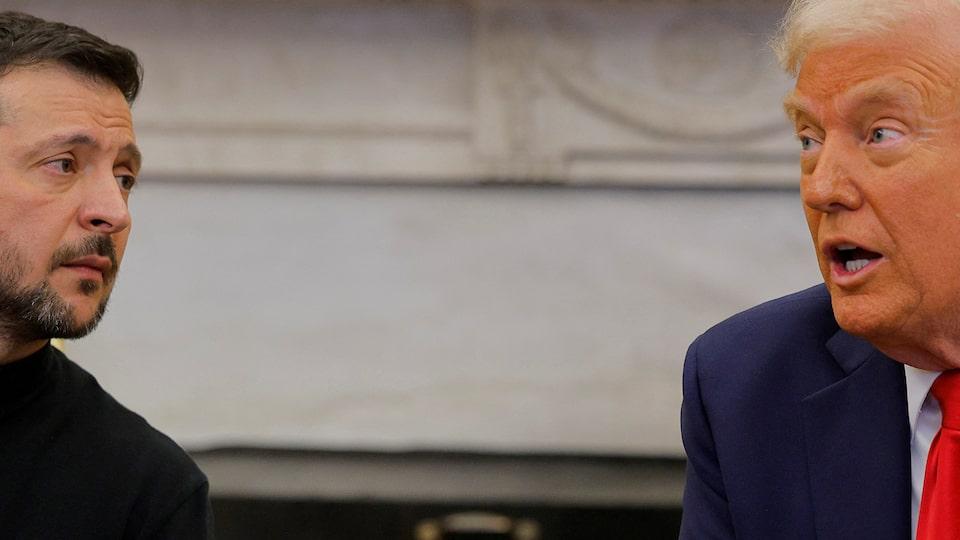
Trump says peace talks going 'pretty well' Ukraine minerals deal seen as repayment for U.S. aid EU leaders support Ukraine but delay artillery funding decision WASHINGTON, March 20 (Reuters) - President Donald Trump said on Thursday the United States will sign a minerals and natural resources deal with Ukraine shortly and that his efforts to achieve a peace deal for the country were going "pretty well" after his talks this week with the Russian and Ukrainian leaders. Trump made the comments at a White House event after signing an order to increase U.S. production of critical minerals. Sign up here. "We're doing very well with regard to Ukraine and Russia. And one of the things we are doing is signing a deal very shortly with respect to rare earths with Ukraine." Trump referred to his separate discussions this week with Russian President Vladimir Putin and Ukrainian President Volodymyr Zelenskiy aimed at ending Russia's war in Ukraine. Those talks, which fell short of Trump's aim to secure a full 30-day ceasefire, resulted in Putin agreeing to stop Russian attacks on energy infrastructure for 30 days and Zelenskiy saying he would also accept such a pause. "We would love to see that (war) come to an end, and I think we're doing pretty well in that regard," Trump said. "So hopefully we’d save thousands of people a week from dying. That's what it's all about. They're dying so unnecessarily, and I believe we'll get it done." Ukraine and the U.S. said this month they had agreed to conclude as soon as possible a comprehensive agreement for developing Ukraine's critical mineral resources, which Trump sees as a means to pay back the United States for its assistance to Kyiv. Efforts to seal the deal stumbled after a disastrous White House meeting between Trump and Zelenskiy at the end of last month. Trump and Zelenskiy agreed on Wednesday to work together to end Russia's war with Ukraine, in what the White House described as a "fantastic" one-hour phone call, their first conversation since their Oval Office shouting match that resulted in a short-term cutoff in U.S. military aid and intelligence to Kyiv. It was unclear if the deal has changed. An earlier version did not include the explicit security guarantees Ukraine has sought, but gave the U.S. access to revenues from Ukraine's natural resources. It also envisaged the Ukrainian government contributing 50% of monetized amounts for state-owned natural resources to a U.S.-Ukraine managed reconstruction investment fund. Asked how the current version of the minerals deal differs from the earlier draft, a senior U.S. official said it was "more detailed and comprehensive," declining to elaborate. Ukraine's embassy in Washington did not immediately respond to a request for comment. In Brussels on Thursday, European Union leaders said they would continue to support Ukraine, but did not immediately endorse a call by Zelenskiy to approve a package of at least 5 billion euros for artillery purchases. https://www.reuters.com/world/trump-says-sign-ukraine-minerals-deal-soon-peace-efforts-going-pretty-well-2025-03-20/
2025-03-20 21:03
ORLANDO, Florida, March 20 (Reuters) - Post-Fed rally fades, global caution mounts U.S. markets struggled for clear direction on Thursday, as investors cooled some of their optimism around Federal Reserve Chair Jerome Powell's view that the economy is in good shape and tariff-related price rises will be transitory. Sign up here. Wall Street's bullish momentum from the previous day fizzled out and Treasuries and the dollar rose, indicating a broader 'risk-off' tone at play. Gold, which has already rocketed 16% this year to new highs, held its ground too. It remains to be seen whether Powell's confidence will be justified. The signs are ominous, as I will explain below. Warnings from around the world about the uncertain outlook have proliferated this week, from the Bank of Japan on Wednesday to the Bank of England, Swiss National Bank, Sweden's Riksbank and European Central Bank President Christine Lagarde on Thursday. Today's Key Market Moves. So, the day after the afternoon before, and markets took a more tempered view on the Fed's new economic projections and Powell's press conference. As BNP Paribas's Guneet Dhingra wryly noted, given the level of economic uncertainty, perhaps the post-Fed reaction itself was always likely to be 'transitory'. And so it seems. Powell is already coming in for some flak, although not from an entirely unexpected source. "The Fed would be MUCH better off CUTTING RATES as U.S. Tariffs start to transition (ease!) their way into the economy. Do the right thing," President Donald Trump posted on his Truth Social platform late on Wednesday. Investors are now starting to turn their attention to April 2, when Trump's proposed reciprocal tariffs take effect. If they kick in as planned, other countries will likely take counter measures and a 'tit for tat' spiral could accelerate. That would be bad news for world growth, inflation, and markets. Deutsche Bank economists on Thursday said that the rise in trade policy uncertainty could shave 0.75 percentage points from U.S. GDP through mid-2026. But that assumes uncertainty quickly returns to 'normal'. If it remains at current levels through June, the hit to growth could be double that. And as the old adage goes, if the U.S. catches a cold - especially one that severe - the rest of the world will be sneezing. Investors draw transitory vs stagflation battle lines The fate of U.S. financial markets this year will largely depend on whether any tariff-fueled inflation turns out to be "transitory", enabling the Federal Reserve to cut interest rates, or whether the central bank gets bogged down by the specter of "stagflation". The first scenario is the one Chair Jerome Powell outlined on Wednesday as the central bank's "base case", sparking a powerful rally on Wall Street and a sharp drop in Treasury bond yields. So it's risk on, right? Investors chose to ignore the second scenario, even though it is arguably the more obvious one to draw from the Fed's revised economic projections. Policymakers are now expecting higher inflation and meaningfully slower growth. The median interest rate 'dot plot' was unchanged from December, still pointing to two cuts this year, but there's a shift underway - eight policymakers now think one cut or none at all will be appropriate this year. So, risk off? 'Team transitory' may have stolen a march on 'team stagflation', but a lot of stars will need to align for it to emerge victorious over the long haul. THE T-WORD Many investors likely shuddered when Powell invoked the T-word on Wednesday, given the Fed has had to keep rates higher for longer precisely because the post-pandemic inflation surge wasn't as transitory as Powell and then-Treasury Secretary Janet Yellen had claimed. That said, Powell is correct that the inflation caused by President Donald Trump's 1.0 trade war was transitory. Academic studies suggest the first-round impact of Trump's 2018 tariffs added up to 0.3 percentage points to core PCE inflation, but annual core PCE inflation in 2018 never exceeded 2% and fell in 2019. Still, the Fed's credibility took a beating with the post-pandemic 'transitory' debacle, so Powell may be leaving himself and the institution open to further attacks if any future price increases prove to be stickier than bargained for. This is a genuine risk because Trump's proposed tariffs are of a whole different order this time around. A Boston Fed paper last month estimated that the first-round impact of tariffs could add between 1.4 and 2.2 percentage points to core PCE. This would have a much deeper and longer-lasting impact on inflation. Fed officials are wary. Not only did they raise their median 2025 inflation outlook, but some also raised their 2026 and 2027 projections, and 18 out of 19 believe price risks are still skewed to the upside. STAGFLATION SPECTER It's also worth noting that Fed officials lowered their growth projections significantly more than they raised their inflation outlook. The 2025 growth outlook fell to 1.7% from 2.1%, and down to 1.8% for the next two years. Granted, that's still decent growth and nowhere near a recession, but it would mark the first back-to-back years of sub-2% expansion since 2011-12. Moreover, 18 out of 19 Fed officials see growth risks still tilted to the downside, compared with only five in December. Even if the Fed does cut rates, it is just as likely to be in response to the economy rolling over and unemployment shooting up than anything else. Would that be 'risk on'? While no one is talking about a return to the 1970s, stagflation risks are rising, which hugely complicates the Fed's reaction function. The bar for cutting rates is getting higher, and it is difficult to see how this creates a positive environment for risk-taking – that is, unless team transitory emerges victorious in the end. What could move markets tomorrow? If you have more time to read today, here are a few articles I recommend to help you make sense of what happened in markets today. I'd love to hear from you, so please reach out to me with comments at [email protected]. You can also follow me at [@ReutersJamie and @reutersjamie.bsky.social.] Opinions expressed are those of the author. They do not reflect the views of Reuters News, which, under the Trust Principles , opens new tab, is committed to integrity, independence, and freedom from bias. Trading Day is also sent by email every weekday morning. Think your friend or colleague should know about us? Forward this newsletter to them. They can also sign up here. https://www.reuters.com/markets/global-markets-trading-day-2025-03-20/