2025-03-20 17:51
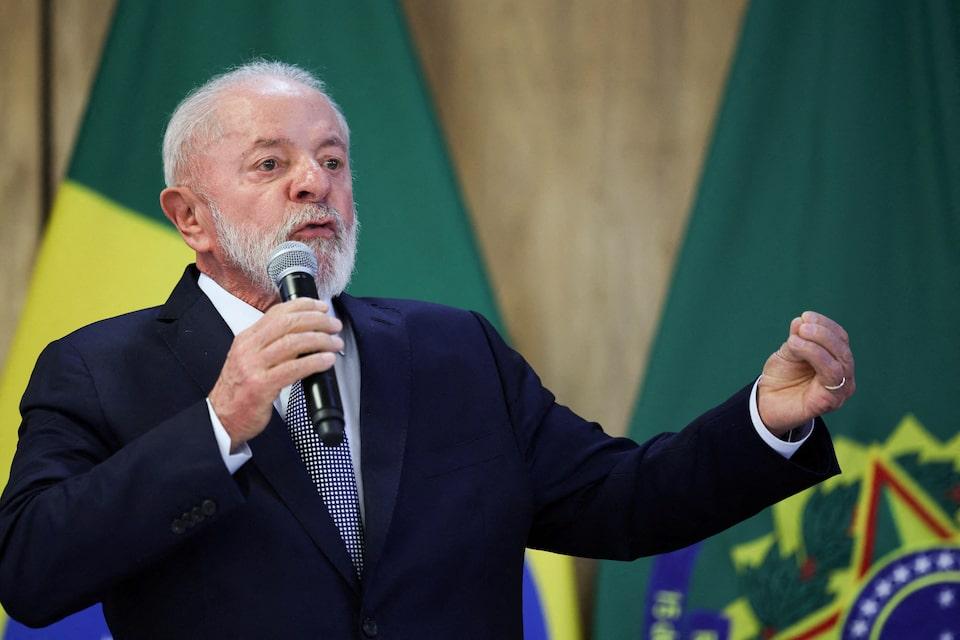
BRASILIA, March 20 (Reuters) - Brazil's Congress approved on Thursday a 2025 budget bill that foresees a primary surplus of 15 billion reais ($2.66 billion) for the central government this year, up from the 3.7 billion reais projected in August by the government. The text, sponsored by Senator Angelo Coronel, states that revenue projections were revised upward, leading to an improved primary balance forecast. Sign up here. The bill now has to be signed into law by President Luiz Inacio Lula da Silva to take effect. Lula passed a new fiscal framework in 2023, his first year in office, which combines a primary balance target with a cap limiting spending growth to up to 2.5% above inflation. For this year, the target is a zero primary deficit, with a margin of 0.25% of gross domestic product, meaning the government can post a deficit of as high as 30.9 billion reais and still comply with the rule. Coronel said he incorporated changes requested by the federal government, including higher spending on social security benefits and a reduction in expenditures on the Bolsa Familia welfare program, which provides monthly cash transfers. Traditionally, the annual budget bill is approved before the end of the preceding year. This year's significant delay underscores the challenges faced by Lula's leftist administration in its relationship with Congress. ($1 = 5.6486 reais) https://www.reuters.com/world/americas/brazils-2025-budget-bill-sees-higher-surplus-lawmakers-revision-2025-03-20/
2025-03-20 17:34
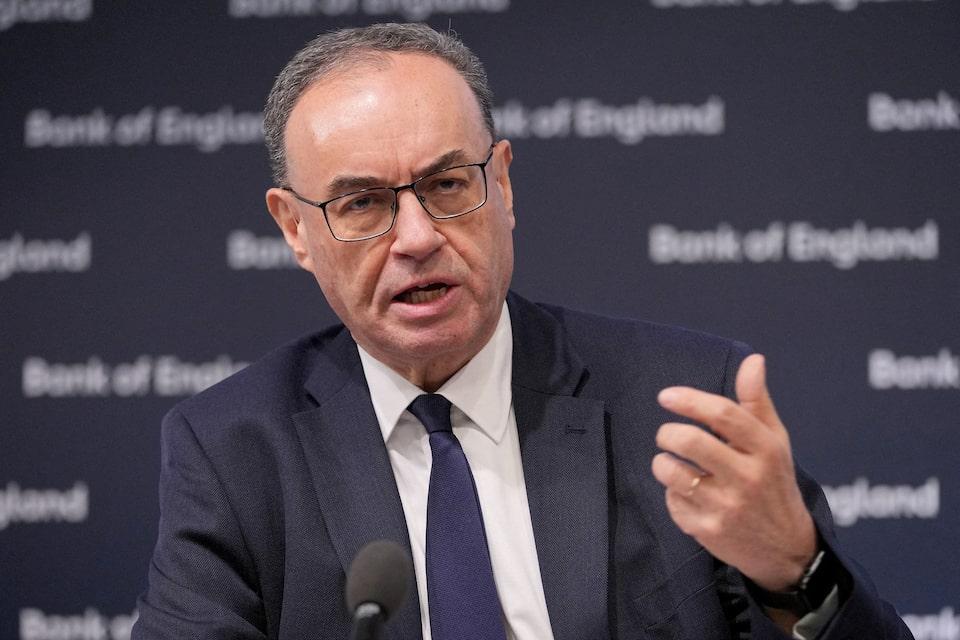
BoE holds benchmark rate at 4.5% MPC votes 8-1 to keep borrowing costs unchanged Bailey stresses uncertainty MPC warns against assuming rate cuts at next few meetings LONDON, March 20 (Reuters) - The Bank of England kept interest rates on hold and warned investors against assuming they would be cut quickly as it grappled with deep uncertainty hanging over the British and world economies. The BoE's rate setters voted 8-1 to keep borrowing costs at 4.5%, with only external member Swati Dhingra voting for a quarter-point cut. Economists polled by Reuters had mostly forecast a less emphatic 7-2 'hold' vote. Sign up here. Governor Andrew Bailey, echoing other central bankers around the world, highlighted the sudden lack of visibility about the outlook due largely to the rise in trade tensions kicked off by the United States under President Donald Trump. The UK economy is also at risk of higher inflation as a tax hike for employers kicks in next month. Bailey said the BoE would have to move carefully with its next rate cuts because inflation pressures remained a risk. "We need to accumulate the evidence" of a fall in price pressures, Bailey told broadcasters. "We really do have to wait to see that evidence unfold." With UK inflation stuck firmly above its 2% target - it hit 3% in January - the BoE has cut borrowing costs by less than the European Central Bank and the U.S. Federal Reserve since last summer, contributing to Britain's sluggish economic growth. The Monetary Policy Committee's next scheduled rates announcement is on May 8, by which time it will know whether Trump has gone through with his threat to hit a swathe of U.S. imports with new tariffs. After its announcement on Thursday, investors saw a less than 50% chance of the BoE cutting rates in May and 44 basis points of rate cuts - less than two quarter-point moves - this year, down from over 50 basis points earlier in the day. The MPC said "there was no presumption that monetary policy was on a pre-set path over the next few meetings", although it still expected inflation pressures would continue to ease. Sterling rose by almost a fifth of a cent against the U.S. dollar immediately after the announcement before giving up some of that gain. British two-year government bond yields, which are sensitive to speculation about rates, reversed course and were up by almost six basis points on the day at 1610 GMT. Analysts picked up on the message of caution from the central bank. Paul Dales, chief UK economist at Capital Economics, said there could now be an early pause in the BoE's pattern of cutting rates once every three months since last August. "We’ve assumed that happens in August, but May is clearly a possibility," he said. "The key point, though, is that we think the weak economy will mean inflation doesn’t stay higher for longer and that the Bank will resume cutting rates in November and will still lower them to 3.50% next year." Allan Monks, a JP Morgan economist, said he still expected a rate cut in May as the economy weakens but that could change depending not only on trade wars but also the impact of Britain's tax increase on inflation and growth. "Uncertainty has gone up in both directions," Monks said. The BoE repeated its guidance that it was taking a "gradual and careful approach" to rate cuts. GLOBAL WORRIES The U.S. Fed on Wednesday cut its economic growth forecasts for this year and raised its inflation projection as it kept borrowing costs on hold. European Central Bank President Christine Lagarde said on Thursday a 25% U.S. tariff on European imports would lower euro zone growth by about 0.3 percentage points in the first year, rising to about half a percentage point if retaliatory measures were taken. The Swiss National Bank cut rates by 25 basis points as it focused on the risk that trade wars would hurt the global economy. Sweden's central bank kept its policy rate unchanged. The BoE said "other geopolitical uncertainties have also increased" and noted Germany's huge borrowing plans which could boost growth in Europe. At home, the British government's imminent tax hike for employers was probably behind price increases in the services sector, it said, while also noting surveys suggesting weakness in hiring intentions by businesses. Also on the MPC's radar is finance minister Rachel Reeves' budget update speech next Wednesday in which she is expected to announce cuts to public spending plans. The BoE predicted a peak in British inflation of 3.75% in the third quarter of this year, up slightly from a February estimate of 3.7%. It nudged up its estimate for economic growth in the first three months of 2025 to 0.25% from a 0.1%. https://www.reuters.com/markets/rates-bonds/bank-england-tries-dampen-talk-quick-rate-cuts-face-uncertainty-2025-03-20/

2025-03-20 17:22
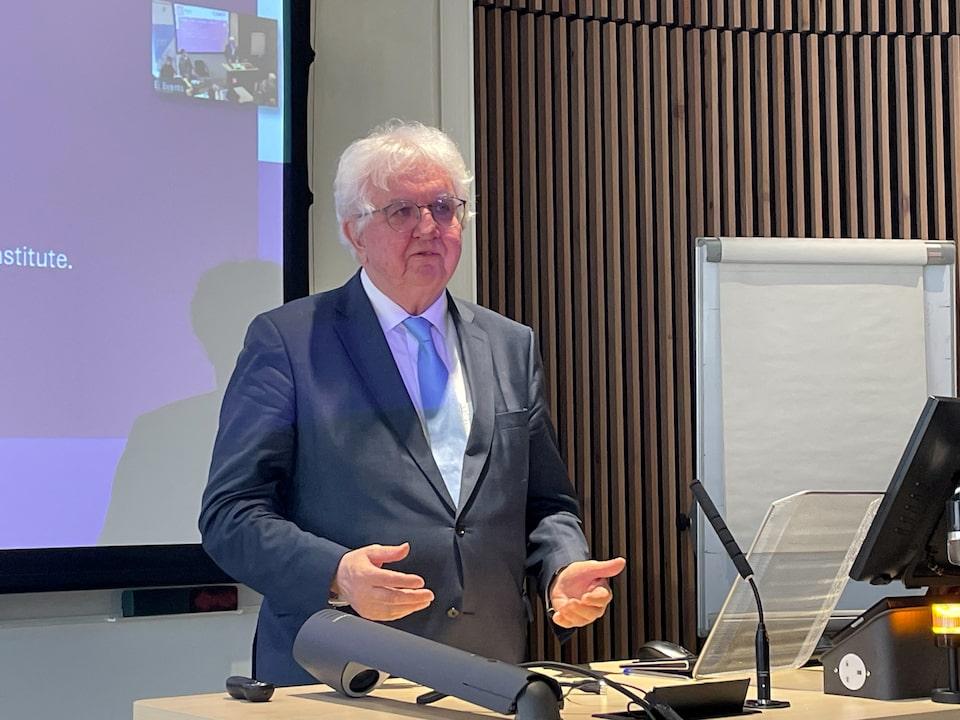
LONDON, March 20 (Reuters) - The European Central Bank will have a discussion at some point in the future about whether it can play a role in the bloc's plans to ramp up defence spending, policymaker Robert Holzmann said on Thursday. The European Union is planning a joint push to raise defence spending by 800 billion euros ($867.84 billion) as it seeks to protect the region and support Ukraine amid signals from the United States that Washington plans to dial down its military backing. Sign up here. Asked whether he saw a role for the ECB to finance defence spending through bond purchases, Holzmann told an event in London: "we have not discussed it yet, we alluded to it." Responding to a follow-up question on when a discussion may happen, Austria's central bank head said it would take place in "future", without specifying a time frame. The ECB has used various bond buying programmes since the peak of the euro zone debt crisis and during the COVID-19 pandemic to help keep government borrowing costs in check. ECB President Christine Lagarde recently played down the likelihood the bank would play a direct role in the financing effort, saying this was not the purpose of the ECB. Germany's parliament has also approved a massive spending plan including easing constitutionally enshrined borrowing rules to rapidly raise defence spending. The anticipated surge in borrowing has sent European government borrowing costs sharply higher this month. ($1 = 0.9218 euros) https://www.reuters.com/world/europe/ecb-discuss-defence-spending-support-future-holzmann-says-2025-03-20/
2025-03-20 15:49
LONDON, March 20 (Reuters) - Bank of England Governor Andrew Bailey said on Thursday that the central bank would have be careful about cutting interest rates because the fall in inflation pressures has been very gradual. "We have to be quite careful at this point in how we calibrate our response because we're still seeing a very gradual fall in inflation. We need to accumulate the evidence," Bailey told broadcasters. Sign up here. "We really do to have wait to see that evidence unfold." Earlier on Thursday, the BoE held its key rate at 4.5% and warned against assumptions that borrowing costs would be cut over its next few meetings as it grappled with uncertainty overhanging the British and world economies. https://www.reuters.com/world/uk/bank-england-must-be-careful-inflation-pressure-is-falling-slowly-bailey-says-2025-03-20/
2025-03-20 15:18
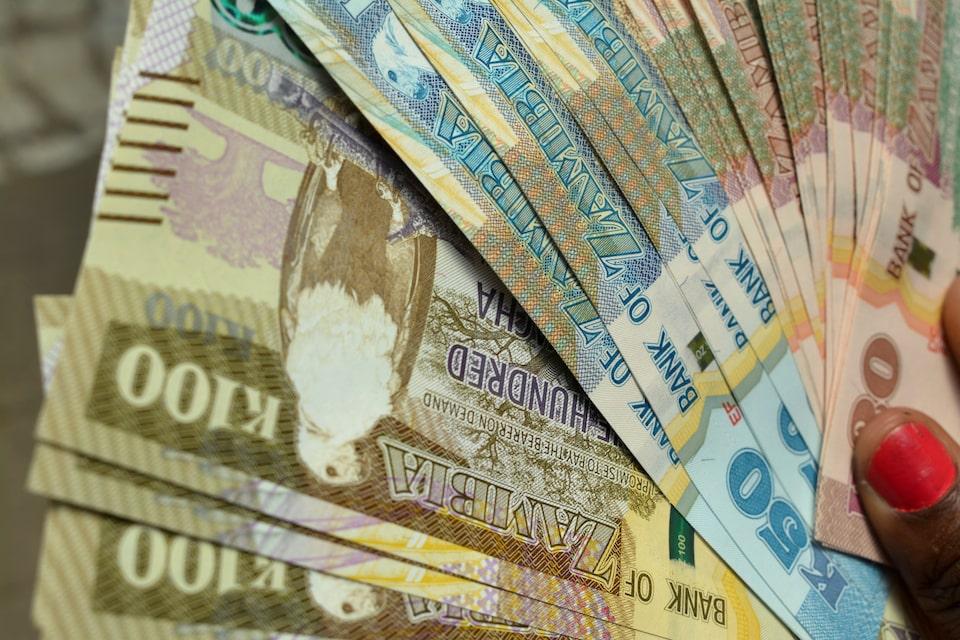
KAMPALA, March 20 (Reuters) - Zambia's kwacha currency is expected to weaken against the U.S. dollar in the coming week, while Kenya's shilling, Nigeria's naira, Ghana's cedi and Uganda's shilling are seen holding steady, traders said. KENYA Kenya's shilling is seen trading stable in the coming days, drawing support from inflows of hard currency from non-governmental organisations and diaspora remittances, traders said. Sign up here. At 0802 GMT, commercial banks quoted the shilling at 129.25/129.45, the same as last Thursday's close. Charities typically convert some of their local currency holdings at the end of the month to meet operational expenses. "There will also be a bit of demand, so overall the market will be balanced," said a trader from a commercial bank in the capital Nairobi. NIGERIA Nigeria's naira is seen range-bound next week, driven by central bank dollar sales aimed at boosting liquidity in the foreign exchange market. The naira was quoted around 1,535 to the dollar in intraday trading on Thursday, traders said, compared with a closing quote of 1,549 naira a week earlier. The unit was sold at 1,575 naira to the dollar in street trading on Thursday. "I expect the naira to exchange around current levels after the central bank's dollar sales helped to absorb the volatility we saw last week," one trader said. GHANA Ghana's cedi is seen extending its recent stability next week as central bank and offshore inflows lend support to dollar demand from the manufacturing and energy sectors. LSEG data showed the cedi at 15.45 to the dollar on Thursday, unchanged from last Thursday's close. "The cedi has been largely stable against the dollar in recent sessions as the FX market has remained liquid," Sedem Dornoo, a senior trader at Absa Bank, said. "We expect this narrative to persist in coming sessions as the central bank continues to support the market through its forwards auctions," he added. UGANDA Uganda's shilling is seen trading in a stable range, helped by inflows of hard currency from charities and a generally subdued appetite among importers. At 0829 GMT, commercial banks quoted the shilling at 3,660/3,670, the same level as last Thursday's close. A trader at one commercial bank said traders were anticipating the customary inflows of hard currency from NGOs at the end of the month. "On the other hand, demand is poor, so I think those two factors combined mean we'll generally have a stable shilling," he said, forecasting the local unit would play in the 3,640-3,680 range against the dollar. ZAMBIA Zambia's kwacha is likely to continue trading weaker next week due to scanty inflows as dollar demand remains high. On Thursday, the currency of Africa's second largest copper producer was quoted at 28.80 from 28.58 a week ago. "The direction of travel is likely to remain unchanged in the coming days amid growing demand for hard currency against a backdrop of limited supply," Access Bank said in a note. Increased imports of food and electricity have contributed to the depreciation of Zambia's currency in recent months. https://www.reuters.com/markets/currencies/africa-fx-zambias-kwacha-weaken-other-african-currencies-seen-stable-2025-03-20/
2025-03-20 15:12
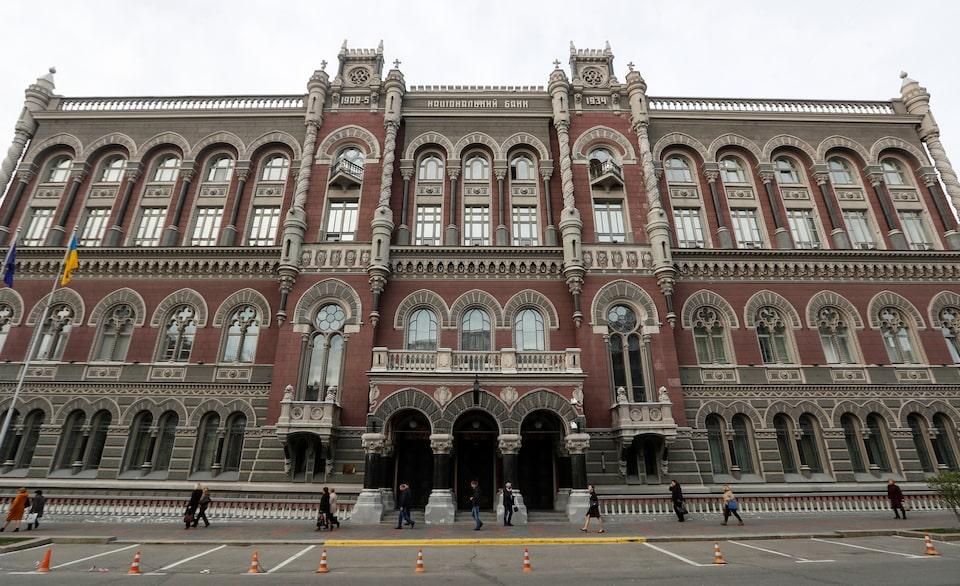
KYIV, March 20 (Reuters) - Ukraine's central bank is preparing to further ease some of its wartime capital controls, it said on Thursday, as it looks for ways to support exporters in generating economic growth. Kyiv imposed tight capital controls and restrictions on the foreign exchange market to prevent capital flight and maintain macroeconomic stability since Russia's invasion in February 2022 shattered the economy. But it has since eased some of these, notably with a package of measures last May. Sign up here. The central bank told Reuters in written comments that it planned "targeted solutions" in the near term to simplify restrictions on businesses, to promote Ukrainian goods abroad and to defend Ukrainian businesses in foreign courts. "The central bank remains committed to easing currency restrictions," it said. "Its goal is to incorporate incentives for new capital inflows into currency liberalisation measures." Ukraine's gross domestic product plunged by nearly a third in 2022 after Moscow's invasion, and has not recovered to pre-war levels. Russia controls around a fifth of Ukraine's territory. The resilience of Ukrainian businesses and the steady flow of foreign financial aid have been crucial in helping the economy adapt to the huge economic headwinds, allowing the central bank to start easing capital controls. The central bank said in its comments that more than 800 companies had already benefited. The changes have enabled 500 companies to repatriate some dividends and 300 other firms to pay interest on some of their foreign loans, it said. "This has improved the working environment for a significant part of Ukrainian businesses and at the same time it had no decisive impact on the foreign exchange market," the central bank said. The central bank's foreign currency reserves stood at about $40.1 billion at the start of March, the most recent data showed. Finance Ministry data showed that the government has received more than $118 billion in foreign aid since the 2022 invasion. https://www.reuters.com/markets/currencies/ukraine-prepares-ease-wartime-capital-controls-further-help-exporters-2025-03-20/