2025-03-20 11:23
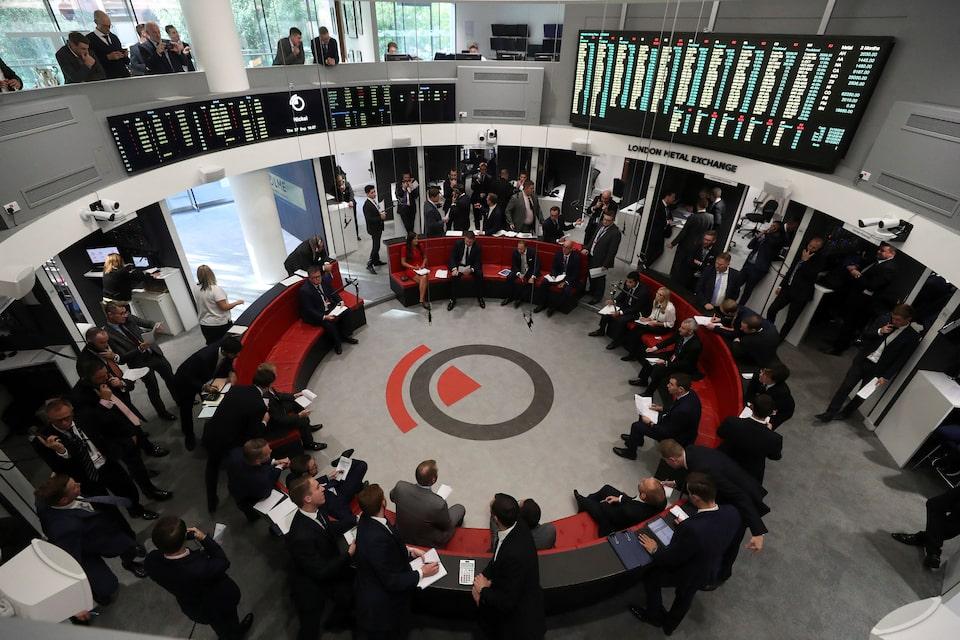
March 20 (Reuters) - Britain's financial regulator on Thursday fined the London Metal Exchange 9.2 million pounds ($11.9 million) over its handling of the 2022 nickel crisis, and said the exchange had failed to ensure its systems were well-equipped. In March 2022, the LME was forced to halt nickel trading and cancel trades after prices doubled to more than $100,000 per tonne in a surge blamed on short-covering. But the move had cost the exchange severely. Sign up here. Britain's Financial Conduct Authority said the LME had failed "to ensure its systems and controls were adequate to deal with severe market stress", and highlighted how its automatic volatility controls operated and crises were escalated and managed internally. "We take our responsibilities as a global market operator very seriously, and acknowledge that we could have provided a better line of defence...," LME Chief Executive Officer Matthew Chamberlain said in a statement. The LME, operated by the Hong Kong Exchanges and Clearing Ltd (0388.HK) , opens new tab, has qualified for a 30% reduction in the fine since it accepted the findings, the regulator said. ($1 = 0.7721 pounds) https://www.reuters.com/world/uk/britains-fca-fines-london-metal-exchange-nearly-12-million-2025-03-20/
2025-03-20 11:20
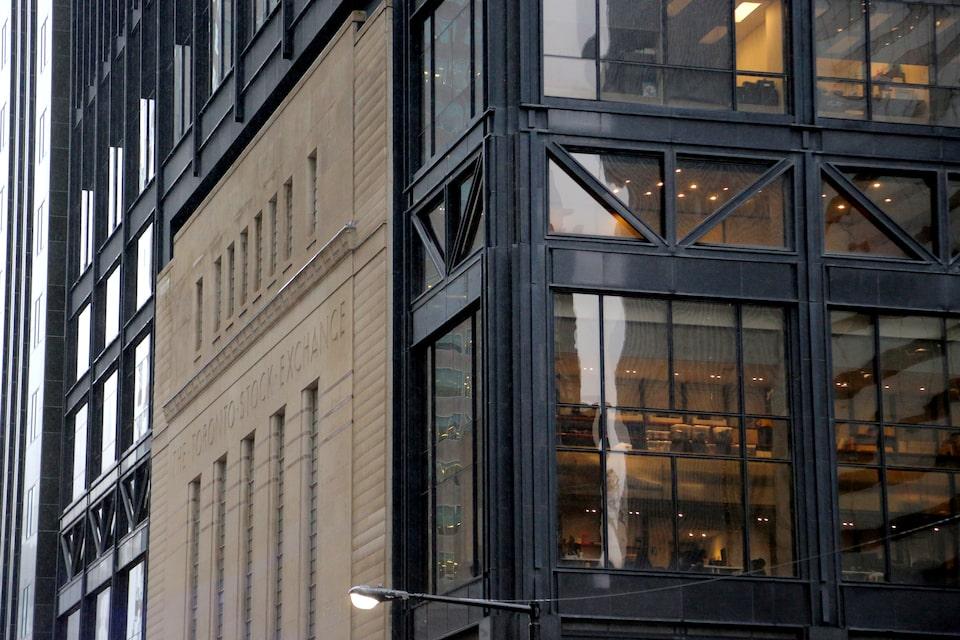
TSX ends down 8.97 points at 25,060.24 Technology sector loses 0.5% Energy gains 0.6%; oil settles up 1.6% Report says PM Carney to call election on Sunday March 20 (Reuters) - Canada's main stock index ended marginally lower on Thursday, with losses for technology offsetting gains for energy shares as investors weighed economic uncertainty and turned their attention to an expected general election. The Toronto Stock Exchange's S&P/TSX composite index (.GSPTSE) , opens new tab ended down 8.97 points, or 0.04%, at 25,060.24, after posting on Wednesday its biggest advance in seven months. Sign up here. U.S. stocks posted deeper declines as investors weighed notes of caution from world central bank leaders regarding mounting economic uncertainties stemming from U.S. President Donald Trump's tariff policies. Bank of Canada Governor Tiff Macklem said the uncertainty over the effect of tariffs meant it had to change the way it conducted monetary policy to become less forward-looking than normal. Canadian Prime Minister Mark Carney is poised to call a snap federal election on Sunday for April 28, the Globe and Mail reported. Carney captured the Liberal leadership two weeks ago by persuading party members he was the best person to take on Trump. "With the appointment of Carney as the PM some of the political risk might have declined," said Elvis Picardo, portfolio manager at Luft Financial, iA Private Wealth. "The elections could be around the corner but even so the very fact that the nation is no longer headless, I think that's a positive." The TSX has added 1.3% since the beginning of the year, which contrasts with a decline of 3.7% for U.S. benchmark the S&P 500. "It could be a story of better valuations," Picardo said. "We have seen rotation from the high flyers in the U.S. to beaten down markets like Europe and to some extent China and possibly Canada fits that better valuation story as well." The energy sector added 0.6% as the price of oil settled 1.6% higher at $68.26 a barrel after the United States issued new Iran-related sanctions. Most other major sectors posted declines, with technology down 0.5%. https://www.reuters.com/markets/tsx-futures-slip-investors-assess-fed-growth-outlook-2025-03-20/
2025-03-20 11:16
March 20 (Reuters) - Kraken said on Thursday it would buy retail futures trading platform NinjaTrader for $1.5 billion, in a deal that would allow one of the world's largest cryptocurrency exchanges to expand into multiple asset classes and grow its user base. The acquisition comes at a time when the crypto industry is optimistic about more relaxed regulation under U.S. President Donald Trump, who courted crypto donors during the election and promised to support the sector. Sign up here. Industry leaders hope for policy shifts that roll back enforcement actions, encourage institutional adoption and create clearer rules for digital asset trading. Earlier this month, the U.S. Securities and Exchange Commission dismissed a civil lawsuit accusing Kraken of operating illegally as an unregistered securities exchange. Kraken is the world's tenth-ranked cryptocurrency spot exchange based on traffic, liquidity, trading volumes and confidence in the legitimacy of reported trading volumes, according to trading data website CoinMarketCap. The deal also highlights the deepening ties between crypto companies and traditional financial firms as digital assets gain wider acceptance. Growing demand from retail traders to access a wide range of assets — from stocks and bonds to crypto and derivatives — has pushed companies to expand beyond their roots and integrate more deeply into their customers' financial habits. Long Ridge Equity Partners-backed NinjaTrader will continue to operate as a standalone platform under Kraken. Founded in 2003, NinjaTrader provides affordable retail future trading platform to nearly 2 million traders on desktop and mobile. The deal is expected to close in the first half of 2025. https://www.reuters.com/technology/kraken-acquire-ninjatrader-15-billion-deal-2025-03-20/

2025-03-20 11:03
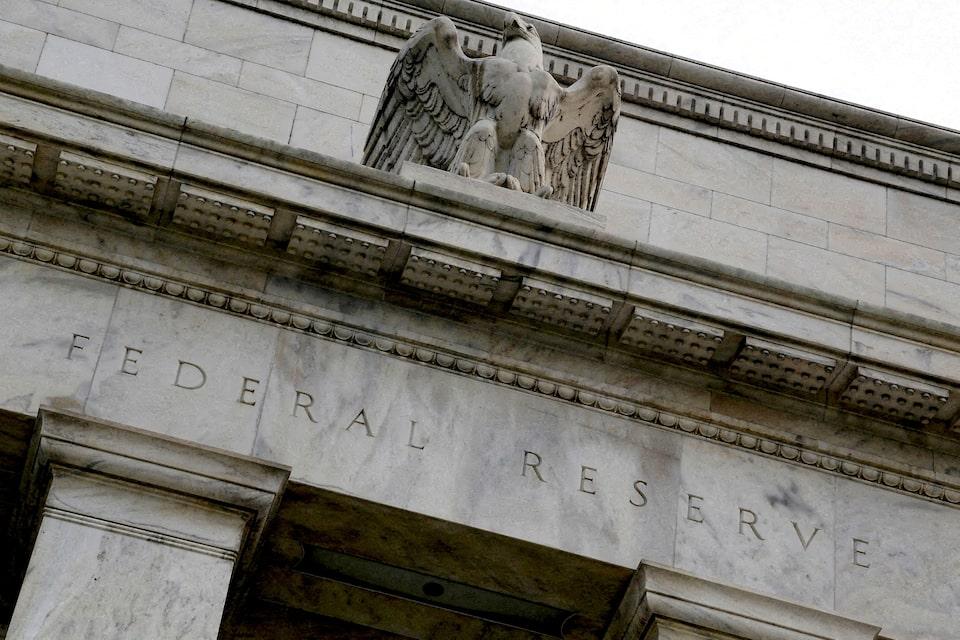
What matters in U.S. and global markets today By Mike Dolan , opens new tab, Editor-At-Large, Financial Industry and Financial Markets Sign up here. U.S. stocks took heart from the Federal Reserve's benign actions this week, taking solace in Chair Jerome Powell's relatively sanguine view of the potential inflationary effects of rising trade tariffs and announcements of a sharp slowdown in the Fed's balance sheet unwind. Today I'll discuss the effects of the Fed's statements as well as President Donald Trump's reaction. And then I'll consider how the unemployment calculations the Fed uses to assess the nation's health could be impacted by prospective retirees anxiously eyeing their falling 401ks. This and more market analysis is below. Today's Market Minute * The Federal Reserve has signalled it is no rush to cut U.S. interest rates, drawing the ire of President Donald Trump, who demanded in a social media post the central bank "do the right thing". * Trump hosted a sit-down with top oil executives at the White House on Wednesday, charting plans to boost domestic energy production amid tumbling crude prices and a looming global trade war. * Trump will sign a long-anticipated executive order on Thursday that aims to shut down the Department of Education, acting on a key campaign pledge, according to a White House summary seen by Reuters. * Eli Lilly has launched its blockbuster diabetes and weight-loss drug Mounjaro in India, the world's most populous country, which is seeing increasing rates of obesity and diabetes. * European Union leaders will commit to doing more to make the bloc more competitive with more military muscle in the face of U.S. tariffs, other economic challenges and doubts over Washington's future backing in defence. Central banks on parade After a parade of global central bank meetings on Thursday, attention will turns to April 2's planned tariff hikes. Wall Street stock futures held onto Wednesday's gains overnight, and Treasury yields fell on news of the slowdown in quantitative tightening and Fed policymakers' restated forecast for two rate cuts this year. Futures have now pushed up the odds of a third cut to 50%. The dollar (.DXY) , opens new tab climbed against most currencies despite falling U.S. yields, perhaps because traders are positioning for next month's tariff hikes. The currency moves may also reflect some profit-taking on the euro and euro zone stocks after the euphoric reception to Germany's recent fiscal shock. And yet, all told, the Fed's actions were mostly underwhelming. Growth forecasts were cut compared to those made three months ago, while the inflation outlook rose. And the balance sheet maneuver was actually less that the full pause many in the market had expected. Perhaps the most interesting element was President Donald Trump's post-meeting intervention. "The Fed would be MUCH better off CUTTING RATES as U.S. Tariffs start to transition (ease!) their way into the economy. Do the right thing." His comments ended a relatively long period of not criticizing Fed policy Although Treasury Secretary Scott Bessent has sought to calm fears about any challenge to the Fed's operational independence, Washington analysts pointed to Trump's firing this week of two Democratic commissioners at the Federal Trade Commission as a test of the independence of all agencies, including the Fed. And now on to today deep dive, where I'll examine how this year's Wall Street stock swoon may affect prospective retirees' decision on when to stop working - and possibly even the unemployment rate. Wall Street jolt may jog jobless rate In another potential feedback loop from falling stocks to the real economy, some economists now fear the risk of delayed retirement on the long-subdued U.S. unemployment rate. One of the many reasons cited for the persistently low U.S. jobless rate in recent years has been the peaking wave of Americans reaching retirement age and leaving the workforce. Some may have left early during the pandemic, and others may have been encouraged to go by savings pots flush from years of booming stock prices. But that decision has never affected more people than it will this year. According to the Washington-based non-profit Alliance for Lifetime Income , opens new tab, a record 4.18 million U.S. workers hit retirement age in 2025, an average of 11,400 Americans turning 65 every day. And that record is set to hold for 20 years until the larger 'Millennial' cohort starts to trip over the line. As is well known, many of these retirees haven't stocked away enough cash. There are acres of reports on the inadequacy of retirement savings and the questionable viability of social security. Indeed, there's a whole industry formed around encouraging people to save more. The Alliance data shows more than half of 'Baby Boomers' turning 65 between 2024 and 2030 have assets of $250,000 or less, on average. And most can expect to live another 20 years. Given this reality, the jarring shakeout in Wall Street stock indexes this year may force some would-be retirees to hang on in the workforce. Michael Reid, U.S. Economist at RBC Capital Markets, reckons an enduring stock market retreat could well have a meaningful effect on the labor market and unemployment calculations. "If you see a stock market correction, it could not only impact the spending from that cohort but we're also talking about an upside risk to our unemployment forecast. Some of those folks may delay retirement by a year or two." Employers replacing workers who retire adds nothing to overall payroll growth, he added, but high rates of retirement remove people from the overall labor force, suppressing the participation rate and hence the jobless rate calculations. By extension, delays to retirement may buoy the available labor force and potentially the rate of unemployment for a given level of payrolls. PART-TIME AND PARTICIPATION Multiple cross-currents complicate the employment picture, of course, including new limits on immigration, which has played a critical role in expanding the workforce in recent years. Concern about worker shortages has been rising, partly due to immigration curbs, so many see higher labor force participation rates as warranted. Though prospective retirees are unlikely to fill factory roles or unskilled manual work often taken up by recent migrants. High-frequency data on the scale of U.S. retirement is elusive, but the labor force participation rate has been declining of late, hitting a two-year low of 62.4% in February and still below pre-pandemic levels. And at just 4.1%, the unemployment rate has now been pegged below 4.5% for more than three years. However, other measures of unemployment aren't so rosy. A broader measure, which includes those who want to work but have given up searching and those working part-time because they cannot find full-time employment, surged to 8% in last month's jobs report - the highest since 2021. The extent to which retirees are included in that part-time work calculation is unclear. General anxiety is rising again within the economy - judging from business and household surveys, though not all the hard data yet. And how much of the angst translates into changed plans, decision-making and investment hinges largely on the government policy trajectory from here. Anecdotally at least, Reuters reporting shows many older workers are sufficiently discombobulated by the combination of government upheavals and stock market volatility to worry about stopping work. Stock values and savings pots are just one of many factors in this mix, of course, and stock corrections have come and gone quickly in the past. But a longer-term market drawdown from such lofty levels may have more impact on the ageing U.S. population than it did in the past - adding a twist for the Federal Reserve and others to read employment market. Chart of the day Return to ZIRP? Most central banks insist monetary policy norms have shifted since the pandemic hit, geopolitical alliances were fractured and global supply chains ruptured. A return to zero interest rate policies of the decade after the 2008 banking crash, they argue, is highly unlikely in what's likely a more inflationary world. But the Swiss National Bank may have missed the memo, cutting its main policy rates to just 0.25% on Thursday. It has also frequently declined to rule out a return to negative interest rates if needed. Today's events to watch * Bank of England policy decision * U.S. weekly jobless claims, Q4 current account, March Philadelphia Federal Reserve business survey, February existing home sales; Canada February producer prices * Bank of Canada Governor Tiff Macklem speaks; European Central Bank policymakers Philip Lane, Klaas Knot and Robert Holzmann speak * European Union summit in Brussels * U.S. corporate earnings: FedEx, Micron Technology, Nike, Accenture, Lennar, Dardan Restaurants, Jabil, Factset * U.S. Treasury sells 10-year inflation protected securities Opinions expressed are those of the author. They do not reflect the views of Reuters News, which, under the Trust Principles , opens new tab, is committed to integrity, independence, and freedom from bias. https://www.reuters.com/markets/us/global-markets-view-usa-2025-03-20/
2025-03-20 10:29
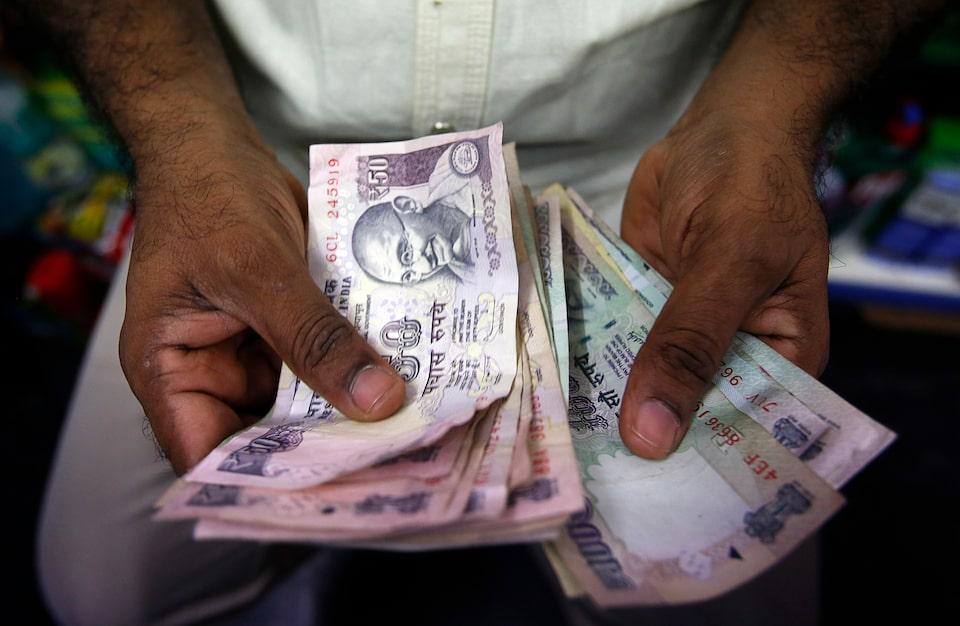
MUMBAI, March 20 (Reuters) - The Indian rupee rose for the seventh straight session on Thursday, its longest winning streak since January 2024, as persistent dollar sales by foreign banks and paring of short bets on the currency helped it weather a stronger dollar. The rupee rose to a near two-month high of 86.2075 per U.S. dollar earlier in the day before closing at 86.3675, up 0.1% on the day. Sign up here. Banks selling dollars to lock in profits on arbitrage trades between the non-deliverable and outright forwards also aided the rupee. A broadly weaker dollar has prompted a paring of short bets against Asian currencies with shorts on the Chinese yuan, a closely tracked peer of the rupee, falling to an over one-year low, according to Reuters poll. The yuan and the rupee have strengthened 0.7% and 1.3% over March, respectively. On the day, though, the dollar index rose to 103.9 lifted by a drop in the euro and after the Federal Reserve signalled on Wednesday that it was in no rush to cut interest rates again while projecting that two quarter-point interest rate cuts were likely later this year, the same forecast as December. While Fed policymakers made no changes to their interest rate outlook, they expect slower economic growth and higher inflation as they navigate a multitude of policy changes by President Donald Trump. "The Fed is still signalling that it has a dovish bias to lower rates further despite the higher inflation forecasts for this year suggesting it is willing to look through a short-term pick-up in inflation," MUFG Bank said in a note. Interest rate futures are currently pricing in about 65 basis points of U.S. rate cuts over the remainder of 2025. https://www.reuters.com/markets/currencies/inflows-culling-shorts-lift-rupee-longest-winning-streak-over-one-year-2025-03-20/
2025-03-20 10:27
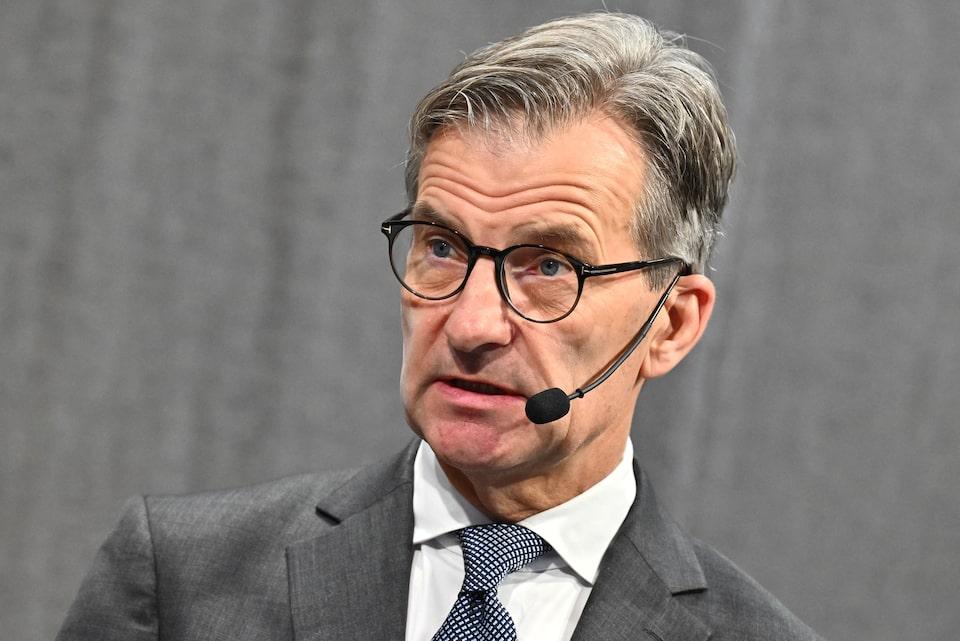
Riksbank holds policy rate unchanged at 2.25% Expects no rate changes ahead Says inflation to be elevated this year, but will fall back STOCKHOLM, March 20 (Reuters) - Sweden's central bank kept its policy rate unchanged at 2.25% as expected on Thursday, predicting rates would remain steady in the near term, but said it was ready to act should global economic developments threaten to increase inflationary risks. The Riksbank has cut its key rate six times since spring last year, the last time in January when it said that it had probably done enough to boost a sluggish economy. Sign up here. Inflation outcomes since then have come in above expectations and the Riksbank said it now expected consumer price increases to remain above the 2% target level through this year, before falling back. "We cannot exclude that what is happening in the world will have a significant effect on economic developments and consequently, on inflation," Governor Erik Thedeen told reporters. If inflation diverges from forecasts, "we will act," Thedeen said. "We have an action bias, if anything, rather than an inaction bias." Interest rate futures point to a chance of higher rates ahead, though the Riksbank will be cautious given conditions that Sweden's Finance Minister Elisabeth Svantesson on Wednesday called "brutally uncertain". "We think CPIF (headline inflation), excluding energy inflation, is likely to remain above 2% for the next couple of years and suspect that the Bank's next move will be a hike, albeit not until next year," Adrian Prettejohn, Europe economist at Capital Economics said. The Riksbank said it viewed the recent uptick in inflation as temporary, with expectations of lower price increases on food, and a stronger krona. It expects the pace of price rises to stabilise close to target next year. RISKS Analysts had unanimously predicted no change in rates but were divided over the policy direction ahead, reflecting uncertainty about U.S. trade policy, the war in Ukraine, and how to interpret Germany's expansionary fiscal plans for inflation and growth. That difference of opinion remained after the Riksbank's announcement. "We believe that the probability of a cut is higher than that of a hike in 2025," Swedbank said. "A weaker economy, or a stronger krona, are risks that could force the Riksbank to cut the policy rate later this year." The U.S. Federal Reserve kept its rate on hold on Wednesday, as did the Bank of Japan. On Thursday, the Swiss National Bank cut its key rate, saying inflationary pressures were well contained. https://www.reuters.com/markets/europe/swedish-central-bank-holds-key-policy-rate-225-2025-03-20/