2025-03-19 19:34
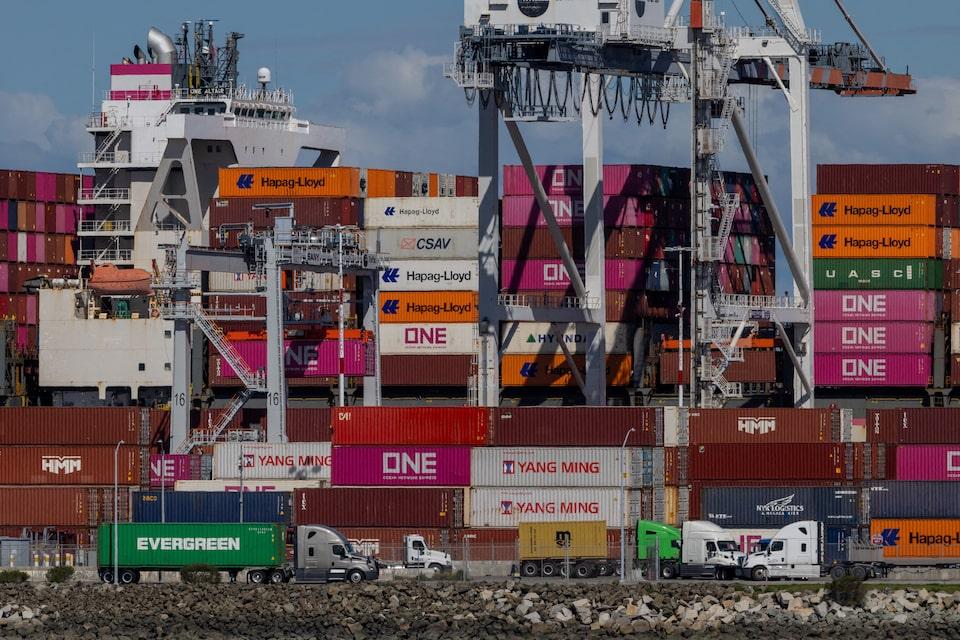
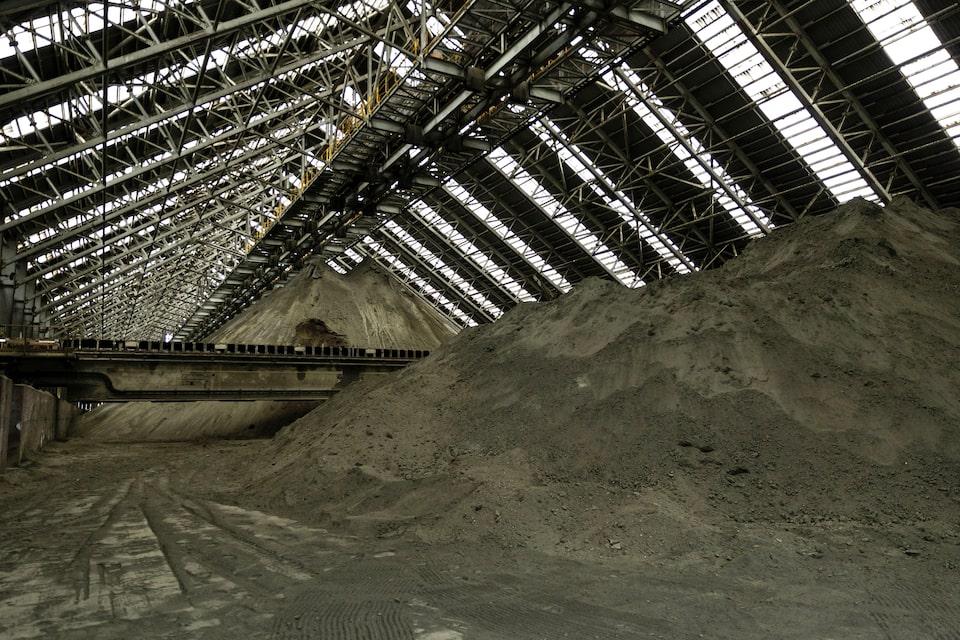
Trump's fees on China-linked ships disrupt coal exports, Xcoal CEO warns Agriculture exports face uncertainty due to proposed shipping fees, traders say Potential fees could increase costs for energy exports, American Petroleum Institute warns LOS ANGELES/CARLSBAD, California, March 19 (Reuters) - President Donald Trump's plan to revive U.S. shipbuilding using massive fees on China-linked ship visits to American ports is causing U.S. coal inventories to swell and stoking uncertainty in the embattled agriculture market, as exporters struggle to find ships to send goods abroad. Trump is drafting an executive order that would rely on funding from a U.S. Trade Representative proposal to levy fines of up to $1.5 million on China-made ships or vessels from fleets that include ships made in China. Sign up here. Those potential port fees have limited the availability of ships needed to move agriculture, energy, mining, construction and manufactured goods to international buyers, according to major U.S. exporters and transportation providers in interviews with Reuters, letters to U.S. officials, and comments ahead of USTR hearings next week. Vessel owners have already refused to provide offers for future U.S. coal shipments due to the proposed USTR fees, Xcoal Energy & Resources CEO Ernie Thrasher said in a letter to U.S. Department of Commerce Secretary Howard Lutnick dated March 12 and seen by Reuters. Enacting and implementing those fees could cease exports of U.S. coal within 60 days, putting $130 billion worth of shipments at risk, Thrasher said. He said the fee structure could add up to 35% to the delivered cost of U.S. coal, making it uncompetitive on the global market. "The loss of direct and indirect jobs would be catastrophic," said Thrasher, who confirmed sending the letter and said he has not received a response. The letter from Pennsylvania-based coal marketer Xcoal and comments from agriculture representatives showing tangible impacts from the proposed fees have not previously been reported. Coal mines in West Virginia are also preparing to lay off miners as unsold coal inventories pile up, Chris Hamilton, CEO of the West Virginia Coal Association, told Reuters. He did not provide specifics. The proposed fees could also make it harder for the U.S. to export other energy products like oil, liquefied natural gas, and refined fuels, the American Petroleum Institute, the powerful oil industry lobbying group, said in comments submitted to the USTR dated Mar. 10. The USTR proposal also seeks to shift domestic exports to ships that are both flagged and built in the United States. The current fleet of U.S.-flagged cargo vessels numbers less than 200, and not all are U.S. built. Very few maritime operators will be able to document that their annual share of U.S. exports meets the required 20% carried on U.S. built, U.S flagged vessels, shipping association BIMCO said in USTR comments dated March 17. That could meaningfully curtail U.S. energy exports - "specifically liquid natural gas (LNG) as no US built, US flagged LNG carriers are in operation nor on order," said BIMCO, which added that chemical exports could be severely affected as well. U.S. farmers, who are already getting pummeled by retaliatory tariffs from China, Mexico and Canada, also are caught in the crossfire of the Chinese ship fee fight, the American Farm Bureau Federation said. The inability to secure ocean freight transportation from May and beyond has restricted their ability to sell bulk U.S. agricultural products like corn, soybeans and wheat because exporters are unsure what the final cost would be, three U.S. grain export traders told Reuters. The United States exported more than $64 billion in bulk crops, bulk animal feed and vegetable oils in 2024, according to U.S. Census Bureau Trade data. The North American Export Grain Association, which represents crop commodities exporters, will participate in next week's hearing. Bulk agricultural exporters could face an additional $372 million to $930 million in annual transportation costs from the fees, the Farm Bureau said. That would represent substantial margin loss in global markets where competitiveness is often determined by mere pennies per bushel. U.S. agricultural exporters get an edge over global rivals by leveraging a cost-effective and efficient domestic transportation system for moving products to market, said Alexa Combelic, the American Soybean Association's executive director of government affairs. "When you add costs to that efficient system, it's no longer efficient. We no longer have the competitive edge," Combelic said. (This story has been refiled to say 'begin,' not 'begins,' in the headline) https://www.reuters.com/world/us/proposed-us-port-fees-china-built-ships-begins-choking-coal-agriculture-exports-2025-03-19/
2025-03-19 19:28
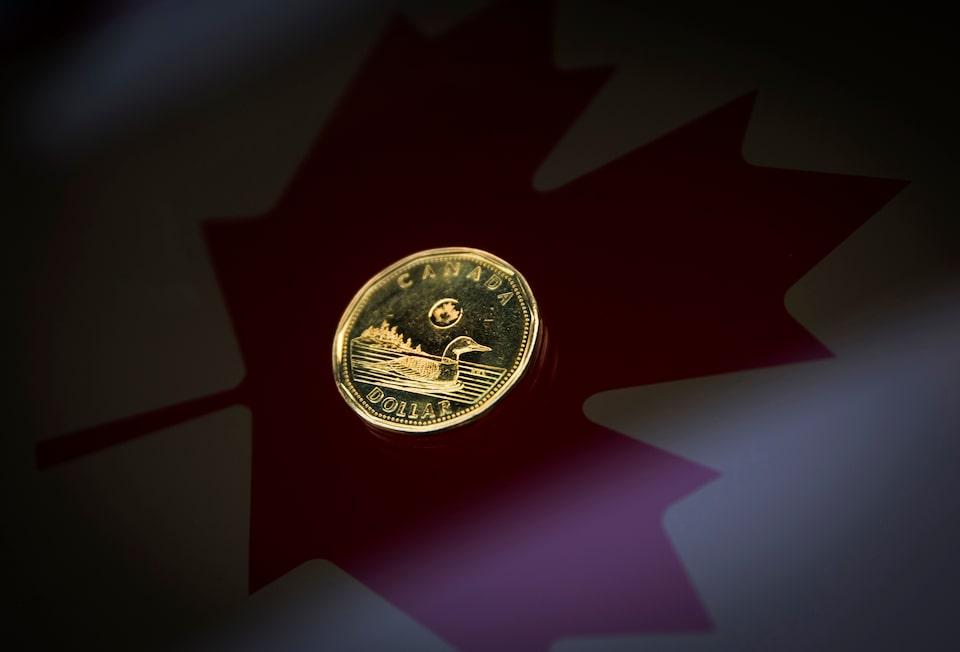
Canadian dollar falls 0.1% against the greenback Trades in a range of 1.4296 to 1.4349 Canada's population growth slows in fourth quarter Bond yields ease across the curve TORONTO, March 19 (Reuters) - The Canadian dollar edged lower against its U.S. counterpart on Wednesday as the greenback posted broad-based gains, but the move for the loonie was limited as the Federal Reserve marked down its outlook for growth in the world's largest economy. The loonie was trading 0.1% lower at 1.4310 per U.S. dollar, or 69.88 U.S. cents, after moving in a range of 1.4296 to 1.4349. Sign up here. The Fed held interest rates steady, as expected, but U.S. central bank policymakers indicated they still anticipate reducing borrowing costs by half a percentage point by the end of this year in the context of slowing economic growth and, eventually, a downturn in inflation. "If I had to guess what the bond market is focusing on right now, it's the lower growth outlook," said Erik Bregar, director of FX and precious metals risk management at Silver Gold Bull. "Even though the Fed is only showing two cuts this year, it seems like the market wants to price in three again." The U.S. dollar (.DXY) , opens new tab was holding on to gains against a basket of major currencies after Turkey detained President Tayyip Erdogan's main political rival, sending the lira sharply lower. "Zooming out, I think the Turkish story is the main story for broad dollar strength," Bregar said. "It's been holding the euro back, the Canadian dollar and a bunch of other major currencies." Domestic data showed that Canada's population in the fourth quarter increased at the slowest pace since the COVID-19 pandemic as a government crackdown on immigration announced last year takes shape. Bank of Canada Governor Tiff Macklem is due to speak on Thursday about tariff-related uncertainty. Data on Tuesday showed Canadian inflation heating up more than expected in February. Canadian bond yields eased across the curve, tracking moves in U.S. Treasuries. The 10-year was down 2.7 basis points at 2.996%. https://www.reuters.com/markets/currencies/canadian-dollar-down-marginally-after-fed-projects-lower-us-growth-2025-03-19/
2025-03-19 17:39
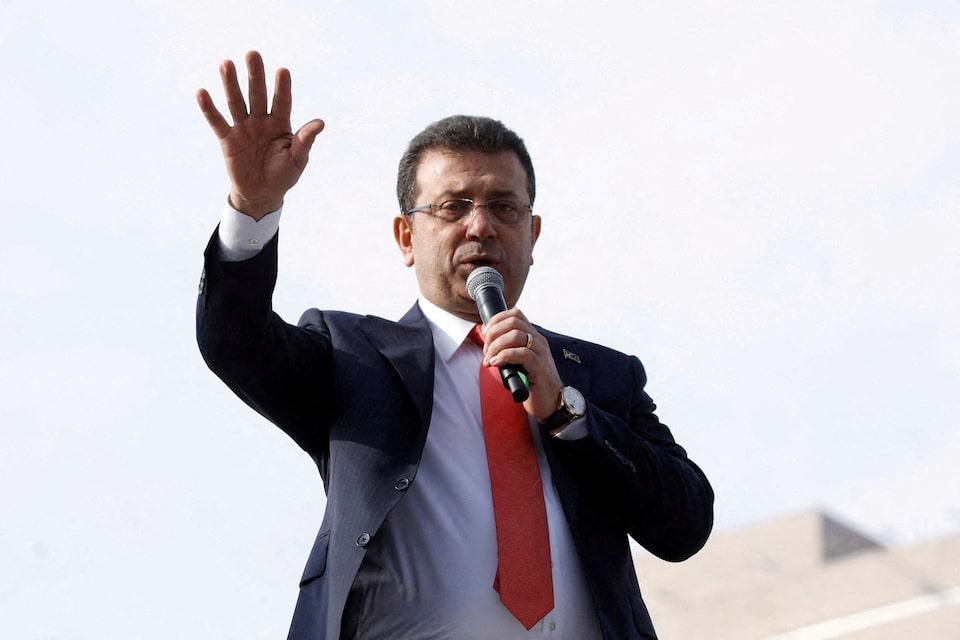
Turkey's currency sees biggest fall since 2023 crisis Bonds have been a 'crowded' trade due to bumper interest rates Detained Istanbul mayor was likely presidential challenger JPMorgan still recommends Turkish currency, despite whiplash LONDON, March 19 (Reuters) - Two years of hard work to build international investor confidence in Turkey's economic turnaround story has been dealt a major setback by a long-feared detention of President Tayyip Erdogan's main political rival. Turkey's bonds and stock market have become a big draw for global money managers recently, as the painfully high 40%-50% interest rates it employed to tackle its inflation demons have lured investors back after a series of currency crises. Sign up here. Turkish assets have enjoyed some world-beating gains plus a crawling currency peg that had proved pretty reliable until Wednesday's dramatic dive after Erdogan moved against Ekrem Imamoglu, the popular mayor of Istanbul. The currency's lurch was the worst since the peak of its last crises in mid-2023 and provided a crunching reminder of just how quickly Turkey's markets can turn. Imamoglu's detention followed an aggressive months-long crackdown on other opposition figures, blasted by critics as a politicised attempt to silence dissent. The main opposition Republican People's Party (CHP) had looked poised to name the two-term mayor as its official presidential challenger in coming days. There has been talk Erdogan might opt for an early election in the next year or two, looking to extend his third decade in power after a series of geopolitical wins boosted his polling numbers. Kaan Nazli, an emerging market portfolio manager with Neuberger Berman, described the latest events as "a serious blow to the investor confidence in the economic stabilization programme". Investors had hoped politics would take a back seat until 2028, with the next Presidential election scheduled to be held no later than May that year. Nazli also pointed to the risk of Turks being spooked into converting their lira savings into dollars or euros again as in previous crises. Finance Minister Mehmet Simsek, architect of Turkey's turnaround efforts since his appointment in 2023, said authorities were doing everything necessary to ensure healthy functioning of markets. He did not elaborate, but bankers estimated the central bank had sold a minimum of $5 billion in FX reserves to try and stabilise the lira and that it might be as much as $10 billion for the day. "No one needs a market reaction like this to their policy change," Kieran Curtis at Aberdeen said, referring to the move against Imamoglu. "A lot of people (investors) have to cut risk today." International funds have been gradually rebuilding their lira bond exposures since Simsek brought economic orthodoxy back. Turkey has now become one of the most crowded trades in world markets, traders say. Over the last 12 months its local currency bonds have made 18.5%, the second best in the world behind South Africa and quadruple the 4.7% global emerging market index average. Turkish stocks, meanwhile, have outperformed MSCI's main EM benchmark (.MSCIEF) , opens new tab by more than 100 percentage points since the last big lira crash in 2023. Despite Wednesday's whiplash, analysts at JPMorgan said Turkey bonds were still one of the local currency markets they were recommending in the current environment of global trade war worries. However, the process of reining in inflation is likely now to happen at a slower pace JPM said and it now sees interest rate cuts to reduce in size to 150 basis points at a time rather than the 250 basis points it has been chopping by recently. "We expect authorities to prioritize market stability in the coming days," JPMorgan's analysts said. "Reserve buffers are likely to be utilized heavily, but should be sufficient to manage carry outflows, in our view." STEAMROLLERED Wednesday's debt market hit was big though, with a 170 basis point sell-off in the local currency bond curve. "It's a natural 'sell-EM' type of view, because you had one assumption yesterday, and that assumption is being challenged," State Street's Timothy Graf said, referring to Turkey's politics. Francesc Balcells, FIM Partner's Chief Investment Officer of EM debt, said Imamoglu's detention hadn't been a complete surprise given Erdogan's past attacks on him. But investors who have been drawn back into the country now needed to see aggressive action from the central bank to properly stabilise the lira. Its crawling peg, which has seen the currency dribbling down around 1.5% a month on average, has underpinned the popular "carry trade" - where investment firms and hedge funds buy the government's local bonds that give them 40% interest rates. "The thing about carry trades is that you need low volatility. When volatility spikes the economics of the trade are no longer there," Balcells said. "It is one of those things where you are picking up pennies in front of a steamroller. But today that steamroller has passed through big time." https://www.reuters.com/world/middle-east/turkeys-market-turnaround-stumbles-erdogan-rival-detained-2025-03-19/
2025-03-19 16:22
PANAMA CITY, March 19 (Reuters) - Panama's gross domestic product grew 2.9% in 2024, significantly slowing from the previous year's 7.4% expansion, as air transport declined and a major copper mine closed, official data showed on Wednesday. In the last decade, Panama was one of the world's fastest-growing economies, but authorities had predicted a decline in growth, largely due to the closure of a copper mine operated by Canadian miner First Quantum (FM.TO) , opens new tab, following clashes over its tax contributions and environmental impacts. Sign up here. "Air transport experienced a decrease, as did the exploitation of mines and quarries, due to the closure of the copper mine operations," according to a report from the National Institute of Statistics and Census. Panama's previous government in late 2023 ordered First Quantum to shut the open-pit Cobre Panama mine after many took to the streets protesting over environmental concerns. The mine was one of the world's top sources of copper, accounting for 1% of global output. The Central American country's economic growth in 2024 was mainly driven by sectors linked to international trade, such as the Panama Canal as toll revenue increased, and commercial activity in the Colon Free Zone, the report said. Among the internal sectors that recorded a positive performance last year were transport activities, construction, real estate and business and financial services, it added. https://www.reuters.com/world/americas/panamas-economic-growth-slows-29-2024-after-key-mine-closure-2025-03-19/
2025-03-19 16:13
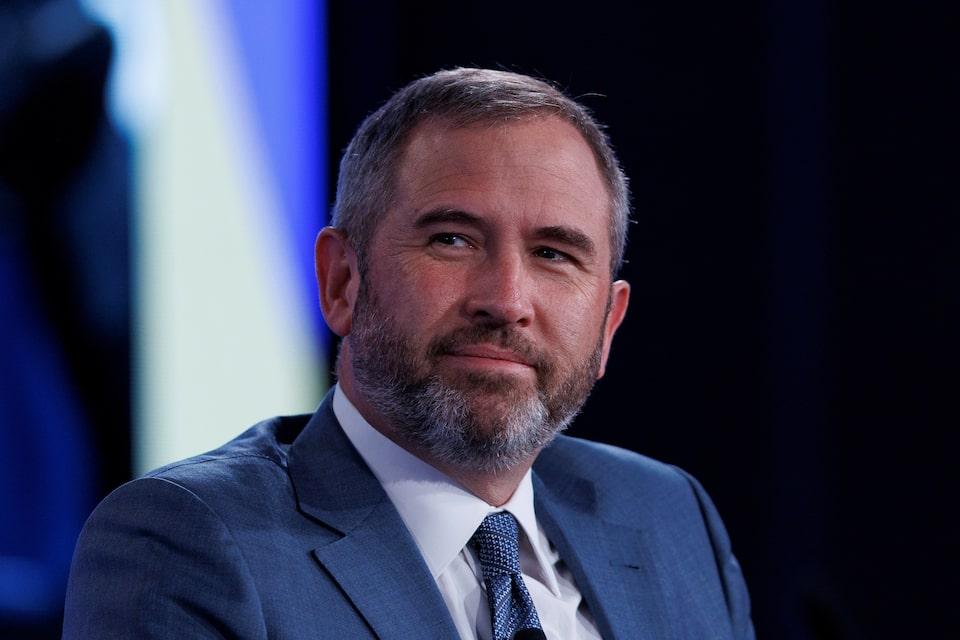
NEW YORK, March 19 (Reuters) - Ripple Labs said on Wednesday the U.S. Securities and Exchange Commission ended its appeal from a court ruling that the regulator's prior chief had said would make it harder to oversee cryptocurrency markets. The SEC had been appealing a July 2023 decision by U.S. District Judge Analisa Torres in Manhattan that the XRP token sold by Ripple on public exchanges did not meet the legal definition of a security. Sign up here. Torres also gave the SEC a partial victory against Ripple, saying $728 million of XRP sales to institutional investors should have complied with securities laws. She fined Ripple $125 million last August, but put the fine on hold while Ripple appealed to the 2nd U.S. Circuit Court of Appeals in Manhattan. That appeal remains pending. In a post on X, Ripple Chief Executive Brad Garlinghouse called the end of the SEC appeal a "resounding victory" and "long overdue surrender" by the regulator. Ripple Chief Legal Officer Stuart Alderoty posted separately that "Ripple is now in the driver's seat and we'll evaluate how best to pursue our cross appeal. Regardless, today is a day to celebrate." The SEC declined to comment. Since U.S. President Donald Trump began his second White House term in January, the SEC has retreated on crypto oversight. It ended civil lawsuits against crypto exchanges Coinbase (COIN.O) , opens new tab and Kraken, and said it may resolve its civil fraud case against Chinese entrepreneur Justin Sun, an adviser to a Trump-backed crypto project. Trump, meanwhile, nominated Paul Atkins, a Washington lawyer seen as supportive of the crypto industry, to become SEC chair. Atkins would replace Gary Gensler, who many in that industry reviled. The SEC lawsuit accusing Ripple of offering unregistered securities began in December 2020, four weeks before Trump ended his first White House term. https://www.reuters.com/legal/ripple-ceo-says-us-sec-will-drop-appeal-against-crypto-firm-2025-03-19/
2025-03-19 16:10
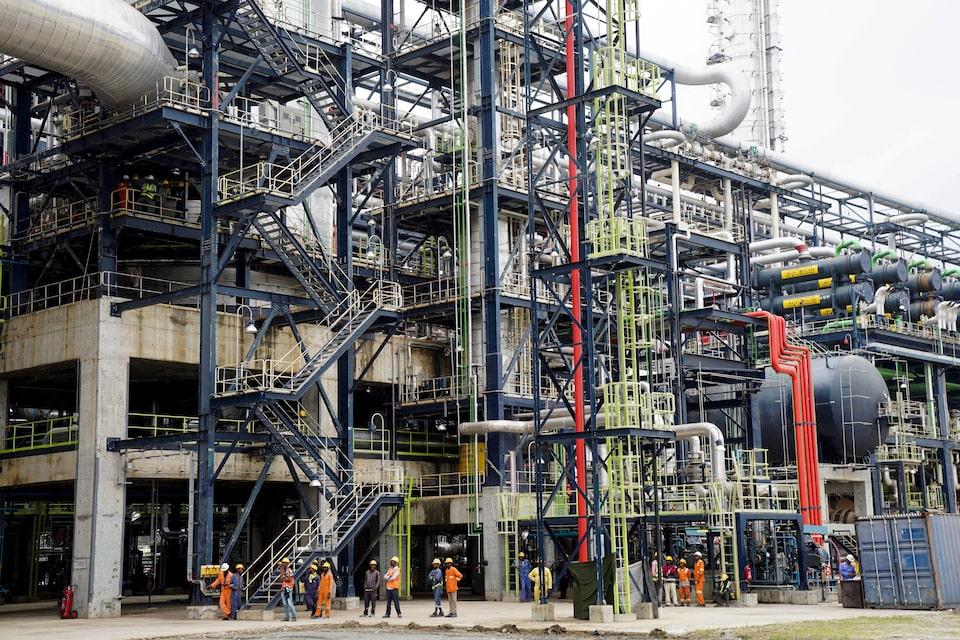
LAGOS, March 19 (Reuters) - Nigeria's huge Dangote Petroleum Refinery announced on Wednesday that it was temporarily suspending fuel sales in the local naira currency to avoid a mismatch between sales in naira and purchases of crude in dollars. The decision by the 650,000-barrel-per-day Dangote refinery to sell its fuel in dollars could lead to a hike in petrol prices and a weakening of the naira as local fuel traders scramble for greenbacks. Sign up here. The plant on the outskirts of Lagos is Nigeria's main refinery but has struggled to secure sufficient crude volumes under an arrangement by the Nigerian government to sell it crude in naira. "To date, our sales of petroleum products in Naira has exceeded the value of Naira-denominated crude we have received. As a result, we must temporarily adjust our sales currency to align with our crude procurement currency" the company said in a statement. It did not say how long the temporary suspension might last. Last year, Nigeria agreed that state oil firm NNPC Ltd could sell crude to local refineries including Dangote in naira for an initial period of six months from October, to ease crude supply constraints. However, the Dangote refinery has said it was not getting agreed volumes while other refineries said they were not getting any at all. NNPC said last week it was in talks with the Dangote refinery to renew the deal, though it is unclear if it will be extended. NNPC did not immediately respond to a request for comment. In a bid to end petrol imports, Dangote has cut its petrol price by more than 20% since December. Dangote has also gone to court to halt gasoline imports into Nigeria. The Dangote refinery was built by Africa's richest man, Aliko Dangote, and has been touted by analysts and government officials as having the potential to secure energy independence for Nigeria. Nigeria is a major oil producer but has long been forced to import refined products. https://www.reuters.com/business/energy/nigerias-dangote-refinery-says-it-will-suspend-fuel-sales-local-currency-2025-03-19/