2025-03-19 12:40
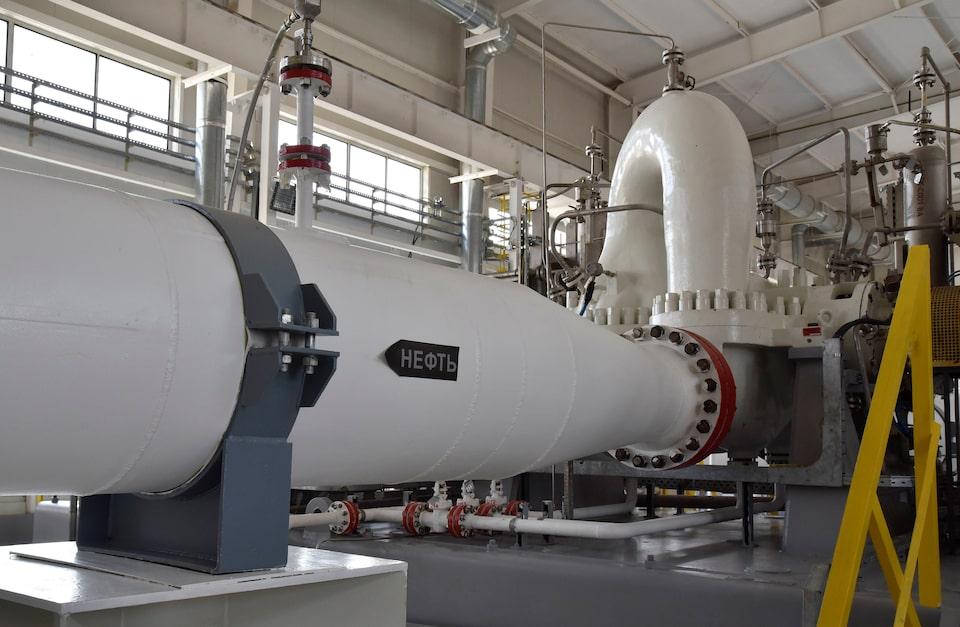
MOSCOW, March 19 (Reuters) - Oil exports via the Caspian Pipeline Consortium pipeline have been set at 1.7 million barrels per day, or around 6.5 million metric tons, for April, in line with the preliminary March plan, three sources familiar with the plan told Reuters. On a daily basis, oil supplies from Kazakhstan's oilfields to the pipeline were set to be unchanged from March, according to Reuters calculations. April is one day shorter than March. Sign up here. Kazakhstan has pledged to cut oil output to comply with its OPEC+ target, but is struggling to convince U.S. and European oil companies that operate giant oil fields in the country. Sources told Reuters previously that March CPC Blend oil loading continued in line with the plan despite expectations of a decline. Damage from recent drone strikes that were thought to affect oil exports via the CPC pipeline also didn't lead to a decline in loadings. The pipeline, which carries more than 1% of daily global supply, stretches more than 1,500 km (939 miles) and is a main route for Kazakh oil exports. Shareholders in the CPC include U.S. majors Chevron and Exxon Mobil (XOM.N) , opens new tab as well as the Russian state, Russian firm Lukoil (LKOH.MM) , opens new tab, and Kazakh state company KazMunayGas. https://www.reuters.com/business/energy/black-sea-cpc-blend-daily-oil-exports-set-17-mln-bpd-april-sources-say-2025-03-19/
2025-03-19 12:33
BELGRADE, March 19 (Reuters) - Serbian oil company NIS (NIIS.BEL) , opens new tab, majority-owned by Russian Gazprom Neft (SIBN.MM) , opens new tab and Gazprom (GAZP.MM) , opens new tab, has submitted a second request to the U.S. for a waiver of sanctions, the CEO of state gas company Srbijagas said on Wednesday. The sanctions could result in crude supply cuts for NIS, which operates a single oil refinery in Serbia with annual capacity of 4.8 million tons that covers most of the Balkan country's needs. Sign up here. The U.S. Treasury's Office of Foreign Assets Control (OFAC) initially placed sanctions on Russia's oil sector on January 10, and gave Gazprom Neft 45 days to exit ownership of NIS. "Through their (NIS) lawyers, ... they have informed OFAC they were seeking a delisting from the sanctions list," Srbijagas CEO Dusan Bajatovic told RTS public broadcaster. Srbijagas is also partnered with Gazprom. After the first request by NIS for a sanctions waiver on February 4, the OFAC delayed sanctions for 30 days on February 27 to allow the company to find a solution with the Russian companies. "We all know that whatever we do, we can't finish it in 30 days," Bajatovic said, indicating the time frame was insufficient for the company to make the adjustments needed. On February 26, Gazprom Neft transferred stakes of around 5.15% in NIS to Gazprom in an attempt to ward off sanctions. Bajatovic said on Wednesday that such a move should have been sufficient to secure removal of sanctions. The changes mean Gazprom Neft no longer has an absolute majority in NIS. They follow a similar change in 2022 when the company avoided EU sanctions imposed on Russia over its invasion of Ukraine. It was unclear whether a similar move would satisfy U.S. authorities. Gazprom Neft now owns 44.85% of NIS, while Gazprom has 11.3%. The Serbian government holds a further 29.87% of stakes, with small shareholders accounting for the remainder. NIS imports about 80% of its needs through Croatia's pipeline operator Janaf, while the remainder is covered by its own crude oil production in Serbia. In 2024, the two companies agreed over the transport of 10 million tons of crude oil by December 2026. Last week, Croatia's economy minister Ante Susnjar said Janaf was mulling the purchase of entire Russia's stake in NIS. https://www.reuters.com/business/energy/serbia-seeks-sanctions-waiver-us-oil-company-nis-again-2025-03-19/
2025-03-19 12:27
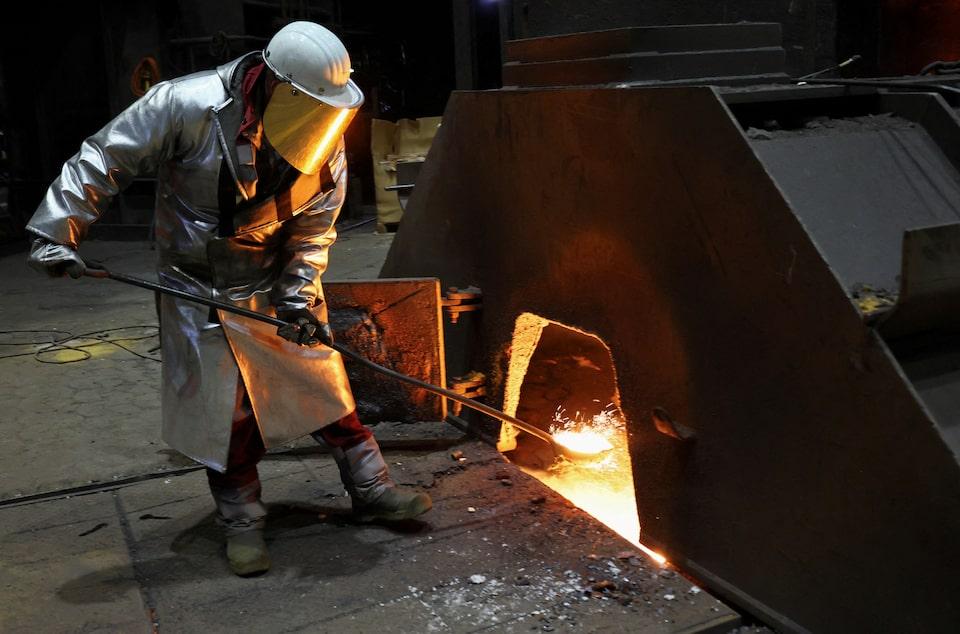
EU to tighten import quotas for steel from April 1 Proposal on new measures to replace safeguards due in 3rd quarter Public procurement rules to favour European steel BRUSSELS, March 19 (Reuters) - The European Union will tighten steel import quotas to reduce inflows by a further 15% from April, a senior EU official said on Wednesday, in a move aimed at preventing cheap steel flooding the European market after Washington imposed new tariffs. European steel producers already battling high energy prices and competition from Asia and elsewhere warn that the EU risks becoming a dumping ground for cheap steel diverted from the U.S. market, which could kill off Europe's plants. Sign up here. "During a period when nobody is respecting WTO (World Trade Organization) rules and everyone refers to national security... the EU can't be the only continent that lets its industry fall apart," European Commission Executive Vice-President Stephane Sejourne told Reuters. Given the U.S. market was now making less commercial sense with a 25% tariff imposed by President Donald Trump's administration in place, Sejourne forecast that producers from Canada, India and China would look to sell increasing volumes in Europe. The Commission will on Wednesday propose a raft of trade-related measures to boost its ailing metals industry, part of a new European Steel and Metals Action Plan. A draft of the plan seen by Reuters earlier this week showed the EU was studying import curbs. Sejourne, who is responsible for defining the bloc's industrial strategy, said a first measure would be to reduce import quotas, known as safeguards, for multiple steel grades from April 1, which would cut inflows by approximately 15%. Volumes imported within the quotas reflect established trade flows and are not subject to tariffs. Any steel imports outside the quota will be hit by a 25% tariff. Since July 2019, the quota volumes have increased by over 25% as the bloc complies with WTO rules. In 2024, the EU imported about 60 million metric tons of steel out of which 30 million tons were within the tariff-free quota. The Commission will also set out new measures in the third quarter to replace the reinforced safeguards, which under WTO rules cannot be extended beyond June 30, 2026. Sejourne said the new mechanism will be much stricter after appeals from the industry. The details are still to be determined. EUROPEAN PRODUCTION "We also have the challenge to anticipate future tensions, wars and pandemics and we saw what happened in the past with Russian gas ... Let's avoid that steel tomorrow becomes the gas of yesterday," Sejourne said. He said the EU did not want to depend on imports for steel, which will be crucial in the EU's rebuilding of its military industrial complex after the Ukraine war. To further boost existing trade defence measures, public procurement rules are expected to be revised in 2026 to favour European steel. The Commission will also introduce a "melted and poured" rule, according to the draft Steel and Metals Action Plan. The rule would stop importers from changing the metal's origin "by performing minimal transformation." Among non-trade measures, a pilot programme with the European Investment Bank to guarantee long-term power contracts will prioritise steel and aluminium producers. The details will be announced in the second quarter of 2025. "We want to keep our steel in Europe and be able to recycle in Europe," Sejourne said. "It's a strategic issue. There is no defence industry without steel, there is no automobile without steel and we want to keep our industries." https://www.reuters.com/markets/commodities/eu-proposes-cutting-steel-imports-by-15-trump-tariffs-bite-2025-03-19/
2025-03-19 12:22
March 19 (Reuters) - Bismuth prices in Europe have surged to all-time highs as China's export controls squeeze supplies of the mineral used in atomic research, cosmetics and pharmaceuticals, according to traders and experts. Prices of bismuth have jumped to $40 a lb on the European spot market, an all-time high, up from $6 per lb in late January, a more than six-fold rise. Sign up here. In the United States, bismuth prices are even higher - at $55 a lb compared with $6.5-$7 before China's export curbs. Traders said U.S. prices were also higher because of the tariffs imposed by U.S. President Donald Trump on imports from top producer China. China in February announced plans to impose export controls on five key metals , opens new tab - tungsten, tellurium, molybdenum, bismuth, and indium - in response to Trump's import tariffs. "At the moment there are no supply sources to fully replace Chinese material," commodity analysts with business intelligence company CRU Group told Reuters. "As much of the supply tightness is based on policy, it can ease very quickly. But assuming a full stop of Chinese bismuth exports, new capacity ex-China would be necessary." According to the U.S. Geological Survey (USGS), China was responsible for producing around 13,000 metric tons of mined bismuth last year or more than 80% of the global total. The rest comes from countries such as Japan, South Korea, and Laos. Prices have risen significantly, making it risky to ship materials for stockpiling since delivery takes about two months and no one knows where the market will be by then, said a Europe-based trader. "This situation is causing a very low unsold inventory level internationally, keeping the price for prompt material at a very high level," he added. Meanwhile, the most active bismuth contract on the Wuxi Stainless Steel Exchange was trading at 163,800 yuan ($22,677) per metric ton on Tuesday, 105% higher than at the beginning of the year. https://www.reuters.com/markets/commodities/european-bismuth-prices-rocket-record-highs-china-export-curbs-2025-03-19/

2025-03-19 12:10
PRAGUE, March 19 (Reuters) - Czech National Bank board member Jan Kubicek is "sceptical" about the inclusion of bitcoin among the bank's hefty reserves, wary of legal uncertainties and concerns around volatility of the digital currency. CNB Governor Ales Michl put bitcoin up for consideration earlier this year, and the bank has begun an analysis looking into broadening the asset classes it holds in its reserves portfolio. Sign up here. "We will assess different classes of assets. Bitcoin is just one of them," Kubicek said in an interview on Tuesday. "My position is rather sceptical about bitcoin." He said bitcoin's legal status was one concern, and that direct ownership would mean developing many new processes in accounting or auditing, for example. Volatility was another worry and assessing market price developments was difficult, he said. "We cannot be certain that bitcoin's volatility in the coming years will mirror the patterns observed over the past decade because I suspect that, if more institutional investors accept bitcoin as an investment asset, it will start to behave differently from what we have seen so far." The bank's study on new asset classes could come by October, Kubicek said. Holdings of international corporate bonds could be explored, he said, as well as the possibility of investing in more targeted equity indices, such as for technology, and property investment funds. CNB Vice Governor Eva Zamrazilova has said bitcoin is not a suitable asset for reserves, while European Central Bank boss Christine Lagarde has also said Europe's central banks are not the place for it. The Czech central bank's reserves - at 142.8 billion euros ($155.75 billion) - are around 45% of gross domestic product, and it has diversified holdings in recent years, gradually purchasing gold, and shifting a larger portion of the portfolio into equities. ($1 = 0.9168 euros) https://www.reuters.com/markets/europe/czech-central-banker-kubicek-sceptical-bitcoin-reserve-asset-2025-03-19/
2025-03-19 11:53
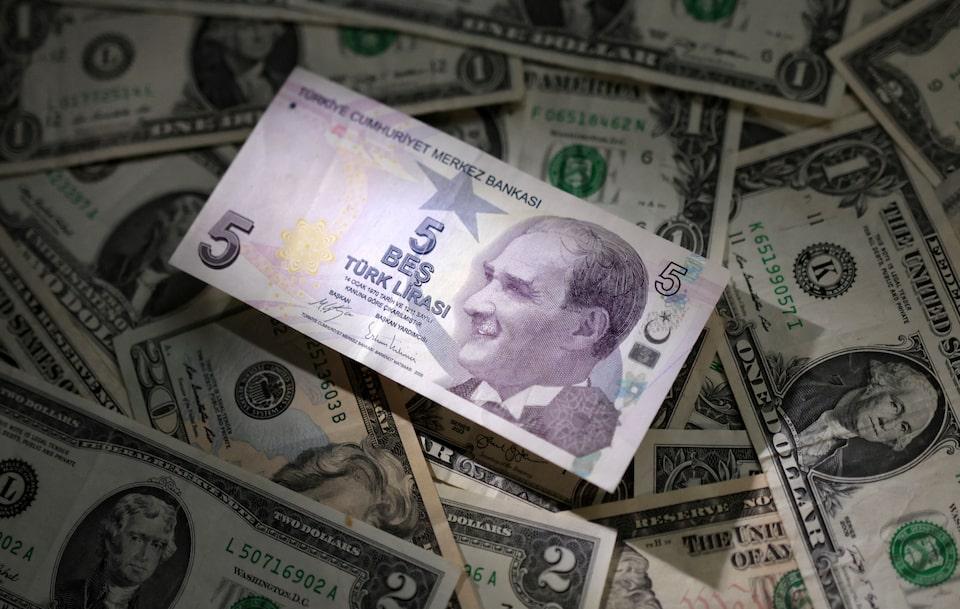
Lira fell 2.6% after earlier falling 12.7% to a record low Stocks down near 9% in largest daily drop in four years Analysts worry about effect on monetary policy ISTANBUL, March 19 (Reuters) - Turkey's lira tumbled to a record low of 42 per dollar before recouping most of the day's losses on Wednesday, while bonds and stocks also slid after authorities detained President Tayyip Erdogan's main political rival. After weakening to a record low of 42 per dollar earlier, the lira closed at 37.665 per dollar, a 2.6% decline. Early in the overnight session, it was bid at 38. Sign up here. The benchmark stock index (.XU100) , opens new tab fell near 9%, the most in four years. The move against Istanbul mayor Ekrem Imamoglu was called "a coup attempt" by the opposition and appears to cap a months-long legal crackdown on opposition figures which has been condemned as a politicised attempt to silence dissent. "The market has been increasingly concerned about political probes and arrests in Turkey," said Tatha Ghose, an emerging market and foreign exchange analyst at Commerzbank, adding a lira rate of 40 to the dollar would be too inflationary for the central bank to tolerate. "(Turkey's lira) is the most heavily positioned carry-trade in the emerging markets space at the moment in our view, and a sharp move could potentially lead to further outflows," said Frantisek Taborsky, EMEA FX & fixed income strategist at ING. "On the other hand, we should see local banks providing some FX support." Turkey's international government bonds also came under pressure with longer-dated maturities suffering the sharpest falls. The 2045 maturity was down 1.3 cents at 85.35 cents on the dollar. MONETARY POLICY Finance Minister Mehmet Simsek said they were doing everything necessary to ensure healthy functioning of the markets, without giving further details. Bankers calculate that the Turkish central bank sold a minimum of $5 billion in FX after the lira's crash, while some say it may have already reached $10 billion for the day. Some analysts and investors were also concerned about the knock-on effect for monetary policy, worrying that the sharp decline in the lira could delay or halt the rate-cutting cycle since the central bank has been ensuring real appreciation of the currency for months. The central bank had in December embarked on an easing cycle after an 18-month tightening effort that reversed years of unorthodox economic policies and easy money championed by Erdogan, which had seen the economy run red hot and inflation exceeding 70%. Erdogan has supported the steps by the central bank for a more orthodox policy. "With this FX shock they need to keep rates where they are for now," one banker said. Reflecting widespread investor worries, stocks also sold off. Turkish blue-chip stocks (.XU100) , opens new tab closed down 8.72%, the most for any day since March 2021. The banking sub-index (.XBANK) , opens new tab closed down 9.88%. "A wave of selling was triggered after Imamoglu... was detained," said Serhat Baskurt, algorithmic operations manager at ALB Yatırım. "Political uncertainty currently prevails and concerns about foreign investors leaving the country have increased." Baskurt said he expected the decline on the stock exchange to continue over the coming days. https://www.reuters.com/markets/currencies/turkish-lira-plunges-record-low-after-erdogan-rival-detained-2025-03-19/