2026-01-12 11:56
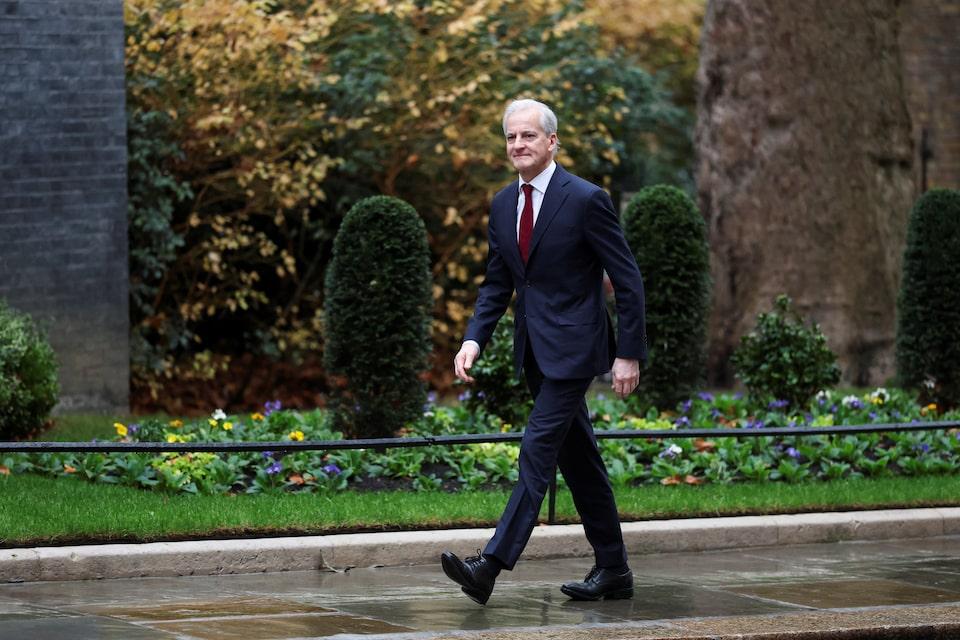
OSLO, Jan 12 (Reuters) - Norway's government said on Monday it will present a policy document to parliament next year on the future of the oil and gas industry, including companies' access to exploration acreage. "The oil and gas industry is crucially important for Norway, and should be developed, not phased out," Prime Minister Jonas Gahr Stoere said in a speech. Sign up here. Official forecasts show that while Norway's offshore oil and gas output will remain broadly steady in 2026, the production is set to decline towards the end of this decade and into the next as major fields gradually deplete. "The white paper will contain a description of the status and prospects for the petroleum industry, as well as address key policy choices that will be important for production from the 2030s onwards," the energy ministry said in a statement. Norway produces about 2% of global oil and became Europe's largest supplier of natural gas after Russia's invasion of Ukraine in February 2022. Oil and gas is Norway's largest and most profitable industry, with government forecasts showing output expected this year of near 4.1 million barrels of oil equivalent per day (boed), declining to just under 3.5 million boed in 2030. https://www.reuters.com/business/energy/norway-lay-out-future-oil-gas-drilling-2027-policy-update-2026-01-12/
2026-01-12 11:46
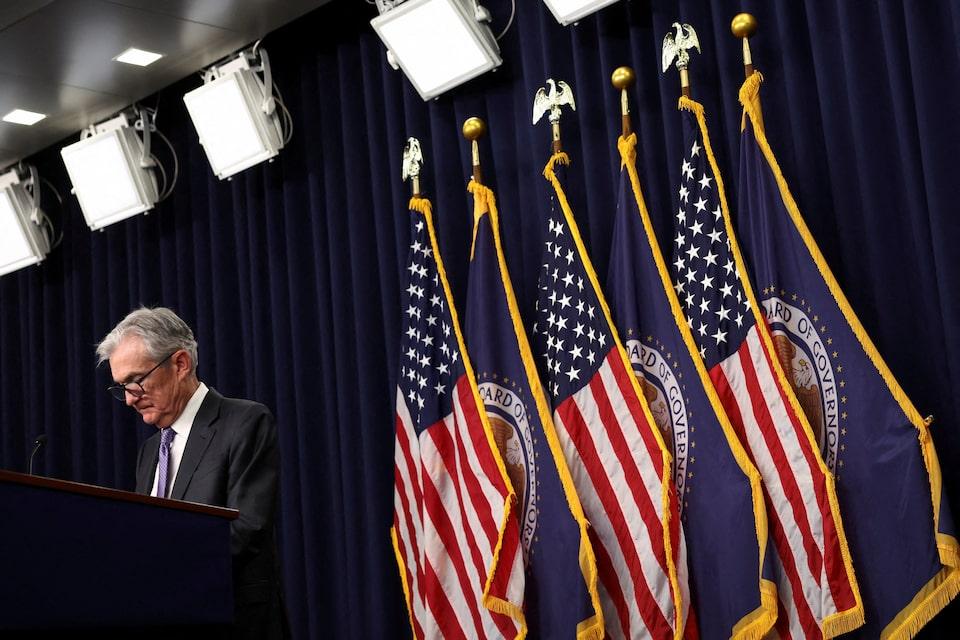
What matters in U.S. and global markets today By Anna Szymanski, Editor-in-Chief, Reuters Open Interest Sign up here. Markets got yet another weekend surprise from the Trump administration on Sunday, with news that the Justice Department is threatening to indict Federal Reserve Chair Jerome Powell over comments made about a building renovation project – something the Fed Chair called a “pretext” for the White House’s aim of gaining more influence over interest rate policy. The initial market reaction has been muted – and President Donald Trump denied any knowledge of the actions – but Powell’s pointed response signals that in the escalating battle between the Fed chair and the president, the gloves have come off. I'll get into all the market-moving news below, but first check out the latest episode of the Morning Bid daily podcast. Subscribe to hear Reuters journalists discuss the biggest news in markets and finance seven days a week. Today's Market Minute * U.S. President Donald Trump's administration has threatened to indict Federal Reserve Chair Jerome Powell over comments to Congress about a building renovation project, an action Powell called a "pretext" to gain more influence over interest rates Trump wants cut dramatically. * U.S. President Donald Trump said the U.S. may meet Iranian officials amid a violent crackdown on protests in Iran, as he weighed a range of strong responses including military options. * President Trump said on Sunday that he might block Exxon Mobil from investing in Venezuela after the oil major's CEO called the country "uninvestable" during a White House meeting last week. * Big Oil companies have injected a heavy dose of realism into U.S. President Donald Trump's plan to rapidly invest billions in Venezuela, argues ROI Energy Columnist Ron Bousso. * After two years of significant underperformance, the European automotive sector is finally showing signs of a turnaround. This much-hated sector could see brighter days ahead in 2026, argues Panmure Liberum investment strategist Joachim Klement. Powell pulls no punches Chair Powell revealed on Sunday that the Fed had received subpoenas last week related to remarks he made to Congress this past summer regarding cost overruns for a $2.5 billion building renovation project at the Fed's headquarters in Washington. His language was notable for its directness: “This new threat is not about my testimony last June or about the renovation of the Federal Reserve buildings. It is not about Congress’s oversight role ... Those are pretexts. The threat of criminal charges is a consequence of the Federal Reserve setting interest rates based on our best assessment of what will serve the public, rather than following the preferences of the President." What was also notable was the pushback from the president’s side of the aisle. Republican Senator Thom Tillis, a member of the powerful Senate Banking Committee that approves Fed nominees, said the threatened indictment calls into question the Department of Justice's "independence and credibility". Tillis also stated that he would oppose any Trump nominees to the Fed, including the coming choice of Powell’s successor, "until this legal matter is fully resolved." The immediate market impact was limited, with U.S. stock futures dipping slightly and the rates market pricing in only a slightly higher chance of near-term interest rate cuts. The dollar took the brunt of any investor misgivings. The greenback fell by the most in three weeks on Monday against a basket of currencies. Investors shifted into safe havens, with gold hitting a record high above $4,600 per ounce and the safe haven Swiss franc strengthening against the dollar. Asian equity markets weren’t bothered much. Chinese stocks rose to a new 10-year high on Monday, driven by artificial intelligence and commercial aerospace shares. Japan’s markets were closed today. European shares dipped early on Monday, though this may have been driven less by the U.S. Justice Department’s threats to Powell and more by Trump’s call on Friday for a one-year cap on credit card interest rates at 10%. This move appeared to weigh on banks, with Barclays shares dropping to their lowest level in a month at one point on Monday. The other major news of the weekend was the crackdown on the escalating protests in Iran against the clerical establishment. More than 500 people have been killed in the unrest and over 10,000 have been arrested, a rights group said on Sunday. Oil prices were down slightly on Monday, after Iran said it had "total control" over the situation, which may have eased some investor concerns about supply disruptions from the OPEC producer. Both Brent crude and WTI rose more than 3% last week – their biggest such rise since October. Trump is expected to meet senior advisers on Tuesday to discuss options for Iran, a U.S. official told Reuters. Chart of the day Information flows from Iran have been hampered by an internet blackout imposed by Tehran last Thursday after days of protests. Tehran has insisted the situation is “under total control” after it dialled up a violent crackdown on the demonstrations over the weekend. The unrest in the country and the spectre of U.S. intervention has raised the stakes for energy markets, with Iran producing over 3 million barrels of oil per day. Additionally, one-fifth of global supply passes through the nearby Strait of Hormuz. Nevertheless, oil prices have so far had a muted response. Today's events to watch * U.S. Conference Board Employment Trends Index (10:00 AM EDT) * U.S. agricultural exports (11:00 AM EDT) * Japan trade balance and current account (6:50 PM EDT) * New York Federal Reserve President John Williams, Richmond Federal Reserve President Tom Barkin, and Atlanta Federal Reserve President Raphel Bostic all speak. Want to receive the Morning Bid in your inbox every weekday morning? Sign up for the newsletter here. You can find ROI on the Reuters website , opens new tab, and you can follow us on LinkedIn , opens new tab and X. , opens new tab Opinions expressed are those of the author. They do not reflect the views of Reuters News, which, under the Trust Principles , opens new tab, is committed to integrity, independence, and freedom from bias. https://www.reuters.com/business/finance/global-markets-view-usa-2026-01-12/
2026-01-12 11:42
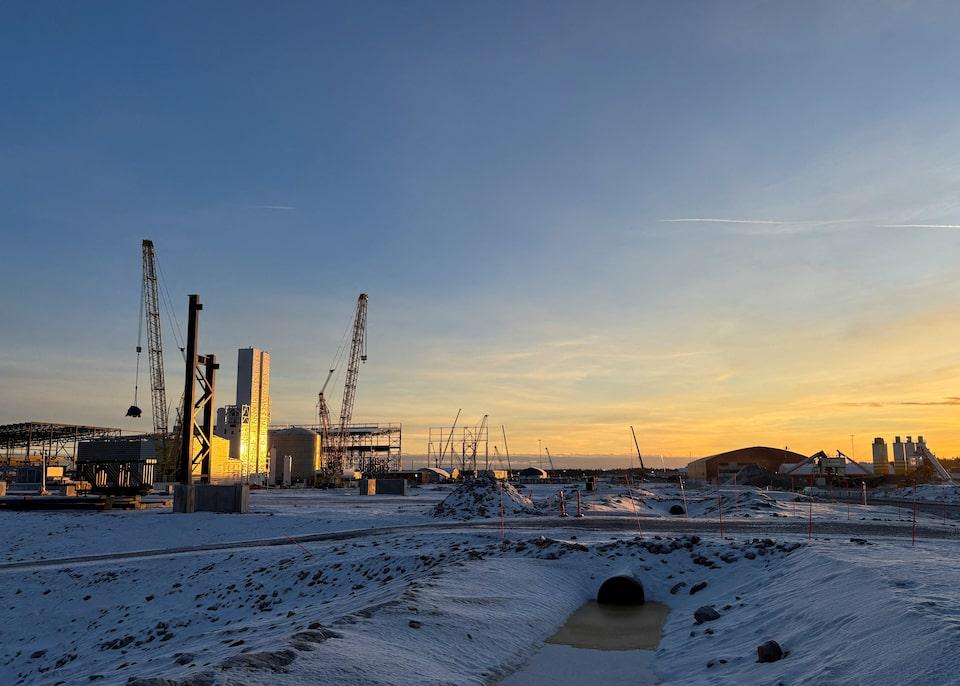
German company to buy non-prime steel from Stegra from 2027 Thyssenkrupp plans to support Stegra's production ramp-up Stegra's vital funding discussion expected to continue in Q1 STOCKHOLM, Jan 12 (Reuters) - Swedish steel startup Stegra said on Monday it has secured Thyssenkrupp Materials Processing Europe as its first customer for non-prime steel from a hydrogen-based plant in northern Sweden which is due to start operations next year. Stegra revealed in October that it was seeking an additional $1.1 billion in financing to complete construction of the plant, but has yet to announce an agreement on the funding. Sign up here. A company spokesperson said on Monday that Stegra expected to conclude its financing discussions in the first quarter. Under the deal signed with Thyssenkrupp Materials Processing Europe, part of German conglomerate Thyssenkrupp (TKAG.DE) , opens new tab, the German company will buy significant amounts of non-prime steel from 2027 to supply customers in various industries across Europe, Stegra said in a statement. Non-prime steel is a by-product that does not meet the highest quality standards that certain applications may require, but is still a strong and durable material eligible for various uses. "A partner for non-prime steel is important for the ramp-up of our steel mill and we see this as the start of a long-term partnership," Stegra's commercial chief Stephan Flapper said in the statement. The plant had been due to open this year but has been delayed until 2027. Stegra, formerly known as H2 Green Steel, is one of several projects underpinning Sweden’s ambition to become a leader in Europe’s green industrial transition, supported by access to low‑cost, carbon‑free electricity. However, those efforts have faced setbacks, including the collapse of battery maker Northvolt and financing challenges at Stegra itself. Across Europe, a number of green steel projects have been delayed or run into difficulties as the technology remains relatively new and investment costs high. "This is a groundbreaking partnership in the steel industry," a Stegra spokesperson said. "Germany - which doesn't have access to green, cheap electricity the way we do in northern Scandinavia - gets other complementary routes in their transformation and this is an example of that." https://www.reuters.com/sustainability/climate-energy/swedish-steel-startup-stegra-signs-deal-supply-thyssenkrupp-materials-2026-01-12/
2026-01-12 11:41
Inflation below RBI's target band for fourth straight month Food price inflation moderates to negative 2.71% Core inflation at around 4.6% - two economists Some economists expect another rate cut by RBI NEW DELHI, Jan 12 (Reuters) - India's key inflation rate rose at its fastest pace in three months in December as the decline in food prices slowed, data showed on Monday, amid expectations that prices could continue inching up this year. Annual retail inflation (INCPIY=ECI) , opens new tab quickened to 1.33% in December from 0.71% in November, government data showed. A Reuters poll had projected retail inflation at 1.5%. Sign up here. The print was below the Reserve Bank of India's target range of 2% to 6% for the fourth straight month. India reported inflation of 1.44% in September last year. Food prices fell 2.71% year-on-year in December against a decline of 3.91% in November. Vegetable prices fell 18.47% after a 22.20% decline a month ago. While Prime Minister Narendra Modi's consumer tax cuts are seen keeping inflation in check going ahead, uncertainty over a trade deal with the U.S. that led to the rupee depreciating 4.7% in 2025, its largest annual fall in three years, could keep up the pressure. "We believe the bottom for inflation is now behind us and inflation could continue to edge up over the coming months, although still expected to remain well below 4% till mid-2026," said Sakshi Gupta, an economist at HDFC Bank. Benign inflation and high economic growth prompted the RBI to cut interest rates by 25 basis points last month, and some economists expect another rate cut. The RBI's next policy decision is on February 6. India's economy is estimated to grow at 7.4% in the fiscal year ending in March, helping New Delhi cope with the impact of punitive U.S. tariffs. Core inflation, which excludes volatile items such as food and energy and is an indicator of demand in the economy, was between 4.6% and 4.63% in December, compared with 4.2% to 4.3% in November, according to two economists. Core inflation has been elevated partly because of firm gold prices. The December inflation print was the last before India launches a new consumer price index series next month with 2024 as the base year, incorporating new data and updated consumption baskets. Inflation estimates could be influenced by the new series, HDFC Bank's Gupta said. https://www.reuters.com/world/india/indias-december-retail-inflation-rises-133-yy-2026-01-12/

2026-01-12 11:39
Jan 12 (Reuters) - Norway said on Monday it was providing 340 million euros ($397 million) in emergency funding to support Ukraine's energy sector and help the government maintain critical services, as part of the Nordic country's wider aid to the war-torn nation in 2026. Russian attacks have long targeted Ukraine's energy network and have become more intense in recent months at a time of plunging winter temperatures. Sign up here. The Norwegian parliament late last year allocated 85 billion crowns ($8.45 billion) for aid to Ukraine, with 70 billion going to military support and 15 billion to civilian and humanitarian aid. The civilian package allotted 4.8 billion crowns to energy security and supply, followed by 4 billion for budget support and reconstruction and 3.5 billion for humanitarian assistance, with additional funding designated for business development, civil society and governance reforms, and support for Moldova. European countries are backing Ukraine in its defence against Russia, with EU leaders recently agreeing to a 90 billion euro loan. ($1 = 10.0651 Norwegian crowns) ($1 = 0.8560 euros) https://www.reuters.com/world/norway-gives-400-million-ukraine-energy-sector-administration-2026-01-12/
2026-01-12 11:38
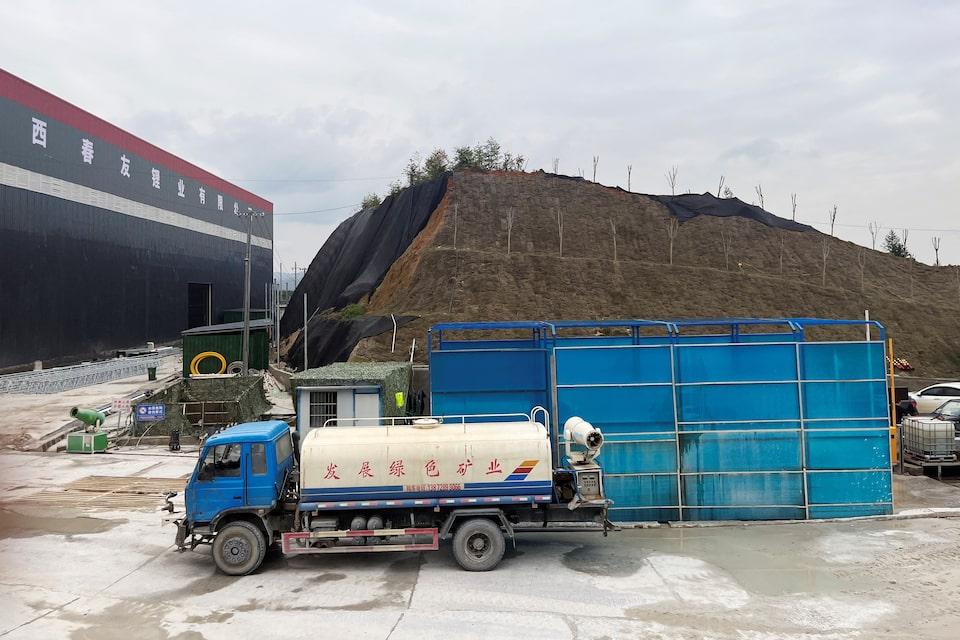
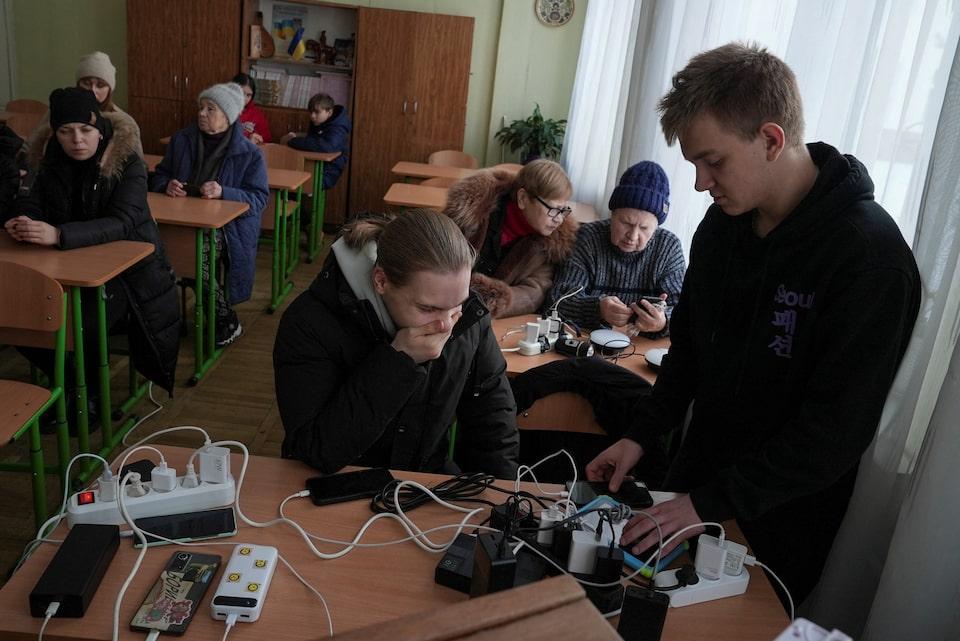
Jan 12 (Reuters) - Lithium prices soared in China on Monday after Beijing said it would roll back value-added tax export rebates, as investors bet the move would spur front-loaded export demand. The most-active lithium carbonate contract on the Guangzhou Futures Exchange closed at its daily limit, surging 9% to 156,060 yuan a metric ton, the highest since November 2023. Sign up here. Investors and analysts expect exporters to accelerate overseas shipments ahead of the tax rollback. China's finance ministry on Friday said the VAT export rebates for battery products would be cut to 6% from 9% from April and will be rolled back entirely from January 1, 2027. The policy is expected lift battery output in the near term, while underscoring Beijing’s longer-term push to curb excessive involution-style competition, analysts at Chinese broker Orient Securities said. While the rebate applies to battery exports rather than lithium carbonate itself, analysts said the rush to ship batteries ahead of the deadline would lift near-term battery output, in turn boosting demand for lithium. Lithium prices in China have been on the rise since mid-2025 and soared 167% from last year's low, bolstered by Beijing's pledge to crack down on overcapacity. The halt of production at battery giant CATL's (300750.SZ) , opens new tab Jianxiawo mine, as well as an outlook for a boom in demand from the energy storage system are also pushing prices higher. https://www.reuters.com/world/asia-pacific/lithium-soars-china-revoke-battery-export-tax-rebates-2026-01-12/