2025-03-16 19:59
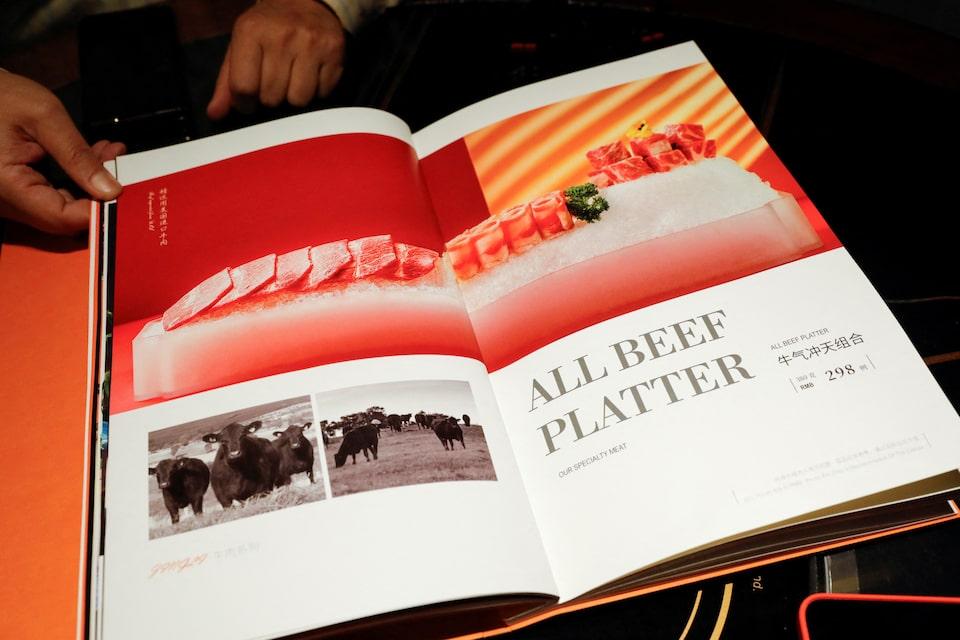
Almost 1000 export registrations set to lapse China not responding to US government renewal requests $5 billion in US meat exports to China at risk Potential meat export snag comes amid renewed Sino-US trade spat Stricter checks at Shanghai port raise costs for US meat exporters CHICAGO/BEIJING, March 14 (Reuters) - Hundreds of U.S. meat plants granted access to China in a 2020 "Phase 1" trade deal with President Donald Trump are set to lose export eligibility on Sunday, threatening roughly $5 billion in trade to the world's largest meat market amid a renewed trade war. Losing access to China would deal a fresh blow to American farmers after Beijing earlier this month imposed retaliatory tariffs on some $21 billion worth of American agricultural goods, including 10% duties on U.S. pork, beef and dairy imports. Sign up here. Beijing requires food exporters to register with customs to sell in China. Registrations for almost 1,000 beef, pork and poultry plants, including some owned by Tyson Foods and Cargill Inc [RIC:RIC:CARG.UL], are set to expire on Sunday, according to U.S. Department of Agriculture (USDA) records and Chinese customs data. That's roughly two-thirds of all those registered. The companies declined to comment or did not respond to Reuters questions. China has not responded to repeated requests from U.S. agencies to renew plant registrations, the USDA said in a report last week, potentially violating an obligation under the Phase 1 deal. Registrations for some 84 plants lapsed in February and while shipments from affected plants continue to clear customs, the industry doesn't know for how long China will allow imports. "The risk involved in shipping product with a looming expiration date is high," Joe Schuele, spokesperson for the U.S. Meat Export Federation told Reuters. "The situation is certainly dire if [registrations for] these plants are not renewed. The situation has the attention of every exporter." The USDA has made the expirations a priority issue in discussions with Beijing, Schuele added. Shanghai port has also imposed stricter inspections and documentation for U.S. meat cargoes, the Federation told members in a bulletin seen by Reuters, with some containers subject to full unpacking and inspection, raising processing time and additional fees. To be sure, there are no signs to suggest that Beijing is imposing a blanket ban. Several hundred plants have had their registrations renewed until 2028 or 2029, according to a senior diplomat based in Beijing. The U.S. was China's third largest meat supplier last year after Brazil and Argentina, accounting for 590,000 tons or 9% of total imports. The USDA and the Office of the U.S. Trade Representative did not respond to questions from Reuters on Thursday. China's Commerce Ministry and customs department did not respond to faxed questions. China's foreign ministry redirected questions to other agencies without naming any. The "Phase 1" trade deal, signed in 2020, ended the first U.S.-China trade war with a pledge from Beijing to boost its purchases of U.S. goods and services, including meat, by $200 billion over two years. China didn’t reach the target, which was agreed shortly before the pandemic hit. That year, 1,124 beef, poultry and pork processing plants or logistic facilities were registered with Chinese customs for export, according to USDA, gaining access to the world's largest meat importer. There are 1,842 facilities certified today, but slightly less than half will remain if Sunday's batch of registrations lapse. China is obligated under the Phase 1 deal to revise its approved plant list within 20 days of receiving updated lists from USDA's Food Safety and Inspection Service, according to the Meat Institute, an industry group for U.S. meat processors. It is unclear whether the current delays constitute a violation of the deal. The potential impact from lapsed licenses could total up to $4.13 billion for the beef industry and $1.3 billion for pork, the U.S. Meat Export Federation said in a daily bulletin. Loss of access to China would be an especially hard blow for exporters of parts like chicken feet and pork offal, which are consumed less domestically. https://www.reuters.com/markets/commodities/china-access-hundreds-us-meat-exporters-doubt-trump-10-deal-nears-end-2025-03-14/
2025-03-16 16:29
MOSCOW, March 16 (Reuters) - Members of the Louis-Dreyfus family behind the eponymous global grain firm have sold their share of Russian agricultural firm RZ Agro to co-owner Steppe Agroholding, Interfax reported on Sunday, citing a source familiar with the deal. "This is logical that Steppe took over RZ Agro, it was expected. The deal was closed some time ago, now the management has changed in the company. The 'divorce' with the French partners was amicable," the source said. Sign up here. The deal size was unknown but it was done at "a big discount", the source told Interfax. Steppe, owned by the Russian conglomerate AFK Sistema (AFKS.MM) , opens new tab, declined to comment on the report, Interfax said. The Louis-Dreyfus family members had been present in RZ Agro via Sierentz, a commodity investment firm. While part of the same family with roots in France that developed and still controls Louis Dreyfus Company (LDC), they have not been involved in the global agricultural commodity firm for years. Sierentz did not immediately respond to a request for comment outside office hours. RZ Agro controls, manages and cultivates agricultural land, focusing on grains and oilseeds production, and currently operates on an area of over 100,000 hectares of arable land in southern Russia, according to its website. LDC, meanwhile, has been winding down operations in Russia since Moscow sent troops into Ukraine in February 2022. From July 1, 2023 LDC stopped exporting Russian grain like other multinational merchants and said it was assessing options for transferring its existing Russian business and grain assets to new owners. Russian President Vladimir Putin approved late last year the acquisition by an unnamed buyer of 100% of the shares in a grain storage firm owned by LDC, a government document showed. https://www.reuters.com/markets/deals/louis-dreyfus-family-sells-russian-agricultural-firm-big-discount-interfax-2025-03-16/

2025-03-16 15:42
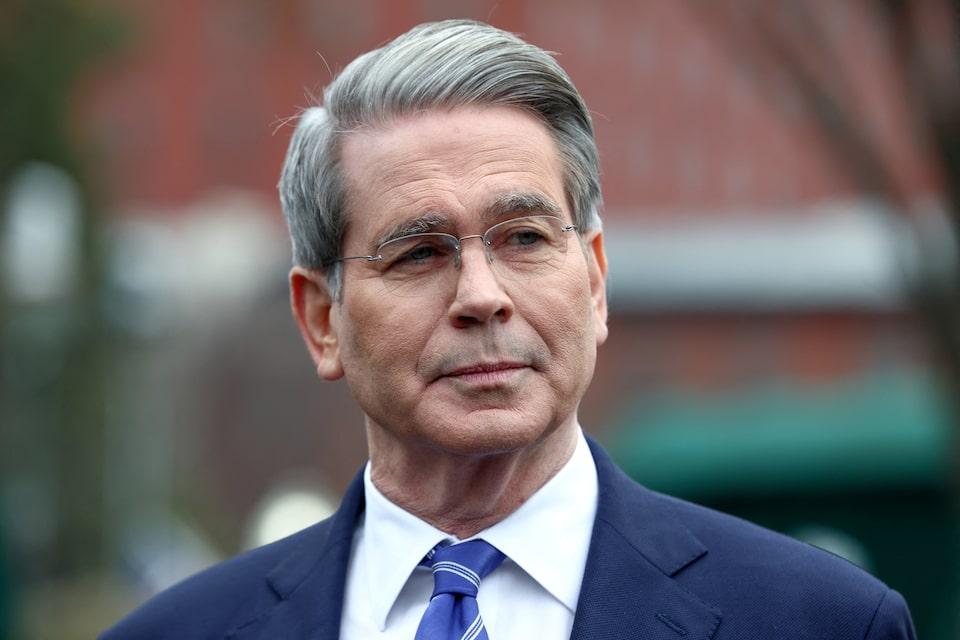
March 16 (Reuters) - There are "no guarantees" there will not be a recession in the United States, although there could be an adjustment, Treasury Secretary Scott Bessent said in an interview that aired on Sunday. But Bessent, speaking to NBC's "Meet the Press," ruled out the chance of a financial crisis. Sign up here. U.S. stock markets closed down sharply last week amid mounting uncertainties arising from President Donald Trump's frequently shifting policies, including tariff threats against the biggest U.S. trading partners. Asked whether he could guarantee there would be no recession while Trump was in power, Bessent replied: "There are no guarantees. Who would have predicted COVID?" Bessent said he was putting in robust policies that would be durable, saying the country needs to be weaned off what he called massive government spending. Asked whether an adjustment could lead to a recession, Bessent said, "There is no reason that it has to." Bessent dismissed concerns about recent stock market falls, saying corrections were healthy and that markets "will do great" if the administration puts into place good tax policy, deregulation and energy security. "We are going to have a transition, and we are not going to have a crisis," he said. https://www.reuters.com/markets/wealth/bessent-says-there-are-no-guarantees-there-will-not-be-us-recession-2025-03-16/
2025-03-16 15:39
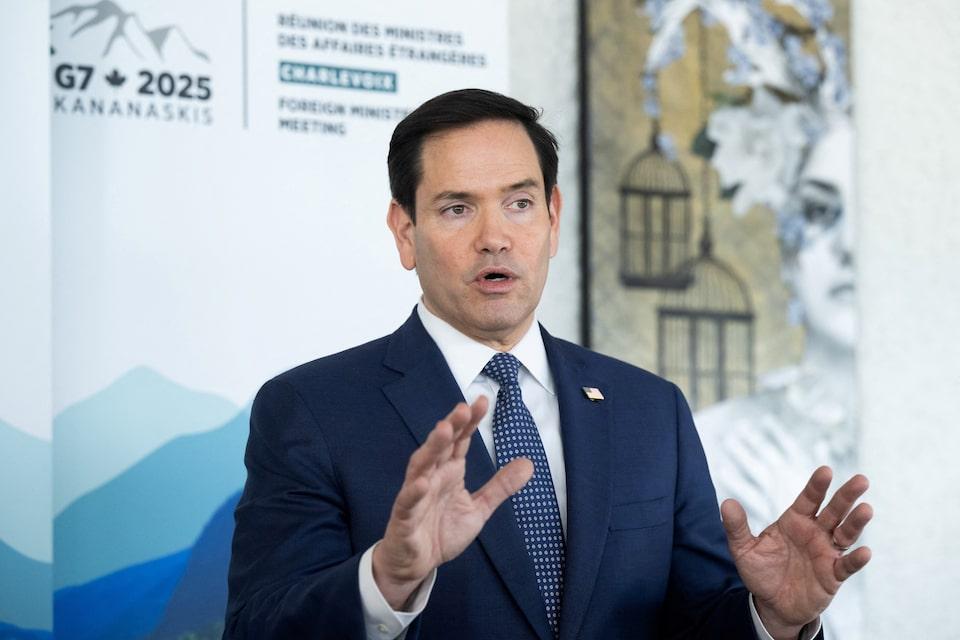
March 16 (Reuters) - Once the United States has imposed tariffs on its major trading partners it could engage in bilateral talks with countries on new trade arrangements, Secretary of State Marco Rubio said on Sunday. U.S. President Donald Trumpthreatened on Thursday to slap a 200% tariff on wine, cognac and other alcohol imports from Europe, opening a new front in a global trade war that has roiled financial markets and raised recession fears. Sign up here. Rubio said the United States would retaliate against nations that had imposed tariffs on it. "This is global. It's not against Canada, it's not against Mexico, it's not against the EU, it's everybody," he told the CBS show "Face the Nation." "And then, from that new baseline of fairness and reciprocity, we will engage - potentially - in bilateral negotiations with countries around the world on new trade arrangements that make sense for both sides," he continued. Rubio, who did not give details of what the new deals could look like, said the United States would "reset the baseline" to ensure it was treated fairly. "We don't like the status quo. We are going to set a new status quo, and then we can negotiate something, if they (other nations) want to," he said. "What we have now cannot continue." https://www.reuters.com/markets/us/rubio-says-us-could-engage-new-trade-deals-after-tariffs-imposed-2025-03-16/
2025-03-16 15:27
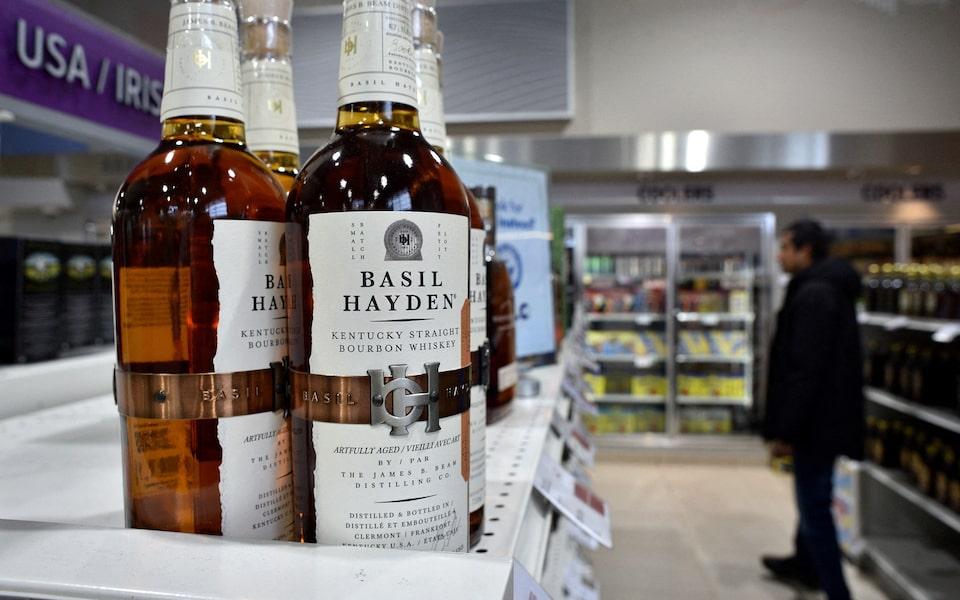
PARIS, March 16 (Reuters) - The European Union was probably mistaken in targeting American whiskey in its riposte to U.S. tariffs, French Prime Minister Francois Bayrou said on Sunday, calling for talks to avoid more damaging duties on France's cognac industry. U.S. President Donald Trump on Thursday threatened to impose a 200% tariff on all wines and other alcoholic products from the EU if the bloc does not scrap its planned tax on U.S. bourbon. Sign up here. "Have some missteps been made? Yes, probably, because Kentucky bourbon has been included as if it were a trade threat," Bayrou said of the EU's proposed tariffs in response to U.S. duties on steel and aluminium. "A very old (product) list has been retrieved without it being checked like it should have been," he told France Inter radio. Trump's threat against EU wine and spirits has caused dismay among European producers who rely on exports, including French cognac makers already hit with tariffs by Beijing in a separate row over EU duties on Chinese electric cars. Bayrou, who met representatives of the cognac industry on Friday, said he hoped talks with Washington and Beijing would resolve the tariff dispute. The EU's first round of counter-tariffs against U.S. goods including bourbon is due to take effect on April 1. Bayrou, meanwhile, is expected to visit China to discuss the cognac issue but no dates have been announced. https://www.reuters.com/business/retail-consumer/french-pm-says-eu-tariff-american-bourbon-probably-mistaken-2025-03-16/
2025-03-16 12:27
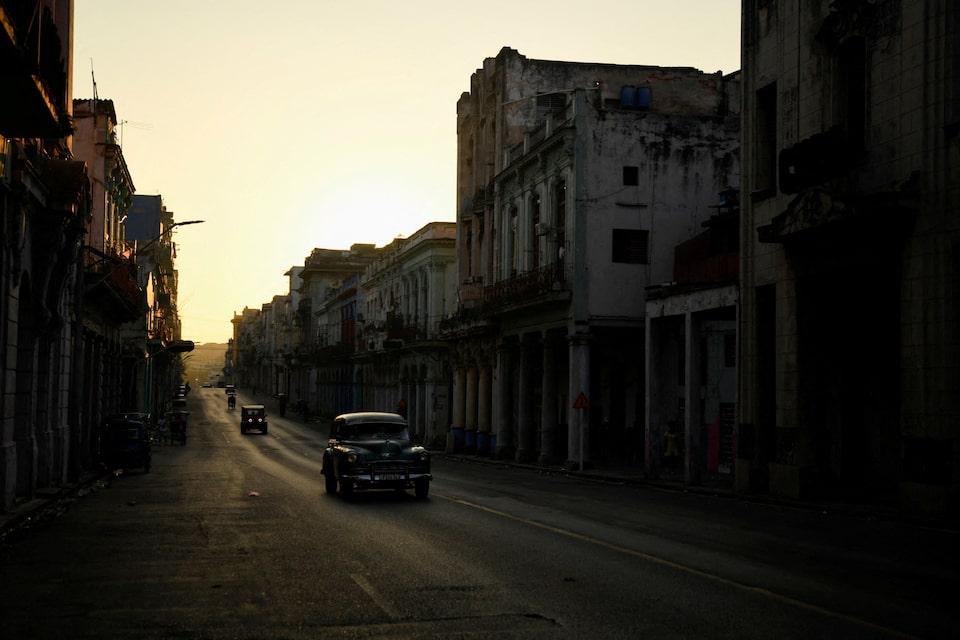
HAVANA, March 16 (Reuters) - Cuba reconnected its national electrical grid and restored power to the majority of the capital Havana by late on Sunday, energy officials said, nearly two days after an island-wide outage knocked out power to 10 million people. Havana´s electric company said late on Sunday that approximately two-thirds of its clients in the city had seen power restored and said that number would increase overnight. Sign up here. Cheers could be heard in neighborhoods across the city as the lights flickered on after two days without electricity. Cuba's grid collapsed on Friday evening after a transmission line at a substation in Havana shorted, beginning a chain reaction that completely shut down power generation across the island. Most of Havana - densely populated and a major tourism center - had gone without power since then, paralyzing commerce, shutting down most restaurants and blacking out street and stoplights across the city of two million people. The grid operator said the country's two largest oil-fired power plants, Felton and Antonio Guiteras, were back online and generating electricity by late Sunday, a major benchmark for restoring power across the island. Electricity had also arrived in the country's westernmost Pinar del Rio province, the last to see power restored, just before dark on Sunday, officials said. Friday's grid collapse marked the Caribbean island's fourth nationwide blackout since October. Cuba's oil-fired power plants, already obsolete and struggling to keep the lights on, reached a full crisis last year as oil imports from Venezuela, Russia and Mexico dwindled. Even before Friday´s grid collapse, many across the island had already been experiencing daily blackouts that reached 20 hours or more. Though Cuba had made progress restoring electricity on Sunday, officials said they were generating just one-third of typical daily demand, leaving many residents still in the dark. Schools in Pinar del Río, Artemisa and Mayabeque provinces in western Cuba would remain closed until Tuesday to assure adequate conditions for students, the education ministry said. Cuba blames the country's mounting energy crisis on a Cold War-era U.S. trade embargo and fresh restrictions from U.S. President Donald Trump, who recently tightened sanctions on the communist-run government and vowed to restore a "tough" policy toward the long-time U.S. foe. The government is pushing to develop large solar farms with help from China in a bid to reduce dependence on antiquated oil-fired generation. https://www.reuters.com/world/americas/cuba-begins-restoring-power-capital-havana-outlying-provinces-2025-03-16/