2025-03-13 10:26
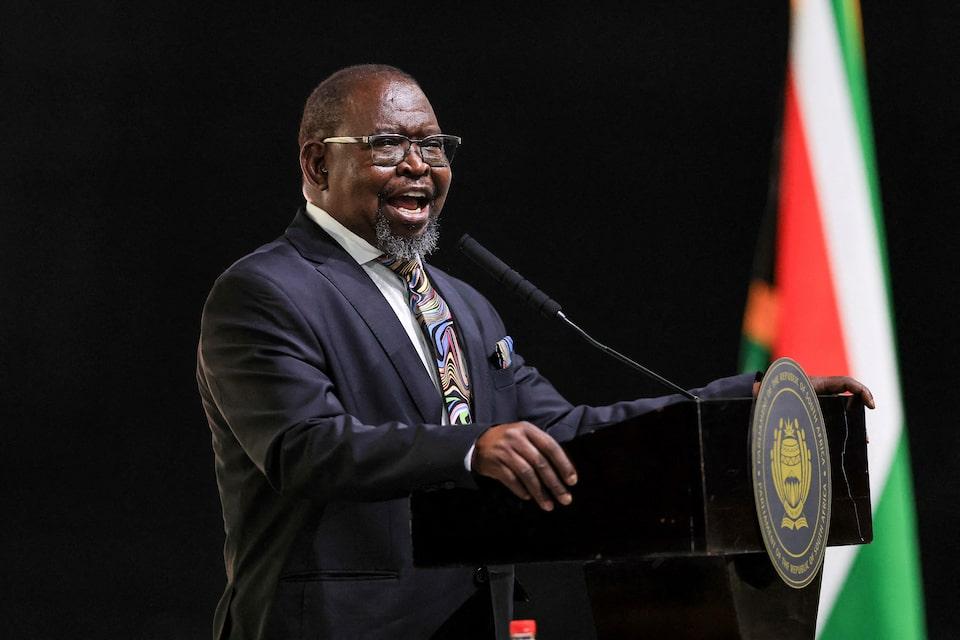
Budget is seen as key test for governing coalitionRand, bonds have seen some pressure from delays Analysts see tail risk of fractious coalition breaking down Including revenue raising measures would be "credit positive" CAPE TOWN, March 13 (Reuters) - South Africa's budget may be tweaked further as more talks between political parties will try to overcome differences over a contentious plan to raise value-added tax, the country's finance minister told Reuters. Most big parliamentary parties rejected Finance Minister Enoch Godongwana's revised budget on Wednesday, despite it scaling back the size of the proposed VAT hike from 2 percentage points to 1 point, spread over two years. Sign up here. Godongwana's African National Congress needs the support of at least one other big party for the budget to pass, but its main coalition partner, the Democratic Alliance, is dead-set against any tax increases, as are other big parties outside the coalition. The budget has been the biggest test for the fractious coalition formed last year when the ANC lost its parliamentary majority for the first time since the end of apartheid. "There will be engagement which may lead to some amendments in the budget. It is the nature of the thing," Godongwana said in an interview in his parliamentary office late on Wednesday. He said he was open to hearing proposals from lawmakers on how to change the budget, but they needed to understand the difficult trade-offs involved. "Where we sit (as government), we say we've done our job and then it's for parliament to make the final call, but if they scrap the VAT which is 14 billion (rand of additional revenue) they must then say from an expenditure side what should be scrapped," Godongwana said. He said a suggestion by some politicians that money could be saved by cutting the country's bloated cabinet would not yield the sort of money the government needs to fund spending on frontline services like health and education. The budget now before parliament could be the most controversial for years because the government was not likely to try to raise taxes again soon, he added. Godowngwa said he thought the budget, which sees public debt peaking next fiscal year and the deficit falling gradually over the next three years, would be viewed favourably by ratings agencies but their main fear would be whether it gets through parliament. "That's a test we've got to pass," he said. The government's struggle to see the budget over the line has unsettled investors and markets, with the rand coming under pressure and its bonds underperforming peers. James Wilson, EM strategist at ING agreed that passing a budget eventually with some form of revenue-raising measures would be credit positive. "For now this seems a difficult prospect, and a potential downside tail risk scenario remains of a complete breakdown of the GNU (Government of National Unity coalition) if differences cannot be rectified," he added. Investors will be in wait-and-see mode, until the final contours of the budget are clear. The unresolved question for markets is what form the final budget takes; we expect noise to be manageable, but risks remain of flaring tension," said Sonja Keller at JPMorgan. https://www.reuters.com/world/africa/south-africas-budget-may-be-tweaked-further-finance-minister-says-2025-03-13/
2025-03-13 10:16
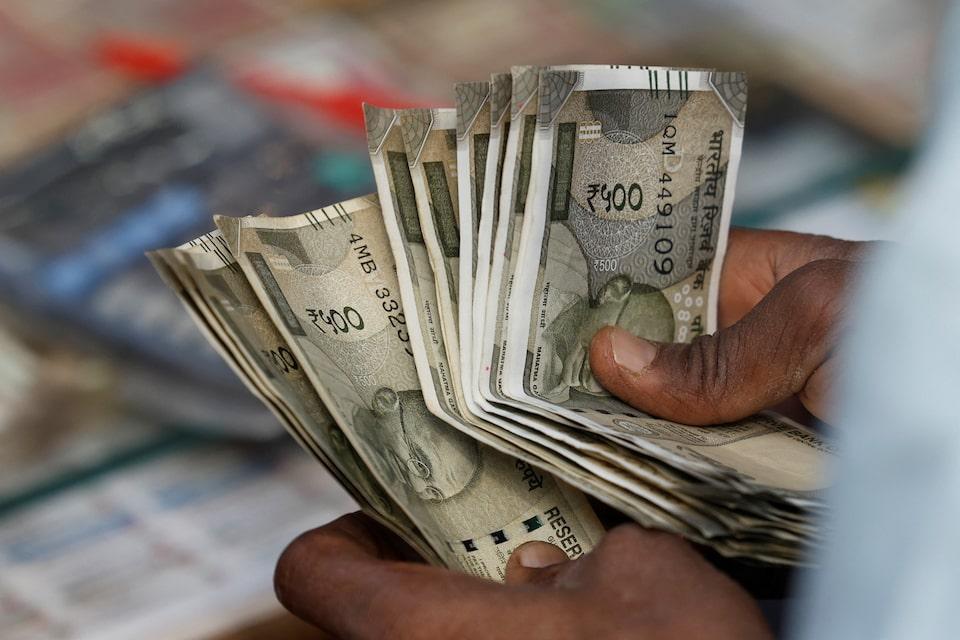
MUMBAI, March 13 (Reuters) - The Indian rupee rose on Thursday, aided by dollar sales from foreign banks and the trimming of short bets against it, over a trading session that was impacted by an outage on the London Stock Exchange Group's (LSEG) foreign exchange trading platform. The rupee closed at 86.9975 against the U.S. dollar, up 0.2% on the day. The currency was down 0.1% week-on-week. Sign up here. The currency outperformed most of its Asian peers, which stayed in tight ranges as concerns about the impact of U.S. President Donald Trump's trade policies lingered. Dollar sales from foreign banks as well as traders' cutting of short positions helped the rupee, traders said. In the near-term, if dollar weakness persists, the local currency "could move towards 86.50 but the move would be staggered as there is strong importers would be active below 87," a trader at a foreign bank said. While trading volumes were impacted by an outage in LSEG's FX trading platform, the issues were resolved subsequently, traders said. The dollar index was little changed at 103.6, supported by an uptick in U.S. bond yields, even though data on Wednesday showed consumer prices rose less than expected in February, indicating a higher probability of Federal Reserve rate cuts. The bond market reaction to the inflation print "could mirror some reluctance to buy into the deflationary story before the tariff impact has started to show," ING Bank said in a note. The bank expects the dollar to stabilise in the near-term with risks titled to the upside in the coming weeks. Meanwhile, dollar-rupee forward premiums declined on Thursday, with the 1-year implied yield lower by 3 bps at 2.13%, pressured by a rise in near-tenor U.S. Treasury yields. Investors now await the release of wholesale U.S. inflation data due later in the day. Indian financial markets are shut on Friday for a local holiday. https://www.reuters.com/markets/currencies/rupee-ends-higher-foreign-banks-dollar-sales-positional-adjustments-2025-03-13/
2025-03-13 10:07
March 13 (Reuters) - They bought in haste - will they repent at leisure? A stampede of new investors hoovered up bitcoin at lofty prices as crypto fever ran high after Donald Trump swept to victory in the November U.S. presidential election. Sign up here. Now, barely six weeks after Trump was inaugurated, bitcoin has sunk into a bear market, drained by a sell-off in global stocks. Just weeks after hitting a six-figure all-time high, the largest cryptocurrency is now trading at around $80,000, down nearly a quarter from its January peak. A wave of investors that entered the market chasing bitcoin's rally past $100,000, especially those using borrowed money, are feeling the pinch from its decline. At least 20 million new bitcoin addresses - about 1.5% of all bitcoin addresses in existence - have been created in the past three months, according to crypto data and analytics firm Glassnode. The ratio between the prices at which new bitcoin is being bought and sold, known as the spent output profit ratio, has meanwhile dipped to 0.95, its lowest level in over a year and negative for the first time since October, according to estimates from crypto exchange Bitfinex. "This suggests that recent buyers are locking in significant losses, reinforcing the exceptionally challenging conditions for newer investors," analysts at Bitfinex said. The world's largest cryptocurrency hit a record high of $109,071 in January, but has since lost most of the gains racked up since the American election, as concerns about U.S. tariff policy, the health of the world's largest economy and a tech selloff sap risk appetite. "I was surprised to see bitcoin at $80,000 and it looks like the bloodletting hasn't ended yet," said Kevin Dede, analyst at investment bank H.C. Wainwright. Even U.S. President Donald Trump's executive order to create a bitcoin strategic reserve and an additional stockpile of other crypto tokens only gave the crypto market a temporary boost. "This corrective selloff has caught many by surprise," said John Glover, chief investment officer of crypto lending platform Ledn, adding the asset could find support at the $73,500 level. TRADERS FEEL THE PAIN Traders with leveraged positions are feeling the pain, according to Bitfinex analysts who said that this group's realised overall losses is hovering above $800 million per day, with February 28 and March 4 seeing some of the biggest single-day losses. Meanwhile, investment products tracking digital assets saw outflows for the fourth straight week, according to CoinShares data. Total assets under management in these products have dipped around $4.75 billion to $142 billion. That's the lowest since mid-November 2024 after the U.S. election. U.S. spot bitcoin ETFs saw outflows of around $1.1 billion in outflows on February 25, the biggest daily outflow since their launch in January last year, according to J.P.Morgan. While past selloffs in crypto markets are often followed by some amount of calm as the market finds its footing, bitcoin may be at the mercy of broader markets for the time being. The implied or future bitcoin volatility priced into derivatives has spiked to 69% in the last 24 hours, while the second-largest token ether's implied volatility has increased from 65% to 90% since Monday, meaning investors expect more choppiness ahead, according to Amberdata. "The last two weeks have 100% been driven by the equity market tantrum," said Jeff Dorman, chief investment officer at asset manager Arca in a note. "This likely plays out similar to what we saw in late 2018, which was nothing more than a short-term hiccup on the way to further highs." https://www.reuters.com/technology/cryptoverse-bitcoins-bear-market-hits-newcomers-hardest-2025-03-13/

2025-03-13 09:51
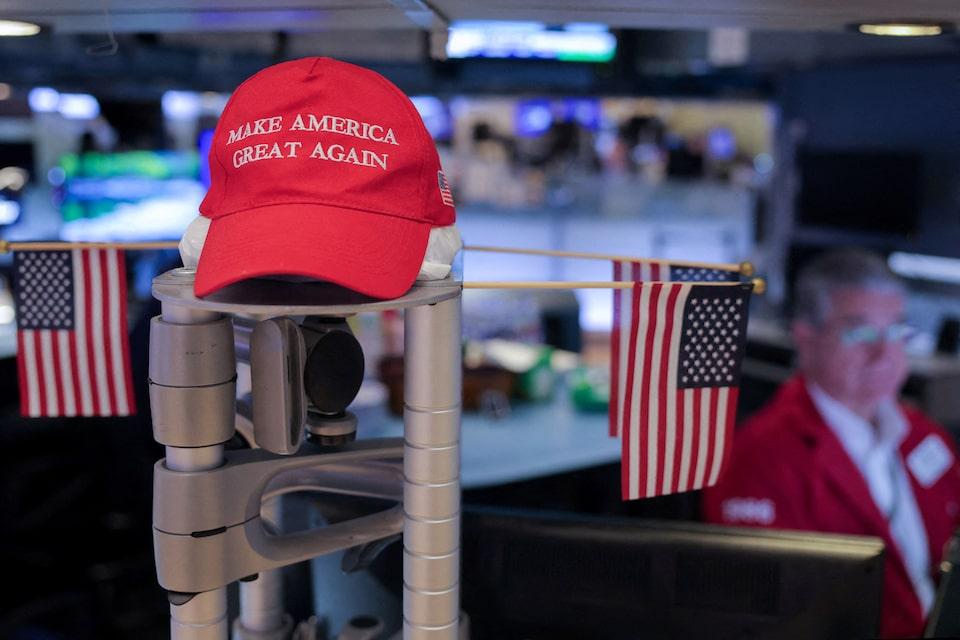
LONDON, March 13 (Reuters) - Below are some of the sizable financial market moves prompted by the actions of U.S. President Donald Trump in recent weeks from his re-ignition of a global trade war to the signal that Europe can no longer take the support of U.S. military muscle for granted. 1/ $5 TRILLON WIPEOUT It is almost easier to list the parts of the market that haven't been bashed around than those that have. The numbers are big. Roughly $5 trillion wiped of the value of world stocks, the bulk of that from U.S. markets and the super-sized tech firms that have been on stratospheric runs in recent years. Sign up here. King dollar has been brought down a peg or two amid worries that a global trade war combined with a mass cull of government workers will finally put the brakes on the U.S. economy. Euro and yen have had their own fires lit thanks to Europe's massive defence spending plans and the Bank of Japan's interest rate hikes. "We've seen a sea change in perception in the almost two months since President Trump was inaugurated," Bill Clinton's Treasury Secretary Larry Summers posted on X, adding election night expectations of a rampant economy and U.S. "exceptionalism" under Trump have evaporated for now. Brent crude oil has slipped 2% so far this month, with year-to-date losses of almost 5%, a sign that commodities traders too are positioning for weaker global demand. 2/ FALL STREET If it wasn't for COVID-19 and the enormous spike in inflation and interest rates it led to in 2022, then this would be Wall Street's worst start to a year since the depths of the financial crisis. In the last month, the shares of the so-called Magnificent Seven - Alphabet, Amazon, Apple, Meta, Microsoft, Nvidia and Tesla - are down, and most by 10%-15%. 3/ TESLA TROUBLES Tesla's shares have been hit even harder, crashing 30% over the month and seeing their biggest one one-day dive in four-and-a half years earlier this week. Activists have lately staged so-called 'Tesla Takedown' protests to voice anger over Musk's role in sweeping cuts to the federal workforce at the behest of Trump and cancellation of contracts that fund humanitarian programs around the world. Musk, the world's richest person, is spearheading the Trump administration's Department of Government Efficiency, or DOGE. "They're harming a great American company," Trump said at the White House, referring to the demonstrators, alongside Musk who was wearing a black "Make America Great Again" baseball cap. 4/ BUNDS GO WILD Germany's reaction to Trump's clear signal that Europe needs to be able to defend its own backyard and should no longer rely on U.S. might was a historic plan to put aside self-imposed debt limits and create a 500 billion euro defence and infrastructure fund. That triggered the biggest rise in Germany's 'Bund' yield - effectively what Berlin pays to borrow in the bond markets - since the country's reunification in 1990. Economists say it will drive a sharp increase in Germany's relatively modest debt level but also lift its economy out of the doldrums. "The package is a game changer," AXA's chief economist Gilles Moec said. 5/ MORE MEGA THAN MAGA The tectonic defence spending shift has also caused a huge surge in the share prices of European weaponsmakers. The region's aerospace and defence index (.dMIEU0AD00NUS) , opens new tab is up almost 40% since mid-January, European stocks (.STOXX) , opens new tab more broadly have outperformed U.S. peers (.SPX) , opens new tab by roughly 15%. Chinese stocks have been flying too after DeepSeek showed China tech firms aren't as far behind in the AI race as had been presumed and Beijing has provided a steady flow of stimulus for its tariff-hit economy. 6/BITCOIN BASHED Bitcoin tumbled after Trump's long-promised move to establish a 'strategic reserve' of cryptocurrencies left enthusiasts disappointed. The snag was the government won't be buying new tokens, but stockpiling bitcoin and other cryptocurrencies it already owns. Bitcoin slid as low as $76,666 this week after hitting an all-time high at $109,071 in January. 7/ VOLATILE TIMES Plenty of key market volatility gauges have been shaken awake by trade war salvos and geopolitical wrecking balls. The VIX (.VIX) , opens new tab - which measures the shakiness of the S&P 500 - is now almost a third of the way to its pandemic peak. Canadian dollar volatility has surged given it is front and centre in the trade war and with Trump calling Canada the U.S.' 51st state. The 'MOVE' debt market volatility gauge has jumped thanks to a spike in German bond yields and a hefty drop in U.S. Treasury yields. "Ambiguity that's being created by U.S tariff policy is clearly impacting the domestic U.S. economy, but it will have a bigger impact on the global economy." Guy Miller, chief market strategist and economist, at insurance group Zurich said. https://www.reuters.com/markets/wealth/global-markets-trump-graphic-2025-03-13/
2025-03-13 07:40
NEW DELHI, March 13 (Reuters) - India's crude oil imports from Latin America and Africa rose marginally in February as refiners turned to alternative sources, fearing a loss of Russian oil supplies caused by tighter U.S. sanctions, data from trade sources shows. The South Asian nation became the biggest buyer of Russian seaborne oil sold at a discount after Western nations imposed sanctions on Moscow for its 2022 invasion of Ukraine in 2022. Sign up here. In February, imports of Russian oil fell 3% from January to about 1.54 million barrels per day (bpd), with Moscow's share in New Delhi's overall crude purchases shrinking to the lowest since January 2024, the data shows. India's oil imports from African nations rose to about 330,000 bpd in February from 143,000 bpd in January while those from South America rose 60% to 453,600 bpd, the data showed. In January, Washington imposed sweeping sanctions targeting Russian producers and tankers, disrupting supply from the world's No. 2 producer and tightening ship availability. Russia's share in the overall oil imports by India, the world's third biggest oil importer and consumer, shrank marginally to about 30.5% in February while that of Latin America rose to 9%, the highest since December 2021, the data showed. Last month India received a rare cargo of Gabon's Etame grade and for the first time took Argentina's Medanito oil, the data showed. Refiners in India maximised the purchase of Russian oil ahead of ahead of a Feb. 27 deadline set under the latest US sanctions to settle some energy deals, the data show. About half-a-dozen vessels loaded with Russian oil arrived at Indian ports towards the end of the month and were discharged in March. Lower intake of Russia oil slightly pushed up the share of oil from members of the Organization of Petroleum Exporting Countries and West African nations in February. https://www.reuters.com/business/energy/indian-refiners-turn-latam-africa-replace-russian-oil-feb-data-shows-2025-03-13/
2025-03-13 07:34
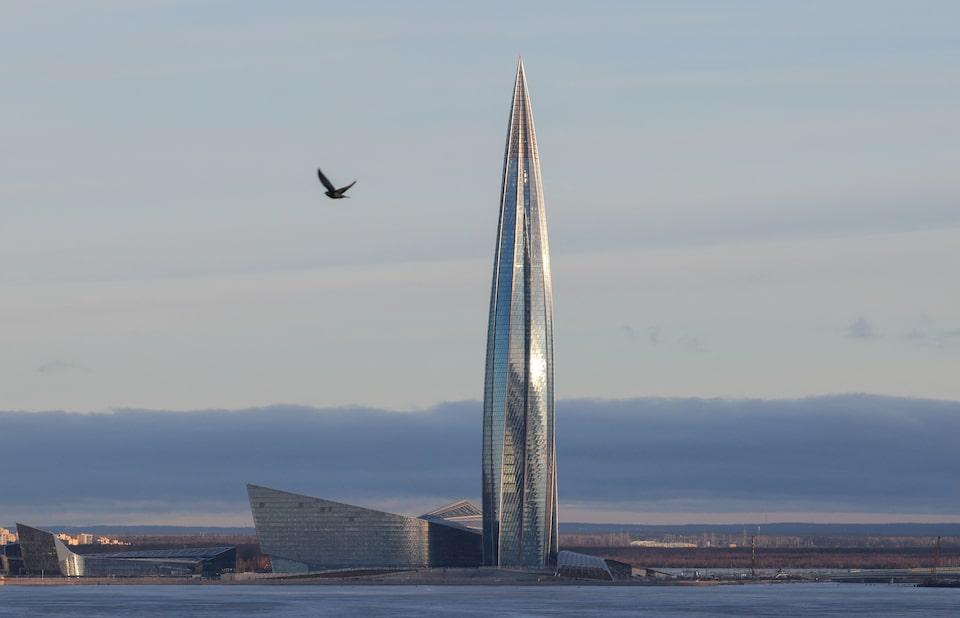
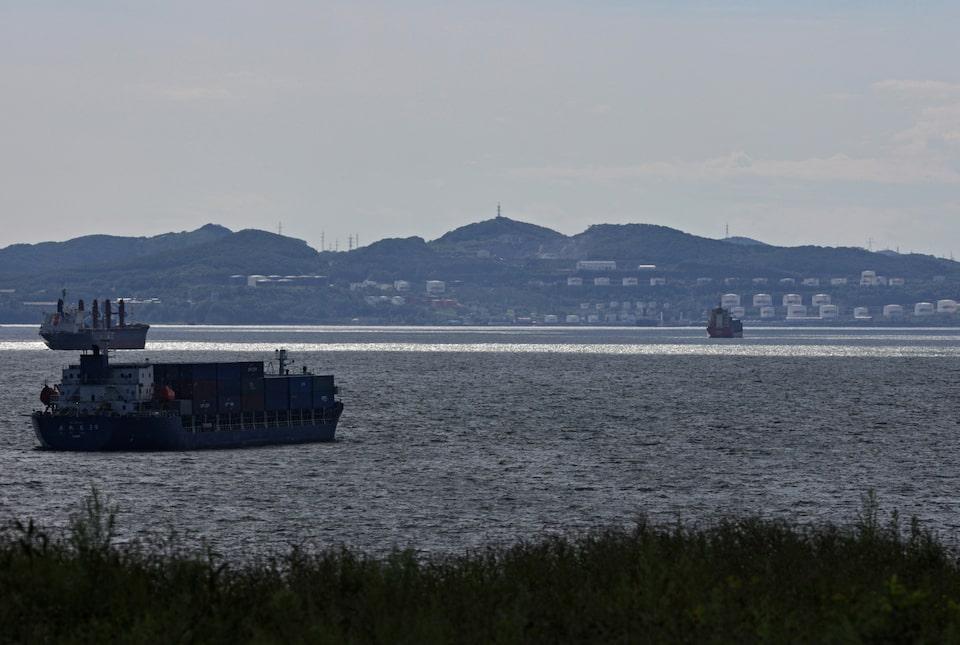
Gazprom's Europe-facing export arm considers selling lavish offices, sources say Down to just a handful of employees, job cuts also approved at headquarters, sources say European buyers cast doubt on return to Russian gas in case of Ukraine peace Russia's gas exports to China unlikely to replace European market losses March 13 (Reuters) - When the CEO of Russian state gas giant Gazprom, Alexei Miller, opened a lavish Italian palazzo-styled building in central St Petersburg to house the company's export arm 11 years ago, he augured a future funded by European sales. "This is symbolic," he said, referring to the modern new offices in Russia's most European city. "Europe will increasingly need Russian gas." Sign up here. Instead, the opulent offices have come to symbolize Gazprom's rapid decline, dragged down by the almost total loss of European markets after the war in Ukraine ruptured Russia's ties with the West. Reeling under multi-billion-dollar losses and scrambling for savings, the company is now considering putting the palazzo up for sale along with other luxury properties it owns, according to a Gazprom executive and another source with knowledge of internal discussions at Gazprom. Gazprom is arguably the Russian business hardest hit by the international sanctions imposed after Russia's full-scale invasion of Ukraine three years ago. Although Russia's economy has been resilient, growing signs of strain have appeared in several industries. Reuters has previously reported that President Vladimir Putin is concerned as heavy military spending distorts the wider economy. The number of staff at Gazprom Export, once the most prosperous unit of the company, overseeing Soviet and Russia's gas sales to Europe for over half a century, has shrunk to just a few dozen employees, the same two sources told Reuters. That's down from 600 employees five years ago, at the peak of Russian exports to Europe. The possible sale of the building and cuts at the unit have not been previously reported. Gazprom's media department and the Russian energy ministry did not respond to detailed requests for comment on the story's findings. With no European sales, the remaining workers are focused mainly on litigation with former EU buyers, the sources told Reuters. Gazprom Export is "just a shell," one of the sources said. Alexei Grivach, from pro-Kremlin think tank the National Energy Security Fund, said Gazprom's less glamorous focus in the near future will be to bring gas to more Russian homes. "Gazprom has been handed the social task of gasification and secure gas supply to the economy and the population at low regulated prices," he said. Reuters spoke to three executives and half a dozen former and current employees for this story on the depth of change at what used to be Russia's most valuable company. All requested anonymity, citing fear of professional repercussions. WIDER CUTS Gazprom's problems extend well beyond the export unit, the conversations with the employees reveal. Two of the sources told Reuters that Miller has now approved plans to cut 1,500 jobs at the parent company's headquarters in Russia and Europe's tallest skyscraper, the British-designed Lakhta Centre, also in St Petersburg. The dismissals at Gazprom headquarters have yet to be announced but staff have been asked to prepare individual presentations about why they should keep their jobs, according to one of the sources, who said employees were told to write up a description of their job functions in case of overlaps. The source said the process was expected to be completed within a few weeks. The cuts add up to about 40% of the staff at Gazprom's headquarters, but a small fraction of its half million strong work force, spread across Russia. Management misjudged how resolute European capitals would be, according to one of the executives, who said the thinking inside the company was that Europe would quickly be back "begging" for Russian gas supplies to resume. Despite the economic pain of higher energy costs, the EU has not rolled back sanctions. "We proved to be wrong," the executive said. U.S. gas exporters quickly moved to replace Russian gas in Europe. The U.S. has become the biggest exporter of LNG to the continent, with supplies tripling since 2021. Europe still buys Russia's sea-borne liquefied natural gas (LNG), but mainly from Gazprom's rivals, Novatek's (NVTK.MM) , opens new tab Yamal LNG plant. The European Union aims to end its use of Russian fossil fuels by 2027 and its overall gas consumption has decreased in part due to a shift to renewable energy sources. Last year, Gazprom posted a net loss of $7 billion for 2023, its first since 1999, the year Putin came to power. It posted another loss in the first 9 months of 2024, the latest period for which figures are available. Gazprom's share price fell in mid-December to its lowest since January 2009, touching 106.1 roubles, a decline of more than a third since the start of 2024. A few months after announcing the annual loss, Gazprom said last year it was selling a portfolio of high-end properties that include well-known luxury hotels in Moscow and in Armenia's Valley of Flowers. Gazprom has a long history of investing in luxury property, which it uses to reward employees with holidays, and to host conferences and events such as the 2014 Olympic Games. TRUMP TRADE The return of Donald Trump to the White House has helped Gazprom's share price recover to around 180 roubles on hopes a swift Ukrainian peace deal would lead to the restoration of exports to Europe, Alpha Bank said in a note last month. However, there are few signs the continent will rush to again tie itself to Russian gas, despite a Financial Times report that a long-time ally of Putin is lobbying the United States to allow investors to restart the $11 billion Nord Stream 2 pipeline that carried gas from Russia via Germany. Germany says it will stick with its policy of independence from Russian energy. Even if there were appetite, Nord Stream is out of service and partly damaged. Cederic Cremers, executive vice president of integrated gas at Shell, said in late February at the International Energy week conference in London in response to whether Russian pipeline gas could return to Europe: "That depends on a lot of things." He cited multiple arbitration cases with Gazprom and asked "will customers and Europe still want the same dependence on Russian gas?" Gazprom's share in EU markets has shrunk to 7% from over 35% before EU sanctions, European Commission data shows. Its market capitalisation as of Wednesday stands at around $46 billion, down from the all-time high of $330.9 billion in 2007, according to the Moscow stock exchange, Gazprom and Reuters calculations. MILLER'S TIME As the company adjusts to its new role as a domestic gas supplier, the lofty ambitions of CEO Miller have been dashed. In 2007, Miller said the company would eventually have a market capitalisation of $1 trillion. At the time this seemed possible. Russia holds a fifth of the planet's gas resources, rendering Gazprom the world's largest natural gas company by reserves. At its height, Gazprom - formed in the Soviet Union from the Ministry of the Gas Industry - generated revenues that accounted for over 5 percent of Russia's $2 trillion annual gross domestic product. The company has been run by Miller, a close friend of Putin since the Russian president was mayor of St Petersburg in 1990s, for the past 24 years. Miller has been on the U.S. sanctions list since 2018, barring U.S. citizens and entities from any dealings with him. Gazprom controls entire towns in Siberia and the Arctic such as Nadym where tens of thousands of employees and their families depend on it as the sole employer. Yury Shafranik, Russian fuel and energy minister from 1993 to 1996, told Reuters in 2023 that Gazprom had been a "state within a state." The sources Reuters spoke to did not describe plans for job cuts or the closure of production assets in such company towns. A STEPPE TOO FAR? Putin's long-term promise to replace Europe's markets with exports to China look optimistic at best. Even the most ambitious projects currently being considered to pipe gas eastward would not amount to half of the previous annual peak exports of 180 billion cubic meters (bcm) Much of Russia's gas went through pipelines to Europe. When Germany and other European countries stopped buying it, there was nowhere else for the surplus to go. In contrast, Russia's oil exporters have been able to redirect tankers to refineries in Asian countries that have not imposed sanctions. Although gas production recovered slightly last year from a record low in 2023 on increased domestic demand and exports to China, there is little pipeline capacity to expand that trade. For now there is only one route for Russia to supply pipeline gas to China – the Power of Siberia pipeline, which transports 38 bcm per year. A second smaller pipeline with a capacity of 10 bcm per year is under construction, set to connect the Pacific island of Sakhalin to China by 2027. Russia and China have been in talks for over a decade about building a third pipeline, the Power of Siberia 2, to carry 50 bcm and meet over a tenth of Chinese gas consumption. This plan would take years to fully develop and discussions have stalled due to price differences, according to media reports. In May, Russian Deputy Prime Minister Alexander Novak said Russia and China expected to a sign a contract "in the near future" on the Power of Siberia 2 gas pipeline. Putin and China's President Xi Jinping discussed Power of Siberia-2 in January, news agency Interfax reported, but no agreement has been reached. China National Petroleum Corporation, which is dealing with Gazprom, declined to comment on the talks. The government of Russia did not respond to a request for comment. Even if the Power of Siberia 2 pipeline were completed quickly, volumes and pricing terms are likely to be much lower than past exports to Europe, analysts from the Center on Global Energy Policy at Columbia University. "By 2030, Russian gas export revenues might fall by 55–80 percent compared to 2022, a year of record-high revenues for the Russian gas industry, at $165 billion," they said in a research note last year. https://www.reuters.com/business/energy/gazproms-grandeur-fades-europe-abandons-russian-gas-2025-03-13/