2025-03-12 20:30
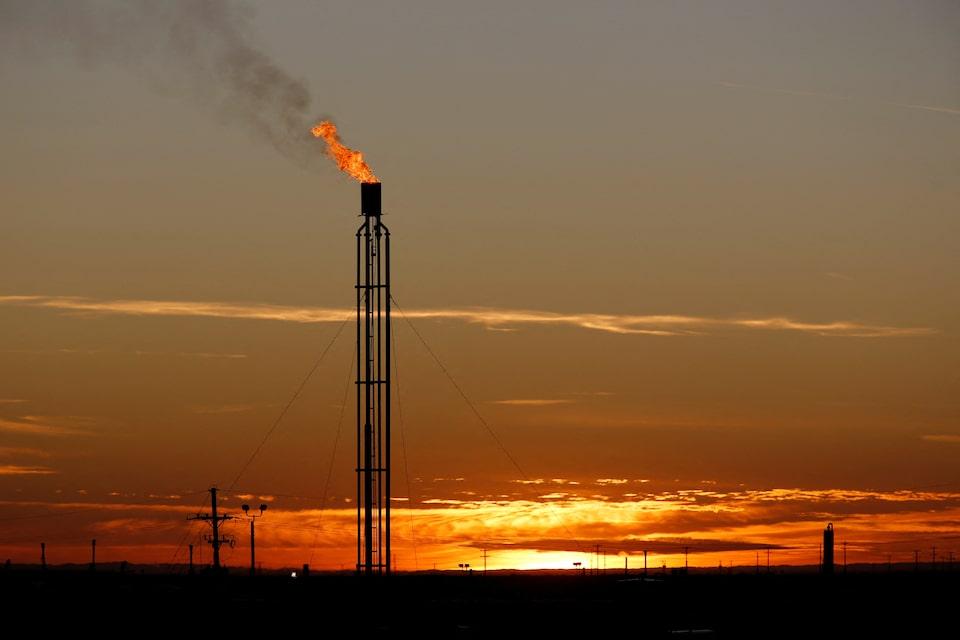
Record natgas demand since nearly 2010 seen extending to 2025, 2026 Power costs up 35% in past 4 years amid lack of gas pipeline capacity -EQT US LNG capacity will almost double over the next few years NextEra sees 55% jump in power demand in next 20 yrs, 17% of that from AI HOUSTON, March 12 - U.S. natural gas use is set to continue hitting record highs due to soaring liquefied natural gas (LNG) demand and power consumption from data centers, executives said at a conference this week, while also warning a lack of infrastructure could hurt the industry. The U.S. is the world's largest gas producer and is expected to produce some 105.2 billion cubic feet per day (bcfd) this year, according to U.S. government data. Demand has already hit a record nearly each year since 2010, but some markets in the U.S. have been hampered by lack of available pipeline space. Sign up here. Pipeline capacity has not caught up with production after a series of project cancellations over the last eight years, according to Toby Rice, CEO of EQT (EQT.N) , opens new tab, the No. 2 U.S. gas producer. This has contributed to a 35% rise in electricity costs for U.S. consumers in the last four years, he said. "We have the gas, we just don't have the pipelines to get it to places, so now you see a situation where it doesn't matter how much we produce," Rice said in an interview on the sidelines of the conference. "Energy bills are still going up as political forces have overridden market forces." EQT's 300-mile (483-km) Mountain Valley pipeline, which transports up to 2 bcfd of gas from West Virginia to Virginia, ran at full capacity last winter, Rice said. The project was slated to cost $3.5 billion, but ultimately costs totaled $8 billion following eight years of delays, Rice said. Moving gas from the Permian basin in Texas and New Mexico and other shale regions in the Northeast U.S. or Midcontinent for LNG exports requires significant pipeline investment, said Pierce Norton, president and CEO of pipeline company, ONEOK (OKE.N) , opens new tab . "That requires a lot of pipe to get it down here," he said, referring to the U.S. Gulf Coast. LNG DEMAND, DATA CENTERS The U.S. Energy Information Administration (EIA) projected total gas consumption, including exports, would rise from a record 102.3 bcfd in 2024 to 105.5 bcfd in 2025, and 107.6 bcfd in 2026. Booming LNG exports should remain the biggest source of gas demand growth in coming years, according to a federal energy outlook. U.S. LNG exports have hit record highs every year since 2016 when the first major LNG export facility in the U.S. lower 48 states came online. Freeport LNG's plant in Texas is running its pipe infrastructure at full capacity, its CEO, Michael Smith, said at the conference. The U.S. became the world's biggest LNG supplier in 2023, surpassing Australia and Qatar. With plants currently under construction, U.S. LNG capacity will almost double from around 13.8 bcfd in 2024 to 24.7 bcfd in 2028. The industry has also received a boost from U.S. President Donald Trump, who in January lifted a moratorium on new LNG export plant permits imposed by his predecessor. Surging demand from power-hungry data centers that are fueling a boom in artificial intelligence is also expected to push up demand for natural gas. The world's largest renewable energy producer NextEra Energy (NEE.N) , opens new tab expects a 55% jump in power demand over the next 20 years versus the prior two decades, CEO John Ketchum said, with some 17% of that demand growth expected to come from the boom in AI. Benchmark Henry Hub natural gas futures hit their highest since December 2022 at $4.49 per million British thermal units on Monday, having settled below $4 per million British thermal units every day last year and most of 2023, according to data from LSEG. https://www.reuters.com/business/energy/ceraweek-ai-lng-demand-keep-us-natgas-use-record-highs-bottlenecks-threaten-2025-03-12/
2025-03-12 20:29
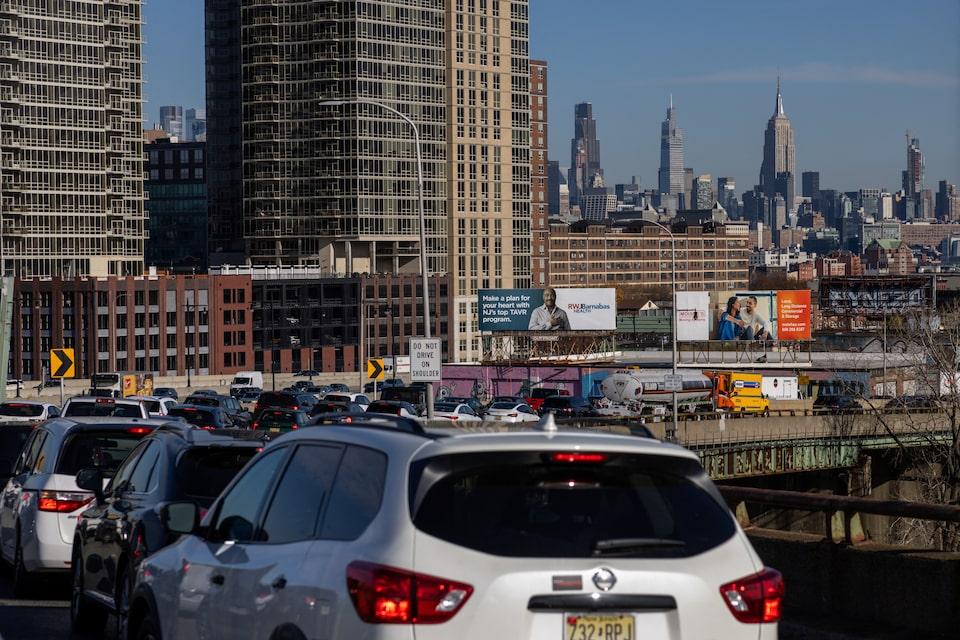
WASHINGTON, March 12 (Reuters) - The U.S. Environmental Protection Agency said on Wednesday it is starting efforts to reverse the Biden administration's vehicle emissions rules that would force automakers to build a rising number of electric vehicles. The action is the latest in the Trump administration's sweeping moves to undo the prior administration's efforts to prod automakers to build electric vehicles after rescinding a push to make EVs at least 50% of new vehicles by 2030. Sign up here. The EPA said it would reconsider the agency's 2024 rules that would cut passenger vehicle fleetwide tailpipe emissions by nearly 50% by 2032 compared with 2027 projected levels. The EPA has forecast that between 35% and 56% of new vehicles sold between 2030 and 2032 would need to be electric in order to comply and has won support from Ford Motor(F.N) , opens new tab. The EPA said it is also reconsidering a 2022 regulation that aims to drastically cut smog- and soot-forming emissions from heavy-duty trucks, saying the rule makes trucks more expensive. The 2022 standards are 80% more stringent than prior standards and the agency estimated the rule would result in up to 2,900 fewer premature deaths annually, 1.1 million fewer lost school days for children and $29 billion in annual net benefits. The EPA in February submitted the Biden administration's approval of California's landmark plan to end the sale of gasoline-only vehicles by 2035 to Congress for review and possible repeal, but a government agency said last week the decision is not reviewable. Congress separately is considering efforts to repeal EV tax credits. In January, Transportation Secretary Sean Duffy moved to rescind fuel economy standards issued under Biden that aimed to drastically reduce fuel use for cars and trucks. He has also frozen funding to states for EV charging. The National Highway Traffic Safety Administration in June said it would hike Corporate Average Fuel Economy requirements to about 50.4 miles per gallon (4.67 liters per 100 km) by 2031 from 39.1 mpg currently for light-duty vehicles. Duffy also directed NHTSA to reconsider rules for heavy-duty pickup trucks and vans through 2035. NHTSA said in June the rule for passenger cars and trucks would reduce gasoline consumption by 64 billion gallons through 2050 and cut emissions by 659 million metric tons. It said while some vehicles would be more expensive to buy, consumers would save on fuel costs and estimated net benefits of $35.2 billion. https://www.reuters.com/sustainability/climate-energy/trump-administration-begins-effort-reverse-epa-vehicle-rules-2025-03-12/
2025-03-12 20:28
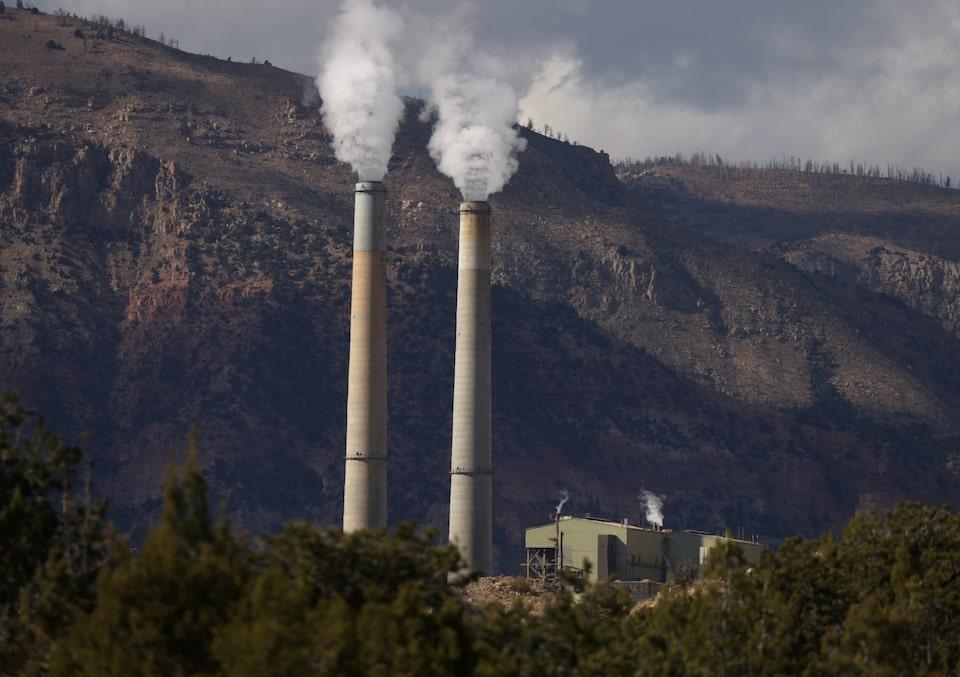
Plan aligns with Trump's executive orders on energy reliability Rollback benefits dirtiest coal plants, like Colstrip in Montana Complying with Biden-era rules would cost Colstrip an estimated $350M to $665M March 12 (Reuters) - President Donald Trump's administration intends to overturn pollution rules aimed at reducing soot emissions from U.S. coal-fired power plants in a move intended to help keep some of the nation's dirtiest plants operational, according to people familiar with the matter. Soot particles can wreak havoc on human health because they’re small enough to penetrate the bloodstream and brain. Sign up here. The plan aligns with Trump's January 20 executive orders that directed the Environmental Protection Agency to review measures affecting energy reliability and declared a national energy emergency to enhance government powers to boost fossil fuel and electricity production and distribution. The White House was not immediately available for comment. Among the targets is a 2024 Biden-era rule , opens new tab that lowered coal plant particulate matter emissions limits by nearly 70%, according to three people briefed on the matter. Former President Joe Biden's EPA had said it believed the tougher standard was reasonable because 91% of existing coal plants were already meeting it, federal regulatory filings show. The Trump administration has said it hopes to keep existing coal plants running, and potentially restart ones that have been shuttered, in order to help meet an expected surge in nationwide power demand in coming years. The EPA did not return messages seeking comment. BIGGEST EMITTERS BENEFIT There are about 200 coal plants left in the U.S., generating roughly 16% of the country's electricity. The country's dirtiest coal plants would be among the biggest beneficiaries from a rollback of the soot limits. They include the Colstrip power plant in Montana, which the EPA says is the nation's only coal plant without modern pollution controls for particulate matter. Talen Energy (TLN.O) , opens new tab, the operator of the plant and a minority owner, had joined more than 20 states in a pending legal challenge to Biden’s stricter rules in the Washington D.C. Circuit Court of Appeals. Last month, Trump's EPA Administrator Lee Zeldin asked the court to postpone oral arguments scheduled for March 27 to allow the agency’s new leadership to review the underlying rule, according to court filings. "EPA intends to closely review the 2024 rule. And the prior positions taken by the agency with respect to the 2024 rule may not necessarily reflect its ultimate conclusions after that review is complete," lawyers for the agency said in a February 13 motion filed with the court. Talen did not return a message seeking comment. Complying with Biden's more restrictive limits would cost the Colstrip plant's owners $350 million to $665 million, according to estimates disclosed by NorthWestern Energy Group Inc (NWE.O) , opens new tab. NorthWestern will own a majority of Colstrip at the end of this year after agreeing to take over the ownership interests of Avista Corp (AVA.N) , opens new tab and Puget Sound Energy. The utility plans to use the 1,500-megawatt plant, which ran at about 80% capacity last year, to feed electricity to Montana data centers and a 3,000-megawatt, 415-mile transmission line between the town of Colstrip and Bismark, North Dakota. NorthWestern did not return a message seeking comment. The plant has a history of exceeding even the lower federal limits for particulate matter. In 2018, for example, the plant was shut down for more than two months after its soot pollution veered out of control, EPA disclosures show. Talen Energy agreed to pay a $450,000 fine to settle those air quality violations. The Biden-era limits, barring a move by the Trump administration, would require compliance as early as 2027. https://www.reuters.com/sustainability/climate-energy/trump-administration-plans-give-dirty-us-coal-plants-reprieve-soot-2025-03-12/
2025-03-12 20:26
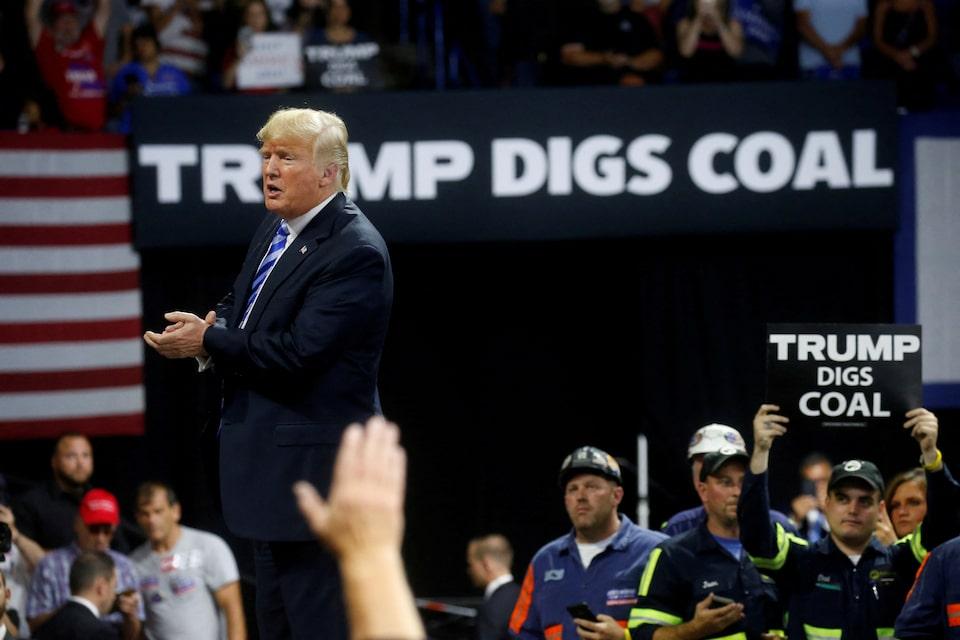
Barrage of regulatory rollbacks aim to carry out Trump's energy dominance agenda Environmental groups warn about impact on public health, vow legal challenges Industry groups support EPA focus on deregulation WASHINGTON, March 12 (Reuters) - The Trump administration announced a wave of regulatory rollbacks on Wednesday including a repeal of Biden-era emissions limits on power plants and automobiles, as well as reduced protections for waterways. The announcements from Trump's Environmental Protection Agency align with the president's vows to slash regulations to boost industries from coal to manufacturing, and ramp up oil and minerals production. But they are also destined to weaken bedrock environmental rules imposed by past presidencies to protect air and water quality and fight climate change. Sign up here. "Today is the most consequential day of deregulation in American history," EPA Administrator Lee Zeldin said in a video message posted on X. In total, his agency announced more than 30 deregulatory measures in a dizzying succession of press releases. Zeldin started the day by announcing he will narrow the definition of waterways that receive protection under the Clean Water Act - a move that could ease limits on runoff pollution from agriculture, mining, and petrochemicals. The agency later said it would review the Biden-era clean power plant rule that seeks to reduce carbon emissions from power plants to fight global warming and would also roll back greenhouse gas emissions standards for heavy- and light-duty vehicles for model year 2027 and later. The power and transport industries together make up around half of U.S. greenhouse gas emissions, and were vital targets in former President Joe Biden's efforts to slow climate change. The agency also said it will take steps to undo a scientific finding from 2009 that greenhouse gas emissions endanger public health, a provision that forms the bedrock of the EPA's greenhouse-gas regulations so far. The so-called "endangerment finding" came as a result of a Supreme Court ruling in the 2007 Massachusetts v. EPA case that greenhouse gases are covered by the Clean Air Act. The EPA under former President Barack Obama finalized the finding in 2009, and the 2022 Inflation Reduction Act – Joe Biden’s signature climate law - codified language deeming greenhouse gases are air pollutants. Obama's EPA Administrator Gina McCarthy said Wednesday was "the most disastrous day in EPA history." Environmental groups said they will fight the rollback. "This move won’t stand up in court. We’re going to fight it every step of the way," said Jason Rylander, legal director at the Center for Biological Diversity’s Climate Law Institute. Other environmental groups slammed Trump's broader deregulation agenda. "EPA Administrator Lee Zeldin is driving a dagger straight into the heart of public health," said Abel Russ, a director at the Environmental Integrity Project. Industry groups expressed support for the announcements. "Voters sent a clear message in support of affordable, reliable and secure American energy, and the Trump administration is answering the call," said Mike Sommers, president of the American Petroleum Institute. The National Mining Association, which represents some coal miners, applauded the rollback of the clean power plant rule, saying it was "long overdue" as datacenters and AI increased electricity demand. DECADES OF PRECEDENT The Trump administration plans to roll back other air and water regulations that have been in place for decades for the power industry. The EPA, for example, said it will reconsider mercury and air toxics rules that had been updated under Biden that it says were designed to target coal-fired power plants. It also said it plans to revisit standards set under the Biden administration to reduce soot and air particulate matter. Reuters had reported that review earlier in the day. The EPA also announced measures that would dial back regulations for the oil and gas industry, including required reporting of methane emissions from oil and gas infrastructure. It would also consider allowing the reuse of drilling wastewater, potentially for agriculture and industry. https://www.reuters.com/sustainability/climate-energy/us-epa-reconsider-biden-clean-power-plant-rule-2025-03-12/
2025-03-12 19:29
WASHINGTON, March 12 (Reuters) - White House economic adviser Kevin Hassett told Fox News on Wednesday that he expected U.S. gross domestic product growth to be "at least" 2% to 2.5% in the first quarter. "I'll give you an expectation that GDP growth is going to be 2, 2.5% in the first quarter, at least," Hassett said in an interview. Sign up here. https://www.reuters.com/world/us/white-house-adviser-expects-us-gdp-growth-least-2-25-q1-2025-03-12/

2025-03-12 19:03
LONDON, March 12 (Reuters) - Britain's poorest households are worse off than those in Slovenia and Malta after nearly two decades of stagnation in UK living standards, a think tank said, underscoring finance minister Rachel Reeves' challenge in this month's budget update. The National Institute of Economic and Social Research said despite Britain's ranking as the world's sixth-biggest economy, inequality between the country's rich and poor regions had worsened since the 2008-09 global financial crisis. Sign up here. Meanwhile, growth in Europe's less developed economies had been strong. In a report published on Wednesday, NIESR found that half of Britain's wage stagnation since 2008 was due to slow productivity growth, something Reeves is aiming to fix with more public investment and less red tape. Tight rules on welfare in Britain also had an impact with benefits spending among the least generous across a range of similar economies when compared with average wages, NIESR said. Reeves is reportedly considering cuts to welfare benefits as she prepares for a half-yearly update on the public finances on March 26. It is expected to show her off course to meet her rule to balance day-to-day spending with tax revenues by 2030. "Economic stagnation over the past decade is now threatening the UK's position as a place for a high standard of living," Max Mosley, a senior economist at NIESR and the report's main author, said. "That the poorest in our country now fare worse than those in nations once considered less affluent is a stark indictment of the UK's economic social model," Mosley said. NIESR said while Britain's poorest 10% might be better off in cash terms than their counterparts in Slovenia and Malta, they fell behind once Britain's higher cost of living was taken into account. It said the value of welfare payments in Britain had been below the cost of household essentials in 12 of the last 14 years - with the only exceptions being in 2020 and 2021 thanks to a temporary welfare boost during the COVID-19 pandemic. The think tank said removing Britain's two-child limit for additional welfare benefits represented the most effective way to reduce poverty. Cuts to value-added tax rates would also give a disproportionate boost to low-income households as they spend a bigger share of their income on essentials, it said. https://www.reuters.com/world/uk/britains-poorest-households-worse-off-than-those-slovenia-think-tank-says-2025-03-12/