2025-03-12 17:19
Abu Dhabi's MGX to become minority shareholder in Binance $2 bln investment was made in stablecoin, not dollars Binance deepens ties with Abu Dhabi DUBAI, March 12 (Reuters) - Abu Dhabi-backed investment group MGX has made a $2 billion cryptocurrency investment in Binance, the companies said on Wednesday, deepening ties between the world's largest crypto exchange and the United Arab Emirates. The deal, which Binance called its first institutional investment, is one of the largest ever in the crypto industry. It will see MGX become a minority shareholder after making the investment in stablecoin - a type of cryptocurrency pegged to a fiat currency such as the dollar. Sign up here. A Binance spokesperson declined to comment on "the agreed governance rights" or the size of MGX's stake, or on which stablecoin was used for the investment. MGX also declined to comment. Binance, founded in 2017 in China by billionaire Changpeng Zhao, grew into the world's biggest crypto exchange after tapping into soaring demand for trading bitcoin and other cryptocurrencies. Zhao, known as "CZ", pleaded guilty to violating U.S. laws against money laundering at Binance, and spent months in jail last year. The exchange has been growing its links with the UAE under CZ's successor Richard Teng, who was previously head of Abu Dhabi's Financial Services Authority. Binance said in Wednesday's announcement it had a "substantial footprint" in the UAE, employing around 1,000 of its 5,000 total staff there. The investment in Binance is the first public foray into crypto by MGX, which was established almost exactly a year ago "to accelerate the development and adoption of AI and advanced technologies" through partnerships, it said at the time. The UAE is aiming to become a global centre for digital assets including crypto and has been trying to attract some of the biggest firms to build locally as part of a plan to diversify its economy. "MGX’s investment in Binance reflects our commitment to advancing blockchain’s transformative potential for digital finance," said Ahmed Yahia, managing director and CEO of MGX, in the statement. Blockchain is the technology underpinning cryptocurrencies. MGX, which has also invested in OpenAI and Elon Musk's xAI, is chaired by Sheikh Tahnoon bin Zayed Al Nahyan, the UAE's national security adviser and a brother of UAE President Sheikh Mohammed bin Zayed. Abu Dhabi's state-owned $330 billion wealth fund Mubadala is a partner in MGX. The crypto industry has enjoyed a revival in the past year, a turnaround after a series of collapses and scandals in 2022 revealed widespread misconduct and left investors with large losses. The biggest cryptocurrency bitcoin hit new all-time highs following the election of U.S. President Donald Trump, who has taken a pro-crypto stance. A U.S. federal judge in February agreed to put a civil lawsuit by the U.S. Securities and Exchange Commission against Binance on hold for 60 days. Teng told Reuters in December that Binance was still looking for a base for its global headquarters, in what is seen as a push to improve transparency in the wake of the criminal charges against CZ and a $4.3 billion fine Binance agreed to pay in 2023 in the United States. In January, French investigators said they had opened a judicial probe into money laundering, tax fraud and other charges at Binance, which said it denied the allegations. "This investment by MGX is a significant milestone for the crypto industry and for Binance. Together, we are shaping the future of digital finance," Teng said. https://www.reuters.com/technology/binance-says-abu-dhabis-mgx-invests-2-bln-into-crypto-exchange-2025-03-12/
2025-03-12 17:00
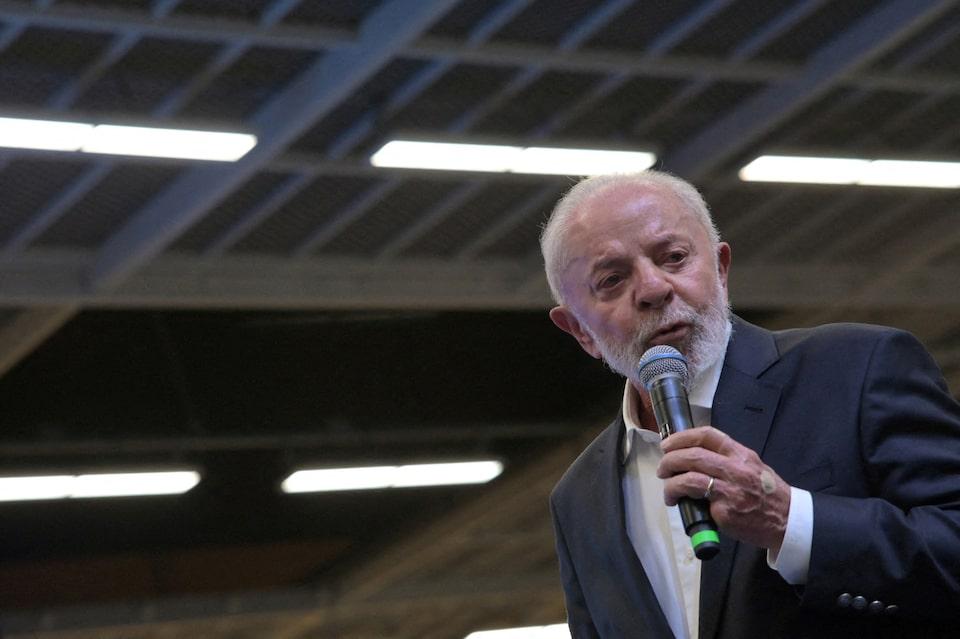
Lula's popularity declining amid central bank's interest rate hikes New credit line could halve interest rates for private-sector workers Program aims to reduce debt with loans via digital work card app BRASILIA, March 12 (Reuters) - Brazil announced new rules on Wednesday to expand payroll-deductible loans for private-sector workers through the country's digital work card app, allowing them to access cheaper credit. The measure by President Luiz Inacio Lula da Silva comes as his popularity has sharply declined in opinion polls, and is expected to boost borrowing, running counter to the central bank's aggressive interest rate hikes aimed at cooling economic activity. Sign up here. Speaking at the presidential palace, Lula said the expanded credit line would represent "a revolution," but it should not be seen as an incentive for people to spend more than they can afford. At the same event, Finance Minister Fernando Haddad emphasized that private-sector workers currently pay interest rates of up to 5% per month on credit lines without collateral, adding this burden could fall by half under the new program. This type of credit already exists in Brazil, but the government's economic team had argued it did not reach a large share of formal workers, as it depended on individual agreements between companies and banks. Now any private-sector worker, including domestic and rural employees, will have access to the program. Estimates from banking industry group Febraban released by the government indicate the new system could generate up to 120 billion reais ($20.6 billion) in loans over four years, potentially benefiting around 19 million formal workers out of a total of 47 million. Currently, credit operations via payroll-deductible loans for private-sector workers total 40.4 billion reais. Marcos Pinto, the Finance Ministry's secretary for economic reforms, said at a press conference the new system will take time to gain adoption. "This will be gradual," he said, adding there is therefore no need to worry that the program's economic stimulus will hinder the central bank's efforts to control inflation. According to the government, the system will launch on March 21 and aims to reduce excessive indebtedness by offering a lower-cost credit line for refinancing more expensive debt. Workers will use the digital work card app, which is provided by the government with their employment record books, to request loans directly from banks participating in the program. They will receive offers within 24 hours and complete the transaction through the chosen financial institution's platform. Loan repayments will be deducted monthly from workers' paychecks via the eSocial digital system, which consolidates employer-submitted records. Workers will be able to use as collateral up to 10% of their balance in the FGTS severance fund - which employees can draw from in certain circumstances, such as buying a home, loss of employment or serious health problems - and 100% of any termination penalty in case of dismissal. Brazil's public lender, Banco do Brasil (BBAS3.SA) , opens new tab, said in a statement it intends to lead this credit offer, projecting it will also be available through the bank's own channels by the end of April. "It is a safe, profitable credit that respects the banks' credit policy within the risk and return conditions of each client," CEO Tarciana Medeiros said during the government's event. ($1 = 5.8308 reais) https://www.reuters.com/markets/brazil-unveils-new-rules-expand-payroll-deductible-loans-private-sector-workers-2025-03-12/
2025-03-12 16:19
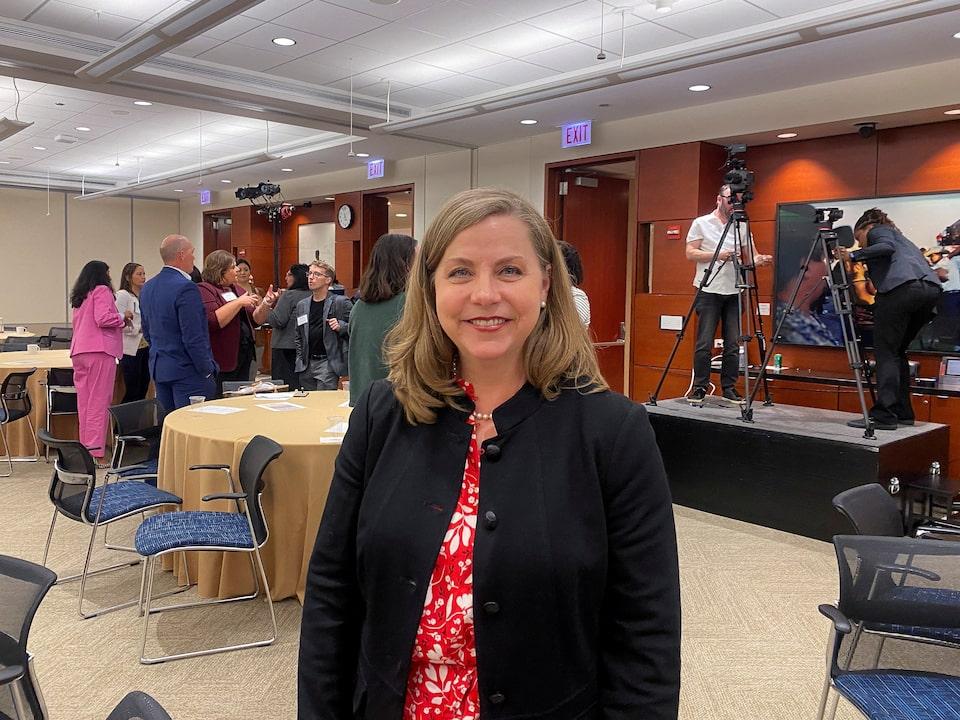
March 12 (Reuters) - U.S. President Donald Trump will nominate Federal Reserve Governor Michelle Bowman as vice chair for supervision as early as Wednesday, a White House official said. A former community banker and frequent critic of over-zealous bank regulation, Bowman would replace Michael Barr, a Democratic Biden appointee who stepped down from the supervision post at the end of February to avert a potential legal dispute with the Trump administration. Sign up here. Bloomberg News reported the news earlier on Wednesday. Bowman was widely seen as a frontrunner to fill the role, in part due to the fact that the Fed's board is currently full, meaning a replacement must be named from existing governors. Spokespeople for Bowman and the Fed declined to comment. A former Kansas banking regulator, Bowman has served on the Fed board since 2018 when Trump nominated her to fill a post specifically reserved for an official with community banking experience. She is expected to take a much lighter regulatory touch than Barr, whose rulemaking projects she has loudly criticized in multiple speeches over the past 18 months. Bowman voted against Barr's proposal to implement the so-called "Basel III Endgame" rule that would overhaul how big banks gauge their risks, requiring them to hold significantly more capital. She has argued the capital burden should be reduced. Partly spurred on by Bowman's criticism, big banks lobbied hard to water down that Basel rule, which has since failed to progress due to infighting among regulatory officials on the best path forward. Bowman has also suggested the Fed should consider ways to make its annual big bank "stress tests" more transparent and predictable for lenders. The Fed recently announced it planned to make several significant changes to the stress tests going forward, and big banks have sued to challenge their legality. Despite little experience with global banks, Bowman would be one of the top bank regulators in the U.S. government and globally, as the Fed oversees the nation's largest and most complex lenders. Before joining the Fed, Bowman served as the state bank commissioner of Kansas for a year and a half, before which she spent several years as vice president of Farmers & Drovers Bank, a Kansas community bank. Early in her career, she was a congressional staffer, and also held roles in the Federal Emergency Management Agency and the Department of Homeland Security. https://www.reuters.com/world/us/trump-nominate-bowman-feds-top-bank-cop-white-house-official-says-2025-03-12/
2025-03-12 16:09
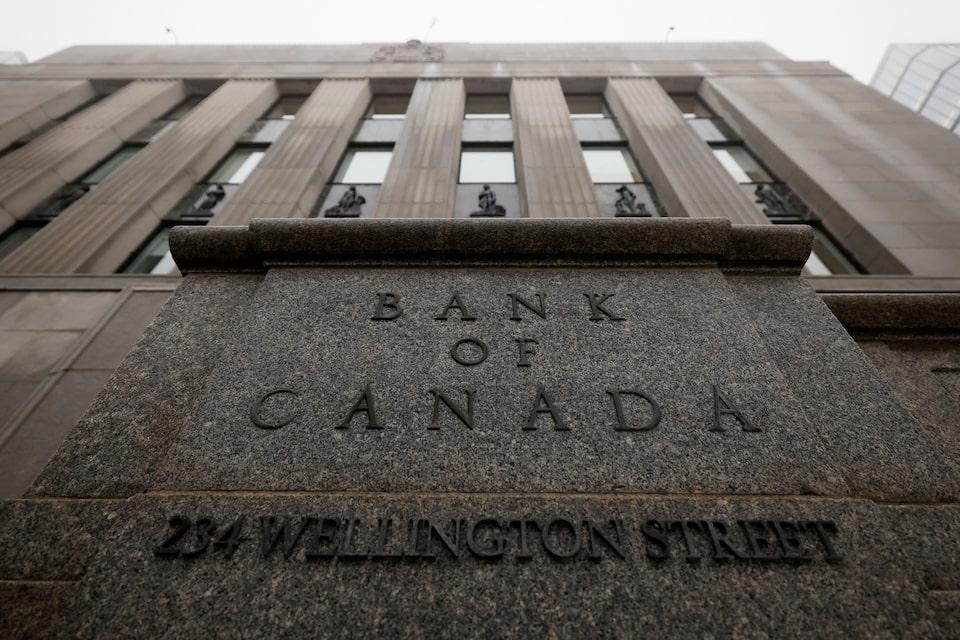
Trade conflict would slow first-quarter GDP, bank said Conflict could disrupt recovery in the jobs market, it said Inflation is expected to go up to around 2.5% in March Chances of another rate cut in April are around 45% OTTAWA, March 12 (Reuters) - The Bank of Canada trimmed its key policy rate by 25 basis points on Wednesday to 2.75% and raised concerns about inflationary pressures and weaker growth stemming from trade uncertainty and President Donald Trump's tariffs. The bank also said it would "proceed carefully with any further changes" to rates given the need to assess both the upward pressures on inflation from higher costs and the downward pressures from weaker demand. Sign up here. The bank's stance, which some economists said could be a signal that rates will not fall further, comes after months of inflation sitting at or around its 2% target. "We're focused on weighing those downward pressures and those upward pressures. Our job is to maintain price stability, and that's what we're focused on," Governor Tiff Macklem told a press conference. But he declined to give any forward guidance in terms of where rates might go. The cut marked the seventh consecutive time the central bank has eased monetary policy, shrinking the key rate by a total of 225 basis points in a space of nine months and making it one of the most aggressive central banks globally. "We ended 2024 on a solid economic footing. But we're now facing a new crisis," he said in opening remarks to a press conference. Trump's stop-start tariff policies and threats to a wide range of Canadian products have alarmed companies, shaken consumer confidence and hurt business investment. Trump imposed a 25% tariff on all steel and aluminum products on Wednesday and Canada said it will impose C$29.8 billion ($20.68 billion) in retaliatory tariffs on the United States effective Thursday. The bank said a protracted tariff war would lead to poor GDP growth and high prices, a challenging mix that makes it tough to decide on whether to hike or cut rates. The rate-setting Governing Council will focus on assessing the timing and strength of both the downward pressure on inflation from a weaker economy and the upward pressure from higher costs, Macklem said. The trade conflict would slow first-quarter GDP and could possibly disrupt the recovery in the jobs market, he said, adding that the fear of the impact of tariffs on prices had already pushed up short-term inflation expectations. Inflation is expected to be around 2.5% in March, up from 1.9% in January, as a short-term sales-tax break ends. The Canadian dollar extended gains after the decision and was trading stronger by 0.20% to 1.4403 to the U.S. dollar, or 69.43 U.S. cents. Yields on two-year government bonds dropped by 0.8 basis points to 2.521%. Currency markets are betting that the chances of another rate cut of 25 basis points at the bank's next announcement on April 16 are around 45%. "The focus on rising inflation expectations in today’s release is somewhat hawkish," said Royce Mendes, head of macro strategy for Desjardins Group. SPECIAL SURVEY The United States is Canada's biggest trading partner and takes almost 75% of all Canadian exports. A separate special bank survey of businesses and households conducted from late January until the end of February showed that many households were concerned about job security, especially in sectors exposed to U.S. trade. The tariff threat has forced business to lower their sales outlook. Some businesses are finding it hard to get credit, and a weaker currency has made imports expensive, the survey pointed out. This means that firms are pulling back their hiring and investment plans, it said. The recent shift in consumer and business intentions is expected to translate into a marked slowing in domestic demand in the first quarter, Macklem said in his remarks. "Monetary policy cannot offset the impacts of a trade war. What it can and must do is ensure that higher prices do not lead to ongoing inflation," he said. ($1 = 1.4411 Canadian dollars) https://www.reuters.com/markets/rates-bonds/bank-canada-cuts-rates-counter-tariffs-will-be-cautious-about-future-moves-2025-03-12/
2025-03-12 16:06
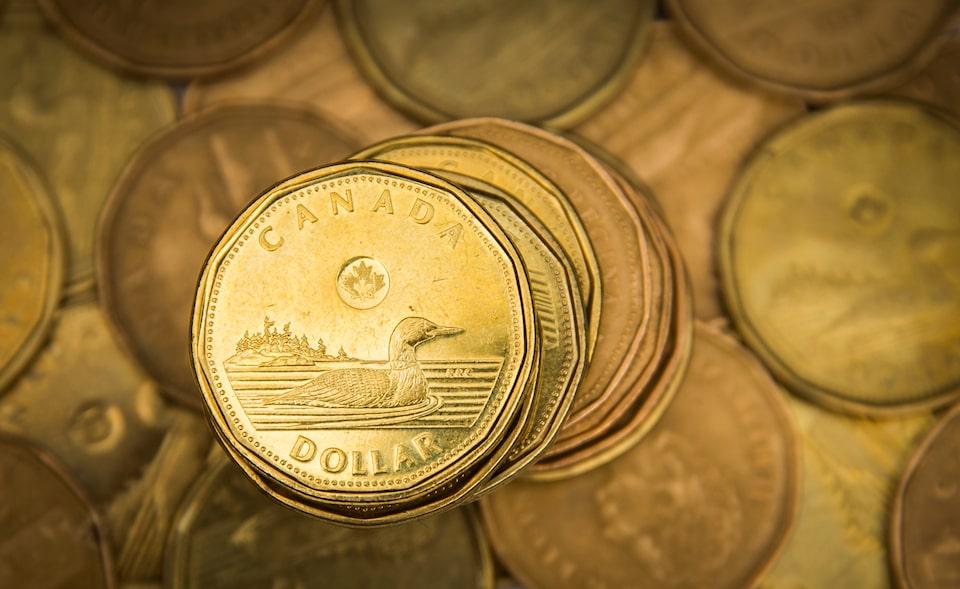
Canadian dollar rises 0.2% against the greenback Trades in a range of 1.4371 to 1.4484 BoC cuts key rate 25 basis points to 2.75% Bond yields increase across the curve TORONTO, March 12 (Reuters) - The Canadian dollar edged up against its U.S. counterpart on Wednesday as the Bank of Canada cut interest rates as expected but stopped short of signaling additional easing, and after Canada announced retaliatory tariffs on the United States. The loonie was trading 0.2% higher at 1.44 per U.S. dollar, or 69.44 U.S. cents, after trading in a range of 1.4371 to 1.4484. Sign up here. The Bank of Canada trimmed its key interest rate by 25 basis points to 2.75% and warned of "a new crisis" as it tried to prepare the country's economy for the damage that President Donald Trump's tariffs could wreak. Still, the central bank said it would "proceed carefully with any further changes" to rates given the need to assess both the upward pressures on inflation from higher costs and the downward pressures from weaker demand. "It was a pretty balanced statement from the Bank of Canada," said Bipan Rai, head of ETF and structured solutions strategy at BMO Global Asset Management. "It's a more deliberate approach that doesn't really tell us anything new in terms of directionality for the Canadian dollar in the short term." Investors see chances of another rate cut in April at less than 50%. Trump's increased tariffs on all U.S. steel and aluminum imports took effect on Wednesday, stepping up a campaign to reorder global trade in favor of the U.S. and drawing swift retaliation from Canada and Europe. Canada, the biggest foreign supplier of steel and aluminum to the United States, announced 25% retaliatory tariffs on U.S. goods worth C$29.8 billion in total. The price of oil, one of Canada's major exports, rose for a second-straight day, advancing 2.2% to $67.70 a barrel. Canadian bond yields moved higher across the curve. The 10-year was up 2.2 basis points at 3.030%. https://www.reuters.com/markets/currencies/canadian-dollar-gains-after-balanced-boc-policy-statement-2025-03-12/
2025-03-12 15:56
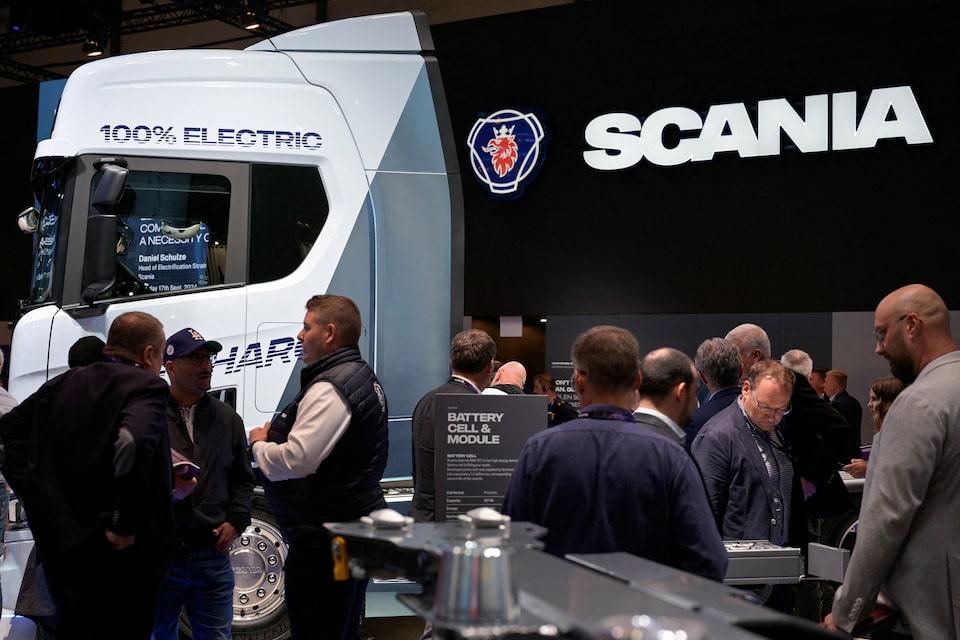
Scania offered $6 million for the unit in February Northvolt bankruptcy meant deal was halted An unnamed consortium earlier made higher bid Bankruptcy trustee responsible for deciding on any asset sales STOCKHOLM, March 12 (Reuters) - Truckmaker Scania is willing to go ahead with purchasing the only profitable business of bankrupt battery maker Northvolt for $6 million, it said on Wednesday. Northvolt filed for bankruptcy on Wednesday, bringing to an end Europe's best hope of developing a rival to major Asian electric vehicle battery players. Any potential asset sales are also suspended for now. Sign up here. The Swedish battery maker had for months attempted to sell some of its non-core businesses to try to rescue the main operations that produce battery cells for electric vehicles. An internal Northvolt memo seen by Reuters said the bankruptcy trustee, appointed by the court to oversee the bankruptcy process, would talk to Scania as well as to any other suitors to determine if a sale can take place. "It remains to be seen whether elements of the business or its technology will be acquired and continue under new ownership," the memo said. In February, Northvolt said it had agreed to sell a battery pack business called Northvolt Industrial to one of its largest customers and close partner, Traton-owned (8TRA.DE) , opens new tab Scania for $6 million in cash. An unknown consortium had made a higher bid and was also willing to buy more assets, but Northvolt said then it was accepting Scania's on the grounds the consortium would require longer for its due diligence and the battery-maker needed cash urgently, filings to the U.S bankruptcy court showed. Earlier in the week, Northvolt postponed indefinitely a hearing that was set for March 10, and could have led to the Scania takeover. A Scania spokesperson said the truckmaker still intended to buy the business at the original purchase price it had agreed with Northvolt. Under the deal, Scania would take over all debt and liabilities belonging to the business, a February filing showed. The Scania spokesperson declined to comment on the possibility of a third-party coming in and creating a bidding war, calling that speculative. A Northvolt spokesperson said the company wanted to deliver the transactions that have been negotiated to date. Northvolt Systems Industrial's battery packs have been sold since 2019 and are used on drilling rigs and in construction to power machinery such as forklifts. With its main operations in Gdansk, Poland, it counts Swedish mining equipment maker Epiroc and Finnish engineering group Konecranes among its customers. https://www.reuters.com/business/autos-transportation/scania-committed-buying-northvolts-battery-pack-business-despite-bankruptcy-2025-03-12/