2025-03-12 15:06
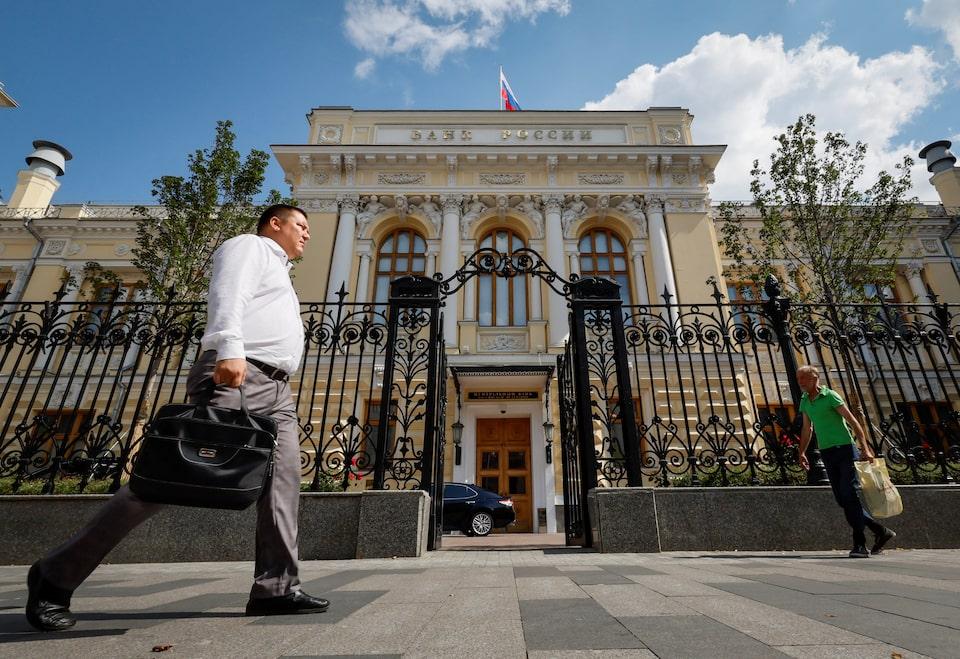
MOSCOW, March 12 (Reuters) - Russia's central bank has proposed regulating certain cryptocurrency investments for wealthy individuals, it said on Wednesday, outlining plans for "specially qualified" investors to trade crypto assets. The bank has gradually softened its strong opposition to cryptocurrencies, backing a law last year that allowed businesses to use cryptocurrencies in international trade, part of efforts to skirt Western sanctions imposed against Russia over the conflict in Ukraine. Sign up here. The central bank's proposal states that, under an experimental legal regime, certain investors and companies would be able to take part in a three-year crypto-investing experiment. "This is a new status that ... citizens will receive if their investments in securities and deposits exceed 100 million roubles ($1.15 million) or if their income over the past year was more than 50 million roubles," the bank said in a statement. The bank said the experiment was aimed at increasing transparency of the cryptocurrency market and reminded potential investors of the risks of losing funds when trading crypto. Cryptocurrency will still be banned as a form of payment, the bank said. ($1 = 87.0455 roubles) https://www.reuters.com/technology/russian-central-bank-proposes-wealthy-individuals-be-allowed-invest-crypto-2025-03-12/
2025-03-12 13:53
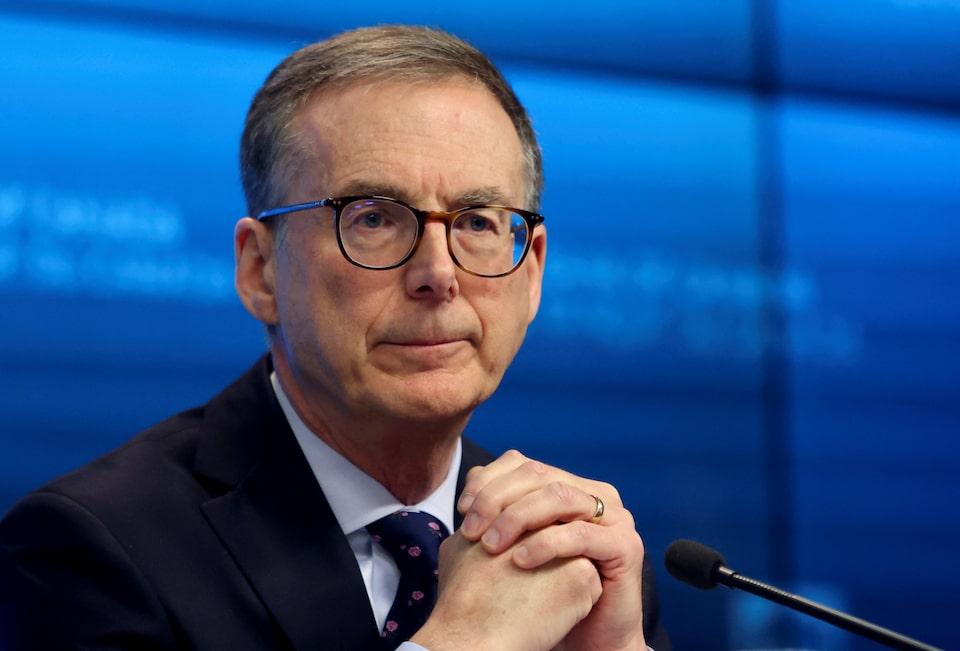
OTTAWA, March 12 (Reuters) - The Bank of Canada released the following text of opening remarks by Governor Tiff Macklem on Wednesday: "Good morning. I’m pleased to be here with Senior Deputy Governor Carolyn Rogers to discuss our policy decision. Sign up here. "Today, we lowered the policy interest rate by 25 basis points, bringing it to 2.75%. "The Canadian economy ended 2024 in good shape. Inflation has been close to the 2% target since last summer. Substantial cuts to our policy rate through the second half of last year boosted household spending and economic growth. "However, in recent months, the pervasive uncertainty created by continuously changing US tariff threats has shaken business and consumer confidence. This is restraining household spending intentions and businesses’ plans to hire and invest. "Against this backdrop, and with inflation near the 2% target, Governing Council decided to reduce the policy rate a further 25 basis points. "Looking ahead, the trade conflict with the United States can be expected to weigh on economic activity, while also increasing prices and inflation. Governing Council will proceed carefully with any further changes to our policy rate given the need to assess both the upward pressures on inflation from higher costs and the downward pressures from weaker demand. "Let me expand on these key considerations. "Economic data since our January Monetary Policy Report (MPR) suggests the Canadian economy ended 2024 on a stronger footing than we expected. Past interest rate cuts have boosted consumer spending and business investment, increasing domestic demand in the fourth quarter by a robust 5.6%. Overall, GDP grew 2.6% in the fourth quarter after upwardly revised growth of 2.2% in the third quarter. This growth path is considerably stronger than we were expecting based on the information we had in January. "Job growth also strengthened around the end of the year before stalling in February. Growth in employment increased in November through January, surpassing labour force growth, and the unemployment rate declined to 6.6%. There were also signs that wage growth is moderating. "Inflation has remained close to the 2% target. The temporary GST/HST holiday has lowered some consumer prices, but January inflation came in a little firmer than expected at 1.9%. Inflation is forecast to increase to about 2½% in March with the end of the tax break. "Today, we have published new survey data on what we are hearing from businesses and households. While it is too early to see much impact of new tariffs on economic activity, our surveys suggest that threats of new tariffs and uncertainty about the Canada-US trade relationship are already having a big impact on business and consumer intentions. "Canadians are more worried about their job security and financial health as a result of the trade tensions, and they intend to spend more cautiously. Job security concerns increased particularly among workers in export-oriented industries, including manufacturing, mining, and oil and gas. "Businesses have lowered their sales outlooks, notably in manufacturing and in sectors that depend on discretionary spending by households. Credit has become more difficult to access for some businesses, and with a weaker Canadian dollar, the cost of imported machinery and equipment has risen. As a result of all these trade-related factors, many businesses have scaled back their hiring and investment plans. "Our surveys also suggest business intentions to raise prices have increased as they cope with higher costs related to both uncertainty and tariffs. At the same time, inflation expectations have moved up as Canadians brace for the possibility of higher prices. "The recent shift in consumer and business intentions is expected to translate into a marked slowing in domestic demand in the first quarter of this year. At the same time, merchandise trade data suggest businesses on both sides of the Canadian border have stocked up on imports in advance of tariffs. As a result, Canadian exports and imports are both expected to be stronger in the first quarter. But the impact on exports looks to be bigger, which should provide some offset to weaker domestic demand in the quarter. "Of course, this pull-forward in exports likely means weakness ahead. If household and business spending intentions remain restrained, the combination of weaker exports and soft domestic demand would weigh further on economic activity in the second quarter. "The impacts of uncertainty and tariffs on inflation are more difficult to assess. Uncertainty that weighs on household and business spending tends to put downward pressure on inflation. And new tariffs will hurt our exports and weaken business investment. But costs are rising too, and this will put upward pressure on inflation. A weaker Canadian dollar and new retaliatory tariffs both make imports more expensive. Businesses are also telling us that uncertainty itself imposes new costs. "It will take some time for the impacts of higher costs and weaker demand to work their way through the economy and affect the prices Canadians will face. Governing Council will be tracing the impact of cost pressures through to consumer prices. We will also be closely monitoring inflation expectations. Keeping medium- and longer-term inflation expectations well anchored is imperative to ensure any rise in inflation is temporary. "Let me wrap up. "We ended 2024 on a solid economic footing. But we’re now facing a new crisis. Depending on the extent and duration of new US tariffs, the economic impact could be severe. The uncertainty alone is already causing harm. "Monetary policy cannot offset the impacts of a trade war. What it can and must do is ensure that higher prices do not lead to ongoing inflation. The focus of Governing Council will be on assessing the timing and strength of both the downward pressure on inflation from a weaker economy and the upward pressure from higher costs. "As always, the Bank will be guided by our monetary policy framework and our commitment to maintain price stability over time. "With that, the Senior Deputy Governor and I would be pleased to take your questions." ((Reuters Ottawa bureau; [email protected] , opens new tab)) Keywords: CANADA CENBANK/MACKLEM https://www.reuters.com/markets/full-text-bank-canada-be-cautious-about-future-rate-moves-2025-03-12/
2025-03-12 13:45
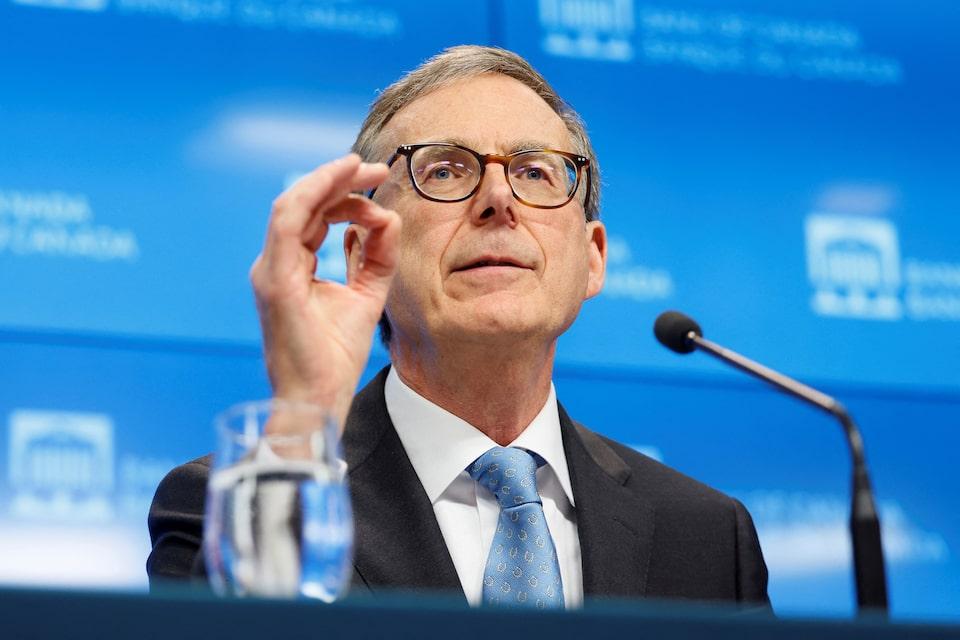
OTTAWA, March 12 (Reuters) - The Bank of Canada released the following statement on Wednesday: "The Bank of Canada today reduced its target for the overnight rate to 2.75%, with the Bank Rate at 3% and the deposit rate at 2.70%. Sign up here. "The Canadian economy entered 2025 in a solid position, with inflation close to the 2% target and robust GDP growth. However, heightened trade tensions and tariffs imposed by the United States will likely slow the pace of economic activity and increase inflationary pressures in Canada. The economic outlook continues to be subject to more-than-usual uncertainty because of the rapidly evolving policy landscape. "After a period of solid growth, the US economy looks to have slowed in recent months. US inflation remains slightly above target. Economic growth in the euro zone was modest in late 2024. China’s economy has posted strong gains, supported by government policies. Equity prices have fallen and bond yields have eased on market expectations of weaker North American growth. Oil prices have been volatile and are trading below the assumptions in the Bank's January Monetary Policy Report (MPR). The Canadian dollar is broadly unchanged against the US dollar but weaker against other currencies. "Canada’s economy grew by 2.6% in the fourth quarter of 2024 following upwardly revised growth of 2.2% in the third quarter. This growth path is stronger than was expected at the time of the January MPR. Past cuts to interest rates have boosted economic activity, particularly consumption and housing. However, economic growth in the first quarter of 2025 will likely slow as the intensifying trade conflict weighs on sentiment and activity. Recent surveys suggest a sharp drop in consumer confidence and a slowdown in business spending as companies postpone or cancel investments. The negative impact of slowing domestic demand has been partially offset by a surge in exports in advance of tariffs being imposed. "Employment growth strengthened in November through January and the unemployment rate declined to 6.6%. In February, job growth stalled. While past interest rate cuts have boosted demand for labour in recent months, there are warning signs that heightened trade tensions could disrupt the recovery in the jobs market. Meanwhile, wage growth has shown signs of moderation. "Inflation remains close to the 2% target. The temporary suspension of the GST/HST lowered some consumer prices, but January's CPI was slightly firmer than expected at 1.9%. Inflation is expected to increase to about 2½% in March with the end of the tax break. The Bank's preferred measures of core inflation remain above 2%, mainly because of the persistence of shelter price inflation. Short-term inflation expectations have risen in light of fears about the impact of tariffs on prices. "While economic growth has come in stronger than expected, the pervasive uncertainty created by continuously changing US tariff threats is restraining consumers' spending intentions and businesses' plans to hire and invest. Against this background, and with inflation close to the 2% target, Governing Council decided to reduce the policy rate by a further 25 basis points. "Monetary policy cannot offset the impacts of a trade war. What it can and must do is ensure that higher prices do not lead to ongoing inflation. Governing Council will be carefully assessing the timing and strength of both the downward pressures on inflation from a weaker economy and the upward pressures on inflation from higher costs. The Council will also be closely monitoring inflation expectations. The Bank is committed to maintaining price stability for Canadians." ((Reuters Ottawa bureau; [email protected] , opens new tab)) Keywords: CANADA CENBANK/RATES https://www.reuters.com/markets/full-text-bank-canada-cuts-rates-by-25-bps-2025-03-12/
2025-03-12 13:29
LA PAZ, March 12 (Reuters) - Bolivia's state energy firm YPFB will use cryptocurrency to pay for energy imports amid a painful shortage of dollars and fuel in the landlocked South American nation, a company spokesperson and a government official told Reuters on Wednesday. The country is battling a dangerous slide in foreign currency reserves afters years of dwindling exports of natural gas, which has sparked off a fuel crisis in the country with regular long lines at gas stations and scattered protests. Sign up here. A spokesperson for state-run energy firm YPFB told Reuters that a system had been put in place to use cryptocurrency to purchase fuel imports after a government approval to use digital assets to help meet demand. "From now on, these (cryptocurrency) transactions will be carried out," the spokesperson said, adding that the new purchasing system was designed to help support national fuel subsidies in Bolivia amid a shortage of hard currency. A government spokesperson said that YPFB had not yet made use of digital currency to purchase energy imports, but that it was planned to do so. Bolivia, for decades a net energy exporter due its large reserves of gas, has become reliant on imports as domestic gas production has dwindled amid a lack of major new finds. https://www.reuters.com/markets/bolivia-turns-crypto-energy-imports-amid-dollar-fuel-shortages-2025-03-12/
2025-03-12 13:23
Inditex CEO optimistic about U.S. Americas region accounts for smaller share of sales in 2024 CEO says prices will remain stable despite tariffs Zara's U.S. prices increased over past year ARTEIXO, Spain, March 12 (Reuters) - Zara owner Inditex (ITX.MC) , opens new tab expects to keep growing in the U.S., CEO Oscar Garcia Maceiras said on Wednesday, despite signs that U.S. tariffs and retaliation from other countries are hitting consumer demand. At an annual press conference after reporting a slower start to first-quarter sales, Garcia Maceiras said he was "optimistic" about Inditex's second-biggest market after Spain: Sign up here. "By properly executing our business model, we will continue to have a very positive evolution in the U.S. market." The world's biggest listed fast-fashion retailer has expanded in the U.S. but still only has 97 Zara stores there, and one Massimo Dutti store - its higher-priced premium brand - which opened in Miami in November. Inditex did not report U.S.-specific sales but said the Americas as a whole accounted for a smaller share of global sales in 2024, at 18.6%, while its share of sales in Spain increased to 15.1% and the rest of Europe increased to 50.6%. Garcia Maceiras said Inditex sources its products from 50 countries and is well positioned to adapt to new tariffs. Asked about the risk of tariffs boosting inflation, Garcia Maceiras said Inditex plans to keep its prices stable. In the U.S., Zara has raised prices over the past year, according to data collected by market research firm EDITED. The average price of a Zara dress in the U.S. was $86.44 on March 1, up 22% in 12 months, and the average Zara top was $63.60, up 8%. U.S. President Donald Trump has announced and threatened tariff increases on goods imported from an array of countries, triggering retaliation and fuelling concerns about world trade and economic growth. Garcia Maceiras said constantly changing news was making it difficult to make long-term predictions, the latest business leader to highlight the impact of uncertainty as Trump upends U.S. trade and foreign policy. https://www.reuters.com/business/retail-consumer/inditex-is-well-positioned-face-tariff-uncertainty-ceo-says-2025-03-12/
2025-03-12 12:53
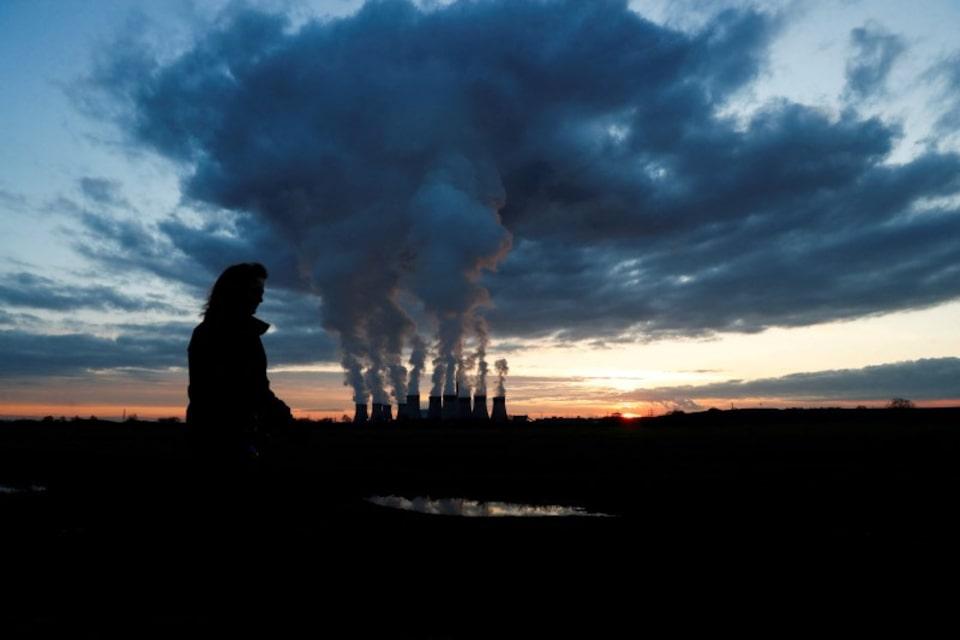
LONDON, March 12 - British energy regulator Ofgem said on Wednesday that it had not found evidence of a breach of sustainability obligations by power company Drax (DRX.L) , opens new tab, in the watchdog's review of reports prepared by auditor KPMG. Renewable power generators in Britain can receive renewable obligation (RO) certificates which can then be sold to energy suppliers who use them to sell renewable electricity products to customers. For biomass power plants to qualify for the certificates they must show at least 70% of their biomass fuel comes from sustainable sources. Green groups have long criticised the sustainability credentials of biomass power plants, which burn wood pellets to generate electricity. In 2023, regulator Ofgem opened an investigation into whether Drax was in breach of annual reporting requirements under the RO scheme. Ofgem said it reviewed over 3,000 documents and did not find evidence to support claims that sustainability obligations had been breached. Drax said the Ofgem statement shows that it meets sustainability criteria. " The science underpinning biomass generation is supported by the world’s leading climate experts," a Drax spokesperson said in an emailed statement. The government last month agreed to extend a subsidy scheme for the plants, which provide around 6% of Britain's electricity, from 2027-2031 but said they should only run when the power is really needed. Drax paid 25 million pounds to Ofgem's voluntary redress fund last year after an investigation found the company did not have adequate data governance controls on biomass imported from Canada during the period from April 1, 2021 to March 31, 2022, although it said it had not found any evidence the biomass did not meet its sustainability requirements. Sign up here. https://www.reuters.com/business/energy/uk-power-group-drax-not-breach-sustainability-obligations-says-ofgem-2025-03-12/