2025-03-12 11:02
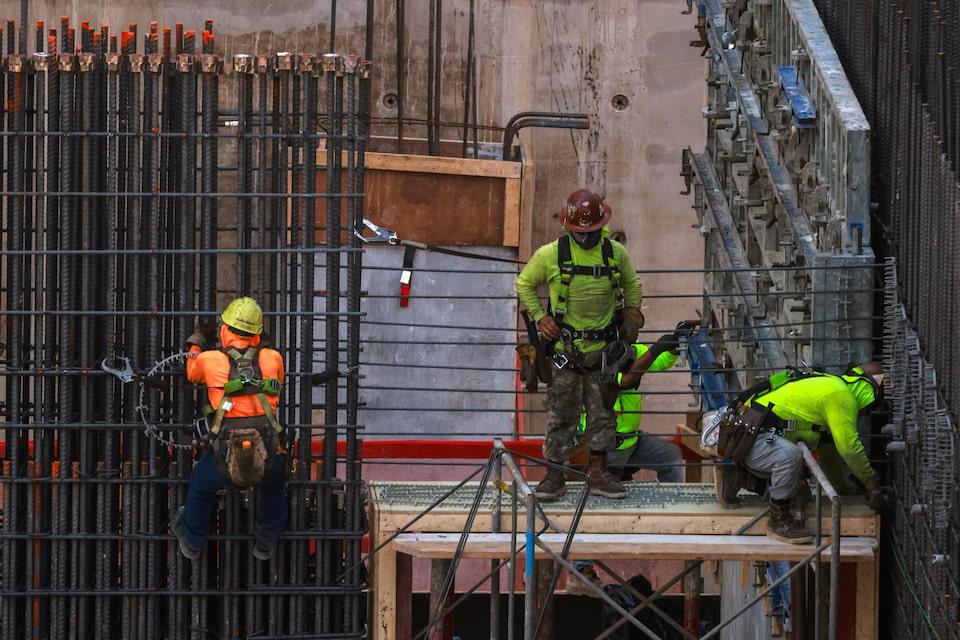
13 worker deaths reported at Simandou since June 2023, sources and documents say Some safety guidelines not implemented, according to sources and accident reports Project prioritizes schedule over safety, some sources say Guinea is investigating safety issues at the mine, minister says Chinese consortium says it has taken safety concerns seriously during construction March 12 (Reuters) - A routine night shift ended in tragedy for Alseny Camara. The 32-year-old was working for a Chinese subcontractor building a railway to reach Simandou - the world's largest new iron mining complex, which is being developed by Anglo-Australian mining giant Rio Tinto (RIO.L) , opens new tab, (RIO.AX) , opens new tab and its partners in West Africa. Camara was unloading 1.3-tonne-bags of coal ash when the forklift he was operating hit a pillar and toppled over, crushing him. He was one of six local workers killed between June 2023 and November 2024 in the construction of a port and a 670-kilometre railway leading to the mines in remote rural Guinea, according to internal reports compiled by company officials that documented more than 40 undisclosed accidents, reviewed by Reuters. Six company sources provided Reuters with the identities of a further six workers who were killed. None of the fatalities have been reported publicly. Rio Tinto on October 28, 2024 announced the death of another worker at the port site. The level of worker fatalities on the mine's rail and port infrastructure – which is managed by Rio's Chinese partners, Winning Consortium Simandou (WCS) – is unusually high by Western industry standards, according to a dozen experts interviewed by Reuters, including mining executives and lawyers. In 2023, there were 36 worker deaths worldwide in the mining operations managed by 25 members of the International Council of Mining and Metals (ICMM), an association that gathers data from some of the largest companies in the industry - including Rio - and aims to promote safety and sustainable development. The ICMM declined to comment on the toll at Simandou. Guinea's Mining Minister Bouna Sylla, asked by Reuters about the level of fatalities at the project, said in early February there was an ongoing government investigation into safety issues at Simandou that will run for some weeks. He declined to provide further information. A Rio Tinto spokesperson, asked about Reuters' findings, did not comment directly on the toll. "We extend our deepest sympathies to the people, families and communities affected by these tragic incidents," he said in an emailed statement, adding that the company is: "working each and every day with our partners...to share knowledge and expertise so safety is continuously improved across Simandou – which is a uniquely complex project." A spokesperson for WCS said the consortium was "continuously enhancing its safety protocols to ensure they meet international standards." SAFETY GUIDELINES NOT IMPLEMENTED Rio announced in December 2023 it was bringing forward the start of iron ore production at the long-delayed mine to the end of 2025 from 2026 – an unusual move in an industry where the scale and difficulty of projects more commonly leads to postponements. The company first took a stake in Simandou – the world's richest untapped iron ore deposit – in 1997. But for years, its development was delayed by legal wrangling over ownership, by military coups in Guinea, and by the enormous scale of the infrastructure required. Then in 2022, following a coup the previous year, Rio's Simfer consortium with China's Chalco Iron Ore Holdings formed a joint venture with the new government. Chalco did not immediately respond to a request for comment. Rio owns a 53% stake in the Simfer consortium, which holds the rights to half the vast Simandou concession. A separate consortium led by WCS, holds the other half and assumed responsibility for managing the construction of the railway and port facilities, via 13 subcontractors. At a London investor seminar on December 4, Rio's Chief Technical Officer Mark Davies said that the company was meeting or exceeding agreements to deliver production at Simandou on the new, faster schedule. "We're learning a huge amount from our Chinese partners, especially in relation to speed, simplification, modularization and fabrication," he said. "We're finding the quality of work comparable to our other international suppliers." However, investigations into at least nine of the accidents, conducted jointly by WCS and Rio-Simfer, found that minimum safety guidelines were not correctly implemented, the reports reviewed by Reuters showed. The report into Camara's death found that the subcontractor managing the site, Shaanxi Construction Engineering Group Corporation, hadn't assessed forklift risks and had neglected equipment maintenance. "The subcontractor…lacks preventative maintenance for equipment, which failed to detect equipment defects," the report stated, noting the vehicle had no mirror for reversing, had a seat belt that was not adjustable, a damaged horn and no collision warning device. Shaanxi did not respond to requests for comment. The investigation, concluded in August, also found that Camara, who had only been working on the job for two months, did not apply emergency procedures properly. Reuters was unable to reach his family for comment. Although a team of workers freed Camara within minutes of the accident at around 10.30 pm, he then had to be transported to the Mamou Provincial Hospital due to the lack of medical facilities on site. He was not admitted to the hospital until 2.30 am, and he died there two-and-a-half hours later, the report said. One supervisor on the infrastructure project, who asked not to be identified due to the sensitivity of the information, said that due to the limited medical facilities at the camps and a lack of ambulances it was common practice for injured workers to be sent by car or truck to the nearest medical clinic, often some distance away due to the remoteness of the sites. Four company officials working in Guinea for Rio Tinto and WCS, who also asked not to be named, described a lack of safety measures and health facilities. WCS and Rio did not respond to requests for comment about specific incidents, or about the quality of the on-site medical care. A spokesperson for WCS said it was supporting the families of the dead. "The Simandou project is an enormous and challenging undertaking, and we have taken all safety and compliance concerns seriously throughout its development," the spokesperson added. 'INTERNATIONAL STANDARDS TO MEET' Rio has a direct stake in the infrastructure for the mine. Its Simfer consortium owns a 42.5% share of a joint venture formed in 2022 to develop the rail and port infrastructure, the Compagnie du TransGuinéen (CTG). WCS controls an equal shareholding and the government of Guinea owns the remaining 15%. Although Rio isn't directly responsible for managing the construction, its Simfer consortium has so far committed $6.5 billion in funding - around half the total for the infrastructure works. Under the CTG joint venture agreement, Rio also has around 20 staff embedded in the infrastructure project, covering functions including health and safety, environment, and community relations, it said. Reuters was unable to review the joint venture agreement. "Because Rio Tinto has international standards to meet, we had to help WCS," said one Rio employee, declining to be named because of the sensitivity of the issue. Secondments of this type between joint venture partners to help transfer skills and capacity are not unusual, industry experts said. A spokesperson for Rio said the incidents occurred on the WCS managed portion of the project. Leadership from WCS and Simfer were meeting regularly to share learnings, discuss key issues and potential solutions, he said. Four WCS employees said the Chinese consortium and its contractors had concealed evidence of some fatalities from Rio Tinto-Simfer secondees. They did not provide any written evidence to support their case and Reuters couldn't independently confirm this. WCS did not respond to a request for comment on this point. PRIORITIZING SCHEDULE OVER SAFETY As of April, a Simandou Project Scorecard produced by Rio Tinto-Simfer to enable management to evaluate progress on the project - seen by Reuters - showed the railway line was 15.5% complete and the port 7% – suggesting that work needed to accelerate to meet the new end-of-2025 production deadline announced by Rio. Reuters spoke to 15 sources – including current and ex-staff at the site - who said the infrastructure project was prioritizing budget and schedule to safety. One worker, who asked not to be identified for fear of retaliation, said that staff were not being given enough rest as work continued around the clock. "Our situation is dangerous," he said. Reuters reviewed a previously unreported draft assessment dated November-December 2023 of compliance with standards set by the International Finance Corporation (IFC), a branch of the World Bank that is a recognized authority on industry safety, in the wake of 6 worker fatalities. The assessment was undertaken at the behest of WCS to determine if international safety standards were being met. The draft assessment - conducted by French firm Artelia for WCS, according to the sources - cited poor health and safety conditions at camps. It stated that first aid training was extremely limited and the quality of medical facilities at the main camps was variable. "H&S (Health and Safety) performance is very poor and controls on the ground often do not align with industry good standards," read the draft report, reviewed by Reuters. Artelia, Rio Tinto and WCS did not respond to requests for comment on the draft assessment. Reuters could not determine if the report was finalized. Ten of the accident reports examined by Reuters show families of the deceased and seriously injured signed memorandums of understanding (MoUs) and waiver statements to say WCS would not be liable for harm suffered. Reuters has not reviewed any of the waivers or the MoUs. In one case, the death of temporary worker Lasso Konate at a mixing station in June 2023, the local manager and human resources assistant for WCS's subcontractor "went to town to buy rice, oil, onions, water and other food and funeral items," the report said. It added that, after the elders and villagers held a prayer ceremony for the 25-year-old, Chinese company officials handed over financial aid to family members. Reuters has not seen details of any financial settlements paid to deceased workers families. The news agency was unable to reach Konate's family for comment. The subcontractor, Winning Consortium International Engineering, did not respond to a request for comment. Three experts said these kinds of agreements were unusual by industry standards, as mining companies do not typically require families or victims to sign liability waivers following industrial accidents in return for compensation. Asked about the waivers, WCS said: "Our commitment to supporting the families involves various forms of assistance, including emotional support and logistical help, all while respecting the families' privacy. Financial or material compensation, where appropriate, is provided in line with local customs." In addition to the 13 worker fatalities, the internal Simandou accident reports reviewed by Reuters showed that at least five members of the local community were killed in traffic accidents by vehicles from the works. That includes four bystanders killed in April 2023 when the brakes failed on a truck. Sign up here. https://www.reuters.com/markets/commodities/fatal-cost-rio-tintos-flagship-iron-ore-project-2025-03-12/
2025-03-12 11:01
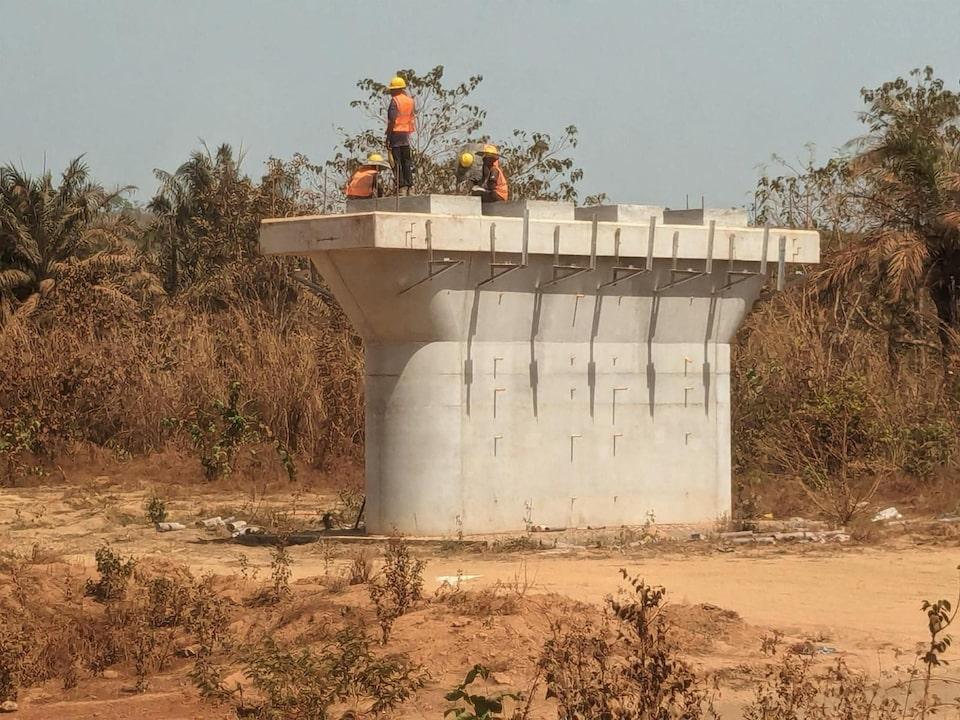
LONDON, March 12 (Reuters) - Morning Bid U.S. What matters in U.S. and global markets today By Mike Dolan , opens new tab, Editor-At-Large, Financial Industry and Financial Markets The mere threat of a trade war unnerved markets, but they now have to cope with the real thing, as U.S. tariff hikes on metals imports kick in today and retaliation comes swiftly. I'll discuss the ongoing market gyrations below. Today, I'll also take a closer look at U.S. President Donald Trump's 'reaction function' toward financial market volatility and consider if it may affect policy decisions going forward. Today's Market Minute Tariff tremors Tuesday was yet another down day for the S&P500 (.SPX) , opens new tab after a volatile session on Wall Street, though Trump's pullback from a late 50% tariff sideswipe against Canada calmed the horses somewhat . The prospect of a temporary ceasefire in the Russia-Ukraine war also elicited some relief, even if Ukraine is the only side on board with the U.S.-brokered deal so far. And now slightly punch drunk markets are waiting to see the latest U.S. consumer price report, though last month's inflation is slightly beside the point for the markets and the Federal Reserve - as both are more wary of what's coming down the pike. Headline and core inflation are expected to have ticked down a notch in February, with the latter falling back below 3%. Fed officials are in their traditional public blackout period ahead of next week's meeting. Markets expect no further easing until June, as the central bank will need to parse the tariff impact and economic downturn signals. With a 10-year note auction today, U.S. Treasuries were steady first thing this morning, while the dollar (.DXY) , opens new tab held precariously above Tuesday's new low for the year. High-yield corporate credit spreads hit another 6-month high at 322 basis points yesterday, however. The Vix (.VIX) , opens new tab 'fear index' has also pulled back slightly from recent highs, while stocks in (.STOXXE) , opens new tab Europe and Asia were generally firmer going into the U.S. trading day. Meanwhile, the Canadian dollar has remained remarkably calm, despite tariffs kicking in, a new Prime Minister in office and a Bank of Canada interest rate cut expected later today. Investors see an 87% chance the BoC will cut its main policy rate by 25 bps from 3%, the latest after two percentage points of easing since June. Given all the market volatility in recent weeks, let's now consider whether any financial market is still capable of pushing back on the U.S. president's agenda. 'Stock Troopers' prove Trump's biggest market foes The fabled "bond vigilantes" and "currency cops" have yet to really push back on Trump's agenda, leaving anxious equities as the only financial market countering the U.S. president's new economics. Enter the "stock troopers". The Trump team has progressed to economic trench warfare this week, with the president doubling down on Canadian tariffs just the biggest stock meltdown since his inauguration. But plunging equities could yet shift his policy calculus. Not only has Trump routinely identified the stock market as a critical measure of his success in the past, but the precipitous loss of market value this month could undermine the confidence of rich American families sensitive to the "wealth effect" and critical to aggregate consumption and growth. Trump and his deputies attempted to face down the skirmish and economic risks last weekend, passing off the turbulence as a temporary, inevitable hiccup given the scope of their radical policy change. Perhaps the most telling Trump comment in the unfolding battle was: "I'm not even looking at the stock market." This nonchalant view - coming from a president who previously used U.S. equities as a policy weather vane - unsurprisingly spooked investors. Many had assumed they had a "Trump put", essentially the willingness of the new administration to slow down or pull back on its disruptive tariff and spending agenda if stock markets balked. Back in his State of the Union address to Congress in February 2020, Trump said of the stock market: "All of those millions of people with 401(k)s and pensions are doing far better than they have ever done before with increases of 60, 70, 80, 90 and 100% and even more." So far, the president has yet to acknowledge the reversal of some of that paper wealth, despite the 8-12% losses posted by three key Wall Street indexes (.SPX) , opens new tab, (.IXIC) , opens new tab (.RUT) , opens new tab since he was sworn back into office in January - with a loss of some $5 trillion in total market value. HIGH AND RISING But with business confidence draining amid tariff and jobs uncertainty, including among traditionally pro-Trump small business, investors at home and abroad smell big trouble. Wall Street and global investment houses are rushing to downgrade recommended weightings in U.S. equity and cutting U.S. growth forecasts to boot. "Uncertainty is high and rising on Main Street, and for many reasons," said Bill Dunkelberg, Chief Economist at the National Federation of Independent Business (NFIB), whose February sentiment survey posted its third straight decline last month. Big global investors fear the potential inflationary effects of Trump's trade, business and diplomatic upheavals. This should be alarming for the president, given the politically toxic impact of high inflation on the previous administration of Joe Biden. "I think if we all are becoming a little more nationalistic and - I'm not saying that's a bad thing, you know, it does resonate with me ... (but) it's going to have elevated inflation," BlackRock CEO Larry Fink said on Monday. And it's not only domestic investor confidence that's wavering, which should be unnerving considering how much foreign investment has pumped up Wall Street in recent years. That's especially true of European funds, many of whom can now find emerging opportunities back home in their cheaper equity markets. A standoff with the stock market is certainly not what most people had predicted after the election. Many bet that so-called bond vigilantes - faced with a wobbling Treasury market and rising government borrowing costs - would push back against unfunded tax cut plans, rising deficits and inflationary tariffs. Then, as tariff hike threats mounted, the dollar initially rose sharply, and some felt this currency move would neutralise the impact of the import taxes on foreign businesses selling into America. But business and household jitters coupled with the prospect of an economic downturn have seen stocks cry foul instead, even as Treasury yields and the dollar turn tail. Some speculate that market-savvy Treasury Secretary Scott Bessent has convinced Trump that getting Treasury yields down - and the dollar with them - is a bigger win given what the administration wants to do. If true, you could argue that the administration has posted two successes from the three main macro markets - which may satisfy them for now. But a snowballing stock market slump will surely resonate more roundly with Trump's base. And if it catalyzes a wider recession, it may pack a far bigger punch than bonds or currencies. Chart of the day Trade wars are not one-way affairs, and retaliation to Trump's tariff moves is drawing swift responses that will amplify the economic impact of the president's actions. Increased tariffs on all U.S. steel and aluminum imports took effect on Wednesday, drawing counter tariffs from the European Union on 26 billion euros ($28 billion) worth of U.S. goods from next month. Trump initially threatened Canada with doubling the duties to 50% but then backed off after Ontario suspended moves to impose a 25% surcharge on electricity exports to the states of Minnesota, Michigan and New York. Today's events to watch * US February consumer price report, February Federal budget * Bank of Canada policy decision * European Central Bank President Christine Lagarde, ECB chief economist Philip Lane and Bank of France Governor François Villeroy de Galhau speak in Frankfurt * US Treasury sells $39 billion of 10-year notes * US corporate earnings: Adobe, Crown Castle * Chancellor of Germany Olaf Scholz and EU council president Antonio Costa hold news conference in Berlin * G7 foreign ministers gather in Quebec Opinions expressed are those of the author. They do not reflect the views of Reuters News, which, under the Trust Principles , opens new tab, is committed to integrity, independence, and freedom from bias. Sign up here. https://www.reuters.com/markets/us/global-markets-view-usa-2025-03-12/
2025-03-12 10:15
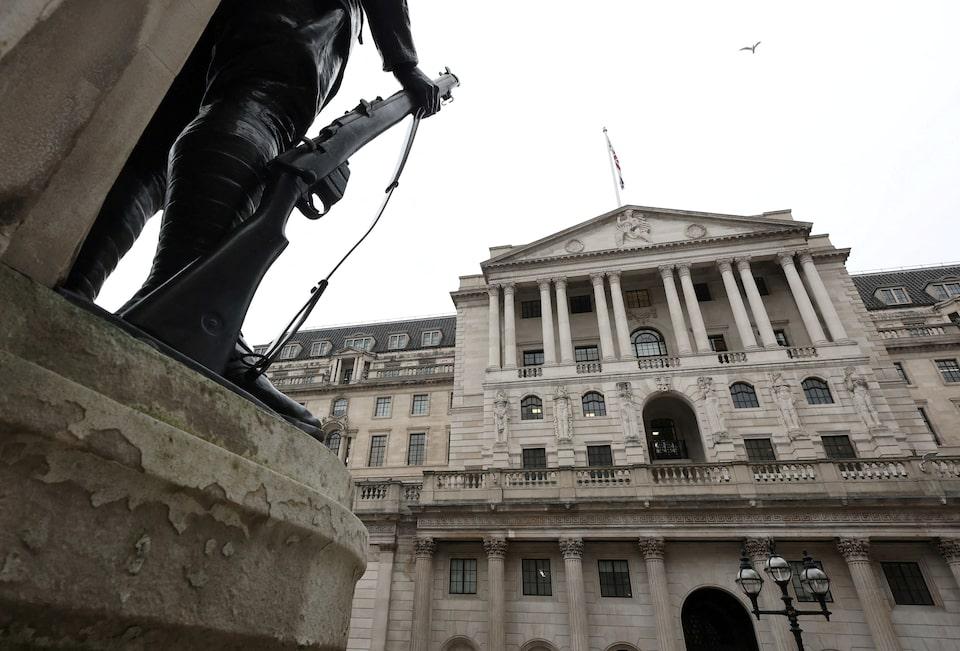
LONDON, March 12 (Reuters) - The Bank of England (BoE) said on Wednesday it appointed Sarah John, the central bank's current Chief Cashier, as its new Chief Operating Officer. John will be replaced by Executive Director for Payments, Victoria Cleland, who will combine the role of Chief Cashier with her current responsibilities, which include work on the future of payments domestically and internationally. John replaces Ben Stimson, who will shortly depart the central bank after being appointed as CEO of Southern Co-op. Sign up here. https://www.reuters.com/world/uk/bank-england-appoints-sarah-john-its-new-coo-2025-03-12/
2025-03-12 10:12
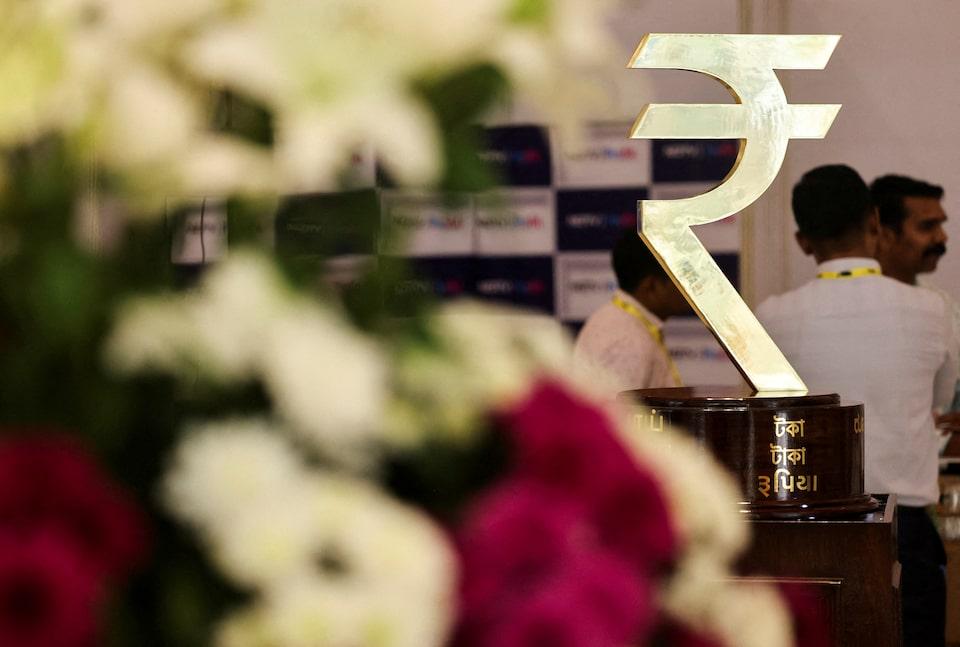
MUMBAI, March 12 (Reuters) - The Indian rupee closed nearly unchanged on Wednesday, wedged between the weakness in Asian currencies and broad-based interbank dollar sales that offered support to the local unit amid a weak global risk environment. The rupee ended at 87.2075 against the U.S. dollar, almost flat compared to its close of 87.2125 in the previous session. The dollar index nudged up to 103.5 while Asian currencies were down 0.1% to 0.4% as investors remained gripped by uncertainties surrounding global trade and growth from constant changes in U.S. tariff plans. For instance, President Donald Trump reversed course on Tuesday afternoon on a pledge to double tariffs on steel and aluminium from Canada to 50%, just hours after announcing the higher tariffs. The uncertainty has sapped risk appetite from financial markets and have contributed to pushing the S&P 500 index to the doorstep of correction territory. "The dollar will likely be dictated by evidence on real economic conditions which will likely highlight the negative impact of uncertainty on U.S. companies and households," MUFG Bank said in a note. On the day, the rupee managed to hold its ground, aided by interbank dollar sales that traders estimated were spurred by exporter activity and mild dollar inflows. The focus now turns to local and U.S. consumer inflation data which is expected to influence rate cut trajectories of the countries' respective central banks. India's consumer price index is forecast to have eased to 3.98%, while month-on-month U.S. core CPI likely dipped to 0.3% in February, according to Reuters polls. Traders are currently pricing in little over three 25-bp rate cuts by the Federal Reserve this year while consensus estimates suggest that the Reserve Bank of India will cut rates by an additional 50 bps over the remainder of 2025. Sign up here. https://www.reuters.com/markets/currencies/rupee-sidesteps-weak-asian-fx-close-nearly-flat-local-us-cpi-data-awaited-2025-03-12/
2025-03-12 08:18
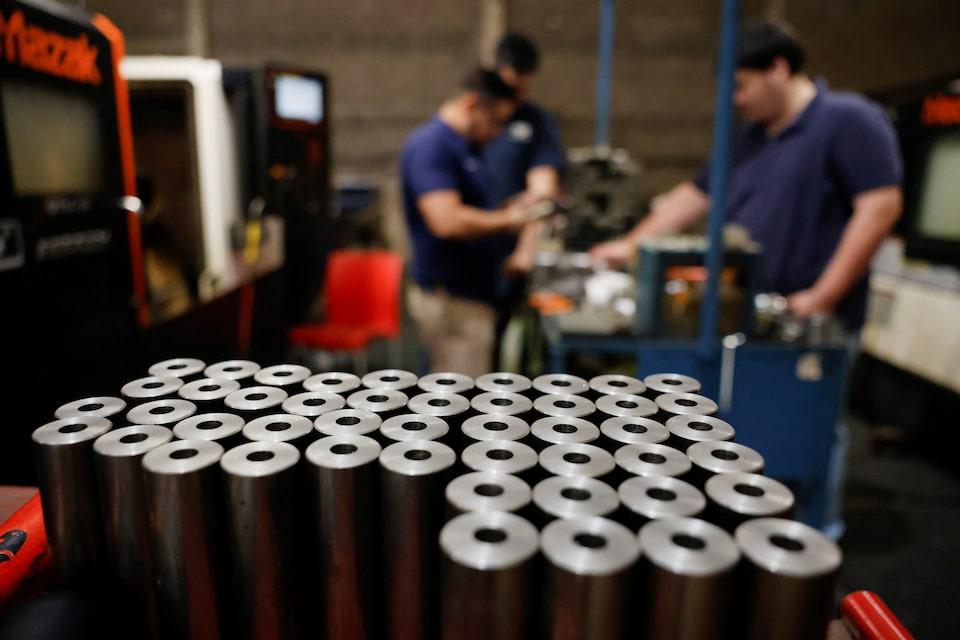
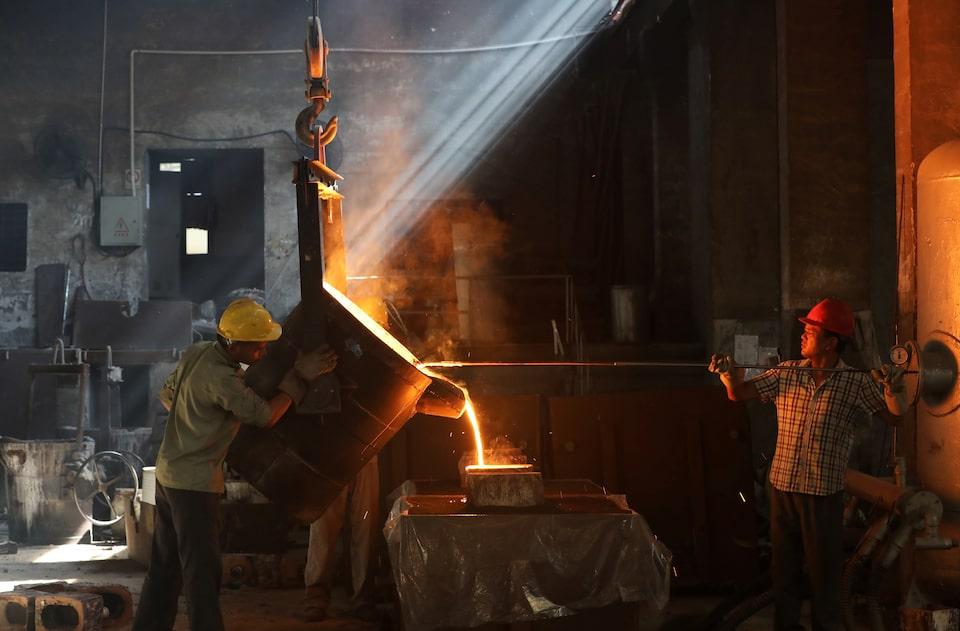
BEIJING, March 12 (Reuters) - Iron ore futures surrendered early gains to trade lower on Wednesday, as sentiment was spooked by resumed market talks of China's plan of trimming crude steel output to rein in oversupply plaguing the industry. The most-traded May iron ore contract on China's Dalian Commodity Exchange (DCE) ended daytime trade 0.32% lower at 769.5 yuan ($106) a metric ton after touching an intraday high of 785 yuan a ton earlier in the session. The benchmark April iron ore on the Singapore Exchange slipped 0.8% to $99.95 a ton, as of 0744 GMT after touching the highest since March 3 at $102.05 a ton earlier. The weakness came after market speculation that details for China's steel output control have been finalized and will be made public later this week. China's National Development and Reform Commission, its state planner, did not respond to Reuters' request for comment. The state planner unveiled its plan on March 5 to curtail crude steel output this year, without specifying details on the volumes to be cut and from when. Some market participants had speculated that steel output could be cut by 50 million tons this year. A reduction in steel output will lower consumption of steelmaking feedstocks. Ore prices rose in morning trading as investors bet on a pick-up in near-term demand for the key steelmaking ingredient after the conclusion of China's annual parliament meeting. Some steel mills, which had started maintenance on their blast furnaces, gradually resumed operations driven by decent margins and signs of improving demand, analysts at consultancy Mysteel said in a note. Steel benchmarks on the Shanghai Futures Exchange gained ground. Rebar added 0.59%, hot-rolled coil rose 0.63%, wire rod climbed 0.29% and stainless steel ticked 0.71% higher. Other steelmaking ingredients on the DCE advanced, with coking coal and coke up 0.8% and 0.06%, respectively. ($1 = 7.2461 Chinese yuan) Sign up here. https://www.reuters.com/markets/commodities/iron-ore-spooked-by-resumed-talks-chinas-steel-output-cut-2025-03-12/
2025-03-12 07:55
US duty rate on steel, aluminum rises to 25%, Trump threatens more EU responds with tariffs on up to 26 billion euros of US exports Canada imposes C$29.8 billion in retaliatory tariffs Follow Reuters Live for latest developments WASHINGTON, March 12 (Reuters) - Donald Trump threatened on Wednesday to escalate a global trade war with further tariffs on European Union goods, as major U.S. trading partners said they would retaliate for trade barriers already erected by the U.S. president. Just hours after Trump's 25% duties on all U.S. steel and aluminum imports took effect, Trump said he would impose additional penalties if the EU follows through with its plan to enact counter tariffs on some U.S. goods next month. "Whatever they charge us, we're charging them," Trump told reporters at the White House. Sign up here. Trump's hyper-focus on tariffs has rattled investor, consumer and business confidence and raised recession fears. He also has frayed relations with Canada, a close ally and major trading partner, by repeatedly threatening to annex the neighboring country. Canada, the biggest foreign supplier of steel and aluminum to the United States, announced 25% retaliatory tariffs on those metals along with computers, sports equipment and other products worth $20 billion in total. Canada has already imposed tariffs worth a similar amount on U.S. goods in response to broader tariffs by Trump. "We will not stand idly by while our iconic steel and aluminum industries are being unfairly targeted," Canada's Finance Minister Dominic LeBlanc said. Canada's central bank also cut interest rates to prepare for economic disruption. Trump's action to bulk up protections for American steel and aluminum producers restores effective tariffs of 25% on all imports and extends the duties to hundreds of downstream products, from nuts and bolts to bulldozer blades and soda cans. U.S. Commerce Secretary Howard Lutnick said Trump would impose trade protections on copper as well. A Reuters/Ipsos poll found 57% of Americans think Trump is being too erratic in his effort to shake up the U.S. economy, and 70% expect the tariffs will make purchases more expensive. EU LESS EXPOSED The 27 countries of the European Union are less exposed, as only a "small fraction" of targeted products are exported to the United States, according to Germany's Kiel Institute. The EU's counter-measures would target up to $28 billion worth of U.S. goods like dental floss, diamonds, bathrobes and bourbon - which likewise account for a small portion of the giant EU-U.S. commercial relationship. Still, the liquor industry warned they would be "devastating" on its sector. Commission President Ursula von der Leyen said the bloc will resume talks with U.S. officials. "It is not in our common interest to burden our economies with such tariffs," she said. At the White House, Trump said he would "of course" respond with further tariffs if the EU followed through on its plan. With Irish Prime Minister Micheal Martin at his side, Trump criticized the EU member country for luring away U.S. pharmaceutical companies. In remarks delivered later at a White House ceremony, Martin touted the history of free trade between the two nations. "Let us continue to build on that foundation," he said, with an impassive Trump looking on. "Let us continue to work together to make sure that we maintain that mutually beneficial, two-way economic relationship that has allowed innovation and creativity and prosperity to thrive." China's foreign ministry said Beijing would safeguard its interests, while Japan's Chief Cabinet Secretary Yoshimasa Hayashi said the move could have a major impact on U.S.-Japan economic ties. Close U.S. allies Britain and Australia criticized the blanket tariffs, but ruled out immediate tit-for-tat duties. Brazil, the No. 2 provider of steel to the United States, said it would not immediately retaliate. STOCKS STEADY, COMPANIES SPOOKED With Wednesday's tariff increase well flagged in advance, global stocks were barely changed. But the back and forth has left companies unnerved, and producers of luxury cars and chemicals painted a gloomy picture of consumer and industrial health. More than 900 of the 1,500 largest U.S. companies have mentioned tariffs on earnings calls or at investor events this year, according to LSEG data. "We are in a trade war and when a trade war begins, it tends to sustain itself and feed itself," Airbus CEO Guillaume Faury said on French television. Shares in German sportswear maker Puma lost almost a quarter of their value after earnings underscored concerns that trade concerns are curbing American spending. U.S. steel producers welcomed Wednesday's move, noting Trump's 2018 tariffs had been weakened by numerous exemptions. The cost of aluminum and steel in the United States hovered near recent peaks. JPMorgan's chief economist forecast a 40% chance of a U.S. recession this year and lasting damage to the country's standing as a reliable investment destination if Trump undermines trust in U.S. governance. A steep U.S. stocks selloff in March has wiped out all of the gains notched by Wall Street following Trump's election. FRAYED RELATIONS WITH CANADA The escalation of the U.S.-Canada trade war occurred as Prime Minister Justin Trudeau prepares to hand over power to his successor Mark Carney. "I'm ready to sit down with President Trump at the appropriate time, under a position where there's respect for Canadian sovereignty and we're working for a common approach," Carney said while touring a steel plant in Ontario. Other Canadian officials are due to meet with U.S. officials in Washington on Thursday. The U.S. national anthem has been booed at hockey games and some stores removed U.S. products from their shelves. Travelers are steering clear of the United States, with bookings down 20% from a year ago. https://www.reuters.com/markets/commodities/trumps-steel-aluminum-tariffs-take-effect-us-canada-trade-war-intensifies-2025-03-12/