2025-03-12 06:49
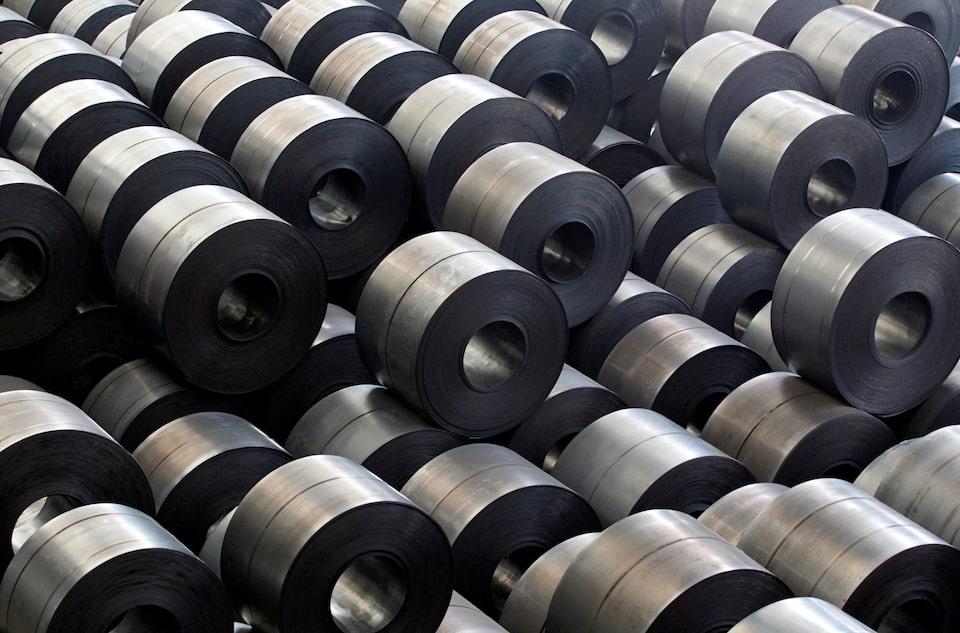
Wall Street stocks rise, dollar is mixed Euro pulls back from 5-month high, European stocks gain U.S. CPI data softer than expected Tariffs keep traders cautious NEW YORK, March 12 (Reuters) - Global stocks rose on Wednesday with U.S. Treasury yields as relief over cooler U.S. inflation in February was countered by uncertainty around U.S. President Donald Trump's tariff policies and their potential impact on inflation and global growth. Oil prices settled higher after data on slower stockpile builds, while the euro pulled back slightly after hitting a five-month high in the previous day's session on hopes for a ceasefire between Ukraine and Russia. Sign up here. Wednesday's U.S. Department of Labor data showed the Consumer Price Index rose 2.8% on an annual basis in February, below the 2.9% forecast from economists polled by Reuters. On a monthly basis, it rose 0.2% after accelerating 0.5% in January and versus economists' estimate of 0.3%. The S&P 500 (.SPX) , opens new tab opened higher but then lost steam in morning trading. It returned to positive territory before midday and stayed there for the rest of the session. "It's maybe some liquidity coming back into the market," said Paul Christopher, head of global market investment strategy for Wells Fargo Investment Institute in St. Louis, Missouri. "What we're seeing is some money coming back in buying the dip. That's a good sign." While investors were relieved that inflation was lower than expectations, Christopher said that strength in services price increases also showed that the economy was still solid. On Wall Street the Dow Jones Industrial Average (.DJI) , opens new tab fell 82.55 points, or 0.20%, to 41,350.93, the S&P 500 (.SPX) , opens new tab rose 27.23 points, or 0.49%, to 5,599.30 and the Nasdaq Composite (.IXIC) , opens new tab rose 212.36 points, or 1.22%, to 17,648.45. But investors were still wary of U.S. trade policy and the impact that could have on inflation going forward. "Today's inflation report is obviously good news but it's also backward-looking and doesn't tell us anything about where we're headed from here and what the inflationary impact of all these tariffs might be," said Jim Baird, chief investment officer at Plante Moran Financial Advisors. Investors had to scramble to keep up with events on Tuesday after Trump threatened to double steel and aluminium tariffs on Canada to 50%, then reversed course later in the day. "The hard part is the uncertainty around tariffs," said Baird. "It's one thing to understand that the rules of the game are changing, but understanding what those rules will be and when they'll be clearly defined is another thing entirely." Trump threatened on Wednesday to escalate a global trade war with further tariffs on European Union goods This was after the European Commission said Europe would impose counter tariffs on 26 billion euros' ($28 billion) worth of U.S. goods, including dental floss, diamonds, bathrobes and bourbon. Europe's threat came after Trump's 25% tariffs on all steel and aluminium imports took effect on Wednesday. MSCI's gauge of stocks across the globe (.MIWD00000PUS) , opens new tab rose 4.08 points, or 0.49%, to 830.72 after rising earlier to 834.73 The pan-European STOXX 600 .STOXX index earlier closed up 0.81% after four straight sessions of declines on optimism around a potential Ukraine-Russia ceasefire and some help from the cooler-than-expected U.S. inflation report. In Treasuries, yields rose with the potentially inflationary impact of tariffs offseting optimism about cooling inflation. “This is the last reading not impacted by tariff distortions, so to some extent the market's a little bit hesitant to over-react to a better print,” said Gennadiy Goldberg, head of U.S. rates strategy at TD Securities in New York. The yield on benchmark U.S. 10-year notes rose 2.8 basis points to 4.316%, from 4.288% late on Tuesday while the 30-year bond yield rose 3.2 basis points to 4.6355%. The two-year note yield, which typically moves in step with interest rate expectations for the Federal Reserve, rose 5 basis points to 3.991%, from 3.941% late on Tuesday. With investor concerns mounting about recession and a global trade war, the yield spreads between corporate bonds and U.S. Treasuries widened late on Tuesday to their widest level since September. In currencies, U.S. dollar performance was mixed due to counter currents of cooling inflation versus worries that tariffs could crank it up going forward. The euro was down 0.25% at $1.0891 and against the Japanese yen , the dollar strengthened 0.38% to 148.33. But the Canadian dollar strengthened 0.45% versus the greenback to C$1.44 per dollar and against the Swiss franc , the dollar weakened 0.08% to 0.882. The Russian rouble reached a more than six-month high on Tuesday, but pulled back on Wednesday , weakening 1.75% against the greenback to 87.147 per dollar. Oil prices rose as U.S. government data showed tighter oil and fuel inventories than expected, though investors kept an eye on mounting fears of a U.S. economic slowdown and the impact of tariffs on global economic growth. U.S. crude settled up 2.16% or $1.43 at $67.68 a barrel while Brent settled at $70.95 per barrel, after rising 2% or $1.39 on the day. Safe-haven gold rose, aided by tariff uncertainty and the cooler U.S. inflation report. Spot gold rose 0.53% to $2,931.59 an ounce. U.S. gold futures rose 0.74% to $2,934.40 an ounce. Elsewhere in metals, copper rose 1.31% to $9,789.00 a tonne while three-month aluminum on the London Metal Exchange fell 0.11% to $2,700.00 a tonne. https://www.reuters.com/markets/global-markets-wrapup-1-2025-03-12/
2025-03-12 06:44
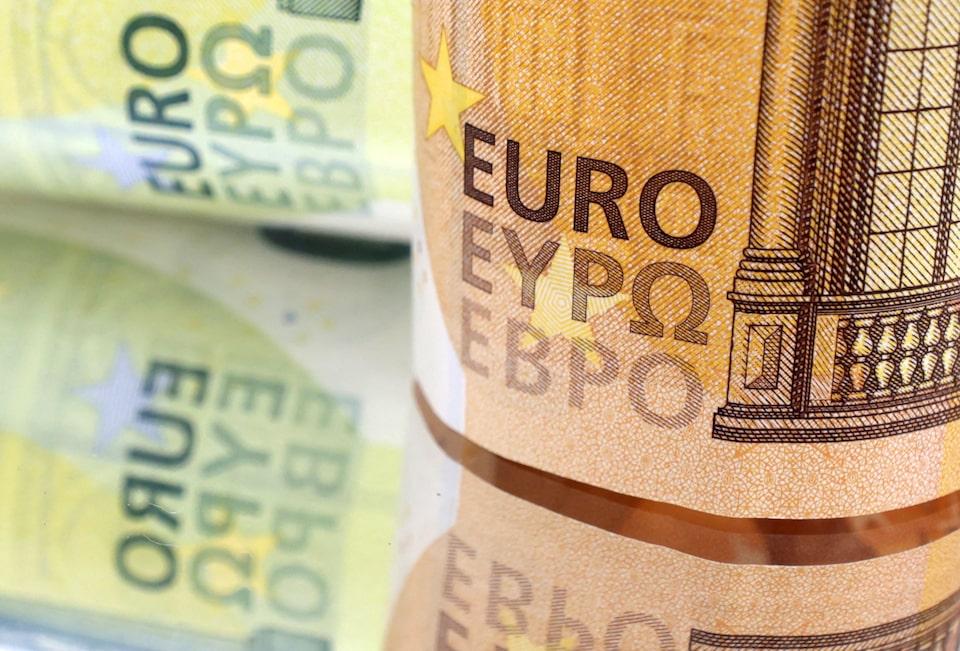
March 12 (Reuters) - India's steel secretary said on Wednesday that the industry does not see a major impact from tariffs imposed by U.S. President Donald Trump on steel imports as they do not export much steel to the country. "To U.S. we export less than 100,000 metric tons," Sandeep Poundrik told reporters on the sidelines of an event in New Delhi. Trump's increased tariffs on all U.S. steel and aluminum imports took effect on Wednesday, stepping up a campaign to reorder global trade norms in favour of the United States. Sign up here. https://www.reuters.com/world/india/indias-steel-secretary-says-industry-does-not-expect-major-impact-us-tariffs-2025-03-12/
2025-03-12 06:42
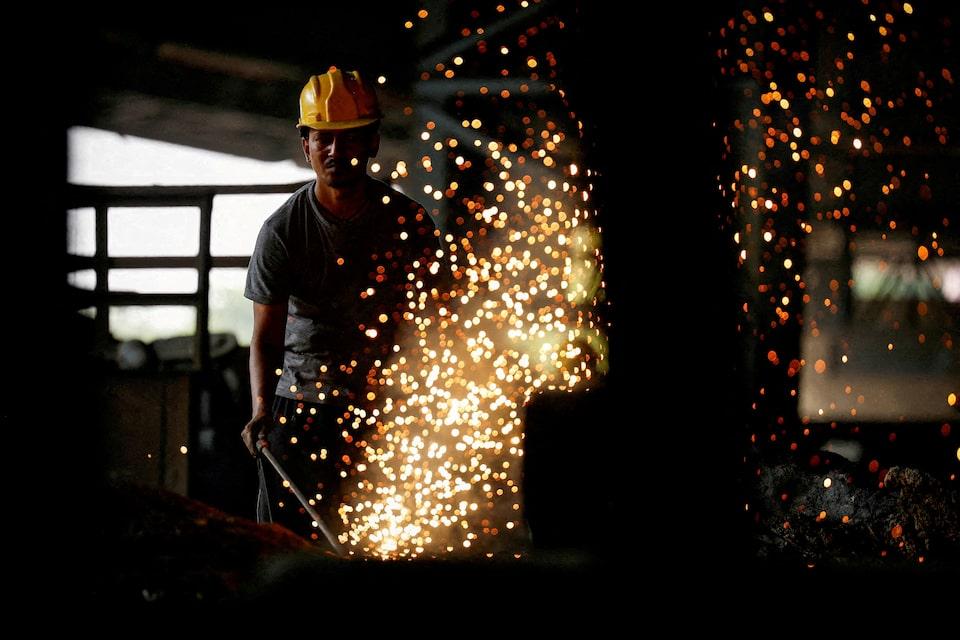
Dollar index poised to snap 7-day losing streak Euro hovers near five-month high on Ukraine peace hopes Canadian dollar gains after Bank of Canada trims rates Japanese yen edges lower versus dollar NEW YORK, March 12 (Reuters) - The U.S. dollar edged higher against major currencies including the yen and the euro on Wednesday as data showing a slowdown in inflation was eclipsed by worries about potential inflationary implications of President Donald Trump's tariffs. A trade brinkmanship between the U.S. and its trading partners, spurred by Trump's unpredictable announcements on tariffs, has spread uncertainty among investors. Sign up here. In the latest episode, Trump vowed to respond to the European Union's threat to impose counter tariffs on 26 billion euros ($28 billion) worth of U.S. goods from next month after Trump implemented blanket tariffs on steel and aluminium imports. Earlier on Wednesday, Labor Department data showed a lower-than-expected increase in U.S. consumer prices to 0.2% last month, compared with the average forecast of 0.3%, based on economists polled by Reuters. "Obviously the overarching theme has been around the trade war and the back-and-forth on tariffs not just with the North America partners but also with the other countries in Europe in particular and China," said Amarjit Sahota, executive director at Klarity FX in San Francisco. "We were also going to get an inflation update, which we did, and inflation is still pretty sticky and it came lighter than expected. I think it was a little bit of a relief for the marketplace, so it improved sentiment. But sentiment is on a very short leash and it can change so quickly based on the headline risks." The dollar strengthened 0.37% to 148.31 yen against the Japanese yen . Against the Swiss franc , the dollar weakened 0.07% to 0.882 after giving up gains in early trade. The greenback is trading down against both currencies so far this month. The euro eased after hitting a five-month peak of $1.0947 on Tuesday as Ukraine said it was ready to support Washington's proposal for a 30-day ceasefire with Russia. The Kremlin said on Wednesday it was waiting for details from the U.S. Europe's single currency has been flying high on the promise of massive fiscal spending by Germany, although the situation has become more complex after the Greens party vowed to block those plans and unveiled rival proposals. The euro was trading down 0.27% at $1.0889. The currency has gained nearly 5% against the U.S. dollar so far in March. The dollar index , which measures the greenback against a basket of currencies including the yen and the euro, rose 0.13% to 103.57. It is on track to snap seven straight sessions of losses. "There are so many, so many moving parts," said Kenneth Broux, head of corporate research FX and rates at Societe Generale. "We're not seeing any safe haven in European assets this morning because of retaliation of the trade war," Broux added. The Bank of Canada trimmed its key policy rate by 25 basis points to 2.75% and warned of "a new crisis" as it tried to prepare the country's economy for the damage that Trump's tariffs could wreak. Trump walked back on a pledge to double tariffs on steel and aluminum from Canada to 50%, just hours after announcing the higher tariffs on Tuesday. The switch came after a Canadian official also backed off his own plans for a 25% surcharge on electricity distributed to several U.S. states. The U.S. dollar weakened against the Canadian dollar, trading down 0.42% to C$1.4372 per dollar. It is down 0.64% against the loonie in March. The British Sterling eased after hitting a four-month high of $1.29900 on the session. It was up 0.17% to $1.29680. "There was a brief moment of a relief because CPI came in lower than expected and that created some currency volatility, but I think the dollar direction is beginning to get a little worn out because of bigger trends and there's so much headline risk with Ukraine-Russia war or tariffs," said John Velis, Americas macro strategist at BNY. ($1 = 0.9158 euros) https://www.reuters.com/markets/currencies/dollar-defensive-trump-tariffs-fuel-economic-worries-2025-03-12/
2025-03-12 06:34
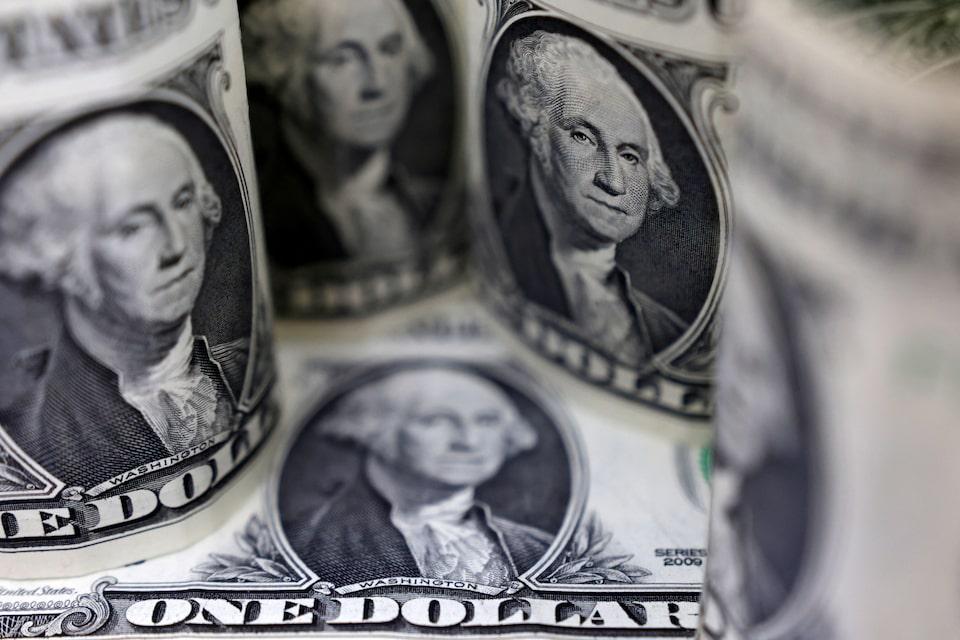
Expects another tough year amid political, economic uncertainty Sees little direct impact from U.S. tariffs Sees 2025 operating EBITA of 1.1-1.3 billion euros To propose unchanged dividend of 2.10 euros/share March 12 (Reuters) - German chemicals distributor Brenntag (BNRGn.DE) , opens new tab expects 2025 to be another challenging year shaped by economic and political uncertainty and subdued global economic growth, though it sees little impact from implemented and upcoming U.S. tariffs. "The situation in the U.S. is what it is, confusing, inscrutable and full of surprises," CEO Christian Kohlpaintner said in a call with analysts and media on Wednesday. Concerns are mounting amid U.S. President Donald Trump's fluctuating trade policies on Mexico, Canada and China that could dampen consumer demand and corporate investment, and as he threatens to slap 25% tariffs on many goods from the European Union. But Kohlpaintner said Brenntag's business in North America would be comparatively little affected by the duties thanks to its global set-up. "We source and then distribute more than 90% of our business there locally, so we'll only perceive the impact of tariffs as a secondary effect if certain industries suffer in the competitiveness," he said about North America which makes up around 40% of the group's business. Brenntag's shares, which have gained 13.5% so far this year, rose 2% by noon local time, among top performers on Germany's blue-chip index (.GDAXI) , opens new tab and Europe's benchmark STOXX 600 (.STOXX) , opens new tab. It forecast annual operating earnings before interest, taxes and amortisation (EBITA) of 1.1 billion to 1.3 billion euros ($1.2 billion to $1.4 billion) for 2025, compared to 1.1 billion last year. While the 2024 earnings broadly matched market expectations, fourth-quarter operating EBITA missed them, falling 7.4% to 264 million euros versus a Vara consensus of 277 million. "Multiple geopolitical challenges and uncertainties as well as a lack of consumer confidence impacted the economic development in 2024," Brenntag said. Germany's chemical industry suffered through 2023 from high production costs and weak demand amid rising inflation, while early signs of recovery in 2024 faded by the half-year point. The country's chemical industry lobby VCI said on Wednesday it did not expect the sector to recover before 2026. ($1 = 0.9172 euros) Sign up here. https://www.reuters.com/markets/commodities/brenntag-forecasts-least-stable-core-profit-2025-tough-environment-2025-03-12/

2025-03-12 06:27
BRUSSELS, March 12 (Reuters) - The European Union will impose counter tariffs on 26 billion euros ($28 billion) worth of U.S. goods from next month, the European Commission said on Wednesday, ramping up a global trade war in response to blanket U.S. tariffs on steel and aluminium. The EU executive said, however, that it remained open to negotiations and considered higher tariffs in no one's interest. U.S. President Donald Trump's increased tariffs of 25% on all steel and aluminium imports took effect on Wednesday as prior exemptions, duty free quotas and product exclusions expired. The European Commission said it will end its current suspension of tariffs on U.S. products on April 1 and that its tariffs will be fully in place by April 13. "The counter measures we take today are strong but proportionate. As the United States are applying tariffs worth $28 billion we are responding with counter measures worth 26 billion euros," European Commission chief Ursula von der Leyen told reporters. "The EU must act to protect its consumers and business." The suspended tariffs apply to products ranging from boats to bourbon to motorbikes, and the EU said it would now start a two-week consultation to pick other product categories. The new measures will target around 18 billion euros in goods, with the overall objective to ensure that the total value of the EU measures corresponds to the increased value of trade impacted by the new U.S. tariffs, the EU said. "In the meantime we will always remain open to negotiations," von der Leyen said. "We firmly believe that in a world fraught with geoeconomic and political uncertainties, it is not in our common interest to burden our economies with such tariffs. We are ready to engage in a meaningful dialogue." The proposed target products include industrial and agricultural products, such as steel and aluminium, textiles, home appliances, plastics, poultry, beef, eggs, dairy, sugar and vegetables. ($1 = 0.9178 euros) Sign up here. https://www.reuters.com/markets/europe/eu-impose-counter-tariffs-over-28-billion-us-goods-2025-03-12/
2025-03-12 06:20
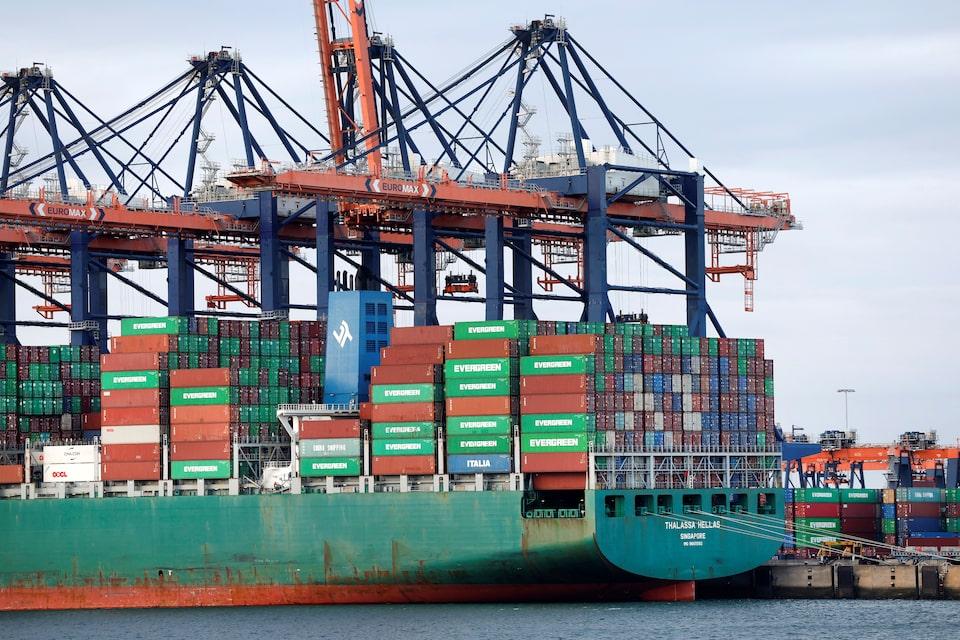
U.S. tariffs on steel and aluminium come into force Canada, Brazil, Mexico, South Korea most affected SEOUL/SYDNEY, March 12 (Reuters) - Two major South Korean steelmakers are considering their investment options in new facilities as major producers worldwide brace for increased tariffs on U.S. steel and aluminium imports that came into force on Wednesday. The options include investment in operations in the U.S., they said, although no final decisions had been made. U.S President Donald Trump's action to bulk up protection for American steel and aluminium producers restores effective global tariffs of 25% on all imports of the metals and extends the duties to hundreds of downstream products made from the metals, from nuts and bolts to bulldozer blades and soda cans. The countries most affected by the tariffs are Canada, the biggest foreign supplier of steel and aluminium to the U.S., Brazil, Mexico and South Korea, which all have enjoyed some level of exemptions or quotas. "We plan to focus more on high-value-added products and enhance our technological capabilities to produce existing products more economically," a spokesperson for South Korean steelmaker POSCO Holdings (005490.KS) , opens new tab said. "We are also reviewing investment plans for upstream steel processes in the U.S. or India, but no final decision has been made yet," the spokesperson said. Local rival Hyundai Steel (004020.KS) , opens new tab is considering building a steel factory in the Southeastern part of the U.S. but nothing has been decided, a spokesperson said, adding the increased U.S. tariff would have negative impact on the Korean steel industry. South Korea previously benefited from a duty-free steel quota under an agreement made in 2018 during Trump's first term as president. Its trade ministry said on Wednesday the government will prepare measures that would include supporting domestic firms' investment overseas and expansion into new markets. Other firms with less exposure to the U.S. market or with major manufacturing presence there hoped the increased tariffs would lift steel prices. "As the U.S. tariffs come into effect, the company expects to see the positive impact from an improvement in steel prices," a spokesperson for Australia-listed steelmaker BlueScope (BSL.AX) , opens new tab said. The company produces more than three million tonnes of steel a year at its plant in Delta, Ohio, but exports just 300,000 tonnes a year to the U.S.. The spokesperson added that the company was disappointed that Australia had not received an exemption. Australia's Prime Minister Anthony Albanese said on Wednesday his country will not impose reciprocal tariffs on the U.S. due to potential impact on inflation, and he would continue to lobby the U.S. administration for a reprieve. The BlueScope spokesperson said the company is working closely with "the Australian trade and diplomatic staff in Canberra and in Washington DC, and with a wide range of senior representatives in Congress to ensure the BlueScope investment proposition is fully understood." In Vietnam, the fifth largest steel exporter to the U.S., traders said the new tariffs might benefit local companies, as most of them had been slapped with 25% levies in 2018. "I think Vietnam steel may benefit from this tariff," a Hanoi-based steel trader said, declining to be named because he was not authorised to speak to media. Sign up here. https://www.reuters.com/markets/commodities/south-korean-steelmakers-eye-us-production-higher-value-products-trump-tariffs-2025-03-12/