2025-03-11 21:43
HOUSTON, March 11 (Reuters) - TC Energy (TRP.TO) , opens new tab CEO Francois Poirier said on Tuesday at the CERAWeek energy conference in Houston he expects North American natural gas demand to grow by 40 billion cubic feet per day over the next 10 years. Sign up here. https://www.reuters.com/business/energy/ceraweek-tc-energy-expects-north-american-gas-demand-grow-40-bcfd-over-10-years-2025-03-11/
2025-03-11 21:38
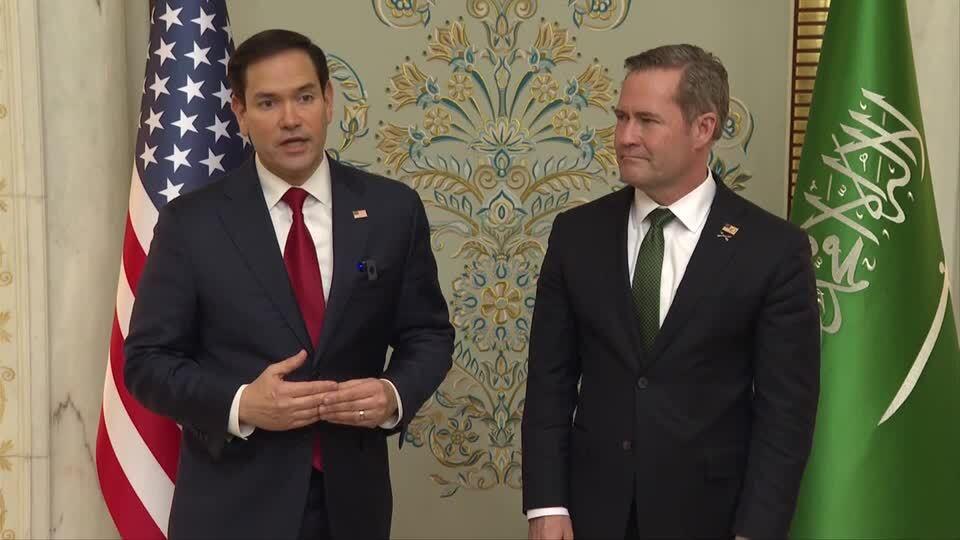
US to resume intelligence sharing, security assistance for Kyiv Rubio says he will present offer to Moscow Ukraine, US agree to conclude minerals deal as soon as possible Ukraine conducted major overnight drone attack on Russia JEDDAH, March 11 (Reuters) - The United States agreed on Tuesday to resume military aid and intelligence sharing with Ukraine after talks where Kyiv said it would accept a U.S. proposal for a 30-day ceasefire in its conflict with Russia, the countries said in a joint statement. U.S. Secretary of State Marco Rubio said the U.S. would now take the offer to Russia, and that the ball is in Moscow's court. "The President wanted this war to end yesterday... So our hope is that the Russians will answer 'yes' as quickly as possible, so we can get to the second phase of this, which is real negotiations," Rubio told reporters, referring to U.S. President Donald Trump, after more than eight hours of talks in Jeddah, Saudi Arabia. The Kremlin launched a full-scale invasion of Ukraine three years ago, and Russia, which has been making advances, now holds around a fifth of Ukraine's territory, including Crimea, which it annexed in 2014. Rubio said Washington wanted a full agreement with both Russia and Ukraine "as soon as possible." "Every day that goes by, this war continues, people die, people are bombed, people are hurt on both sides of this conflict," he said. How Moscow would respond was far from certain. Russian President Vladimir Putin has said he is open to discussing a peace deal. But he has ruled out territorial concessions and said Ukraine must withdraw fully from four Ukrainian regions claimed and partly controlled by Russia. On Tuesday, Russia's foreign ministry said only that it did not rule out contacts with U.S. representatives. Ukrainian President Volodymyr Zelenskiy, who was in Saudi Arabia but did not participate in the talks, said the ceasefire was a "positive proposal," that covers the frontline in the conflict, not just fighting by air and sea. WILL RUSSIA AGREE? The Ukrainian leader said the ceasefire would take effect as soon as Russia agreed. "When the agreements come into force, during these 30 days of 'silence,' we will have time to prepare with our partners at the level of working documents all the aspects for reliable peace and long-term security," Zelenskiy said. Rubio said the plan would be delivered to the Russians through multiple channels. Trump's national security adviser, Mike Waltz, was due to meet his Russian counterpart in the coming days and Trump's special envoy Steve Witkoff plans to visit Moscow this week to meet Putin. On Tuesday, Trump said he hoped for a swift ceasefire and thought he would talk to Putin this week. "I hope it'll be over the next few days," he told reporters at a White House event to promote his close adviser Elon Musk's Tesla car company. Trump said there would be "a big meeting with Russia" and "some great conversations hopefully will ensue." The U.S.-Ukraine agreement was a sharp turnaround from an acrimonious White House meeting between the new Republican U.S. president, who has long been a Ukraine aid skeptic, and Zelenskiy on Feb. 28. In Tuesday's joint statement, the two countries said they agreed to conclude as soon as possible a comprehensive agreement for developing Ukraine’s critical mineral resources, which had been in the works and was thrown into limbo by that meeting. Following that encounter, the United States cut off intelligence sharing and weapons shipments to Ukraine, underlining Trump's willingness to pressure a U.S. ally as he pivots to a more conciliatory approach to Moscow. Trump said he would invite Zelenskiy back to the White House. A top aide to Zelenskiy said options for security guarantees to Ukraine were discussed with U.S. officials. The aide did not detail the options. Security guarantees have been one of Kyiv's key aims, and some European countries have expressed willingness to explore sending peacekeepers. EUROPEAN PARTNERS In the joint statement, Ukraine reiterated that European partners should be involved in the peace process. NATO Secretary General Mark Rutte will be at the White House on Thursday. "It seems like the Americans and Ukrainians have taken an important step towards peace. And Europe stands ready to help reach a just and lasting peace," Polish Prime Minister Donald Tusk said on X. Waltz said the initial resumption of military assistance for Ukraine would involve shipments of equipment from U.S. stockpiles approved by former U.S. President Joe Biden, using so-called Presidential Drawdown Authority, and stopped by Trump after the acrimonious White House meeting. As the diplomacy plays out, Ukraine's battlefield positions have been under heavy pressure, particularly in Russia's Kursk region , opens new tab where Moscow's forces have launched a push to flush out Kyiv's troops, which had been trying to hold a patch of land as a bargaining chip. Ukraine overnight launched its biggest drone attack on Moscow and the surrounding region yet, showing Kyiv can also land major blows after a steady stream of Russian missile and drone attacks, one of which killed 14 people on Saturday. The attack, in which 337 drones were downed over Russia, killed at least three employees of a meat warehouse and caused a short shutdown at Moscow's four airports. Sign up here. https://www.reuters.com/world/us-ukraine-meet-saudi-arabia-after-disastrous-white-house-talks-2025-03-11/
2025-03-11 21:25
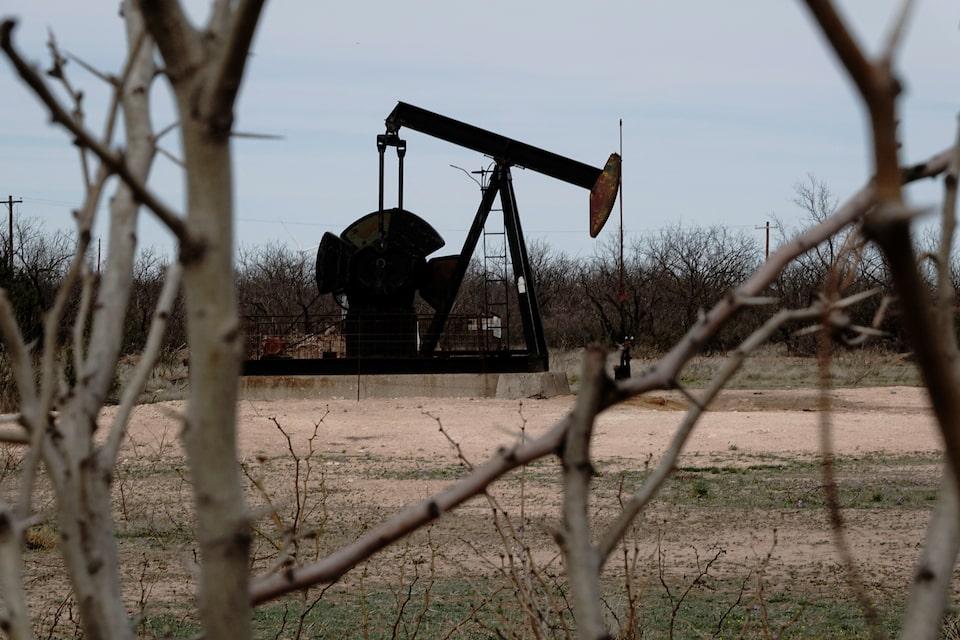
Tariffs to increase costs for oilfield services companies OCTG imports from Canada, Mexico rise amid tariff concerns Smaller producers face higher costs due to tariff impact March 11 (Reuters) - The proposed U.S. tariffs on steel and aluminum imports are poised to escalate costs for U.S. oilfield services companies, which rely on these metals for their operations. Oilfield services firms such as ChampionX (CHX.O) , opens new tab and Patterson-UTI (PTEN.O) , opens new tab are the backbone of the North American oil and gas industry, supplying essential equipment and services for drilling, production and maintenance. The lifeblood of this sector - drilling rigs, pipelines, refineries, compressors, storage tanks and offshore platforms - is steel. U.S. President Donald Trump earlier on Tuesday doubled the planned tariffs on Canadian steel and aluminum imports to 50%, to go into effect on Wednesday morning. Any tariff hike is a potential hit to the operational and production costs of these businesses, half a dozen industry experts told Reuters. "About 14% of what we buy, it comes from countries that will be impacted by tariffs," said Patterson-UTI CEO Andy Hendricks. "If you layer on tariffs, it could affect us in the low single digits in terms of our costs going up for what we do," Peer ChampionX has also warned of equipment costs going up due to tariffs. A particular variety of steel, hot-rolled coil steel (HRC), is used to fashion oil country tubular goods (OCTG) - specialized pipes and tubes designed to endure high pressures, temperatures and corrosive environments. In 2024, the U.S. imported nearly 40% of its OCTG, according to Wood Mackenzie analyst Nathan Nemeth. By January 2025, Canada and Mexico accounted for 16% of OCTG imports, hinting at buyers stockpiling ahead of potential tariffs. Broadly, U.S. imports of steel products from Canada and Mexico rose in January more than 32% from the previous month, to 1,017,644 metric tons, U.S. Census Bureau data showed. Rystad Energy forecasts tariffs to spike OCTG costs by 15% year-on-year. U.S. prices of HRC are estimated to ascend to $890 per short ton in 2025, marking a 15% increase from the previous year's average price, according to S&P Global Commodity Insights analyst Ali Oktay. "It's probably going to be harder for service companies in 2025 to maintain their activity levels and their pricing," said Mark Chapman, principal analyst for OFS Intelligence at Enverus. Shares of Patterson-UTI have fallen about 16.5% while ChampionX has dropped 3.3% since February 11, when Trump announced plans to hike duties on steel and metal imports. Chapman sees costs rising for Halliburton (HAL.N) , opens new tab as well as firms like NOV (NOV.N) , opens new tab and Tenaris (TENR.MI) , opens new tab, key providers of steel pipes to the petroleum industry. None of the three firms responded to requests for comment. This price surge will likely be passed on to customers who operate in the exploration and production segment, particularly smaller-scale producers who are more exposed to spot market pricing. "OCTGs represent about 8.5% of drilling and completion costs for onshore wells in the Lower 48 states. So if prices rose by 25%, about 2.1% would be added to well costs," Wood Mackenzie's Nemeth said. Average well costs for producers in the U.S. typically range from $8 million to $9 million. "They're (small-cap producers) at the mercy of the service providers," Chapman said. Large-scale producers such as Exxon Mobil (XOM.N) , opens new tab, ConocoPhillips (COP.N) , opens new tab, EOG Resources (EOG.N) , opens new tab and Diamondback (FANG.O) , opens new tab, with their robust balance sheets and diversified supply chains, are better equipped to absorb these costs. The tariff comes amid plummeting oil prices, the lowest since Russia's invasion of Ukraine disrupted supply chains. Trump's wish to achieve cheaper oil prices and increased production might not align with the profitability of producers. Further, Venture Global (VG.N) , opens new tab, Energy Transfer (ET.N) , opens new tab and Williams Companies (WMB.N) , opens new tab all warned in regulatory filings that tariffs could raise project costs, particularly construction costs related to foreign-sourced materials such as steel and aluminum. Sign up here. https://www.reuters.com/business/energy/trumps-tariffs-steel-aluminum-raise-costs-us-energy-firms-experts-say-2025-03-11/
2025-03-11 21:18
WASHINGTON, March 11 (Reuters) - A 25% tariff on steel and aluminum with no exceptions or exemptions will go into effect for Canada and all other U.S. trading partners at midnight on March 12, the White House said on Tuesday. Sign up here. https://www.reuters.com/markets/us/white-house-says-25-steel-aluminum-tariff-go-into-effect-2025-03-11/
2025-03-11 21:15
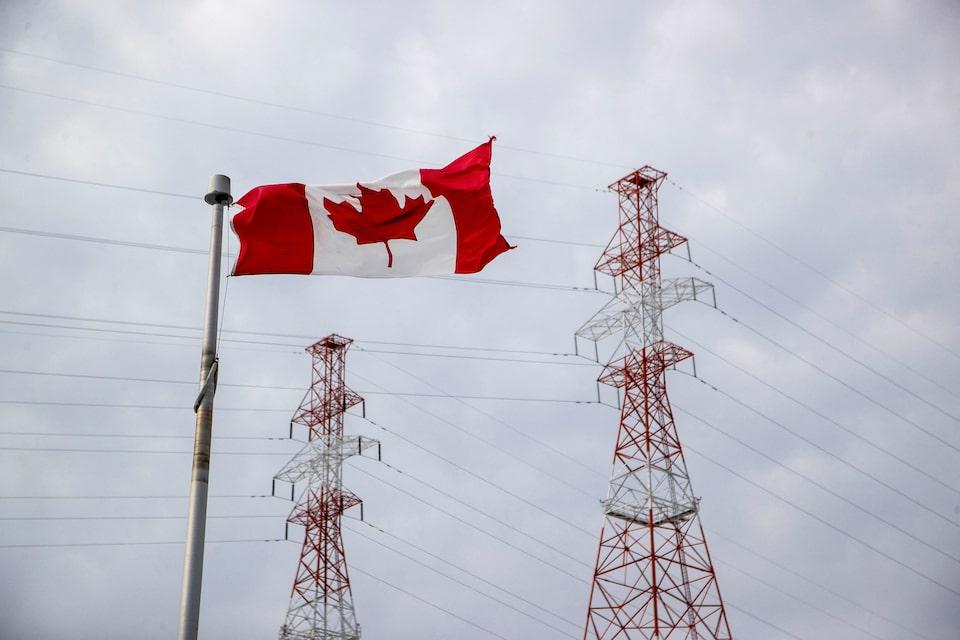
OTTAWA, March 11 (Reuters) - The premier of the Canadian province of Ontario said he was suspending plans to impose a 25% surcharge on electricity exports to the United States and would fly to Washington this week for talks with the Trump administration. Doug Ford made his surprise announcement on Tuesday just hours after telling U.S. networks that he was ready to cut off all electricity exports unless U.S. President Donald Trump dropped his threat to impose tariffs on Canadian imports. "Both parties are heated and the temperature needs to come down," Ford told reporters, adding that U.S. Commerce Secretary Howard Lutnick had reached out to him. "When you're negotiating with someone (and) they call you and they hand over an olive branch, the worst thing I think I could do as premier of Ontario is ignore them," he said. Ford said he would fly to Washington on Thursday with federal Finance Minister Dominic LeBlanc for talks with Lutnick and other administration officials. Ford said the two sides would discuss a renewed trilateral trade deal with the United States and Mexico. Ottawa had earlier indicated it was cool to the idea of reviewing the deal as long as U.S. tariffs lasted. Trump, citing Ford's threat, had earlier said he would double his planned tariff on all steel and aluminum products coming into the United States from Canada. "Let's sit down and negotiate," Ford said, adding that talks were in the interest of both parties. Ontario exports power to 1.5 million homes in New York state, Minnesota and Michigan. Sign up here. https://www.reuters.com/world/americas/ontario-premier-says-he-will-not-back-down-till-trumps-tariffs-are-gone-2025-03-11/
2025-03-11 21:12
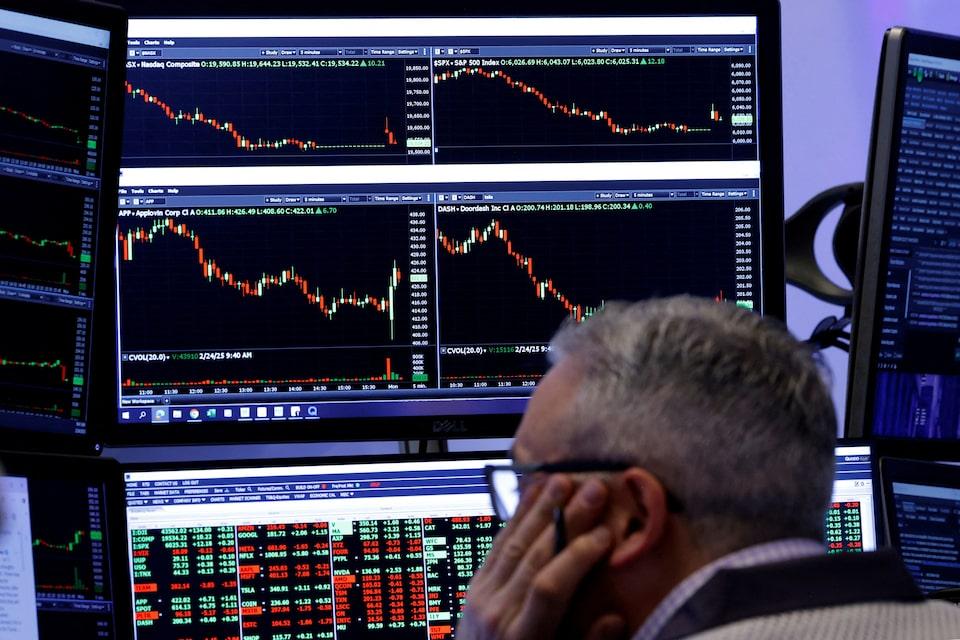
ORLANDO, Florida, March 11 (Reuters) - TRADING DAY Making sense of the forces driving global markets Wall Street's failure to bounce back from its recent beating on news of a potential ceasefire between Ukraine and Russia shows just how worried investors are about the growth and market impact from U.S. President Donald Trump'stariff wars. Ukraine said on Tuesday it is willing to accept a U.S. proposal for a 30-day ceasefire, a deal that Washington will now put to Moscow. Investors initially cheered the news, and at one point the Nasdaq was up more than 1%. But Trump's announcement that he will double tariffs on imported steel and aluminum products from Canada to 50% weighed heavily, and traders ended the day with a sea of red across their screens. Today's Key Market Moves. The prospect of a Russia-Ukraine ceasefire is a ray of hope for investors, but not enough to lift the darkening economic clouds that are gathering. The brewing global trade war is creating record levels of uncertainty, by some measures, and businesses and consumers alike remain extremely nervous. Despite the market turmoil and alarming level of uncertainty his tariff agenda has created, Trump is showing no sign of backing down, and on Tuesday he cranked the trade war up a gear. Around $5 trillion has been wiped off the value of U.S. stocks since the S&P 500 peaked a month ago, the dollar is sliding, and volatility and corporate bond spreads are breaking higher to levels not seen in months. Trump dismisses this as part of the necessary "transition" to a new, rebalanced U.S. economy. But it's taking its toll in financial market pricing, as well spending, investment and sentiment across the country. One consequence of the tariffs chaos is the quandary it could put the Federal Reserve in. Rate cut expectations are picking up again due to the deteriorating growth outlook and possible recession fears. But economists are also raising their inflation forecasts, and a hotter-than-expected CPI report on Wednesday would be particularly unwelcome for policymakers. While implied volatility in U.S. Treasuries is rising, there is no sign yet of any market dysfunction. But in such a tense environment, the recent steep decline in open interest in the Treasury futures market will be worth keeping an eye on. Exposure to Treasury futures plunges at risky moment Levels of open interest in the U.S. Treasuries futures market rarely garner much attention, but this might be one of those occasions, as President Donald Trump's tariff agenda threatens to slam the brakes on the U.S. economy, perhaps even putting it into reverse gear. Commodity Futures Trading Commission figures show that open interest, the broadest measure of investors' exposure to U.S. bond futures, is sliding at a historic pace. In some cases, such as two-year contracts, the fall is the sharpest on record. In the week through March 4, open interest in two-year futures fell by a record 396,525 contracts, or nearly $80 billion. That's around 10% of investors' total exposure, and it means overall open interest is down 17% from its peak around the U.S. presidential election in November. Open interest in the 10-year space fell by 503,744 contracts, or $50 billion, the third biggest weekly fall on record and again around 10% of total exposure. The value of open interest across two-, five- and 10-year contracts fell by $179 billion in the week to $1.858 trillion, the lowest since June last year. More significantly, this marked a notable 9% decline in a single week. Why does this matter? As a paper , opens new tab by Federal Reserve staffers Andrew Meldrum and Oleg Sokolinskiy found last month, cash market depth "significantly affects liquidity fragility in all maturity sectors" of the Treasury market. In other words, the slump in open interest could mean that one of the world's most important markets has become easier to disrupt. 'POINT OF CONCERN' Some of this activity is seasonal, as funds are rolling their positions into new benchmark contracts. And some is related to the so-called basis trade, the arbitrage play used by hedge funds to exploit the tiny price difference between cash bonds and futures. So far, so normal, in which case open interest should pick up again in the coming weeks as investors of all stripes - particularly asset managers on the 'long' side and hedge funds on the 'short' side - rebuild their exposures. But the sharp moves are coming at a time of heightened volatility and uncertainty across all markets. Wall Street and U.S. Big Tech have borne much of the brunt, with around $5 trillion wiped off the value of U.S. stocks in the last three weeks. But volatility is on the rise everywhere. Treasury yields have tumbled around 60 basis points in the last month, and implied volatility as measured by the MOVE index this week rose to its highest in four months. True, there has been no sign of market dysfunction despite the big price moves, but room for complacency is shrinking. "Uncertainty could keep some investors away," said Gennadiy Goldberg, head of U.S. rates strategy at TD Securities. "If open interest doesn't come back it could be a sign that risk managers are deleveraging. Right now it's something to watch closely rather than a point of concern." RECORD FALLS Much of the decline in recent months is down to leveraged funds reducing their 'short' positions more aggressively than asset managers scaling back their corresponding 'long' positions, suggesting speculators are deleveraging. The value of leveraged funds' aggregate short position across two-, five- and 10-year contracts is now $970 billion. That's down by almost a fifth from the record high of $1.186 trillion in November last year. This is probably not a bad thing and will likely please regulators who had warned that a disorderly unwind of funds' basis trades could pose major financial stability risks. That hasn't played out. But further reduced open interest from here at a time of rising volatility might put liquidity, prices and investors' ability to trade under greater strain. As Meldrum and Sokolinskiy note, "Times of low market depth are associated with an increased probability of low liquidity states in the future." And at this delicate juncture, anything that impacts liquidity in the world's most important market is certainly worth monitoring. What could move markets tomorrow? If you have more time to read today, here are a few articles I recommend to help you make sense of what happened in markets today. I'd love to hear from you, so please reach out to me with comments at [email protected] , opens new tab. You can also follow me at [@ReutersJamie and @reutersjamie.bsky.social.] Opinions expressed are those of the author. They do not reflect the views of Reuters News, which, under the Trust Principles , opens new tab, is committed to integrity, independence, and freedom from bias. Trading Day is also sent by email every weekday morning. Think your friend or colleague should know about us? Forward this newsletter to them. They can also sign up here. Sign up here. https://www.reuters.com/markets/global-markets-trading-day-graphics-2025-03-11/