2026-01-12 05:37
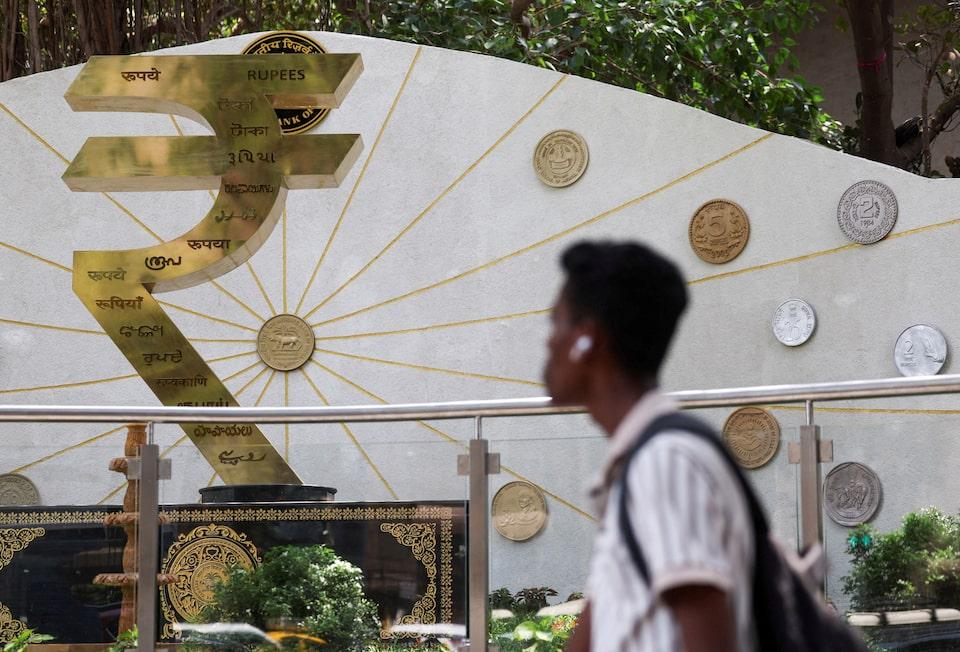
MUMBAI, Jan 12 (Reuters) - The Indian rupee closed nearly flat on Monday, wedged between a broadly weaker dollar and steady hedging demand from domestic firms, while optimism over U.S.-India trade talks offered some support to market sentiment. The rupee closed at 90.1525 per dollar, little changed from 90.1625 in the previous session. Sign up here. The dollar slid against major peers amid renewed concerns over the independence of the U.S. Federal Reserve, but traders said persistent corporate demand for dollars prevented the rupee from capitalising on the move. The greenback was last down 0.4% at 98.8 against a basket of peers, while gold struck a record high of more than $4,600 an ounce, also buoyed by investor concerns over simmering geopolitical tensions around Iran. "The downside risks for the dollar from any indications of further determination to interfere with the Fed’s independence are substantial. Again, the bond market will be the most important barometer," analysts at ING said in a note. The 10-year U.S. Treasury yield was last up nearly 3 basis points at 4.198% while U.S. equity futures pointed to a weak start for Wall Street. Meanwhile, Indian benchmark equity indexes, the BSE Sensex (.BSESN) , opens new tab and Nifty 50 (.NSEI) , opens new tab, reversed early losses to close higher by about 0.4% each after concerns over trade talks with the U.S. eased after Washington's new ambassador to New Delhi said the two countries will discuss trade issues on January 13. India will also be invited to join Pax Silica next month, Sergio Gor said, referring to a U.S.-led initiative to build a silicon supply chain from critical minerals to semiconductors and AI. The failure to reach a deal with the U.S. yet has been a persistent drag on the rupee and has also weighed down foreign portfolio inflows into Indian assets. Foreign investors have net sold over $1 billion of local stocks in January so far, adding to the near $19 billion of outflow last year. https://www.reuters.com/world/india/rupee-under-fresh-pressure-powell-trump-rift-feeds-fed-uncertainty-2026-01-12/
2026-01-12 05:02
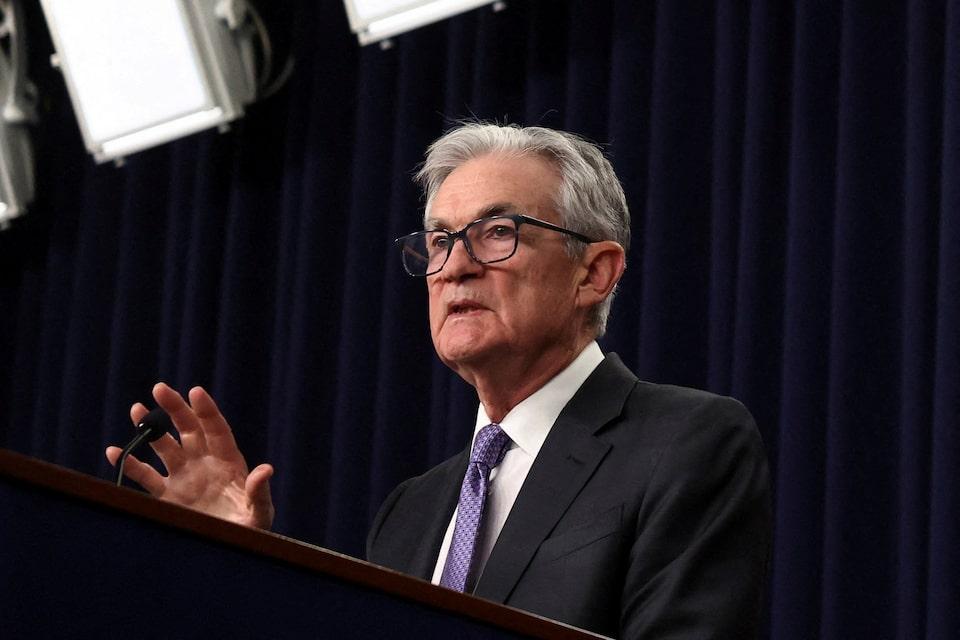
SINGAPORE, Jan 12 (Reuters) - Tensions between the White House and the U.S. central bank sharply escalated over the weekend, with Federal Reserve Chair Jerome Powell saying the administration had threatened him with a criminal indictment related to the Fed headquarters renovation. Powell called the threats a "pretext" aimed at putting pressure on the Fed to cut interest rates. The U.S. dollar fell broadly, U.S. stock futures slid and Treasury futures rallied. Sign up here. Here is what investors and market analysts are saying about the rift: KARL SCHAMOTTA, CHIEF MARKET STRATEGIST, CORPAY, TORONTO: "Tonight's revelations mark a dramatic escalation in the administration's effort to kick the legs out from under the Fed, and could unleash a series of unintended consequences that go directly against President Trump's stated aims. "By trying to influence the central bank through aggressive legal threats against individual officials, the administration could drive inflation expectations higher, erode the dollar's safe-haven role, and trigger a sharp rise in long-term bond yields that raises borrowing costs across the American economy. "Pouring gasoline everywhere and then playing with matches tends not to work out well." PRASHANT NEWNAHA, SENIOR ASIA-PACIFIC RATES STRATEGIST, TD SECURITIES, SINGAPORE: "Markets are likely to greet this news as another chapter in the long-running saga about the loss of Fed independence. Developments are dollar and rates negative, but precious metals are positive. Short-term impacts should be limited. Ultimately, the Fed is accountable to Congress, not the President." JACK ABLIN, CHIEF INVESTMENT OFFICER OF CRESSET CAPITAL, CHICAGO: "Powell's term as Fed chair ends in May, so this may be a ploy to get him off the committee altogether. "Investors are going to be concerned about the independence of the Federal Reserve going forward, especially since part of what we are expecting this year is not just more rate cuts than the dot plot would suggest but also quantitative easing. "Anything that undermines Fed independence is not great for Treasury bonds." DAMIEN BOEY, PORTFOLIO MANAGER, WILSON ASSET MANAGEMENT, SYDNEY "Fed Chair Powell has deviated from his previous approach to Trump's threats, this time choosing to directly address the elephant in the room - that the Fed is not moving rates as the President would like. "In response to the announcement of a criminal investigation, gold has strengthened, equities have wobbled, and the yield curvehas steepened a little. These moves have been broadly consistent with the playbook for an attack on the Fed’s independence. "What has been interesting, however, is that the yield curve has bull steepened initially (rather than bear steepened), because bond investors have taken the view that the Fed is already moving directionally with the President (rate cuts), and that its Reserve Management Purchases (RMPs) of bonds, are helping to suppress rates volatility. "It remains to be seen how long we will see equities weaker while bonds rally, because the current macro backdrop supports positive (rather than negative) bond-equity correlation. But it makes sense to be taking on more commodities exposure in the event of an ongoing attack on Fed independence." ALEX MORRIS, CEO OF F/M INVESTMENTS, WASHINGTON, D.C. "Trump is making it very clear that he wants Powell off the board altogether in May. "Of course, he doesn't have to go until his term on the board is up, and he could fight the charges and win. The statement he gave was pretty defiant in tone. "It's a deliberate effort to undermine institutions that the president sees as standing in his way, in policy terms. "It's also a bit of theater, in terms of the message it's sending to other Fed governors and to whoever Trump nominates to replace Powell as chair: your job is to do what I want you to do." CHRISTOPHER HODGE, CHIEF U.S. ECONOMIST FOR INVESTMENT BANK NATIXIS, NEW YORK "The market has shaken off so much noise around the Fed and Fed independence and I think is probably likely to do it again, but at some point things will break. "Obviously I can't speak to the merits of the investigation, but it certainly appears as if the DOJ is trying to intimidate the Fed. If the administration keeps probing, some form of malfeasance will pop up - it would be the case in any bureaucracy - and at some point the markets will revolt." BRIAN JACOBSEN, CHIEF ECONOMIST, ANNEX WEALTH MANAGEMENT, MENOMONEE FALLS, WISCONSIN "Powell may protest by staging a sit-in. His term as Chair is up in May, but his term as a governor isn’t up until January 2028. With the political pressure on the Fed, he may choose to stay on as a governor out of spite. It would deprive President Trump of the ability to stack the board with another appointee. Stephen Miran’s term is up in January 2026 and that may be the only vacancy Trump gets to fill. It would be unconventional for Powell to stay on, but everything these days is unconventional." RAY ATTRILL, HEAD OF FX STRATEGY, NATIONAL AUSTRALIA BANK, SYDNEY "This creates a huge level of uncertainty over whether Powell would resign his board of governors' seat when his term ends. He's not obligated to do that, even though there's no precedent for it. "Powell has had enough of the carping from the sidelines and is clearly going on the offensive. This open warfare between the Fed and the U.S. administration - and to the extent that you take Powell's comments at face value - it's clearly not a good look for the U.S. dollar." CHARU CHANANA, CHIEF INVESTMENT STRATEGIST, SAXO BANK, SINGAPORE "A criminal inquiry into the sitting Fed Chair forces investors to price an institutional risk premium, because the perception of Fed independence matters almost as much as, if not more than, the next rate decision. "The key question is whether this becomes a policy distraction at a delicate moment. The Fed is trying to keep the narrative anchored to inflation/growth - this headline drags attention toward governance, oversight, and politics. "This injects a new source of volatility: not inflation data, but governance risk — and governance risk tends to show up first in FX and gold, then in rate volatility." JOE CAPURSO, HEAD OF FOREIGN EXCHANGE, INTERNATIONAL AND GEOECONOMICS, COMMONWEALTH BANK OF AUSTRALIA, SYDNEY: "You've seen the U.S. dollar sell off against every currency, even currencies you normally expect to see fall, including the Australian and the New Zealand dollars. "But everyone knows that President Trump doesn't like Powell (and) putting aside what it means to Powell personally, I don't think it's going to mean anything for Fed policy in the near term." KYLE RODDA, SENIOR MARKET ANALYST, CAPITAL.COM, MELBOURNE "A meaningful move in the U.S. dollar and a thinly veiled attempt by the administration to strong-arm the Fed. It's another threat to Fed independence. Not good as far as the markets are concerned. Negative for the US dollar and Treasuries." JEREMY KRESS, ASSOCIATE PROFESSOR OF BUSINESS LAW, UNIVERSITY OF MICHIGAN, MICHIGAN "This investigation appears to be entirely pretextual, just like the investigation of Governor Cook last year. President Trump is so desperate to gain control of the Fed that he’s yet again weaponising federal law enforcement to try to take out his political enemies." VISHNU VARATHAN, HEAD OF MACRO RESEARCH, ASIA EX-JAPAN, MIZUHO, SINGAPORE "The Fed independence question is now well and alive and maybe subject to re-evaluation every few meetings. "I think I'm still not sure how sustained and adversarial the attack on the Fed might be. There could be a scenario where Trump could still appoint someone with some credibility and allow this person to run the show - so that's probably why markets aren't panicking as yet." ANDREW LILLEY, CHIEF RATES STRATEGIST AT BARRENJOEY, SYDNEY "Trump is pulling at the loose threads of central bank independence. I don't even believe that he expects that Chair Powell will be charged ... The only reason that he's taking these steps is that he knows that he's not going to take control of the Fed, so he wants to exert as much undue pressure as he can. "It is not good. Don't get me wrong, but I think it will amount to nothing. Investors won't be happy about it, but it shows actually Trump has no other levers to pull. The cash rate will stay what the majority of the FOMC wants it to be." https://www.reuters.com/business/view-investors-react-trump-fed-feud-escalates-2026-01-12/
2026-01-12 04:51
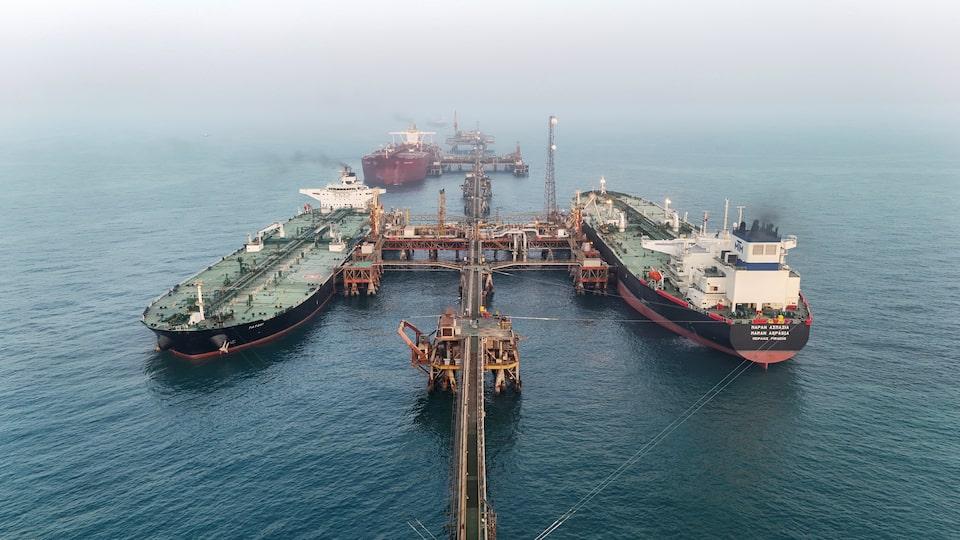
Jan 12 (Reuters) - Oil prices are likely to drift lower this year as a wave of supply creates a market surplus, although geopolitical risks tied to Russia, Venezuela and Iran will continue to drive volatility, Goldman Sachs said in a note on Sunday. The investment bank maintained its 2026 average price forecasts of $56/$52 per barrel for Brent/WTI, and expects Brent/WTI prices to bottom at $54/50 in the last quarter as OECD inventories build up. Sign up here. "Rising global oil stocks and our forecast of a 2.3mb/d surplus in 2026 suggest that rebalancing the market likely requires lower oil prices in 2026 to slow down non-OPEC supply growth and support solid demand growth, barring large supply disruptions or OPEC production cuts," Goldman Sachs said. Brent crude futures were trading around $63 a barrel, as of 0412 GMT, while U.S. West Texas Intermediate crude holds ground at $59. Last year, both the benchmarks posted their worst annual performance since 2020, with an almost 20% decline. U.S. policymakers' focus on strong energy supply and relatively low oil prices will keep sustained oil price upside in check ahead of the midterms, analysts at the bank noted. Prices are expected to gradually start recovering in 2027, with the market returning to a deficit as non-OPEC supply slows down and solid demand growth continues, Goldman analysts said in a note. The investment bank expects Brent/WTI to average at $58/54 in 2027, although $5 lower than its prior estimate, citing upgrades to 2027 supply in the U.S., Venezuela and Russia by 0.3, 0.4 and 0.5mb/d, respectively. Goldman said it expects a substantial price recovery later this decade as demand grows through 2040 after years of low long-cycle investment, with 2030–2035 Brent/WTI prices averaging $75/$71, $5 below its previous estimate. Risks to the price forecasts are skewed modestly to the downside given a further increase in non-OPEC supply, Goldman said, adding that it expects no OPEC production cuts, despite geopolitical risks and low speculative positioning. "We still recommend investors short the 2026Q3-Dec2028 Brent time-spread to express the 2026 surplus view, and oil producers hedge 2026 price downside." https://www.reuters.com/business/energy/goldman-projects-lower-oil-prices-2026-supply-swells-2026-01-12/
2026-01-12 04:51
Powell calls subpoenas a pretext for interest rate influence Powell's term as Fed chief ends in May, Trump considering replacement Iran keeps communication open with US amid protest crackdown NEW YORK, Jan 12 (Reuters) - The dollar fell on Monday after the U.S. Department of Justice threatened to indict Federal Reserve Chair Jerome Powell over comments to Congress about a building renovation project, raising concerns about the independence of the U.S. central bank and the long-term outlook for the currency. Powell on Sunday said the Fed had received subpoenas from the Justice Department last week about remarks he made to Congress last summer on cost overruns for a $2.5 billion building renovation project at the Fed's headquarters in Washington. Sign up here. He called the action a "pretext" for the White House to gain more influence over interest rates, which U.S. President Donald Trump wants cut dramatically. Trump did not direct Justice Department officials to investigate Powell, White House press secretary Karoline Leavitt said on Monday. "This just ended the dollar's New Year bounce," said Marc Chandler, chief market strategist at Bannockburn Global Forex in New York. "The subpoenas have probably overwhelmed the geopolitics." Trump is expected to replace Powell with a more dovish Fed chief when Powell's term ends in May, though Powell may remain as a Fed governor. Trump will interview BlackRock's chief bond investment manager Rick Rieder on Thursday, Fox Business Network reported on Monday. Rieder is among four finalists under consideration to succeed Powell. U.S. Senator Lisa Murkowski on Monday threw her support behind fellow Republican Thom Tillis' plan to block Trump's Fed nominees due to the Justice Department investigation. The dollar index , which measures the greenback against a basket of currencies including the yen and the euro, fell 0.37% to 98.87, with the euro up 0.29% at $1.1671. The Swiss franc was among the best performers on Monday, with the dollar weakening 0.54% against the currency to 0.797. MARKETS AWAIT TARIFFS RULING The dollar was boosted on Friday after a solid U.S. jobs report for December further reinforced expectations that the Fed will hold rates steady at its January 27-28 policy meeting. Fed funds futures pricing shows that the next rate cut is now seen as unlikely until June. The next major U.S. economic focus will be the release on Tuesday of the consumer price inflation report for December. The greenback has also been supported this year by a safe-haven bid on rising geopolitical concerns after the U.S. took Venezuelan leader Nicolas Maduro into custody and as Trump expresses his desire for the U.S. to acquire Greenland. Developments in Iran have also become a key focus. Iran said on Monday it is keeping communications open with the U.S. as Trump weighed responses to a deadly crackdown on protests that have posed one of the biggest challenges to clerical rule since the 1979 Islamic Revolution. "We see near-term crosswinds for USD, with support emanating from a still-stable US macro/Fed policy backdrop and brewing geopolitical risks," Nomura FX analysts led by Craig Chan said in a report on Monday. "The current factors driving a weaker USD include Fed independence risk and expectations of an eventual US Supreme Court (SC) ruling against Trump’s IEEPA tariffs," they added. The Supreme Court is due to rule on the legality of Trump's tariff policies implemented under the International Emergency Economic Powers Act, with a decision possibly coming as soon as Wednesday. Trump is expected to find alternative ways to enact the trade levies if the current ones are struck down. The U.S. Treasury has more than adequate funds to pay any tariff refunds ordered in the event of a Supreme Court ruling, U.S. Treasury Secretary Scott Bessent said on Friday. YEN WEAKENS TO ONE-YEAR LOW Against the Japanese yen , the dollar strengthened 0.15% to 158.12. It earlier reached a one-year high of 158.19. "The problem is that last week Japan reported very weak, disappointingly so, labor earnings and the (Bank of Japan) had really tied the normalization of monetary policy to higher wages," Chandler said. "The market has pushed back just a little bit the timing of BOJ rate hikes." Japan's real wages fell in November at the fastest pace since last January, dragged down by a sharp drop in one-off bonus payments, preliminary government data showed on Thursday. Meanwhile, the coalition partner of Japanese Prime Minister Sanae Takaichi's party said on Sunday she might hold a snap election in February in a bid to capitalize on her strong public approval ratings since taking office in October. Takaichi's policies, which favor big spending and a dovish BOJ stance, have weighed on the Japanese currency. In cryptocurrencies, bitcoin gained 1.15% to $91,699. https://www.reuters.com/world/asia-pacific/dollar-reels-criminal-probe-into-fed-chair-powell-2026-01-12/
2026-01-12 03:09
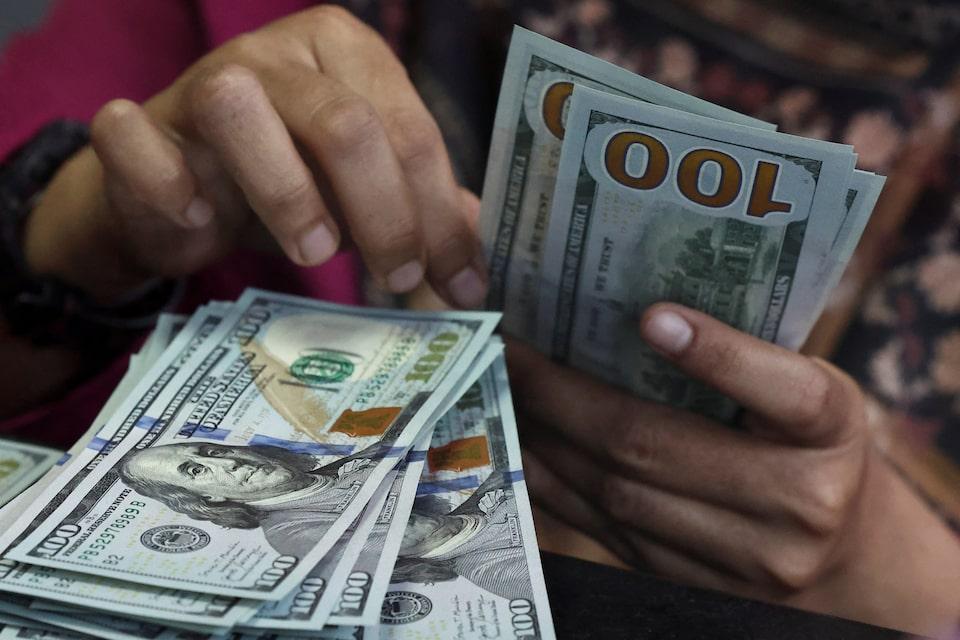
MUMBAI, Jan 12 (Reuters) - The Indian rupee is likely to remain under pressure this week as traders gauge how sternly the Reserve Bank of India will defend the currency, with geopolitical risks adding to the headwinds confronting the South Asian currency. Meanwhile, the bond market will track RBI liquidity actions and developments around the possible inclusion of Indian bonds in Bloomberg's Global Aggregate Index later this year. Sign up here. The rupee closed at 90.1625 per dollar on Friday, little changed week-on-week. Growing supply worries linked to intensifying protests in oil-producing Iran and an escalation of attacks in Russia's war in Ukraine pushed up oil prices by about 4%. Over the weekend, Tehran threatened on Sunday to retaliate against Israel and U.S. military bases in the event of U.S. strikes on Iran. U.S. President Donald Trump has repeatedly threatened to intervene in recent days. The developments could add to the pressure on the rupee, leaving traders focused on how sternly the central bank acts to defend the currency. India's foreign exchange reserves fell $9.8 billion in the week ended January 2 to $686.8 billion, the steepest weekly drop in more than a year. "The RBI has been intervening in the 90.20-90.30 zone but may step aside and allow the range to adjust higher (for USD/INR) if buying pressure continues," FX advisory firm IFA Global said in a note. Global markets will also have to contend with a deepening feud between the Trump administration and U.S. Federal Reserve Chair Jerome Powell. The dollar slipped on Monday after Powell said the Trump administration threatened him with a criminal indictment, stoking investor worries about the U.S. central bank's independence. BONDS The 10-year benchmark 6.48% 2035 yield settled at 6.6401% on Friday, up for a second consecutive week amid supply worries. Traders expect the yield to move in a 6.60%–6.70% range, with continued attention on the overall demand-supply scenario as well as the central bank's liquidity action. Indian states will borrow 5 trillion rupees ($55.47 billion) in January-March, while the federal government plans to borrow more than 3 trillion rupees, the highest aggregate quarterly debt supply. This is already putting pressure on yields, leading to a widening of the spread between states and the federal government. "Q4 typically sees a higher supply of state debt, and hence we expect the spreads to remain at their current (elevated) levels in the coming months," Sachin Bajaj, executive vice president & chief investment officer, at Axis Max Life Insurance. This expectation is primarily driven by the higher supply, and in addition, rise in long-dated state bonds as compared to past years, he added. The RBI will buy bonds worth 500 billion rupees on Monday, followed by a similar purchase on January 22. Traders will watch out for the notes it includes for the next operation. KEY EVENTS: India ** December CPI inflation - January 12, Monday (4:00 p.m. IST)(Reuters poll 1.50%) ** December WPI inflation - January 14, Tuesday (12:00 p.m. IST)(Reuters poll 0.30%) U.S. ** December consumer price inflation - January 13, Tuesday (7:00 p.m. IST) (Reuters poll: 2.7%) ** October new home sales - units - January 13, Tuesday (8:30 p.m. IST) ** October PPI machine manufacturing - January 14, Wednesday (7:00 p.m. IST) ** November retail sales - January 14, Wednesday (7:00 p.m. IST) ** December existing home sales - January 14, Wednesday (8:30 p.m. IST) ** November import prices - January 15, Thursday (6:30 p.m. IST) ** Initial weekly jobless claims for week to January 10 - January 15, Thursday (7:00 p.m. IST) ** January Philly Fed Business index - January 15, Thursday(7:00 p.m. IST) ** December industrial production - January 16, Friday (7:45 p.m. IST) ($1 = 90.1320 Indian rupees) https://www.reuters.com/world/india/little-relief-ahead-rupee-bonds-track-rbi-index-inclusion-2026-01-12/
2026-01-12 00:39
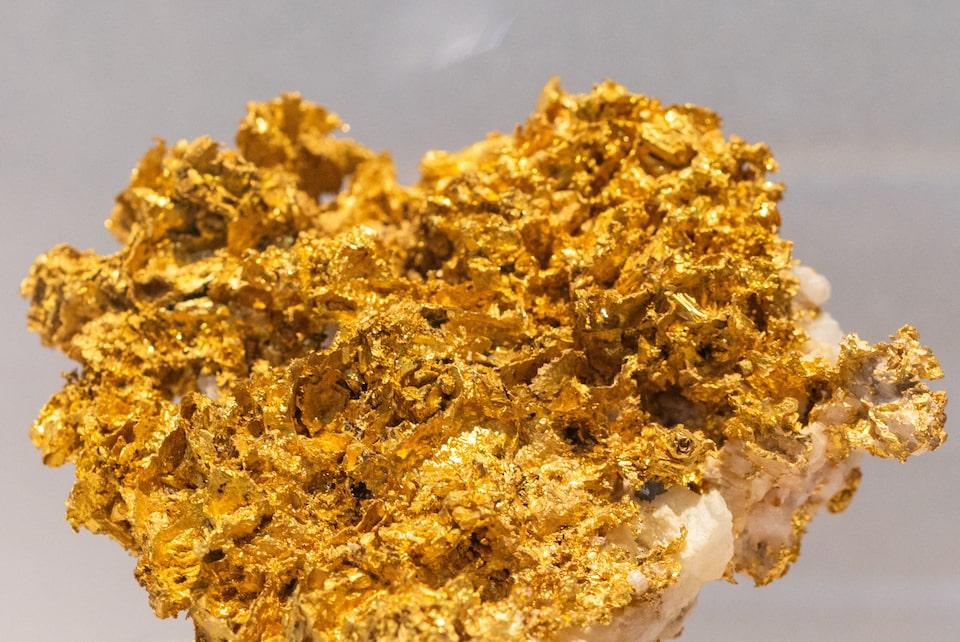
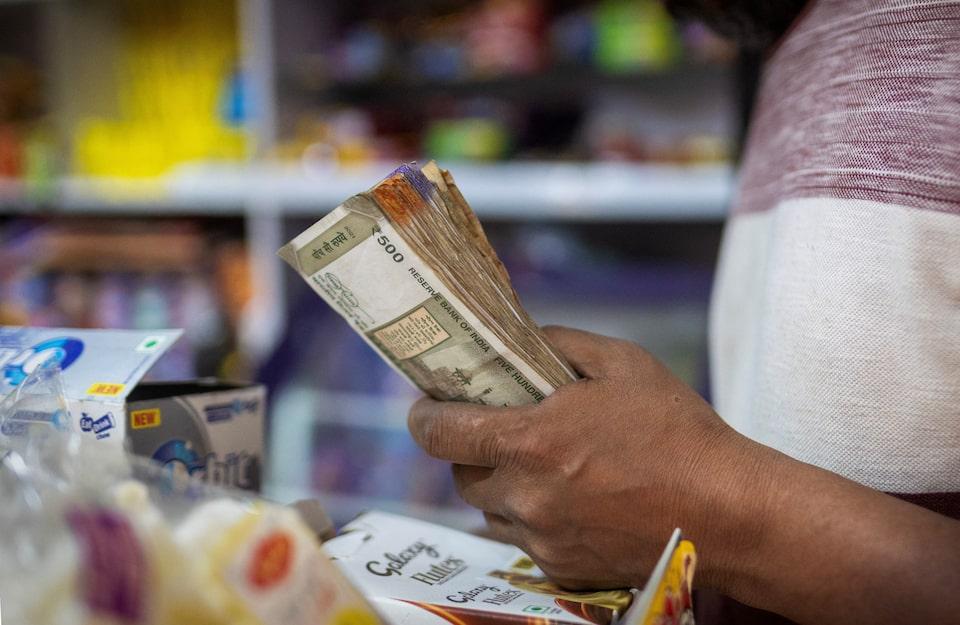
Jan 12 (Reuters) - Spot gold rose over 1% to hit its first record high of 2026 on Monday, at $4,563.61/oz propelled by safe-haven demand amid geopolitical risks and a poor jobs print on Friday bolstering interest rate cut bets by the U.S. Federal Reserve. Sign up here. https://www.reuters.com/business/spot-gold-rises-more-than-1-hit-all-time-high-456361-2026-01-12/