2025-03-11 05:34
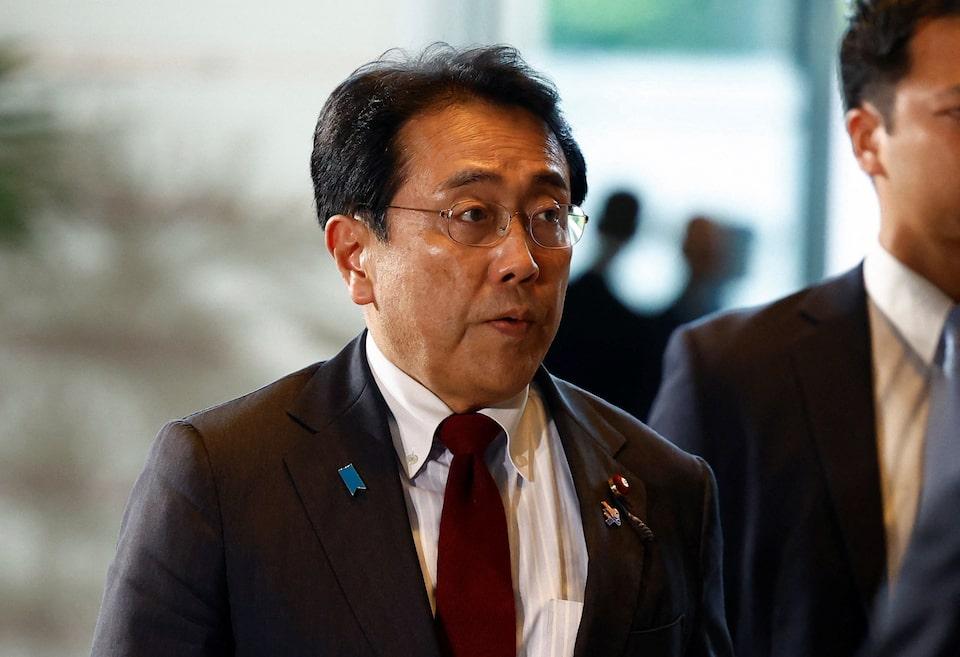
A look at the day ahead in European and global markets from Tom Westbrook U.S. stocks finally caught up overnight with what currency and bond markets have been saying for several weeks: A slowdown is coming. The Nasdaq's 4% fall (.IXIC) , opens new tab was its steepest in two-and-a-half years. Bond yields fell sharply and markets are now pricing in a roughly 50-50 probability of the Fed cutting rates in May. Tesla shares have halved since their post-election peaks and the dollar, which had been rising in anticipation of Donald Trump's policies, has now begun sliding as he slaps tariffs on his neighbours. The so-called "Trump trade" is in full retreat and the "Trump put", or the expectation that he may be sensitive to falls in the stock market, is so far nowhere to be seen. Citi downgraded its U.S. asset allocation recommendation, cutting stocks to "neutral" from "overweight" after the market closed, saying that for the next few months at least it's not clear that the U.S. economy's outperformance can continue. Asian markets did their best to steady the ship, helped a bit because it's everywhere outside the U.S. that stands to benefit from any repatriation flows from dumped U.S. assets. Stocks in Tokyo (.N225) , opens new tab, Seoul (.KS11) , opens new tab, Hong Kong (.HSI) , opens new tab and Sydney (.AXJO) , opens new tab were off their early lows by the afternoon, but the mood was skittish. U.S. equity futures also fell in early trade and, while recovering their losses, are struggling to make much headway beyond flat. The scene in currency markets was quiet. The yen has been rising for weeks and inched to a new five-month peak in the Asia session - although, as some dealers noted, it's stocks catching up to the move in dollar/yen rather than the other way around. The euro, too, has shown little reaction to Germany's Greens promising to block plans for increased military spending, perhaps in anticipation of a compromise deal. Key developments that could influence markets on Tuesday: Earnings: Volkswagen, TP ICAP Economics: U.S. Jolts Sign up here. https://www.reuters.com/markets/europe/global-markets-view-europe-2025-03-11/
2025-03-11 05:27
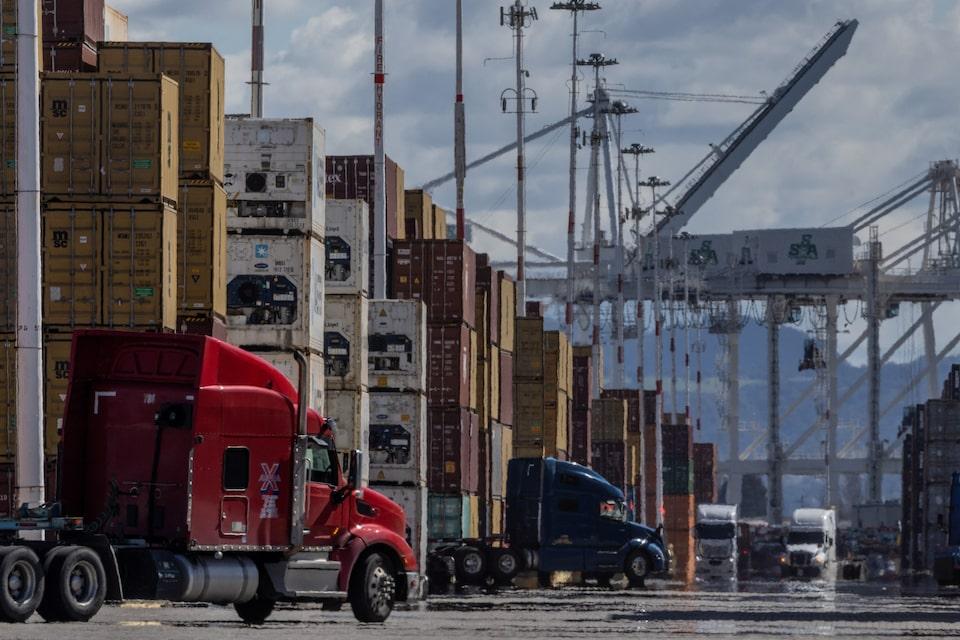
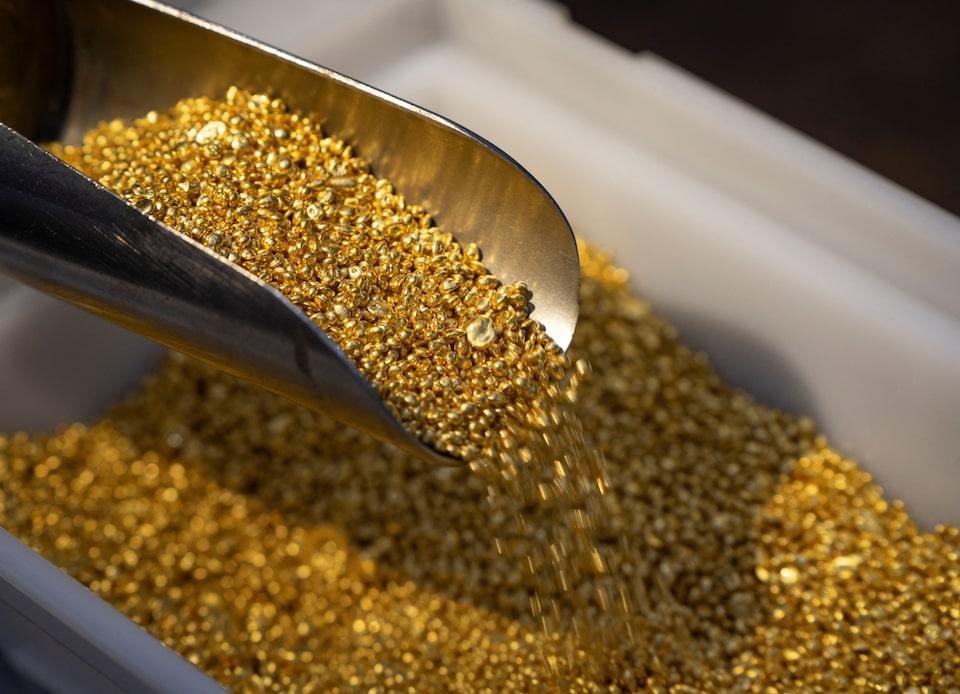
Focus to remain on Trump's policy changes, analyst says Spot gold hit its lowest since March 3 on Monday Focus on Wednesday's US CPI BofA expects a platinum deficit and palladium surplus for 2025 March 11 (Reuters) - Gold prices rose on Tuesday, supported by safe-haven flows as trade war concerns sapped risk sentiment across wider markets, while attention was on U.S. inflation data. Spot gold climbed 0.8% to $2,912.88 an ounce as of 1031 GMT after hitting its lowest since March 3 in the previous session. U.S. gold futures rose 0.6% to $2,917.90. The dollar index (.DXY) , opens new tab hit a four-month low, making bullion less expensive for overseas buyers. U.S. President Donald Trump's fluctuating trade policies - imposing and delaying tariffs on Canada and Mexico, while raising duties on Chinese goods - have roiled the global financial markets. China and Canada have responded with tariffs of their own. Over the weekend, Trump declined to predict whether the U.S. could face a recession. "In the short-term we expect investor focus to remain on the effect policy changes, in particular tariffs, will have on U.S. growth and inflation expectations and how this could not only affect real rates but also further incentivize global central bank purchases," said Trevor Yates, analyst at Global X. "All eyes will be on Wednesday's U.S. February CPI print, with us expecting the pace of inflation to slow during the month." Federal Reserve Bank of New York's latest Survey of Consumer Expectations showed inflation a year from now is seen at 3.1%, up a hair from January's 3% reading. Markets currently expect Fed to cut in rates in June. However, gold's role as a hedge could weaken if high inflation leads to sustained higher interest rates, as it yields no interest. Spot silver added 1.4% to $32.54 an ounce. Platinum was up 1.2% at $970.20 and palladium gained 0.6% to $948.96. Bank of America expects a platinum deficit and palladium surplus for 2025, it said in a note. The bank also said that platinum fundamentals are stronger than those of palladium. Sign up here. https://www.reuters.com/markets/commodities/gold-firms-dollar-softens-safe-haven-flows-rise-us-data-awaited-2025-03-11/
2025-03-11 05:15
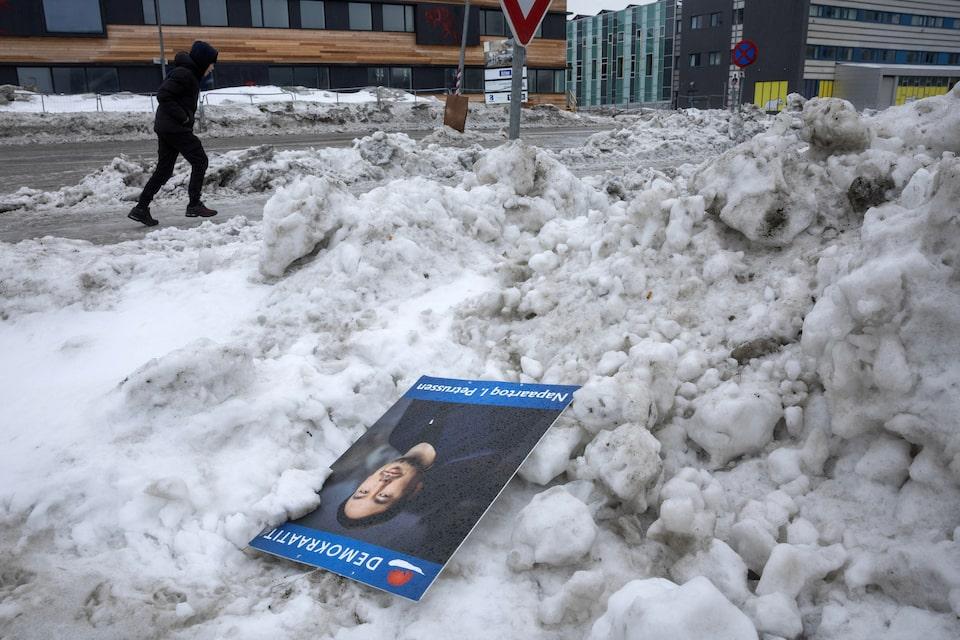
Independence the key campaign theme after Trump interest Trump says Greenland vital to US security, wants control Naleraq party comes second, aims for secession deal with Denmark NUUK, Greenland, March 11 (Reuters) - Greenland's pro-business opposition Demokraatit party, which favours a slow approach to independence from Denmark, won Tuesday's parliamentary election that was dominated by U.S. President Donald Trump's pledge to take control of the island. Demokraatit secured 29.9% of the votes with all ballots counted, up from 9.1% in 2021, ahead of the opposition Naleraq party, which favours rapid independence, at 24.5%. Since taking office in January, Donald Trump has vowed to make Greenland - a semi-autonomous territory of Denmark - part of the United States, saying it is vital to U.S. security interests, an idea rejected by most Greenlanders. The vast island, with a population of just 57,000, has been caught up in a geopolitical race for dominance in the Arctic, where melting ice caps are making its resources more accessible and opening new shipping routes. Both Russia and China have intensified military activity in the region. "People want change ... We want more business to finance our welfare," said Jens-Frederik Nielsen, Demokraatit's leader and a former minister of industry and minerals. "We don't want independence tomorrow, we want a good foundation," Nielsen told reporters in Nuuk. He will now hold talks with other parties to try and form a governing coalition. The ruling Inuit Ataqatigiit party and its partner Siumut, which also seek a slow path towards independence, won a combined 36% of votes, down from 66.1% in 2021. "We respect the election outcome," Prime Minister Mute Egede of the Inuit Ataqatigiit said in a Facebook post, adding that he would listen to any proposals in upcoming coalition talks. Greenland is a former Danish colony and has been a territory since 1953. It gained some autonomy in 1979 when its first parliament was formed, but Copenhagen still controls foreign affairs, defence and monetary policy and provides just under $1 billion a year to the economy. In 2009, it won the right to declare full independence through a referendum, even though it has not done so out of concern living standards would drop without Denmark's economic support. "I strongly believe that we will very soon start to live a life more based on who we are, based on our culture, based on our own language, and start to make regulations based on us, not based on Denmark," said Qupanuk Olsen, candidate for the main pro-independence party Naleraq. Inge Olsvig Brandt, a candidate for the ruling Inuit Ataqatigiit party, said: "We don't need the independence right now. We have too many things to work on. I think we have to work with ourselves, our history, and we are going to have a lot of healing work with us before we can take the next step." Voting had been extended by half an hour at some of the 72 polling stations across the Arctic island, where some 40,500 people were eligible to cast their ballot, although the final turnout was not immediately available. INUIT PRIDE Trump's vocal interest has shaken up the status quo, and coupled with the growing pride of the Indigenous people in their Inuit culture, put independence front and centre in the election. In the final debate on Greenland's state broadcaster KNR late on Monday, leaders of the five parties currently in parliament unanimously said they did not trust Trump. "He is trying to influence us. I can understand if citizens feel insecure," said Erik Jensen, leader of government coalition partner Siumut. A January poll suggested a majority of Greenland's inhabitants support independence, but are divided on timing. Early on, the election campaign focused on the anger and frustration aimed at historical wrongdoings by Denmark, according to Julie Rademacher, a consultant and former adviser to Greenland's government. "But I think the fear of the U.S. imperialist approach has lately become bigger than the anger towards Denmark," said Rademacher. Reuters spoke to more than a dozen Greenlanders in Nuuk, all of whom said they favoured independence, although many expressed concern that a swift transition could damage the economy and eliminate Nordic welfare services like universal healthcare and free schooling. "We don't want to be part of the U.S. for obvious reasons; healthcare and Trump," said Tuuta Lynge-Larsen, a bank employee and Nuuk resident, adding that this election was especially important. "We don't like the attention, to put it short." The island holds substantial natural resources, including critical minerals such as rare earths used in high-tech industries, ranging from electric vehicles to missile systems. However, Greenland has been slow to extract them due to environmental concerns, severe weather, and China's near-total control of the sector, which has made it difficult for companies elsewhere to make a profit or secure buyers. INVESTMENT PLEDGES Trump initially declined to rule out military force to take control of the territory, alarming many Greenlanders, although he later softened his stance, stating he would respect the will of the local people and was "ready to invest billions of dollars" if they joined the U.S.. Egede has stressed the island is not for sale and advocated for a broad coalition government to resist external pressure. In an interview aired on Monday by Danish broadcaster DR, he dismissed Trump's offer as disrespectful, expressing willingness to cooperate with other countries instead. Denmark's prime minister has said Greenland is not for sale, but made it clear that it is up to the local people to decide their future. All six main political parties support independence but differ on how and when it could be achieved. The pro-independence Naleraq party, the leading opposition force, had gained momentum ahead of the election, bolstered by U.S. interest and fresh accusations of Denmark's historic exploitation of Greenland's mineral wealth. The party believes the U.S. attention strengthens Greenland's position in secession talks with Denmark and aims to bring a deal with Copenhagen to a vote before the next election in four years. Sign up here. https://www.reuters.com/world/europe/greenland-election-tests-independence-ambitions-us-interest-looms-2025-03-11/
2025-03-11 04:28
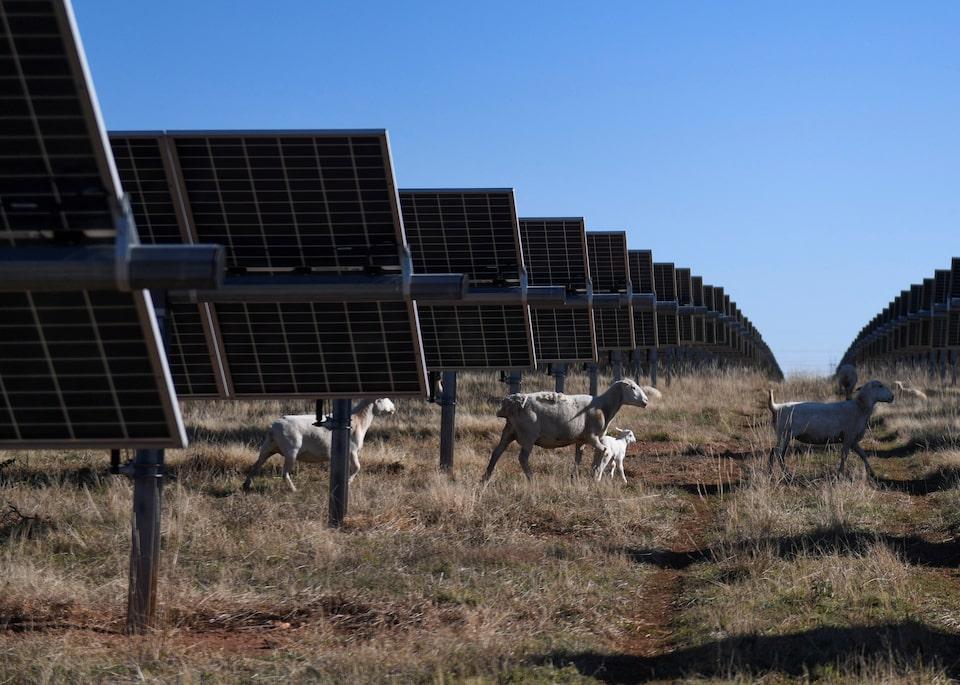
March 11 (Reuters) - Solar and energy storage accounted for 84% of new electricity generation capacity added to the U.S. power grid last year, but the industry faces a challenging future with the new U.S. administration's energy policies, a report published on Tuesday said. The country installed 50 gigawatts (GW) of new solar capacity in 2024, the Solar Energy Industries Association (SEIA) and Wood Mackenzie groups said in the report, adding that 2024 was the largest single year of growth by any energy technology in over two decades. WHY IT IS IMPORTANT The solar industry was a major beneficiary of subsidies contained in former President Joe Biden's landmark 2022 climate change law, the Inflation Reduction Act (IRA). The Trump administration has said it was reviewing federal funding plans, and any removal of tax credits , opens new tab issued under the 2022 Inflation Reduction Act would impact clean energy deployment. The clean-energy sector has been on high alert since the election of Donald Trump, whose first executive orders prioritized unleashing U.S. fossil-fuel production, paused federal wind projects and froze funding for clean-energy projects from two Biden-era laws. BY THE NUMBERS Total U.S. solar capacity is expected to reach 739 GW by 2035, the report said, warning that changes to federal tax credits, supply chain availability, and permitting policy will cause a slowdown in solar deployment. The low case forecast showed a 130 GW decline in solar deployment over the next decade compared to the base case, representing nearly $250 billion of lost investment, according to the report. KEY QUOTES "Last year’s record-level of installations was aided by several solar policies and credits within the Inflation Reduction Act that helped drive interest in the solar market," said Sylvia Levya Martinez, Principal Analyst, North America Utility-Scale Solar for Wood Mackenzie. "We still have many challenges ahead, including unprecedented load growth on the power grid. If many of these policies were eliminated or significantly altered, it would be very detrimental to the industry's continued growth." Sign up here. https://www.reuters.com/business/energy/solar-accounted-84-new-us-power-added-2024-report-says-2025-03-11/
2025-03-11 02:38
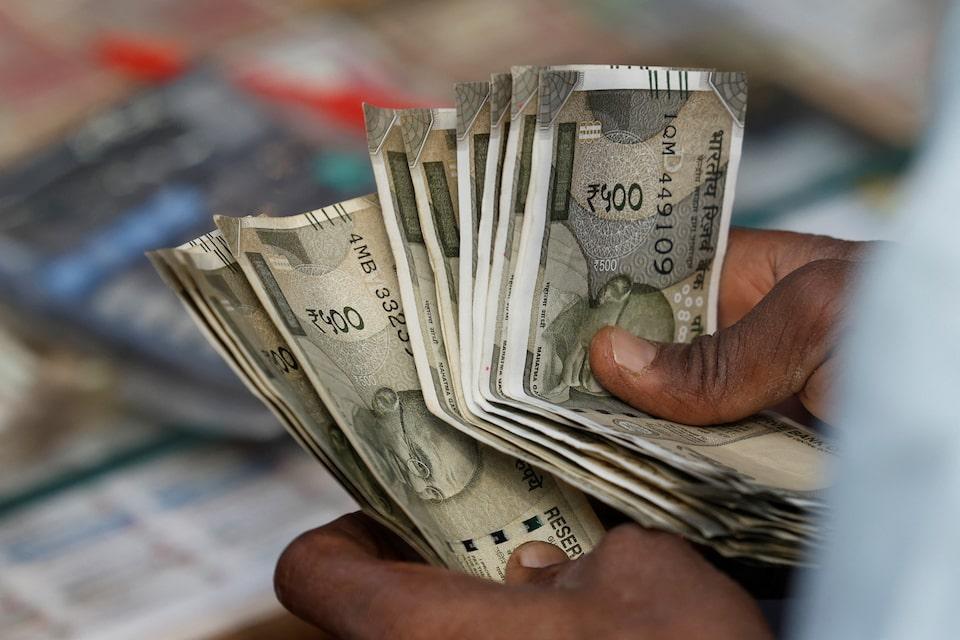
MUMBAI, March 11 (Reuters) - The Indian rupee is likely to stay under pressure on Tuesday, as concerns over a potential tariff-driven U.S. recession sapped risk appetite across financial markets, driving most Asian currencies lower. The one-month non-deliverable forward indicated that the rupee will open weaker at 87.40 to the U.S. dollar, compared with 87.33 in the previous session. The local currency weakened 0.5% in the previous session, pressured by the maturity of positions in the non-deliverable forwards market. Two traders pointed that these maturities are spread throughout the week, which could keep the rupee on the defensive. Meanwhile, U.S. equities sold off sharply on Monday, with the S&P 500 (.SPX) , opens new tab down 2.7% and the Nasdaq Composite (.IXIC) , opens new tab slumping 4%, marking its worst day since September 2022. In Asia, Japan's Nikkei (.N225) , opens new tab fell about 2%, while the blue-chip Chinese equity index (.CSI300) , opens new tab was also trading in the red. The downside risks to global growth from tariffs have been a concern for investors in recent sessions, particularly in light of a series of weak U.S. economic data signalling a slowdown in the world's largest economy. "Our best sense right now is that markets are still underpricing the downside risks to Asia's growth and so it makes sense to position for Asian currency weakness at least in the near-term," MUFG Bank said in a note. Concerns about a global slowdown could further intensify pressure on the rupee, which is already one of Asia's worst-performing currencies this year, with ongoing portfolio outflows also weighing on the local unit. Foreign investors have net pulled out more than $3 billion from Indian stocks in March, driving the year-to-date tally to over $16 billion. KEY INDICATORS: ** One-month non-deliverable rupee forward at 87.63; onshore one-month forward premium at 22.50 paisa ** Dollar index down at 103.71 ** Brent crude futures up 0.1% at $69.3 per barrel ** Ten-year U.S. note yield at 4.18% ** As per NSDL data, foreign investors sold a net $369.2mln worth of Indian shares on March 7 ** NSDL data shows foreign investors bought a net $49mln worth of Indian bonds on March 7 Sign up here. https://www.reuters.com/markets/currencies/sour-risk-appetite-us-slowdown-concerns-keep-rupee-under-pressure-2025-03-11/
2025-03-11 01:29
TOKYO, March 11 (Reuters) - Japan's Economy Minister Ryosei Akazawa said on Tuesday the government will work closely with the Bank of Japan (BOJ) in reaching its 2% inflation target as rising living costs hurt households. The government and central bank are striving to achieve the inflation goal in a stable manner and have made some progress so far, and Akazawa said in a regular press conference. "Rising energy and food costs are hurting households and companies, so we need to scrutinise how souring households' sentiment could affect consumption," he said. Akazawa also added that exchange rates ought to move in a stable fashion reflecting economic fundamentals. On the role the BOJ can play, he said it was up to the central bank to decide on specific monetary policy steps. "We will continue to communicate closely with the BOJ, and expect the central bank to guide policy appropriately to stably achieve its 2% inflation target," Akazawa said. The remarks came after Prime Minister Shigeru Ishiba said on Monday the central bank was close to achieving its 2% inflation target. After exiting a decade-long, massive stimulus last year, the BOJ raised short-term interest rates to 0.5% from 0.25% in January and has signalled its readiness to hike further if Japan makes progress in durably hitting its 2% inflation target. Sources have told Reuters the BOJ board will likely forgo raising rates again this month but may discuss a hike as soon as a subsequent meeting in May, depending on the price outlook and the market fallout from U.S. President Donald Trump's policies. Sign up here. https://www.reuters.com/world/japan/japan-government-work-with-boj-rising-living-costs-economy-minister-says-2025-03-11/