2026-01-12 00:35
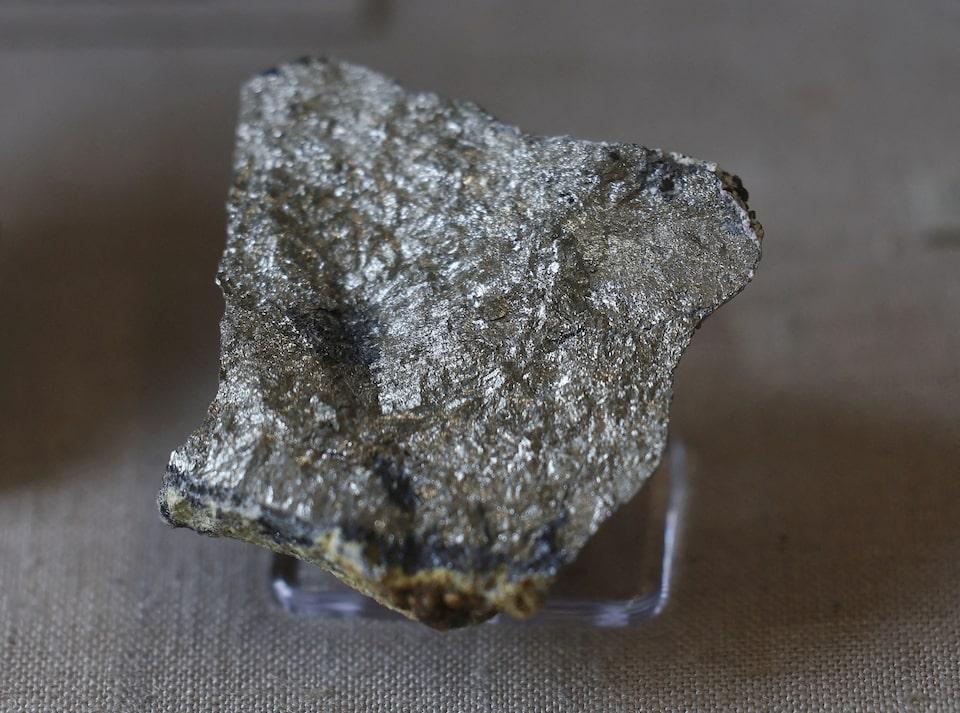
MELBOURNE, Jan 12 (Reuters) - Australia will prioritise antimony, gallium and rare earth elements as part of its A$1.2 billion ($802 million) strategic reserve, it said on Monday, as its Treasurer Jim Chalmers prepares to join a G7 meeting to discuss critical minerals. Australia and several other countries are joining a meeting of finance ministers from the Group of Seven advanced economies in Washington on Monday on the subject, U.S. Treasury Secretary Scott Bessent said over the weekend. Sign up here. Most of the G7, which includes the United States, Britain, Japan, France, Germany, Italy and Canada, as well as the European Union, are heavily dependent on rare earths supplies from China. The group last June agreed on an action plan to secure their supply chains and boost their economies. Australia, which has abundant supply of many critical minerals, has been developing a strategic reserve which it plans to make available to allies. The first minerals in focus are crucial for clean energy and high-technology manufacturing as well as advanced military equipment, the treasurer's office said in a statement. "The Reserve will operate by securing rights to minerals produced in Australia and on-selling those rights to meet demand, giving an added boost to Australia’s critical minerals sector and strengthening reliable supply chains for our trading partners," it said. Australia signed an agreement with the U.S. in October aimed at countering China's dominance in critical minerals. It included an $8.5 billion project pipeline and leverages Australia's proposed strategic reserve, which will supply metals that are vulnerable to disruption. ($1 = 1.4959 Australian dollars) https://www.reuters.com/world/china/australia-critical-minerals-reserve-prioritise-antimony-gallium-rare-earths-2026-01-12/
2026-01-12 00:18
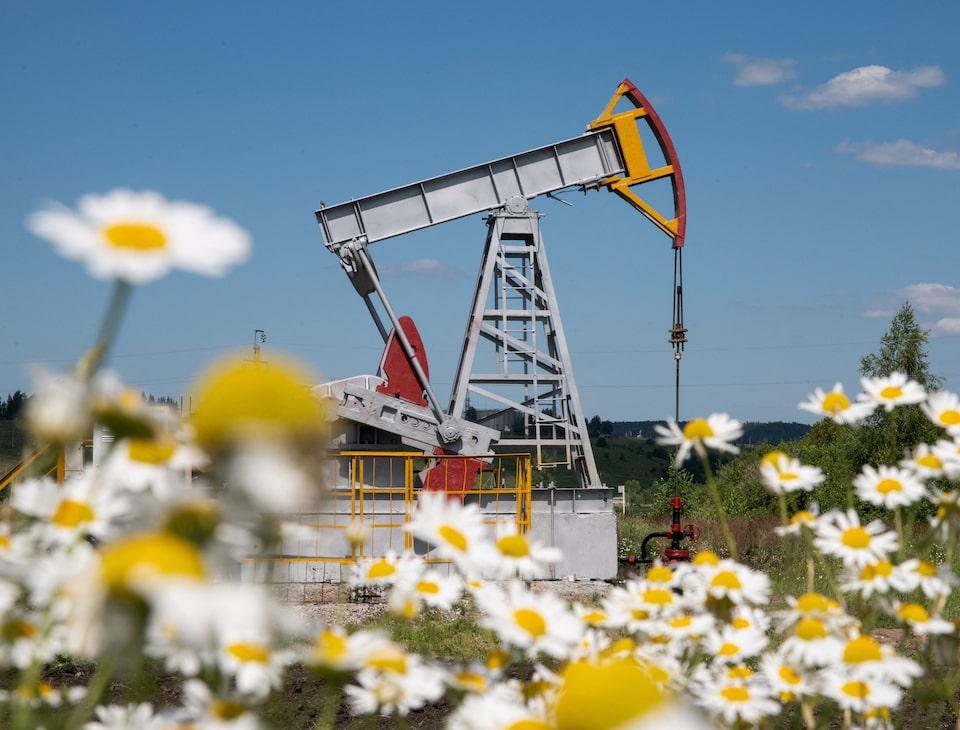
Geopolitical risks from Iran, Venezuela and Russia drive oil price volatility President Trump weighs responses to the crackdown on protests in Iran Venezuela is set to resume oil exports after Maduro's ouster NEW YORK, Jan 12 (Reuters) - Oil prices climbed and settled at seven-week highs on Monday on worries that Iran's exports could decline as the sanctioned OPEC member cracks down on anti-government demonstrations. Limiting price gains were expectations that supplies could rise from Venezuela, another sanctioned member of the Organization of the Petroleum Exporting Countries. Sign up here. Brent futures rose 53 cents, or 0.8% to settle at $63.87 a barrel. U.S. West Texas Intermediate crude rose 38 cents, or 0.6%, to settle at $59.50. It was Brent's highest settlement since November 18 and WTI's since December 5. Iran said it was keeping communications open with Washington as President Donald Trump weighed responses to a deadly crackdown on nationwide protests, among the stiffest challenges to clerical rule since the 1979 Islamic Revolution. On Sunday, Trump said the U.S. may meet Iranian officials and he was in . He threatened possible military action over lethal violence against protesters. Iran has a record amount of oil on the water, equivalent to about 50 days of output, with China having bought less because of and Tehran seeking to protect its supplies from the risk of U.S. strikes, data from Kpler and Vortexa shows. VENEZUELA SET TO RESUME OIL EXPORTS SOON Venezuela is expected to resume oil exports soon following the ouster of President Nicolas Maduro. Trump said last week the government in Caracas was set to hand over as much as 50 million barrels of sanctioned oil to the U.S. Oil companies have been racing to find tankers and prepare operations to ship the crude safely, four sources familiar with the operations said. In a White House meeting on Friday, multinational commodities firm Trafigura said its first vessel should load in the next week. Two China-flagged supertankers that were sailing to Venezuela to pick up debt-paying crude cargoes during the U.S. oil embargo on the OPEC country have made a u-turn and are now heading back to Asia, LSEG shipping data showed on Monday. RISK OF SUPPLY DISRUPTION ELSEWHERE Investors are also watching the risk of disruptions in supply from Russia, as Ukraine's attacks have targeted its energy facilities, and the prospects of tougher U.S. sanctions on Moscow's energy. In Azerbaijan oil exports dropped to 23.1 million tonnes in 2025 from 24.4 million tonnes in 2024, the energy ministry said on Monday. Russia and Azerbaijan are both members of OPEC+, which includes OPEC and allied producers. In Norway, the government said on Monday it will present a policy document to parliament next year on the future of the oil and gas industry, including companies' access to exploration acreage. "The oil and gas industry is crucially important for Norway, and should be developed, not phased out," Norway's Prime Minister Jonas Gahr Stoere said in a speech. U.S. bank Goldman Sachs said in a note that oil prices are likely to drift lower this year as new supply becomes available and creates a market surplus, although geopolitical risks tied to Russia, Venezuela and Iran will continue to drive volatility. US INTEREST RATES The Trump administration's move to open a criminal investigation into Federal Reserve Chair Jerome Powell escalates Trump's pressure campaign against the central bank. The Fed chief called the move a "pretext" to influence interest rates. Former Fed chiefs and key members of Trump's Republican Party also criticized the investigation. Lower interest rates could boost economic growth and oil demand by reducing borrowing costs, but could hinder the central bank's efforts to control inflation. https://www.reuters.com/business/energy/oil-climbs-intensifying-unrest-iran-spark-supply-concerns-2026-01-12/
2026-01-12 00:08
Japan to test rare-earth seabed sludge near remote island World-first mission part of drive to diversify supplies China tightening supply of minerals vital for industry SHIZUOKA, Japan, Jan 12 (Reuters) - A Japanese mining ship departed on Monday for a remote coral atoll to probe mud rich in rare earths, part of Tokyo's drive to curb its reliance on China for critical minerals as Beijing tightens supply. The month-long mission of the test vessel Chikyu near Minamitori Island some 1,900 km (1,200 miles) southeast of Tokyo, will mark the world's first attempt to continuously lift rare-earth seabed sludge from 6 km (4 miles) deep onto a ship. Sign up here. Japan, like its Western allies, has been reducing its dependence on China for the minerals vital to the production of cars, smartphones and military equipment, an effort that has taken on urgency amid a major diplomatic dispute with Beijing. "After seven years of steady preparation, we can finally begin the confirmation tests. It's deeply moving," Shoichi Ishii, the head of the government-backed project told Reuters, as the vessel departed the port city of Shizuoka on a bright sunny day, with a snow-capped Mount Fuji in the background. "If this project succeeds, it will be of great significance in diversifying Japan's rare earth resource procurement," he said, adding that recovering the key minerals from 6 km below sea level would be a major technological achievement. The vessel, with 130 crew and researchers, is scheduled to return to the port on February 14. REDUCING RELIANCE ON CHINA WON'T BE EASY Last week, China banned exports of items destined for Japan's military that have civilian and military uses, including some critical minerals. The Wall Street Journal reported Beijing has also begun restricting rare-earth exports to Japan more broadly. Japan has condemned China's dual-use ban but declined to comment on the report of a broader ban, which China has not confirmed or denied. Chinese state media, though, have said Beijing was weighing the measure. Finance ministers from the Group of Seven industrial powers will discuss rare-earth supplies at a meeting in Washington on Monday, sources familiar with the matter told Reuters. Japan is no stranger to facing China's wrath over rare earths. In 2010, China held back exports following an incident near disputed islands in the East China Sea. Since then, Japan has reduced its reliance on China to 60% from 90% by investing in overseas projects like trading house Sojitz's (2768.T) , opens new tab tie-up with Australia's Lynas Rare Earths (LYC.AX) , opens new tab, and promoting rare-earths recycling and manufacturing processes that rely less on the minerals. The Minamitori Island project, however, is the first to attempt to source rare earths domestically. "The fundamental solution is to be able to produce rare earths inside Japan," said Takahide Kiuchi, executive economist at Nomura Research Institute. "If this new round of export controls ends up covering a lot of rare earths, Japanese companies will again make efforts to move away from China, but I don’t think it will be easy," he said. For some heavy rare earths, such as those used for magnets in electric- and hybrid-vehicle motors, Japan is almost totally dependent on China, analysts say - a major risk for its key automotive industry. LONG-TERM PROJECT Since the 2010 scare, the Japanese government and private companies have built stockpiles of the minerals, though they do not disclose volumes. At a New Year's party for Japan's mining industry on Wednesday, several executives said they were better prepared than before to cope with the potential disruption, citing Japan's diversification efforts and stockpiles. But Kazumi Nishikawa, principal director of economic security at the trade ministry, said the government had to continually remind companies to diversify their supply chains. "Sometimes, you know, some event happened, then the business reacts, but the event finishes, the business forgets. We have to maintain continuous efforts," Nishikawa said on the China Talk podcast this week. The Minamitori Island project, into which the government has sunk 40 billion yen ($250 million) since 2018, is also a long-term play. Its estimated reserves have not been disclosed and no production target has been set. But if it succeeds, a full-scale mining trial will be conducted in February 2027. Mining the mud was previously viewed as uneconomical due to high costs. But if supply disruption from China continues and buyers become willing to pay higher prices, the project could become viable in coming years, said Kotaro Shimizu, principal analyst at Mitsubishi UFJ Research and Consulting. China is keeping a close watch. When the ship was conducting surveys around the island in June last year, a fleet of Chinese naval ships sailed nearby, Ishii said. "We feel a strong sense of crisis that such intimidating actions were taken," he said. China said its actions were in line with international law and called on Japan to "refrain from hyping up threats". https://www.reuters.com/world/asia-pacific/japan-sets-sail-rare-earth-hunt-china-tightens-supplies-2026-01-12/

2026-01-12 00:04
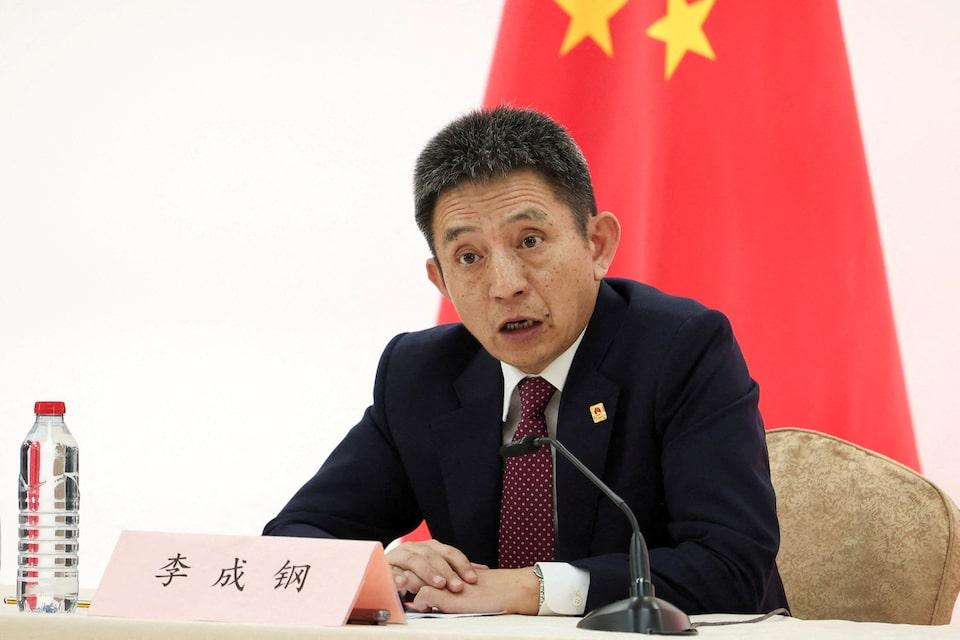
BEIJING/GENEVA/WASHINGTON, Jan 12 (Reuters) - When U.S. Treasury Secretary Scott Bessent described China's lead trade negotiator Li Chenggang as "unhinged" for breaching diplomatic niceties shortly before a critical summit in October, he painted a picture of an erratic junior bureaucrat who had "gone rogue." Neither a “wolf warrior” nor a wallflower, Li is a chain-smoking, porcelain-collecting career diplomat with an encyclopedic knowledge of trade law and excellent English who alternates between charm and delivering Beijing's tough messages, sources say. Sign up here. After playing a crucial role in steadying the U.S.-China trade relationship in 2025, he is set to be at the forefront of further negotiations this year. U.S. President Donald Trump has made clear he wants to visit China in April and said he would host President Xi Jinping for a state visit later in the year. More than a dozen diplomats, businesspeople and current and former U.S. officials described the man at the heart of the world’s most important trade negotiations as smart and pragmatic, with a tough edge that helps China achieve its goals. Trade officials and Western diplomats who have interacted with the vice commerce minister in recent months described him as commanding rooms. One American business figure said he had an "executive presence," a contrast from the stereotypical Chinese bureaucrat: A stoic, script-bound delivery that allows little room for personal flair. They said he is well-prepared, with a deep understanding of China's economic structure and U.S. trade demands. One former U.S. official who negotiated with Li on an Obama-era investment deal called him a "rising star." From April through October, Li helped steer months of stop-start negotiations across European capitals - from Geneva to Stockholm to London - that tested the limits of economic diplomacy between the U.S. and China. The 58-year-old, who earlier represented China at the World Trade Organization before taking on his current role, navigated subjects spanning export curbs on rare earths, agricultural purchases and semiconductor access - issues that underpin $660 billion in annual bilateral trade. The October negotiations produced an uneasy truce that has held to this day, with China deferring expansive controls on rare earth exports for a year and agreeing to buy 12 million tons of U.S. soybeans by March. “Li's near-term priority is to maintain the bilateral trade truce and create a positive environment for Trump's visit to China,” said Neil Thomas of the Asia Society, a New York-based think tank. "The Chinese trade team's biggest challenge is to get the Trump administration to relax more U.S. export controls without generating an overwhelming backlash in Washington." PUBLIC REBUKE It was in the weeks ahead of the October talks that Li drew a public rebuke from Bessent when the Chinese negotiator sought meetings in Washington with officials who outranked him and "lectured" them about China's position in the talks, according to four senior U.S. businesspeople briefed on the trip. The sources spoke on the condition of anonymity to discuss private exchanges. Li tried to meet U.S. Trade Representative Jamieson Greer, one of the businesspeople told Reuters, but ended up speaking to Commerce Department Undersecretary William Kimmitt and a lower-level Treasury official who matched his rank in protocol terms, though they were not authorised to negotiate on trade with China, according to another person briefed on the exchanges. Regardless, he still "read the riot act" to his counterparts and conveyed demands from China's leadership to change their behaviour to get negotiations back on track, the person said. In terms of ranking, Li is second only to the commerce minister, making him China's No. 2 commerce official. Vice Premier He Lifeng remains Xi's point person for overseeing the U.S.-China economic and trade relationship and is Bessent's counterpart in terms of seniority. In public remarks, Bessent later called Li "very disrespectful." He also said Li threatened that China would “unleash chaos” on the global economic system if the U.S. imposed port-entry fees on Chinese vessels. The comments, which included Bessent calling Li “unhinged,” threatened to derail a planned presidential summit in South Korea in October, after both sides took a series of retaliatory moves. But Li and Bessent regrouped days later at the ASEAN summit in Kuala Lumpur, where they hashed out a framework trade agreement that successfully deferred 100% tariffs on Chinese goods and expanded export controls on rare earths. In response to Reuters questions on Li, a White House official said: “He did come uninvited in August and did seek meetings above his level, which were denied.” The U.S. Commerce and Treasury departments did not respond to Reuters requests for comment. The WTO declined to comment. China's commerce ministry did not respond to a request for comment. ART LOVER Born in rural Anhui province, Li read law at the elite Peking University as well as Germany's University of Hamburg. He climbed the ranks at the Ministry of Commerce, including a period running its department of treaty and law from 2010 to 2017. In his current role, Li also oversees the export controls and anti-dumping probes that China uses with foreign companies to protect its rights and ensure a level playing field. During his time as China's WTO representative in Geneva from 2021 to 2025, Li was a prolific networker who regularly hosted dinners and smoked Chinese cigarettes with other ambassadors in between meetings, four WTO sources told Reuters. At the weekends, Li frequently scoured Swiss flea markets for discounted Chinese porcelain and could identify which dynasty the items came from, they said. Norway's WTO ambassador Petter Olberg, who worked closely with Li, told Reuters he was "extremely well liked and respected" and "very constructive about seeking solutions." "He's not one of those who shouts the loudest," Olberg said. "He thinks things through. He would always listen before he spoke at meetings." As a token of his appreciation, Li threw a lavish farewell banquet for the Mauritian WTO representative at his residence in December 2024, Olberg and other attendees said. Guests were served artfully presented hors d'oeuvres on plates hand-painted with karst mountains illustrating an ancient Chinese poem, according to a photograph provided by one attendee. A well-known poem by Tang dynasty scribe Li Bai celebrated the poet's profound love of friendship over natural beauty. CONTRASTING APPROACHES At the WTO, Li's tactics were not limited to poems and dinner parties. One aide recalled him getting “angry and agitated” while pursuing the Investment Facilitation for Development Agreement – a landmark deal that China played a key role in creating. He is an advocate of Beijing's efforts to reshape the multilateral trade order, pitching China as a stabilising force in the face of turmoil created by Trump’s tariffs, said the Beijing-based Western trade diplomat. In negotiations with the U.S., he would have a good grasp of policy details and how to advance China’s aims under the WTO legal framework, said one Western trade diplomat who met Li multiple times last year. Li's competence in meetings has led some observers to say that China has a stronger, more cohesive team that is empowered to implement directives from the leadership. One U.S. businessperson who met Li in September said Chinese negotiators “go in knowing what they can and cannot accept," while their American counterparts require Trump’s final approval after negotiating a framework. "Li is someone who skillfully deploys legal instruments in the trade war," said Henry Gao, an associate law professor at Singapore Management University. "I expect him to remain a leading figure in the U.S.-China trade negotiations for years to come." https://www.reuters.com/world/china/unhinged-or-savvy-meet-li-chenggang-who-leads-chinas-trade-talks-with-us-2026-01-12/
2026-01-11 18:44
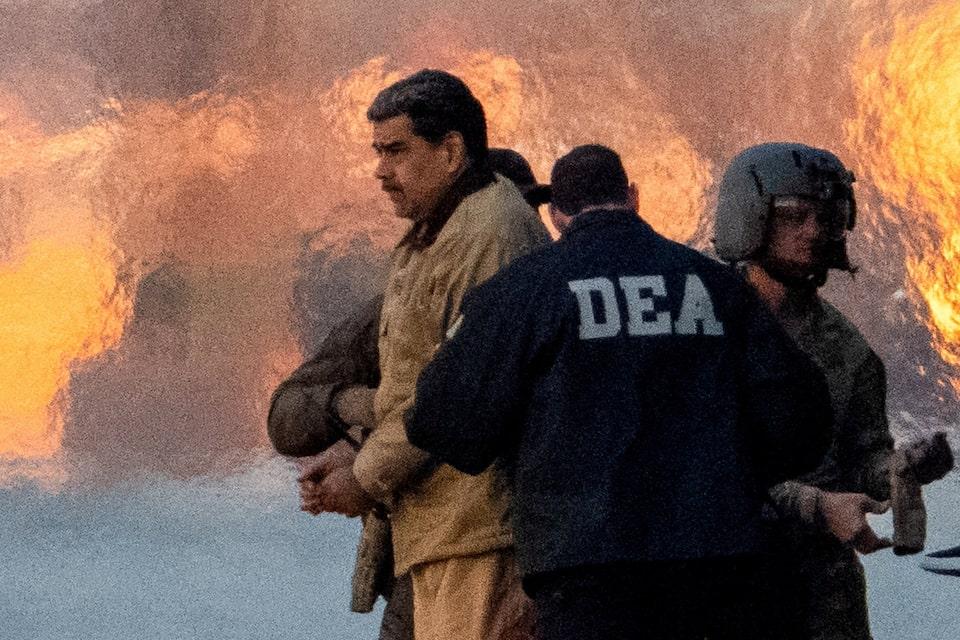
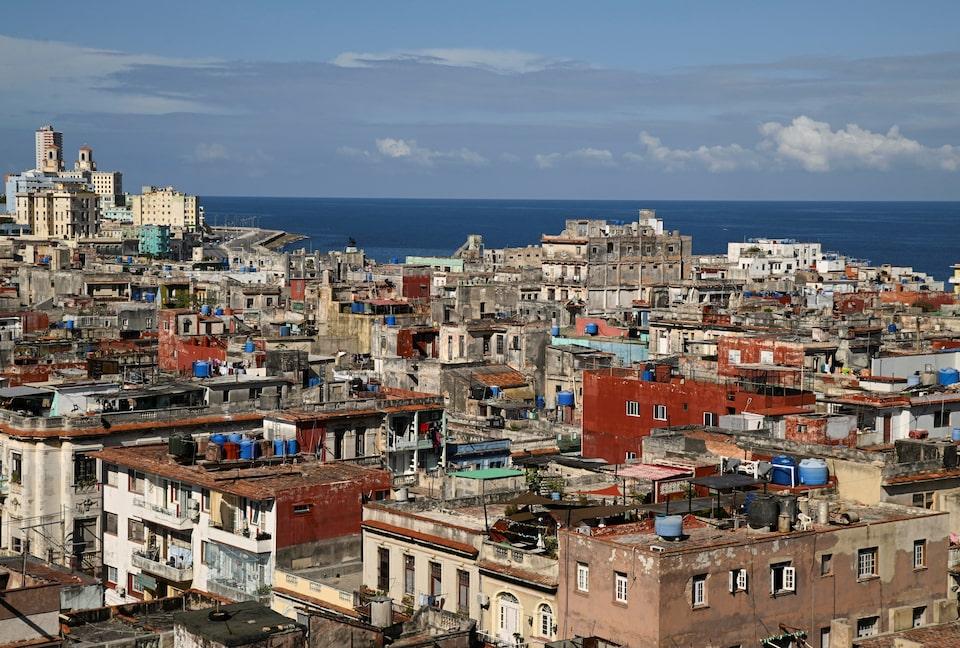
Cuba has the right to import fuel from any suppliers, foreign minister says Venezuela was Cuba's largest supplier last year with some 26,500 barrels per day of crude and fuel Mexico is emerging as alternative oil supplier to the island Cuban president says Cuba prepared to "defend homeland to last drop of blood." HAVANA/HOUSTON, Jan 11 (Reuters) - U.S. President Donald Trump on Sunday said no more Venezuelan oil or money will go to Cuba and suggested the Communist-run island should strike a deal with Washington, ramping up pressure on the long-time U.S. nemesis and provoking defiant words from the island's leadership. Venezuela is Cuba's biggest oil supplier, but no cargoes have departed from Venezuelan ports to the Caribbean country since the capture of Venezuelan President Nicolas Maduro by U.S. forces in early January amid a strict U.S. oil blockade on the OPEC country, shipping data shows. Sign up here. Meanwhile, Caracas and Washington are progressing on a $2 billion deal to supply up to 50 million barrels of Venezuelan oil to the U.S. with proceeds to be deposited in U.S. Treasury-supervised accounts, a major test of the emerging relationship between Trump and interim President Delcy Rodriguez. "THERE WILL BE NO MORE OIL OR MONEY GOING TO CUBA - ZERO! I strongly suggest they make a deal, BEFORE IT IS TOO LATE," Trump wrote on his Truth Social platform on Sunday. "Cuba lived, for many years, on large amounts of OIL and MONEY from Venezuela," Trump added. Cuban President Miguel Diaz-Canel rejected Trump's threat on social media, suggesting the U.S. had no moral authority to force a deal on Cuba. "Cuba is a free, independent, and sovereign nation. Nobody dictates what we do," Diaz-Canel said on X. "Cuba does not attack; it has been attacked by the U.S. for 66 years, and it does not threaten; it prepares, ready to defend the homeland to the last drop of blood." The U.S. president did not elaborate on his suggested deal. But Trump's push on Cuba represents the latest escalation in his move to bring regional powers in line with the United States and underscores the seriousness of the administration's ambition to dominate the Western Hemisphere. Trump's top officials, including Secretary of State Marco Rubio, have made no secret of their expectation that the recent U.S. intervention in Venezuela could push Cuba over the edge. U.S. officials have hardened their rhetoric against Cuba in recent weeks, though the two countries have been at odds since former leader Fidel Castro's 1959 revolution. CUBA DEFENDS IMPORT RIGHTS Cuban Foreign Minister Bruno Rodriguez said in another post on X on Sunday that Cuba had the right to import fuel from any suppliers willing to export it. He also denied that Cuba had received financial or other "material" compensation in return for security services provided to any country. Thirty-two members of Cuba's armed forces and intelligence services were killed during the U.S. raid on Venezuela. Cuba said those killed were responsible for "security and defense" but did not provide details on the arrangement between the two long-time allies. Cuba relies on imported crude and fuel mainly provided by Venezuela, and Mexico in smaller volumes, purchased on the open market to keep its power generators and vehicles running. As its operational refining capacity dwindled in recent years, Venezuela's supply of crude and fuel to Cuba has fallen. But the South American country is still the largest provider with some 26,500 barrels per day exported last year, according to ship tracking data and internal documents of state-run PDVSA, which covered roughly 50% of Cuba's oil deficit. Havana produce vendor Alberto Jimenez, 45, said Cuba would not back down in the face of Trump's threat. “That doesn't scare me. Not at all. The Cuban people are prepared for anything," Jimenez said. It's hard for many Cubans to imagine a situation much worse. The island's government has been struggling to keep the lights on. A majority live without electricity for much of the day, and even the capital Havana has seen its economy crippled by hours-long rolling blackouts. Shortages of food, fuel and medicine have put Cubans on edge and have prompted a record-breaking exodus, primarily to the United States, in the past five years. MEXICO BECOMES KEY SUPPLIER Mexico has emerged in recent weeks as a critical alternative oil supplier to the island, but the supply remains small, according to the shipping data. Mexican President Claudia Sheinbaum last week said her country had not increased supply volumes, but given recent political events in Venezuela, Mexico had turned into an "important supplier" of crude to Cuba. U.S. intelligence has painted a grim picture of Cuba's economic and political situation, but its assessments offer no clear support for Trump's prediction that the island is "ready to fall," Reuters reported on Saturday, citing three people familiar with the confidential assessments. The CIA's view is that key sectors of the Cuban economy, such as agriculture and tourism, are severely strained by frequent blackouts, trade sanctions and other problems. The potential loss of oil imports and other support from Venezuela could make governing more difficult for Diaz-Canel. Havana resident and parking attendant Maria Elena Sabina, a 58-year-old born shortly after Castro took power, said it was time for Cuba's leaders to make changes amid so much suffering. “There's no electricity here, no gas, not even liquefied gas. There's nothing here," Sabina said. "So yes, a change is needed, a change is needed, and quickly.” https://www.reuters.com/world/americas/trump-suggests-cuba-should-strike-deal-with-us-2026-01-11/
2026-01-11 13:08
Beijing bet big on relations with Caracas American operation deals blow to Chinese strategy in the Americas Trump's China policy includes both concessions and assertive new stances WASHINGTON, Jan 11 (Reuters) - Among the many goals of last week's U.S. military operation that captured Venezuelan President Nicolas Maduro was to send China a message: stay away from the Americas. For at least two decades, Beijing has sought to build influence in Latin America, not only to pursue economic opportunities but to gain a strategic foothold on the doorstep of its top geopolitical rival. Sign up here. China's progress - from satellite tracking stations in Argentina and a port in Peru to economic support for Venezuela - has been an irritant for successive U.S. administrations, including that of Donald Trump. Several Trump administration officials told Reuters the U.S. president's move against Maduro was intended in part to counter China's ambitions, and Beijing's days of leveraging debt to get cheap oil from Venezuela were "over." 'WE DON'T WANT YOU THERE' Trump made the message explicit on Friday, expressing discomfort with China and Russia as a "next-door neighbor," in a meeting with oil executives. “I told China and I told Russia, 'We get along with you very well, we like you very much, we don’t want you there, you’re not gonna be there,'" Trump said. Now, he said, he will tell China that “we are open for business” and that they can “buy all the oil they want from us there or in the United States.” The success of the January 3 early morning raid, in which U.S. commandos swept into Caracas and grabbed the Venezuelan president and his wife, was a blow to China's interests and prestige. The air defenses that U.S. forces quickly disabled had been supplied by China and Russia, and Trump said 30 million to 50 million barrels of oil under sanctions, much of it previously bound for Chinese ports, will now be sent to the U.S. Analysts say Maduro's capture exposed Beijing's limited ability to exert its will in the Americas. The attack exposed the gulf between China's "great-power rhetoric and its real reach" in the Western Hemisphere, said Craig Singleton, a China expert at the Foundation for Defense of Democracies think tank. "Beijing can protest diplomatically, but it cannot protect partners or assets once Washington decides to apply direct pressure," he said. In a statement to Reuters, the Chinese embassy in Washington said it rejected what it called the United States' "unilateral, illegal, and bullying acts." "China and Latin American and Caribbean countries maintain friendly exchanges and cooperation. No matter how the situation may evolve, we will continue to be a friend and partner," said Liu Pengyu, the embassy's spokesperson. The White House did not respond to a request for comment. But one administration official said "China should be concerned about their position in the Western Hemisphere," adding that their partners in the region increasingly realize China cannot protect them. TRUMP'S UNCLEAR CHINA POLICY The Trump administration's policy toward Beijing appears contradictory, with concessions aimed at calming a trade war on one hand and more assertive U.S. support for Taiwan on the other. The Venezuela operation appeared to tilt U.S. policy in a more hawkish direction. Indeed, the timing of the U.S. attack amplified Beijing's embarrassment. Just hours before being toppled, Maduro met China's special envoy for Latin America, Qiu Xiaoqi, in Caracas, his last public appearance before becoming a U.S. captive. The meeting, staged on camera even as U.S. military forces were secretly poised to launch their operation, suggested Beijing was blindsided, said another U.S. official. "If they knew, they wouldn't have gone so publicly," the U.S. official told Reuters. For years, Beijing poured money into Venezuela's oil refineries and infrastructure, providing an economic lifeline after the U.S. and its allies tightened sanctions from 2017. Along with Russia, China has also provided funding and equipment for Venezuela's military, including radar arrays recently billed as able to detect advanced U.S. military aircraft. Those systems did little to impede a raid U.S. officials boasted had been conducted without any losses. "Any nation around the world with Chinese defense equipment is checking their air defenses and wondering how safe they actually are from the United States," said Michael Sobolik, a senior fellow at the Hudson Institute think tank. "They are also noticing how China's diplomatic assurances to Iran and Venezuela resulted in zero meaningful protection when the U.S. military arrived." China is now studying what went wrong with those defenses so they can shore up their own systems, according to a person briefed on intelligence about their response. CHINA FACES OTHER REGIONAL RISKS China may soon be under pressure elsewhere in the region. It has sought to increase its influence in Cuba, and the U.S. suspects Beijing runs an intelligence-gathering operation there. China denies this, but last year pledged better intelligence sharing with Cuba. In the days after the Venezuela operation, Trump said U.S. military intervention in Cuba, which has suffered from the loss of Venezuelan oil, was likely unnecessary because it appeared ready to fall on its own. The Trump administration also continues to push Chinese companies away from port operations around the Panama Canal, the critical waterway linking the Atlantic and Pacific Oceans. A State Department official said the U.S. "remains concerned" about Chinese influence near the canal, but appreciates Panama's actions to curb this, including by exiting Beijing's Belt and Road Initiative and auditing the Panama ports concession under contract to Hong Kong-based CK Hutchison (0001.HK) , opens new tab. While China may be on the back foot in the region, analysts caution that extended U.S. military involvement in Venezuela or deterioration in the security situation there could open a door for Beijing to reassert itself. Daniel Russel, a former senior State Department official now with the Asia Society, said the dramatic shift in Washington under Trump from a rule-of-law posture to a “spheres-of-influence logic focused on the Western Hemisphere” could play into China’s hands. “Beijing wants Washington to accept that Asia is in China’s sphere, and no doubt hopes that the U.S. will get bogged down in Venezuela,” he said. https://www.reuters.com/world/china/with-venezuela-raid-us-tells-china-keep-away-americas-2026-01-11/