2025-03-10 20:06
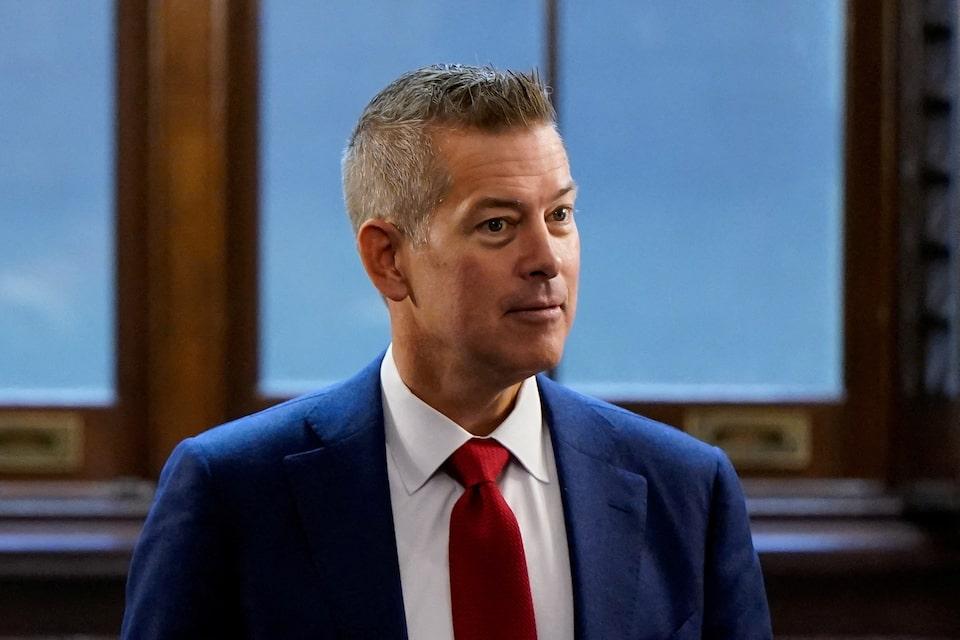
WASHINGTON, March 10 (Reuters) - U.S. Transportation Secretary Sean Duffy on Monday rescinded two Biden administration memos that encouraged states to address how climate change and equity impact infrastructure projects. Duffy and the department said the memos were in conflict with the intent of Congress in passing the $1 trillion infrastructure law in 2021 and added costly burdens. The memos prioritized making infrastructure more resilient to climate change, adopting technologies like EV charging and renewable energy and including disadvantaged and under-represented groups in project planning. "The Department of Transportation is getting back to basics — building critical infrastructure projects that move people and move commerce safely," Duffy said. Last year, USDOT under Biden announced $830 million in grants to make infrastructure projects more resilient to climate change. In January, Duffy said USDOT would rescind a climate rule adopted during the Biden administration requiring states to measure and set declining targets for greenhouse gas emissions from vehicles using the national highway system. Sign up here. https://www.reuters.com/world/us/us-rescinds-biden-memos-prioritizing-climate-infrastructure-projects-2025-03-10/
2025-03-10 19:47
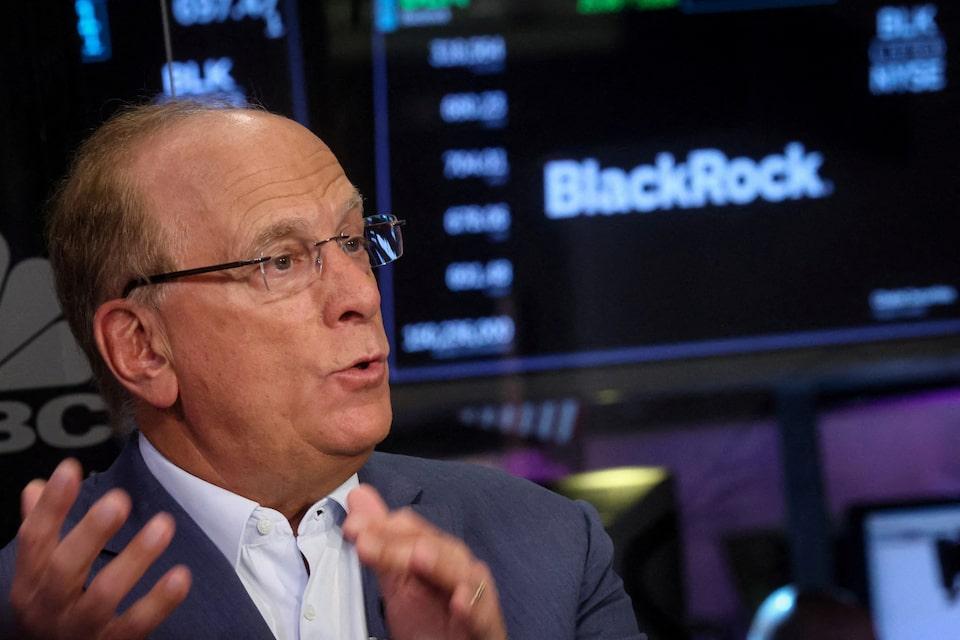
Further cost increases expected in next 6-9 months Panama port deal represent 4% of entire transaction with CK Hutchison Panama deal expected to be signed by early April HOUSTON, March 10 (Reuters) - BlackRock (BLK.N) , opens new tab CEO Larry Fink said on Monday that inflation in the United States will be elevated by nationalistic policies, including the deportation of workers. The head of the U.S. investment management company, speaking at the CERAWeek conference in Houston, added that markets are discounting inflation and there will be further cost increases over the next six to nine months. "I think if we all are becoming a little more nationalistic - and I'm not saying that's a bad thing, you know, it does resonate with me - that it's going to have elevated inflation," he said. Fink said he believed, for example, that mass deportations could lead to problems in the agriculture sector. "Are we going to have enough workers to harvest this now?" he said. "I've even told members of the Trump team that we're going to run out of electricians that we need to build out AI data centers. We just don't have enough." The Trump administration has also been threatening hefty tariffs on trade partners, which industry groups warn could sharply raise import costs. "When I go to Washington, when they talk about these policies, at what cost are you willing to tolerate that?" Fink said. PANAMA DEAL Fink said that a deal recently announced by a BlackRock-backed consortium to buy CK Hutchison's (0001.HK) , opens new tab 90% stake in a company operating two key ports near the Panama Canal represents 4% of the aggregated value of the whole transaction between the parties, which gave BlackRock access to 43 ports in more than 20 countries. "Through this acquisition, we are going to have 100 ports in our portfolio, and we look at the real milestone and real opportunity," he said. "This is something we had been working with the seller, CK Hutchison, for some time," Fink said, adding that the transaction also includes six ports near the Suez Canal. The Panama portion of the deal is expected to be signed by early April, the companies said. An audit ordered by Panama's government on the 25-year port concession to CK Hutchison is also pending. Sign up here. https://www.reuters.com/markets/us/blackrock-ceo-fink-says-nationalistic-policies-will-stoke-inflation-2025-03-10/
2025-03-10 19:42
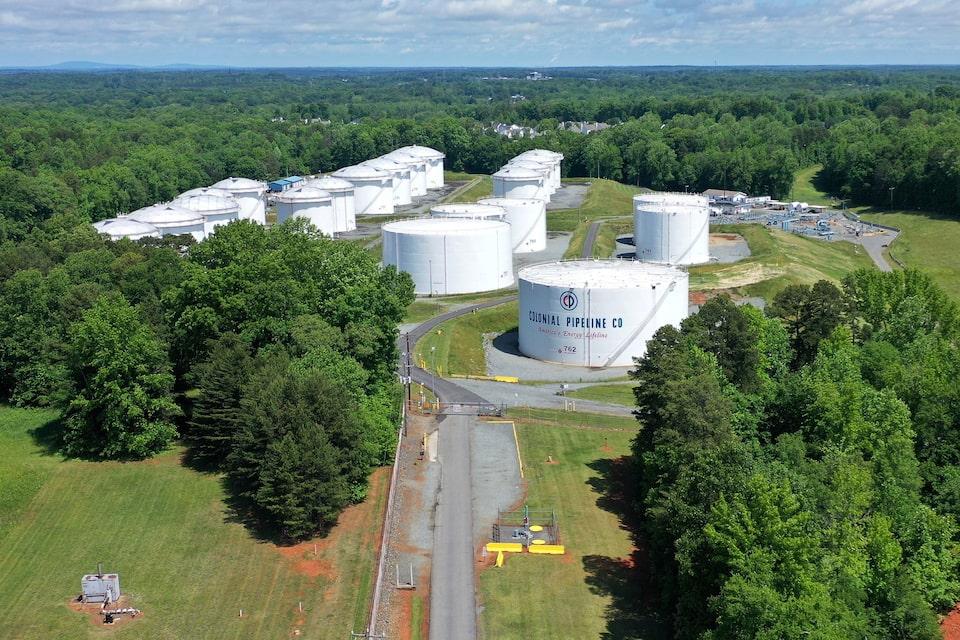
Colonial seeks FERC permission to change grades in pipeline Gasoline shippers oppose changes, say pump prices will rise Pipeline is most efficient way to ship fuel to US East Coast Colonial says changes will boost capacity on main gasoline line NEW YORK, March 10 (Reuters) - At least four U.S. gasoline marketers are preparing legal and regulatory challenges to the Colonial Pipeline over proposed changes in fuel shipping terms which the companies say will hurt their margins and drive up fuel prices at the pump, sources familiar with the discussions said. The Colonial Pipeline is a key artery for shipping fuel from the U.S. Gulf Coast to the East Coast, where refining capacity has shrunk and pipeline shipments are the most cost-effective way to meet regional demand. Changes to the pipeline's operations can have major impacts on markets in the world's largest motor fuel consuming nation. Colonial last week sought approval from the Federal Energy Regulatory Commission to stop shipping different gasoline grades at the same time, and to eliminate shipments of so-called Grade 5 gasoline. A Colonial spokesperson said the changes would streamline its operations and minimize slowdowns. Two U.S. gasoline traders said their firms were exploring options for court challenges if Colonial follows through with the changes. Two others said they plan to file protest notices asking FERC to block Colonial's proposed changes due to potential harm to shippers and consumers. Colonial said the changes proposed last week, and those proposed last month for Midwest markets, should add 15,000 to 20,000 barrels per day of capacity to its main gasoline line. Colonial believes this will help shippers and consumers by moving more fuel on a pipeline that ran full throughout last year, a spokesperson said. However, Colonial shippers that Reuters spoke with said the changes will hurt their margins, and restrict the overall U.S. gasoline supply pool. They said Gulf Coast refiners would have to reduce blending of additives during times when regulators allow sale of gasoline with a higher Reid Vapor Pressure, or RVP. The traders requested anonymity as the deliberations are confidential and they are not authorized spokespersons for their firms. A number of Gulf Coast refiners contacted by Reuters, including ExxonMobil, BP, and Phillips 66, refused to comment about the proposed changes. Colonial said it finds it unlikely a direct link could be found between its proposed changes and increased consumer prices, but added it cannot speak to how and whether shippers pass incremental costs to consumers at the pump. The company said it does not discuss specific volumes shipped of specific products, although it did that last month when it requested changes to gasoline grades traded in the U.S. Midwest. A number of Colonial shippers have filed protests with FERC about those changes too, citing similar arguments. BLENDING BATTLE RVP ratings denote fuel volatility. Blending gasoline with butane, naphtha or other cheap additives raises the fuel's RVP rating but lowers production costs and increases the amount of fuel available for sale, allowing refiners to sell the fuel at cheaper prices. Three Colonial shippers told Reuters that refiners will have to pump more expensive grades to meet Colonial's proposed new specifications, so prices will ultimately rise for consumers at the pump. Shippers have a valid argument that the proposal could boost pump prices by limiting their ability to take advantage of higher RVP blending, said Alex Hodes, oil analyst at brokerage StoneX. Colonial is also seeking to amend its rules to specify that it can deliver fuel that meets local regulations. Shippers say that would take away their blending opportunity and shift it to Colonial, which will then be able to deliver higher RVP grades by adding butane to the fuel through a joint-venture company Colonial set up a decade ago. Margins would rise for that joint venture, shippers claimed, and the venture can then sell more excess gasoline created from its blending. "Blending already occurs across the supply chain and fuels system, and these changes align with industry practices as well as state and federal standards," a Colonial spokesperson said, without saying whether the proposed changes would benefit Colonial's blending operations and gasoline sales. Shippers said more blending by Colonial would raise pump prices because its butane blending operations are more expensive than those of Gulf Coast refiners and blenders, who produce and store the additive or take deliveries through pipelines. That is at least 8 to 10 cents a gallon cheaper, they say, than Colonial's joint venture which takes butane deliveries through railway, then trucks the additive to its terminal and injects it into the pipeline in Atlanta. StoneX's Hodes said that estimate is in line with the typical increase for rail deliveries of any fuel when compared to pipeline movements. "We cannot comment on blending logistics costs along the supply chain and dwelling on a specific aspect like this ignores the larger benefits these changes bring to shippers, Colonial, and the markets we serve," the Colonial spokesperson said. Sign up here. https://www.reuters.com/business/energy/gasoline-shippers-clash-with-colonial-pipeline-proposed-changes-terms-2025-03-10/
2025-03-10 19:40
CEO seeks consistency as company has allocated capital long term Permits for energy projects an example that needs legislation - CEO Trump's policy reversals impact Chevron's operations in Venezuela Chevron to increase Gulf of Mexico output to 300,000 bpd Its Permian growth to plateau after hitting 1 mln bpd soon HOUSTON, March 10 (Reuters) - Chevron (CVX.N) , opens new tab would like to see durability in U.S. energy policy rather than swings from one extreme to another, CEO Mike Wirth said on Monday. U.S. President Donald Trump's first weeks in office during his second term have been marked by a rapid overhaul of government and the reversal of many of the energy policies of the previous administration. Many of those policy changes have come through executive orders from the president rather than through legislation. Policy reversals have had a direct impact on Chevron. Late last month, Trump said he was ending a license granted to Chevron since 2022 to operate in Venezuela and export its oil. "Swinging from one extreme to another is not the right policy approach," Wirth told the CERAWeek energy conference in Houston. "We have allocated capital that's out there for decades, and so we really need consistent and durable policy." Permits for energy projects are one example that the sector needs consistent policy on, Wirth said. "We need to see some of this in legislation so it’s more durable and not at risk of being swung back in another direction by a future administration." Chevron's oil and gas production with the highest returns was disproportionately weighted toward the United States, he said. The CEO reiterated that the No. 2 oil producer will grow output in the Gulf of America - using the term Trump has ordered for the body of water known internationally as the Gulf of Mexico - over the next few years to 300,000 barrels per day, up from 200,000 bpd last year. He added that Chevron will soon reach 1 million bpd in the Permian basin, the top U.S. oilfield, after which the company will plateau growth in the shale field and focus on generating free cash flow. Wirth said he expected the industry to continue to invest across Asia, where there is a better economic outlook than in Europe. Sign up here. https://www.reuters.com/business/energy/ceraweek-chevron-ceo-says-extreme-energy-policy-swings-wrong-approach-2025-03-10/
2025-03-10 18:18
WASHINGTON, March 10 (Reuters) - The acting chief of the U.S. Securities and Exchange Commission said on Monday he has directed staff to look at ways to abandon a plan that would have widened the definition of alternative trading systems to include some cryptocurrency firms. The SEC in 2022 proposed requiring some crypto firms to register as alternative trading systems, drawing criticism from the sector in the face of potentially heightened oversight and additional rules. Acting Chairman Mark Uyeda told an audience of bankers he has instructed staff to look at ways to abandon that portion of the plan, which has yet to be finalized. It was an expansion of an earlier effort aimed at trading of Treasuries markets, Uyeda said in prepared remarks. "In my view, it was a mistake for the Commission to link together regulation of the Treasury markets with a heavy-handed attempt to tamp down the crypto market," Uyeda said. He said he has also asked SEC staff to renew discussions with the Treasury Department, the Federal Reserve, and market participants to consider the original plans for regulatory changes on the government securities alternative trading systems. The 2022 proposal was part of a broader effort by the SEC under Democratic leadership to better protect investors by subjecting the crypto sector to a host of rules and requirements. Under Republican leadership, the SEC in January launched a crypto task force to overhaul its crypto policy and has begun pausing or dismissing pending lawsuits against crypto firms. Sign up here. https://www.reuters.com/technology/us-sec-move-away-requiring-crypto-firms-register-trading-systems-chief-says-2025-03-10/
2025-03-10 17:58
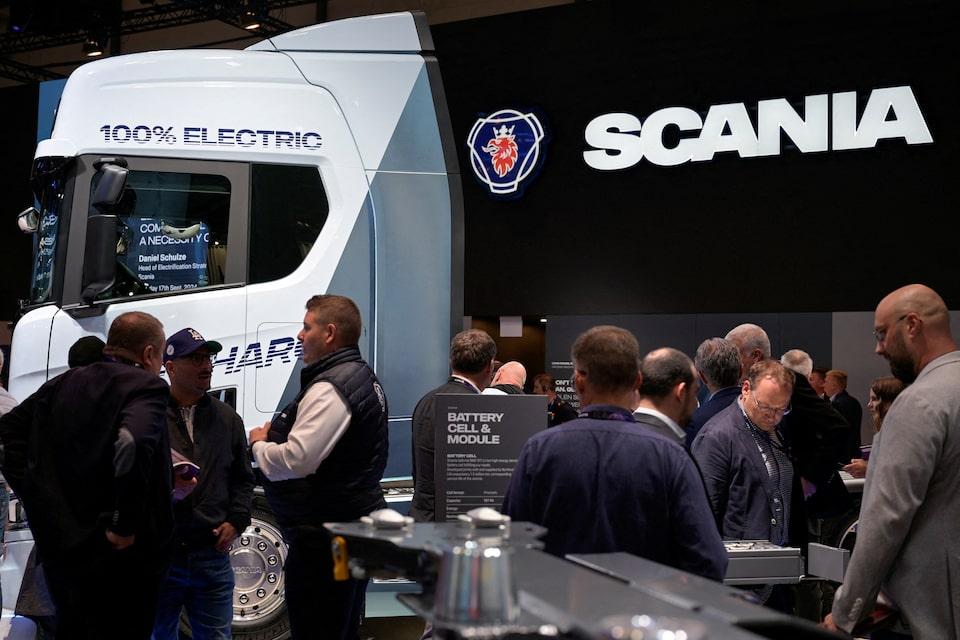
STOCKHOLM, March 10 (Reuters) - Scania said on Monday it had secured a new supply of battery cells in addition to its deal with Northvolt, as the Swedish truckmaker warned it will miss its 2025 targets to cut emissions due in part to problems with electric battery deliveries. Northvolt, once considered Europe's best hope for an electric vehicle battery champion, filed for U.S. Chapter 11 bankruptcy protection last November and is seeking to raise cash and restructure its debt. Reuters in January reported that Scania, which is Northvolt's top customer and a shareholder, had stepped in to help Northvolt with the day-to-day running of its flagship plant in northern Sweden in an effort to boost quality and output at the electric vehicle battery maker. The Swedish truckmaker had relied on Northvolt as its sole supplier, but CEO Christian Levin said last year that it was in talks with other battery cell makers about potentially supplying its future electric fleet. Scania's electrification plans have been hindered by Northvolt's struggle to ramp up output. The news comes after Scania and its German owner Traton (8TRA.DE) , opens new tab warned earlier on Monday that the Swedish company will miss its 2025 target of a 20% reduction in scope 3 emissions, meaning trucks in use by its customers. "Our ramp up of battery electric trucks did not move as quickly as we had intended," Scania said in its report. Levin said on Monday in a written comment sent to Reuters that the company is currently receiving more battery cells from Northvolt than it is using in its own truck making, but was still diversifying its supply. "We have accelerated our supplier strategy and have secured future deliveries of battery cells," Levin said. A Scania spokesperson declined to name any additional suppliers. A Northvolt spokesperson declined to comment. The truckmaker said that it had delivered a total of 77 zero-emission vehicles in the fourth quarter, and 266 in total for the full year of 2024. Sign up here. https://www.reuters.com/business/autos-transportation/northvolt-shareholder-scania-has-secured-additional-supplier-battery-cells-2025-03-10/