2025-03-08 15:51
March 8 (Reuters) - Barrick Gold remains "fully engaged and committed to reaching a mutually beneficial resolution" with Mali to end a dispute over its assets there, its chief operating officer for Africa and the Middle East said in a memo seen by Reuters on Saturday. The Canadian miner and Malian government have been locked in a dispute since 2023 over the implementation of the West African country's new mining code, which gives the state a greater share in Barrick's (ABX.TO) , opens new tab Loulo-Gounkoto gold mining complex. Barrick said on January 13 that it was obliged to temporarily suspend mining operations in Mali after the government seized around three metric tons of gold stock from its complex. The government had been blocking the company's gold exports since early November. Reuters reported on February 19 that Barrick had signed an agreement to end the dispute, which then went to the state for formal approval. While there has not been any major hiccup since then, the deal is taking some time to be finalised, one person close to the process told Reuters. Previous deals with other mining companies operating in Mali also took "some time" to be signed by the government, according to another person familiar with the deals. In the company memo sent to staff on Saturday, Sebastiaan Bock said there are "no major updates at this stage". "As a reminder, all non-critical operations remain temporarily paused until further notice," he said. Salaries and annual bonuses have been maintained for staff despite the suspension. But one of the complex's suppliers told Reuters in early March that Barrick had two months' worth of overdue payments. Sign up here. https://www.reuters.com/markets/commodities/barrick-says-committed-reaching-mutually-beneficial-resolution-mali-2025-03-08/

2025-03-08 10:50
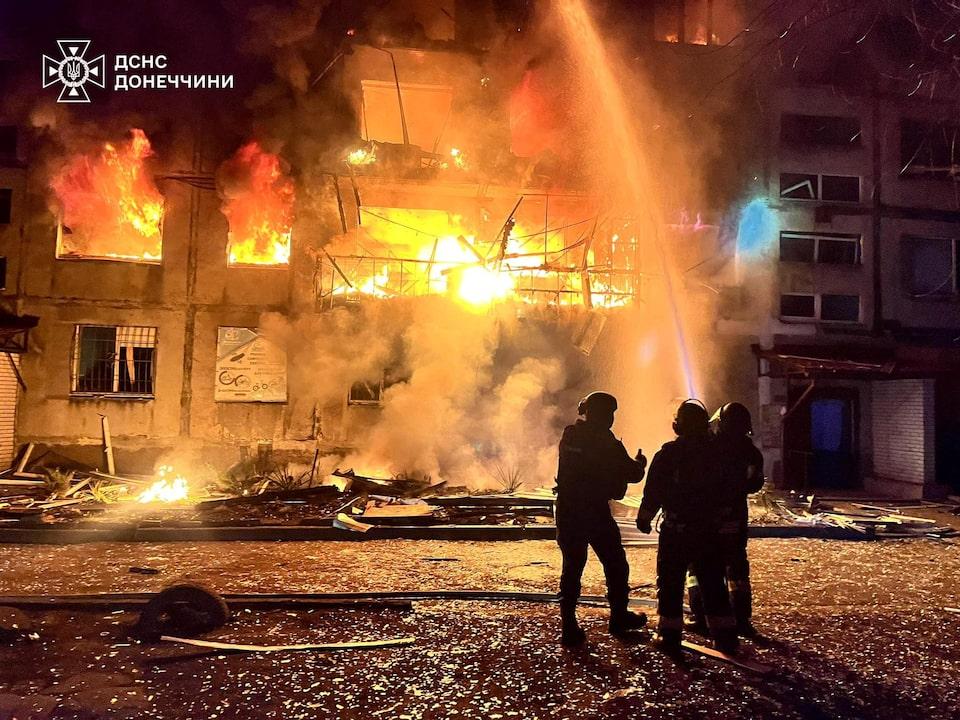
Russia attacks Ukraine with missiles, drones Ukraine's Zelenskiy calls for stronger air defence Ukraine attacks Russian major oil refinery KYIV, March 8 (Reuters) - At least 14 people were killed and 37 wounded, including five children, in Russian missile and drone attacks on Ukraine's eastern city of Dobropillia and a settlement in Kharkiv region overnight, the Ukrainian Interior Ministry said on Saturday. Russian forces attacked Dobropillia with ballistic missiles, multiple rockets, and drones, causing damage to eight multi-storey buildings and 30 vehicles, according to the ministry. The assault resulted in the deaths of 11 people, including five children, and left 30 others wounded. The ministry also reported that three civilians were killed and seven wounded in a separate drone attack on the Kharkiv region in the northeast. "Such strikes show that Russia's objectives have not changed. Therefore, it is crucial to continue to do our best to protect lives, strengthen our air defences, and increase sanctions against Russia. Everything that helps Putin finance the war must collapse," President Volodymyr Zelenskiy said on Facebook. On Friday, Russian forces damaged Ukrainian energy and gas infrastructure in their first major missile attack since the U.S. paused intelligence sharing with Ukraine, piling pressure on Kyiv as President Donald Trump seeks a swift end to the war. The pause in U.S. military aid and intelligence may undermine Ukraine's air defences as it runs low on advanced missiles and struggles to track attacks as effectively, military analysts say. Dobropillia, home to about 28,000 people before the war, is in the Donetsk region of eastern Ukraine, 22 kilometres (13.67 miles) from the front line north of the key hub of Pokrovsk, which the Russian troops have been attacking for weeks. FIGHTING CONTINUES Amid U.S. efforts to sit Kyiv and Moscow at the negotiating table, the sides continue to engage in active hostilities in an attempt to gain an advantage. A tank at Surgutneftegaz's (SNGS.MM) , opens new tab Kirishi oil refinery, one of Russia's largest, was damaged by falling debris during a major Ukrainian overnight drone attack, local official said. Russian forces, for their part, have in recent weeks stepped up efforts to eject Ukrainian troops from Kursk, when Kyiv's forces staged a lightning incursion over the border and seized a swath of Russian territory in last August. The Russian Defence Ministry said on Saturday its troops retook three villages in the Kursk region from Ukrainian forces. Reuters could not independently confirm the battlefield report. Sign up here. https://www.reuters.com/world/europe/least-11-killed-30-wounded-russian-missile-strike-ukraine-kyiv-says-2025-03-08/
2025-03-08 09:59
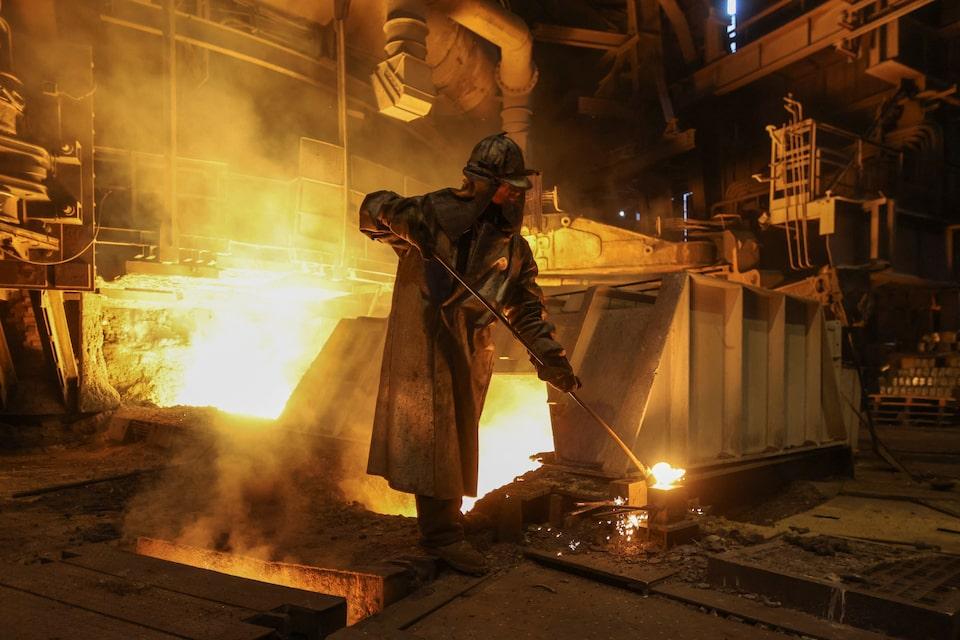
KYIV, March 8 (Reuters) - Ukraine still maintains steel production growth in the first two months of 2025 despite the loss of the sector's key coking coal mine in Pokrovsk in the eastern part of the country, data from the Ukrainian steel producers' union showed on Saturday. Ukrainian steelmaker Metinvest has suspended operations at Ukraine's only coking coal mine, citing a deteriorating security situation as Russian forces advanced. The raw steel output rose by 9.9% in January-February 2025 to 1.18 million metric tons, the data showed. Steel production has suffered since Russia's invasion on February 24, 2022, which has led to the destruction of leading steel plants. Ukraine, formerly a major steel producer and exporter, reported a 70.7% drop in output in 2022 to 6.3 million tons. It fell to 6 million tons in 2023 but increased to 7.58 million in 2024. The steelmakers' union said in October the potential closure of the Pokrovsk mine could cause steel output to slump to 2-3 million metric tons in 2025. Producers have said they hope to find coking coal, an ingredient in steel production, from elsewhere in Ukraine should the mine be seized by Russian troops, but imports would be needed, raising costs. Sign up here. https://www.reuters.com/markets/commodities/ukraine-increases-steel-production-despite-loss-coking-coal-mine-2025-03-08/
2025-03-08 06:47
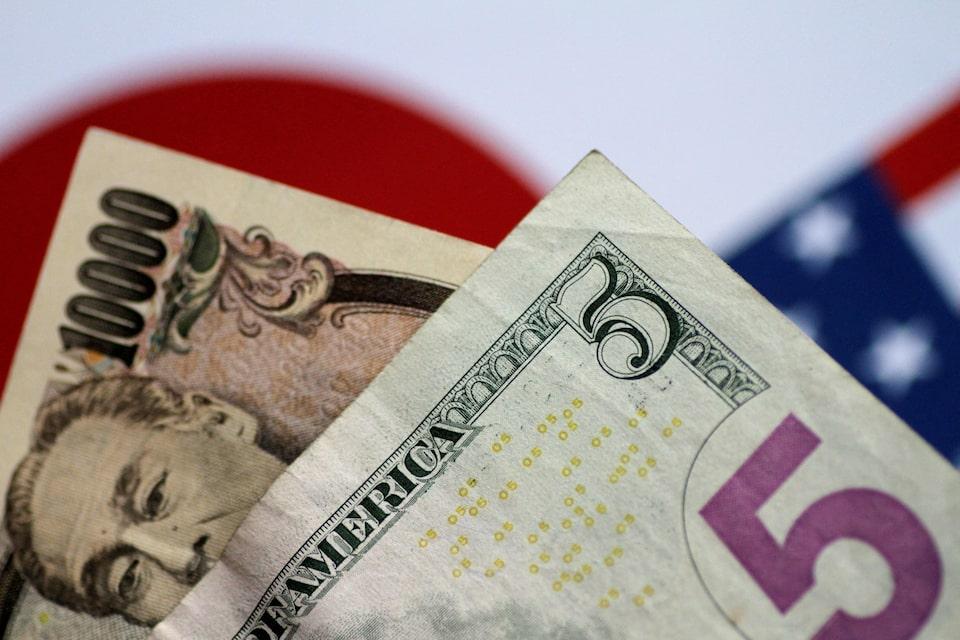
Japan has made huge efforts to prevent yen falls, Kuroda says BOJ raising rates, not intentionally weakening yen BOJ taking 'right' step by raising rates gradually TOKYO, March 8 (Reuters) - Japan must fix "any misunderstanding" held by U.S. President Donald Trump that its central bank was intentionally weakening the yen with monetary policy, former Bank of Japan Governor Haruhiko Kuroda said. Trump said on Monday he had told Japan and China they could not continue to reduce the value of their currencies, as doing so would be unfair to the United States. Asked about Trump's comment on Friday night, Kuroda told a Japanese television interviewer there were limits to what Japan could do to prop up the yen if the dollar were to rise on prospects of higher U.S. inflation from Trump's planned tariffs. "In fact, the Japanese government has been making huge efforts to prevent the yen from weakening," such as by intervening in the exchange-rate market to support its currency, Kuroda said. After a prolonged period of ultra-easy policy, the BOJ has begun raising interest rates, while the government made rare currency market interventions in 2022 and last year to boost the yen, which in July hit a 38-year low near 162 to the dollar. The dollar ended this week around 148 yen. "The BOJ is not intentionally guiding the yen lower with monetary policy. If there's any misunderstanding on that point, it needs to be addressed," Kuroda said. While he has spoken in several seminars, it was the first time Kuroda appeared on television since retiring as BOJ head. BOJ TO CONTINUE NORMALISING RATES The central bank is unwinding the radical monetary easing that Kuroda engineered during his 2013-2023 tenure to break Japan free from decades of deflation and sputtering growth. Under him, the BOJ deployed a massive asset-buying programme in 2013, then negative interest rates and bond yield control in 2016. Yen falls caused by the initial blow of stimulus, and further declines driven by prospects of prolonged low rates, drew criticism from Washington, including the first Trump administration, that Tokyo was trying to keep the yen weak to give Japanese exports a competitive advantage. Under current Governor Kazuo Ueda, the BOJ exited the radical stimulus measures in March last year and raised short-term rates to 0.5% in January, on the view that Japan was on the cusp of sustainably achieving its 2% inflation target. Kuroda said the BOJ was taking the right step by gradually raising rates as maintaining ultra-loose policy for too long could drive up inflation. "The BOJ is already normalising monetary policy and will steadily proceed on this front, such as by gradually hiking rates toward levels deemed neutral" to the economy, Kuroda said. "Raising rates quickly above neutral or keeping rates low for too long are both inappropriate," he said. In a research paper issued in January, Kuroda said the BOJ would likely keep raising rates in the coming years as inflation appears on track to sustainably hit its 2% target. Sign up here. https://www.reuters.com/markets/currencies/japan-must-fix-misunderstanding-it-is-manipulating-yen-says-ex-boj-chief-kuroda-2025-03-08/
2025-03-08 06:44
Kirishi refinery is one of Russia's top two refineries Tank at the refinery damaged by falling debris, governor says Russia says 31 drones attacked Russia MOSCOW, March 8 (Reuters) - A tank at Russia's Kirishi oil refinery, one of the country's largest, was damaged by falling debris during a major Ukrainian drone attack, the governor of the northwestern Leningrad region said on Saturday. Surgutneftegaz's (SNGS.MM) , opens new tab Kirishinefteorgsintez (KINEF) refinery is one of the top two refineries in Russia. It refines about 17.7 million metric tons per year (355,000 barrels per day) of Russian crude, or 6.4% of the country's total. "Air defences shot down one drone on approach, the other was destroyed over the territory of the enterprise," Alexander Drozdenko, governor of the Leningrad region, said on Telegram. "When the debris fell, the external structure of one of the tanks was damaged," he said. No one was injured, he said. A source at the refinery told Reuters that debris fell on the tank but nothing caught fire, adding that specialists were dealing with the wreckage. There was no immediate comment from Surgutneftegaz, one of Russia's biggest oil companies, or from Ukraine. The Kirishi refinery produces about 2.3 million tons of gasoline, or 5.3% of Russia's total. It also produces 7.6% of the country's diesel fuel, 16.3% of its fuel oil and 3.4% of its aviation fuel, according to industry sources. Russia's defence ministry said that 31 Ukrainian drones were destroyed over Russia, including 26 over the Krasnodar region. Sign up here. https://www.reuters.com/world/europe/russias-kirishi-refinery-attacked-by-ukrainian-drones-governor-says-2025-03-08/

2025-03-08 06:13
March 8 (Reuters) - Five years after the World Health Organization first described the COVID-19 coronavirus outbreak as a pandemic, its effects are still being felt on the global economy. COVID-19 and efforts to contain it triggered record government debt, hit labour markets and shifted consumer behaviour. Inequality has increased, while remote work, digital payments and changes in travel patterns have endured. Though the immediate shock has passed, COVID-19's legacy continues to reshape global economies and markets. Here are some of the main impacts. DEBT, INFLATION AND INTEREST RATES After countries borrowed money to protect welfare and livelihoods, global government debt has risen by 12 percentage points since 2020, with steeper increases seen in emerging markets. The pandemic sparked high levels of inflation, which proved to be a major concern in the 2024 U.S. elections. Fuelled by post-lockdown spending, government stimulus packages and shortages of labour and raw materials, inflation peaked in many countries in 2022. To offset rising prices, central banks raised interest rates, though the intensity of their interventions varied widely. Sovereign credit ratings, which reflect a country's ability to pay back its debts, were driven lower as economies were shuttered and governments took on huge amounts of extra debt to fill the holes left in public finances. Data from Fitch Ratings shows the average global sovereign credit score remains a quarter of a notch lower than it was when the pandemic started, reflecting financial challenges made worse by the pandemic, inflation and stricter financial conditions. For less wealthy emerging market countries, the average remains roughly half a notch lower. Lower credit ratings generally translate into higher borrowing costs on international capital markets. LABOUR AND TRAVEL SHIFTS The pandemic caused millions of job losses, with poorer households and women hit hardest, according to the World Bank. As lockdowns eased, employment regained momentum but with a considerable shift towards sectors such as hospitality and logistics due to the growing retail delivery sector. Women's participation in the workforce fell in 2020, mostly due to female over-representation in hard-hit sectors like accommodation, food services and manufacturing, and the burden of caring for children staying home from school. However, the gender employment gap has slightly decreased since, data shows. Travel and leisure habits also changed. While people travel and eat out as much as they did in 2019, an increase of work-from-home has reduced commuting in major cities such as London. In London, use of both tubes and buses remains at around a million fewer journeys a day than pre-pandemic. The airline sector was one of those hit worst by the pandemic, recording industry-wide losses of $175 billion in 2020, according to the global airlines body IATA. Vaccination campaigns eventually resulted in the lifting of travel restrictions, allowing people back on planes. For 2025, IATA expects an industry-wide net profit of $36.6 billion and a record 5.2 billion passengers. But travellers must contend with prices of hotel rooms which in many regions have outpaced inflation and remain well above 2019 levels. In the first half of 2023, Oceania, the continent in the southern hemisphere that includes Australia and smaller nations like Tonga and Fiji, saw the highest price increases from the same period of 2019, followed by North America, Latin America and Europe, according to data from Lighthouse Platform. Despite minor fluctuations, there is little indication that global hotel prices will return to pre-pandemic norms. Office vacancy rates are also at record highs in many countries, the result of more remote and flexible work. In the U.S., central business districts had the largest rise in vacancies, which are still evident today. USHERING IN A DIGITAL WORLD New consumer trends developed during global lockdowns, as home-bound consumers often had no other option than to shop online. This caused an uptick in online purchases from 2020 that has since stabilised. Analysts say that in Europe the rise in online sales has been coupled with an increase in selling space, as retailers invest in physical shops to stimulate both online and offline sales. The space, measured in square metres, edged up almost 1% from 2022 to 2023, an increase that should extend to 2.7% by 2028, data from market research company Euromonitor shows. Shares in digital and delivery firms led gains during the pandemic, alongside those of vaccine-making pharmaceutical companies. Five years on, some pandemic-era gainers have lost most of their appeal, but others have enjoyed lasting gains as new markets enabled by the digital shift have opened up. Despite the bursting of some bubbles and the collapse of crypto exchange FTX, which left the industry reeling, the value of Bitcoin has increased by 1,233% since December 2019, as people looked at new investment opportunities to cut the risk of market volatility. Stuck at home and with more cash on hand, people also began investing more, with roughly 27% of total U.S. equity trading coming from retail investors in December 2020. Stockbroker TD Ameritrade took the biggest slice of the cake before being acquired by Charles Schwab in a $26 billion deal , opens new tab. Another platform which gained popularity during the retail trading boom of 2021 is Robinhood, which became the platform of choice for people to pump money into meme stocks. Sign up here. https://www.reuters.com/business/healthcare-pharmaceuticals/five-years-economic-impact-covid-19-lingers-2025-03-08/