2026-02-10 02:58
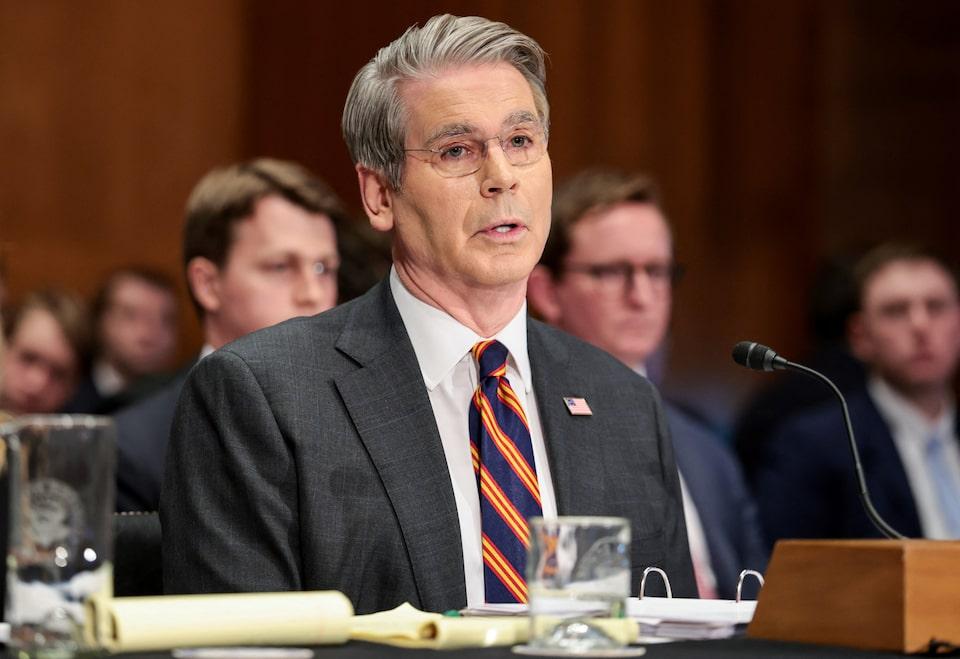
MUMBAI, Feb 10 (Reuters) - The Indian rupee strengthened slightly on Tuesday, supported by likely portfolio inflows and broad-based weakness in the U.S. dollar, although demand for dollars from local corporates kept a lid on the rise. The rupee closed at 90.5775 per dollar, up 0.2% on the day, but remained in the 90.04–90.84 range it has hovered in since the U.S.-India trade deal was announced a week ago. Sign up here. Dollar sales from foreign banks, likely on behalf of custodial clients, helped the rupee advance, alongside a broader inclination to sell the dollar-rupee at the daily reference rate, traders said. "It (USD/INR) is expected to hover in a 90.20-90.80 range in the near term but over a longer horizon, the upward channel should hold for a rise past 92 perhaps after March," a trader at a Mumbai-based bank said. The rupee had declined to its record low of nearly 92 per dollar before the U.S. trade deal was announced. Since then, a pick up in foreign portfolio inflows has provided support, even as analysts remain sceptical over the sustenance of such flows. Foreign investors have net purchased Indian equities worth $1.3 billion so far this month, after three consecutive months of outflows. Other Asian currencies were mostly stronger on Tuesday, while the dollar index extended its previous session's slide and was last at 98.8, down 0.1%. Focus will now be on U.S. employment and consumer prices reports scheduled for later this week after being pushed back slightly due to a recent three-day government shutdown. "If labour demand continues to remain weak it will keep alive expectations for the U.S. Federal Reserve to lower rates further this year," MUFG said in a note. Money markets are currently pricing in nearly 60 bps of rate cuts by the end of 2026. https://www.reuters.com/world/india/rupees-response-dollar-slide-yuan-strength-blunted-by-local-flows-2026-02-10/
2026-02-10 02:50
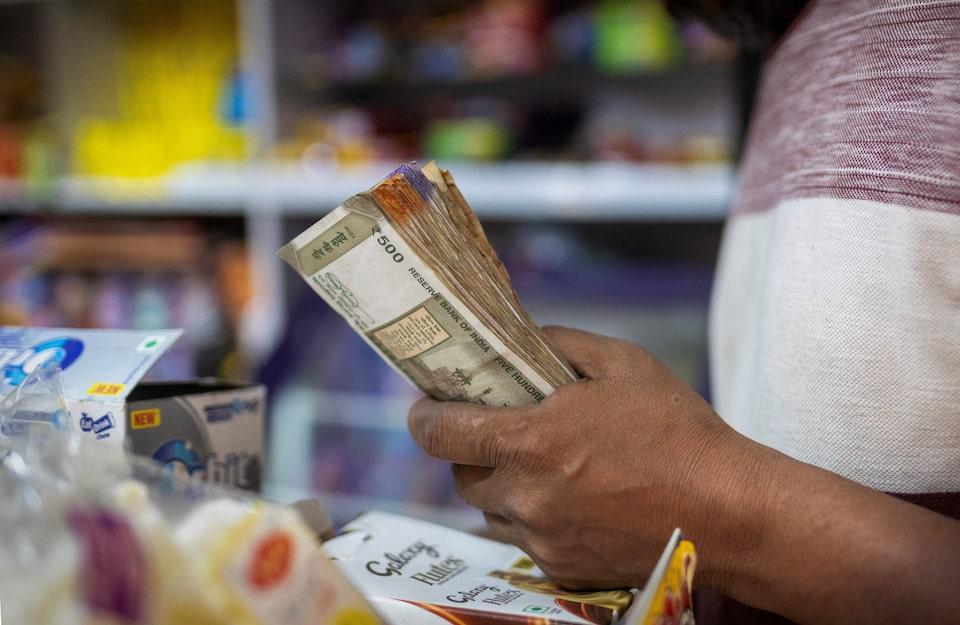
TOKYO, Feb 10 (Reuters) - Japanese Minister of Finance Satsuki Katayama on Tuesday said using surplus from $1.4 trillion foreign currency reserves could be considered when discussing funding sources for planned cuts in food sales tax. Asked about tapping the surplus generated from foreign exchange reserves, Katayama said at a press conference that such surplus had been transferred to the general account in the past. Sign up here. She declined to comment on whether the government would relax budget rules requiring at least 30% of annual surplus to be retained in the reserve account, a step that would allow more funds to be shifted to the general account to help cover revenue shortfalls. https://www.reuters.com/world/asia-pacific/japan-finance-minister-says-surplus-fx-reserves-may-be-discussed-funding-option-2026-02-10/
2026-02-10 02:11
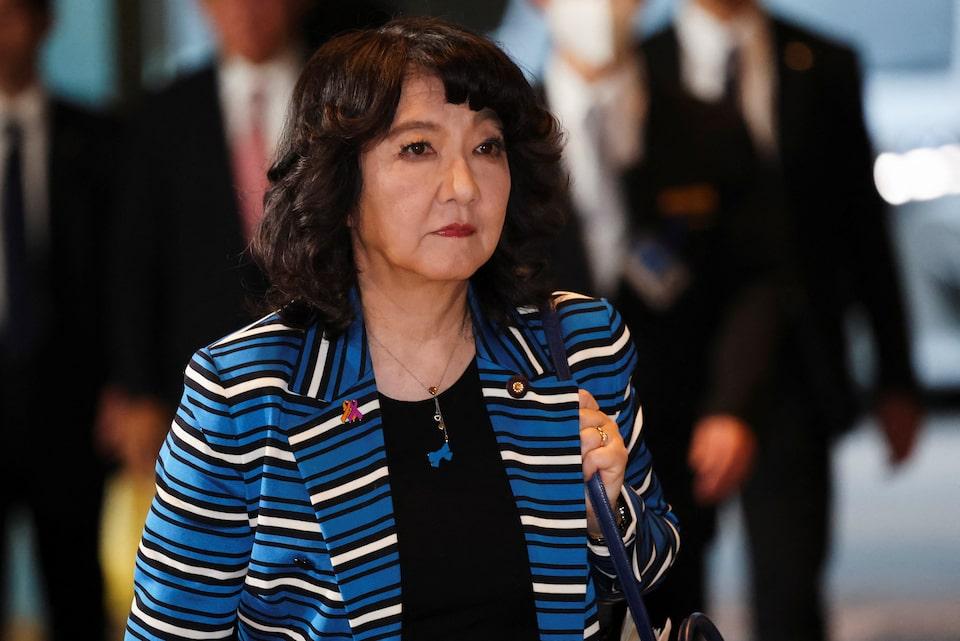
Feb 9 (Reuters) - The Trump administration is set this week to overturn an Obama-era scientific finding that serves as the legal basis for federal greenhouse-gas regulation, the Environmental Protection Agency said on Monday. Repealing the so-called endangerment finding, a scientific determination that greenhouse gas emissions endanger human health, would remove the legal foundation for broader greenhouse gas regulation and would mark the Trump administration's most wide-reaching climate policy rollback. Sign up here. The Wall Street Journal reported on Monday that the repeal is expected to be published later this week, and cited EPA Administrator Lee Zeldin saying it would amount to "the largest act of deregulation in the history of the United States." The Trump administration has been working on the repeal for over a year. The proposed rule was sent to the White House Office of Management and Budget for review on January 7. The proposal, unveiled last summer, got over a half a million public comments. The repeal would remove the regulatory requirements to measure, report, certify, and comply with federal GHG emission standards for cars, administration officials told the Wall Street Journal, but would not apply to stationary sources such as power plants. An EPA spokesperson said the endangerment finding was used by the Obama and Biden Administrations to "justify trillions of dollars of greenhouse gas regulations covering new vehicles and engines." On January 30, a federal court ruled that the Department of Energy violated the law when it formed a climate science advisory group whose report was meant to support the EPA's repeal of the endangerment finding, potentially making the final rule vulnerable to legal challenges. While many industry groups backed the repeal of vehicle emission standards, many were reluctant to show public support for rescinding the endangerment finding because of the legal and regulatory uncertainty it would unleash. Last month, the American Petroleum Institute said it supported a repeal of the endangerment finding for vehicles but said it should be left in place for stationary sources, which would require the EPA to regulate the potent greenhouse gas called methane from the oil and gas sector. https://www.reuters.com/world/us/trump-repeal-landmark-climate-finding-huge-regulatory-rollback-wsj-reports-2026-02-10/

2026-02-10 01:36
Yen remains firm after verbal jawboning, Takaichi win Analysts expect yen weakness to resume due to fiscal worries Dollar eases ahead of data-heavy week; labour market in focus Pound under pressure from Starmer crisis SINGAPORE, Feb 10 (Reuters) - The U.S. dollar was weaker on Tuesday before the release of a slate of economic data that is expected to shape the path ahead for interest rates, while the yen firmed for the second day in the wake of Prime Minister Sanae Takaichi's election victory. The Japanese yen strengthened to 155.24 per U.S. dollar after rising 0.8% on Monday. Verbal warnings from authorities helped strengthen the yen after the currency weakened in the immediate aftermath of the victory. Sign up here. The rising expectation that the landslide win could allow Takaichi's government to be more fiscally responsible because it eliminates the need for negotiations with opposition parties has also helped the yen and soothed investor jitters. The spotlight has now shifted to what Japan does with its massive foreign currency reserves, a $1.4 trillion war chest for future yen interventions. Finance Minister Satsuki Katayama has said using a surplus from the reserves could be considered when discussing funding sources for planned cuts to the sales tax on food. "This idea has many complications, but indicates the focus on maintaining fiscal discipline," said Russell Matthews, a portfolio manager at RBC BlueBay Asset Management. However, analysts expect the yen to weaken in the long run, noting Takaichi's fiscal policies may weigh on the frail currency. The yen is down 6% since she took charge of the Liberal Democratic Party in October. "With fiscal policy set to loosen further under a bolder Takaichi administration, I think dollar-yen will ultimately resume strengthening," said Carol Kong, a currency strategist at Commonwealth Bank of Australia. "We continue to forecast dollar-yen to increase to 164 by year-end." The yen was broadly firmer against other currencies, inching away from the record lows versus the Swiss franc and the euro that it has been hovering around. The euro stood at $1.19125 after a 0.85% jump on Monday. The dollar index , which measures the greenback against six other currencies, was at 96.79, hovering near a one-week low. The Chinese yuan strengthened past 6.91 per dollar for the first time since May 2023, bringing the gains to more than 1% for the year, with analysts expecting the currency to rise throughout the year. Seasonal corporate conversion demand and the central bank's stronger fixing guidance have both buoyed sentiment, while media reports that China urged local banks to diversify away from U.S. Treasuries also added to the momentum. Sterling last fetched $1.369 after a volatile Monday as investors weighed the crisis facing British Prime Minister Keir Starmer and rising wagers of further rate cuts. It last fetched $1.3689 after rising 0.6% in the previous session. DATA-HEAVY WEEK Investor attention this week will be on the monthly reports covering U.S. employment and consumer prices that were pushed back slightly due to a recent three-day government shutdown. White House economic adviser Kevin Hassett said on Monday that U.S. job gains could be lower in the coming months due to slower labour force growth and higher productivity. Investors are trying to assess whether weakening in the labour market has tapered off. "Markets will be squarely focused on a number of key U.S. data releases, including payrolls tomorrow and CPI later," said CBA's Kong, adding that the bank expects pressure on the dollar to persist as it is forecasting below-consensus payrolls. January's nonfarm payrolls report, out on Wednesday, is expected to show an increase of 70,000 jobs, according to a Reuters poll. Traders are still pricing in two rate cuts by the Federal Reserve this year, with the first one expected in June, although markets remain on tenterhooks ahead of a potential shift in U.S. policy following the nomination of Kevin Warsh to succeed Jerome Powell as Fed chair. In other currencies, the Australian dollar eased 0.2% to $0.7079, just shy of a three-year top after riding a global stocks rally, while the New Zealand dollar was at $0.60395, down 0.3%. https://www.reuters.com/world/asia-pacific/dollar-soft-ahead-us-data-yen-holds-onto-its-gains-after-election-2026-02-10/
2026-02-10 01:31
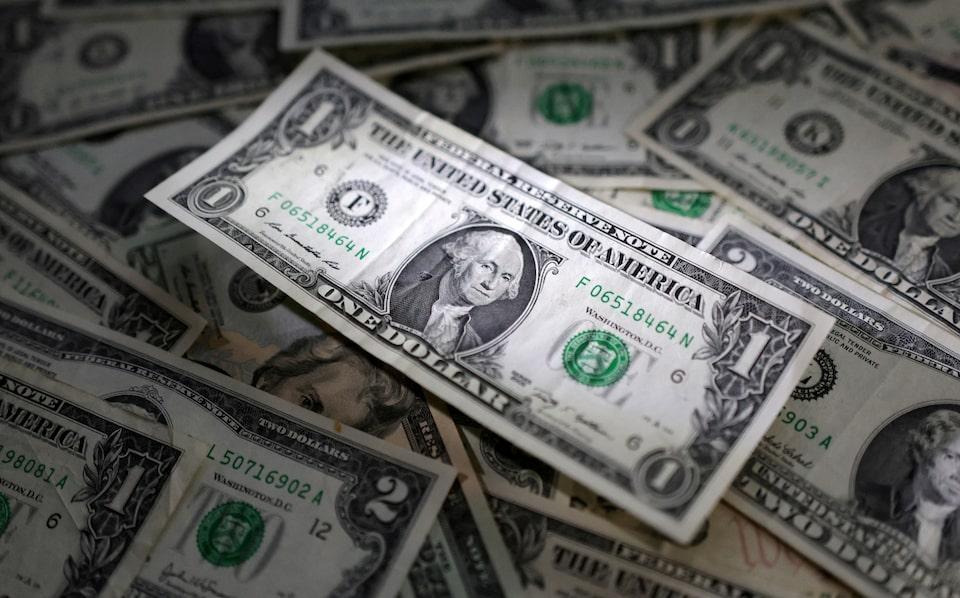
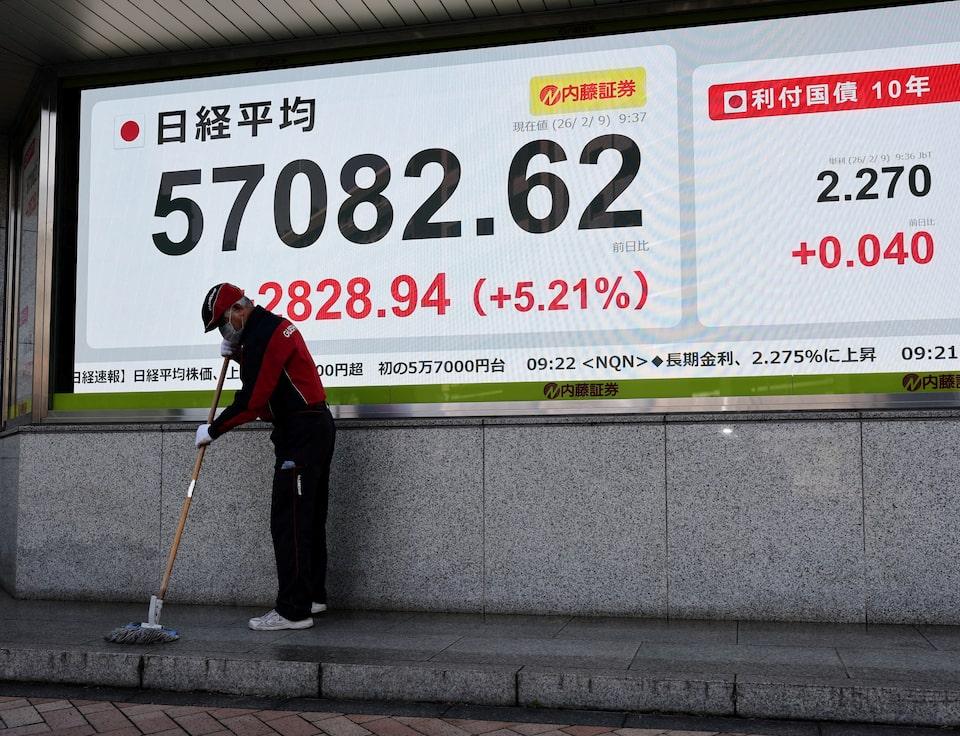
Japanese stocks, yen extend gains after Takaichi's election victory S&P 500 e-mini futures show signs of exhaustion after rally White House primes markets for lower jobs growth SINGAPORE, Feb 10 (Reuters) - Global stocks advanced in Asian trade on Tuesday, led by an extended rally in Tokyo's benchmark after Japanese Prime Minister Sanae Takaichi's decisive election victory over the weekend. MSCI's broadest index of Asia-Pacific shares outside Japan (.MIAPJ0000PUS) , opens new tab was up 0.6%, while the Nikkei 225 (.N225) , opens new tab jumped 2.3%, rising for a third consecutive day to a fresh peak. The yen also strengthened for a second day. Sign up here. The gains pushed the MSCI All-Country World Index 0.2% higher to a fresh record. U.S. equity futures cooled after a two-day rally, with S&P 500 e-mini futures down 0.1%, partially retracing gains on Wall Street overnight. On Monday, the S&P 500 (.SPX) , opens new tab rose 0.5% and the Nasdaq Composite (.IXIC) , opens new tab gained 0.9% as technology stocks found their footing following last week's AI-sparked selloff. "Overall, we actually are quite positive on the economic situation, although we see maybe some cracks," said Kees Verbaas, Robeco’s global head of fundamental equity. "The investment programmes of the large companies are increasing rather than decreasing... which typically is good for economic activity," he added. "A lot of the AI supply chain is only possible thanks to emerging markets." With several critical U.S. economic reports due for release this week including delayed payrolls data, White House economic adviser Kevin Hassett said on Monday job gains could be lower in the coming months as the Trump administration's immigration policies slow labour growth and new AI tools boost productivity. Against the yen , the U.S. dollar was last down 0.4% at 155.315 yen. The U.S. dollar index , which measures the greenback's strength against a basket of six currencies, was down 0.1%, wallowing near its lowest levels of the month at 96.86. The index logged its biggest one-day drop in two weeks on Monday, following a Bloomberg News report that Chinese regulators advised financial institutions to curb holdings of U.S. Treasury bonds due to concern over concentration risk and market volatility. Treasury Secretary Scott Bessent said on Monday that senior U.S. Treasury staff visited China last week "to strengthen channels of communication" between Washington and Beijing. Against the offshore yuan , the dollar was last down 0.1% at 6.9092 yuan. "Elevating the renminbi’s global role is moving up the policy agenda," analysts from Alpine Macro wrote in a research note. "Beijing’s main goal is not to challenge the dollar’s dominance but to reduce vulnerability to it." The yield on the U.S. 10-year Treasury bond was last flat at 4.184%. Market pricing continues to indicate that the Federal Reserve will remain on hold until June. Fed funds futures are pricing an implied 17.7% probability of a 25-basis-point rate cut at the U.S. central bank's next two-day meeting ending March 18, compared with an 18.4% chance on Friday, according to the CME Group's FedWatch tool. Indonesian markets (.JSKE) , opens new tab remained composed throughout trading in Jakarta, rising 1% and largely unswayed by FTSE Russell's decision to postpone a scheduled index review. Last month, larger rival MSCI (MSCI.N) , opens new tab warned the country risked a downgrade to frontier status over data transparency issues. In commodities markets, Brent crude was last flat at $69.06. Gold fell 0.6% to $5,033.752 per ounce, while silver lost 1.9% at $81.75 per ounce. Bitcoin fell 1.7% at $69,192.52, while ether tumbled 3.7% at $2,042.73. https://www.reuters.com/world/china/global-markets-global-markets-2026-02-10/
2026-02-10 00:27
WASHINGTON, Feb 9 (Reuters) - Senior U.S. Treasury staff visited China last week "to strengthen channels of communication" between Washington and Beijing, Treasury Secretary Scott Bessent said on Monday. Officials from the world's two largest economies discussed preparations for the next high-level meeting between Bessent and Chinese Vice Premier He Lifeng, Bessent said in a post on X. Sign up here. "We look forward to continued constructive engagement between both sides, and to maintain our positive forward momentum over the coming weeks as we approach our next face-to-face engagement," he said in the post. Treasury had no immediate comment on when Bessent would be meeting with He, or where. Any such meeting would likely occur in coming weeks, helping to lay the groundwork for a visit by U.S. President Donald Trump to China in April. Bessent and U.S. Trade Representative Jamieson Greer spoke with He by phone in December, and both sides agreed to promote the stable development of bilateral trade and economic ties, China's official Xinhua news agency reported at the time. Bessent last met with He in Malaysia in October, when both sides discussed a framework agreement under which Beijing agreed to defer export controls on rare earth supplies and Washington dropped a 100% U.S. tariff on Chinese goods. The U.S. Treasury Secretary has said in recent weeks that China is on track to meet its commitments under a U.S.-China trade agreement, including the purchase of 12 million metric tons of U.S. soybeans, by the end of February. https://www.reuters.com/world/asia-pacific/bessent-says-senior-treasury-staff-visited-china-last-week-2026-02-10/