2025-03-06 00:06
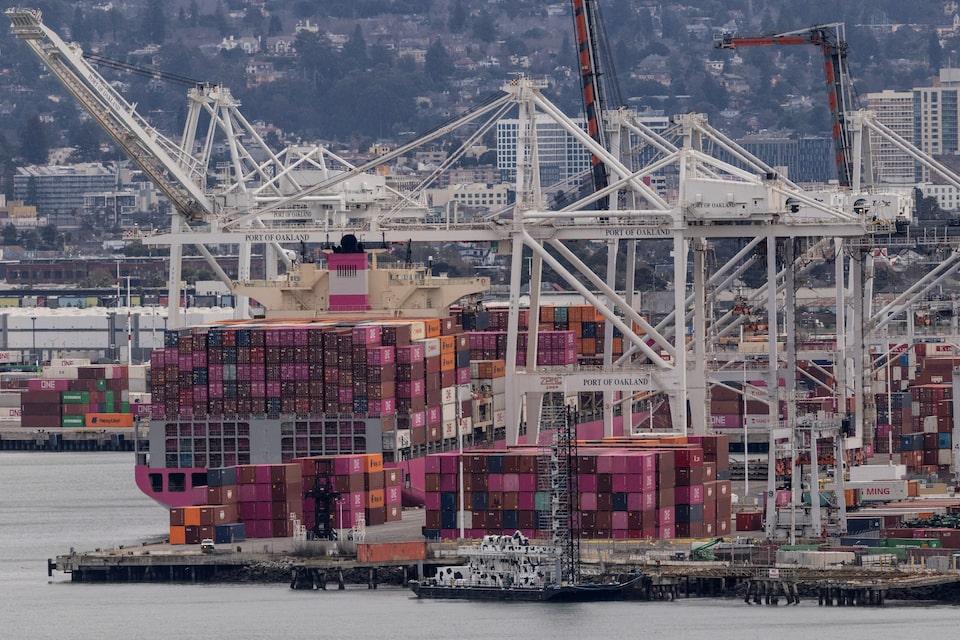
May 12 (Reuters) - The United States and China on Monday agreed to temporarily slash reciprocal tariffs as the world's two biggest economies look to end a damaging trade war, which has heightened fears of a recession and led to a U.S. economic contraction in the first quarter. The U.S. will cut extra tariffs it imposed on Chinese imports in April this year to 30% from 145% and Chinese duties on U.S. imports will fall to 10% from 125%. The new measures are effective for 90 days after a meeting between both the countries in Geneva. Sign up here. Signs of a de-escalation in the trade war with China appeared after U.S. officials engaged in a flurry of meetings with trading partners after April 2, when Trump imposed a 10% tariff on most countries and suspended higher levies on many trading partners for 90 days. The duties are now scheduled to kick in on July 8. The U.S.-China deal comes days after President Donald Trump and British Prime Minister Keir Starmer announced a limited bilateral trade agreement that leaves in place Trump's 10% tariffs on British exports. Britain agreed to lower its tariffs to 1.8% from 5.1% and provide greater access to U.S. goods as part of the deal. Trump in recent months has also imposed 25% tariffs on autos, steel and aluminium, 25% levies on imports from Canada and Mexico. In his another move, Trump had imposed a 100% tariff on movies produced outside the United States and sent into the country. Here is a roundup of Trump's trade-related steps and threats till date. BROAD TARIFFS A cornerstone of Trump's vision includes a phased rollout of universal tariffs on all U.S. imports. Trump had tasked his economics team with devising plans for reciprocal tariffs on every country that taxes U.S. imports and to counteract non-tariff barriers such as vehicle safety rules that exclude U.S. autos, as well as value-added taxes that increase their cost. SPECIFIC COUNTRIES Trump's tariff proposals target several key trade partners; some are listed below. MEXICO AND CANADA: The two countries were the largest trade partners of the U.S. in 2024 through November, with Mexico ranked first. Trump's new 25% tariffs on imports from Mexico and Canada took effect on March 4 as a retaliation for migration and fentanyl trafficking. The tariffs included a 25% levy on most goods from Mexico and Canada, along with a 10% duty on Canada's energy imports. Canada primarily exports crude oil and other energy goods, as well as cars and auto parts within the North American auto manufacturing chain. Mexico also exports various goods to the U.S. in the industrial and auto sectors. Canada hit back with 25% tariffs on C$30 billion ($21.13 billion) worth of U.S. imports, including orange juice, peanut butter, beer, coffee, appliances and motorcycles. The Canadian government added that it would impose additional tariffs on C$125 billion of U.S. goods if Trump's tariffs were still in place in 21 days, with the potential inclusion of vehicles, steel, aircraft, beef and pork. U.S. Commerce Secretary Howard Lutnick said U.S. officials might still work out a partial resolution with the two neighbors, adding that they needed to do more on the fentanyl front. On March 12, Canada said it would impose retaliatory tariffs on U.S. imported goods worth C$29.8 billion ($20 billion) in response to Trump's steel and aluminum tariffs. While the two countries are currently exempt from the "Liberation Day" tariffs announced on April 2, they do face a separate set of 25% tariffs on auto imports. Canada has requested WTO dispute consultations with the U.S. over its imposition of import duties on certain steel and aluminium products, as well as the levies on cars and car parts from Canada. CHINA: Trump levied 10% tariffs across all Chinese imports into the U.S., effective on February 4, following repeated warnings to Beijing about insufficient measures to halt the flow of illicit drugs into the U.S. He followed that up with another 10% duty on Chinese goods, effective March 4. China responded by announcing additional tariffs of 10% to 15% on certain U.S. imports from March 10 and a series of new export restrictions for designated U.S. entities. Later it raised complaints about the U.S. tariffs with the WTO. On April 2, Trump imposed an additional 34% tariff on China, bringing the total new levy to 54%, which prompted the world's second-biggest economy to retaliate with a duty of 34% on all U.S. goods. Trump responded that the U.S. would impose an additional 50% tariff on China if Beijing does not withdraw its retaliatory tariffs on the U.S., and said "all talks with China concerning their requested meetings with us will be terminated." Washington's fresh round of tariffs lifted duties on China to an eye-watering 145%, prompting Beijing to jack up levies on U.S. goods by 125% in an intensifying trade war between the world's two biggest economies. On Monday, in Geneva both countries agreed to temporarily slash reciprocal tariffs. The U.S. will lower tariffs on China placed in April to 30% from 145% and Chinese duties on U.S. imports will fall to 10% from 125%. The new measures are effective for 90 days. EUROPE: Trump said the EU and other countries have troubling trade surpluses with the U.S. He has said the countries' products will either be subject to tariffs or he will demand they buy more oil and gas from the U.S., even though U.S. gas export capacity is near its limits. The 27-nation bloc faces 25% import tariffs on steel, aluminium, and cars, as well as broader tariffs of 20% from April 9 for almost all other goods. Among vulnerable industries is pharmaceuticals, as U.S. firms such as Johnson & Johnson (JNJ.N) , opens new tab and Pfizer (PFE.N) , opens new tab have large plants in Ireland, which is also a major exporter of medical devices. The European Union said on April 7 it had offered a "zero-for-zero" tariff deal to avert a trade war, with EU ministers agreeing to prioritize negotiations while striking back with targeted countermeasures next week. The EU on March 12 said it would impose counter-tariffs on 26 billion euros ($28 billion) worth of U.S. goods from next month in response to Trump's metals tariffs. The bloc is expected to produce a larger package of countermeasures by the end of April as a response to U.S. car and broader tariffs. On March 13, Trump threatened to slap a 200% tariff on European wine and spirits in response to the EU plan to impose tariffs on American whiskey and other products next month. BRITAIN: Trump and British Prime Minister Starmer in May announced a limited bilateral trade agreement that leaves in place Trump's 10% tariffs on British exports and modestly expands agricultural access for both countries as well as lowers prohibitive U.S. duties on British car exports. In April, Trump imposed reciprocal duties of up to 50% on goods from 57 trading partners including the European Union, pausing them days later to allow time for negotiations until July 9. The UK and the U.S. said this deal lowers average British tariffs on U.S. goods to 1.8% from 5.1% but keeps in place the 10% tariff on British goods. A UK official noted that the deal did not include Washington's demand for restructuring of Britain's digital services tax, levied at 2% of UK revenue for online marketplaces. PRODUCTS AUTOS: On March 26, Trump unveiled a 25% tariff on imported cars and light trucks. The 25% levy would be imposed on top of previous duties on imports of finished vehicles starting on April 3. However, on April 29, he signed a pair of orders to soften the blow of his auto tariffs with a mix of credits and relief from other levies on materials. In a partial rollback of his tariff policies, the Republican president has granted automakers a two-year window to increase the share of domestic components in vehicles built in the U.S. METALS: On March 12, Trump increased tariffs on all steel and aluminum imports to 25%, and extended the duties to hundreds of downstream products, from nuts and bolts to bulldozer blades and soda cans. The U.S. is the world's largest aluminum importer and the second-largest steel importer, with more than half of those volumes coming from Canada, Mexico and Brazil. Trump on February 25 ordered a fresh probe into possible new tariffs on copper imports to rebuild U.S. production of the metal critical in electric vehicles, military hardware, semiconductors and a wide range of consumer goods. The U.S. domestically produces just over half the refined copper it consumes each year. SEMICONDUCTORS: Trump said tariffs on semiconductor chips would also start at "25%, or higher," rising substantially over the course of a year, but did not specify when these would come into effect. Taiwan Semiconductor Manufacturing Co (2330.TW) , opens new tab, the world's largest contract chipmaker, makes semiconductors for Nvidia, Apple and other U.S. clients, and generated 70% of its revenue in 2024 from customers based in North America. LUMBER: Trump on March 1 ordered a new trade investigation that could heap more tariffs on imported lumber, adding to existing duties on Canadian softwood lumber and 25% tariffs on all Canadian and Mexican goods. ALCOHOL: Trump on March 13 threatened to slap a 200% tariff on wine, cognac and other alcohol imports from Europe, in response to a European Union plan to impose tariffs on American whiskey and other products — which itself is a retaliation to Trump's 25% tariffs on steel and aluminum imports that took effect the day before. PHARMACEUTICALS: While Trump's "Liberation Day" announcement spared pharmaceutical products from reciprocal tariffs, the president later said duties for the sector were "under review" and warned that it could come in "at a level that you haven't really seen before." ELECTRONICS: Trump granted smartphones, computers and some other electronics imported largely from China exclusions from steep tariffs, a welcome relief for major technology firms such as Apple (AAPL.O) , opens new tab, Dell Technologies (DELL.N) , opens new tab and many other importers. The move excludes the specified electronics from Trump's 10% baseline tariffs on goods from most countries other than China. ($1 = 1.4197 Canadian dollars) https://www.reuters.com/world/us/all-donald-trumps-tariff-threats-2025-01-28/
2025-03-06 00:05
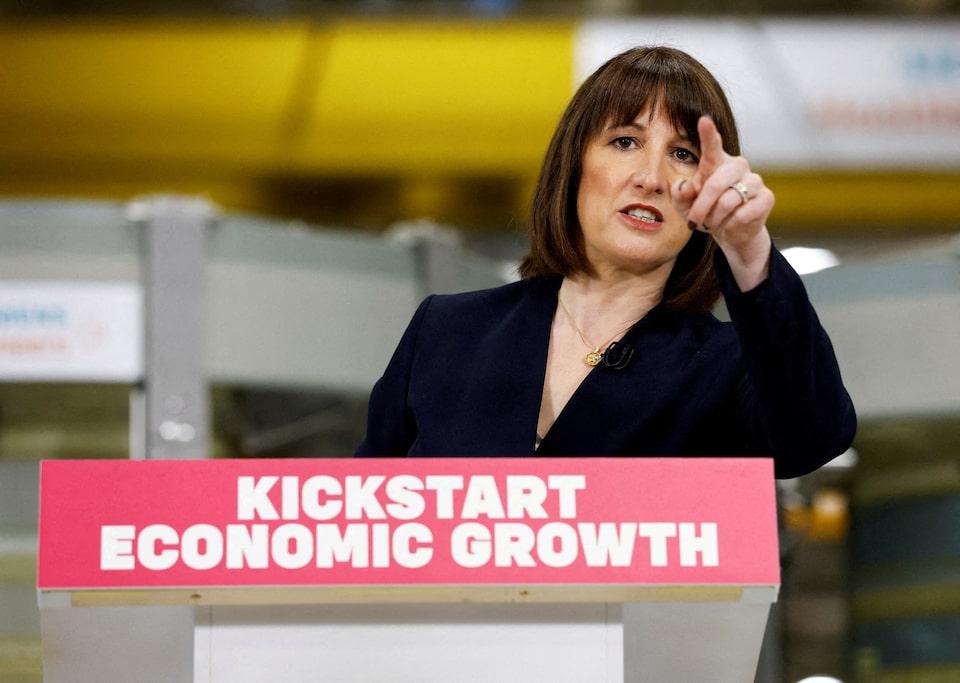
LONDON, March 6 (Reuters) - British finance minister Rachel Reeves could have to choose between tax rises and a return to austerity when she delivers a budget update this month, a leading think tank said on Thursday. Reeves has said she will take action if forecasts from the government's fiscal watchdog on March 26 show she is off course to meet the fiscal goals she set in October. The Institute for Fiscal Studies said in that scenario Reeves would face a stark choice between her promise not to come back with a further round of tax rises and another pledge of no return to austerity. Reeves announced her first budget last October which raised taxes on employers and added to borrowing. Since then a rise in global borrowing costs and a weak domestic growth outlook mean many economists think the narrow 9.9 billion pounds ($12.70 billion) of leeway Reeves had in October to meet these rules has now evaporated. "The Spring Forecast could turn out to be far more consequential than the non-event it was first billed as," IFS Research Economist Bee Boileau said. The IFS said Reeves could extend a freeze on the thresholds at which people start to pay different income tax rates beyond its current expiry in 2028, raising an extra 10 billion pounds a year in the 2029/30 tax year as more people hit those income levels. Reeves said in October she would end the freeze of the thresholds - introduced by the previous Conservative government - and raise them in line with inflation from 2028. On spending, the IFS said Reeves could reduce planned increases in public spending by government departments or allow higher-than-expected inflation to erode them. But that would add to the challenge of a two-year government spending review due in June and imply a return to cuts for some departments. Welfare spending represented another possible source of savings, with the government working on reforms to curb a steep rise in health-related benefits which it hopes will be reflected in this month's public finance forecasts, the IFS said. The Resolution Foundation think tank said in a separate report on Thursday that Reeves may look to freeze some of these benefits rather than raise them in line with inflation. ($1 = 0.7798 pounds) Sign up here. https://www.reuters.com/world/uk/uks-reeves-risks-breaking-budget-promises-ifs-think-tank-says-2025-03-06/
2025-03-05 23:29
PowerChina unit claims $555 mln in unpaid dues EdL has yet to respond to the filing Case relates to Laos' Nam Ou hydropower project March 5 (Reuters) - Nam Ou Power, a unit of state-owned Power Construction Corp of China, has sued Laos utility Electricite du Laos in Singapore for $555 million in unpaid dues from a hydropower project it operates, an arbitration filing reviewed by Reuters shows. EdL has yet to respond to the filing, according to a source familiar with the case, who also said that it was the first instance of international arbitration by a Chinese state-run entity against a Laos government-run firm. The person declined to be identified as the matter is not public. Details of the case are being reported for the first time. The unpaid dues claimed arise from electricity generated from the $2.73 billion Nam Ou River Cascade Hydropower project, according to a filing with the Singapore International Arbitration Centre. The Nam Ou project, one of Laos' largest that accounts for 7% of the country's 18 gigawatts of hydropower capacity, is a part of China's Belt and Road Initiative to build trade and transport links across Asia and beyond. Western critics have said significant investments by China in countries struggling to repay loans have helped it to gain a strategic advantage, which China rejects. PowerChina (601669.SS) , opens new tab and EdL did not immediately respond to requests seeking comment. Wong & Leow, a law firm representing Nam Ou Power, declined comment. Operated by Nam Ou Power, part of PowerChina (601669.SS) , opens new tab, the hydroelectric project has a capacity of 1.27 gigawatts from its seven cascades along 350 km (217 miles) of river in the landlocked, mountainous country of nearly eight million people. China's foreign ministry, energy regulator and commerce ministries also did not respond to requests seeking comment. INVESTING IN HYDROPOWER Laos has spent heavily on hydroelectric schemes, many financed by its northern neighbour China, with the aim of becoming "the battery of Southeast Asia" by exporting electricity to neighbouring countries. Those projects, along with a Chinese-built high-speed railway have caused high levels of debt. In its filing last month with the Singapore International Arbitration Centre, PowerChina said EdL owed it $486.27 million in dues plus interest it estimates at $65.79 million. The claims are associated with monthly invoices made between January 2020 and December 2024. The total is equivalent to about 4% of Laos' gross domestic product. EdL ceded majority control of its transmission unit to state-owned China Southern Power Grid Co in 2020, as mounting debt, combined with the impact of the COVID-19 pandemic strained public finances and pushed Laos to the brink of a sovereign default. Nam Ou, in the same filing, claimed damages of $3.02 million for EdL predominantly paying its dues using the Lao kip currency, while the agreement had stipulated that 85% of the payments be made with the U.S. dollar. Laos has struggled with hyperinflation and fast depleting foreign exchange reserves since the pandemic, with the value of the Lao kip plunging nearly three-fifths over the last five years. Sign up here. https://www.reuters.com/business/energy/powerchina-unit-sues-laos-utility-claims-555-million-unpaid-dues-2025-03-05/

2025-03-05 23:26
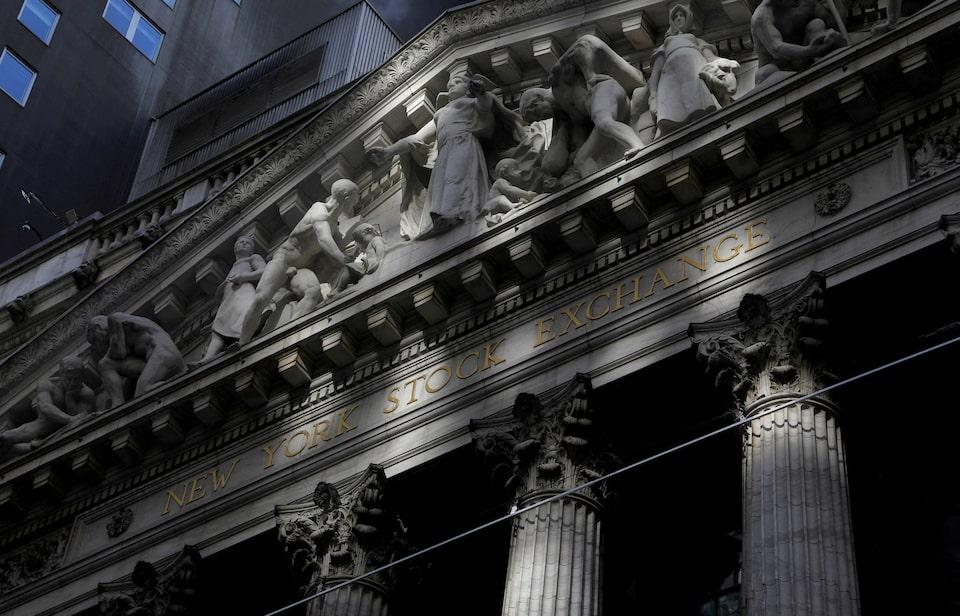
CrowdStrike falls on bleak revenue forecast Intel drops after Trump's plans to kill chips subsidy law US service sector expands in February; price growth accelerates Indexes up: Dow +1.14%, S&P 500 +1.12%, Nasdaq 1.46% March 5 (Reuters) - Wall Street's main indexes finished higher in choppy trading on Wednesday, as investors cheered the likely easing of trade tensions between the U.S. and major trading partners. Stocks turned positive after a report said President Donald Trump was considering a one-month delay of auto tariffs on Canada and Mexico. Equities extended gains after a White House announcement confirmed that Trump agreed to delay tariffs on some vehicles. Earlier, Wall Street had lost ground following mixed economic data and as investors also worried about a trade war. "We are on the tariff roller coaster," said Wasif Latif, chief investment officer at Sarmaya Partners in New Jersey. "The economic data, the Fed, and all that stuff seems to have been pushed to the background for now. It's just a reminder how these policies have an impact in the long run and the markets are reacting to it." Stocks in materials (.SPLRCM) , opens new tab, industrials (.SPLRCI) , opens new tab, consumer discretionary (.SPLRCD) , opens new tab and communication services (.SPLRCL) , opens new tab were the main drivers of gains among the 11 sectors on the benchmark S&P 500. Energy (.SPNY) , opens new tab and utilities (.SPLRCU) , opens new tab were the biggest losers. The Dow Jones Industrial Average (.DJI) , opens new tab rose 485.60 points, or 1.14%, to 43,006.59, the S&P 500 (.SPX) , opens new tab gained 64.48 points, or 1.12%, to 5,842.63 and the Nasdaq Composite (.IXIC) , opens new tab gained 267.57 points, or 1.46%, to 18,552.73. Early in the session, an ISM report showed an unexpected rise in growth in the services sector in February. However, signs of increased input prices tempered optimism. Separately, ADP data showed private payrolls increased in February at the slowest pace in seven months. Investors now await Friday's crucial payrolls report. Riskier equities have sold off over the past few weeks as investors worried Trump's trade policies would amplify inflation pressures, slow the economy and eat into corporate profits. Multiple reports have suggested a cooling economy. "The long-term trend that we were in, which is the rally from the pandemic lows, has basically tapped out and on top of that you put Trump, whose policies - whether it's tariffs, deportations or the extension of the 2017 tax cut - are all going to hurt the economy or cause inflation," said Bill Strazzullo, chief market strategist at Bell Curve Trading in Boston. Carmaker stocks rose, with Ford (F.N) , opens new tab up 5.8% and General Motors (GM.N) , opens new tab up 7.2%. Tesla (TSLA.O) , opens new tab gained 2.6%. Chipmaker Intel (INTC.O) , opens new tab dropped 2.4% after Trump said on Tuesday that lawmakers should get rid of a law offering subsidies to the semiconductor industry. CrowdStrike (CRWD.O) , opens new tab fell 6.3% after the cybersecurity firm forecast first-quarter revenue slightly below estimates. Huntington Ingalls (HII.N) , opens new tab jumped 12.3% after Trump said his administration will create an office of shipbuilding in the White House and offer tax incentives. Advancing issues outnumbered decliners by a 1.99-to-1 ratio on the NYSE. There were 93 new highs and 146 new lows on the NYSE. The S&P 500 posted 3 new 52-week highs and 8 new lows while the Nasdaq Composite recorded 42 new highs and 163 new lows. Total volume across U.S. exchanges was 15.50 billion shares, compared with the 20-day moving average of 15.97 billion shares. Sign up here. https://www.reuters.com/markets/us/futures-bounce-back-after-trump-official-hints-potential-tariff-relief-2025-03-05/
2025-03-05 23:14
WASHINGTON, March 5 (Reuters) - U.S. President Donald Trump is considering exempting certain agricultural products from tariffs imposed on Canada and Mexico, a Bloomberg reporter said on X on Wednesday. Sign up here. https://www.reuters.com/markets/trump-mulls-exempting-certain-agricultural-products-canada-mexico-tariffs-2025-03-05/
2025-03-05 23:13
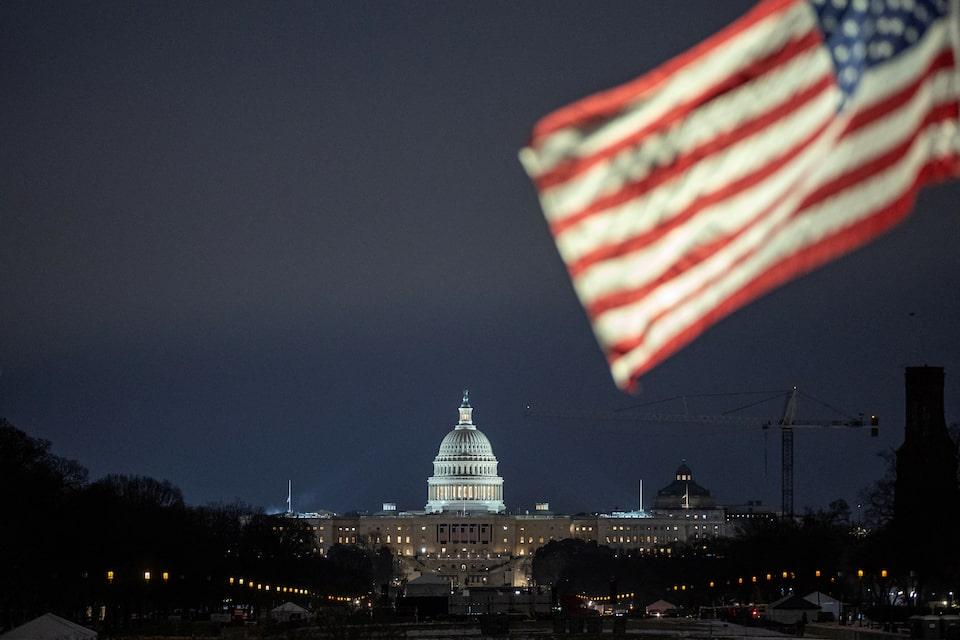
Loopholes easy to find for Chinese exporters Goods shipped via third countries to skirt tariffs Firms back bipartisan bill to ramp up prosecution of duty evasion WASHINGTON, March 5 (Reuters) - The U.S. needs tougher legislation to enforce trade laws and ensure criminal prosecution of Chinese government-subsidized companies that circumvent U.S. tariffs by shipping goods through third countries, U.S. companies said on Wednesday. Executives from a slate of mid-size industrial companies - including makers of steel pipes, kitchen cabinets and coat hangers - said at an event with lawmakers on Capitol Hill that for years the U.S. had been losing out on tariff revenue and American companies had been forced out of business by Chinese firms that exploited trade rules. Even when U.S. companies had won trade cases, they said, limited funding for enforcement meant the Chinese firms could easily find loopholes. "We've been forced to close factories, reduce employment and reduce investment," said Tom Muth, executive vice president of Zekelman Industries, an independent pipe and tube producer. "These imports come not directly from China, but indirectly. They come from countries like Oman, Thailand, Vietnam and the UAE. These are all major importers of subsidized and dumped hot-rolled steel from China," Muth said. Milton Magnus, CEO of M&B Metal Products Company, Inc, which produces wire garment hangers for the dry cleaning and textile industries, said his 82-year-old family business had been fighting illegal trade practices by China for 22 years. Magnus told the lawmakers, including Republican Representative Ashley Hinson and the Democratic ranking member of the House of Representatives' select committee on China, Raja Krishnamoorthi, that his company won an anti-dumping case against China in 2008 but it provided little relief. "Before the ink was dry on the order, China was already evading the order by transshipping through other countries, hopping from country to country, changing the names, shifting shipments, just to stay ahead of us," Magnus said. The executives were speaking in favor of a bipartisan bill that would ramp up prosecution of duty evasion and other trade fees, called the Protecting American Industry and Labor from International Trade Crimes Act. China's embassy in Washington did not respond to a request for comment on the executives' charges. The reintroduction of the bill, which failed to make it to law in the last Congress, comes as President Donald Trump has launched into a new tariff war with China, as well as Mexico and Canada. In an address to Congress on Tuesday, Trump said the U.S. has been "ripped off for decades by nearly every country on Earth," adding that his administration would resort to reciprocal tariffs or non-tariff measures for any retaliation by U.S. trading partners. The executives warned that without increased funding for enforcement, shipments via third countries and tariff evasion would continue. "I've watched American factories shutter not because they failed, but because enforcement failed them. It's unacceptable," said Betsy Natz, CEO of the Kitchen Cabinet Manufacturers Association. She said her group spent $10 million fighting a major anti-dumping case that resulted in 260% tariffs against Chinese exporters, only for those goods to be funneled through Vietnam, Malaysia, Cambodia and Indonesia, evading duties. David Rashid, executive chairman of auto-parts maker Plews and Edelmann, said the U.S. needed an enforcement system that punishes cheaters. "Not just fines, but prison," he said. Sign up here. https://www.reuters.com/markets/us/us-firms-demand-crackdown-tariff-evading-chinese-importers-2025-03-05/