2025-03-04 21:44
NEW YORK, March 4 (Reuters) - Chocolate maker Hershey Co (HSY.N) , opens new tab said the ICE (ICE.N) , opens new tab New York cocoa futures market is currently disconnected from the reality of the global physical market due to exchange actions that have reduced liquidity and increased volatility. Tricia Brannigan, Hershey's vice president for procurement, told Reuters on Tuesday that high margin calls on ICE's cocoa futures market drove commercial players away, reducing open interest and causing sharp price swings. ICE declined to comment. ICE cocoa futures prices in New York and London have fluctuated wildly in recent months after hitting record highs in both markets late last year due to production problems in Africa. Prices in New York, for example, fell 10% on Monday, before rising 5% on Tuesday. "ICE is not providing an orderly market for buyers and sellers," said Brannigan, noting that the cocoa futures market is no longer providing price transparency or helping companies to hedge risks. "The (futures) market is not functioning properly. Commercial players are leaving the market," Brannigan said, referring to chocolate companies and commodities traders who normally use futures to reduce risks from price swings. ICE has increased margin calls, or the deposits market players have to make as a guarantee for their positions, as prices went up last year. This is a major reason why commercial players have reduced their participation in the futures market, Brannigan said. The situation adds to the lag between futures and physical markets. "We believe physical market prices are significantly lower right now," Brannigan said, adding that considering stocks-to-grind ratios, a measure of demand, prices should be in the range between $3,000 to $5,000 per ton in New York. They closed at $8,212 on Tuesday. Brannigan suggested the exchange could take some measures to deal with the problems such as setting price oscillation limits or cut margin calls for commercials. Brannigan also suggested that ICE could investigate speculators' activities to check if there are any disruptive behavior. Sign up here. https://www.reuters.com/markets/commodities/hershey-says-ice-cocoa-futures-market-is-disconnected-reality-2025-03-04/

2025-03-04 21:31
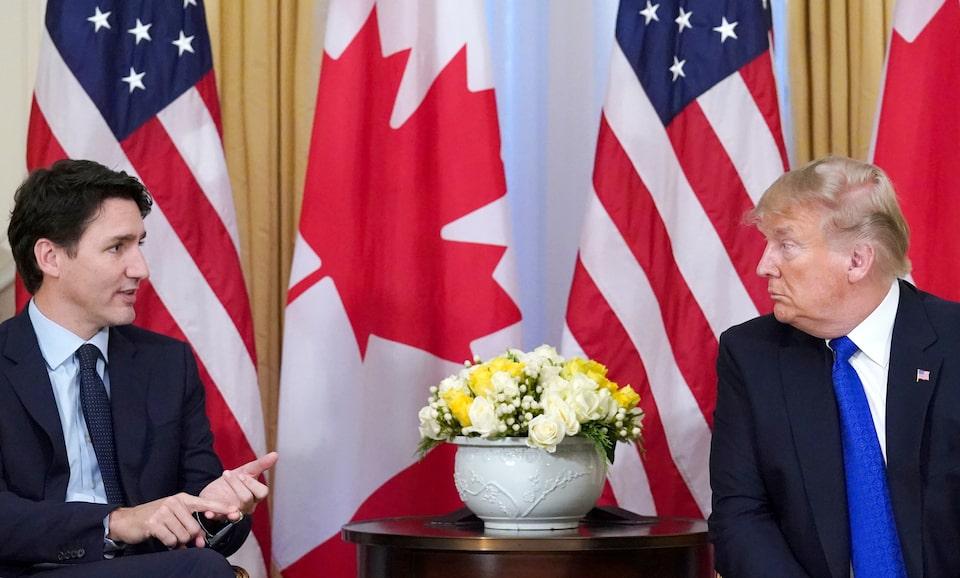
Canada imposes 25% tariffs on some U.S. imports in retaliation Trudeau accuses Trump of wanting to ruin Canadian economy Economists warn Canada may face recession if tariffs persist OTTAWA, March 4 (Reuters) - Prime Minister Justin Trudeau told U.S. President Donald Trump on Tuesday that his tariffs on Canadian imports were "a very dumb thing to do" and said Ottawa was striking back immediately at its closest ally. Trudeau, who is stepping down at the end of the week, also accused Trump of wanting to ruin the Canadian economy. Trudeau, speaking hours after Trump launched a trade war against Mexico and Canada, announced immediate 25% tariffs on C$30 billion worth of U.S. imports. If need be, Canada will target another C$125 billion worth in 21 days' time, he said. "There is absolutely no justification or need whatsoever for these tariffs," Trudeau told reporters, adding that Canada would challenge the U.S. measures at the World Trade Organization and through a U.S.-Mexico-Canada trade agreement already in place. "Canadians are reasonable and we are polite, but we will not back down from a fight, not when our country and the well-being of everyone in it is at stake," he said. Trump responded by saying the Canadians retaliatory tariffs would be met with immediate reciprocal tariffs of the same size. Trump has accused Canada of failing to do enough to stem the flow of the deadly fentanyl opioid and its precursor chemicals into the U.S., an argument Trudeau called "completely bogus, completely unjustified, completely false." Trudeau's relations with Trump, which have never been warm, deteriorated in recent months after the president repeatedly talked of Canada becoming the 51st U.S. state and mockingly referred to Trudeau as its "governor" rather than prime minister. Trump says he is unhappy with the trilateral U.S.-Mexico-Canada trade deal that he signed in his first term. Trudeau played down the idea of opening talks ahead of a review scheduled for 2026. "Given that he is choosing to want to ruin the Canadian economy, I don't know whether to bring forward negotiations, given the situation of such bad faith that we're in," said Trudeau, who warned Canadians that tough times were coming. Economists say Canada, which sends 75% of all exports to the United States, will plunge into a recession unless the tariffs are lifted quickly. Trudeau said Americans would suffer as well, given how tightly the two economies are connected, and he referred to a Wall Street Journal editorial in late January that said Trump would be launching "the dumbest trade war in history" if he went ahead with tariffs. "It's not in my habit to agree with the Wall Street Journal, but Donald, they point out that even though you're a very smart guy, this is a very dumb thing to do," said Trudeau, who will step down as prime minister after the ruling Liberal Party chooses a new leader on Sunday. The Canadian government will help by expanding employment insurance benefits and giving direct supports to businesses, he said. ALCOHOL OFF SHELVES Trump's unprecedented actions threaten to severely damage relations between the three trading partners. Trudeau said Canada would also look at non-tariff measures if need be but did not answer directly when asked whether Ottawa might curb exports of crude oil or potash. "Our focus has to be on getting these tariffs lifted as quickly as possible," he said. TheU.S.-Mexico-Canada Agreement , opens new tab, which was forged under Trump during his first term in the White House and which updated the North American Free Trade Agreement, allows for duty-free trade between the three countries. The pact carries provisions for rules of origin for autos and auto parts and steel-intensive products, among others and also allows for exceptions related to security. Canada's two most populous provinces, Quebec and Ontario, are taking U.S. alcohol off the shelves of provincially-run liquor stores. Ontario Premier Doug Ford said if U.S. tariffs persisted, the province would also impose a 25% surcharge on electricity exports to New York, Michigan and Minnesota. "We need to make sure America feels the pain," he said. Tensions are so high that Canadian sports fans have begun booing U.S. teams at ice hockey games. "We're going to choose to try to buy Canadian products and forgo bourbon and other classic American products. And yeah, we're probably going to keep booing the American anthem," Trudeau said. "But let me tell Americans, we're not booing you, we're not booing your teams, we're not booing your players. We're booing a policy that is designed to hurt us. And we're insulted and we're angry ... we're going to fight and we're going to win." Sign up here. https://www.reuters.com/world/canada-is-imposing-25-tariffs-30-bln-us-imports-says-trudeau-2025-03-04/
2025-03-04 21:06
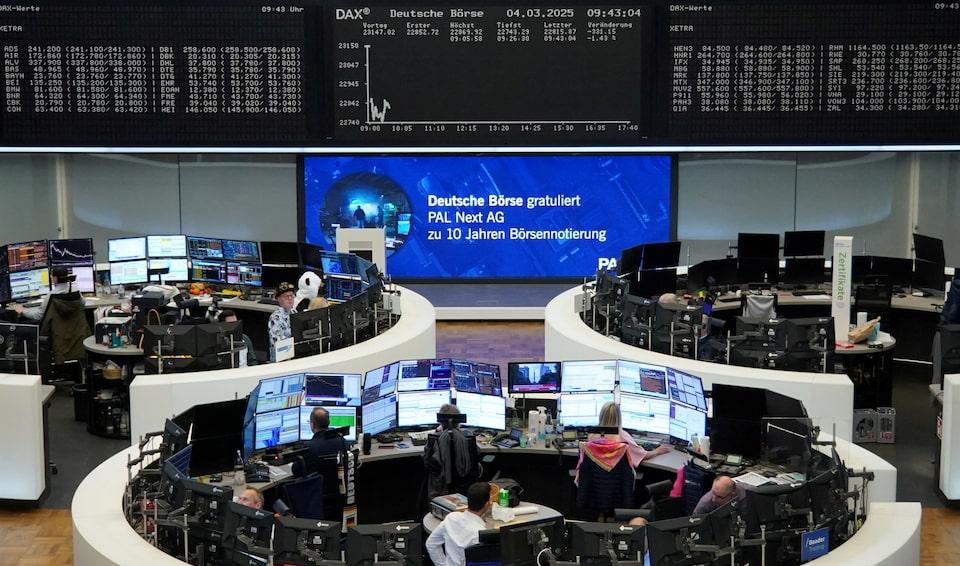
ORLANDO, Florida, March 4 (Reuters) - The divergence between U.S. and European stocks this year was epitomized by the perfect symmetry in their opposing fortunes on Monday: Germany's DAX surged 2.64%, while America's Nasdaq slumped 2.64%. This stark deviation really started taking root in January – not coincidentally, right around U.S. President Donald Trump's inauguration. A rebound in battered European assets just needed a trigger, and ironically, the chaotic implementation of Trump's "America First" agenda appears to have provided it. Investors initially cheered Trump's election platform of tariffs, deregulation, tax cuts, reduced federal spending, and disdain toward multilateral institutions. Big Tech lifted Wall Street to new peaks in early 2025, and the dollar and Treasury yields kept rising. But as the potential for a fully-fledged trade war rose, sentiment started to shift dramatically. Meanwhile, Europe's security vulnerabilities were starkly exposed, as Washington's stance on the Ukraine-Russia war tilted toward Moscow. Vice President JD Vance's Munich speech and Trump's public slapping down of Ukrainian President Volodymyr Zelenskiy have appeared to shred U.S.-European relations, raising existential doubts over NATO. None of that sounds particularly positive for Europe. But the past six weeks have kicked the continent into coordinated action that could see Germany create a 500 billion euro ($529.90 billion) infrastructure fund and the European Union mobilize close to 1 trillion euros for defense, security and infrastructure. That's the level of growth-boosting spending that many analysts have been urging Europe to pursue for decades. If it materializes, it would be a game-changer. TABLES HAVE TURNED So the 'U.S. exceptionalism' narrative is fading and being replaced by the European recovery story. "When you get a meaningful correction in risk assets from U.S. policy instability, that naturally translates into the relative outperformance of unloved assets," like Europe, notes Benn Eifert, managing partner at San Francisco-based hedge fund QVR Advisors. "There's much, much more room to go." It won't be a linear move. Europe's growth is fragile, the region is likely to come under Trump's tariff line of fire soon, and Germany's Dax recoiled 3.5% on Tuesday - its steepest fall in exactly four years - as trade war fears rattled global markets. But the bullish U.S./bearish Europe dance that markets have seen over the last few years looks to be over. Allocations to the U.S., the 'American exceptionalism' narrative, and Wall Street valuations simply became too extreme. Unloved, under-owned Europe was the negative mirror image. So the tables are turning now. The gap between Citi's euro zone and U.S. economic surprises index is close to the widest and most euro-positive in two years. And the gap between year-ahead annual growth forecasts for the U.S. and EU, which was a full percentage point recently, according to Morgan Stanley economists looks set to shrink. Capital is flowing accordingly. After years of near-consistent outflows, European equity funds are drawing in the biggest inflows since 2022, Bank of America figures show, while the record inflows into U.S. equity of last year are drying up. These are historic times. America's security backstop for Europe and commitment to free trade are no longer givens. And we could be about to see the biggest shift in global trade relations since the collapse of Bretton Woods, and most dramatic shift in German fiscal policy since re-unification. No one knows how things will play out, but right now Europe looks to be benefiting from this 'America first' administration more than many would have thought. Maybe even more than the U.S. (The opinions expressed here are those of the author, a columnist for Reuters.) ($1 = 0.9436 euros) Sign up here. https://www.reuters.com/markets/europe/america-first-brightens-european-outlook-mcgeever-2025-03-04/
2025-03-04 21:05
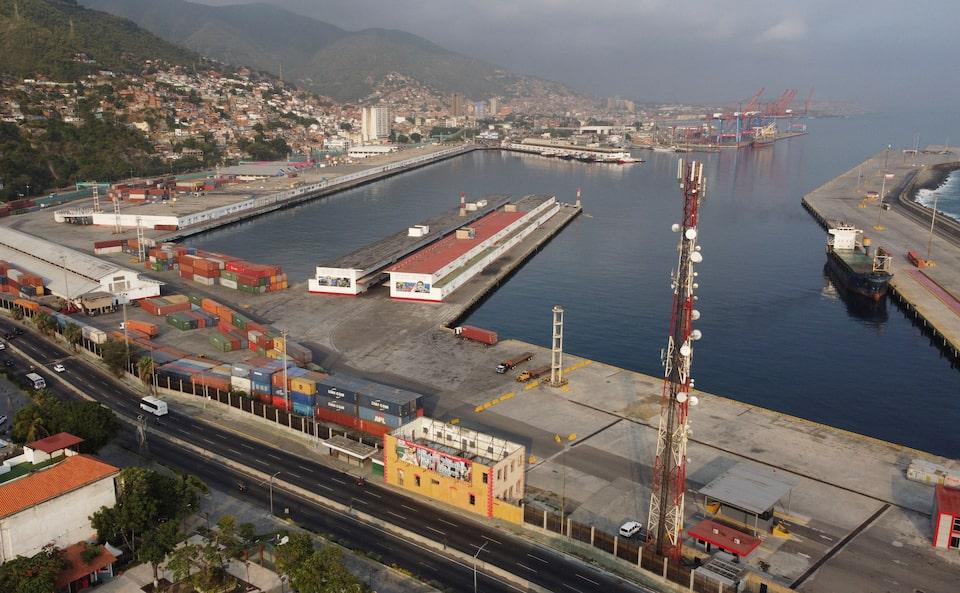
China remained Venezuelan oil's largest market with 503,000 bpd Chevron's exports fell to 252,000 bpd from 294,000 bpd in Jan PDVSA expected to send more oil to China through intermediaries March 4 (Reuters) - Venezuela's exports of crude and fuel rose in February to their highest since November, vessel monitoring data showed, as the U.S. prepared to terminate a key license that allows oil major Chevron (CVX.N) , opens new tab to operate and ship crude from the country. Venezuela's oil output and exports have grown since Chevron was granted the license in late 2022, providing a reliable source of revenue to President Nicolas Maduro's administration. The company in January shipped to the U.S. more than 30% of the South American nation's total exports. On Tuesday, the U.S. Treasury Department ordered the wind-down of Chevron's activities in Venezuela in the next 30 days, after President Trump accused Maduro of not making progress on electoral reforms and migrant returns. Venezuela's state energy company PDVSA and its joint venture partners last month exported an average of 934,465 barrels per day (bpd) of crude and fuel. China remained the largest market of Venezuela's oil, receiving some 503,000 bpd, according to the data. The U.S. was the second largest receiver with 239,000 bpd, followed by Europe with 69,200 bpd and India with 68,000 bpd. Chevron's exports to the U.S. and other destinations from its joint ventures fell to 252,000 bpd in February from 294,000 bpd the previous month. Venezuela's political ally Cuba, which is struggling to keep the lights on during a severe energy crisis, received some 42,000 bpd of crude and fuel. Venezuela also exported 315,000 metric tons of oil byproducts and petrochemicals, including methanol and urea, a decline from the 360,000 tons shipped in January. The country imported 86,000 bpd of fuel through swaps with PDVSA's partners, a decline from the 132,000 bpd of January, the data showed. Since Washington first imposed oil sanctions on Venezuela in 2019, PDVSA has relied on little known intermediaries that buy its oil at price discounts and provide it to China. They also charge PDVSA costly fees for freight, ship-to-ship transfers and discharge. With no incentives to continue delivering cargoes to Chevron under the new license's terms, which are yet to be detailed by the U.S. Treasury, PDVSA is expected to send more oil to China through those intermediaries in the coming moths, analysts have said. U.S. refiners of heavy crude, particularly in the Gulf of Mexico, are expected to feel the hit of the license withdrawal, which is happening at the same time Trump imposes tariffs on Canada and Mexico, the top suppliers of oil to the U.S. Sign up here. https://www.reuters.com/business/energy/venezuelas-oil-exports-rose-feb-ahead-chevrons-license-termination-2025-03-04/
2025-03-04 20:46
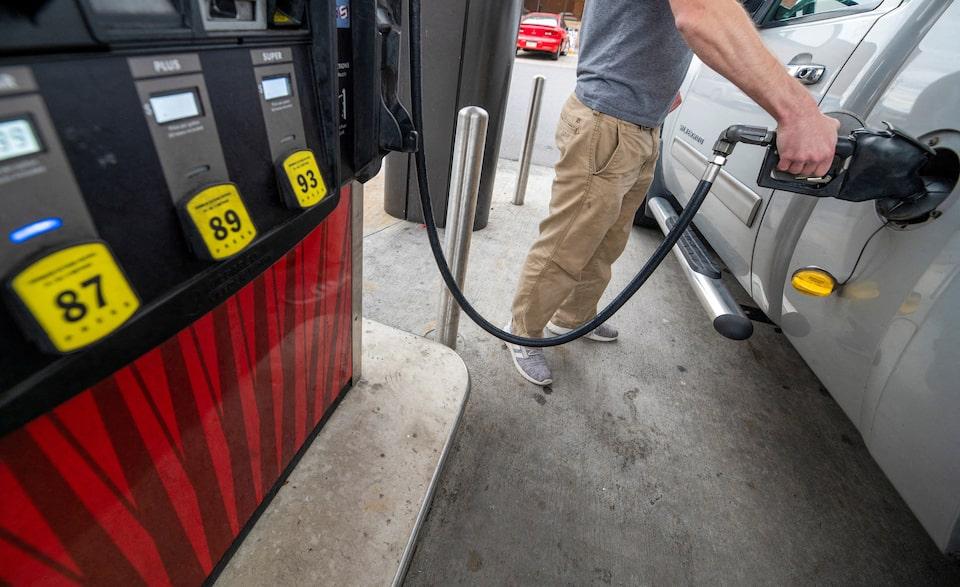
Tariffs on imports from Canada raise wholesale gasoline prices in US Northeast Midwest and Gulf Coast regions to experience delayed price hikes US imports around 4 million bpd of Canadian oil NEW YORK, March 4 (Reuters) - U.S. retail gasoline prices are set to climb in the coming weeks as new tariffs imposed by the administration of President Donald Trump raise the cost of energy imports, according to traders and analysts. The outlook underscores a potentially unintended consequence of Trump's protectionist trade policies, which are meant to boost the U.S. economy but could instead lead to bigger bills for consumers. A 25% tariff on all imports from Mexico, a 10% tariff on Canadian energy and a doubling of duties on Chinese goods to 20% came into effect on Tuesday. The Trump administration also imposed 25% tariffs on all other Canadian imports. That has already triggered a surge in wholesale gasoline prices in the U.S. Northeast, a region that relies heavily on Canadian shipments of gasoline, heating oil and diesel, according to fuel distributor TACenergy. That hike will start filtering through to New England's pumps soon, and could add 20 to 40 cents a gallon, retail fuel experts said. New England retail gasoline hovered at around $3 last week, data from the Energy Information Administration shows. "If you're filling up in the Northeast, you'll see price increases first and more significantly," GasBuddy analyst Patrick De Haan said in a blog post on Tuesday. Canadian refiner Irving Oil, the top supplier of refined fuels to the Northeast, increased prices on fuel products on Tuesday to reflect the tariff costs, De Haan said. An Irving Oil representative was not immediately available to comment. The company has previously said tariffs would force up its prices to U.S. customers. Irving's 320,000-barrel-per-day refinery in Saint John, New Brunswick, exports more than half its finished fuels to the Northeast, the company's website shows. "There's simply no simple replacement for the products shipped from Irving Oil's refinery. That's the primary supply point for multiple terminals in the area," TACenergy said in a market commentary published Tuesday morning. Inland refiners that run Canadian crude as a core part of their diet would likely stick with their current crude slate, and bear the increase in cost of imported materials with consumers. Refiners that run Canadian crude on the margin could switch to light sweet crude, which could increase the prices of U.S. benchmark West Texas Intermediate crude futures and global benchmark Brent crude . Both benchmarks are light sweet grades. Other regions that rely heavily on crude oil imports from Canada and Mexico will also soon see a spike in fuel prices, experts said. U.S. imports some 4 million barrels per day of Canadian oil, 70% of which is processed by refineries in the Midwest that are specifically designed to run Canadian grades. The U.S. also imports over 450,000 bpd of Mexican oil, mainly for refiners concentrated around the U.S. Gulf Coast. De Haan said the impact on pump prices in those regions could take longer to materialize as crude oil must first be refined into fuel products. Parts of the Midwest could see a 10- to 15-cent jump in pump prices over the next few weeks, Alex Ryan, energy director at Kansas-based Oasis Energy, told Reuters. Average U.S. pump prices were holding steady as of Tuesday at $3.099 a gallon, from $3.097 a gallon on Monday. They remained about 8% lower than a year ago, data from the American Automobile Association showed. An AAA spokesperson said the ultimate impact of tariffs on gas prices over the coming weeks and months was difficult to predict, and upward pressure could be offset by other factors. "Tariffs can play a role in gas prices, but so do other factors like the price of crude oil, which right now is on the lower side," she said. Oil industry representatives have said they oppose the tariffs because they force higher costs on the industry. "Imposing tariffs on energy, refined products and petrochemical imports will not make us more energy secure or lower costs for consumers... we continue to hope quick resolution can be found with our North American neighbors," Chet Thompson, CEO of American Fuel and Petrochemical Manufacturers, said in a statement on Tuesday. Sign up here. https://www.reuters.com/business/energy/us-pump-prices-set-climb-new-trump-tariffs-kick-2025-03-04/
2025-03-04 20:43
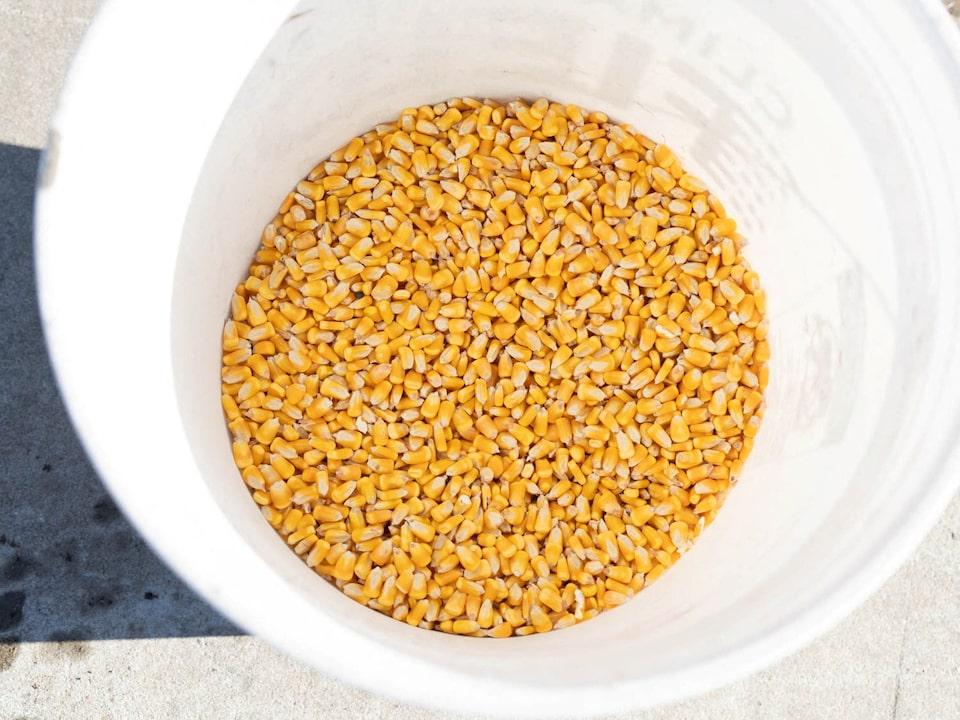
Illinois farmers enjoy profitable rail links to Mexico Trump tariffs could push Mexican buyers to South American corn Farmer says Mexican buyers needed: 'it's a competitive world,' JACKSONVILLE, Illinois, March 4 (Reuters) - U.S. President Donald Trump's tariffs on imports from Mexico carry an outsized risk for farmers in Jacksonville, Illinois, as retaliation by Mexico could prompt corn buyers in that country to turn to rival growers in South America. Mexico, the world's top corn importer, is a crucial market for U.S. farmers, at a time when grain prices have slumped and costs are rising for seeds and chemicals needed to produce crops Farmers around Jacksonville, a city of about 17,000 people, benefit more than most from Mexican demand. They live near a grain facility that loads corn onto railcars before it travels more than 1,000 miles to livestock producers south of the border. The farmers drive from up to 60 miles away to make sales to the facility owned by privately held crop handler Bartlett, which growers said often pays higher prices for their harvests than other buyers do. Trump's new 25% tariffs on imports from Mexico and Canada have fed fears Mexico may respond with duties that could reduce its demand for American goods, such as corn. China already retaliated on Tuesday against fresh U.S. tariffs, with hikes to import levies covering $21 billion worth of American agricultural and food products. Lower grain prices from reduced shipments to Mexico threaten all U.S. farmers, though those in Illinois would be hit particularly hard. About 60% of all corn exports to Mexico were by train last year, and 40% of those train movements originated in Illinois, according to U.S. government data. "We need their markets and I hope that they need us, but it's a competitive world," said Marty Marr, 70, who farms with his sons and plans to plant corn on about 2,000 acres near Jacksonville this spring. Marr said he worries that tit-for-tat tariffs may prompt Mexico to buy more corn from South American suppliers and less from the U.S. That would be painful. About 36% of total U.S. corn export commitments are for sales to Mexico in the marketing year that ends in August, U.S. government export sales data show. "It's so important that we maintain good relations with them," Marr said. Trump's trade policies and tariffs on China during his first term damaged American farm sales. U.S. farmers never fully recovered the market share they lost for soybean exports when China focused tariffs on U.S. agricultural goods in retaliation for Trump's levies. Illinois is a top supplier of U.S. corn to Mexico because it is the No. 2 corn producing state, and a rail hub in Chicago connects farmers to buyers south of the border. Overall, about a third of the corn grown in Illinois is exported, said Collin Watters, director of exports and logistics for the Illinois Corn Growers Association. By contrast, top producer Iowa exports about 15% of its corn, according to the Iowa Corn Growers Association. "The direct rail access into Mexico, it's a real advantage for us," Watters said. "But the flipside is that there's a lot of uncertainty right now." Jacksonville farmer Dale Hadden, 61, sells corn to Bartlett during the autumn harvest, when growing supplies generally pressure prices. Bartlett often offers higher prices than other handlers for its purchases to supply Mexico on the Kansas City Southern railway, he said. "They have the best bid," Hadden said. Bartlett employees declined to comment at their South Jacksonville facility, where railcars were parked on tracks in a long line. The company's website says it is a leading U.S. exporter of grain to Mexico. Less than 10 minutes away by car, shoppers in downtown Jacksonville could hear train whistles blowing while they browsed at clothing and record stores around a historic square with a towering Civil War monument. Residents of the 200-year-old city said they are worried that tariffs on Mexico and Canada will raise prices for goods sold in the U.S. Still, they said Trump should have time to pursue his plans. About 65% of voters in Jacksonville's county chose Trump in the 2024 election. "He's trying things that have been very unorthodox but at least he's not in the same rut doing what everybody is telling him to do," said Sue Fox, 68, who supported Trump and runs Times Square Sewing Complex in Jacksonville. Many farmers said they want to avoid the type of extended trade disruptions that led Trump to pay them billions of dollars in aid to offset lost exports to China during his first term. "That is absolutely not what the farmers want," said Dan Newton, 64, a farm manager in Jacksonville. Sign up here. https://www.reuters.com/markets/commodities/with-trumps-tariffs-illinois-farmers-worry-about-losing-corn-sales-mexico-2025-03-04/