2025-03-03 11:08
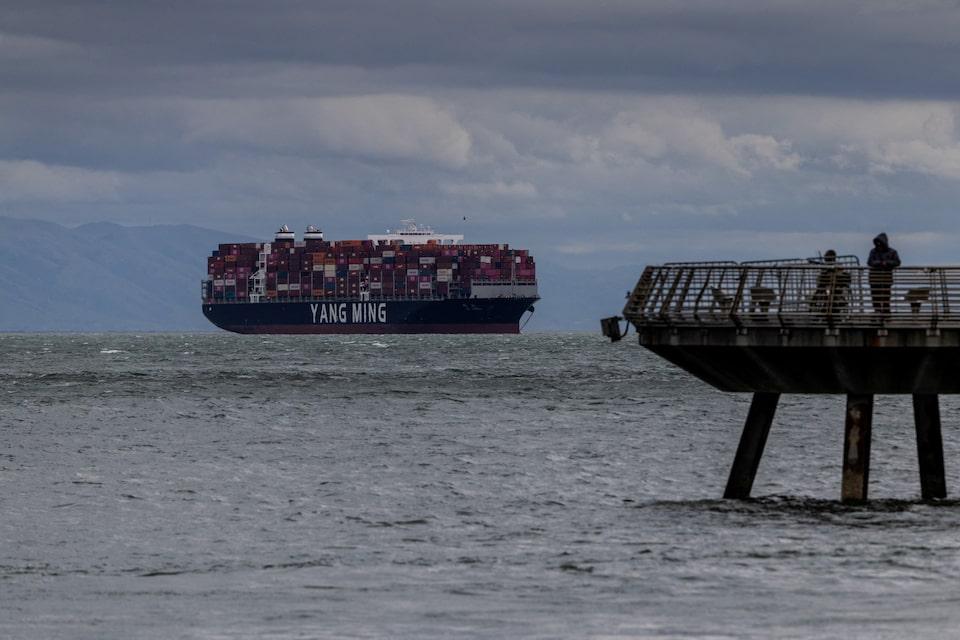
US threats of hefty tariffs and million-dollar port fees raise alarms Experts call protectionist moves by US 'unprecedented' Global shipping rates soften, weakening carriers' hand as contract renegotiation begins LONG BEACH, California, March 3 (Reuters) - The global ocean shipping industry that handles 80% of world trade is navigating a sea of uncertainty as U.S. President Donald Trump stokes trade and geopolitical tensions with historical foes as well as neighbors and allies. That is the backdrop for this week's S&P Global (SPGI.N) , opens new tab TPM container shipping and supply chain conference in Long Beach, California, an annual event that marks the start of container shipping contract negotiating season. Attendees this year include industry heavyweights like container carriers MSC, Maersk (MAERSKb.CO) , opens new tab and Hapag-Lloyd (HLAG.DE) , opens new tab, marquee customers such as Walmart (WMT.N) , opens new tab, and major logistics firms including DSV (DSV.CO) , opens new tab and DHL (DHLn.DE) , opens new tab. These companies will be grappling with the ripple effects of increased protectionism, which could reduce international trade while weakening the negotiating position of massive container ship owners that have drawn robust profits and for years held the upper hand in pricing. Trump has already slapped an additional 10% tariff on goods from China, the world's largest exporter, and has proposed million-dollar port entry fees for Chinese-built ships. The U.S. on Tuesday plans to impose 25% tariffs on goods like avocados and tequila from Mexico, and beef and lumber from Canada. It also will put a 10% duty on Canadian oil. Trump has threatened to levy an additional 10% tariff on Chinese goods. His administration also plans new or higher tariffs on steel and aluminum and has floated 25% duties on products from the European Union. "The world has become very unpredictable," Hapag-Lloyd CEO Rolf Habben Jansen told reporters on Monday. "Having higher tariffs and additional fees is not good for the global economy," he said, adding that those would pressure industry growth and the consumers that underpin it. The world's biggest importer's shift away from free trade hits as global supply chains are managing higher costs from global warming-fueled severe weather and routing ships away from the Suez Canal to avoid attacks by Iran-backed Houthi militants in support of Palestinians in Gaza. 'UNPRECEDENTED IN SCOPE' U.S. container imports of everything from plastic toys to machine parts have surged, in part due to early purchases to avoid tariffs. But trade experts warn that a pullback is likely once new import taxes kick in, targeted nations retaliate, and inflation-weary shoppers absorb the brunt of tariff-related cost increases - something that could pressure shipping demand and prices. The Drewry World Container Index's spot rate for a 40-foot container was $2,629 as of Thursday, 75% below the pandemic peak of $10,377 in September 2021 and lowest since May 2024. "The geopolitical landscape has of course become more complex which could lead to wild swings for freight rates in either direction, but our base case is for a moderation throughout 2025," Jefferies analysts said in a recent note. In another move that has set off alarms around the globe, the U.S. Trade Representative on February 21 proposed hefty fees on Chinese-built vessels entering U.S. ports under a union-supported plan to spur U.S. shipbuilding. Under the proposal, a vessel owned by Chinese maritime transport operators including state-owned COSCO (601866.SS) , opens new tab would pay a port entrance fee of up to $1 million per vessel. The fee for other operators using Chinese-built ships could top out at $1.5 million. The change could benefit Taiwanese and South Korean liner operators. Still, experts warn it will have a major impact on container carriers and could translate into steeper consumer prices for goods from toys and clothing to food and fuel. "The economic burden on U.S. exporters and importers will be huge," container shipping expert Lars Jensen said on LinkedIn. "The actions taken by the U.S. administration over the past four weeks are unprecedented in scope and scale." Sign up here. https://www.reuters.com/markets/commodities/trump-trade-threats-compound-global-ocean-shipping-uncertainty-2025-03-03/
2025-03-03 10:40
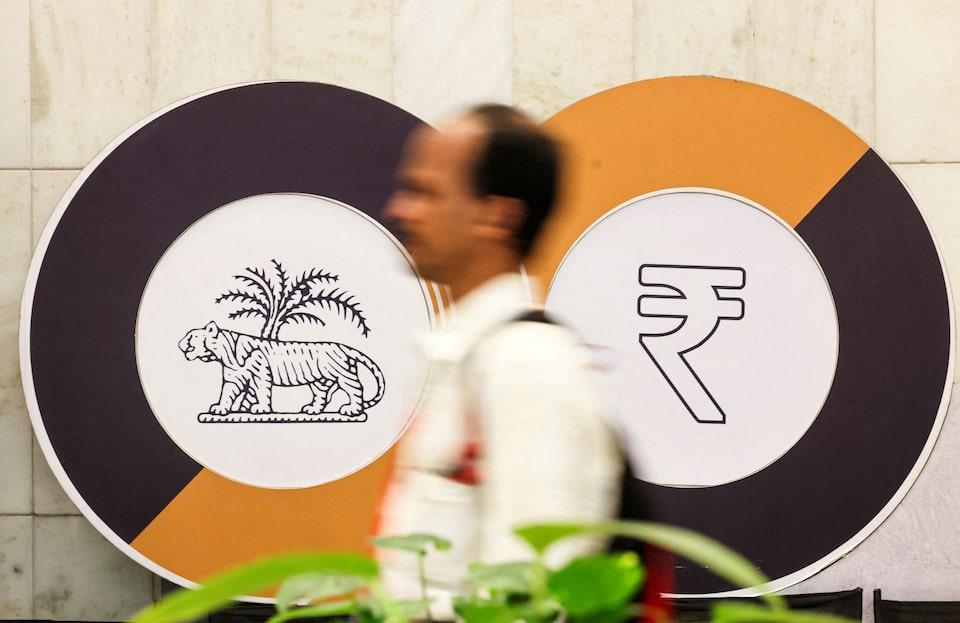
MUMBAI, March 3 (Reuters) - The Indian rupee ended higher on Monday, tracking an uptick in regional peers at the start of a week in which the currency's moves will depend on the news flow regarding U.S. tariffs and economic data, and the local central bank's reaction. The rupee ended at 87.3700 against 87.4950 in the previous session. The Indian currency dropped 1% in February, logging its fifth straight monthly loss. "There was a mild recovery in the rupee, as it was slightly in an oversold zone last week," a trader with a private bank said. Hedging demand, persistent equity outflows, and the usual market flows exerted downward pressure on the rupee last week, traders said. The dollar index was 0.4% down in Asian hours at 107.21, with the major focus remaining on the implementation of tariffs. U.S. President Donald Trump last week indicated that tariffs on Canada and Mexico will come into effect on Tuesday, with the rate of tariffs on Chinese imports also set to rise on the same day. U.S. Commerce Secretary Howard Lutnick said on Sunday that Trump would decide whether to stick with the 25% level, further creating uncertainty in global markets. These comments were the first indication from Trump's administration that it may not impose the full threatened level of 25% tariffs. Trump had previously provided a last-minute reprieve to Canada and Mexico. However, some traders believe the currency will continue to be on a declining trend over the medium term. Tariff uncertainties are prompting foreign investors to exit emerging markets, including India, said Sugandha Sachdeva, founder of SS WealthStreet, a New Delhi-based research firm. "Persistent capital outflows continue to exert downward pressure on the rupee, which seems to be heading towards the 88.20 mark." The U.S. ISM manufacturing and services data and the non-farm payrolls data are due later this week, coming amid a backdrop of worries that the world's largest economy is heading for a slowdown. Sign up here. https://www.reuters.com/world/india/india-rupee-tracks-regional-peers-higher-focus-stays-tariff-news-2025-03-03/
2025-03-03 10:09
LONDON, March 3 (Reuters) - British factories cut staff at the fastest pace in nearly five years last month as the government's payroll tax increase began to push up their costs and demand at home and abroad was weak, a survey showed on Monday. But manufacturers also turned the most positive in six months as they hoped for a pick-up in the economy. The S&P Global Purchasing Managers' Index for UK manufacturing remained below the 50.0 threshold that divides growth from contraction for a fifth month in a row, sinking to a 14-month low of 46.9 in February. That was above a preliminary estimate for February of 46.4 but below January's 48.3. The PMI's jobs measure fell to its lowest since May 2020 - early in the COVID-19 pandemic - with factories responding to a rise in their social security contributions bill by laying off temporary staff, reducing the working hours of some employees, making redundancies and not replacing leavers. The rise in National Insurance Contributions - announced by finance minister Rachel Reeves last October to help pay for more public services and investment - takes effect on April 1. That is also the date for a nearly 7% increase in the minimum wage. Firms told S&P Global that suppliers were putting up their prices ahead of the change. In turn, manufacturers increased their selling prices by the most since April 2023, S&P Global said. Demand from outside Britain remained weak with new export orders falling by the most in a year. However, the survey's measure of business optimism rose to a six-month high in February, linked to investment spending, new business plans and hopes that economic conditions would strengthen. Britain's economy showed almost no growth in the second half of last year and the Bank of England last month halved its economic growth forecast for 2025 to just 0.75%. "This combination of absent growth and rising prices will contribute to a growing dilemma for the Bank of England over the coming months," Rob Dobson, Director at S&P Global Market Intelligence, said. The final February PMI for Britain's much larger services sector is due on Wednesday. Other figures have painted a less bleak picture of the jobs market than the PMI surveys, at least so far. Data provided by employers to the tax authorities showed the number of employees unexpectedly climbed by 21,000 in January from December. The BoE is watching the jobs market closely as it gauges whether inflation pressures remain too strong for it to speed up its gradual pace of interest rate cuts. Sign up here. https://www.reuters.com/world/uk/uk-factories-cut-staff-fastest-pace-since-2020-optimism-rises-pmi-shows-2025-03-03/

2025-03-03 09:56
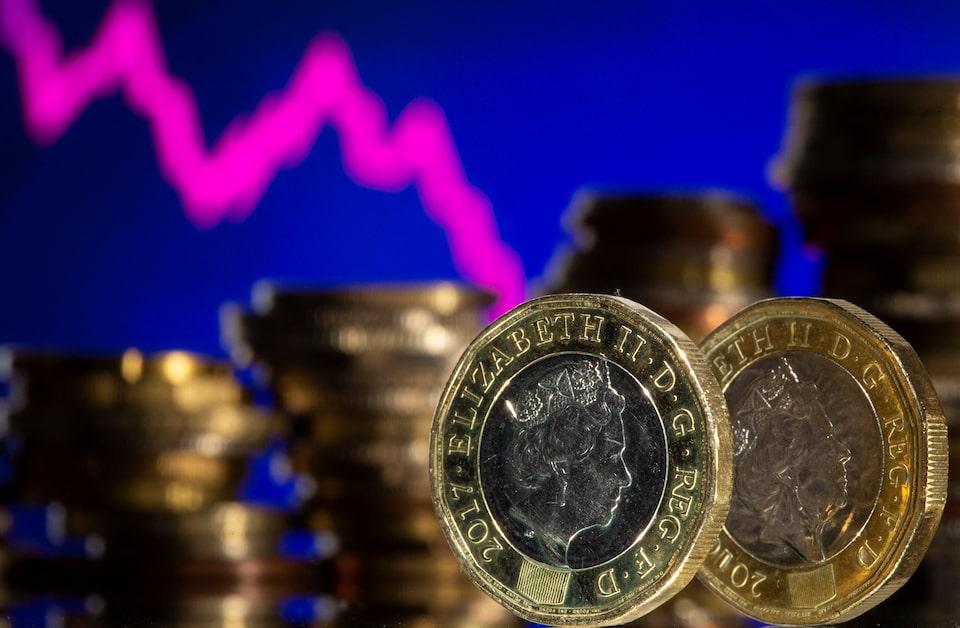
March 3 (Reuters) - The pound edged down against the euro and rose versus the U.S. dollar on Monday after European leaders agreed on Sunday to draw up a Ukraine peace plan to present to the United States. The single currency is expected to benefit the most from a peace deal in Ukraine, while Germany is mulling a significant increase in fiscal spending. British Prime Minister Keir Starmer announced on Sunday a new 1.6 billion pound ($2 billion) deal that would allow Ukraine to purchase 5,000 air-defence missiles using export finance. The single currency was up 0.10% at 82.53 pence per euro , after falling to 82.40 pence last week , its lowest level since December 19. The euro has also been under broader pressure after U.S. President Donald Trump threatened last week to apply a 25% tariff to European Union exports of cars and other goods. Whatever happens on that front, economists expect the U.S. protectionist measures to weigh on all European currencies and a lot less on the pound. The dollar dropped on Monday as investors focused on a possible peace deal and more fiscal spending in the euro area. Sterling recorded its first monthly rise since September against the greenback on Friday, driven by the prospect of UK rates taking longer to fall than those elsewhere. Sterling was up 0.3% on the day at $1.2614. Wage pressures in Britain have raised the risk of inflation holding above the Bank of England's target, the bank's Deputy Governor Dave Ramsden said on Friday, though he added that interest rate cuts did not necessarily need to be slow. "We remain of the view that the pound rally versus dollar won't prove sustainable beyond the very near term as we expect the UK budget event at the end of March to trigger fresh pressure on the pound also by potentially unnerving the fragile gilt market," said Francesco Pesole, forex strategist at ING. Analysts said the UK data calendar is quiet this week. The major domestic event is probably the Treasury Committee questioning of Bank of England Governor Andrew Bailey and other monetary policy committee members on Wednesday. Sign up here. https://www.reuters.com/markets/currencies/sterling-dips-vs-euro-rises-against-dollar-ukraine-focus-2025-03-03/
2025-03-03 08:49
TOKYO, March 3 (Reuters) - Japan's top currency diplomat, Atsushi Mimura, on Monday cautioned about foreign exchange moves and their negative impact on the country's goal of achieving real wage growth. Citing the government's estimate that a 10% depreciation of the yen can push up the inflation rate by 0.3%, Mimura said foreign exchange "can have a decisive effect" on real wages when inflation-adjusted wage increases hover around zero percent. A weak yen has been a headache for Japanese policymakers because it accelerates inflation by pushing up import costs, weighing on consumption. Some analysts blame the Bank of Japan's ultra-low interest rates and the slow pace of rate hikes for contributing to the weaker yen. "I am talking to my U.S. colleagues that probably for the United States the issue of the yen's depreciation is a matter of trade balance; for us it really is a matter of inflation," Mimura said, speaking at an event hosted by a research organisation. "So this is one of the things that we should definitely try to further address going forward," he added. Mimura also noted that rising wages are one of the bright spots in Japan and emphasised it's one of the government's top policy priorities. "We continuously hear not only from big companies but also from small and medium sized companies about the strong prospect of wage increases" in this year's annual labour-management wage negotiations, he said. Sign up here. https://www.reuters.com/markets/asia/japan-top-currency-diplomat-says-cautious-about-how-fx-could-impact-wage-growth-2025-03-03/
2025-03-03 07:33
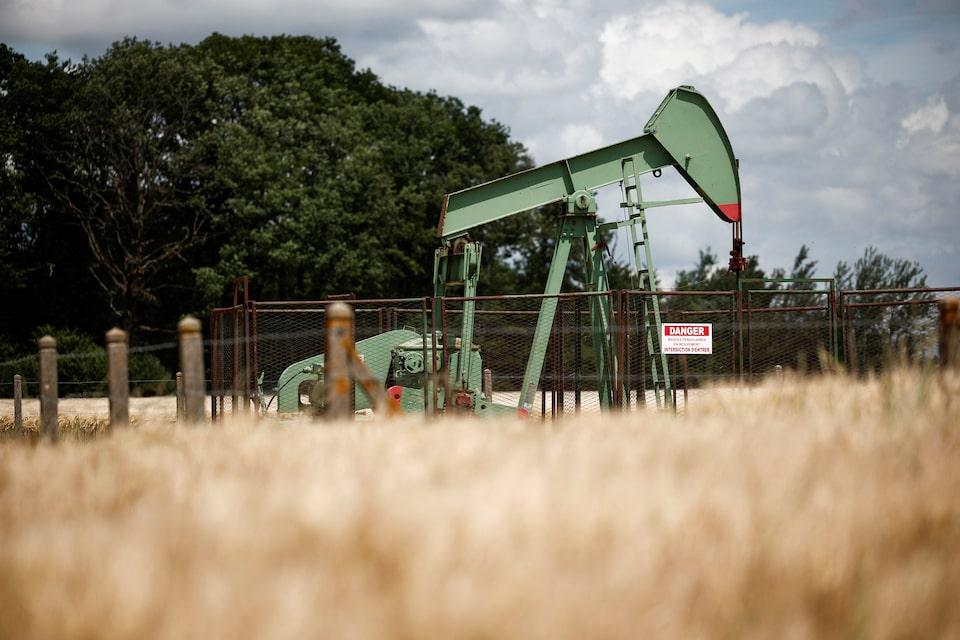
US tariffs on Mexico and Canada due to take effect on Tuesday US drawing up a plan that could give Russia sanctions relief China preparing countermeasures to US tariffs Britain talks about proposals for possible Ukraine ceasefire NEW YORK, March 3 (Reuters) - Oil prices fell about 2% to a 12-week low on Monday on reports OPEC+ will proceed with a planned oil output increase in April and worries U.S. tariffs could hurt global economic growth and oil demand. Brent futures fell $1.19, or 1.6%, to settle at $71.62 a barrel, while U.S. West Texas Intermediate (WTI) crude fell $1.39, or 2.0%, to settle at $68.37. Those were the lowest closes for Brent since December 6 and WTI since December 9. "Crude oil is under siege on multiple fronts and is vulnerable to the latest bearish headline or economic data," Bob Yawger, director of energy futures at Mizuho, said in a report, pointing to the OPEC+ decision, U.S. manufacturing data, Ukraine peace talks and U.S. tariffs. The Organization of the Petroleum Exporting Countries (OPEC) and allies like Russia, known as OPEC+, decided to proceed with a planned April oil output increase, three sources from the producer group told Reuters on Monday. OPEC+ has been cutting output by 5.85 million barrels per day (bpd), equal to about 5.7% of global supply, agreed in a series of steps since 2022 to support the market. Britain said several proposals had been made for a truce in fighting between Ukraine and Russia, after France floated a plan for a one-month pause leading to peace talks, but U.S. President Donald Trump suggested his patience was running out. The U.S., meanwhile, is drawing up a plan to potentially give Russia sanctions relief as Trump seeks to restore ties with Moscow and stop the war in Ukraine. Russia is the third-biggest oil producer behind the U.S. and Saudi Arabia and is a member of OPEC+. U.S. TARIFFS On the trade front, Trump will decide on Monday what levels of tariffs the U.S. will impose early on Tuesday on Canada and Mexico amid last-minute negotiations over border security and efforts to halt the inflow of fentanyl opioids. Trump has vowed to impose 25% tariffs on all imports from Canada and Mexico, with 10% on Canadian energy products. Canada's oilfield drilling and services sector was showing signs of slowing ahead of threatened tariffs. Mexico's President Claudia Sheinbaum said her country was ready for whatever decision Washington reached. In response to U.S. tariffs, China, the second-biggest economy after the U.S., said it was preparing countermeasures to tariffs targeting U.S. agriculture. U.S. manufacturing was steady in February, but a measure of prices at the factory gate jumped to nearly a three-year high and it took longer for materials to be delivered, suggesting that tariffs on imports could soon undercut production. Analysts have said Trump's planned tariffs have also raised inflation worries at the U.S. Federal Reserve. This could lead the Fed to keep interest rates higher for longer, which could slow economic growth and energy demand. Worries about the impact of possible slowing economic growth on oil demand pressured WTI prices, which have declined by around 10% over the past six weeks. That prompted speculators last week to cut their net long U.S. crude futures and options positions on the New York Mercantile Exchange and Intercontinental Exchange to their lowest level since hitting a record low in December 2023. In other U.S. energy markets, the start of the April contract as the new front month cut diesel futures down to a nine-week low toward the end of winter heating season. Gasoline futures soared to a six-month high ahead of the summer driving season. Sign up here. https://www.reuters.com/business/energy/oil-recovers-upbeat-chinese-manufacturing-data-increases-some-optimism-2025-03-03/