2025-02-28 07:25
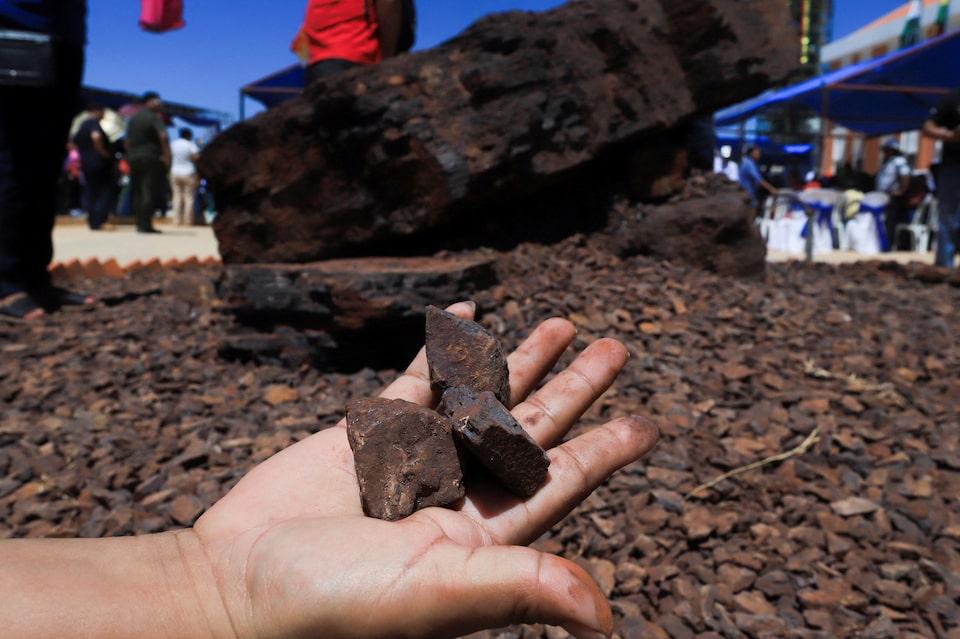
SINGAPORE, Feb 28 (Reuters) - Iron ore futures prices fell on Friday and were set for monthly losses, pressured by U.S. tariff concerns and mounting trade frictions against Chinese steel exports. The most-traded May iron ore contract on China's Dalian Commodity Exchange (DCE) closed down 0.74% to 799.5 yuan ($109.72) a metric ton. The contract has lost 1.17% for the month. The benchmark March iron ore on the Singapore Exchange was 1.36% lower at $103.65 a ton, losing 1.94% in February. U.S. President Donald Trump said on Thursday his proposed 25% tariffs on Mexican and Canadian goods will take effect on March 4 along with an extra 10% duty on Chinese imports. Trump imposed a 10% tariff on Chinese imports earlier this month, resulting in a cumulative 20% tariff. Trump also announced plans to impose 25% tariffs on all steel and aluminium imports, which have stirred a new wave of trade frictions against Chinese steel. Vietnam has announced a temporary anti-dumping levy on some Chinese steel products, while South Korea has provisionally imposed tariffs on Chinese steel imports. The U.S. steel tariffs are also set to disrupt the Chinese transshipment of steel estimated at $7 billion, undercutting a vital source of sales for China's struggling steel sector, Reuters reported on Thursday. Meanwhile, shortcomings in China's trade-in scheme, which could reduce expenses on unsubsidised goods and reduce future spending, are raising pressure on authorities to unveil consumer-focused policies with a longer-term impact when China's parliament begins its annual meeting on March 5. Moreover, China's factory activity likely contracted for a second month in February, keeping alive calls for even more stimulus to prop up depressed domestic demand. Still, steel benchmarks on the Shanghai Futures Exchange rose. Rebar edged up nearly 0.1%, hot-rolled coil added 0.18%, wire rod was up 0.14% and stainless steel advanced 0.3%. Other steelmaking ingredients on the DCE ticked up, with coking coal and coke up 0.41% and 0.78%, respectively. ($1 = 7.2868 Chinese yuan) Sign up here. https://www.reuters.com/markets/commodities/iron-ore-set-monthly-loss-china-steel-export-concerns-2025-02-28/
2025-02-28 07:22
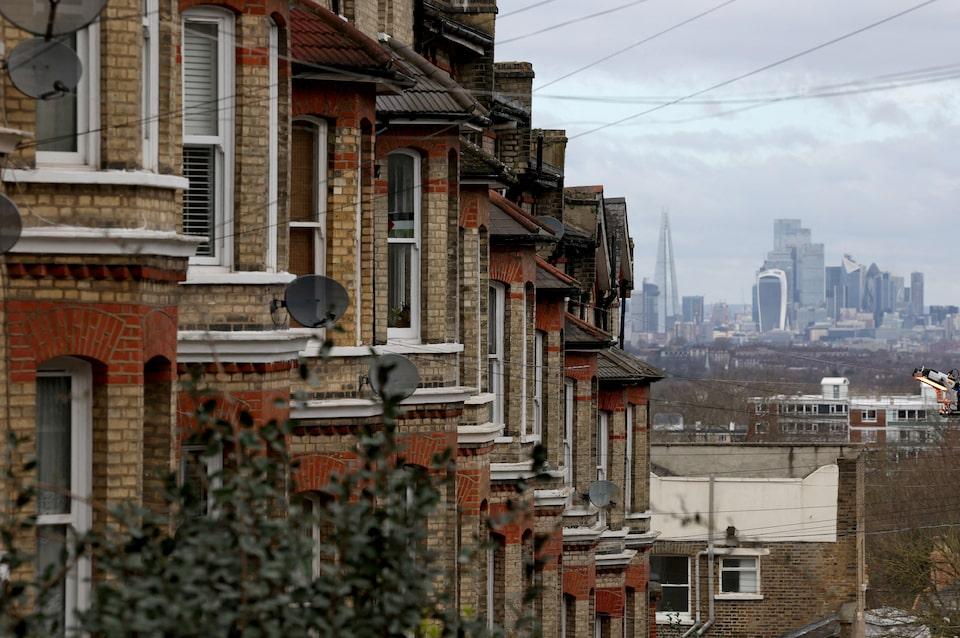
LONDON, Feb 28 (Reuters) - British house prices rose by a stronger-than-expected 0.4% in February compared with January, according to data published by mortgage lender Nationwide on Friday, adding to signs of buyers rushing to beat the expiry of a tax break next month. The increase was stronger than all forecasts in a Reuters poll of economists which had pointed to a 0.2% monthly rise after January's increase of 0.1%. Several measures of Britain's housing market have shown a recovery in demand, helped by falling borrowing costs and also by buyers moving quickly before a tax incentive on the purchase on some homes expires at the end of March. Robert Gardner, Nationwide's chief economist, said the stamp duty changes were likely to generate near-term volatility in transactions as buyers brought forward their purchases. "This will likely lead to a jump in transactions in March, and a corresponding period of weakness in the following months, as occurred in the wake of previous stamp duty changes," Gardner said. Property website Rightmove said earlier this month that a run-up in asking prices for newly listed homes was losing steam ahead of the tax change. A Reuters poll published on Tuesday showed British home prices were expected to rise by 3.5% this year - faster than previously forecast - and by 4.0% in 2026, helped by further reductions in interest rates by the Bank of England. Nationwide said house prices were up by 3.9% compared with February last year, slightly slower than January's 4.1% rise. Sign up here. https://www.reuters.com/world/uk/uk-house-prices-rise-by-04-february-nationwide-says-2025-02-28/
2025-02-28 06:52
Protests held in dozens of Greek cities Country brought to a halt by 24-hour general strike Government pledges to improve railway safety Parliament to debate possible investigation next week ATHENS, Feb 28 (Reuters) - Clashes broke out in Athens on Friday as hundreds of thousands of people rallied across Greece to demand justice on the second anniversary of the country's deadliest-ever train crash, and striking workers brought air, sea and rail transport to a halt. Fifty-seven people were killed when a passenger train filled with students collided with a freight train on February 28, 2023, near the Tempi gorge in central Greece. Two years later, the safety gaps that caused the crash have not been filled, an inquiry found on Thursday. A separate judicial investigation remains unfinished and no one has been convicted in the accident, fuelling popular anger. Demonstrations were held in cities and towns across Greece in one of the biggest protests in the country in years. In the capital Athens, the protest turned violent when a group of hooded youths hurled petrol bombs at police and tried to storm the barricades in front of parliament. Booms of tear gas volleys fired by riot police rang out across the centre. Earlier on Friday, a sea of people poured into the central Syntagma Square in front of parliament, chanting "murderers" against what they say is the state's role in the disaster. Prime Minister Kyriakos Mitsotakis' centre-right government, which won re-election after the crash in 2023, has faced repeated criticism by relatives of the victims for failing to initiate a parliamentary inquiry into political responsibility. The government denies wrongdoing and says it is up to the judiciary to investigate the accident. Friday's protests reflected mounting anger over the disaster in Greece, where mistrust of government is common following a 2009-2018 debt crisis in which millions lost out on wages and pensions, and public services suffered from underfunding. "The government hasn't done anything to get justice," said Christos Main, 57, a musician at the Athens rally. "This wasn't an accident, it was murder," he said. Another protester, who gave her name as Evi, said she was there to mourn the dead, "but also because the government has tried to cover things up". On Friday, many pupils went to class dressed in black, a symbol of mourning. Others held up black balloons. Protesters spray-painted the names of the dead in red on the ground in front of the parliament building. "I have no oxygen" - a woman's last words in a call to emergency services - echoed in chants across the country. GENERAL STRIKE All international and domestic flights were grounded as air traffic controllers joined seafarers, train drivers, doctors, lawyers and teachers in a 24-hour general strike to pay tribute to the victims of the crash. Businesses were shut and theatres cancelled performances. In a Facebook post on Friday, Mitsotakis said his government would work to modernize the railway network and make it safer. "That night, we saw the ugliest face of the country in the national mirror," he wrote of the night of the crash. "Fatal human errors met with chronic state inadequacies." Opposition parties have accused the government of covering up evidence and urged it to step down. Next week, parliament is expected to debate whether to set up a committee to investigate possible political responsibility in the disaster. In a survey carried out this week by Pulse pollsters, 82% of Greeks asked said the train disaster was "one of the most" or "the most" important issue in the country and 66% said they were dissatisfied with the investigations into the accident. "Every day, the monster of corrupt power appears before us," Maria Karystianou, whose daughter died in the crash and who heads an association of victims' families, told the crowd in Athens Students shouted "Text me when you get there," - the final message many of the victims' relatives sent them. A cardboard sign read: "Greece kills its children." "We're here because we're parents... tomorrow it might be our children," said Litsa, a 45-year-old nurse. Sign up here. https://www.reuters.com/world/europe/greece-standstill-ahead-mass-protest-anniversary-deadly-train-crash-2025-02-28/

2025-02-28 06:47
BEIJING, Feb 28 (Reuters) - Global energy trading house Vitol is downsizing the China thermal coal trading operation it recently acquired from Noble Resources, according to two sources with knowledge of the matter. Two of three China-based thermal coal traders are being laid off, according to a source with direct knowledge of the decision. A second source briefed on the matter said there was only one coal trader left in the Beijing office. Vitol did not immediately respond to an emailed request for comment sent before the start of business hours at its Europe headquarters. Vitol acquired the team in January from Hong Kong-based Noble Resources Trading, following a deal aimed at expanding its coal trading business. Noble traded 35 million tonnes of thermal coal per year and was a leader in metallurgical coke and coal. But the outlook for China's coal demand growth has weakened as it transitions to renewables, and after an unseasonably warm winter that weighed on demand. Facing mounting port inventories, China's largest coal miner China Shenhua Energy (601088.SS) , opens new tab has halted spot purchases of imported coal from April for an indefinite period of time, sources said. China's coal imports are projected to fall 1.9% this year, according to an industry association forecast, after rising 14.4% in 2024 to a record high. Sign up here. https://www.reuters.com/markets/commodities/vitol-downsizes-china-coal-trading-operations-sources-say-2025-02-28/
2025-02-28 06:40
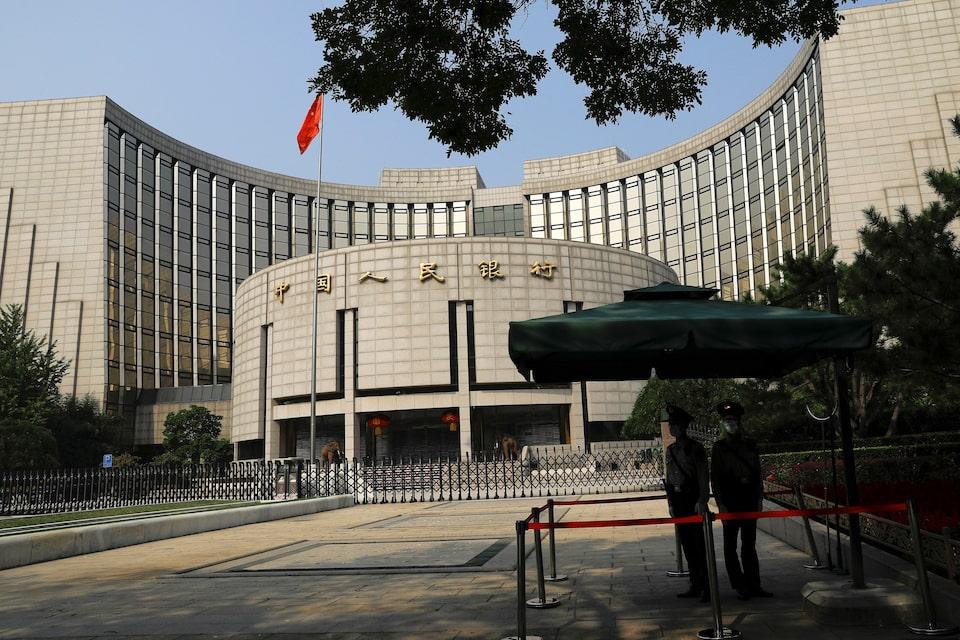
China's banks cut dollar deposit rates Sources say the rate cuts have been spurred by PBOC guidance Move could discourage dollar hoarding, support yuan SHANGHAI, Feb 28 (Reuters) - China's banks are cutting the interest rates offered on U.S. dollar deposits after being asked to do so by the central bank, possibly to curtail dollar hoarding and also prop up a weakening yuan, sources said. Mainland retail investors and exporters have built up nearly a trillion dollars worth of deposits because of higher U.S. yields and the yuan's slide. Two banking sources with direct knowledge of the matter said banks across China, big and small, have over the past few weeks been told by the People's Bank of China (PBOC) they have to cut dollar deposit rates. This guidance seems aimed at discouraging a further rise in dollar deposits and spurring more conversion of those dollars into yuan , the sources said. "We've got the guidance from the superior that we need to lower the dollar deposit rates, and many of our peers have already done so," said one of the banking sources, adding the regulators seem worried about the proportion of cash being held onshore in dollars. The PBOC did not respond immediately to a Reuters request for comment. Some banks have announced rate cuts. Bank of East Asia (0023.HK) , opens new tab said on Wednesday that it will lower the one-year dollar deposit rate on $20,000 or more to 3.5% from the current 4.4% starting early March. Bank of Nanjing (601009.SS) , opens new tab said earlier this month it has lowered interest rates on dollar deposits above $3,000 to 2.1% for three-month tenors from 4.3% set in January. China's capital controls and propensity among citizens to keep savings in dollars have meant onshore dollar deposits fetch less than in international markets, where 3-month dollar deposit rates are currently around 4.5%. But they are still higher than returns on the domestic currency, with yuan 3-month deposit rates around 1% or lower. "Yuan rates are so low now, everyone is doing a carry trade by making dollar deposits," the second source said. Foreign exchange deposits grew to $892.4 billion last month, the highest level since April 2023. Households' foreign exchange deposits stood at $146.1 billion, up 18% from a year earlier, and corporates' deposits grew to $451.9 billion, according to PBOC data. China's commercial banks sold the most foreign exchange to their clients last month since July, official data showed, showing rising demand for foreign currency. The conversion ratio - a gauge that measures households' and corporates' willingness to sell dollars for yuan - fell to the lowest level in seven months. YAWNING YIELD GAP The wide gap between higher U.S. interest rates and falling Chinese yields has been a factor eroding the yuan's appeal with onshore investors. That yield gap hit its widest-ever level in January. Equally, U.S. President Donald Trump's tariff threats and a wobbly domestic economy have weighed, causing the yuan to weaken. It has lost 2.2% against the dollar since Trump's election win in November. The PBOC had previously, in 2023, asked only the country's big five state banks to cut dollar deposit rates, capping them at 2.8%. Those are the Industrial and Commercial Bank of China (601398.SS) , opens new tab, Bank of China (601988.SS) , opens new tab, Agricultural Bank of China (601288.SS) , opens new tab, China Construction Bank (601939.SS) , opens new tab, and Bank of Communications (601328.SS) , opens new tab, whose combined assets comprise about 40% of the country's banking sector. It was not clear if the big five have been asked to cut dollar deposit rates again this time. The first banking source told Reuters the "entire village" had been asked to reduce dollar rates. Sign up here. https://www.reuters.com/markets/asia/chinese-banks-heed-pboc-call-cut-dollar-deposit-rates-say-sources-2025-02-28/
2025-02-28 06:36
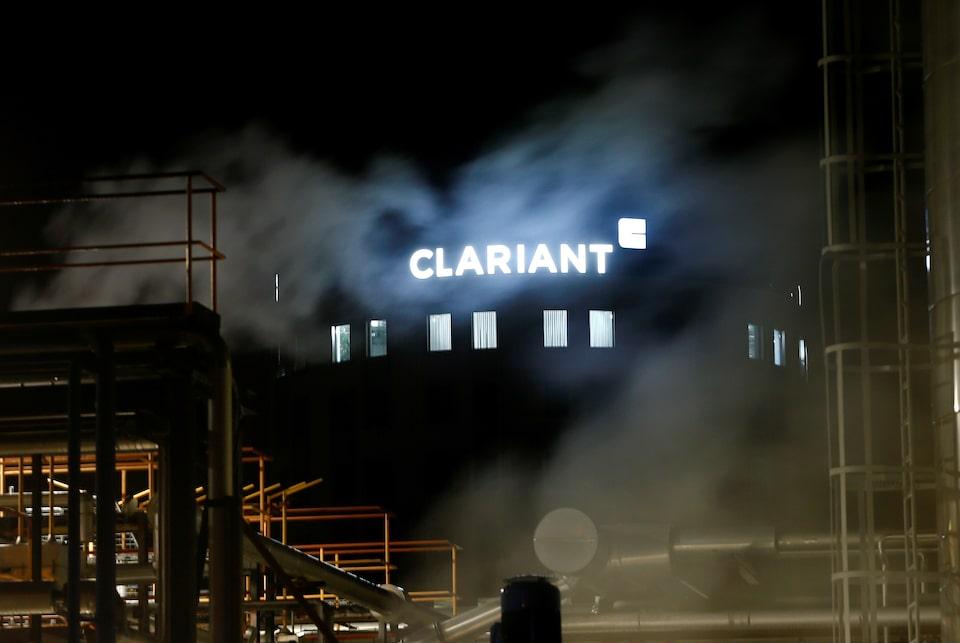
Feb 28 (Reuters) - Swiss speciality chemicals maker Clariant (CLN.S) , opens new tab reported a higher than expected fourth quarter core profit on Friday, supported by volume growth and proactive margin management, and confirmed its targets for 2025. Its earnings before interest, taxes, depreciation and amortisation (EBITDA) rose 69% year-on-year to 179 million Swiss francs ($199 million) in the quarter, slightly above analysts' forecast of 176 million francs in a company-provided poll , opens new tab. "For 2025, we expect modest growth, underlying margin improvement, and continued delivery of cost savings, resulting in improved cash generation," CEO Conrad Keijzer said in a statement. Clariant, whose chemicals are used in production of smartphones and electric vehicles, confirmed its 2025 forecasts for an EBITDA margin of 17% to 18% and sales growth of 3% to 5% in local currency, despite persistently challenging market conditions. The energy-intensive chemicals sector has seen an unprecedented drop in order volumes over the past two years as customers sought to reduce their inventories amid soaring energy prices, high inflation and escalating geopolitical tensions. This year, the European industry will face another challenge in the form of U.S. President Donald Trump's planned 25% tariffs on imports from the European Union. But Clariant reiterated that it expected 2025 to be a year of continued improvement in profitability and confirmed its medium-term targets to be achieved by 2027 at the latest. It proposed a dividend of 0.42 Swiss franc per share, in line with what it paid out last year. ($1 = 0.8991 Swiss francs) Sign up here. https://www.reuters.com/markets/commodities/clariant-beats-q4-core-profit-expectations-2025-02-28/