2026-02-09 23:27
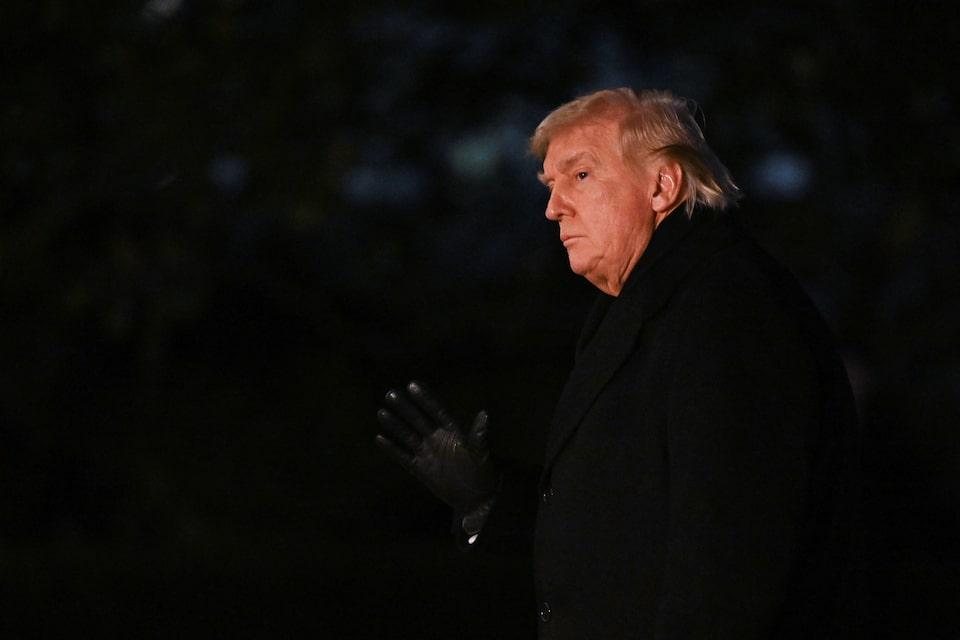
Feb 9 (Reuters) - President Donald Trump's administration wants technology companies to commit to a new compact concerning AI data centers, Politico reported on Monday, citing two administration officials. The draft compact sets out commitments to make sure data centers do not raise household electricity prices, strain water supplies or undermine the energy grid, according to the report. Sign up here. It also lays out that companies driving demand should carry the cost of new infrastructure. Politico said the proposed agreement could be subject to change. https://www.reuters.com/business/us-wants-firms-commit-new-ai-data-center-compact-politico-reports-2026-02-09/
2026-02-09 22:54
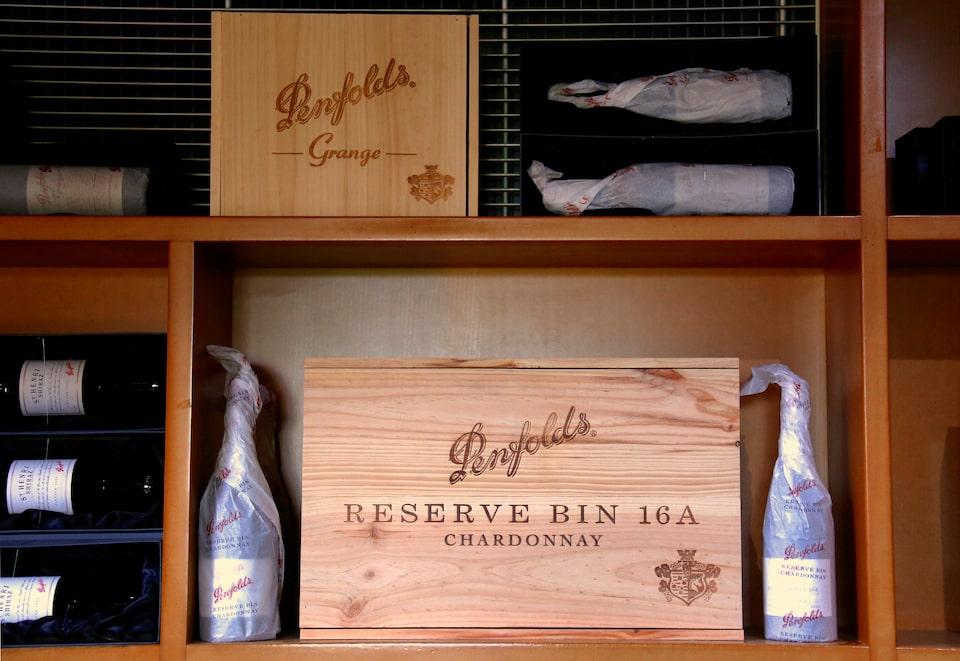
Shares jump over 8% in biggest intraday gain since late September 2024 H1 EBITS expected around A$236 million, above prior forecast TWE to repurchase Treasury Americas and Treasury Collective portfolio inventory Feb 10 (Reuters) - Australia's Treasury Wine Estates (TWE.AX) , opens new tab said on Tuesday that it had settled a dispute with U.S. distributor Republic National Distributing Company (RNDC) over the closure of its California operations, sending its shares more than 8% higher. Shares of the winemaker rose as much as 8.12% to A$5.590 to post their biggest intraday percentage gain since September 27, 2024, also helped by an earnings forecast hike. The benchmark ASX200 (.AXJO) , opens new tab was trading up 0.4%. Sign up here. Treasury Wine raised its forecast for first‑half earnings before interest and taxes to around A$236 million ($167.35 million) from A$225 million-A$235 million previously expected, but well below the A$391.4 million reported a year earlier. The forecast hike comes even as the Melbourne-based company faces challenges in key market China, where shifting alcohol consumption habits are slowing the depletion of its flagship Penfolds brand stock. Under the settlement with RNDC, Treasury Wine will repurchase Treasury Americas and Treasury Collective portfolio inventory held by the company in California for its original sale value, minus a confidential settlement amount that compensates the firm for the impact of the closure. Treasury Wine CEO Sam Fischer said RNDC's California exit had significantly affected its first-half performance. In June last year, the company said RNDC planned to exit its California operations, while its distribution partnership across the remaining 24 U.S. states would remain unaffected. Following RNDC's planned divestment of several markets to Reyes Beverage Group, RNDC distribution is expected to make up less than 20% of Treasury Americas' net sales revenue, Treasury Wine said on Tuesday. ($1 = 1.4102 Australian dollars) https://www.reuters.com/world/asia-pacific/australias-treasury-wine-settles-us-distributor-dispute-raises-hy-earnings-2026-02-09/
2026-02-09 22:36
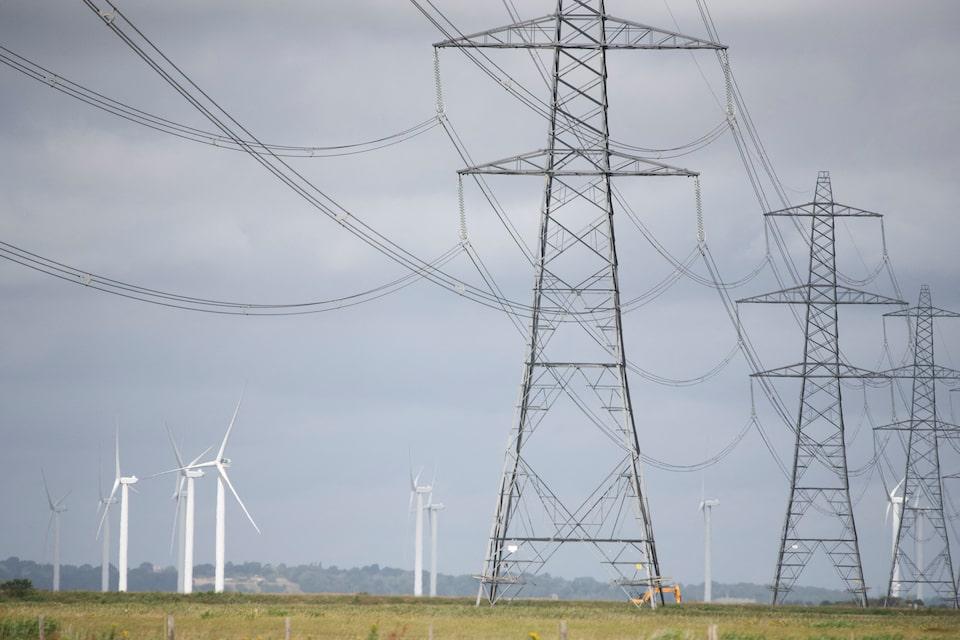
LONDON, Feb 9 (Reuters) - Britain will invest up to 1 billion pounds ($1.4 billion) in community energy projects, such as installing solar panels on libraries and other public buildings, to help meet climate targets and cut local energy costs, it said on Tuesday. Britain is seeking to largely decarbonise its power sector by 2030, which will require a big increase in renewable capacity. Sign up here. The Local Power Plan, launched on Monday, aims to support locally owned clean energy projects across community buildings and public sites. It will be backed by Great British Energy, the government's publicly owned energy company, with the funding part of the 8.3 billion pounds committed to GBE over the current Parliament. Energy Secretary Ed Miliband said the initiative would allow communities to own and control clean energy generation, ensuring profits flow into local areas rather than to large energy companies. "By giving local people the chance to take control of their energy, this government is making a fundamental choice to transfer wealth and power back to communities," he said in a statement from the Department for Energy Security and Net Zero. The funding will be distributed through grants and loans to community energy groups and local authorities, with schemes launching later this year, the government said. ($1 = 0.7325 pounds) https://www.reuters.com/legal/litigation/britain-invest-up-14-billion-community-energy-projects-2026-02-09/
2026-02-09 22:28
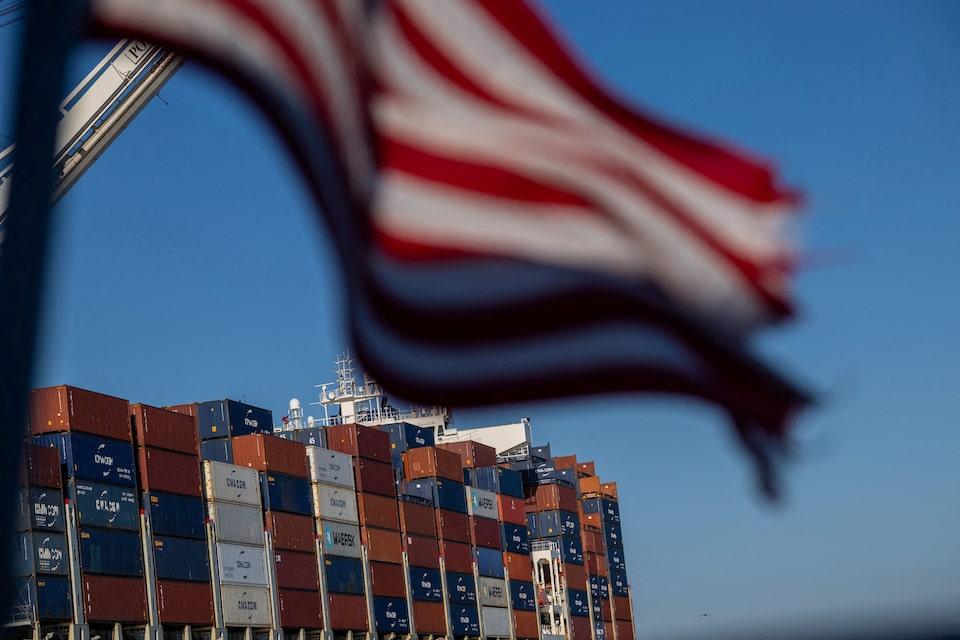
Fed's Miran argues tariffs impact mainly foreigners, not Americans Fed links tariff pressures to inflation overshoot Supreme Court reviewing tariff legality, potential overrule Feb 9 (Reuters) - Federal Reserve Governor Stephen Miran on Monday argued the Trump administration’s policy of trade tariffs has proved more benign than many had feared, in comments that argued that foreigners and their firms are the ones primarily paying for the tax hikes, rather than Americans. The comments by Miran, who was appointed by President Donald Trump last year to fill an unexpected vacancy on the Fed's Board of Governors, appeared to contradict data showing that Americans bear the burden of paying for tariffs. Sign up here. “I think the world has been coming in my direction on a number of issues,” Miran said at an appearance at the Boston University Questrom School of Business. He pointed to tariffs and their impact on the economy and noted that a year ago, at the start of the second Trump administration, there were widespread fears that the import tax surge would damage the economy. “I think very gradually over time” many experts have “been moving in my direction” and see that the impact of the tariffs has been “quite muted” in terms of what they’ve done to the economy, the official said. Miran also disputed a widespread view in the economics community that tariffs are paid for by American citizens in the form of higher prices, rather than by the exporting nations by way of lower profit margins. The idea that tariffs would not be paid by Americans was a key plank of the Trump administration as it started its aggressive trade actions against a wide range of countries, including America’s closest allies. Trump even acknowledged late last year that Americans were facing higher prices due to his tax increases, saying that while the policy was a net positive for the U.S. economy, “I think that they might be paying something.” The Fed has said that a notable part of inflation overshooting the 2% target this year is due to tariff pressures, even as many officials have also noted that tariff impacts have proved more muted than expected and likely represent a one-time increase in the price level that will not lead to lasting inflation gains. Research puts the burden of paying most of the tariffs on Americans, with the Yale Budget Lab saying in a report , opens new tab from late last month that the annual median cost of the taxes stands at around $1,400 per household. Miran said accounting issues appear to camouflage the real burden of the tariffs. In data, “it looks like a U.S. entity is bearing the burden, but it's actually just the U.S. subsidiary of a foreign company,” Miran said. “It's entirely inappropriate to say, to say that we can conclude from those data…that U.S. agents are bearing the burden of the tariff, because some of those companies are actually subsidiaries of foreign companies," he said. Miran was formerly a top economic adviser to the Trump administration before joining the Fed, and until recently, he was controversially on leave from the White House while serving at the central bank. Miran also said that tariffs joined with other changes in government policy are helping to improve the longer-run outlook for government finances. "Tariff revenues are going to be significant in terms of reducing the primary deficit," he said. The legality of the tariffs is currently under consideration by the Supreme Court, which could overrule them. Trump has warned such a decision would be a disaster. https://www.reuters.com/sustainability/boards-policy-regulation/feds-miran-says-data-suggests-americans-arent-shouldering-tariff-hit-2026-02-09/
2026-02-09 22:02
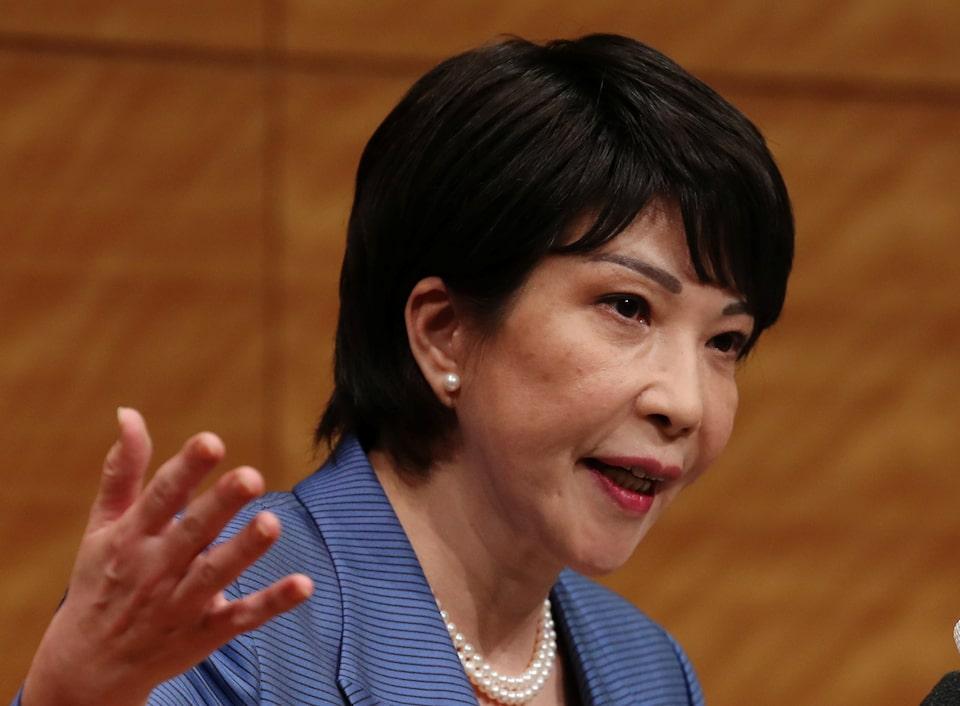
ORLANDO, Florida, Feb 9 (Reuters) - World stocks rallied on Monday, propelled by optimism around Japanese Prime Minister Sanae Takaichi's thumping election win and a rebound in tech, while the dollar slumped on reports that China has advised financial institutions to curb exposure to U.S. bonds. In my column today, I explore why Takaichi's landslide election victory doesn't necessarily signal plain sailing ahead for the yen or Japanese government bonds. Both markets are highly sensitive to the deteriorating fiscal outlook and how authorities plan to address it. Sign up here. If you have more time to read, here are a few articles I recommend to help you make sense of what happened in markets today. Today's Key Market Moves Today's Talking Points * One G7 prime minister flying ... Japanese Prime Minister Sanae Takaichi's historic election victory on Sunday gives her a mandate no leader has ever had. The question now, for markets, is how she funds her promises to ramp up spending and cut taxes. The conservative leader insists the fiscal stimulus will be delivered in a "responsible" manner. One way to help pay for it is by selling foreign assets. And Japan has plenty of those. Japanese stocks may be indifferent to how the splurge is funded, but the yen and JGBs will be more sensitive. * ... another sinking? British Prime Minister Keir Starmer's fortunes, meanwhile, could not be in starker contrast. Eighteen months after securing a landslide election victory of his own, he is facing down growing calls to resign amid the Peter Mandelson/Jeffrey Epstein scandal. His premiership appears to be in the balance as close aides quit, although Labour Party lawmakers gave him their backing on Monday. So, some reprieve for Starmer, but this could run. Gilts are under pressure, and sterling is too against the euro, but less so against the dollar. * Hyperscalers' hyper-borrowing? No problem Worries over U.S. Big Tech's eye-watering AI capex commitments may have been exaggerated, if demand for Google owner Alphabet's bond sale is any guide. Or, investors are increasingly discerning and Alphabet is firmly in the AI "winners" camp. The planned $15 billion bond offer reportedly drew over $100 billion of demand, a vote of confidence from investors and a turnaround from last week when the company's pledge to spend up to $185 billion on AI this year sent shares lower. Will demand for other hyperscalers' debt be so strong? What could move markets tomorrow? Want to receive Trading Day in your inbox every weekday morning? Sign up for my newsletter here. Opinions expressed are those of the author. They do not reflect the views of Reuters News, which, under the Trust Principles , opens new tab, is committed to integrity, independence, and freedom from bias. https://www.reuters.com/world/asia-pacific/global-markets-trading-day-graphic-2026-02-09/
2026-02-09 21:33
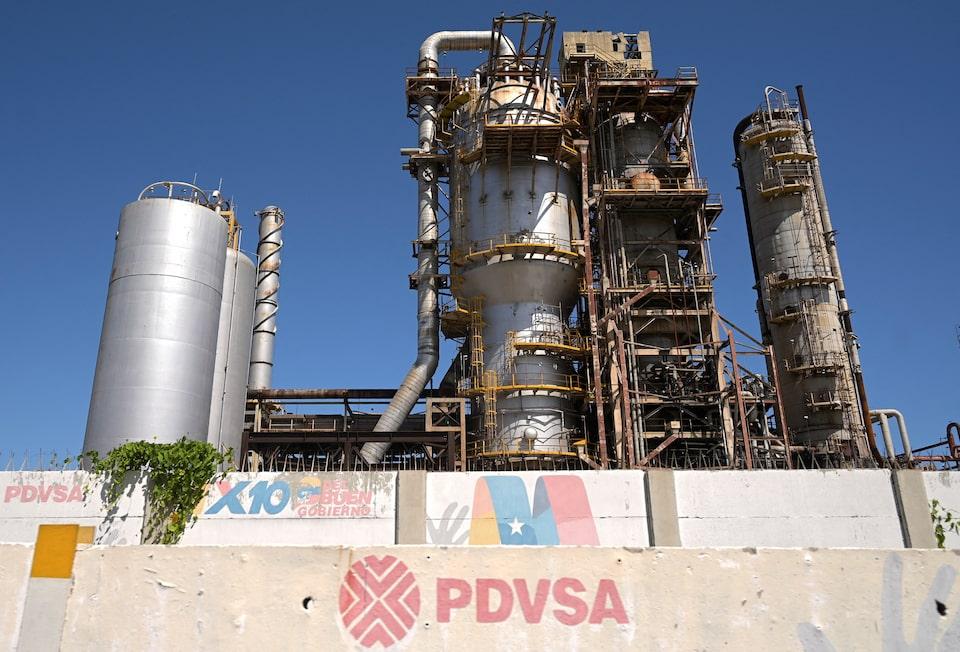
LONDON/NEW YORK, Feb 9 (Reuters) - A key group of holders of Venezuela's defaulted sovereign bonds is poised to appoint Houlihan Lokey (HLI.N) , opens new tab as financial adviser, two sources told Reuters on Monday. Venezuela's government and state oil firm PDVSA defaulted in 2017 on bonds with a combined face value of around $60 billion, while the country's total external debt including other obligations, bilateral loans and arbitration awards is estimated at between $150 billion and $170 billion. Sign up here. The seizure of President Nicolas Maduro by the U.S. in early January has fuelled hopes that one of the largest and most complex sovereign debt restructurings ever could get under way. The sources familiar with the situation could not be named due to the sensitivity of the situation. The Venezuela Creditor Committee said on January 9 it was ready to start debt restructuring talks once authorization for such discussions was granted. U.S. sanctions currently prevent engagement with the Venezuelan government without a waiver or special license. Houlihan did not immediately reply to a request for comment. The VCC's legal adviser, Orrick, declined to comment on the appointment. Members of the VCC include Grantham Mayo Van Otterloo & Co, Greylock Capital Management, Fidelity Management & Research Company, Fidera, HBK Capital Management, Mangart Capital, Morgan Stanley Investment Management, T. Rowe Price Associates and VR Advisory Services, according to the statement from the group in January. https://www.reuters.com/business/energy/key-venezuela-creditor-group-set-appoint-houlihan-adviser-sources-say-2026-02-09/