2026-01-08 19:22
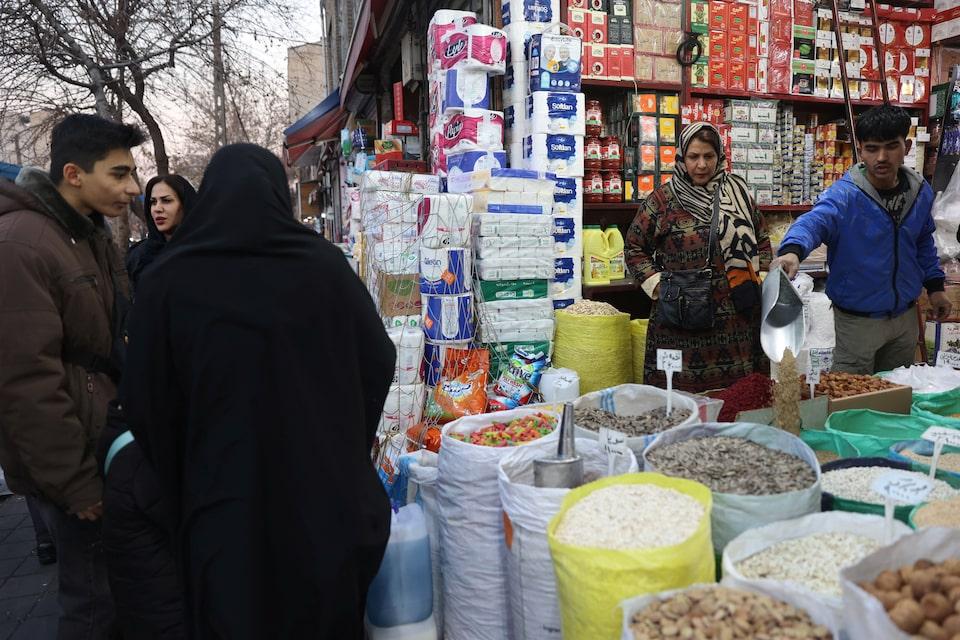
DUBAI, Jan 8 (Reuters) - A nationwide internet blackout was reported in Iran on Thursday, internet monitoring group NetBlocks said, as protests over economic hardships continued around the country. No further information on the internet outage was immediately available. Sign up here. Witnesses in the capital Tehran and major cities of Mashhad and Isfahan told Reuters that protesters gathered again in the streets on Thursday, chanting slogans against the Islamic Republic's clerical rulers. Reza Pahlavi, the exiled son of Iran's late Shah toppled in the 1979 Islamic Revolution, called in a video post on X on Wednesday for more protests. Posts on social media, which could not be independently verified by Reuters, said demonstrators chanted pro-Pahlavi slogans in several cities and towns across Iran. Iranian state media, however, said cities across the country were calm. The current protests, the biggest wave of dissent in three years, began last month in Tehran's Grand Bazaar with shopkeepers condemning the rial currency's free fall. Unrest has since spread nationwide amid deepening distress over economic privations arising from rocketing inflation driven by mismanagement and Western sanctions, and curbs on political and social freedoms. President Masoud Pezeshkian warned domestic suppliers against hoarding or overpricing goods, state media reported earlier on Thursday. "People should not feel any shortage in terms of goods' supply and distribution," he said, calling upon his government to ensure adequate supply of goods and monitoring of prices across the country. Tehran remains under international pressure with U.S. President Donald Trump threatening to come to the aid of protesters if security forces fire on them, seven months after Israeli and U.S. forces bombed Iranian nuclear sites. https://www.reuters.com/world/middle-east/iran-warns-suppliers-against-overpricing-or-hoarding-goods-2026-01-08/
2026-01-08 18:44
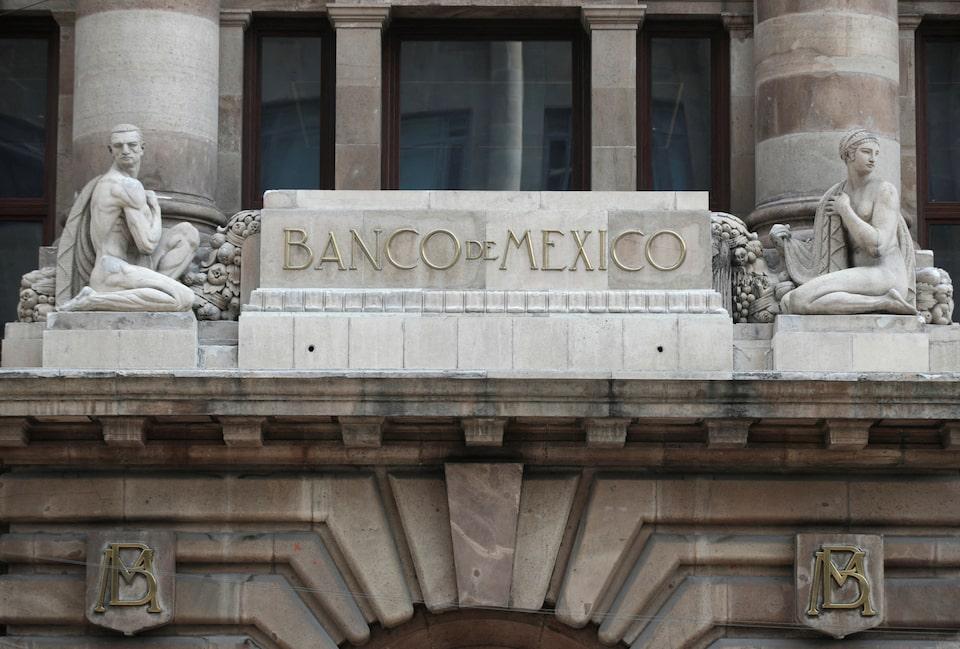
Banxico signals caution due to trade uncertainty and new tariffs Analysts expect rate cut pause amid inflation concerns New taxes and tariffs may temporarily impact inflation MEXICO CITY, Jan 8 (Reuters) - Mexico’s central bank policymakers signaled greater caution on the pace of its interest rate cuts in 2026, citing trade uncertainty and new tariffs, minutes of the bank's December monetary policy meeting showed on Thursday. The minutes are likely to fuel expectations that Banxico could soon pause a rate easing cycle that began in 2024 and continued in December, when it cut its benchmark interest rate by 25 basis points to 7.00%, its lowest level since April 2022. Sign up here. The December rate decision was 4-1, with Deputy Governor Jonathan Heath voting to hold. The board's majority argued that the quarter-point rate cut was justified by recent progress on inflation, a weak economy, and a strong peso, but flagged several factors meriting a more cautious outlook in future decisions. Those include new taxes and tariff increases on imports that a majority of governors believe are likely to push up prices in 2026. Mexico enacted tariff hikes of up to 50% on imports from China and several other Asian countries, with which it does not have a trade agreement, a measure aimed at boosting local industry. Lawmakers also approved a slate of new special taxes on certain products, such as soda, cigarettes and video games. The minutes point to a wait-and-see approach, said Actinver Research, which expects a rebound in inflation in the first quarter due to the new taxes and tariffs, as well as to Mexico's 13% increase in the minimum wage for 2026. Thursday's minutes show the governors mostly see the possible inflationary effects from the taxes and tariffs as temporary, but urged caution in case they lasted longer. "The shocks anticipated for 2026 could impact price dynamics over the planning horizon and delay inflation convergence," said one board member who voted for the rate cut, according to the minutes. Another member commented that special taxes on certain products did not generally distort market prices, based on empirical evidence. "He/she highlighted that, however, on this occasion, it will take time to ensure that no second-round effects materialize either." That member, who also voted for December's rate cut, said "a wait-and-see approach will need to be adopted." STUBBORN INFLATION Analysts have largely anticipated the board to pause rate cuts at some point in the first half of the year, after interpreting changes in the December meeting's future guidance as signaling a shift. The board's most hawkish governor Heath, who for months has been the sole dissenting vote in favor of steady rates, advocated keeping them where they are for an unspecified period in order to figure out how to bring down core inflation and prevent an uptick in headline inflation, the minutes showed. The closely watched core index, which strips out volatile products, has been outside the central bank's target range since May, rising for much of 2025. It ticked down - to 4.33% - in December but still remains above target, according to official data released on Thursday. Banxico targets inflation at 3%, with a tolerance range of plus or minus one percentage point. Annual headline inflation in 2025 came in at 3.69%, according to data released on Thursday, below economists' forecasts. Capital Economics' emerging markets economist Kimberley Sperrfechter said that the easing in price pressures in December left the door open to a rate cut next month. "But the central bank's cautious tone, alongside still elevated core price pressures, means that we think a hold is a slightly more likely outcome," she added. Goldman Sachs economist Alberto Ramos said he expected Banxico to pause rate cuts at the next two meetings. "Four of the five directors expressed dovish, though vigilant/cautious views on the outlook for inflation and monetary policy: they seem committed to extending the cutting cycle, likely after a pause to evaluate the impact of the upcoming increase in taxes and import tariffs," he said. https://www.reuters.com/world/americas/bank-mexico-flagging-new-taxes-tariffs-signals-support-rate-cut-pause-2026-01-08/
2026-01-08 13:00
Jan 8 (Reuters) - American Electric Power (AEP.O) , opens new tab said on Thursday its unit will buy a substantial portion of its option for solid oxide fuel cells in a deal worth about $2.65 billion as part of its plans to develop and build a fuel cell power generation facility. In 2024, AEP had signed an agreement with Bloom Energy (BE.N) , opens new tab to acquire 100 megawatts of solid oxide fuel cells with an option to purchase an additional 900 MWs. The utility's unit exercised that option earlier this week, AEP revealed in a regulatory filing. Sign up here. AEP also signed 20-year deal with an unnamed customer to supply the entire output from the fuel cell generation facility that will be located near Cheyenne, Wyoming. The offtake deal is subject to certain conditions which are expected to be satisfied by second quarter 2026, the utility said. If the conditions are not met, AEP will be financially compensated for all capital and costs incurred, it added. https://www.reuters.com/business/energy/american-electric-power-signs-265-billion-deal-fuel-cells-2026-01-08/
2026-01-08 12:40
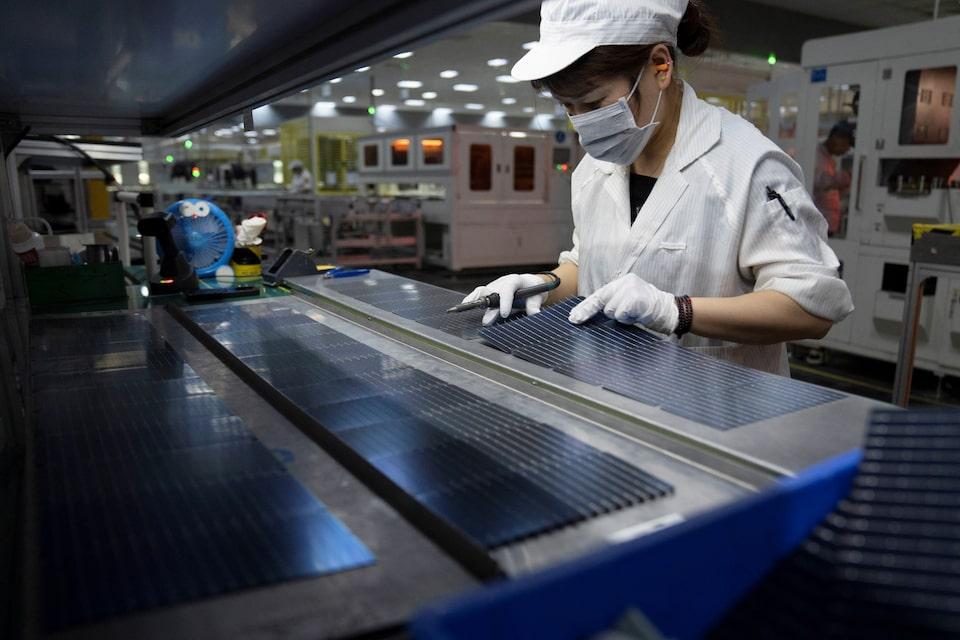
BEIJING, Jan 8 (Reuters) - China's market regulator has summoned six top Chinese solar firms including Tongwei (600438.SS) , opens new tab, Daqo New Enery (688303.SS) , opens new tab and GCL Technology (3800.HK) , opens new tab over monopoly concerns, state media China Securities News reported on Thursday. The regulator urged the companies not to coordinate on production capacity, capacity utilisation, output or prices, the report said. Sign up here. It also prohibited the enterprise from dividing markets or allocating production and profits through investment ratios, and demanded them to submit written rectification plans by January 20. https://www.reuters.com/sustainability/climate-energy/chinas-market-regulator-summons-top-solar-firms-over-monopoly-concerns-state-2026-01-08/
2026-01-08 12:39
Jan 8 (Reuters) - India's National Stock Exchange (NSEI.NS) , opens new tab is in discussions with Indian Gas Exchange, or IGX, to develop and launch Indian natural gas futures, the country's largest bourse said on Thursday. The proposed collaboration with IGX is aligned with the country's broader goal of increasing the share of natural gas in its energy basket and promoting market-based pricing mechanisms, NSE said. Sign up here. The collaboration is subject to regulatory approvals, and NSE and IGX will work with stakeholders to ensure a smooth launch of the proposed derivatives contract, the exchange added. India's energy markets have seen heightened volatility in recent sessions amid global uncertainty, including renewed concerns over potential U.S. tariffs that have weighed on oil and gas stocks. Natural gas futures could help producers, city gas distributors, power generators and industrial consumers hedge price volatility and support the development of a credible Indian gas price benchmark, the company said. The Multi Commodity Exchange of India (MCEI.NS) , opens new tab also offers trading in natural gas energy futures. https://www.reuters.com/business/energy/indias-nse-talks-with-igx-launch-natural-gas-futures-contract-2026-01-08/

2026-01-08 12:27
LONDON, Jan 8 (Reuters) - The Intercontinental Exchange (ICE.N) , opens new tab will extend its daily trading hours for European gas and power contracts by February 23, it said in a circular late on Wednesday. Europe is increasingly relying on globally traded liquefied natural gas to meet demand, with the U.S. emerging as its key supplier and the new trading times will match the 22-hour trading cycle of the US Henry Hub gas market. Sign up here. The new hours for its Dutch TTF, British National Balancing Point (NBP) and German Power contracts will be 01.50-00.00 CET compared with the current trading hours of 08.00-18.00 CET, ICE said. ICE said it will engage with members and their customers over the coming weeks about the proposed extension of the trading hours and confirm the effective date in due course. https://www.reuters.com/business/energy/intercontinental-exchange-extend-trading-hours-eu-gas-power-2026-01-08/