2025-02-17 16:53
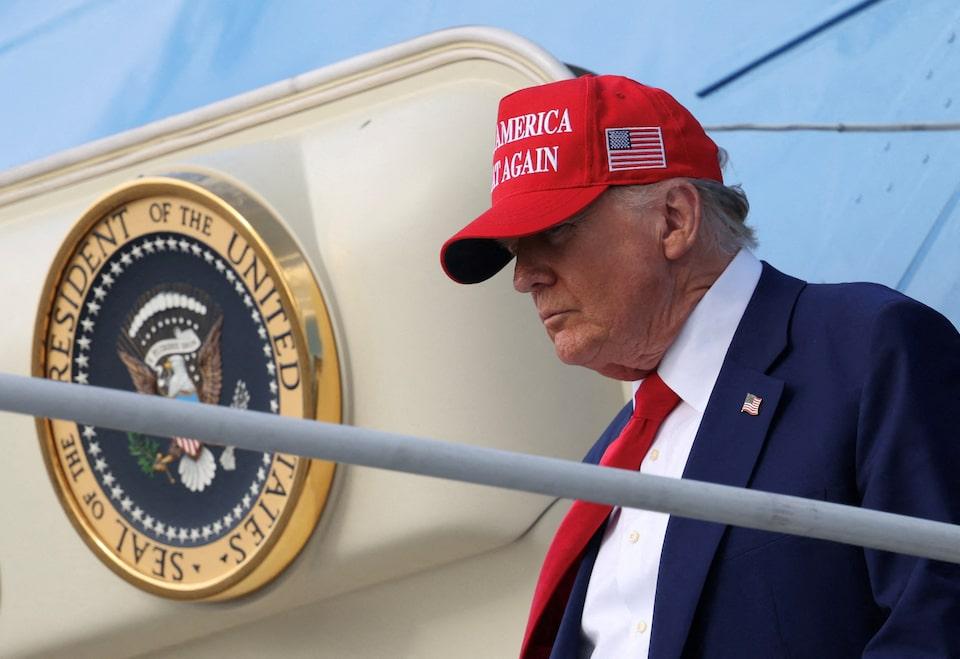
LONDON, Feb 17 (Reuters) - Donald Trump has so far sent comparatively fewer market-moving social media posts since being re-elected than during his first term in power, a study by U.S. investment bank JPMorgan has estimated. The bank's analysts found that only 10% of the 126 posts Trump had published this time around on sensitive topics such as trade tariffs, foreign relations and economics had caused clear currency market moves. The numbers are picking up though. Last week he sent more than 20 posts linked to those issues, double January's average. That, however, is still well below the 60-a-week he peaked at during his 2018-19 trade rows with Mexico and others. "Among the different topics, the posts on tariffs have been the biggest market movers," JPMorgan's note published on Monday said, adding that closer to a third of those ones had been market moving. The largest impact so far has been the more than 2% and 1% falls in Mexico's peso and Canada's dollar, respectively, seen at the start of February when Trump posted he had used emergency powers to implement 25% tariffs on Mexico and Canada - a move he postponed two days later. Others focused on China meanwhile have caused moves in both directions depending on their tone. The yuan dipped after Trump threatened tariffs over Fentanyl supply shortly after his re-election. But the currency also rose in mid-January after the U.S. president said he had "a very good" phone call with China's President XI Jingping. JPMorgan's analysts said their backtesting showed that trading on Trump's posts wouldn't have been very profitable either so far. Buying the dollar versus a basket of G10 high beta currencies, or the most directly-impacted individual currency for between five and 180 minutes after each post would have been "disappointing" they said, estimating no more than a 4% gain even under "highly optimistic" assumptions. While Trump is sending fewer market moving social media messages at this stage, he has stepped up direct communications from the Oval Office with almost-daily question and answer sessions with journalists. Sign up here. https://www.reuters.com/markets/us/trump-sending-fewer-market-moving-social-media-posts-than-previous-term-study-2025-02-17/
2025-02-17 16:49
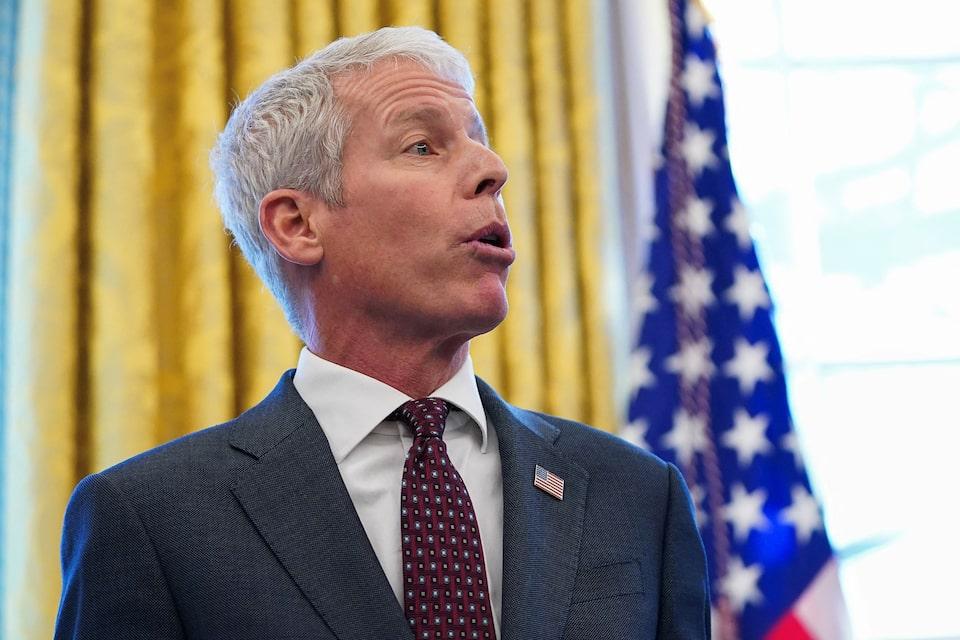
LONDON, Feb 17 (Reuters) - U.S. Energy Secretary Chris Wright on Monday called a pledge to achieve net zero carbon emissions by 2050 a "sinister goal", and criticised the British government's attempts to hit clean energy targets. Former President Joe Biden set a target in 2021 for the United States to achieve net-zero emissions by 2050 to help fight climate change, in part by using subsidies to encourage an expansion of clean energy and electric vehicles. "Net Zero 2050 is a sinister goal. It's a terrible goal," Wright said, speaking via videolink at a conference being held in London. "The aggressive pursuit of it - and you're sitting in a country that has aggressively pursued this goal - has not delivered any benefits, but it's delivered tremendous costs." Wright also used a question and answer session at the Alliance for Responsible Citizenship event to say his number one priority was for the government to "get out of the way" of the production of oil, gas and coal. President Donald Trump's administration said on Friday it had granted a liquefied natural gas export license to the Commonwealth LNG project in Louisiana, the first approval of LNG exports after Biden paused them early last year. "We ended the pause and approved the Commonwealth LNG export terminal last Friday, and many more in the queue," he said. "The world simply runs on hydrocarbons and for most of their uses we don't have replacements." On net zero, he took particular aim at Britain, saying its pursuit of a decarbonised energy system - which the current UK government wants to reach by 2030 - had damaged living standards and exported emissions elsewhere in the world. "No one's going to make an energy-intensive product in the United Kingdom any more. It's just been displaced somewhere else," he said. "This is not energy transition. This is lunacy. This is impoverishing your own citizens in a delusion that this is somehow going to make the world a better place." Prime Minister Keir Starmer has put clean energy at the heart of his strategy for Britain, banking on the development of the country's offshore wind resources in particular as the source of a new wave of highly skilled jobs and economic growth. In January Trump, speaking before his presidential inauguration, criticised the British government's energy policy with a demand the country "open up" the ageing North Sea oil and gas basin and get rid of wind farms. Sign up here. https://www.reuters.com/world/us-energy-secretary-attacks-sinister-net-zero-goals-singling-out-britain-2025-02-17/
2025-02-17 16:36
BRASILIA, Feb 17 (Reuters) - The executive secretary of Brazil's finance ministry, Dario Durigan, said on Monday that an income tax reform that will be proposed by the government aims to tax shareholders who receive dividends from companies with taxation "well below" the average. Speaking at an event hosted by the American Chamber of Commerce, he noted that the goal of the reform, which has yet to be sent to Congress, is to remain fiscally neutral for public finances. Durigan also addressed concerns that the new system could erode the current income-tax-free status of corporate dividends, a feature seen by many as compensating for the high tax burden companies face in Latin America's largest economy. He explained that the government's approach targets "shareholders receiving dividends from companies that are currently taxed well below the Brazilian average," without clarifying how this distinction would be applied. The centerpiece of the reform, which was unveiled late last year sparking market turmoil, will exempt Brazilians earning up to 5,000 reais ($875.84) per month from income tax, up from the current threshold of two minimum wages, or 2,824 reais. This will free an additional 10 million Brazilians from income tax, raising the total to 26 million. The move is seen as a crucial strategy by President Luiz Inacio Lula da Silva to regain popularity after a significant decline in recent polls. However, it is met with skepticism by markets due to the substantial revenue loss and the government's challenge to maintain fiscal neutrality. Durigan emphasized that the reform's counterpart will be the introduction of a minimum tax for the wealthiest, with an effective rate capped at 10%, impacting around 160,000 taxpayers. Last year, the government had already acknowledged that this move alone would be insufficient to offset the revenue loss, stating that it would also end the income tax exemption for retirees with severe illnesses or those who suffered accidents and earn above 20,000 reais per month, "among other measures," which were never disclosed. ($1 = 5.7115 reais) Sign up here. https://www.reuters.com/world/americas/brazil-tax-reform-target-dividend-payouts-firms-with-below-average-tax-rates-2025-02-17/

2025-02-17 13:52
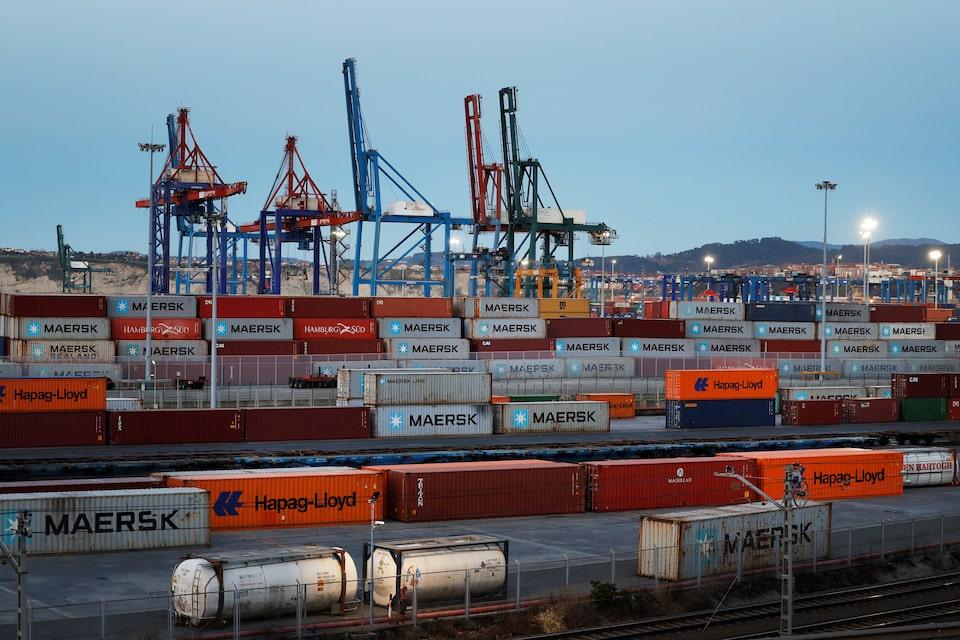
Feb 17 - The views expressed here are those of the author, an investment strategist at Panmure Liberum. The euro zone is showing early signs of an economic recovery that is unlikely to be derailed by the tariffs the Trump administration has threatened thus far. But that doesn’t mean European policymakers can let their guard down. Many investors and economists believe the euro zone will continue to be stuck with low growth in 2025. The consensus among economists is for the bloc’s real GDP growth to hover around +1.0% in 2025, only a little higher than the +0.7% achieved in 2024 and well below the U.S.’s expected +2.0% pace. This assumes the region’s struggling manufacturing sector – the main drag on growth in 2024 – will continue to sputter due to high energy costs and a lack of demand, particularly from China. But this pessimism may be overdone. The Early Cycle Indicator, Panmure Liberum’s proprietary indicator, has been showing early signs of an economic recovery in recent months. This indicator has historically signalled shifts in GDP and earnings growth of European manufacturing companies about nine to twelve months in advance. Importantly, the European economic powerhouses of Germany and France are showing tentative indications that growth is accelerating. The main driver of this improvement is the recovery in new export orders in manufacturing PMI surveys. Export demand has become a key swing factor in euro zone growth, as exports amounted to 51% of GDP in 2023. Other factors pointing in the right direction are stabilising inventory levels and improving investment intentions. Unfortunately, the manufacturing PMI surveys don’t tell us where this export demand is coming from. Does it reflect recovering demand in China, accelerated orders from the U.S. in anticipation of tariffs or rising demand among European trading partners? Hence, we can’t definitely posit how sustainable this recovery will be. Higher U.S. demand would likely taper off once tariffs are implemented, while a sustained recovery in Chinese export demand could be a game changer. TRADE TENSIONS But what we can say with some certainty is that Europe’s recovery is likely to be tested by rising global trade tensions, as the Trump administration ramps up its efforts to impose tariffs on the EU. The U.S. runs a goods trade deficit of roughly €155 billion with the bloc, according to the World Bank, making the EU a prime target. The worry for investors is that these tariffs could reignite European inflation and curtail growth at this vulnerable stage in the region’s recovery. But most of the tariffs put forward thus far should not have a significant direct impact on Europe. The newly announced 25% tariffs on steel and aluminium imports to the U.S. certainly should not hurt much. European exports of steel to the U.S. have averaged roughly €3bn over the last decade, and aluminium exports were similarly modest. Together, they account for only around 2.0% of total goods exports from the EU to the U.S., according to the World Bank. While the European steel and aluminium industries will face declining export revenues if these tariffs are implemented, the euro zone overall will hardly feel the impact. Similarly, Trump’s call for reciprocal tariffs should not be material for Europe in aggregate. Reciprocal tariffs ensure charges on goods imported into the U.S. from a given country are set at the same rates that country assesses on imports of U.S. goods. The latest data from 2022 shows that the average tariff imposed on EU goods coming into the US was 3.6%, while the average tariff rate on goods going in the opposite direction was 4.5%. However, the concern grows markedly when zeroing in on individual products. European cars exported to the U.S. are subject to a 2.5% tariff, while U.S. cars face a 10% charge in the EU. And even though European car makers like Mercedes-Benz and BMW have U.S. plants, the high-margin, high-end cars are built in Europe. The same is true for Porsche, which has no manufacturing sites in the U.S. Food and beverages manufacturers will also feel the pinch if Trump follows through, as they would face a four percentage point increase in U.S. tariffs. However, in the grand scheme of things, most of these tariffs will hardly register. According to my models, levelling the tariffs between the EU and the U.S. will reduce EU GDP by only 0.02% and increase inflation by 0.01%. In other words, there should be virtually no impact at all. So what type of tariffs could derail the European recovery? For that, Trump would need to follow through on his campaign promise to impose 20% blanket tariffs. If this were applied to all EU goods, models indicate that GDP growth in the bloc could fall by 0.9 percentage points and inflation could rise by 0.2 percentage points. This would clearly change the economic outlook and likely push the EU back into recession. Additionally, if Trump imposes significantly higher tariffs on China, EU manufacturers would likely suffer since the knock-on effects to the Chinese economy could cause Chinese export demand to decline. For now, however, Trump’s tariff threats seem to be a lot of bark and with fairly little bite. (Joachim Klement is an investment strategist at Panmure Liberum, the UK's largest independent investment bank) Sign up here. https://www.reuters.com/markets/europe/trump-tariffs-wont-easily-derail-euro-zone-recovery-says-klement-2025-02-17/
2025-02-17 12:43
CPC pipeline carries Kazakh crude to Russian port for export Flows reduced as damage at pumping station inspected -CPC U.S. oil majors Chevron and ExxonMobil hold stakes in pipeline U.S.-Russia talks on Ukraine war set for Tuesday in Saudi Arabia MOSCOW, Feb 17 (Reuters) - A Ukrainian drone strike has hit a pumping station on Kazakhstan’s main oil export pipeline in Russia, its operator said on Monday, reducing flows to the Black Sea port of Novorossiisk. A drone struck the Kropotkinskaya station in the southern Krasnodar region, where work was halted to investigate the damage, the Caspian Pipeline Consortium (CPC) said in a statement. A source at Ukraine's SBU security service said that Kyiv had hit the pumping station and the nearby Ilsky oil refinery using drones. The source said both facilities were supporting Russia's military action in Ukraine. Ukrainian drones have repeatedly targeted Russian energy infrastructure in recent months, including in the southern Krasnodar region. The CPC pipeline, whose shareholders include U.S. energy majors Chevron (CVX.N) , opens new tab and ExxonMobil (XOM.N) , opens new tab, handles almost all of Kazakhstan's oil exports, which account for around 1% of global daily supply. Kazakhstan's energy ministry said oil loadings at the Tengiz oilfield continued as normal. The strike comes a day before the United States and Russia are scheduled to hold talks on ending the war in Ukraine with U.S. Secretary of State Marco Rubio set to meet Russian Foreign Minister Sergei Lavrov in Saudi Arabia. Sign up here. https://www.reuters.com/world/europe/drone-strike-hits-kazakhstans-main-oil-export-pipeline-russia-operator-says-2025-02-17/

2025-02-17 12:38
Feb 17 (Reuters) - Ukrainian drones hit Russia's Ilsky oil refinery and oil pumping station in the southern Krasnodar region overnight, prompting the suspension of pumping operations, an official from Ukraine's SBU security service said on Monday. At least 20 explosions were heard in the vicinity of the refinery, the official said, asking not to be named, adding that the oil facilities were being used to supply Russia's military in its three-year war in Ukraine. "Not only do they work for Russia's defence sector and provide fuel for enemy troops, but they are also important for the Russian economy, which finances the war through oil profits," the official said. Krasnodar's regional governor had earlier reported a "massive" drone attack overnight. Russia's SHOT Telegram news channel said drone wreckage sparked a fire at the refinery, which was also attacked by Ukrainian drones last year. Sign up here. https://www.reuters.com/world/europe/ukrainian-drones-hit-russian-oil-facilities-overnight-kyiv-official-says-2025-02-17/