2025-02-17 06:00
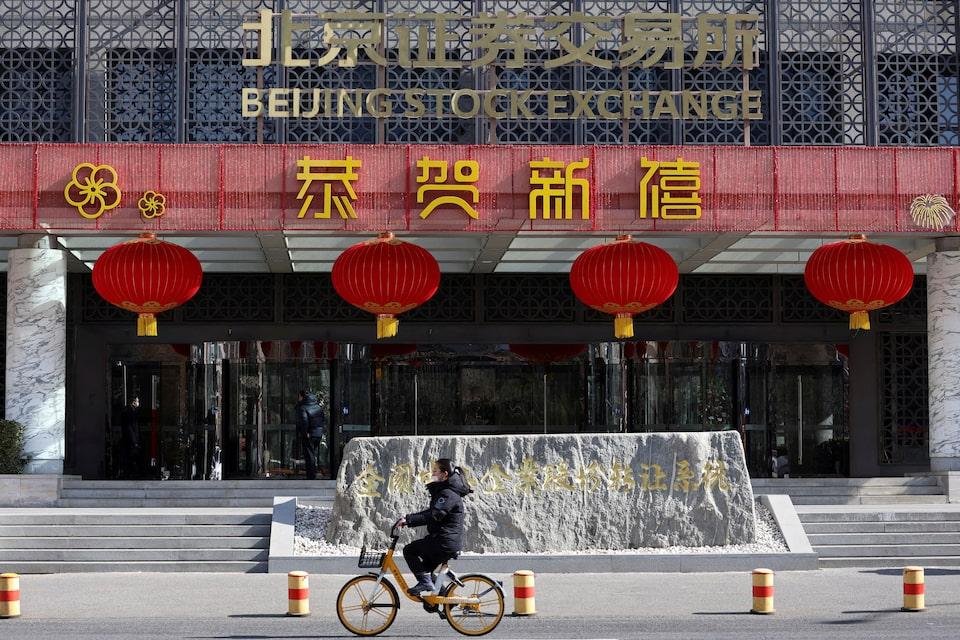
LAUNCESTON, Australia, Feb 17 (Reuters) - (The views expressed here are those of the author, a columnist for Reuters.) China's retaliatory tariffs against U.S. energy imports is likely to be most keenly felt in the seaborne market for metallurgical coal. Beijing imposed a 15% import tariff on U.S. coal and liquefied natural gas (LNG) and 10% on crude oil on February 4 after U.S. President Donald Trump placed an additional 10% impost on all imports from China. The tariffs are likely high enough to all but kill the energy trade between China, the world's biggest importer of coal, LNG and crude, and the United States, which is the largest exporter of LNG and ranks fourth in coal and crude oil. However, the U.S. share of China's imports for crude and LNG is small, at around 2% and 5% respectively, meaning the global markets will likely be able to adjust rapidly and without too much difficulty. It's a different story for metallurgical coal, also known as coking coal and the fuel primarily used to make steel. China's total seaborne imports of coking coal were 43.02 million metric tons in 2024, of which the United States provided 5.02 million for a share of 11.7%, according to data compiled by commodity analysts Kpler. The United States was the fourth-largest supplier of seaborne coking coal to China, behind Australia with 15.91 million tons, Russia with 11.68 million and Canada with 7.79 million. If the new tariffs do render U.S. coking coal uncompetitive in China, then China's steel makers will have to find suitable alternatives. Of course, U.S. coking coal exporters could choose to discount the cost of cargoes in order to stay in the China market, but they are far more likely to seek to sell to other importers, such as top buyer India as well as Japan and South Korea. Where is China likely to be able to source coking coal to replace U.S. supplies, working on the assumption its demand in 2025 remains constant from 2024. It could try to squeeze some more out of Mongolia, it's top supplier via overland trains and trucks, but this coal would arrive in the wrong place, given that seaborne supplies go largely to coastal steel plants. It's also questionable if Russia could increase output and rail capacity by enough to replace U.S. coking coal. This largely leaves Australia and Canada as alternatives, with both exporters having the ability to supply China's demand. But this may come at a cost, as Chinese steel makers may have to offer more to Australian and Canadian miners in order to draw supply away from buyers in other countries. AUSTRALIA PRECEDENT When China imposed an informal ban on all Australian coal in mid-2020 it resulted in imports from Australia dropping to almost nothing, but this was accompanied by rising prices for seaborne grades. This was because China had to draw cargoes from exporters such as Indonesia for thermal coal and the United States and Canada for coking coal, and having to pay a premium to do so. If China seeks to replace U.S. coking coal with cargoes from Australia and Canada, it will likely have to compete against Indian buyers. India is the world's largest importer of coking coal, taking in 67.6 million tons in 2024, according to Kpler data. India's biggest supplier was Australia, with the 34.88 million tons representing just over 50% of the total, with Russia second at 14.74 million and the United States third with 8.4 million. The most logical way for China to move away from U.S. coking coal is for its steel markers to buy more from Australia, with India in turn buying less from Australia and taking more from the United States. This is entirely possible, but will likely come at a price premium, at least initially. Seaborne coking coal prices have been trending down for 16 months, with benchmark Australian contracts traded in Singapore going from $363 a ton in mid-October 2023 to $188 on February 14, a drop of 48.2%. U.S. low-volatile coking coal at east coast ports was assessed by commodity price reporting agency Argus at $187.50 a ton on February 13, in line with the Australian benchmark. If Chinese buyers do switch to buy more Australian and possibly Canadian coking coal, it's likely that Australian prices will outperform their U.S. counterpart, especially if U.S. producers have to scramble to find alternatives buyers for cargoes that had been destined for China. The views expressed here are those of the author, a columnist for Reuters. Sign up here. https://www.reuters.com/markets/commodities/chinas-retaliation-trump-tariffs-will-reshape-coking-coal-flows-prices-russell-2025-02-17/

2025-02-17 05:39
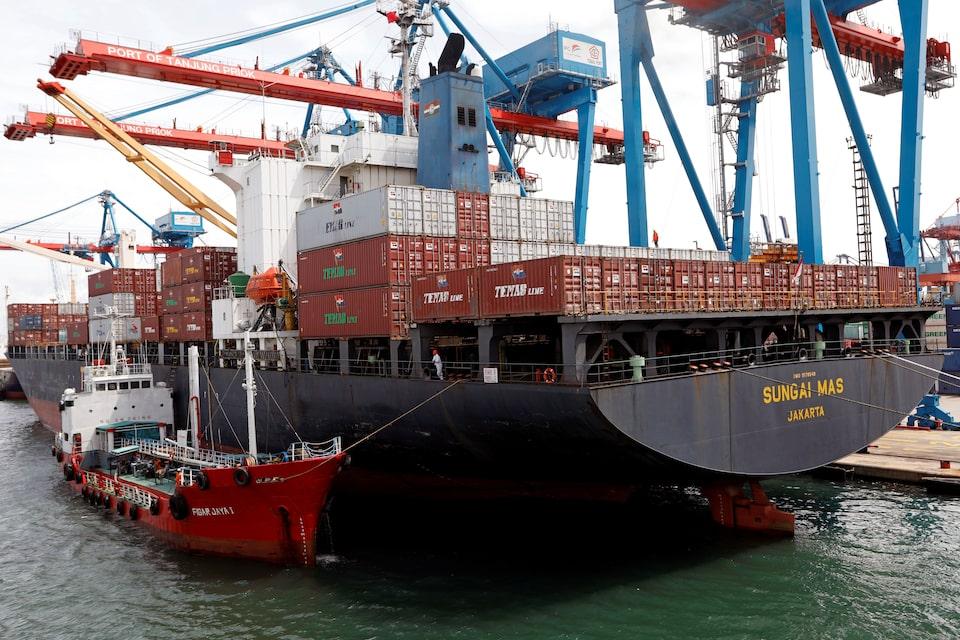
Trade surplus of $3.45 bln is bigger than $2 bln forecast Exports +4.7% y/y, vs +7% in poll Imports -2.7% y/y, vs +10% in poll JAKARTA, Feb 17 (Reuters) - Indonesia booked a $3.45 billion merchandise trade surplus in January, bigger than expected, amid surprisingly weak imports, official data showed on Monday. A Reuters poll of analysts had expected a surplus of $1.91 billion for January. The country had a $2.24 billion surplus in December. The trade data is among a series of economic indicators the central bank will consider at its monthly policy review this week. Bank Indonesia (BI) has cut interest rates twice since September and Governor Perry Warjiyo has said the bank has room to cut further, though most analysts polled by Reuters expect BI to keep interest rates unchanged on Wednesday. Southeast Asia's largest economy imported $18 billion worth of goods in January, down 2.67% from the same month a year earlier, in contrast with analysts' forecast for growth of 9.95%. That marked the first contraction in imports in eight months. Imports of consumer goods and raw materials for industry contracted 7.16% and 3.15%, respectively. Statistics Indonesia chief Amalia Adininggar Widyasanti said the drop was likely due to industry activities affected by Chinese New Year holidays, compared with holidays in 2024 which fell in February. Exports rose 4.68% on an annual basis in January to $21.45 billion, compared with 6.99% growth expected in the poll. While shipments of its top commodities like coal, palm oil and nickel metals declined in value on a yearly basis, overall growth was supported by exports of ships, jewellery and chemical products. Miner Freeport Indonesia also stopped exporting copper concentrate this year after its permit expired at the end of 2024. Josua Pardede, economist with PermataBank, said the import contraction was unexpected, but likely to be temporary due to seasonal factors, predicting imports to rise later in the year and the current account deficit to widen. "The widening of current account deficit will limit the room for BI's rate cuts," Pardede said, highlighting export challenges due to rising global trade tensions. Sign up here. https://www.reuters.com/markets/asia/indonesia-books-345-billion-trade-surplus-january-after-weak-imports-2025-02-17/
2025-02-17 05:36
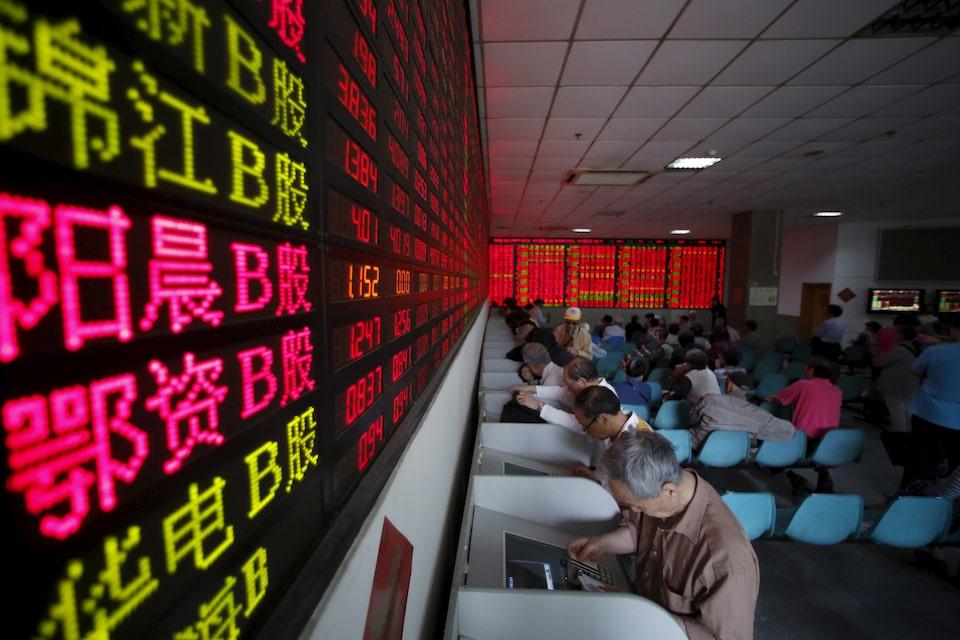
A look at the day ahead in European and global markets from Wayne Cole. It's been a mostly upbeat start to the week for Asian shares, even though a holiday in U.S. markets has thinned liquidity. Hong Kong led the way again, tacking another 1.4% onto last week's 7% jump amid optimism about potential low-cost AI adoption following the DeepSeek reveal. Goldman Sachs has raised its outlookfor Chinese growth and stocks, arguing that widespread adoption of AI could raise earnings per share by 2.5% a year over the next decade. It would also lift the fair value of Chinese equity by 15% to 20% and attract $200 billion of fund inflows. The rush has been led by a 24% jump in Alibaba (9988.HK) , opens new tab on news it would partner with Apple (AAPL.O) , opens new tab to support iPhones' artificial intelligence services offering in China. Alibaba reports earnings on Thursday and options imply the share could move 7.5% in either direction on the results. The pan-European STOXX 600 index (.STOXX) , opens new tab has also been attracting global funds, having climbed for eight straight weeks and up 8% since the turn of the year. EUROSTOXX 50 futures and DAX futures were both a fraction higher on Monday. Japan's Nikkei has been muted by a rising yen, which offset news of a strong 2.8% rise in annualised economic growth for the fourth quarter. Oddly, markets still only imply a minor chance of the Bank of Japan hiking again in March, presumably because that will be before the main round of wage negotiations is finished. Even a May move is only priced at a one-in-four chance, which seems far too low given the run of data and the BOJ's hawkish commentary. The GDP surprise did help the yen push up to 151.55 per dollar. The U.S. currency has been on the back foot since a surprisingly weak January retail sales report challenged the whole economic "exceptionalism" meme. Markets are back to wagering on two Fed rate cuts this year rather than one, with a move in June better than 50-50. Central banks in Australia and New Zealand hold policy meetings this week and are both expected to cut interest rates, the former by 25 basis points and the latter by twice that. Geopolitics remained in focus with reports that talks on the Russia-Ukraine conflict will begin in Saudi Arabia this week, though the participants are not entirely clear. French President Emmanuel Macron will host an emergency European summit on Monday after U.S. officials suggested Europe would have no role in ending the conflict, a peace process that will seemingly be conducted between the U.S. and Russia. Key developments that could influence markets on Monday: - Eurozone finance ministers meet in Brussels - Appearances by Fed Bank of Philadelphia President Patrick Harker and Fed Board Governor Michelle Bowman Sign up here. https://www.reuters.com/markets/europe/global-markets-view-europe-2025-02-17/
2025-02-17 04:59
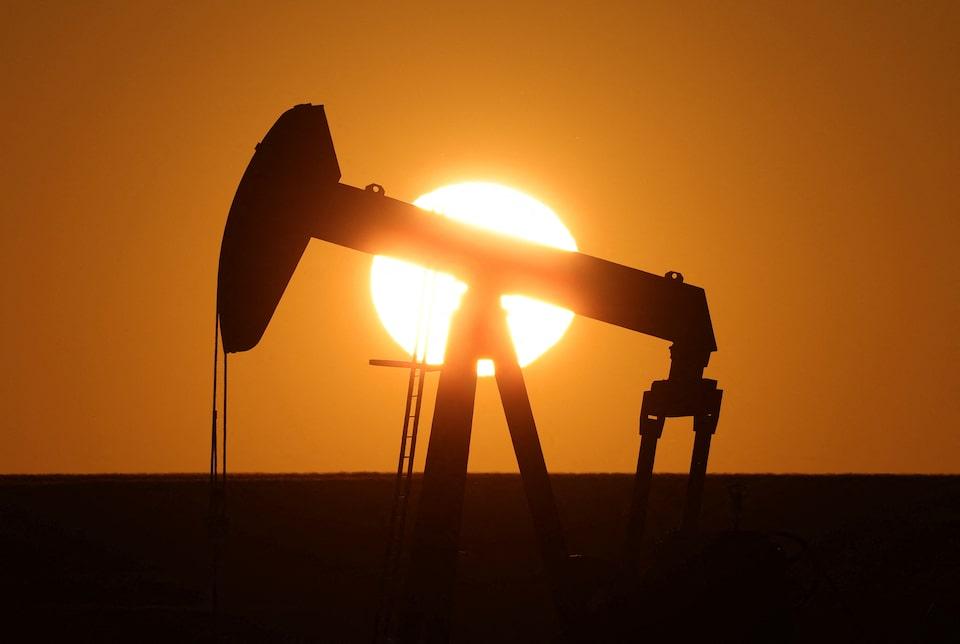
CPC oil flows reduced due to drone attack Peace talks with Russia could impact oil supply Dollar near two-month low after weak US retail data US Presidents Day holiday expected to keep trade muted Feb 17 (Reuters) - Oil prices strengthened on Monday as an attack on an oil pipeline pumping station in the Caspian Sea slowed flows from Kazakhstan, while investors monitored developments of a possible Moscow-Kiev ceasefire agreement that could ease sanctions and increase global supplies. The dollar index , which hovered near a two-month low after weaker-than-expected U.S retail data for January, also boosted oil prices by making crude less expensive for non-U.S. buyers. Brent crude futures settled at $75.22 a barrel, rising 48 cents. U.S. West Texas Intermediate crude rose 65 cents to $71.39 a barrel by 2:33 p.m. EST, and did not settle at its normal time due to the U.S. Presidents' Day holiday. The public holiday led to relatively muted trading volumes. Crude prices received support after drones struck the Kropotkinskaya pipeline pumping station in Russia's southern Krasnodar region, reducing oil flows from Kazakhstan to world markets by Western producers, including Chevron (CVX.N) , opens new tab and Exxon Mobil (XOM.N) , opens new tab, the Caspian Pipeline Consortium said on Monday. The CPC, which is the station's operator, called the attack an act of terrorism, but did not specify that Ukraine had sent the drones. An official at Ukraine's security service, however, said Kyiv had hit the station and a nearby oil refinery using drones. "Although those drone attacks so far had limited disruption impacts on Russian crude exports, the rising frequency of those attacks is a concern that at some point it triggers some supply risks," UBS analyst Giovanni Staunovo said. The strikes came as the administration of U.S. President Donald Trump and Russia prepare for initial talks in Saudi Arabia in the coming days. European leaders held an emergency meeting in Paris on Monday following Trump's announcement of a possible imminent sit-down with Russian President Vladimir Putin, with Britain saying it was prepared to send peacekeeping troops to back up a possible Ukraine peace deal. "Should sanctions relief allow it, we believe Brent crude oil prices could drop between $5 and $10/bbl if Russian barrels suddenly do not need to make a long journey to India or China, and more supply is suddenly made available," BofA analysts said in a note. The prospect of a global trade war also kept oil prices from moving higher after Trump ordered commerce and economic officials last week to study reciprocal tariffs against countries that place tariffs on U.S. goods. Meanwhile, officials from OPEC+, which brings together the Organization of the Petroleum Exporting Countries and allies including Russia, said the group does not plan to delay a series of monthly oil supply increases scheduled to begin in April, after Bloomberg News reported that the group was examining whether to postpone the hikes. Sign up here. https://www.reuters.com/business/energy/oil-falls-4th-day-expectations-russia-ukraine-peace-may-lift-supply-2025-02-17/
2025-02-17 01:40
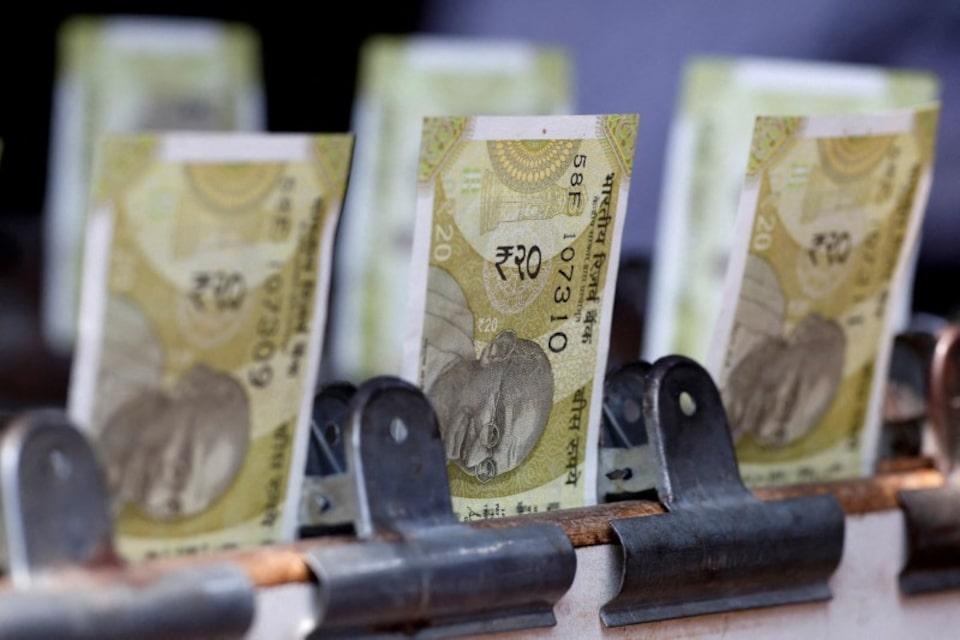
MUMBAI, Feb 17 (Reuters) - The Indian rupee's direction this week will be shaped by the dollar's reaction to its recent correction and whether worries over U.S. tariffs continue to subside, while the bond market will be on watch for any further liquidity infusion measures by the central bank. The rupee ended at 86.8225 per U.S. dollar on Friday, having rallied 0.7% in the week in what was its best performance in more than one-and-a-half years. That was largely due to the Reserve Bank of India's heavy intervention, while an additional boost came from the lack of any U.S. tariffs implemented last week, as U.S. President Donald Trump had said would happen. Kunal Kurani, associate vice president at Mecklai Financial, noted that after the rally, which likely squeezed out positions, the rupee is expected to more broadly track the dollar's move. The dollar index declined about 1% last week -- and is down about 3% from the year-to-date high -- as Washington's reciprocal tariffs were not immediately imposed. Kurani said any developments related to tariffs will remain in focus, which he cautioned, could stymie the rupee's recovery. The currency is expected to be in the range of 86.50-87.20, traders said. While the rupee rallied, the benchmark 10-year bond yield was largely unchanged, ending at 6.7071% on Friday. Traders expect the yield to trade in the 6.65%-6.75% range this week. The narrow 6.68%-6.73% range last week was due to cautious sentiment after the RBI largely doused hopes of additional liquidity infusion. The RBI cut interest rates by 25 basis points the week before but did not unveil fresh liquidity injection measures. Instead, its commentary was also on the cautious side, according to market participants. "We retain a view of a 25 bps rate cut in the April meeting, followed by another cut later in the fiscal year (likely in October, even as we are more agnostic about the timing of that)," ICICI Securities Primary Dealership said in a note. It added that the minutes of the RBI's policy meeting, due on Friday, will provide more cues. Over the past month, the central bank has infused 2.68 trillion rupees ($30.88 billion) into the banking system. This includes 600.20 billion rupees of open market bond purchases, 388.15 billion rupees of secondary bond purchases, around 440 billion rupees via a dollar/rupee swap and 1.25 trillion rupees through a long-term repo. It is scheduled to buy bonds worth 400 billion rupees on Thursday. The market, however, is awaiting the next set of steps from the central bank, given that liquidity is set to tighten further in the run-up to the end of the financial year. KEY EVENTS: India ** February HSBC Flash manufacturing, services and composite PMI - February 21, Friday (10:30 a.m. IST) ** Minutes of Reserve Bank of India's February monetary policy meeting - February 21, Friday (5:00 p.m. IST) U.S. ** January housing starts - February 19, Wednesday (7:00 p.m. IST) ** Initial weekly jobless claims for week to February 10 - Feb. 20, Thursday (7:00 p.m. IST) ** February Philly Fed Business Index - February 20, Thursday (7:00 p.m. IST) ** February S&P Global Flash manufacturing, services and composite PMI - February 21, Friday (8:15 p.m. IST) ** January existing home sales - February 21, Friday (8:30 p.m. IST) ** February U Mich sentiment - February 21, Friday (8:30 p.m. IST) ($1 = 86.7890 Indian rupees) Sign up here. https://www.reuters.com/world/india/india-rupee-take-cues-dollar-path-tariff-reaction-bonds-eye-liquidity-moves-2025-02-17/
2025-02-17 00:33
Asian stocks waver as tariff threats sour sentiment Hong Kong stocks slip on profit taking Benchmark S&P 500 reaches all-time high Gold chases record high touched last week Investors wait on U.S-Russia talks SINGAPORE, Feb 19 (Reuters) - Global stocks were steady on Wednesday, with European and U.S. shares at record highs, as traders cautiously shrugged off U.S President Donald Trump's latest tariff threats on auto, semiconductor and pharmaceutical imports. Since Trump's inauguration four weeks ago, he has imposed a 10% tariff on all imports from China, on top of existing levies. He has also announced, and delayed for a month, 25% tariffs on goods from Mexico and non-energy imports from Canada. Trump told reporters on Tuesday that sectoral tariffs on pharmaceuticals and semiconductor chips would start at "25% or higher", rising substantially over the course of a year. He intends to impose similar tariffs on autos as soon as April 2. But the market reaction to Trump's threats was muted as investors increasingly see them as bargaining tools, although the U.S. dollar was on the front foot as geopolitical worries, including tense Russia-Ukraine negotiations boosted safe-haven flows. "I think investors assume that deals will be done and that tariffs will be delayed and reduced," said Ben Bennett, Asia-Pacific investment strategist at Legal & General Investment Management in Hong Kong. "I’m worried that the disruption and uncertainty caused by such headlines is underestimated. At the margin, this could delay business investment and hiring decisions... but that’s not how most investors are thinking it seems." European futures pointed to a muted open after the benchmark stock index closed at a record high on Tuesday, taking its 2025 gains to 10%, far outperforming the S&P 500 (.SPX) , opens new tab and the Nasdaq (.IXIC) , opens new tab UK stocks futures were little changed ahead of inflation data that will likely highlight why the Bank of England has been has been cautious about cutting interest rates despite a weak overall economy. In Asia, the focus has been on Chinese tech stocks (.HSTECH) , opens new tab, which have been on a tear recently as the emergence of AI startup DeepSeek and a meeting between Xi Jinping and business leaders in the sector lifted sentiment. "Green shoots are emerging in China’s economy and DeepSeek is injecting a shot of adrenaline into the sector," said Thomas Rupf, co-head Singapore and CIO Asia at VP Bank. "While trade risks persist, tech optimism remains strong as the prospect of low-cost AI applications drives a reassessment of growth potential." Hong Kong's Hang Seng Index (.HIS) , opens new tab fell 0.4% as investors pocketed some profits. The index has risen 14% so far in 2025, jostling with Germany's DAX index (.GDAXI) , opens new tab for best-performing market in the world. KIWI CLIPPED The New Zealand dollar was 0.3% higher at $0.5722 after the central bank slashed interest rates by 50 basis points to 3.75% as expected but hinted its aggressive cuts were set to slow. The Australian dollar eased 0.11% to $0.6347 a day after the central bank delivered its first rate cut since 2020, but cautioned about the prospects for further easing. Overnight, the U.S. benchmark S&P 500 <.SPX > squeaked past its previous record closing high as all three Wall Street indexes seesawed between gains and losses for much of the session before rising in the closing minutes. European leaders vowed to step up support for Ukraine as the U.S. and Russia held bilateral talks on the war this week. Investors also hope this weekend's German election will lead to economic stimulus. Minutes from the U.S. Fed's January meeting, when the central bank held borrowing costs at 4.25% to 4.5%, are due later on Wednesday. That follows hawkish comments from Fed Chair Jerome Powell in testimony to Congress last week and hot consumer price data. Brent crude oil rose 0.28% to $76.05 a barrel as traders awaited the outcome of the U.S.-Russia talks in Riyadh. Spot gold eased a bit to $2,932 an ounce, after hitting a record high last week on safe haven demand. Sign up here. https://www.reuters.com/markets/asia/global-markets-wrapup-1-2025-02-17/