2025-02-14 10:45
Critical minerals deal central to Kyiv's Trump outreach Vance and Zelenskiy meet at Munich Security Conference Zelenskiy says both sides still working on agreement KYIV/MUNICH, Feb 14 (Reuters) - Talks between Ukrainian President Volodymyr Zelenskiy and U.S. Vice President JD Vance ended in Munich on Friday without an announcement of a critical minerals deal that is central to Kyiv's push to win the backing of President Donald Trump. Kyiv came back to the U.S. earlier with a revised draft agreement of the deal that could open up its vast resources of key minerals to U.S. investment, amid concerns in Kyiv over a U.S. version that was presented to Ukraine on Wednesday. "Our teams will continue to work on the document," Zelenskiy wrote on X, adding that he had had a "good meeting" with Vance and that Kyiv was "ready to move towards as quickly as possible towards a real and guaranteed peace". Two members of the Ukrainian delegation told Reuters that "some details" still needed to be worked out. It was not immediately clear what the sticking point was, but Ukraine is pressing for robust security guarantees from Europe and the United States that would protect it from Russia in the future if a peace deal is reached. Zelenskiy set out the contours of the deal in a Reuters interview last week, unfurling a map showing numerous mineral deposits and saying he was offering a mutually beneficial partnership to develop them jointly and not "giving them away". The minerals in question would include rare earth varieties, as well as titanium, uranium and lithium among others. Trump, who has not committed to continuing vital military assistance to Ukraine, has said he wants $500 billion in rare earth minerals from Kyiv and that Washington's support needs to be "secured". Asked earlier if there would be a deal agreed on Friday, Vance had said: "Let's see." Ukraine was presented with a draft accord drawn up by the United States on Wednesday when Treasury Secretary Scott Bessent travelled to Kyiv. Zelenskiy said Ukraine would study it with a view to reaching an agreement in Munich. Bessent told Fox Business Network on Friday that the Trump administration's plan to end the war would intertwine Kyiv's economy with the United States, with the U.S. bringing its "best practices" of privatization. He said: "Part of it starts with intertwining the ... Ukrainian economy more with the U.S., and making sure that U.S. taxpayers receive the return for the money they put in." 'ONE-SIDED' OFFER? Meeting for 90 minutes with a bipartisan group of U.S. senators behind closed doors in Munich, Zelenskiy voiced concern about the U.S. proposal presented on Wednesday, three sources familiar with his presentation said. He "felt he was being asked unreasonably to sign something he hadn't had a chance to read", one of them said on condition of anonymity. "I don't think he appreciated being given a take-it-or-leave-it thing." Zelenskiy discussed his own proposal for a mineral deal with the United States, the source said, saying it was drafted to comply with the Ukrainian constitution. Two other sources characterized the proposal delivered by Bessent as "one-sided", but declined to elaborate. Democratic Senator Brian Schatz, asked after the meeting if Zelenskiy considered the U.S. proposal one-sided, responded, "I think that's fair to say." Schatz said that the Trump proposal "needs massaging," but declined to go into detail. Sign up here. https://www.reuters.com/markets/commodities/ukraine-hands-over-draft-minerals-deal-us-kyiv-source-says-2025-02-14/

2025-02-14 10:15
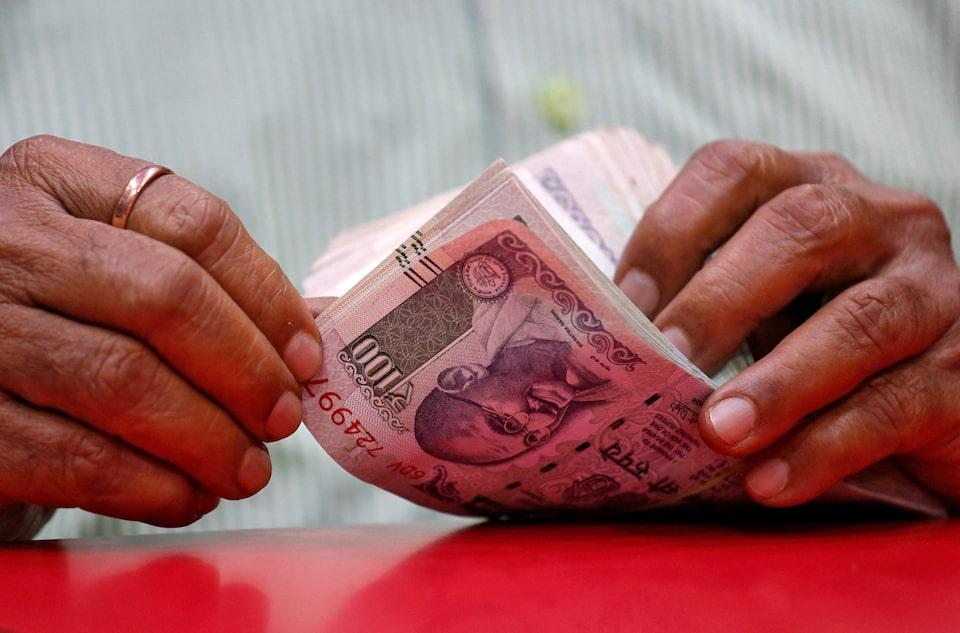
MUMBAI, Feb 14 (Reuters) - The Indian rupee logged its biggest weekly rise against the dollar in seven months, lifted by the central bank's heavy intervention in the foreign exchange market and kept speculators betting against the currency at bay. The rupee ended at 86.8225 per U.S. dollar, up 0.1% compared to 86.8975 in the previous session. However, for the week, the rupee rose 0.7%, the most since mid-July 2023. The domestic unit has been under pressure amid India's sluggish economic growth, a recent interest rate cut by the Reserve Bank of India (RBI), foreign outflows from local stocks and concerns of a global trade war following U.S. President Donald Trump's tariff plans. On Monday, the rupee slipped to an all-time low of 87.95 against the dollar, but the fall was limited as the RBI intervened by selling dollars in the spot market. The central bank is also believed to have stepped in on Tuesday. DBS Bank expects that the RBI sold $10 billion, while Goldman Sachs' estimate is close to $11 billion. The quantum surprised the market as the central bank's involvement had reduced since the appointment of Sanjay Malhotra as governor in mid-December. "The RBI's firm and calculated measures, are expected to cushion volatility and provide the rupee with a firmer footing," said Amit Pabari, managing director at FX advisory firm CR Forex. The rupee is expected to trade within the 86.60–87.20 range in the near term, he said. While the near-term forward rose this week, far forwards dropped, thanks to buy/sell swaps by the RBI. Meanwhile, Asian currencies were mostly higher on the day on relief that Trump's reciprocal tariff plan will not be implemented immediately. The dollar index dropped 0.8% to its lowest level in more than two weeks on Friday. U.S. Treasury yields dropped and Wall Street rallied overnight. Sign up here. https://www.reuters.com/markets/currencies/heavy-rbi-intervention-helps-rupee-log-best-week-19-months-2025-02-14/
2025-02-14 10:01
LONDON, Feb 17 (Reuters) - For traders, it's a case of which way to look next with their screens flooded by headlines from tariffs and shaky Middle East ceasefire deals, to Russia and Ukraine. There's also a G20 meeting, Asia-Pacific central bank meetings and WalMart earnings in the mix. Here's the low-down on the week ahead in markets from Rae Wee in Singapore, Lewis Krauskopf in New York and David Milliken, Amanda Cooper and Marc Jones in London. 1/ WAR AND PEACE The fate of two of the world's worst conflicts are suddenly extremely live, thanks to Donald Trump's interventions. A fragile ceasefire between Israel and Hamas remains in place after Hamas released three Israeli hostages on Saturday and Israel freed some 369 Palestinian prisoners and detainees. Prospects for the ceasefire surviving have been shaken by Trump's call for Palestinians to be resettled permanently out of Gaza, and for the tiny enclave to be turned over to the U.S. to be redeveloped as a resort -- an idea rejected by Palestinian groups, Arab states and Western allies of Washington. Then there's the Ukraine-Russia war. Trump has been busy there too, laying the ground for its likely endgame in lengthy talks with Russia's Vladimir Putin and Ukraine's Volodymyr Zelenskiy. Europe's markets have rallied on peace hopes. As the third anniversary of Russia's invasion nears, Moscow now controls a fifth of Ukraine. 2/ GOLD, YOU'RE INDESTRUCTIBLE There seems to be little stopping gold's surge. A classic "inverse" relationship with the dollar, where the gold price drops when the U.S. currency strengthens, appears to be over. It's not just a matter of speculators deciding that gold is the next new thing. Much of the demand stems from concern that Trump's "America first" policies could upend global trade, financial flows and geopolitics. Those themes might be apparent at the Feb 20-21 G20 meeting, a gathering U.S. Secretary of State Marco Rubio will miss. Central banks are buying gold, partly to diversify reserves to include fewer dollars. Bullion traders are funnelling gold into New York vaults to minimise the risk of Trump slapping tariffs on precious metals. Gold has roared to around $3,000, up over 10% since Trump's election win. Next stop: $4,000? 3/ CONSUMER REPORT Walmart's quarterly report on Thursday should shed light on the health of the U.S. consumer as Wall Street frets about strong inflation. The retailing giant's results could highlight the impact of inflation on shopping behaviour and offer early insight into the potential fallout of Trump' tariffs. Consumer sentiment dropped in February to a seven-month low, a recent survey showed, while inflation expectations rocketed. U.S. consumer prices increased by the most in nearly 1-1/2 years in January, latest data shows. No wonder U.S. rate cut bets are being dialled back. Other U.S. retailers reporting in coming weeks, include Home Depot, TJX Cos and Target. Overall, S&P 500 companies are set to have increased Q4 earnings by 15.1% from a year earlier, against expectations of a 9.6% increase as of Jan 1, according to LSEG IBES. 4/ EASING PARTY It's a central bank packed week in Asia-Pacific with rate decisions in Australia, New Zealand, and Indonesia. The Reserve Bank of Australia is widely tipped to cut rates on Tuesday , though economists still expect some hawkishness given the strength in the labour market. The Reserve Bank of New Zealand (RBNZ) is tipped to ease by half a percentage point, after lowering rates by a whopping 125 basis points already. The question now is how low the RBNZ can go given the gloomy economic reality? Over in Indonesia, it's trickier. After a surprise rate cut last month, economists expect Bank Indonesia to remain on hold, even as recent inflation and growth data underscore the case for more easing. A weakening rupiah is keeping its hands tied. 5/ INFLATION REFLATION? The Bank of England may soon be back to writing public letters explaining why it is missing its inflation target, just days after cutting rates to 4.5%. Some economists think data on Wednesday will show inflation rose as high as 3.2% in January from 2.5% in December, taking it more than a percentage point above its 2% target and requiring Governor Andrew Bailey to write a letter of explanation to finance minister Rachel Reeves after March's rate meeting. The BoE estimates inflation was only 2.8% in January, but is on track to hit 3.7% by Q3 due to one-off factors that could push up regulated energy prices, water bills, bus fares and private-school fees. Tuesday's Q4 labour market data is also in focus. BoE Chief Economist Huw Pill described recent 6% private-sector pay growth as “a little bit aberrant” and said companies' forecasts of 3.7% wage rises for 2025 were still too high for comfort. Sign up here. https://www.reuters.com/business/take-five/global-markets-themes-graphic-2025-02-14/

2025-02-14 09:16
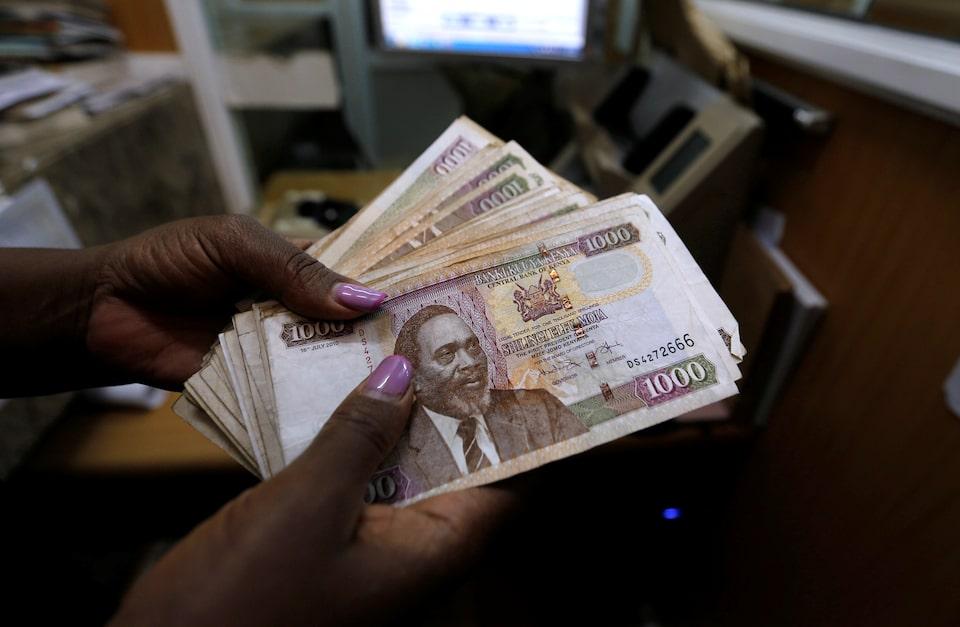
NAIROBI, Feb 14 (Reuters) - The Kenyan shilling slipped marginally against the U.S. dollar on Friday, data from the London Stock Exchange Group showed. At 0849 GMT the shilling was trading at 129.10/129.60 to the dollar, compared to Thursday's close of 128.90/129.40. Sign up here. https://www.reuters.com/markets/currencies/kenya-shilling-slips-slightly-lseg-data-shows-2025-02-14/
2025-02-14 08:10
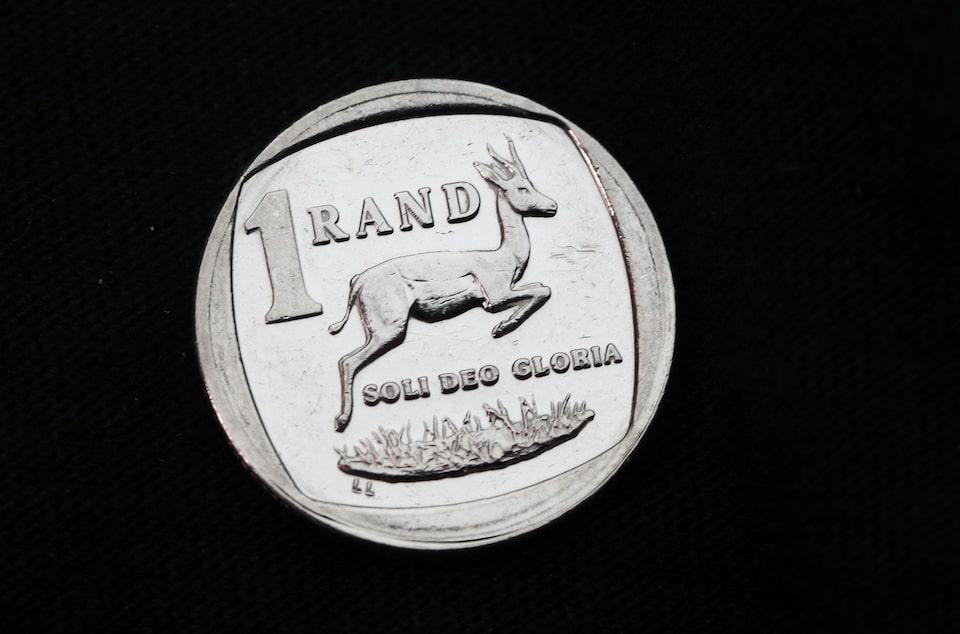
JOHANNESBURG, Feb 14 (Reuters) - The South African rand strengthened on Friday after U.S. President Donald Trump said he planned to impose reciprocal tariffs on countries taxing U.S. imports, and as investors awaited a domestic budget next week. At 1503 GMT, the rand traded at 18.32 against the dollar , about 0.9% stronger than its previous close. Trump on Thursday tasked his economics team with planning for reciprocal tariffs on every country taxing U.S. imports, ramping up prospects for a global trade war. Concerns of a trade war lifted gold prices, which were poised for a seventh consecutive weekly gain. The surge in prices of the safe-haven asset is supportive of the South African currency, ETM Analytics said in a research note. ETM Analytics said the only major constraint to any directional move is South African Finance Minister Enoch Godongwana's budget speech next week and the guidance he will offer investors. On the Johannesburg Stock Exchange, the blue-chip Top-40 (.JTOPI) , opens new tab index closed about 1.1% higher. South Africa's benchmark 2030 government bond was also stronger, with the yield down 6.5 basis points to 9.10%. Sign up here. https://www.reuters.com/markets/currencies/south-african-rand-firms-after-trumps-tariff-plans-local-budget-next-week-2025-02-14/
2025-02-14 07:57
US reciprocal tariff recommendations expected in April Ukraine peace talks could pave way for Russia sanctions easing US can apply maximum economic pressure on Iran, Treasury Secretary says US oil and natural gas rig count rose for a third week in a row NEW YORK, Feb 14 (Reuters) - Oil prices settled down on Friday on prospects for a peace deal between Russia and Ukraine that could ease global supply disruptions by ending sanctions against Moscow, but losses were limited by a delay in U.S. immediate reciprocal tariffs. Brent futures settled down 28 cents, or 0.37%, at $74.74 a barrel. U.S. West Texas Intermediate (WTI) crude fell 55 cents, or 0.77%, to $70.74. For the week, Brent gained 0.11% while WTI lost around 0.37%. President Donald Trump ordered U.S. officials this week to begin talks on ending the war in Ukraine after Russian President Vladimir Putin and Ukrainian President Volodymyr Zelenskiy expressed a desire for peace in separate phone calls with him. Lifting sanctions on Moscow in the event of a peace deal should boost global energy supplies. Russian oil exports could be sustained if workarounds to the latest U.S. sanctions package are found, the International Energy Agency (IEA) said in its latest oil market report. This week, Trump ordered commerce and economic officials to study reciprocal tariffs against countries that place tariffs on U.S. goods and to return their recommendations by April 1. "Positive development on the trade front in light of U.S. tariff delays paves the way for some recovery in oil prices this morning, as the risk environment warms up to the prospects of further trade consensus being reached," said IG market strategist Yeap Jun Rong. Also limiting the losses, U.S. Treasury Secretary Scott Bessent said in an interview that the U.S. could apply maximum economic pressure on Iran. Trump had driven Iran's oil exports to near zero during his first term after reimposing sanctions. Global oil demand has surged to 103.4 million barrels per day (bpd), up by 1.4 million bpd from the prior year, JPMorgan analysts said on Friday. "Initially sluggish demand for mobility and heating fuels picked up in the second week of February, suggesting the gap between actual and projected demand will soon narrow," the bank said. U.S. energy firms this week added oil and natural gas rigs for a third week in a row for the first time since December 2023, energy services firm Baker Hughes(BKR.O) , opens new tab said in its closely followed report on Friday. The oil and gas rig count, an early indicator of future output, rose by two to 588 in the week to February 14. Sign up here. https://www.reuters.com/business/energy/oil-set-snap-three-week-losing-streak-amid-rising-fuel-demand-2025-02-14/