2025-02-13 00:04
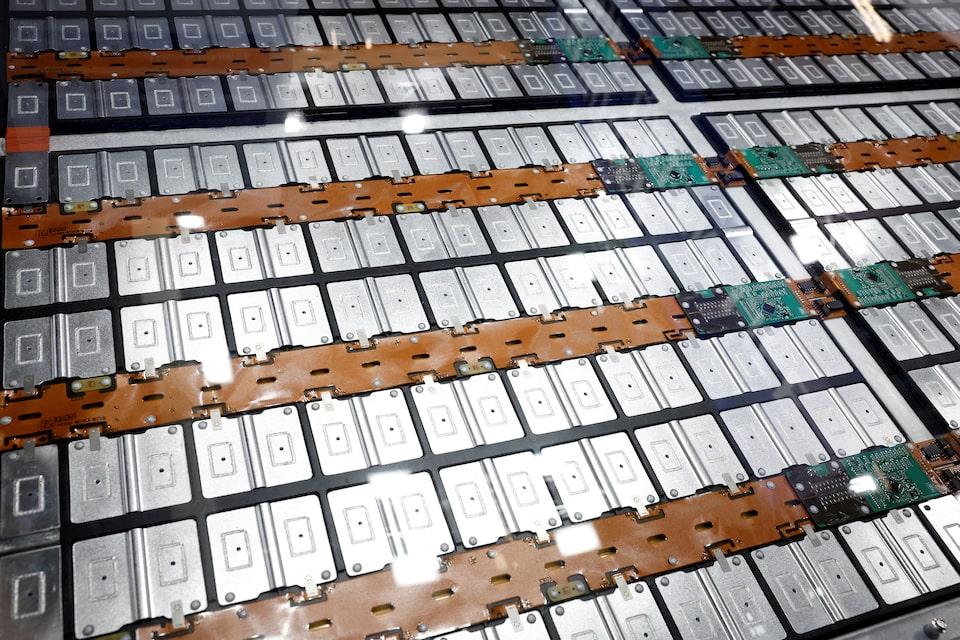
LONDON, Feb 13 (Reuters) - Two European startups said on Thursday they had hit milestones in recycling electric vehicle battery materials that will be needed to meet European regulations, reduce China's dominance of the entire battery supply chain and lower CO2 emissions. Starting in August 2030, European automakers' EV batteries must include a minimum of 6% each of recycled lithium and nickel, and 16% of cobalt, rising five years later. This has spurred a race to challenge China's lead in battery recycling. British battery recycling startup Altilium said research from London's Imperial College showed small batteries made with its recycled cathode active materials perform as well as or better than those made with virgin materials from Chinese suppliers. Cathode materials typically include lithium, cobalt, nickel or manganese. Chief Operating Officer Christian Marston told Reuters the company's recycled materials reduce by 70% CO2 emissions versus new materials and cut costs by 20%. "This is a real technical breakthrough that really helps de-risk the use of recycled materials for automakers," Marston said. Altilium's investors include the corporate venture arm of Sociedad Quimica y Minera de Chile's (SQMA.SN) , opens new tab lithium business and Japanese trading house Marubeni (8002.T) , opens new tab. The company is currently working with Tata Motors (TAMO.NS) , opens new tab unit JLR on EV battery cells made with recycled materials from old Jaguar i-Pace EVs. Separately, Germany's tozero, which has raised 17 million euros ($17.56 million) from investors including Honda (7276.T) , opens new tab, is working on a pilot plant for recycling graphite and is talking to global automakers about supplying them as it scales up. The startup's hydrometallurgy process for recycling graphite is "net zero" for emissions if renewable energy is used, which will help automakers because graphite accounts for 40% of the carbon footprint of any lithium ion battery, tozero CEO Sarah Fleischer told Reuters. She said that tozero is talking to a number of global automakers about supplying them with recycled graphite. The company will build a pilot plant within the next two years and by 2027 aims to produce around 2,000 tonnes of recycled graphite annually, enough for around 50,000 EVs. ($1 = 0.9681 euros) Sign up here. https://www.reuters.com/sustainability/climate-energy/european-ev-battery-material-startups-make-recycling-breakthroughs-2025-02-13/
2025-02-13 00:01
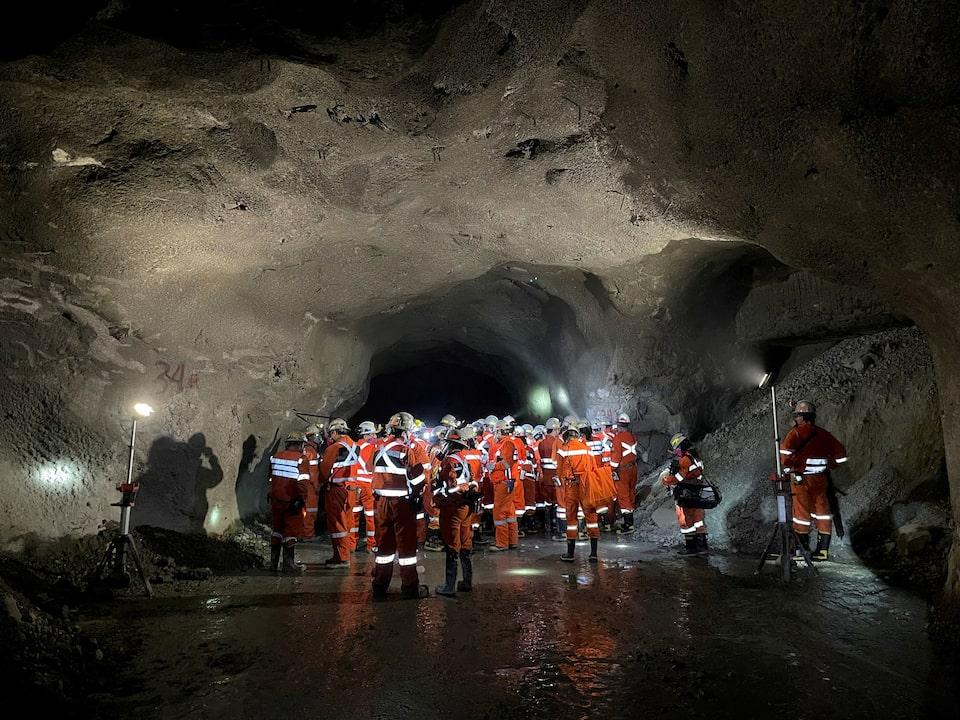
LONDON, Feb 12 (Reuters) - U.S. President Donald Trump hasn't yet imposed import tariffs on copper but the market is already pricing in the likelihood that the red metal will be next on the list after aluminium and steel. The arbitrage between the CME and the London Metal Exchange (LME) contracts has blown wider in recent days, with the CME premium exceeding $1,000 per metric ton earlier this week. Given that LME three-month copper is currently trading around $9,400 per ton, the transatlantic gap implies the market is expecting a 10% tariff at the very least. Were Trump to go for the same blanket 25% tariffs that have been applied to imports of aluminium and steel, there is obviously further upside potential for the CME premium. Overlooked for now is how Doctor Copper would likely react to an escalating tariff war with all the negative implications for global growth. MIND THE WIDENING GAP The aluminium tariff trade is playing out in the CME's U.S. Midwest premium contract because the CME's underlying aluminium contract mirrors the LME's international delivery status. The CME copper contract, by contrast, is customs cleared with only domestic delivery locations, meaning it must reflect any inherent premium for U.S. delivery. That makes the CME premium over its international London peer a tradable gauge of any potential U.S. tariffs on copper imports. And right now it is trading at record highs, eclipsing even last year's short squeeze blow-out. CME copper stocks have recovered from the depleted levels that helped fuel that squeeze and now total over 100,000 tons. But U.S. consumers are highly vulnerable to any tariff barriers since the country is still reliant on imports for around 45% of domestic consumption, according to the U.S. Geological Survey (USGS). Hence the price sensitivity to Trump's tariff threats, although what level of tariffs may be applied and against which countries remains a known unknown for now. The blanket nature of this week's announced tariffs on aluminium and the potential for even higher duties in the event of retaliation by trading partners has evidently spooked the copper market, forcing the arbitrage ever wider. DAMAGE IMPACT The immediate focus of the copper tariff trade is refined metal, which is understandable given that the United States imported just over 800,000 tons in 2024, compared with domestic production of 850,000 tons, according to the USGS. However, trade flows would adjust over time and the CME premium is already providing an incentive for more metal to head to the United States. The tariff impact could be much messier when it comes to copper products, given the complex flows of material between the United States and its Canadian and Mexican neighbours, both of which are threatened with 25% tariffs. The United States exports copper wire to Mexico to be manufactured into automotive parts such as wiring harnesses and electric motors which are then shipped back across the border. This trade amounts to 220,000 tons of contained copper each year, according to analysts at Project Blue. Slapping high tariffs on such imports is likely to see harness assembly relocate from Mexico to lower-cost Asian countries with negative knock-on effects for both Mexican and U.S. companies in the automotive supply chain. Both Mexico and Canada are also key suppliers of copper scrap to American processors, meaning tariffs could potentially divert flows to other countries, most likely China, to the detriment of domestic U.S. secondary production. TARIFF DRAG The interconnectedness of North American copper flows is just part of a bigger complex globalised picture, leaving the metal highly vulnerable to the sort of shift in trading patterns likely to ensue from U.S. tariffs. Doctor Copper has earned the honorific title precisely because the metal is so embedded in the global industrial economy. Clearly, the potential for tit-for-tat tariffs between the United States and its trading partners could act as a major drag on consumption. This has not yet been priced in by the market. The LME copper price has risen by 7% since the start of January, fuelled by expectations of improved demand, particularly in China. But China is also in the cross-hairs of the new Trump administration along with just about everyone else. If the tariff wars have begun, copper is going to be a casualty. But that will be reflected in the international price rather than the U.S. price, implying a further fracturing between CME and LME markets. The opinions expressed here are those of the author, a columnist for Reuters. Sign up here. https://www.reuters.com/markets/commodities/tariff-threat-opens-up-transatlantic-rift-copper-pricing-andy-home-2025-02-12/
2025-02-12 23:49
MELBOURNE, Feb 13 (Reuters) - Australia's Global Lithium Resources (GL1.AX) , opens new tab said on Thursday two of its three board directors have stepped down ahead of an annual shareholder meeting later in the day that was set to strip them of control of the company and its cornerstone asset. Executive Chairman Ron Mitchell has resigned while Matthew Allen, a director and former chief financial officer, has withdrawn his nomination for election as a non-executive director ahead of a shareholders' vote on board nominees. Management had alleged that non-executive director Dianmin Chen was working with a group of foreign-linked investors holding between 30% and 40% of shares to take control of the board and its Manna lithium project in Western Australia. Mitchell had alleged an undisclosed association among shareholders may violate Australia's takeover laws and the Foreign Takeovers Act. He made the accusations in filings to the Australian Securities Exchange, the Western Australian Supreme Court, and in a report to Australia's Treasury last year. The Takeovers Panel declined to review the company's request for a finding of unacceptable circumstances, saying last week that evidence pointed to "shareholder pressure rather than combining for taking of control." The company said Chen will act as chairman of the annual general meeting and that he intends to vote any undirected proxies in favour of his re-election and the appointment of Liaoliang (Leon) Zhu as a director. Chinese-born property developer Zhu, who controls Sincerity Group, Global Lithium's third biggest shareholder, had pushed to join the board in a letter to shareholders in August, citing a pivot away from lithium by management and excessive spending. Sign up here. https://www.reuters.com/markets/commodities/australias-global-lithium-management-resigns-ahead-agm-2025-02-12/

2025-02-12 23:35
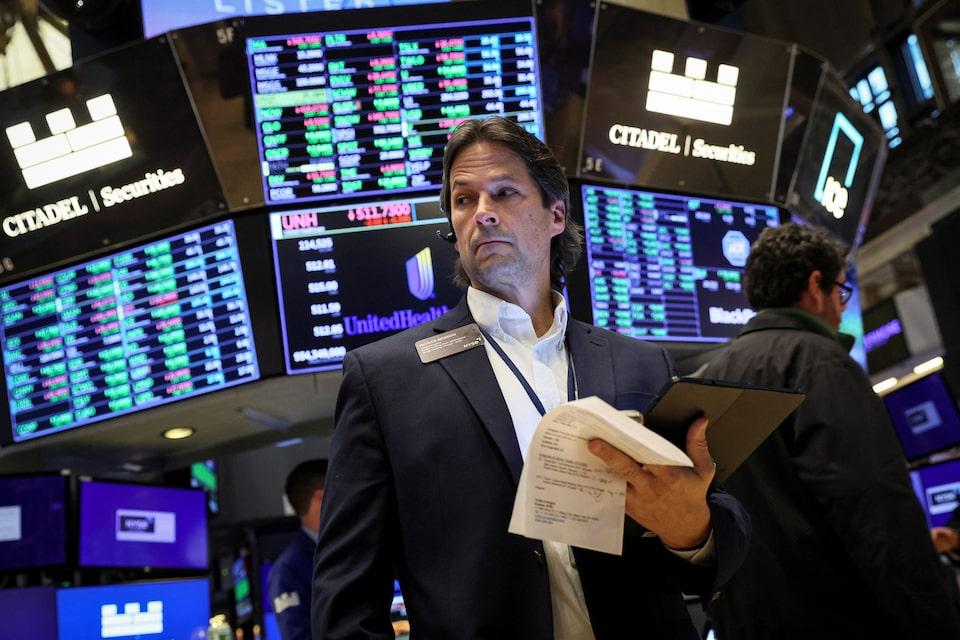
Futures rally, Treasuries sell off U.S. January consumer inflation picks up more than forecast Gold falls as dollar gains LONDON, Feb 12 (Reuters) - U.S. stock futures tumbled and the dollar rose on Wednesday after data showed consumer inflation picked up more than expected in January, underscoring Federal Reserve Chair Jerome Powell's message that there is no rush to cut interest rates. The Labor Department's Bureau of Labor Statistics (BLS) said its consumer price index rose at an annual rate of 3% in January, above estimates for a rise of 2.9%, while the core rate, which excludes food and energy prices, rose 3.3%, above forecasts for 3.1%. The prospect of a rise in the price of imported goods as a result of U.S. President Donald Trump's raft of tariffs has prompted households and market-watchers alike to prepare for a more sustained pickup in inflation. Futures on the S&P 500 (.SPX) , opens new tab and the Nasdaq dropped sharply, falling by nearly 1%, after having held mostly steady all day. The dollar rallied sharply against a range of currencies, aided by a jump in U.S. Treasury yields. The derivatives market showed traders believe the Fed may only cut rates once more this year, with just 26 basis points priced in by December, down from 35 bps before the data. "Tariffs put the Fed in a tough place because they can reduce growth and create joblessness but can also be inflationary. The Fed might be more prone to wait things out and see where the dust settles rather than making a move before it's sure what tariff policy will be and how long it will last," Charles Schwab UK managing director Richard Flynn said. "Hotter inflation would likely keep the Fed from cutting rates sooner, which would in turn result in a stronger dollar." The U.S. currency rose 1.2% on the day against the yen to 154.295. The euro sank 0.4% to $1.0322 and the pound fell 0.5% to $1.2388. The yield on the benchmark 10-year Treasury note rose by 10 bps on the day to 4.64%. Gold extended an earlier slide, falling 1.1% on the day to $2,869 an ounce, having hit a record high just shy of $2,900 earlier this week. Investor attention is likely to pivot to Powell's second day of semi-annual testimony, after he indicated to Congress on Tuesday that the economy was "in a pretty good place" and the central bank was in no hurry to make further interest rate cuts, unless inflation, or job market weakness made that necessary. "Normally the second act doesn't get as many headlines but there's a chance today's CPI may solicit a slightly different tone or encourage different questions. All depends on where the release is relative to expectations," Deutsche Bank strategist Jim Reid said earlier in the day. Meanwhile, Trump's advisers were said to be finalising plans to impose reciprocal tariffs on any country that imposes a levy on U.S. imports. He already announced on Monday 25% tariffs on steel and aluminium up from 10%, with no exceptions. Sign up here. https://www.reuters.com/markets/global-markets-wrapup-1-2025-02-12/
2025-02-12 23:17
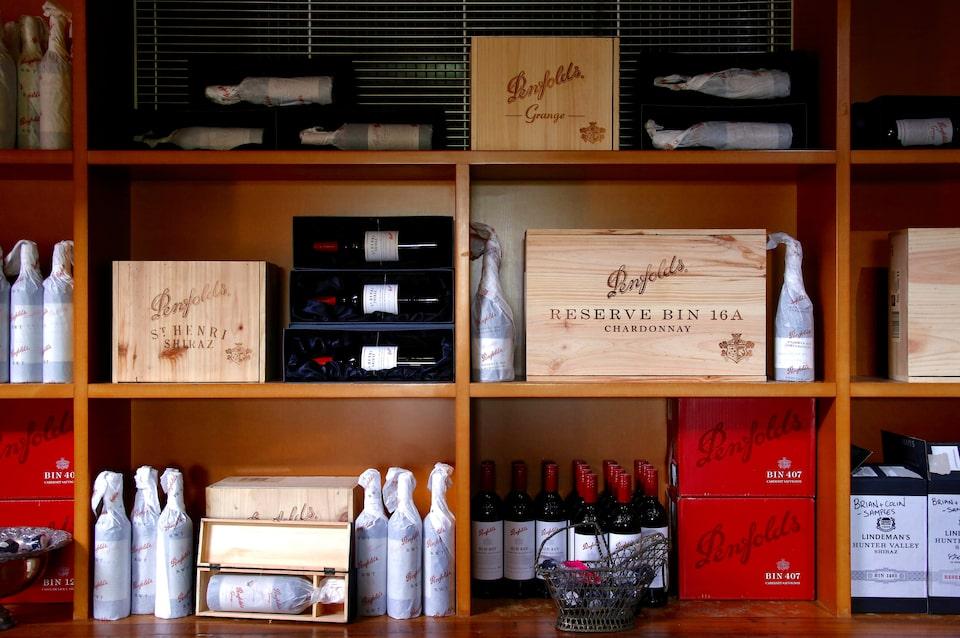
Feb 13 (Reuters) - Australia's Treasury Wine Estates (TWE.AX) , opens new tab posted nearly a 33% rise in first-half profit on Thursday, on growth in its luxury label Penfolds and higher contribution from DAOU vineyards, partly offset by weakness in Treasury Premium Brands. The country's top winemaker is present in three price segments — luxury (more than A$30 per bottle), premium (between A$10 and A$30) and commercial (below A$10). Treasury Premium Brands houses its commercial and premium segments. The company said Penfolds' performance was driven by strong Bin & Icon shipments to Asia, reflecting the re-establishment of the Australian Country of Origin portfolio in China. It remains confident in the long-term growth opportunity for Penfolds in China, which removed tariffs on Australian wine last year. Its Treasury Americas division benefited from an increase in availability and strong growth in the DAOU brand, which was acquired in late in 2023. Production and overhead cost synergies from the acquisition are now expected to be $35 million, up from its previous forecast of $20 million, with $30 million to be realised in FY26, it said. However, strong performance in the Penfolds and Treasury Americas divisions was partly offset by lower commercial and premium shipments in Treasury Premium Brands. The company said it does not intend to divest the commercial portfolio as "offers were not compelling". "With the company deciding not to sell its commercial portfolio, TPB might be a drag on group earnings for some time," Citi said in a note. The company forecast its fiscal 2025 EBITS at A$780 million ($489.84 million), which is at the lower end of its previously projected range, primarily driven by reduced expectations for Treasury Premium Brands. Net profit after tax for six months ended December 31 was A$220.9 million, compared with A$166.7 million a year ago and the Alpha consensus estimate of A$241.6 million. The Melbourne-based firm declared an interim dividend of 20 Australian cents per share, compared with the 17 Australian cents last year. ($1 = 1.5924 Australian dollars) Sign up here. https://www.reuters.com/business/retail-consumer/australias-treasury-wine-posts-higher-profit-flags-weakness-treasury-premium-2025-02-12/
2025-02-12 23:00
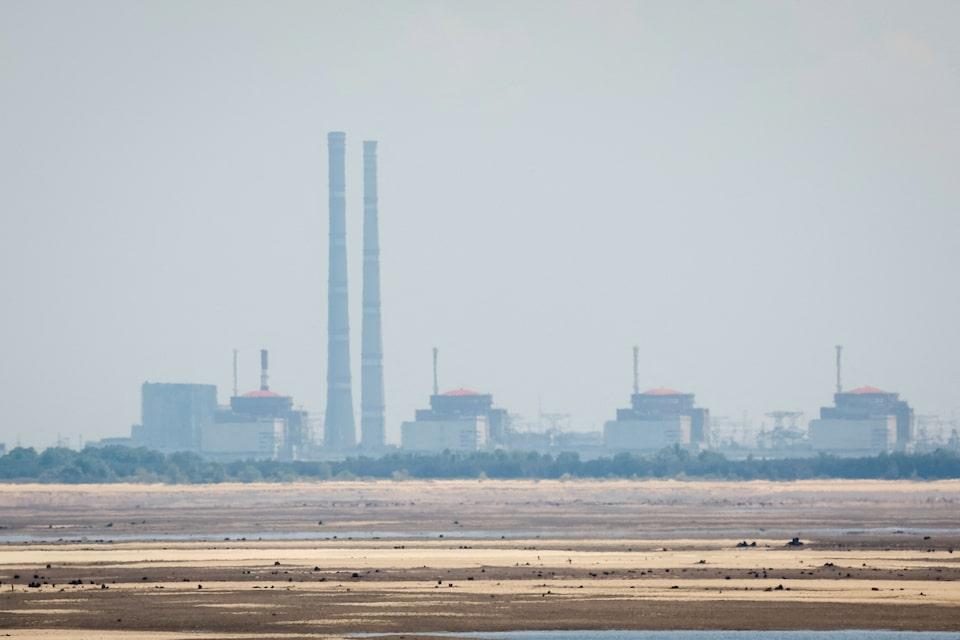
MOSCOW, Feb 12 (Reuters) - The head of the United Nations nuclear watchdog said intense military activity had prompted the cancellation on Wednesday of a rotation of a mission by monitors at the Russian-held Zaporizhzhia nuclear power plant in southern Ukraine. Rafael Grossi, director general of the International Atomic Energy Agency, did not apportion blame for the disruption, but said his agency's staff should not be subjected to such a situation. Russia and Ukraine blamed each other for the cancelled rotation. "I deeply regret today's cancellation of the carefully prepared and agreed rotation of our staff, who are carrying out vital work in very challenging circumstances to help prevent a nuclear accident during the military conflict," Grossi said in a statement on the IAEA website. "It is completely unacceptable that the safety of our staff is jeopardized in this way." Grossi said he would consult with both sides to ensure monitors could proceed with their mission and uphold nuclear safety. Russia accused Ukraine of engaging in "provocations" to disrupt the rotation. The Russia-installed governor of the region, Yevgeny Balitsky, had accused Ukraine of launching a drone attack on Enerhodar, the city nearest the plant, where many of its employees live. He said drone debris had landed within 300 metres (984.25 ft) of one of the plant's reactors. A spokesperson for Ukraine's Foreign Ministry, Heorhii Tykhyi, said Russia had deliberately disrupted the rotation, a tactic he said had been used before. "(Russia) gives vague signals of its supposed readiness to guarantee safe passage, but an hour before the start of the rotation it opens fire or starts hostilities in the area," Tykhyi said. Russia seized the Zaporizhzhia plant, Europe's largest with six reactors, in the early weeks of Russia's February 2022 invasion of Ukraine. Each side has since routinely accused the other of staging attacks around the plant and risking a nuclear accident. The IAEA has stationed monitors at the station since September 2022 and maintains a presence at all of Ukraine's nuclear facilities. Sign up here. https://www.reuters.com/world/europe/russia-blames-ukraine-disrupting-iaea-rotation-zaporizhzhia-nuclear-plant-2025-02-12/