2025-02-11 19:35
Feb 11 (Reuters) - ArcelorMittal (MT.LU) , opens new tab is considering a potential shift of some of its European business support activities to India, as the region’s steel sector faces pressure from high costs and rising imports, the world's second-largest steelmaker said on Tuesday. The company, however, said no steel manufacturing would be moved to India from Europe. Europe's steel industry has been struggling against oversupply from China and now - like other exporters - faces 25% tariffs on steel and aluminium imports U.S. President Donald Trump announced "without exceptions or exemptions" on Monday. India, which Trump called a "very big abuser" on trade, is planning to offer tariff cuts in various sectors that could boost U.S. imports and gain tariff concessions, government officials said. Prime Minister Narendra Modi will be visiting the United States this month for talks with Trump. "The steel industry in Europe is facing several major challenges which are threatening the future of steelmaking on the continent," ArceloMittal told Reuters in an emailed statement. Outlining the plan to shift some support activities during a European works council meeting on Tuesday, it said it was studying the expansion of business services hub in India to centralise certain support functions. "The initiative is part of our ongoing efforts to optimize business processes and align with similar moves by companies across various industries," the group added. ArcelorMittal's spokesperson told Reuters it was too early to provide details on which functions might be affected or the potential impact on jobs. The company's European unit is stepping up efforts to cut non-production costs amid mounting pressure on the region's steel industry, already strained by China’s overcapacity. Europe's main steel industry group Eurofer has asked for a 50% cut in steel import quotas under the EU's safeguard system. Sign up here. https://www.reuters.com/markets/commodities/arcelormittal-considers-shifting-european-support-activities-india-2025-02-11/

2025-02-11 19:10
Bangladesh asks Adani to fully resume supplies from 1,600 MW India plant, says official Bangladesh says full resumption was due on Monday but got delayed by technical problem Bangladesh says paying Adani Power $85 million/month in dues and trying to pay more Bangladesh says 'now there is no big issue with Adani' Adani and Bangladesh officials to meet virtually on Tuesday, says source NEW DELHI, Feb 11 (Reuters) - Bangladesh has asked Adani Power to fully resume supplies from its 1,600-megawatt plant in India, a Bangladesh official said, after more than three months of reduced sales with supplies halved due to low winter demand and payment disputes. Adani, which signed a 25-year contract under former Prime Minister Sheikh Hasina in 2017, has been supplying power from its $2 billion plant in India's Jharkhand state. The plant, with two units each of 800 megawatts capacity, sells exclusively to Bangladesh. Adani halved supply to Bangladesh on October 31 due to payment delays as the country battled a foreign exchange shortage. That led to the shutdown of one unit on November 1, resulting in the plant's operating at about 42% capacity. Subsequently, Bangladesh told Adani to keep supplying only half the power. The state-run Bangladesh Power Development Board (BPDB) said it had been paying $85 million a month to Adani to clear outstanding dues and has now told the company to resume supply from the second unit. "As per our requirement today, they have planned to synchronise the second unit, but due to the high vibration, it didn't happen," BPDB Chairperson Rezaul Karim told Reuters, referring to some technical problems that stopped the unit from restarting on Monday. "Right now, we are making a payment of $85 million per month. We are trying to pay more, and our intention is to reduce the overdue. Now there is no big issue with Adani." The dispatch of power by a power generator is dependent on the procurers' requirements, which keep changing, Adani Power said in an exchange filing late on Tuesday, while commenting on the Reuters report. This is a normal scenario and is addressed under contractual arrangements, it added in its statement. BPDB and Adani officials were due to meet virtually on Tuesday following another meeting recently to work out various issues between them, said a source with direct knowledge of the matter who did not want to be named as he was not authorised to talk to the media. In December, an Adani source said BPDB owed the company about $900 million, while Karim said at the time the amount was only about $650 million. The pricing dispute revolves around how power tariffs are calculated, with the 2017 agreement pricing off an average of two indexes. Adani's power costs Bangladesh about 55% more than the average of all Indian power sold to Dhaka, Reuters has reported. A Bangladesh court has ordered an examination of the contract with Adani by a committee of experts, with results expected this month. This could potentially lead to contract renegotiations. Last year, Bangladesh's interim government accused Adani of breaching the power-purchase agreement by withholding tax benefits that the Jharkhand plant received from New Delhi, Reuters reported in December citing documents. Bangladesh officials also said they were reviewing the contract. A spokesperson for Adani told Reuters at the time that it had upheld all contractual obligations with Bangladesh and had no indication Dhaka was reviewing the contract. Karim has not replied to Reuters' questions on whether the two sides have resolved their differences. In November, U.S. prosecutors indicted Adani Group founder Gautam Adani and seven other executives for their alleged role in a $265 million bribery scheme in India. Adani Group has called the U.S. allegations "baseless". In September, the Bangladesh government appointed a panel of experts to examine major energy deals signed by Hasina, who fled to New Delhi in August after deadly student-led protests. Sign up here. https://www.reuters.com/business/energy/bangladesh-seeks-full-power-supply-restoration-adani-plant-2025-02-11/
2025-02-11 19:07
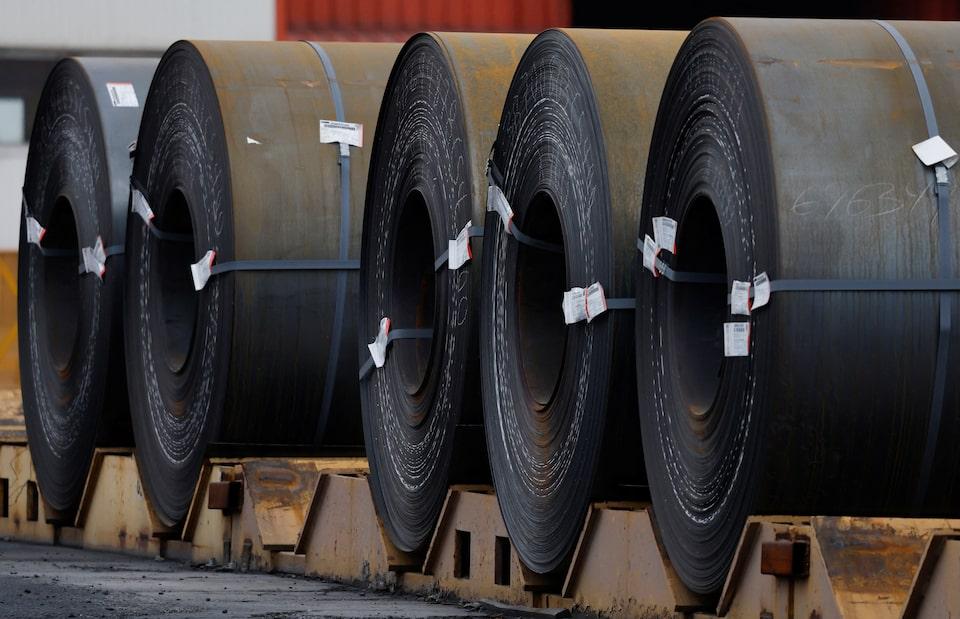
MEXICO CITY, Feb 18 (Reuters) - Spanish bank Santander (SAN.MC) , opens new tab will do various investments amounting to over $2 billion in Mexico during the next three years, the company's Executive Chair Ana Botin said on Tuesday. Botin made the announcement during an event in Mexico's capital where the company presented it's 100% digital bank, Openbank, that is already operating in Mexico. Earlier on Tuesday, Mexican president Claudia Sheinbaum announced the amount of the investment without giving further details, after meeting with Botin on Monday. "We are announcing an investment program over the next three years of more than $2 billion, 42 billion pesos," Botin said during the event, detailing that the amount will be designated to Openbank, Santander Bank itself and other items. "Mexico is the country where we see the greatest growth potential," she said, adding that it is one of the countries where the company is "going to continue investing the most from now on". Santander's announcement marks an increase in the group's investments in the Latin American Country. In 2003, Botin met with former Mexican President Andres Manuel Lopez Obrador and posted the bank's commitment to invest around 500 million dollars a year in the country until 2025. Santander's Mexican subsidiary is one of the country's largest banks. Sign up here. https://www.reuters.com/markets/commodities/us-tariffs-mexican-steel-aluminum-are-not-justified-mexico-says-2025-02-11/
2025-02-11 18:38
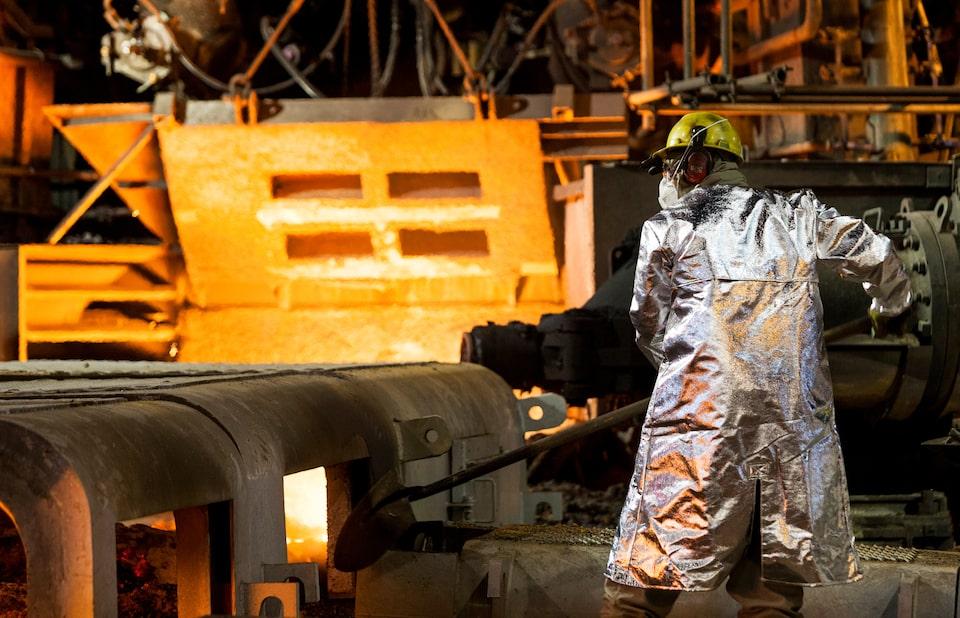
SAO PAULO, Feb 11 (Reuters) - Brazilian steelmakers lobby group Aco Brasil said on Tuesday that it was "surprised" by the 25% tariffs , opens new tab imposed by the U.S. on steel, aluminum imports, adding that such measure would not benefit either of the countries. Aco Brasil added in a statement that the earlier agreement between Brazil and the U.S. was favorable, and that the group and would open conversations to resume steel trade in previous terms. Sign up here. https://www.reuters.com/markets/commodities/brazil-steelmakers-lobby-group-says-us-25-tariffs-steel-will-benefit-neither-2025-02-11/
2025-02-11 16:22
Vast majority of central banks are working on CBDCs Nearly a third have delayed timeline due to issues Maintaining currency sovereignty remains key driver LONDON, Feb 11 (Reuters) - Nearly a third of central banks have pushed back launching digital versions of their currencies, a new survey shows, although a desire to protect their money-minting powers mean most still intend to go ahead. Central Bank Digital Currencies (CBDCs) are back in the spotlight after U.S. President Donald Trump banned work on a digital dollar in one of his first moves after regaining power last month. The survey rounds published on Tuesday were completed before that announcement, but the central banks that took part had been asked whether they were now cooling on CBDCs, given the issues around such assets. It found 67% had not changed their stance over the past year, with three-quarters planning to issue one and a steady 19% saying they did not intend to do so. Other findings were more mixed, however. The share of central banks inclined to issue one dropped slightly, while the proportion now less inclined to issue one is 15%, compared to zero in 2022. "There is a clear hesitancy around the subject," the survey by the Official Monetary and Financial Institutions Forum (OMFIF) think tank and German-based banknote firm Giesecke+Devrient said. "Very few (central banks) have so far taken the decision to issue, despite a great deal of exploratory work." The firm said 31% had delayed their CBDC timelines, including nearly half of those that hope to have one ready within three to five years. Supporters of digital currencies say they could make 24/7, real-time, cross-currency payments a reality and are a natural alternative to physical cash, which seems in terminal decline. Opponents, though, argue that advances can be achieved with existing systems. Public protests have focused on one of U.S. President Trump's main criticisms - denied by central bankers - that governments could use them for snooping. The survey showed that "preserving central bank monetary sovereignty" remained a top motivation for introducing a CBDC, especially in major economies like the euro zone. Giesecke+Devrient Currency Technology CEO Wolfram Seidemann noted that one of the European Central Bank's top policymakers recently said a digital euro would counterbalance Trump's U.S. drive for 'stablecoins' - a type of cryptocurrency typically pegged to the dollar. Stablecoins are run for profit by privately owned groups. If they become too dominant the worry is that would take away the money, or "seigniorage", countries earn from printing their own currencies and the power they wield through them. "I'm sure others will have a similar view," Seidemann said referring to the ECB's stance. The other "elephant in the room", he said, was the ongoing concern around privacy and the intertwined risk that barely anyone ends up using a launched CBDC, given they also do not yet offer a significant advance in terms of what people can do with them. Jamaica, the Bahamas, Nigeria and China have all had this issue and it was the biggest worry for around 55% of the emerging market central banks the survey asked. Sign up here. https://www.reuters.com/markets/currencies/almost-third-central-banks-delaying-digital-currency-plans-report-shows-2025-02-11/

2025-02-11 14:32
BENGALURU, Feb 11 (Reuters) - Bond strategists are rethinking long-held forecasts for declining U.S. Treasury yields on the basis that tariff-linked inflation threats could further delay Federal Reserve rate cuts, a Reuters survey found. Many of those yield upgrades were based on investors demanding higher ‘term premium’ - compensation for holding debt over time - owing to President Donald Trump’s tariff and tax-cut plans, which are complicating the Fed’s efforts to bring inflation down. Continued U.S. economic outperformance and the Fed's insistence that it is "not in a hurry" to lower rates further have pushed interest rate futures to completely price in just one more rate reduction this year. U.S. Treasury Secretary Scott Bessent suggested in an interview last week that the White House was focused on keeping 10-year Treasury yields low rather than asking the Fed to lower policy rates. Vague statements by Trump suggesting "very fraudulent" Treasury debt payment records have rattled bond market participants in recent days, although the remarks have done little to prices and yields so far. Three-quarters of poll respondents, 16 of 21, in a February 6-11 Reuters survey said the greater risk to their three-month forecast was yields, which move inversely to prices, overshooting rather than dropping. For many, Trump's erratic policy moves — especially on tariffs — add to this risk. "If we didn't have all these policy changes, I would expect disinflation, a normalization of policy rates and inflation falling back towards 2%. But I have to take into account the changes that could upend that expectation," said Kathy Jones, chief fixed income strategist at the Schwab Center for Financial Research. "That's why we've shifted our views, basically saying 'okay, the game is on. We have inflationary policies, we're going to get inflation'. We see short rates staying pretty steady, but 10-year yields potentially moving back up to the 5% region." Jones was in line with a near-60% majority of economists in a separate Reuters survey who agreed tariff-linked U.S. inflation risks have gone up recently and a two-thirds majority of bond analysts from a January survey who said the yield surpassing 5% this year was "very likely" or "likely". Median forecasts from strategists in the poll were for the benchmark 10-year yield to hold steady at 4.53% in three months and trade at 4.50% in six months, higher than the median 4.40% and 4.35%, respectively, from last month's poll. Over half revised up their January forecasts, which were themselves broad upward adjustments from December. "Our outlook is the Fed stays on hold at least until the June meeting - if not longer - and Treasury yields then stay in a range. But there's more risk for yields to move up than down from here especially at the long end because of tariffs and fiscal policy," Jones added. A majority of forecasters in the survey predicted the yield would equal or surge past current levels at some point in their three-, six- or 12-month forecasts — a radical shift from the landslide majority who almost exclusively saw yields declining in earlier surveys. "Since the summer of 2022, the consensus has almost always forecast a recession and naturally, for rates to decline, since they have the impression current interest rates levels are way too high. But the U.S. has been growing above-trend since then, and those forecasts have been very wrong," said Lars Mouland, chief rates strategist at Nordea. "Why should the Fed cut rates? If they cut too much now, they risk firing up an economy already running at a pretty good speed." Sign up here. https://www.reuters.com/markets/us/mounting-tariff-linked-inflation-jitters-push-us-treasury-yield-forecasts-higher-2025-02-11/